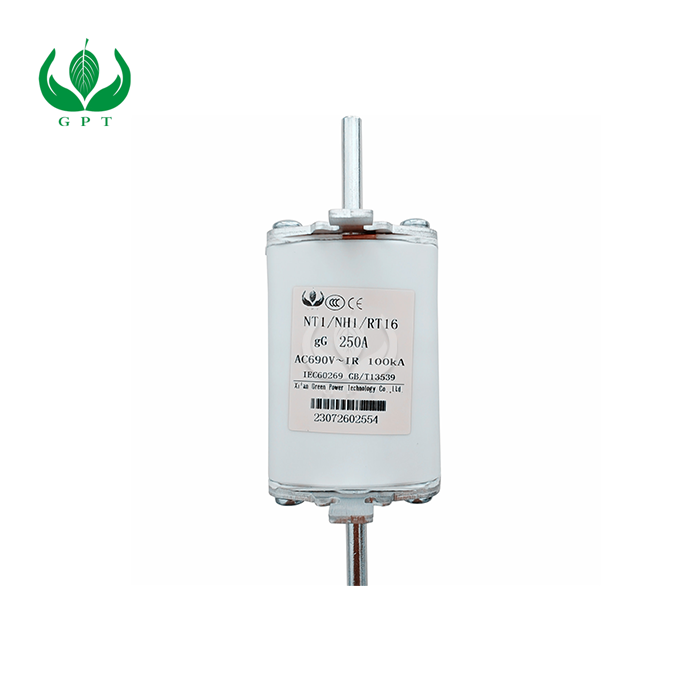
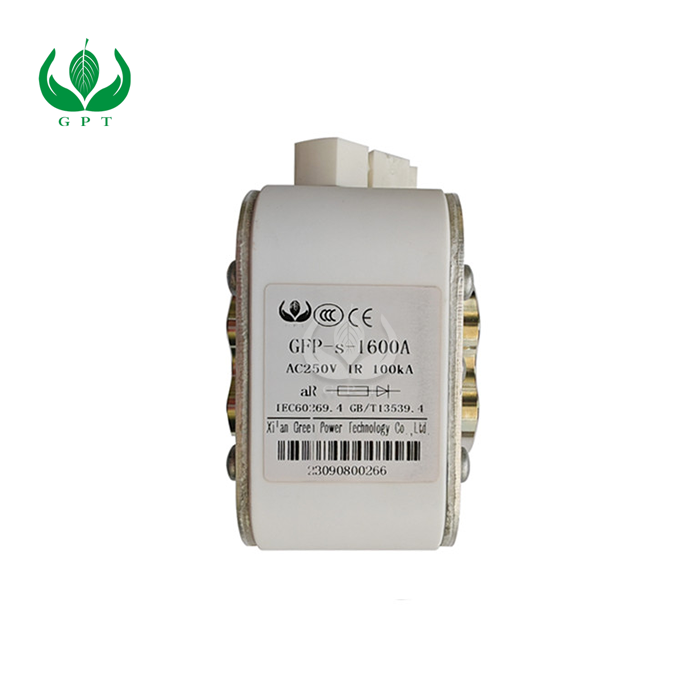
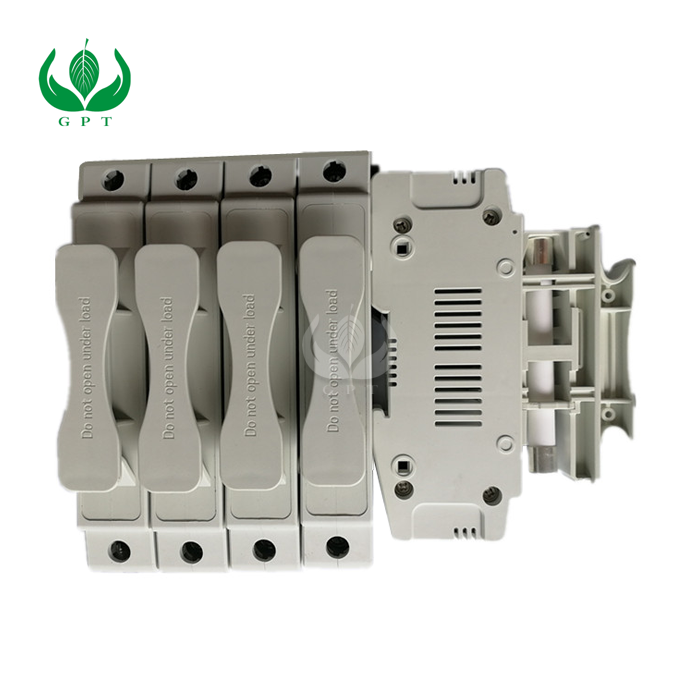
_1752570870823.webp)
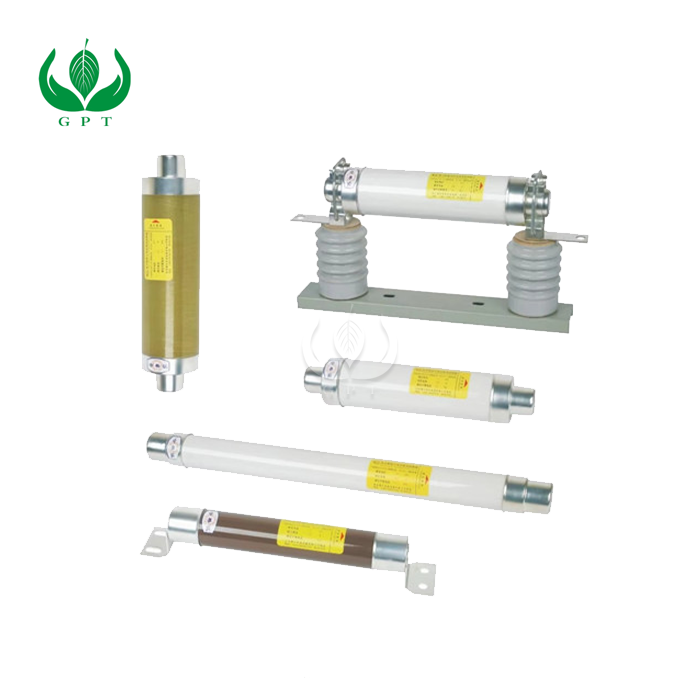
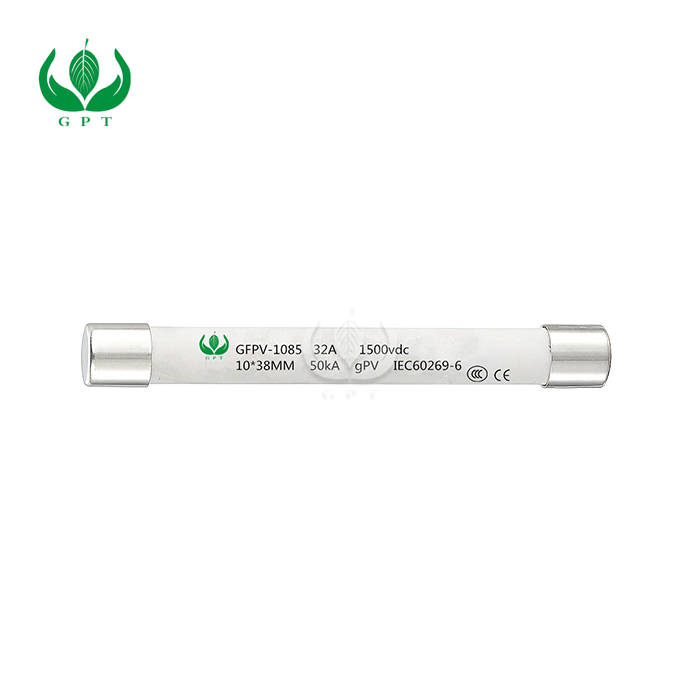
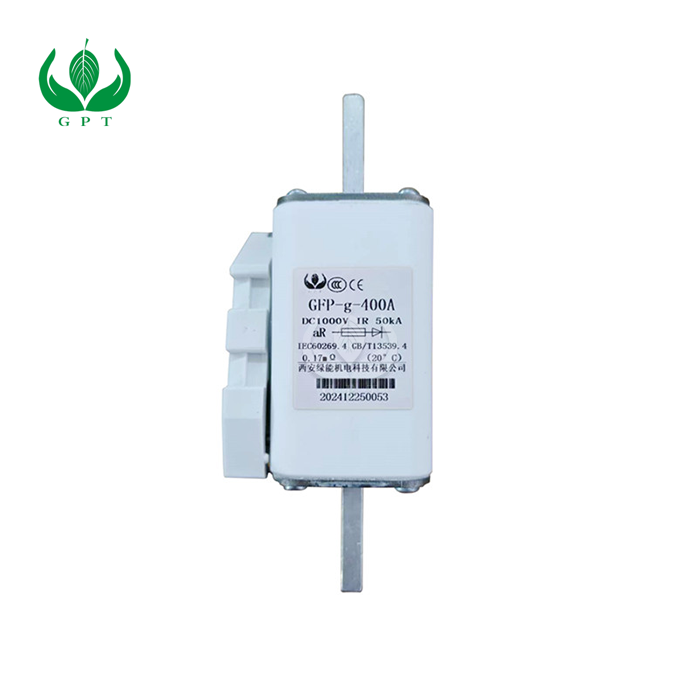
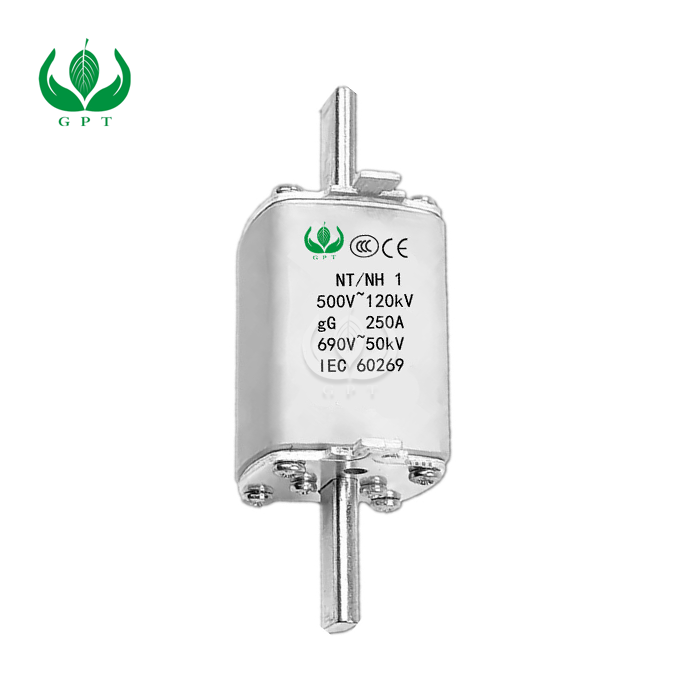
When electrical circuits stop working, the results can be very bad. The XRNT fuse is a very important safety feature for transformer protection. It provides overcurrent protection that is much more accurate than what regular fuses can offer. This advanced fuse technology quickly isolates faults and protects against arcs better than traditional protection devices. This keeps transformer systems running and avoids expensive damage to equipment. These protection devices are crucial for modern electrical systems, like those used for EV charging, renewable energy, and industrial power. They comply with international standards such as GB15166.2 and IEC282-1 and have voltage ratings that range from 3.6kV to 40.5kV.
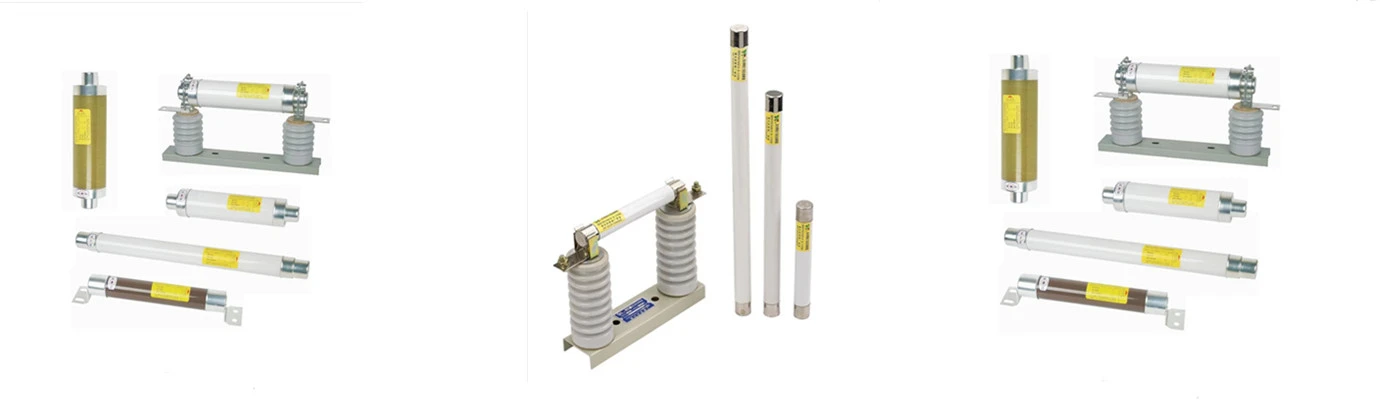
Understanding XRNT Fuse Technology and Its Role in Transformer Protection
Electrical security has changed a lot over time, and making sure that transformers are safe has become more difficult in today's energy systems. XRNT fuses are a big step forward in protection technology. They are made to work well with high-voltage transformers that have very special needs.
Advanced Arc-Quenching Technology
Newer XRNT fuses have more advanced arc-quenching systems than older fuse types. The fuse link works in a special ceramic or epoxy glass tube that is filled with chemically treated quartz sand of high purity. This creates the best environment for quickly interrupting faults. This design can find faults within 10 ms, which greatly lowers the risk of damage to the transformer during overcurrent situations.
The arc-quenching medium is very important for keeping the system safe. If something goes wrong, the controlled environment inside the fuse tube lets the electrical current stop cleanly, which stops sparks from forming and possibly hurting nearby equipment. This technology is especially useful for charging electric vehicles and setting up green energy sources, because when the equipment is not working, the business loses money.
Technical Specifications and Voltage Ratings
Our XRNT fuse series works with a wide range of voltages, from 3.6kV to 40.5kV. This allows for different needs in transformer safety. The 50Hz frequency works perfectly with electricity grids across the United States, which means it can be used right away without any issues.
In standard setups, the breaking ability is up to 20 kA, but for special uses, customizable options can go beyond 30 kA. The temperature range in which this can be used reliably is from -40°C to +125°C. This allows it to work well in very harsh conditions that are popular in outdoor installations and industrial settings.
Compliance with International Standards
Following the GB15166.2 and IEC282-1 standards makes sure that these safety devices are compliant with strict safety rules recognized around the world. These certifications make sure that procurement managers can trust that products will work well and that it will be easier to get approvals for setups around the world. The standardized design makes it easier to replace parts and do upkeep, which lowers long-term costs.
Why XRNT Fuse Outperforms Traditional Fuse Solutions in Transformer Applications?
In situations where transformer protection is needed, traditional fuse technologies often fail, causing problems that modern electrical systems can't handle. The lack of effectiveness of standard safety methods has led to the creation of improved XRNT fuse technology.
Faster Response Times and Superior Thermal Management
When there is a fault, conventional fuses usually respond more slowly, which could let damaging currents happen for longer than they should. XRNT fuses fix this major problem by improving heat control and making it easier to interrupt the flow of electricity.
Better thermal handling is possible because of improved materials and careful engineering. When a lot of power goes through them, regular ceramic fuses can have problems with heat dissipation. XRNT fuses, on the other hand, keep working because they are designed with better thermal conductivity and heat distribution. This better thermal control makes the system last longer and lowers the chance of nuisance trips that are common with standard protection systems.
Comparison with Alternative Fuse Technologies
When engineers are looking at ways to protect things, they have to think about the different fuse methods that are on the market. Here are the main benefits of XRNT fuses compared to other options:
- Conventional Glass Fuses: XRNT fuses don't have the problems with breakability that glass fuses do, and they can break more easily and fight the environment better.
- PTC Resettable Fuses: XRNT fuses are better than PTC devices because they don't lose their ability to protect over time.
- Blade Fuses: XRNT fuses have a small form that saves space compared to larger blade fuses and also offers much higher voltage ratings.
These benefits are clear for electrical engineers who are making plans for transformer safety systems. The improvements in reliability mean that the system doesn't have to be serviced as often, and the better performance means that there are safer margins in important applications.
Real-World Application Benefits
When transformers are put in EV charge stations, it shows how useful XRNT fuse technology can be. The fast-charging systems' quick cycle demands and changing load features need protection devices that can handle frequent current changes without breaking down. XRNT fuses beat traditional options by a large margin, delivering over 100,000 operational cycles in charging station applications.
Here's another great example of a solar inverter application that works well with XRNT fuses. The changeable nature of solar power output makes it hard to protect, especially when the clouds pass by or when the grids sync up. The precise current interruption features of XRNT fuses stop nuisance trips while still protecting against real fault situations.
How to Select and Procure XRNT Fuses for Your Transformer Protection Needs?
Successful transformer protection adoption requires careful thought about a number of technical and procurement issues. During the decision process, system needs are compared with available fuse specs while keeping long-term goals in mind.
Critical Selection Parameters
When choosing XRNT fuses for transformer purposes, the most important thing to keep in mind is that they are compatible with the voltage. The voltage levels from 3.6kV to 40.5kV cover most setups for utility and industrial transformers. Engineers need to make sure that the fuse voltage rating they choose is higher than the system's maximum working voltage by a good amount.
It is necessary to consider both standard load currents and possible fault current levels when choosing a rating. The fuse needs to be able to carry normal operational currents without breaking. At the same time, it needs to be able to consistently interrupt fault currents within the stated time limits. This balance is especially important in situations where high inrush currents occur, like when a transformer is energized.
The factors in the environment have a big effect on how well fuses work and which ones are used. Indoor high-voltage distribution systems work better in a controlled setting, but changes in temperature and humidity can still affect long-term performance. The device can work at temperatures between −40°C and +125°C, which guarantees that it will always work in a variety of settings.
Procurement Strategies and Supplier Evaluation
Building ties with good suppliers makes sure you get real XRNT fuses with the right certifications and help with technical issues. Good makers offer in-depth technical information, like detailed datasheets and application guides that make it easier to choose the right product and install it correctly.
The least amount that you have to order is usually 5 pieces, so XRNT fuses can be used for both small and big jobs. Once you order a certain amount, you can get bulk pricing. Orders of more than 50,000 units can get the best prices, with huge savings for each unit. OEM services make it possible to customize for special uses that need certain specs or packaging.
The amount of orders and how much tailoring is needed affects the time it takes to complete them. Standard setups usually ship from well-known warehouse locations within 7 days, but custom changes might take 4 to 6 weeks for planning and production. Global logistics networks make sure that project areas all over the world get their deliveries on time.
Quality Assurance and Certification Requirements
All XRNT fuses are tested very carefully, including Hi-Pot tests and long-term environmental validation. The 500-hour salt spray test makes sure that the product will work in seaside and industrial settings where resistance to corrosion is very important. These quality checks help buying managers be sure that they can count on the products to work well over time.
Compliance with certification goes beyond basic safety standards to include automotive-grade requirements like IATF 16949 for EV uses. The CE, TUV, CCC, and RoHS standards make it easier to use products around the world and make sure they are good for the environment. These all-encompassing certifications make it easier for foreign projects to get approved.
Implementing XRNT Fuses: Installation and Maintenance Guide
Proper placement and upkeep of XRNT fuses will make sure that they can protect your system and keep it reliable over time. Technical teams gain from following established procedures that cover both the installation needs and the maintenance rules.
Installation Best Practices
Before the installation can begin, the system must be carefully checked to make sure it is not energized and that lockout/tagout steps are followed correctly. To make sure that solid electrical connections are made, XRNT fuses need to be mounted in certain ways and tightened to certain levels of torque. The insert-style design makes it easier to place and remove compared to traditional fused switch setups.
To keep from heating up and breaking early, electrical links need to have the best contact resistance. Using the right amount of torque makes sure that there is enough contact pressure without putting too much stress on the gear that connects them. As part of environmental security, the right enclosure ratings keep the fuse safe from dirt and moisture.
Preventive Maintenance Protocols
Regular inspection plans help find problems before they get in the way of protecting the system. Visual inspections should look for signs of overheating, corrosion, or harm that could make the performance worse. Thermal imaging scans can find connection issues that might not be seen during regular checks.
At set times, connection torque verification should be done, especially in cases where thermal cycling or vibration can happen. Resistance heating from loose links can hurt the fuse and the equipment around it. Keeping good records of repair work helps you keep an eye on how things are doing and figure out when it's time to replace something.
Troubleshooting Common Issues
When a fuse works unexpectedly, a methodical probe is needed to find the root causes and stop it from happening again. Load analysis helps tell the difference between real protection activities and nuisance trips that happen because of short-term overload situations. Current tracking tools give us useful information about how the system acts during fault events.
Fuses may not work as expected in very hot or cold temperatures or if they are dirty. Finding and taking care of these issues keeps problems from happening again and makes the tools last longer. When qualified manufacturers offer technical help, it gives you more tools to deal with difficult problems.
Green Power: Your Trusted Partner for XRNT Fuse Solutions
Green Power stands at the forefront of electrical protection innovation, combining over two decades of engineering expertise with cutting-edge manufacturing capabilities. Since our establishment in 2016, we have specialized in developing high-performance fuses for the most demanding applications across electric vehicles, renewable energy, and industrial power systems.
Engineering Excellence and Manufacturing Expertise
Our technical foundation draws from the extensive experience of experts from China XD Group and Xi'an Jiaotong University, creating a unique blend of academic research and practical engineering knowledge. This collaboration has enabled us to develop XRNT fuse technology that consistently exceeds industry performance standards while maintaining competitive pricing for our global customer base.
The company's commitment to quality manifests through comprehensive certifications including ISO9001, IATF16949, CE, TUV, CCC, and RoHS compliance. These certifications reflect our dedication to maintaining the highest quality standards throughout our manufacturing processes while ensuring global market accessibility for our products.
Comprehensive Product Range and Customization Capabilities
Our XRNT fuse product line encompasses voltage ratings from 3.6kV to 40.5kV with customizable current ratings and breaking capacities. This extensive range enables us to address diverse transformer protection requirements across multiple industries and applications. OEM services allow for specialized modifications that meet unique customer specifications and application requirements.
Fast-track customization capabilities enable modification of fuse profiles, including size and current ratings, within 4-6 weeks. This rapid response time proves particularly valuable during prototype development phases and urgent project requirements. Our engineering team works closely with customers to optimize fuse characteristics for specific application demands.
Global Support Network and Technical Services
Our international distribution network maintains warehouse facilities across Europe, North America, and Asia to ensure rapid delivery for urgent requirements. This global presence enables us to provide local technical support while maintaining competitive logistics costs for our customers worldwide.
Technical support services extend beyond product delivery to include application engineering assistance and ongoing technical consultation. Our team of qualified engineers provides guidance on proper selection, installation procedures, and maintenance protocols to ensure optimal system performance throughout the product lifecycle.
Conclusion
XRNT fuses represent a critical advancement in transformer protection technology, delivering superior performance characteristics that traditional fuse solutions cannot match. The combination of rapid fault interruption, superior thermal management, and comprehensive voltage ratings makes these protection devices essential for modern electrical systems. From EV charging infrastructure to renewable energy installations, XRNT fuses provide the reliability and safety margins that today's demanding applications require. As electrical systems continue to evolve toward higher voltages and more complex operational requirements, the advanced protection capabilities of XRNT fuses become increasingly valuable for ensuring system integrity and operational continuity.
FAQs
What distinguishes XRNT fuses from conventional fuse technologies in transformer applications?
XRNT fuses incorporate advanced arc-quenching technology and superior thermal management that enables fault interruption within 10ms, significantly faster than conventional alternatives. The specialized ceramic construction with chemically treated quartz sand provides enhanced breaking capacity and environmental resistance compared to traditional glass or ceramic fuses.
Are XRNT fuses compatible with different transformer sizes and voltage levels?
Yes, our XRNT fuse series covers voltage ratings from 3.6kV to 40.5kV with customizable current ratings, accommodating most industrial and utility transformer configurations. The modular design enables easy integration with existing protection schemes while maintaining compliance with international safety standards.
What are typical order logistics including lead times and minimum order requirements?
Standard XRNT fuses have a minimum order quantity of 5 pieces with typical delivery within 7 days from our global warehouse network. Custom modifications require 4-6 weeks for engineering and production, while bulk orders benefit from expedited processing and competitive pricing structures.
How do environmental conditions affect XRNT fuse performance?
XRNT fuses operate reliably across temperature ranges from -40°C to +125°C and undergo 500-hour salt spray testing to ensure performance in challenging environments. The robust construction maintains consistent protection characteristics despite humidity, temperature cycling, and industrial contamination exposure.
Contact Green Power for Expert XRNT Fuse Solutions
Ready to enhance your transformer protection with industry-leading XRNT fuse technology? Green Power combines two decades of engineering expertise with comprehensive technical support to deliver optimal protection solutions for your critical systems. Our experienced team provides personalized consultation to ensure proper fuse selection while our global logistics network guarantees timely delivery for urgent project requirements. Whether you need standard configurations or custom specifications, our XRNT fuse manufacturer capabilities ensure reliable protection for EV charging systems, renewable energy installations, and industrial power applications. Connect with our technical specialists today at fusemaker@163.com for detailed specifications and competitive quotations tailored to your specific requirements.
References
Institute of Electrical and Electronics Engineers. "IEEE Standard for High-Voltage Fuses for Transformer Protection Applications." IEEE Power Engineering Society Technical Publication, 2023.
International Electrotechnical Commission. "High-Voltage Fuses for Transformer Applications: Design Principles and Performance Standards." IEC Technical Report 282-1, 2022.
National Electrical Manufacturers Association. "Transformer Protection Fuse Selection Guide for Industrial and Utility Applications." NEMA Standards Publication, 2023.
Electric Power Research Institute. "Advanced Fuse Technologies for Modern Power System Protection." EPRI Technical Update Report, 2022.
American Society for Testing and Materials. "Standard Test Methods for High-Voltage Fuse Performance Evaluation in Transformer Protection Systems." ASTM International Standards, 2023.
Society of Automotive Engineers. "Electrical Protection Systems for Electric Vehicle Infrastructure: Fuse Technology and Applications." SAE Technical Paper Series, 2022.