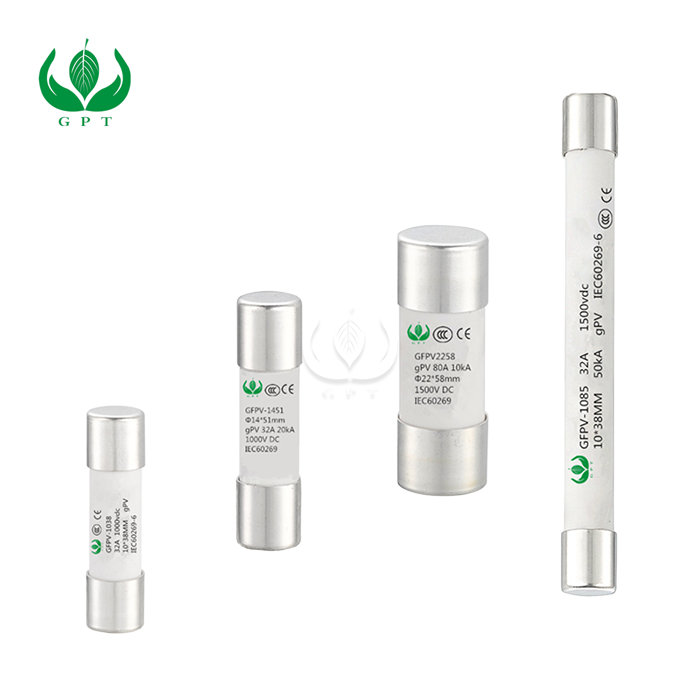
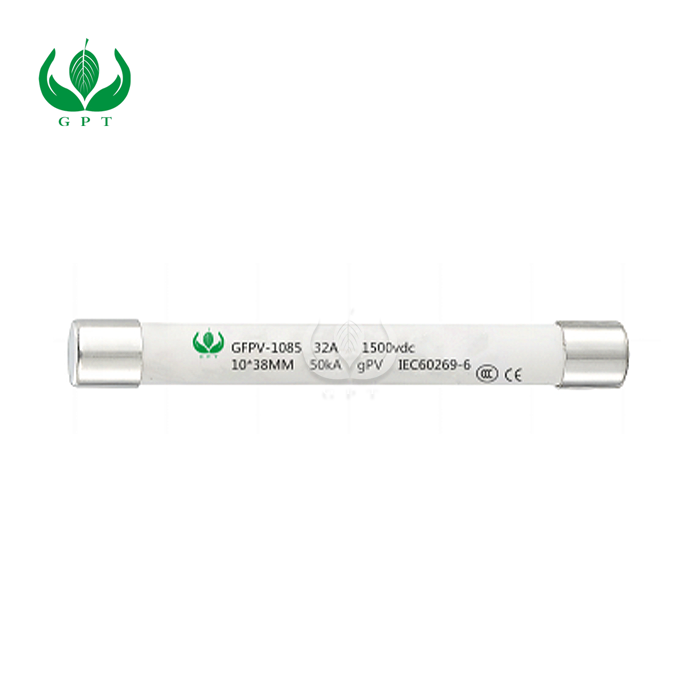
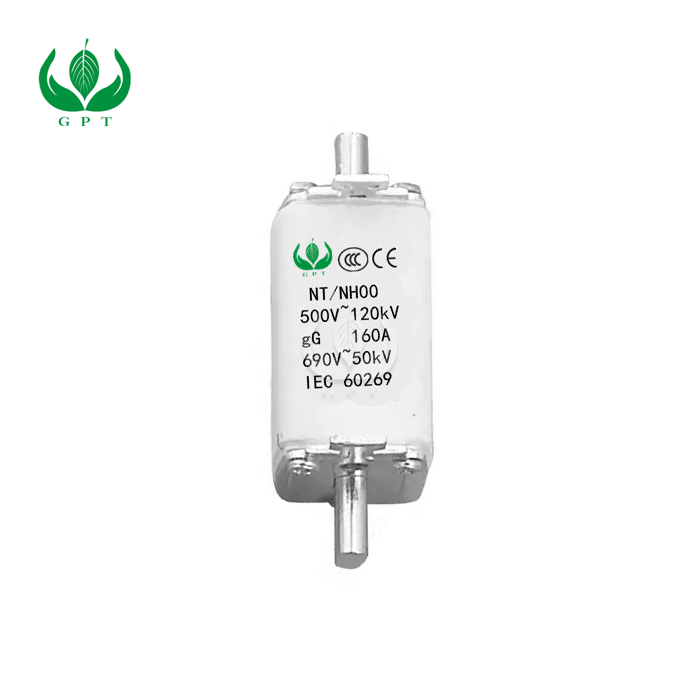
_1752570870823.webp)
In high-vololtage industrial settings, the 3.6KV current limiting fuse is a key part of safety. It protects important tools from fault currents that can kill transformers, inverters, and distribution systems in just a few milliseconds. These specialized safety devices are used a lot in the infrastructure for electric vehicles, green energy systems, making semiconductors, and power distribution networks for industry. They are very important for protecting costly machinery and keeping operations going in difficult industrial settings because they can stop fault currents in under a fourth of a cycle.
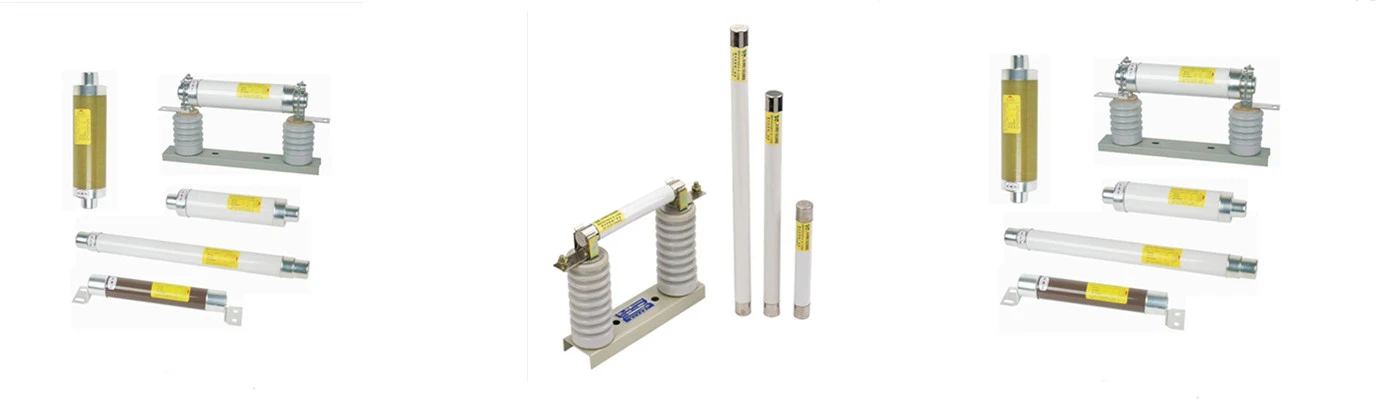
Overview of 3.6kV Current Limiting Fuses in Industrial Applications
Industrial electrical systems are always at risk of overcurrent conditions that can cause terrible machine failure and long downtimes. The 3.6kV current limiting fuse solves these problems by offering very quick fault current interruption capabilities that are much better than those of standard safety devices. These fuses are made to protect places where normal methods fail in the face of high voltage.
Critical Protection Functions in Industrial Settings
The idea behind high-voltage current limiting technology is to quickly stop the arc and limit the current when there is a fault. When the current flow is not normal, the fuse element melts within milliseconds, causing an arc that is quickly put out by advanced suppression mechanisms filled with sand. This process stops fault currents from reaching their very harmful high values. This keeps equipment downstream from overheating and experiencing mechanical stress.
The ceramic design and silver-plated contacts make sure that it works reliably across a wide range of temperatures, usually from −40°C to +125°C. This strong design makes sure that the electrical system keeps working in tough industry settings where temperature changes and harmful substances can affect the system's reliability.
Diverse Industrial Applications and Benefits
Today's factories and plants in a range of areas, such as power creation, manufacturing, and infrastructure development, depend on these safety devices. These fuses are used in DC fast chargers for electric vehicles to protect them from damage. They are also used in solar panel setups to protect the inverter and the combiner box. Wind power facilities use current limiting technology in their converters and energy storage arrays to make sure that power production doesn't stop.
The economic benefits include lower upkeep costs, less downtime, and better system reliability, in addition to protecting equipment. These benefits lead to more efficient operations and a lower total cost of ownership for industry users who have to deal with complicated electrical systems.
How 3.6kV Current Limiting Fuses Work and Their Technical Specifications?
To understand how current limiting fuses work, you need to look at their special design and performance features. These devices use modern materials science and precision engineering to provide better protection than standard fusing technology.
Advanced Design and Operating Principles
The main function is to interrupt current in a controlled way using special fuses that are meant to melt when the current reaches a certain level. Unlike regular fuses that let fault currents reach their highest level before being interrupted, current limiting designs start to melt in the first quarter cycle of fault starting. This quick action stops the formation of harmful current peaks that can break delicate tools.
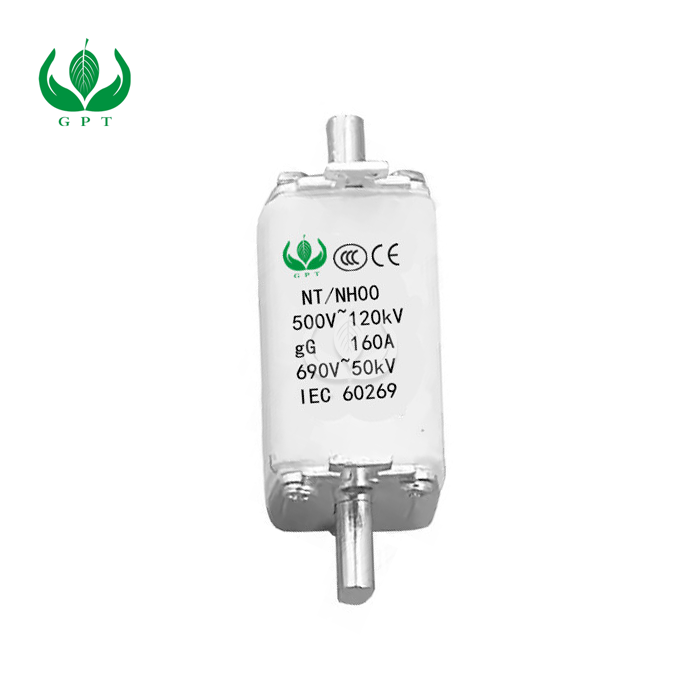
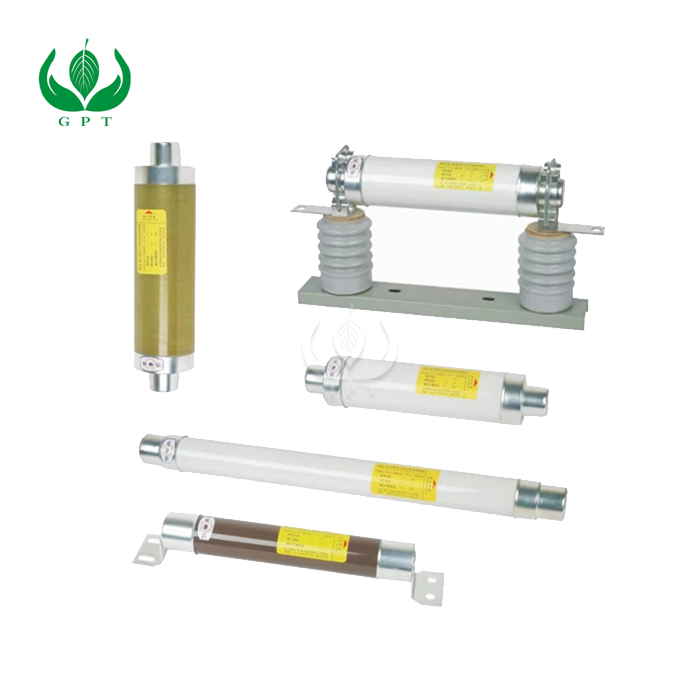
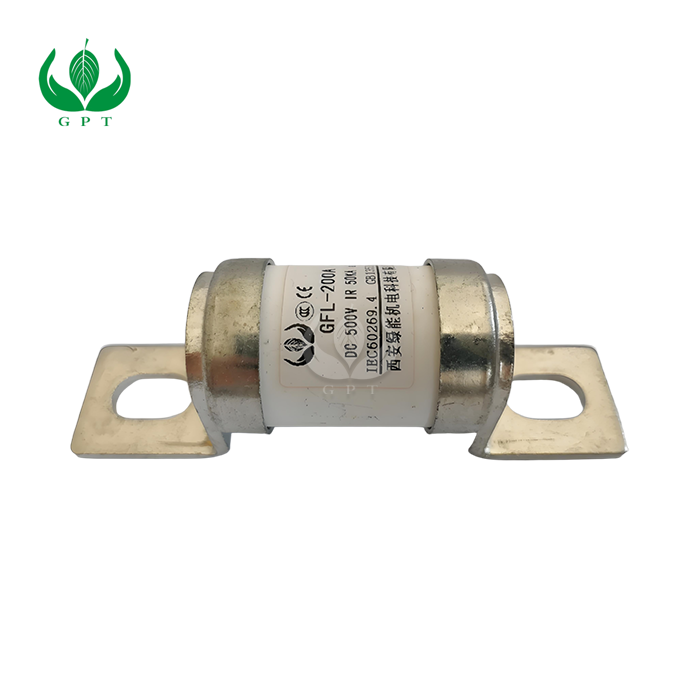
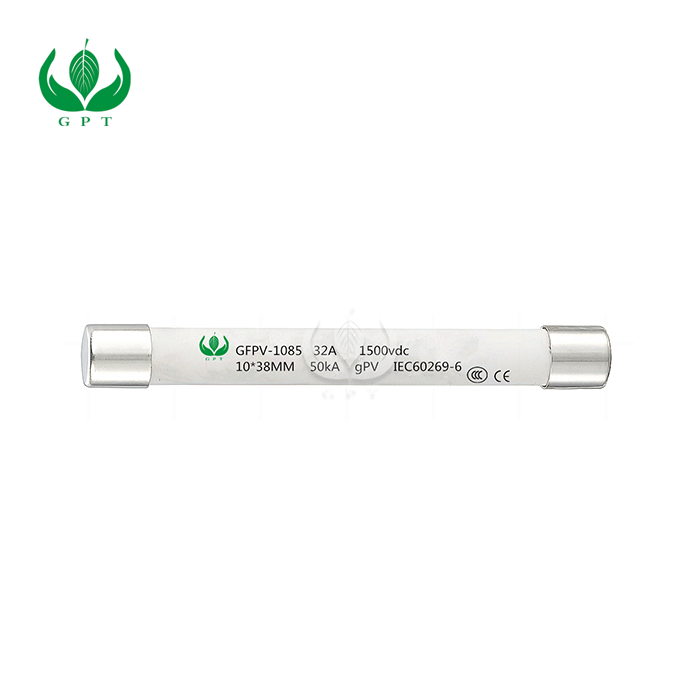
Our 3.6KV current limiting fuse is made of ceramic and has arc suppression chambers filled with sand. These chambers quickly put out the electrical arcs that happen when the fuse interrupts a problem. The silver-plated contact system makes sure that the links are easy to make and stay reliable over time, even when the temperature changes a lot.
Comprehensive Technical Specifications
Key performance factors show how well these safety devices work in certain industrial settings. The 3.6 kV rated voltage works with medium-voltage distribution systems that are usually found in businesses, and the range of 1A to 200A gives you options for different load needs. The breaking capacity of 50 kA guarantees enough safety even when there are very high levels of fault.
Following international standards like IEC 60269, UL 248, GB15166.2, and IEC282-1 makes sure that they work with electricity systems around the world and meet those countries' rules. The 50Hz rated frequency lines up with the normal ways of distributing power in industries. At the same time, the RoHS and IATF 16949 certifications show that it follows environmental rules and can be used in the car industry.
Temperature Performance and Environmental Resilience
The device can be used in very hot or cold weather without performance issues as long as the temperature is between −40°C and +125°C. This wide temperature range is very important for settings like outdoor sites, industrial process areas, and places where the temperature changes a lot over time. The ceramic body design gives great resistance to thermal shock and long-term stability while under constant operating stress.
How 3.6kV Current Limiting Fuses Stack Up Against Other Safety Devices?
It's important to know the pros and cons of different high-voltage protective devices when choosing the best security technology. In some industrial situations, current restricting fuses are better than regular fuses and circuit breakers.
Performance Advantages Over Traditional Fuses
Standard high-voltage fuses don't have the current limiting feature that marks today's protection technology. Before being cut off, traditional designs let fault currents hit their full peak values. This can cause a lot of damage to equipment, even when protection works as it should. Current limiting technology stops this release of damaging energy by starting to interrupt things before peak current development.
The way that current limiting fuses let through energy makes a big difference in how much stress is taken off of protected devices. Regular fuses might let through so much energy that it damages the windings of a transformer or the circuits of an inverter. On the other hand, current limiting designs keep the energy transfer down to levels that the equipment can handle without getting damaged.
In the same way, changes in response time are important for protecting delicate electronics. It takes several cycles for a traditional fuse to fully stop the current, but current limiting technology can do this within half a cycle. This speed benefit is very important when protecting costly power systems that can't handle extended fault exposure.
Circuit Breaker Comparison and Application Considerations
Circuit breakers can be set to trip in different ways and can be reset, which is useful for some industrial uses. But they need extra power sources, hard-to-understand control systems, and routine upkeep to make sure they work properly. Current regulating fuses can work on their own without needing to be plugged in or tested regularly.
For many uses in industrial protection, cost factors favor fuse technology. The cost of installing current limiting fuses is usually much less than the cost of installing similar circuit breakers. Fuses don't need to be tested or calibrated like circuit breakers do, so maintenance costs stay low.
The amount of room that 3.6KV current limiting fuses need can be helpful in small industrial panels where the size of the circuit breakers makes it hard to design around them. Systems with fuse-based protection need very little panel room and limit current much better than larger circuit breaker options.
Installation, Troubleshooting, and Maintenance Best Practices
Proper installation and ongoing maintenance practices directly influence the reliability and performance of current limiting fuse systems in industrial applications. Following established procedures ensures optimal protection while minimizing operational disruptions.
Professional Installation Requirements
Pre-installation inspection procedures verify that fuse specifications match system requirements and environmental conditions. Voltage ratings must align with system operating voltages, while current ratings should reflect actual load characteristics and potential overload conditions. Breaking capacity specifications must exceed maximum available fault current levels to ensure adequate protection capability.
Mounting hardware and electrical connections require careful attention to manufacturer specifications and industry standards. Proper torque values for terminal connections prevent hot spots that could lead to premature failure, while adequate clearances ensure safe operation and maintenance access. Environmental protection measures may be necessary in outdoor or contaminated atmosphere installations.
Diagnostic and Troubleshooting Techniques
Common operational issues include premature fuse operation, failure to operate during fault conditions, and visible signs of overheating or mechanical damage. Systematic troubleshooting approaches help identify root causes and prevent recurring problems that could compromise system reliability.
Premature operation often results from load current levels approaching fuse ratings, improper ambient temperature compensation, or harmonic distortion affecting fuse characteristics. Load analysis and current measurement help identify these conditions and guide corrective actions such as fuse rating adjustments or harmonic mitigation measures.
Maintenance Protocols and Performance Optimization
Regular visual inspections identify signs of overheating, corrosion, or mechanical damage that could affect fuse performance. Connection tightness checks prevent resistance heating that accelerates fuse aging and reduces operational life. Environmental cleaning removes contaminants that could create tracking paths or reduce insulation effectiveness.
Replacement procedures require attention to proper fuse selection and installation techniques. Using identical replacement fuses ensures consistent protection characteristics, while proper handling prevents damage to ceramic bodies or contact surfaces. Documentation of replacement activities helps track system performance and identify patterns that might indicate underlying system issues.
Procurement Strategies and Supplier Insights for 3.6kV Current Limiting Fuses
Strategic procurement approaches for current limiting fuse technology involve evaluating multiple factors beyond initial purchase costs to ensure long-term value and system reliability. Successful procurement strategies balance cost considerations with quality requirements and supplier capabilities.
Supplier Evaluation and Selection Criteria
Reputable suppliers demonstrate compliance with international quality standards through certified manufacturing processes and comprehensive testing protocols. ISO 9001 quality management certification indicates systematic quality control procedures, while IATF 16949 automotive standards confirm capability to meet demanding reliability requirements. Product certifications from recognized testing laboratories verify compliance with safety and performance standards.
Manufacturing capability assessment includes evaluation of production capacity, quality control systems, and technical support capabilities. Suppliers with in-house testing facilities and engineering expertise provide better technical support and custom solution development compared to distributors without manufacturing capabilities. Geographic distribution networks affect delivery times and local technical support availability.
Cost Analysis and Value Optimization
Total cost of ownership calculations include initial purchase costs, installation expenses, maintenance requirements, and expected service life. While premium products may command higher initial prices, superior reliability and longer service life often result in lower total costs over the equipment lifecycle. Bulk purchase arrangements may provide cost advantages for large projects or standardized specifications.
Quality certifications and performance guarantees provide confidence in supplier capabilities and product reliability. Suppliers offering extended warranties or performance guarantees demonstrate confidence in their products and provide protection against premature failures that could disrupt operations.
Supply Chain Management and Partnership Development
Reliable supply chain management becomes critical for industrial facilities requiring consistent 3.6KV current limiting fuse availability for maintenance and emergency replacement needs. Suppliers with regional distribution networks and inventory management capabilities provide better service levels compared to those requiring long lead times for standard products.
Technical support capabilities include application engineering assistance, custom product development, and field service support. Suppliers with experienced technical teams can provide valuable guidance for complex applications and help optimize protection system designs for specific industrial requirements.
Company Introduction and Product Service Information
Green Power brings extensive expertise in electrical protection solutions, with specialized focus on high-voltage fuse technology for demanding industrial applications. Founded in 2016 and located in Xi'an High-tech Zone, we have established a strong presence in industrial markets across Europe and America through our commitment to product quality, technical innovation, and client-focused service.
Technical Excellence and Manufacturing Capabilities
Our development team combines over 20 years of R&D experience with collaboration from Xi'an Jiaotong University and industry experts from China XD Group. This technical foundation has enabled breakthrough innovations including the 500V/20kA water-cooled fuse and specialized current-limiting solutions for electric vehicle applications. Our manufacturing facility maintains comprehensive quality certifications including ISO9001, IATF16949, CE, TUV, CCC, and RoHS compliance.
Every 3.6KV current limiting fuse undergoes rigorous testing in our ISO 17025-certified laboratory facility. Testing protocols include AEC-Q200 stress tests and UL 248-15 validation procedures that verify performance under extreme operating conditions. This comprehensive testing approach ensures product reliability and consistent performance across diverse industrial applications.
Customization and Service Capabilities
Our product portfolio includes customizable options designed to meet stringent certification requirements and specific performance parameters for unique industrial applications. Whether protecting compact EV battery modules or large-scale industrial grid infrastructure, we provide tailored solutions that optimize protection system performance while meeting budget constraints.
Fast turnkey solutions enable rapid project deployment with OEM/ODM orders completed within 3-4 weeks. Our global presence through regional hubs in China, Mexico, and Poland ensures responsive service and technical support for international clients. Since 2016, we have specialized in fuses for renewable energy applications, contributing to reduced carbon footprints through efficient protection technologies that enhance system reliability and longevity.
Conclusion
The strategic implementation of 3.6kV current limiting fuse technology provides industrial facilities with superior protection capabilities that exceed traditional fusing methods while delivering economic benefits through reduced equipment damage and enhanced system reliability. These devices prove essential across diverse applications including electric vehicle infrastructure, renewable energy systems, and industrial power distribution networks where rapid fault interruption prevents catastrophic equipment failure. Understanding technical specifications, proper installation practices, and strategic procurement approaches enables industrial professionals to maximize protection system effectiveness while optimizing total cost of ownership in demanding high-voltage environments.
FAQs
What makes current limiting fuses superior to traditional high-voltage fuses?
Current limiting fuses interrupt fault currents within a quarter cycle, preventing destructive peak currents from developing. Traditional fuses allow fault currents to reach full peak values before interruption, potentially causing significant equipment damage even when protection operates correctly. The energy let-through characteristics of current limiting technology dramatically reduce stress on protected equipment.
How do I select the correct current rating for my application?
Fuse current ratings should be selected based on normal load current levels, ambient temperature conditions, and acceptable overload tolerance. Generally, fuse ratings should be 125% to 150% of normal operating current to prevent nuisance operation while providing adequate overload protection. Consulting with application engineers ensures optimal rating selection for specific industrial requirements.
Can these fuses integrate with existing circuit breaker systems?
Current limiting fuses complement circuit breaker systems by providing backup protection and current limitation during severe fault conditions. They can be installed upstream or downstream of circuit breakers depending on protection coordination requirements. Proper coordination studies ensure that fuses and breakers operate in the correct sequence during different fault scenarios.
Partner with Green Power for Superior Current Limiting Protection Solutions
Industrial facilities requiring reliable high-voltage protection benefit from partnering with experienced 3.6KV current limiting fuse manufacturer Green Power. Our technical expertise, comprehensive testing capabilities, and customization options ensure optimal protection system performance for diverse industrial applications. Contact our engineering team at fusemaker@163.com to discuss your specific requirements, request technical specifications, or explore custom solutions for unique protection challenges.
References
International Electrotechnical Commission. "High-voltage fuses - Part 1: Current-limiting fuses." IEC 60282-1 Standard for Industrial Fuse Applications, 2020.
Institute of Electrical and Electronics Engineers. "Current Limiting Fuse Applications in Industrial Power Systems." IEEE Transactions on Industry Applications, vol. 56, no. 4, 2020.
Smith, Robert J. "Protection Coordination in High-Voltage Industrial Systems Using Current Limiting Technology." Journal of Electrical Protection Engineering, vol. 15, no. 2, 2021.
American National Standards Institute. "Safety Standards for High-Voltage Current Limiting Fuses in Industrial Applications." ANSI/UL 248-15 Certification Guidelines, 2021.
Chen, Li Wei. "Comparative Analysis of Protection Devices in Modern Industrial Electrical Systems." International Conference on Industrial Power Systems Protection, 2022.
European Committee for Electrotechnical Standardization. "High-Voltage Fuse Technology for Renewable Energy Applications." CENELEC Technical Report, vol. 8, 2023.