_1752570870823.webp)
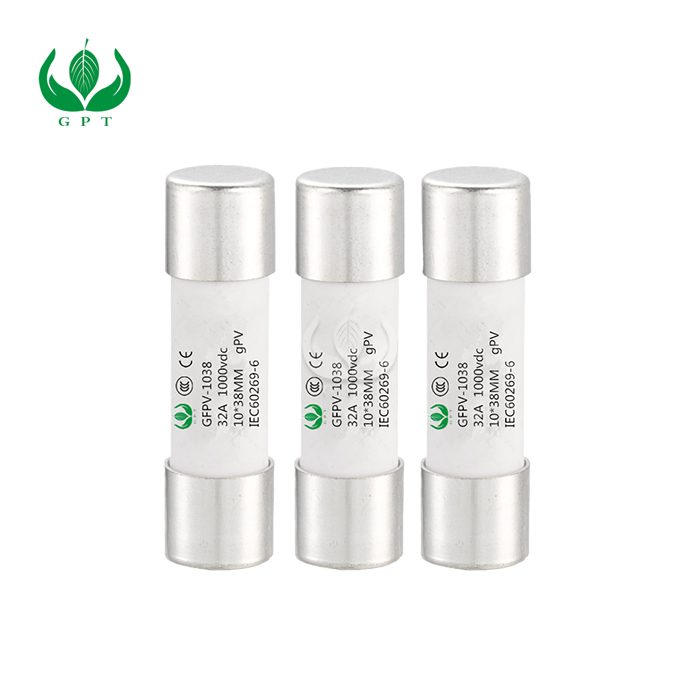
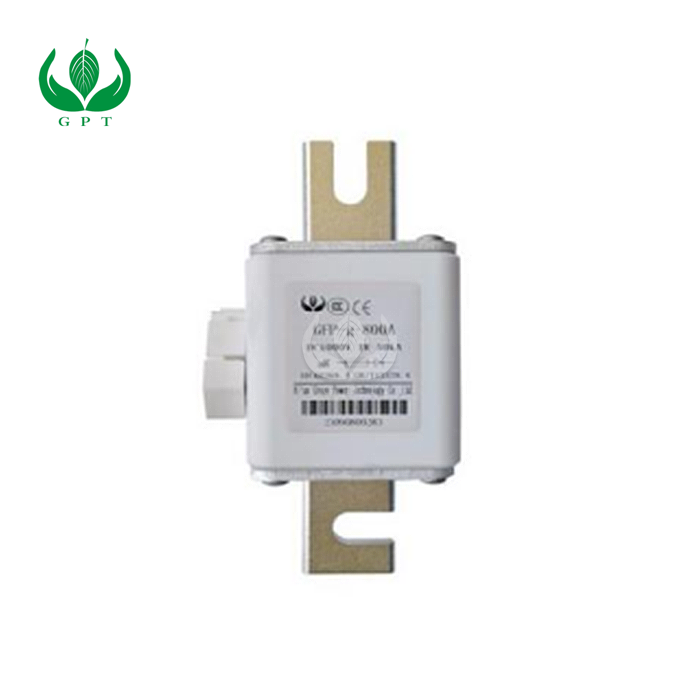
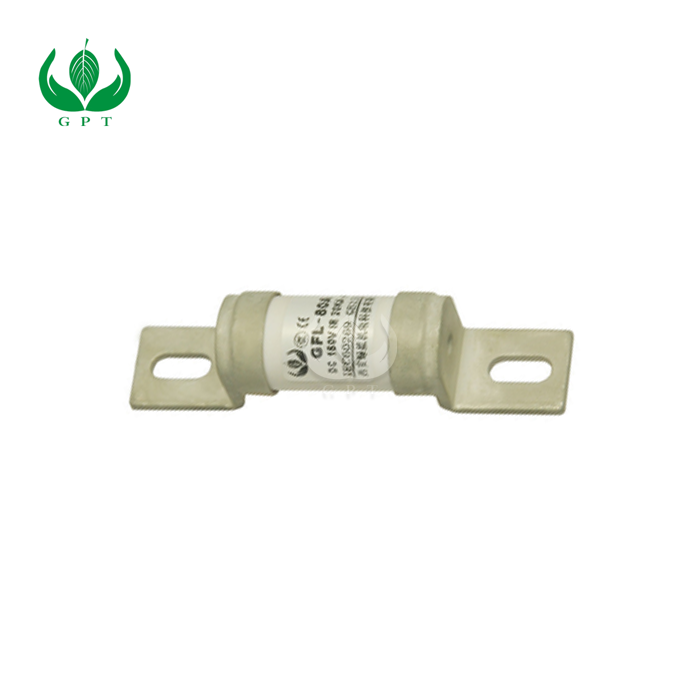
Choosing the right motor rated fuses is very important for making sure your electrical systems don't get expensive damage and that they work well for a range of commercial uses. The best way to protect expensive motor-driven equipment from overcurrent, short circuits, and electrical problems is to use motor-rated fuses. Unlike normal fuses, these special protection devices have time-delay features that allow motor inrush currents while quickly responding to real fault situations. When engineers who work on electric cars, green energy systems, charging infrastructure, and industrial automation make decisions about how to protect their work, they need to know a lot about how to choose fuses, performance standards, and how each application changes these needs.
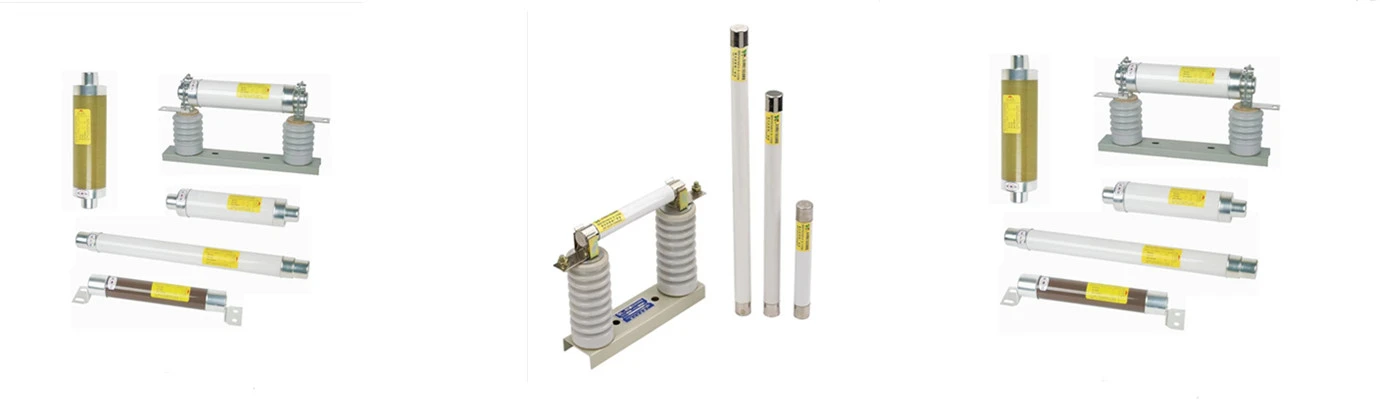
Understanding Motor Rated Fuses: Fundamentals and Applications
Motor protection fuses work on sophisticated principles that distinguish them from conventional circuit protection devices. These specialized parts include time-delay features that make it possible for small bursts of current to happen when the motor starts up. At the same time, these parts stay sensitive to situations with long-term overcurrent and short circuit faults.
Working Principles and Time-Delay Characteristics
The basic design of motor protection fuses is based on the fact that they can withstand inrush currents that can be 600–800% of the maximum motor current when the motor starts up. Time-delay fuses have elements that can absorb heat during short overcurrent events without breaking the circuit. Thanks to this thermal mass, the fuse can handle normal changes during startup while quickly responding to fault situations.
A spring-loaded trigger device and a fusible link are combined in modern motor rated fuses using dual-element construction. The trigger element with built-in time delays protects against overloads, and the fusible link protects against short circuits right away. This two-part method guarantees total motor safety across the whole range of fault currents.
Essential Rating Parameters and Selection Criteria
The voltage rating of a motor protection fuse needs to be at least as high as the circuit's highest voltage. Common ratings are 250V, 480V, and 600V for low-voltage uses and 3.6kV to 12kV for high-voltage systems. The current ratings usually fall between 1A and 800A. The right rating is based on 125% of the motor's full-load current so that regular changes in operation are taken into account.
The interrupting capacity is the highest problem current that the fuse can safely get rid of without hurting nearby equipment. For small motors, the value is as low as 10 kA, but for big industrial setups, it goes up to 200 kA. Up to 50kA of breaking capacity ensures that systems can be safely used in places where there are a lot of high-fault currents, like at electric vehicle charging points and in renewable energy systems.
Industry-Specific Applications and Standards Following the Rules
In their battery management systems, inverter circuits, and charging systems, companies that make electric vehicles use motor safety fuses. These uses require adherence to car standards such as IATF 16949, as well as specific tests for thermal cycling, resistance to vibration, and long-lasting performance in different environments. The temperature range for operating is from -40°C to +125°C, which works for tough vehicle settings.
Renewable energy systems need motor rated fuses that are approved to IEC 282-1 and GB15166.2 standards for their photovoltaic combiner boxes, inverter protection, and energy storage systems. Wind power uses require strong environmental ratings for outdoor use, resistance to salt spray, and long operational lifetimes of more than twenty years.
How to Select the Right Motor Rated Fuse: A Decision Support Framework?
Optimal fuse selection requires systematic evaluation of motor characteristics, operating conditions, and protection coordination requirements. The decision framework balances electrical specifications with environmental factors and maintenance considerations.
Motor Type and Load Analysis
Different motor technologies present unique protection challenges requiring tailored fuse selection approaches. Induction motors exhibit high inrush currents lasting 0.1-0.5 seconds, necessitating Class RK5 time-delay fuses with sufficient thermal capacity. Synchronous motors may require different time-current characteristics due to their starting behavior and power factor considerations.
Variable frequency drives and servo motors introduce harmonic distortion and switching transients that can affect fuse performance. These applications often benefit from semiconductor-grade protection devices with enhanced arc interruption capabilities and reduced let-through energy characteristics.
Current Rating and Coordination Calculations
Proper current rating selection begins with accurate motor full-load current determination from nameplate data or manufacturer specifications. The standard practice involves multiplying motor FLA by 125% and selecting the next higher standard fuse rating. This approach provides adequate margin for normal load variations while maintaining sensitivity to overload conditions.
Coordination with downstream protective devices requires careful analysis of time-current curves to ensure selective operation. Motor protection fuses should coordinate with thermal overload relays, ensuring the fuse provides backup protection without interfering with normal overload relay operation.
Environmental and Application-Specific Considerations
Operating environment significantly impacts fuse selection, particularly for outdoor installations, corrosive atmospheres, and extreme temperature conditions. Ceramic-bodied fuses offer superior performance in dusty or humid environments compared to glass or polymer alternatives.
High-altitude installations above 2000 meters require voltage derating due to reduced air density affecting arc interruption performance. Coastal or marine environments demand enhanced corrosion resistance through specialized terminal plating and housing materials.
Top Motor Rated Fuse Brands and How to Choose the Best Supplier
The global motor protection fuse market features several established manufacturers with distinct technological strengths and market positioning. Understanding brand capabilities and supplier evaluation criteria enables informed procurement decisions.
Leading Manufacturer Analysis
Industry leaders include Bussmann (Eaton), Littelfuse, and Ferraz Shawmut, each offering comprehensive product portfolios spanning low to medium voltage applications. Bussmann excels in automotive and renewable energy applications with extensive UL and IEC certifications. Littelfuse dominates semiconductor protection with ultra-fast response motor rated fuses for sensitive electronic applications.
Specialized manufacturers like Green Power focus on emerging markets including EV infrastructure, energy storage systems, and high-voltage distribution applications. These companies often provide superior customization capabilities and responsive technical support for unique application requirements.
Supplier Evaluation Criteria and Quality Assurance
Certification compliance represents the foundation of supplier evaluation, with essential standards including ISO 9001, IATF 16949 for automotive applications, and product-specific certifications like UL, CE, and TUV. Manufacturing quality systems should demonstrate statistical process control, traceability, and comprehensive testing protocols.
Technical support capabilities distinguish superior suppliers through engineering consultation services, application-specific testing, and custom product development. Lead time reliability, inventory management, and global distribution networks significantly impact project timelines and cost optimization.
Procurement Strategies and Cost Optimization
Volume purchasing agreements can reduce unit costs by 15-30% while ensuring supply security for large projects. Standardization on specific fuse families simplifies inventory management and maintenance training while enabling better supplier relationships and technical support.
Custom product development offers advantages for unique applications but requires careful evaluation of development costs, minimum order quantities, and long-term availability. Many applications benefit from standard products with minor modifications rather than complete custom designs.
Installation, Troubleshooting, and Maintenance of Motor Rated Fuses
Proper installation and maintenance practices maximize fuse reliability and ensure optimal motor protection performance throughout the system lifecycle.
Installation Best Practices and Safety Procedures
Safe installation begins with complete system de-energization and lockout/tagout procedures. Fuse holders must be properly rated for the intended voltage and current, with adequate interrupting capacity for the specific installation. Contact surfaces require cleaning to remove oxidation or contamination that could increase resistance and generate heat.
Torque specifications for bolted connections must be strictly followed to ensure proper contact pressure without mechanical damage to fuse terminals. Over-torquing can crack ceramic bodies or deform metallic components, while under-torquing creates high-resistance connections leading to overheating and premature failure.
Troubleshooting Common Fuse Failures
Fuse failure analysis provides valuable insights into system problems and protection performance. Open fuse links typically indicate overcurrent conditions, but the failure mode reveals important diagnostic information. Clean breaks suggest normal protective operation, while explosive failures may indicate short-circuit conditions exceeding the fuse's interrupting capacity.
Partial melting or discoloration without complete failure often indicates chronic overloading, loose connections, or ambient temperature issues. These conditions require immediate attention to prevent catastrophic failure and potential safety hazards.
Preventive Maintenance and Lifecycle Management
Regular visual inspections should identify signs of overheating, corrosion, or mechanical damage. Thermal imaging surveys can detect developing hot spots before they cause fuse failure or system damage. Inspection intervals depend on operating environment and criticality, ranging from monthly for harsh environments to annually for clean, stable installations.
Replacement scheduling should consider both calendar age and operating cycles, particularly for applications with frequent starting or cycling loads. Maintaining adequate spare inventory ensures rapid restoration of protection following fuse operation while avoiding excessive carrying costs.
Green Power : Advanced Solutions for Motor Protection
Green Power has established itself as a premier motor rated fuses manufacturer since 2016, specializing in high-performance protection solutions for demanding industrial applications. Our engineering expertise, backed by partnerships with China XD Group and Xi'an Jiaotong University, delivers innovative fuse technologies tailored to modern motor protection challenges.
Comprehensive Product Portfolio and Technical Capabilities
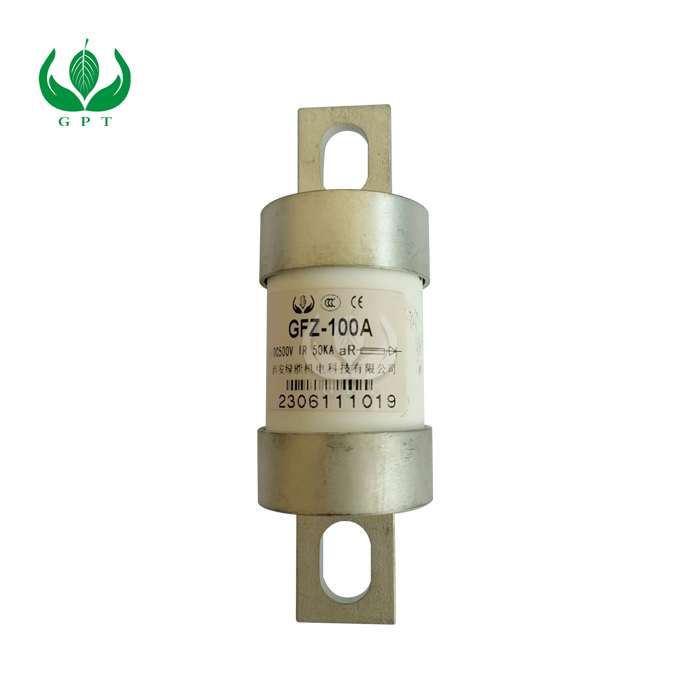
Our motor protection fuse lineup encompasses voltage ranges from 80V to 12kV, covering applications from small servo motors to large industrial drives. The GFZ series provides ultra-fast response times under 2ms for semiconductor protection, while GFM series devices offer optimized characteristics for energy storage and renewable energy systems.
Custom engineering capabilities enable application-specific solutions including specialized terminal configurations, enhanced environmental ratings, and unique voltage-current combinations. Our 15+ patents demonstrate continued innovation in water-cooled fuse technology, arc interruption enhancement, and thermal management solutions.
Quality Systems and Global Certifications
Our commitment to quality excellence reflects in comprehensive certifications including ISO 9001, IATF 16949, CE, TUV, CCC, and RoHS compliance. Every fuse undergoes rigorous testing including thermal cycling, surge endurance, and environmental stress screening to ensure reliable performance across diverse operating conditions.
Manufacturing processes incorporate statistical quality control, 100% electrical testing, and comprehensive traceability systems. Our 10,000㎡ facility in Xi'an maintains cleanroom assembly areas and advanced testing equipment supporting both standard products and custom development projects.
Conclusion
Choosing the right motor safety fuses needs a close look at the motor's features, the way it works, and how the system needs to be protected. Engineers can use the decision framework in this guide to make smart choices that keep a good balance between electrical performance, stability, and cost. Knowing the differences between fuse types, rating factors, and application-specific needs makes sure that motors are always protected in a range of industrial settings. Proper installation, upkeep, and troubleshooting of a security system will make it more reliable and save on maintenance costs and unexpected downtime.
FAQs
What distinguishes motor rated fuses from general-purpose fuses?
Motor rated fuses feature time-delay characteristics specifically designed to accommodate motor inrush currents during startup while maintaining sensitivity to overload and fault conditions. General-purpose fuses lack this time-delay capability and would nuisance-trip during normal motor starting sequences.
How do I determine the correct fuse size for my motor application?
Proper fuse sizing begins with motor nameplate full-load current (FLA) multiplied by 125%, then rounded up to the next standard fuse rating. This provides adequate margin for normal load variations while ensuring protection against overload conditions.
Can motor protection fuses be used in DC applications?
Many motor rated fuses are designed specifically for AC applications due to arc interruption characteristics optimized for zero-current crossings. DC applications require specialized fuses with enhanced arc extinction capabilities and appropriate voltage ratings for the specific DC system.
What factors affect fuse selection for variable frequency drive applications?
VFD applications introduce harmonic distortion, switching transients, and modified current waveforms that can affect fuse performance. These applications often benefit from semiconductor-grade fuses with reduced let-through energy and enhanced high-frequency response characteristics.
Partner with Green Power for Superior Motor Protection Solutions
Green Power stands ready to support your motor protection requirements with our comprehensive range of motor rated fuses for sale, engineered to meet the demanding needs of modern industrial applications. Our technical expertise spans EV charging infrastructure, renewable energy systems, and high-voltage distribution networks, backed by over 20 years of combined R&D experience and strategic partnerships with leading research institutions.
As a trusted motor rated fuses supplier, we offer customized solutions including OEM services, technical consultation, and rapid prototyping capabilities with minimum order quantities as low as 5 pieces. Our global certifications ensure compliance with international standards while our 24/7 technical support and 15-day lead times minimize project delays. Contact our engineering team at fusemaker@163.com to discuss your specific motor protection challenges and discover how our innovative fuse technologies can enhance your system reliability and performance.
References
Institute of Electrical and Electronics Engineers. "IEEE Standard for Motor Protection in Industrial Applications." IEEE Std 3007.2-2018.
National Electrical Manufacturers Association. "Application Guide for Motor Circuit Protectors." NEMA Publication AB 4-2016.
International Electrotechnical Commission. "High-voltage fuses - Part 1: Current-limiting fuses." IEC 282-1:2020.
Underwriters Laboratories. "Standard for Safety Motor-Operated Appliances." UL 73-2018.
American National Standards Institute. "American National Standard Requirements for Electrical Power Distribution for Industrial Plants." ANSI/IEEE 141-1993.
Electric Power Research Institute. "Motor Protection Application Guide for Industrial and Commercial Power Systems." EPRI Technical Report 1026511, 2019.