_1752570870823.webp)
When you need to protect important power with an XRNP high voltage fuse, you need to know about the technical specs, quality standards, and qualifications of the manufacturers you choose. These specialized fuses are used to protect voltage transformers, inverters, and battery systems in electric cars, renewable energy systems, and industrial settings. Rated voltages range from 3.6kV to 40.5kV, and breaking capacities go up to 50kA. Picking the right maker has a direct effect on how reliable and safe the system is when it works.
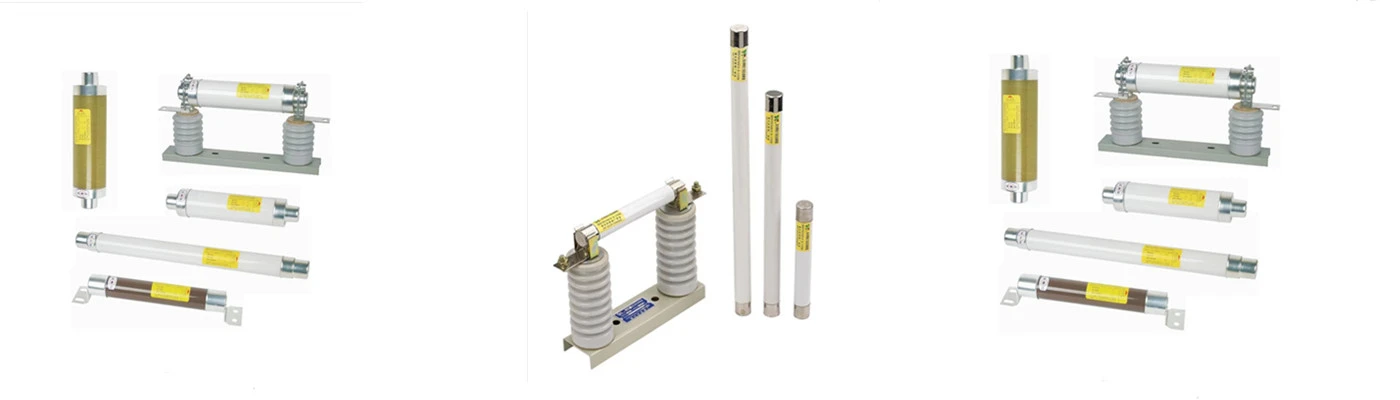
Understanding XRNP High Voltage Fuse: Key Technical Insights
Understanding how high voltage safety devices work in today's electrical systems is the first step to protecting your power. These specialized parts are the first line of defense against catastrophic machine failures and electrical hazards.
Working Principles and Core Functions
XRNP fuses work through a complex system that blends exact engineering with dependable fault detection. When the fuse element gets standard current, the parts inside stay stable and let the power keep flowing. When there is a problem, like a short circuit or too much current, the fuse element quickly melts and forms an arc-quenching environment that safely stops the fault current.
The advanced building materials and specialized arc-suppression technology give this a "high rupturing capacity" rating. XRNP types use ceramic housings and quartz sand fillings that can handle huge fault currents without breaking in an explosive way, unlike normal fuses. This design method makes sure that stoppage of the fault happens in milliseconds, which keeps the equipment downstream from getting damaged.
Construction Materials and Arc-Quenching Technology
Modern XRNP fuses have a number of important design features that make them different from standard safety devices. The clay body can handle very high and low temperatures, from −40°C to 125°C, and is also a great electrical insulator. Internal quartz sand is used to quench arcs, which means it has to cool down really fast so that they don't keep happening when there is a fault.
The fuse is made of finely tuned metal strips that are meant to melt at certain levels of power. These parts are tested under a range of situations to make sure they always work the same way. Putting these materials together makes a reliable safety device that can be used in tough situations like charging stations for electric vehicles, solar power systems, and industrial equipment.
Installation and Maintenance Guidelines
Following the correct fitting steps will make sure the fuse works well and lasts a long time. These devices need to be mounted in a certain way and have enough space around them to make sure that heat can escape. Regular checks with the naked eye help spot signs of environmental damage or temperature stress before things break.
As part of maintenance, you should periodically make sure that contact resistance is correct and that end connections are tightened. Fuses may not work as well over time if they are in places with high humidity or shaking, or where they are exposed to UV light. Following the manufacturer's instructions for fitting torque and mounting hardware stops early failures and makes sure the device works well for as long as it is supposed to.
XRNP Fuse vs. Alternative High Voltage Fuses: Making Informed Decisions
Making wise purchasing choices based on particular application requirements is made possible by understanding the performance differences between different high voltage fuse technologies. Each kind of fuse has different pros and cons that impact how well the system works.
Performance Comparison Analysis
XRNP fuses are much better at stopping than NH fuses and older expulsion fuses. Even though expulsion fuses might have trouble working indoors because they need to vent, XRNP models work safely in tight spaces. With a breaking capacity of up to 50 kA, these fuses are much better than most HRC fuses at handling high power. This makes them a good choice for high-power applications like EV fast charging stations and large solar setups.
Response time is another important success measure. XRNP fuses stop faults in under one millisecond, while regular circuit breakers take several milliseconds to do the same. This quick action protects tools and minimizes system downtime in important areas like making semiconductors and precision industrial processes.
Cost-Effectiveness and Durability Analysis
Total cost of ownership estimates show that XRNP technology is much better than other ways of protecting yourself. Even though the original cost of these fuses is higher than standard ones, the longer service life and lower maintenance needs make them a better buy. These devices usually work without a hitch for 20 to 25 years in normal situations, while standard HRC fuses only last for 10 to 15 years.
Fuses can only be used once, so replacement costs need to be thought about during fault situations. But XRNP fuses can handle more fault current, so they are less likely to trip for no reason or need to be replaced for no reason. This dependability is especially useful in places like solar panels and wind farms that are hard to get to for service.
Application-Specific Selection Criteria
Different uses require different kinds of fuses, which affects how people choose them. The thermal stability of small designs is important for EV charging infrastructure, while the environmental durability and arc suppression performance of green energy systems are important. To protect delicate machinery, semiconductor applications require very quick reaction times with little energy passing through.
XRNP fuses with exact current values from 3.6kV to 40.5kV are useful for protecting voltage transformers. Following the GB15166.2 and IEC282-1 standards makes sure that the equipment will work with foreign specifications and rules in a variety of markets.
What to Expect From Reputable XRNP High Voltage Fuse Manufacturers?
Choosing the right manufacturer means looking at a lot of different things that affect the quality of the product, the reliability of the service, and the value of the relationship in the long run. These things are especially important when businesses buy something expensive.
Quality Certifications and Compliance Standards
Honest makers keep a lot of different certifications that show their quality control systems and products are up to code. ISO 9001 certification shows that you are committed to quality management ideas, but IATF 16949 goes even further by focusing on what the car industry needs for EV applications. Other certificates like CE, TUV, and RoHS make sure that the product meets safety and environmental standards around the world.
The production process should include strict tests that check how well the product works electrically, how it reacts to heat, and how strong it is. Sampling done before production and final inspection processes make sure that the quality of the product stays the same across all batches. These quality control steps are very important for uses where a failed high voltage fuse could damage equipment or create a safety danger.
Technical Support Infrastructure
Professional manufacturers stand out from commodity suppliers because they offer a wide range of technical help. This support should include help with application engineering, product customization, and continued technical advice for the entire lifecycle of the product. Having detailed technical information on hand, like installation instructions and test results, helps people choose and use the right products.
Business-to-business (B2B) customers appreciate the extra value that warranty services and after-sales help offer. Responsive technical support teams help people with application questions and give advice on how to run things the right way. Authorized repair centers and replacement parts make sure that the system keeps working and doesn't have to stop for too long.
Supply Chain Reliability and Logistics
Order quantities and shipping schedules that can be changed help with project planning and inventory management. Most of the time, the best manufacturers take 15 to 30 days to deliver standard goods. When necessary, they can also deliver faster. Minimum order amounts start at 5 pieces, which works for both prototype testing and production.
When goods are shipped, the packaging and shipping steps should keep the items safe and comply with global shipping rules. Packaging that is resistant to moisture and shock is especially important for delicate electrical parts that can be damaged by the environment while they're being shipped.
Introducing Green Power's XRNP Fuse Solutions
Green Power brings over two decades of specialized expertise to high voltage fuse manufacturing, combining advanced engineering capabilities with comprehensive quality management systems. Our XRNP fuse portfolio addresses the evolving needs of electric vehicle infrastructure, renewable energy systems, and industrial applications.
Manufacturing Expertise and Industry Credentials
Our company was founded in 2016 in Xi'an High-tech Zone, building upon extensive research and development experience from China XD Group and Xi'an Jiaotong University. This academic partnership provides access to cutting-edge electrical engineering research and ensures our products incorporate the latest technological advances. Our manufacturing operations maintain ISO9001, IATF16949, CE, TUV, CCC, and RoHS certifications, demonstrating commitment to quality excellence and regulatory compliance.
The technical team includes experienced engineers with deep expertise in power protection systems and automotive electronics. This knowledge base enables us to provide comprehensive application support and customization services that address specific customer requirements. Our R&D capabilities extend beyond standard product offerings to include specialized solutions for emerging applications such as energy storage systems and semiconductor protection.
Comprehensive Product Portfolio and Specifications
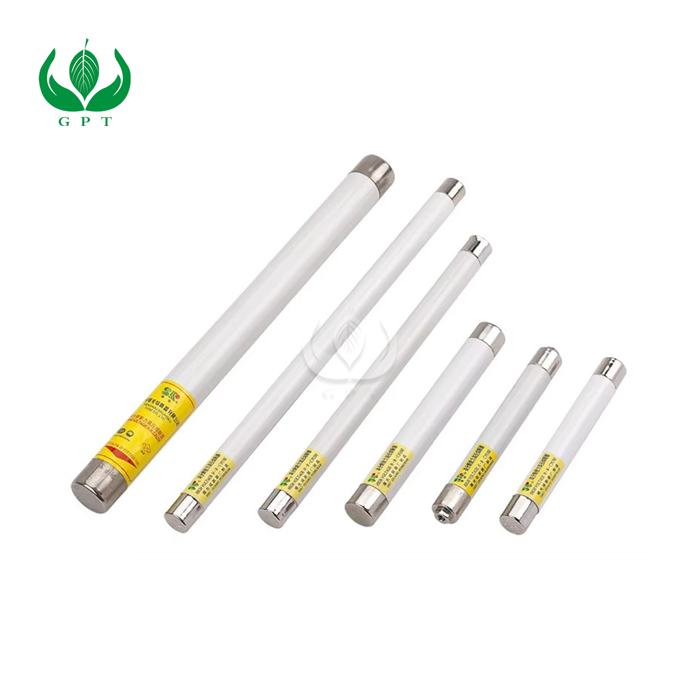
Our XRNP high voltage fuse lineup covers rated voltages from 3.6kV to 40.5kV with breaking capacities up to 50kA. These devices operate at 50Hz frequency and comply with GB15166.2 and IEC282-1 international standards. The product range addresses voltage transformer protection requirements across indoor high-voltage distribution systems, EV charging infrastructure, and renewable energy installations.
Customization options include various terminal configurations, cooling methods, and specialized ratings tailored to specific applications. Our minimum order quantity of 5 pieces supports both development projects and production requirements, while OEM services enable private labeling and custom specifications. Technical datasheets provide comprehensive performance data to support professional design decisions and system integration planning.
Client-Centric Services and Support
Customer satisfaction drives our service philosophy, beginning with comprehensive consultation services that help identify optimal fuse selections for specific applications. Our streamlined order management system provides transparent pricing and delivery scheduling, while rapid delivery capabilities ensure timely project completion. Technical support continues throughout the product lifecycle, including installation guidance and troubleshooting assistance.
After-sales support includes warranty coverage and replacement part availability to minimize system downtime. Our commitment to service excellence extends to ongoing relationship management that adapts to evolving customer needs and industry developments. This comprehensive approach builds long-term partnerships that support mutual growth and success.
Conclusion
Selecting the right XRNP high voltage fuse manufacturer requires careful evaluation of technical capabilities, quality certifications, and support services that align with your specific application needs. The combination of superior breaking capacity, rapid response times, and robust construction makes these fuses ideal for demanding applications in electric vehicle infrastructure, renewable energy systems, and industrial equipment protection. Quality manufacturers provide comprehensive technical support, flexible ordering options, and reliable delivery schedules that support successful project implementation and long-term operational reliability.
FAQs
How do XRNP fuses differ from traditional high voltage fuses?
XRNP fuses offer superior breaking capacity and faster response times compared to conventional high voltage fuses. While traditional HRC fuses may handle currents up to 20kA, XRNP models can interrupt fault currents up to 50kA. The arc-quenching technology and construction materials enable safe operation in enclosed environments without venting requirements.
What factors should I evaluate when choosing a manufacturer?
Key evaluation criteria include quality certifications, technical support capabilities, delivery reliability, and customization services. Look for manufacturers with ISO 9001 and relevant industry certifications such as IATF 16949 for automotive applications. Technical support infrastructure and warranty coverage also provide important value for B2B customers.
Where can I order XRNP fuses and access technical documentation?
Reputable manufacturers typically provide multiple ordering channels including direct sales, authorized distributors, and online platforms. Technical datasheets and application guides should be readily available through manufacturer websites or technical support teams. Request samples and detailed specifications to verify product compatibility before placing volume orders.
Partner with Green Power for Superior XRNP High Voltage Fuse Solutions
Ready to enhance your power protection systems with industry-leading XRNP high voltage fuses? Green Power delivers precision-engineered solutions backed by over 20 years of expertise and comprehensive certifications including ISO 9001 and IATF 16949. Our XRNP high voltage fuse manufacturer capabilities include customization services, rapid delivery, and dedicated technical support to ensure optimal performance in your critical applications. Contact our engineering team at fusemaker@163.com to discuss your specific requirements and receive detailed product specifications.
References
International Electrotechnical Commission. "High-voltage fuses - Part 1: Current-limiting fuses." IEC 282-1 Standard Documentation, 2019.
Institute of Electrical and Electronics Engineers. "IEEE Guide for the Application of High-Voltage Fuses." IEEE Standards Association Technical Publication, 2020.
National Institute of Standards and Technology. "Electrical Protection Systems for Renewable Energy Applications." NIST Special Publication on Power Systems Protection, 2021.
Society of Automotive Engineers. "High Voltage Electrical Safety Requirements for Electric Vehicles." SAE International Standards Handbook, 2022.
Electric Power Research Institute. "Advanced Fuse Technologies for Modern Power Systems." EPRI Technical Report on Power Protection Devices, 2021.
International Organization for Standardization. "Quality Management Systems for Automotive Production." ISO/TS 16949 Implementation Guidelines, 2020.