_1752570870823.webp)
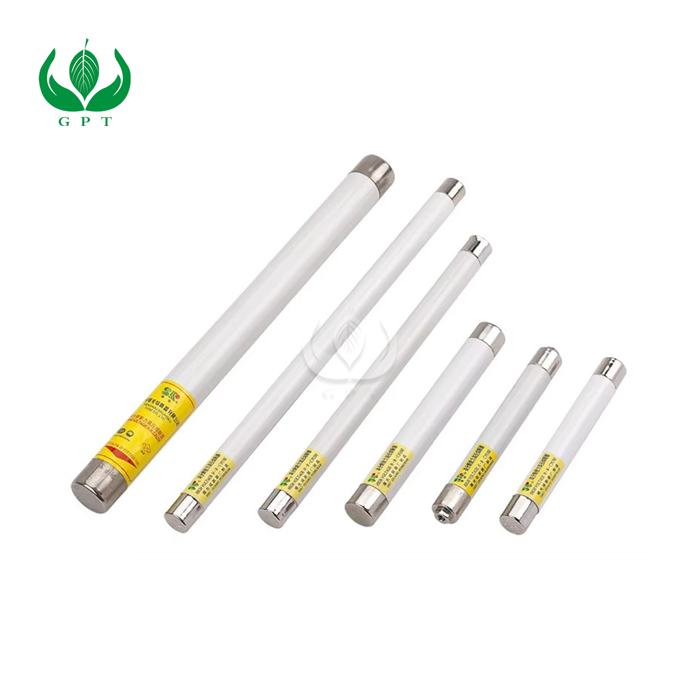
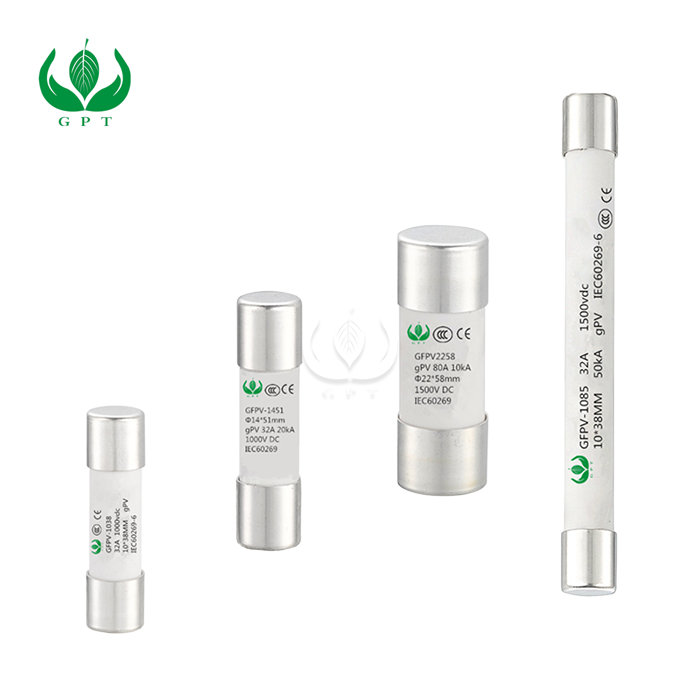
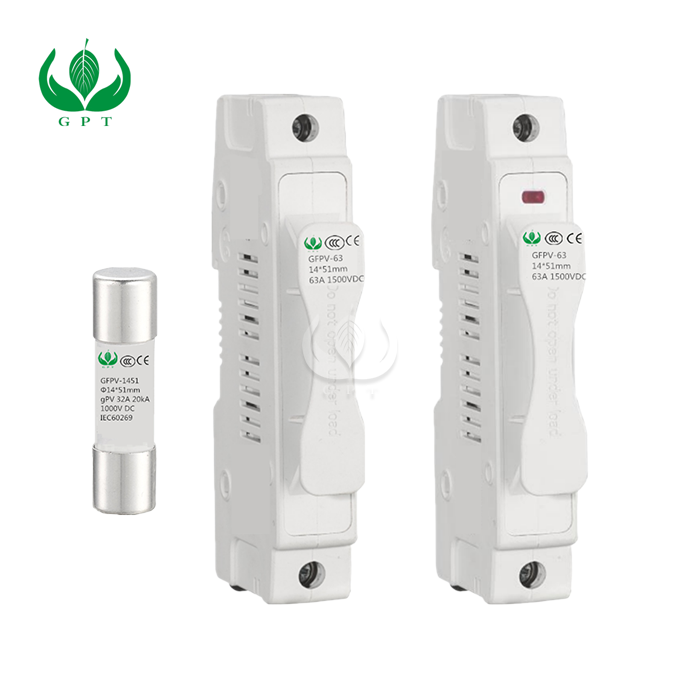
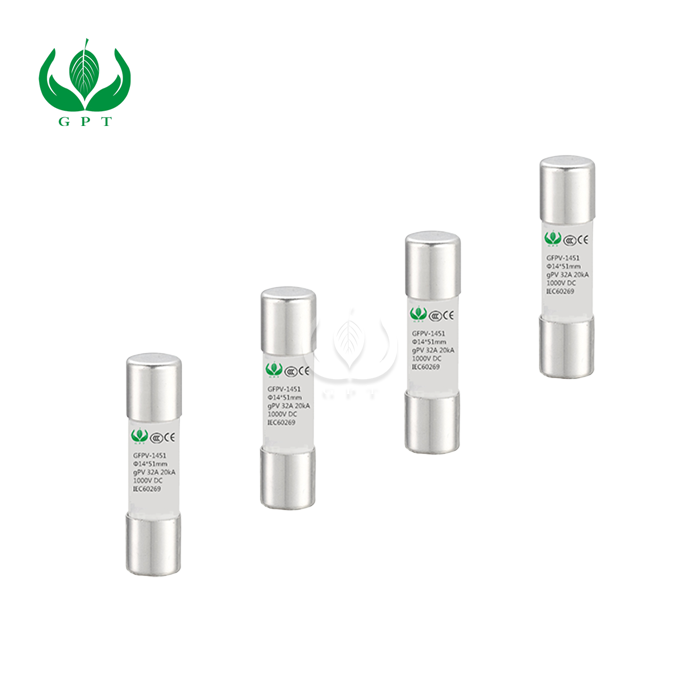
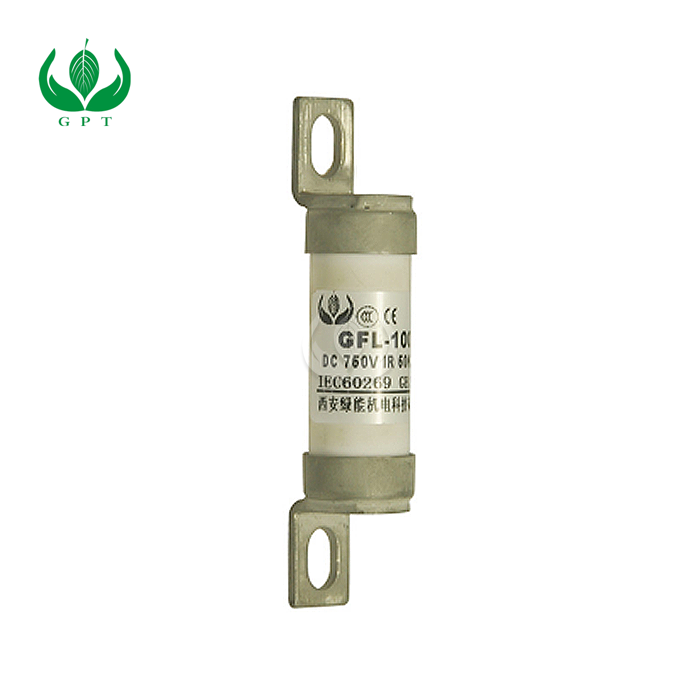
XRNP high voltage fuses are important safety devices made to protect voltage transformers and systems that carry high-voltage electricity. These specialized fuses can cut off fault currents of up to 50 kA at voltages from 3.6 kV to 40.5 kV. This makes them very important for protecting the electrical systems in power production facilities, industrial plants, and distribution networks. XRNP fuses have advanced arc-quenching technology and small designs that meet strict international standards like GB15166.2 and IEC282-1. This makes sure that delicate electrical devices are safely protected, unlike normal fuses.
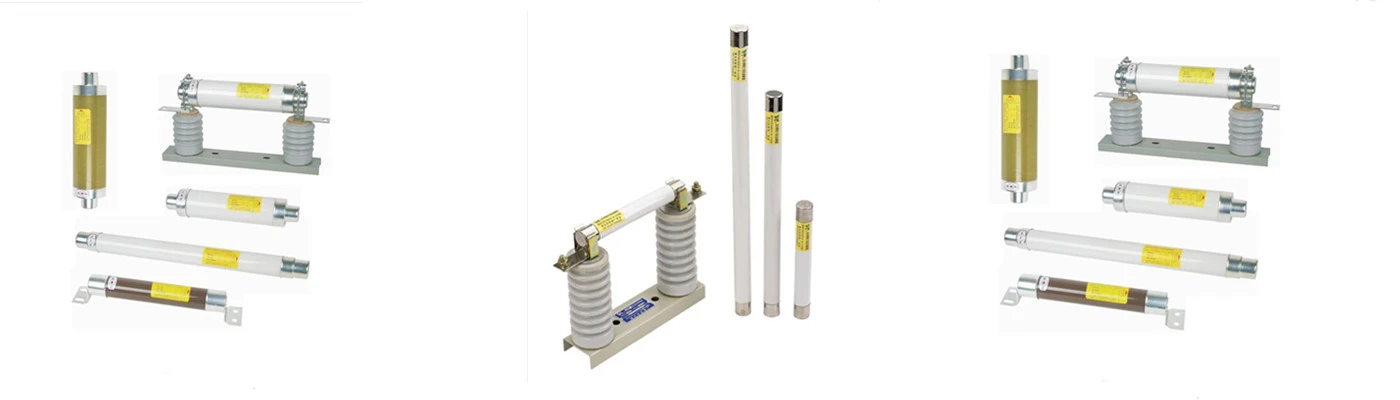
Understanding XRNP High Voltage Fuses: Specifications and Working Principles
XRNP high voltage fuses are a specific type of safety device that are designed to protect voltage transformers and other important electrical equipment in indoor high-voltage distribution systems. These fuses work by controlled current interruption, which means that when something goes wrong, a precisely calibrated fuse element melts and forms an open circuit.
Core Operating Mechanism
The working theory is based on how heat reacts to too much current flow. During normal operation, the fuse element carries the rated current without getting hotter than the safe working temperatures. When there are problem currents, like short circuits or transformer failures, the fuse element melts in just a few microseconds as the temperature rises quickly. The arc that forms during this process is quickly put out with specialized cooling materials. This isolates the fault and protects the equipment downstream.
New XRNP fuses have cutting-edge arc reduction technology that lets them handle up to 50kA of breaking capacity. This feature comes in especially handy when it comes to high-power uses where fault currents can get so high that they are too much for standard protection devices.
Technical Specifications and Ratings
To meet the needs of different uses, XRNP fuses come with a range of voltage values. The standard voltage levels are 3.6 kV, 7.2 kV, 12 kV, 24 kV, and 40.5 kV. Each one is best for certain system voltages and safety margins. The 50Hz rated frequency matches the normal power grid frequencies used in most countries.
The XRNP fuses' compact design mindset meets the need for space-saving safety options. These days, installations often have limited space, so XRNP fuses are better than older security methods because they don't take up as much room. The body is made of high-quality clay, and silver-copper parts are used because they work well in all kinds of environments.
Benefits and Advantages of Using XRNP High Voltage Fuses in Electrical Systems
Adopting XRNP fuses gives clear benefits to the metrics of reliability, safety, and operating efficiency. These benefits are especially clear in difficult situations where system uptime and equipment protection have a direct effect on safety and operational costs.
Enhanced System Reliability
Fault isolation is easier to do with XRNP fuses than with older circuit safety methods. The less than one-millisecond reaction time is so fast that it cuts off fault currents before they can spread through the electrical system. This quick action greatly lowers the risk of a lot of fails happening one after the other, which could lead to a lot of people losing power or damage to equipment.
The device can work in a wide range of temperatures, from −40°C to 125°C. This feature is very important for setups in extreme climates, like wind farms in the Arctic or solar panels in the desert, where temperature changes would make it hard for other security devices to work.
Operational and Economic Advantages
Compared to mechanical circuit breakers and other safety devices, high voltage fuses still don't need much maintenance. Without moving parts, you don't have to oil it, clean the contact points, or make mechanical changes on a frequent basis. This feature directly leads to lower maintenance costs and better system uptime.
When you think about both the upfront and long-term costs, XRNP fuses are clearly a good value. Even though it costs a lot at first, it is reliable, needs very little upkeep, and lasts a long time, so the total cost of ownership is good. Also, being able to adjust fuse ratings and configurations means that devices with overly high levels of protection aren't needed. This helps both cost and performance.
Installation, Maintenance, and Troubleshooting of XRNP High Voltage Fuses
Proper installation and care are very important for getting the best performance out of XRNP fuses. These processes must follow well-known safety rules and industry best practices to make sure that both people and equipment are safe.
Installation Best Practices
Before the installation can begin, the system must be fully powered down and lockout/tagout steps must be followed. During the construction process, electrical engineers need to make sure that all of the energy sources are taken away from the work area and that the right safety gear is worn by everyone working on the project. Check the fuse mounting system to make sure the contact areas are clean and free of rust so that they can make good electrical connections.
When you secure switch connections, you need to make sure you use the right torque. If you use too little or too much torque, it can cause problems with the operation. Connections that are not tightened enough may develop high resistance, which causes them to heat up and fail early. On the other hand, too much tightening can break fuse wires or mounting hardware.
Maintenance and Inspection Protocols
A visual check of fuse bodies should be done on a regular basis to look for signs of overheating, cracking, or other damage. Thermal imaging scans can find new hot spots that show loose connections or other issues before they fail. These checks become more important when the environment is rough and weather changes and pollution can make things break down faster.
During planned maintenance outages, integrity checks on the connection should be done. This includes checking the correct torque numbers and looking for rust or pitting on the contact surfaces. Any signs of electrical tracking or burning mean that the fuse should be checked right away and maybe replaced.
Troubleshooting Common Issues
When fuse operation happens, the root cause analysis should look at both the fuse performance and the conditions in the system that caused the fault. If the fuse works properly during real fault conditions, the protection system worked as it should. On the other hand, if the fuse operates when it shouldn't, that may mean the system isn't sized correctly or there are other problems with it.
After a fault, the fuse that failed should be looked at to figure out what caused the problem. This information helps make sure the right switch was chosen. It may also show that there are problems with the system that need to be fixed so that they don't happen again.
Making an Informed Purchase: XRNP Fuse Procurement and Supplier Selection
When you buy XRNP fuses strategically, you need to think about the technical details, what the suppliers are able to do, and the overall cost. The process for making a choice should weigh the upfront prices against the long-term reliability and support needs.
Technical Specification Matching
The buying process starts with figuring out exactly what the system needs, such as voltage rating, current rating, and fault current levels. These settings must be in line with both regular and worst-case fault situations. This is to make sure that there is enough protection without unnecessary actions.
The place where the work is done affects which fuse to use. It might be necessary to think about things like high altitude, very hot or cold temperatures, or being around things that can cause contamination. Suppliers should give exact information about the environment that shows it can be used in the right circumstances.
Supplier Evaluation Criteria
Being able to meet certification requirements is an important part of choosing a seller. Good suppliers have credentials like ISO 9001 for quality management systems, IATF 16949 for the car industry, and safety credentials like CE and TUV markings. These certificates give people confidence that the way things are made meets global standards for quality and regularity.
The ability to provide technical help should be looked at when choosing a supplier. Suppliers who know engineering can help a lot by making useful suggestions for different uses and fixing problems at any time during the product lifecycle. This help is especially useful for complicated setups or specific uses.
Procurement Strategy Considerations
For normal setups, the least amount of high voltage fuses that can be ordered is usually five pieces. This makes the fuses available for smaller projects and also gives the best prices to people who buy a lot of them. Special settings might need higher minimum orders, but they give the best results for special needs.
Make sure to include delivery times in your project plans. Usually, it takes between 15 and 30 days to deliver, but it depends on how complicated the order is and how much customization it needs. If you need to replace something in an emergency, you might need to keep a strategic inventory on hand or make deals with sellers for faster delivery.
Green Power: Your Trusted Partner for High-Quality XRNP Fuse Solutions
Ever since Green Power was founded in 2016, it has been a top maker of XRNP high voltage fuses. Our company is in the prestigious Xi'an High-tech Zone and focuses on making high-quality protection solutions for electric cars, charging infrastructure, renewable energy systems, and industrial applications.
Engineering Excellence and Innovation
The mechanical basis of our company comes from more than 20 years of research and development work by professionals who used to work with China XD Group and Xi'an Jiaotong University. Because of our deep knowledge of engineering, we can keep finding new ways to make sure that electrical systems keep working well and meet their changing needs.
Our XRNP fuses have cutting-edge design features like the best arc-quenching technology, strong building materials, and exact tuning to make sure they always work the same way no matter what. Our dedication to creating engineering solutions that work well in tough situations can be seen in the temperature range of -40°C to 125°C and the ability to break up to 50 kA.
Comprehensive Quality Assurance
Quality management systems that are approved to ISO 9001 and IATF 16949 standards make sure that all products meet strict quality standards from the time they are designed until they are made and delivered. We are dedicated to meeting global standards for safety, efficiency, and environmental responsibility. This is shown by our certification portfolio, which includes CE, TUV, CCC, and RoHS compliance.
Each fuse goes through a long testing and checking process that checks how well it works with electricity, how strong it is mechanically, and how well it holds up in different conditions. Before production samples and final checks make sure that every product sent meets or goes beyond what customers want and follows global rules.
Customer-Focused Service and Support
Our way of doing customer service focuses on expert advice and quick help at all stages of the product lifecycle. Our technical team offers expert support to make sure your system runs well and can be counted on at all stages, from the start of specification creation, through installation, and up to ongoing maintenance.
Customization features let us make specific solutions for specialized uses or one-of-a-kind working needs. Our engineering team works directly with customers to make sure they get the exact safety they need, whether it's changing how terminals are set up, making sure voltage ratings are correct, or coming up with ways to protect equipment in very harsh environments.
Conclusion
Voltage transformers and high-voltage distribution systems in a wide range of industrial settings are protected by XRNP high voltage fuse devices. They are great for protecting important electrical systems in power generation, industrial facilities, and renewable energy installations because of their advanced design features, such as the ability to quickly stop faults and strong construction. Because of their great technical performance, reliability, and low cost, XRNP fuses are the most popular way for engineers to protect their tools. Choosing the right products, installing them correctly, and regularly caring for them make sure they work well and last a long time. Working with experienced suppliers gives you access to technical knowledge and help for the entire product lifecycle.
FAQs
How do I select the correct XRNP fuse rating for my application?
Proper fuse selection requires careful analysis of both normal operating conditions and potential fault scenarios. The voltage rating should exceed the maximum system voltage by appropriate safety margins, typically 20-25% above nominal system voltage. Current ratings should accommodate normal load currents with sufficient margin to prevent nuisance operations while ensuring reliable operation during overload conditions.
Fault current levels in your system determine the required breaking capacity. This information typically comes from short-circuit studies that calculate maximum available fault current at the fuse location. The selected fuse must have breaking capacity that exceeds the maximum calculated fault current to ensure safe interruption of fault conditions.
What maintenance intervals are recommended for XRNP fuses?
XRNP fuses require minimal maintenance compared to mechanical protection devices, but regular inspection remains important for optimal performance. Visual inspections should be conducted annually or during scheduled maintenance outages to check for physical damage, overheating signs, or connection issues.
Thermal imaging surveys every two to three years can detect developing problems before they lead to failures. Connection torque verification should be performed every five years or following any significant fault events that may have stressed the installation. Any signs of overheating, cracking, or other damage warrant immediate attention and potential replacement.
Are XRNP fuses suitable for harsh environmental conditions?
XRNP fuses are specifically designed to withstand challenging environmental conditions commonly encountered in industrial and utility applications. The operating temperature range from -40°C to 125°C accommodates extreme climate conditions, while robust construction provides resistance to vibration, humidity, and other environmental stressors.
The ceramic construction and sealed design protect internal components from moisture and contamination exposure. However, proper installation practices including adequate clearances and appropriate mounting systems remain essential for optimal performance in harsh environments. Specific environmental requirements should be discussed with suppliers to ensure proper fuse selection for challenging conditions.
Partner with Green Power for Premium XRNP High Voltage Fuse Solutions
Green Power stands ready to support your high-voltage protection requirements with our comprehensive range of XRNP high voltage fuses and expert technical guidance. Our team combines decades of engineering experience with state-of-the-art manufacturing capabilities to deliver protection solutions that exceed industry standards. Whether you need standard configurations or customized solutions for specialized applications, we provide the technical expertise and quality assurance to ensure your electrical systems operate safely and reliably. Contact our engineering team at fusemaker@163.com to discuss your specific requirements, receive detailed technical specifications, and discover why leading companies choose Green Power as their trusted XRNP high voltage fuse supplier for critical protection applications.
References
International Electrotechnical Commission, "High-voltage fuses - Part 1: Current-limiting fuses," IEC 282-1 Standard, 2019 Edition.
Institute of Electrical and Electronics Engineers, "IEEE Guide for the Application of High-Voltage Fuses for Transformer Protection," IEEE Standard C37.48, 2018.
National Electrical Manufacturers Association, "High-Voltage Fuses - Distribution Enclosed Single-Pole Air Switches, Fuse Disconnecting Switches, and Accessories," NEMA SG 2, 2017.
Electric Power Research Institute, "Application Guide for High-Voltage Fuse Protection of Distribution Transformers," EPRI Technical Report, 2020.
International Association for the Study of Electrical Systems, "Protection of Power Systems Using High-Voltage Fuses: Technical Considerations and Best Practices," CIGRE Working Group Report, 2019.
American National Standards Institute, "Requirements for Distribution Cutouts and Fuse Links - Secondary and Power Fuses," ANSI/IEEE C37.40-2016 Standard.