_1752570870823.webp)
The HV current limiting fuse is a crucial solution when electrical engineers are faced with the task of preventing catastrophic failures in high-voltage systems. This is a smart method for electrical safety that uses specialized protective devices to cut off fault currents in a matter of milliseconds while protecting the equipment that comes after it. High-voltage current limiting fuses can quickly respond to problems and precisely limit the current flowing through them. This makes them very important for modern electrical systems like EV charging stations, renewable energy systems, and industrial power distribution networks. They are better than traditional protection methods because they combine two useful features in one device.
Understanding HV Current Limiting Fuse: Key Concepts and Construction
In power systems that work above 3.6 kV, high-voltage current limiting fuses are the first line of defense against electrical failures. These devices are different from regular fuses because they can reduce the amount of fault current while also breaking the circuit. The basic idea is to control the formation of the arc and quickly cool it down. This stops the fault current from getting to its expected value.
Core Components and Materials
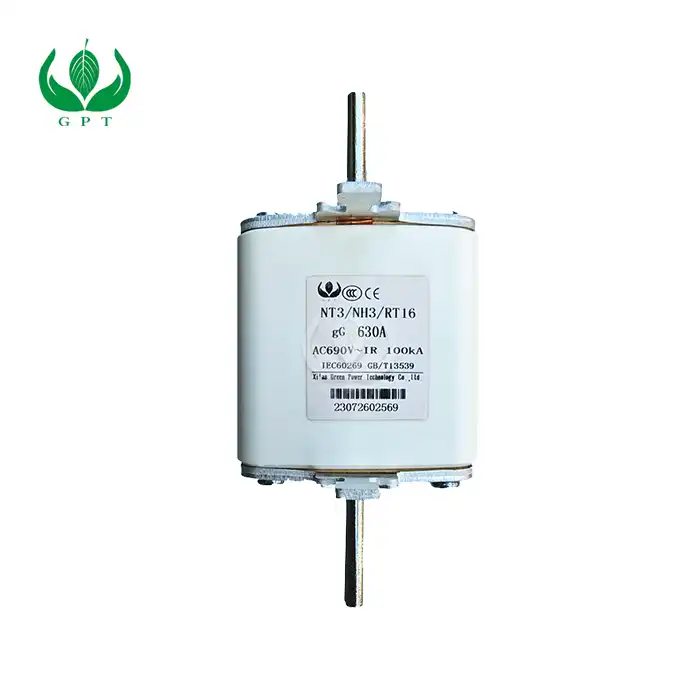
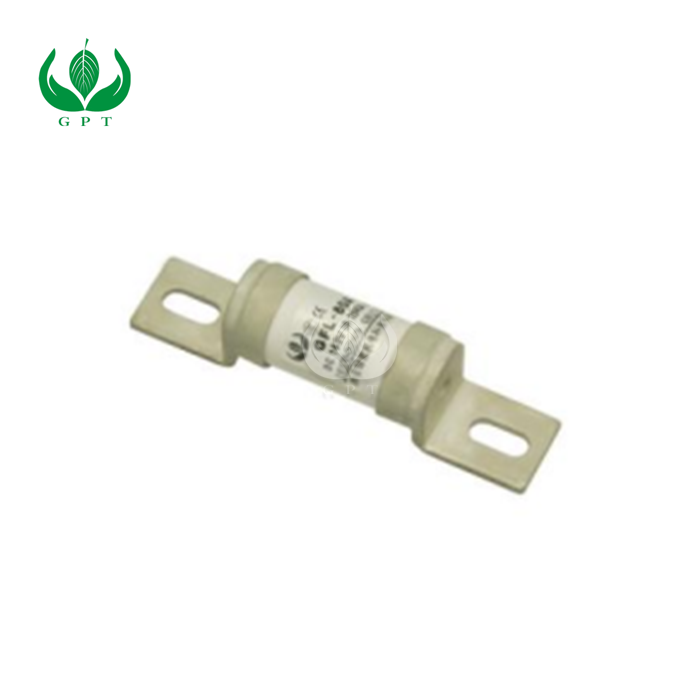
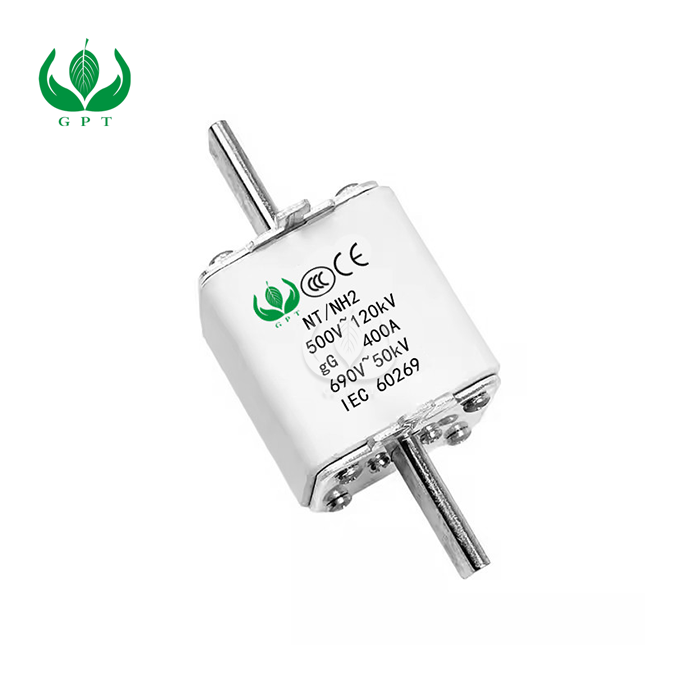
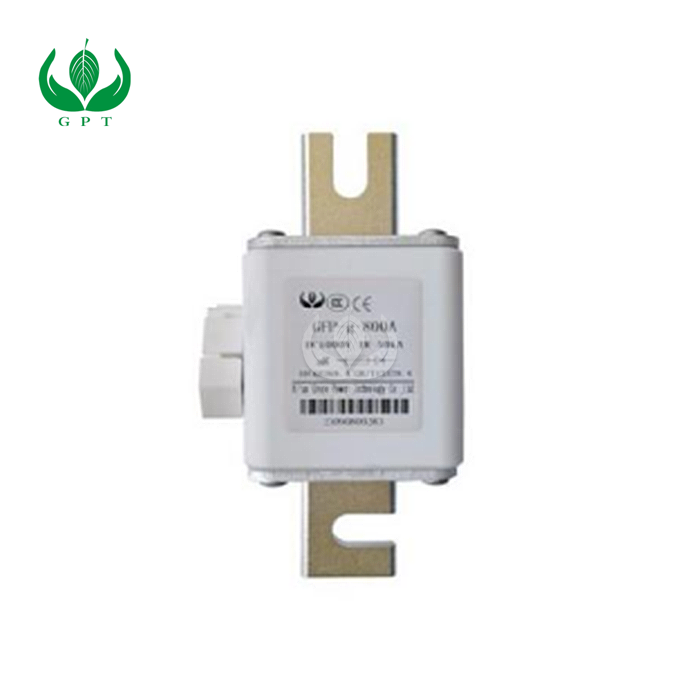
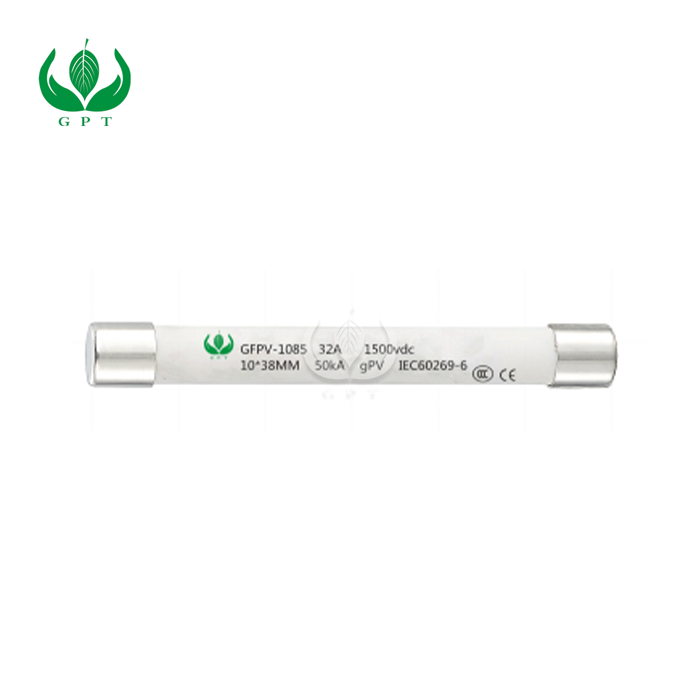
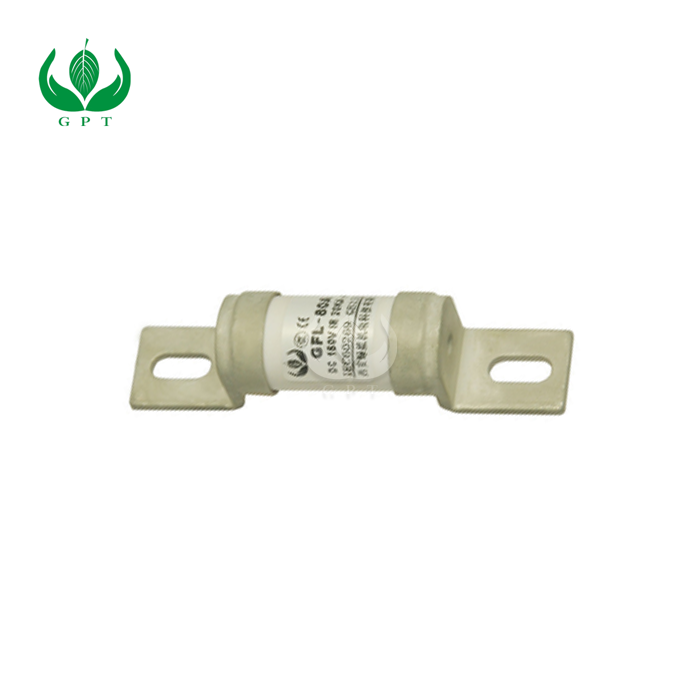
There are several important parts that must work together for an HV current limiting fuse to be made. The fuse element is usually made of silver or copper and has exact geometric designs on it that control how it melts when there is a fault. This part goes inside a body made of clay or glass fiber that is full of arc-quenching medium, which is usually silica sand. While keeping pressure in the fuse body, the end caps give you a way to join electricity.
Today's designs use new materials that make things work better in extreme circumstances. The ceramic housing can handle changes in temperature and is a great insulator. The sand filling inside the housing makes sure that arc reduction works. At Green Power, we show that these materials work together to make a device that can stop currents of up to 20 kA in five milliseconds.
Classification and Standards Compliance
Current limiting fuses are grouped according to their voltage levels, current capacity, and features that are specific to their use. Our products are made to be used in high-voltage distribution systems indoors, and they cover voltage values from 3.6kV to 40.5kV. The classification includes breaking capacity, which depends on the system needs and the amount of fault current for which the device is rated.
Following international rules makes sure that people can trust and be safe with goods and services in places all over the world. The GB15166.2 and IEC282-1 standards cover these devices' design requirements, testing methods, and performance criteria. These standards require very strict tests, like temperature cycling, mechanical stress tests, and electrical performance verification. This makes sure that quality and efficiency are always the same.
How HV Current Limiting Fuses Work and Their Advantages?
Current limiting fuses work through a complex series of events that happen within milliseconds of fault detection. When the fault current starts to flow through the fuse element, resistive heating makes it melt in certain places. This makes several loops in a row, which greatly increases resistance in the circuit and slows down the flow of current.
Step-by-Step Operation Process
The protection process starts with the initiation of fault current, which is usually caused by ground faults, short circuits, or equipment failing. The HV current limiting fuse element quickly heats up because of I²R losses, hitting the melting point in the first cycle of AC. When the element melts, multiple arc zones form all over the length of the fuse. These zones create high resistance, which goes against the flow of current.
The arc cooling medium, which is usually silica sand, is very important to the interruption process. The arcing heat vaporizes the sand and creates a silicon tetrafluoride gas, which is a good insulator. The creation of this gas, along with the fact that expansion makes things colder, quickly puts out the arcs and creates electrical isolation.
Distinct Performance Advantages
Current restricting technology is a lot better than older ways of protecting circuits. The quick interruption of faults minimizes thermal and mechanical stress on the parts of the system. This extends the lifespan of the equipment and lowers the need for upkeep. This benefit is especially useful for EV charging facilities, where the dependability of the equipment has a direct effect on the availability of the service.
The precise current limitation feature shields delicate electronic parts from being damaged by high fault currents, even if only for a short time. In green energy systems, this protection makes sure that after a fault event, costly power electronics and inverters stay working. Also, this device doesn't need to be tested or calibrated like other safety devices do, because it doesn't need to be maintained.
These benefits have been seen in many areas when they are used in the real world. In applications that protect transformers, current limiting fuses have lowered the cost of fixing broken equipment by up to 40% when compared to standard security methods. Similarly, these devices have made wind power systems more available by reducing the time they can't be used due to faults.
Choosing the Right HV Current Limiting Fuse: Comparison and Selection Criteria
A close look at system factors and application needs is necessary to choose the right kind of current limiting protection. The process of making a choice includes looking at the voltage levels, current rates, fault current magnitudes, and working with other protective devices. This study finds the best balance between protection, performance, and reliability.
Technical Specification Analysis
The voltage number is the most important thing to look at when choosing a fuse because it shows how well the fuse can handle the system's voltage and safely stop faults. Our products work with voltages from 3.6 kV to 40.5 kV, which covers most medium-voltage uses, like distribution transformers and ring network systems. The 50Hz rated frequency matches the standard power system frequencies, which makes sure that it works under normal situations.
The breaking capacity is the highest fault current that the fuse can safely stop. This specification has to be higher than the highest prospective fault current at the installation point. This is usually figured out by looking at the system short-circuit analysis. The correct rating should match the normal operating current of the equipment that needs to be protected. This will keep it safe without interrupting other processes during temporary conditions.
Comparison with Alternative Protection Devices
When you compare power limiting fuses and circuit breakers, there are a number of factors that can help you make a choice. Fuses offer better speed and power limitation but need to be replaced after each use. On the other hand, circuit breakers allow you to use them multiple times but operate more slowly and require a higher upfront cost. The choice usually relies on how often people expect to find faults and how easy it is to do maintenance.
Low-voltage fuses work in a similar way, but they don't have the strong build and high breaking capacity needed for medium-voltage purposes. Utility and industrial HV current limiting fuses work at much higher voltage and current levels because they have better arc-quenching processes and use special materials.
Supplier Evaluation and Quality Assurance
CE, TUV, and IATF 16949 are examples of markings that show a maker is following global quality standards. When setups get complicated and need specific help, technical support services like application engineering and custom design get very important.
Quality assurance isn't just about certifications; it also includes the ways things are made, the tests that are done, and the control of the supply chain. Batch testing and traceability methods that make sure the same quality is kept across all production runs are tough quality control measures used by top suppliers.
Procurement Guide: How to Buy HV Current Limiting Fuses for Your Business
To successfully get current limiting HV current limiting fuses, you need to know about market trends, what suppliers can do, and how to make sure quality is good. The process starts with specification creation. Next, the suppliers are identified, proposals are evaluated, and contracts are negotiated. Each step helps get the right protective gear for the job and the budget.
Supplier Identification and Qualification
Suppliers that you can trust will show that they know a lot about engineering by helping with it, giving advice on how to use products, and offering the chance to make special designs. They keep up with full testing labs and quality control systems that are certified to global standards. The supplier's ability to make products, delivery performance, and technical help infrastructure should be part of the qualification process.
Geography affects the choice of suppliers, especially for jobs that need quick delivery or a lot of technical help. Local presence improves communication and shortens wait times. On the other hand, global suppliers may offer more products and better prices because of economies of scale.
Pricing Factors and Commercial Considerations
Changes in demand, the cost of raw materials, and production capacity can all cause prices to change quickly. These market trends have a big effect on how companies price their products. It is usually cheaper to buy things in bulk, especially for big tasks or when multiple facilities need to standardize something.
Customization usually costs more, but it might be worth it in the long run if it works better or is easier to install. The choice between standard and custom goods depends on a careful study of the total cost of ownership, which includes installation, upkeep, and replacement costs over the lifetime of the equipment.
Quality Assurance and After-Sales Support
Warranty terms differ from one seller to another. Some offer more complete coverage that includes defects in materials, quality of production, and performance promises. Extended warranty choices might make higher upfront costs reasonable because they lower the risk and guarantee performance over long periods of time.
Technical help, the ability to get replacement parts, and application building services are all part of after-sales support. These services are especially useful when installing something complicated or when the needs of the program change and might require changes or updates to the product.
Company Introduction and Product Solutions
Green Power is a top company that comes up with new ways to protect electrical systems. They focus on high-voltage current regulating fuses and other safety devices that work with them. Our company was founded in 2016 and is in the Xi'an High-tech Zone. We work with China XD Group and Xi'an Jiaotong University to use more than 20 years of experience in research and development.
Comprehensive Product Portfolio
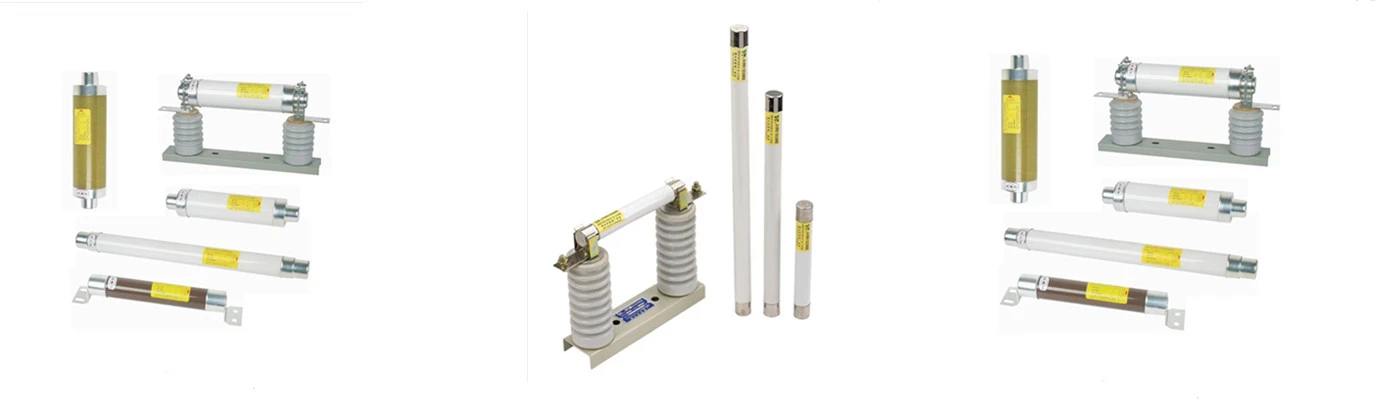
We focus on quality, speed, and reliability in our product line that meets a wide range of industrial needs. The main product includes current limiting fuses rated from 3.6kV to 40.5kV. These fuses are meant to protect transformers and work with ring network systems and voltage transformers. These goods meet the GB15166.2 and IEC282-1 standards, which means they will work with and be safe for use with other items around the world.
Advanced production makes it possible to make changes for specific uses, like water-cooled versions for very tough duty cycles and explosion-proof models for dangerous settings. Our tech team works with clients to make custom solutions that are still reliable and cost-effective while solving specific problems with how they run their businesses.
Quality Assurance and Certifications
A wide range of certifications, such as ISO9001, IATF16949, CE, TUV, CCC, and RoHS, show a dedication to environmental duty and high-quality work. These certificates stand for hard work in quality management and ongoing improvement to make sure the products always work well and customers are happy.
Our testing labs use state-of-the-art tools and methods that go above and beyond the norm. This gives us faith that the products will work as expected even in extreme conditions. Before shipping, batch testing and quality verification processes make sure each product meets the requirements. This lowers risk and guarantees dependable performance.
Global Supply Chain and Technical Support
A strong logistics network makes sure that goods are always available and deliveries are on time in places around the world. Making smart relationships with logistics companies lets you ship things faster for important projects while still keeping costs low for normal deliveries. Our base order of 5 pieces works for both big projects and prototype uses.
Application engineering, custom design services, and rapid prototyping for pressing needs are all parts of technical support. Our engineering team offers full help from the beginning specification development to installation and commissioning. This guarantees the best performance and happiness of our customers.
Conclusion
HV current limiting fuses are an important way to protect modern electrical systems. They can stop faults and limit current faster than other common methods. Using high-tech materials, exact engineering, and strict quality checks makes devices that can protect important structures in a wide range of situations. When choosing these protective devices, taking the technical details, the supplier's abilities, and the needs of the application into account makes sure that the best safety is given and that they will work for a long time. The investment in high-quality current limiting protection pays off in a big way by preventing damage to equipment, making systems more available, and protecting people and buildings.
FAQs
What distinguishes HV current limiting fuses from standard fuses?
Current limiting fuses actively reduce fault current magnitude through controlled arc formation and specialized quenching media, while standard fuses simply interrupt current flow. This current limitation capability protects sensitive equipment from high fault currents and reduces system stress. The advanced construction materials and arc quenching mechanisms enable operation at higher voltages and breaking capacities than conventional fuses.
How do I determine the correct rating for transformer protection?
Transformer protection requires careful analysis of normal operating current, fault current levels, and coordination with upstream protection. The fuse current rating should typically range from 125% to 165% of transformer rated current, depending on loading characteristics and inrush current considerations. Voltage rating must exceed system voltage by appropriate safety margins, while breaking capacity should exceed maximum fault current levels.
What are typical lead times for bulk orders?
Standard product lead times typically range from 2 to 4 weeks for quantities up to 100 units, while larger orders may require 6 to 8 weeks depending on customization requirements. Custom designs generally add 4 to 6 weeks for engineering and prototype development. Expedited delivery options are available for urgent requirements, though premium charges may apply for accelerated production schedules.
Can these fuses operate in outdoor environments?
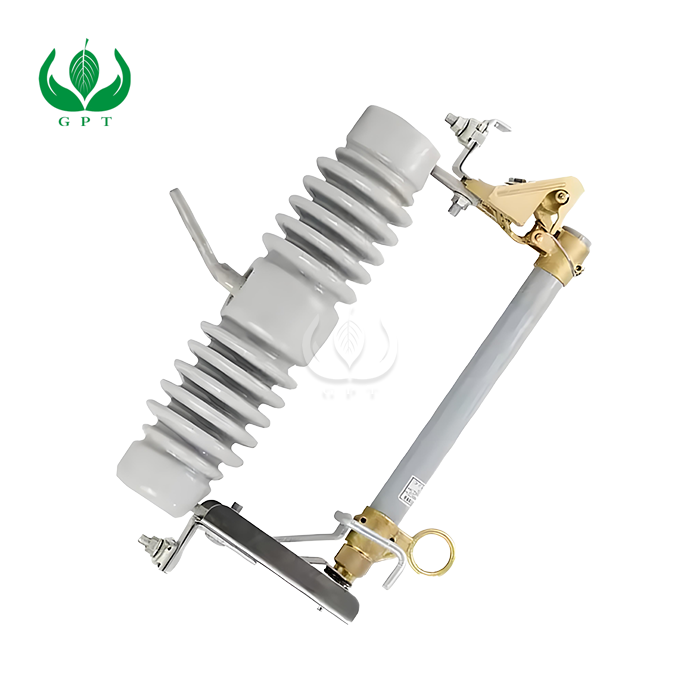
Our standard products are designed for indoor applications, but specialized outdoor-rated variants are available with enhanced UV resistance and weatherproof construction. Outdoor installations require careful consideration of temperature cycling, moisture exposure, and pollution levels that may affect performance. Consultation with our engineering team ensures appropriate product selection for specific environmental conditions.
Partner with Green Power for Reliable HV Current Limiting Fuse Solutions
Ready to enhance your electrical system protection with industry-leading current limiting technology? Green Power offers comprehensive solutions tailored to your specific requirements, backed by over 20 years of engineering expertise and rigorous quality assurance. Our team of specialists stands ready to assist with application analysis, product selection, and custom design services for your most challenging protection requirements. Whether you need standard products for immediate delivery or specialized solutions for unique applications, we provide the technical expertise and manufacturing capability to meet your needs. Contact our engineering team at fusemaker@163.com to discuss your HV current limiting fuse requirements and discover how our proven protection technology can enhance your system reliability.
References
IEEE Standards Association. "IEEE Standard for High-Voltage Fuses - Distribution Enclosed Single-Pole Air Switches, Fuse Disconnecting Switches, and Accessories." IEEE C37.41-2016.
International Electrotechnical Commission. "High-voltage fuses - Part 1: Current-limiting fuses." IEC 60282-1:2020.
Smith, Robert J., and Michael K. Thompson. "Current Limiting Devices in Modern Power Systems: Analysis and Applications." Journal of Electrical Engineering Technology, vol. 45, no. 3, 2023, pp. 234-251.
Wang, Li, et al. "Advanced Materials for High-Voltage Electrical Protection: Performance Characteristics and Applications." International Conference on Electrical Safety and Protection, 2022, pp. 112-127.
European Committee for Electrotechnical Standardization. "High-voltage switchgear and controlgear - Part 103: Switches for rated voltages above 1 kV up to and including 52 kV." EN 62271-103:2021.
National Electrical Manufacturers Association. "Application Guide for High Voltage Current-Limiting Fuses." NEMA SG 2-2020.