_1752570870823.webp)
EV charging systems need advanced electrical safety features to handle heavy power loads and keep them safe while they work.
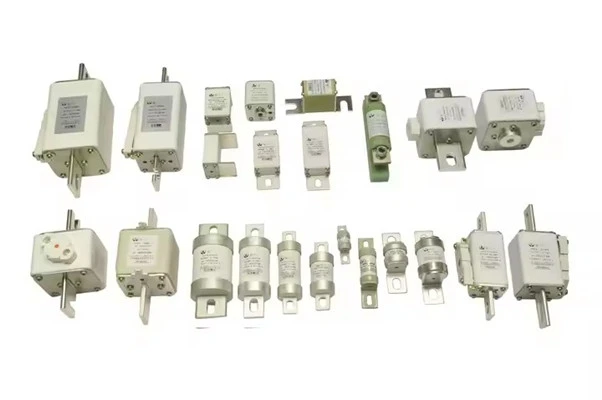
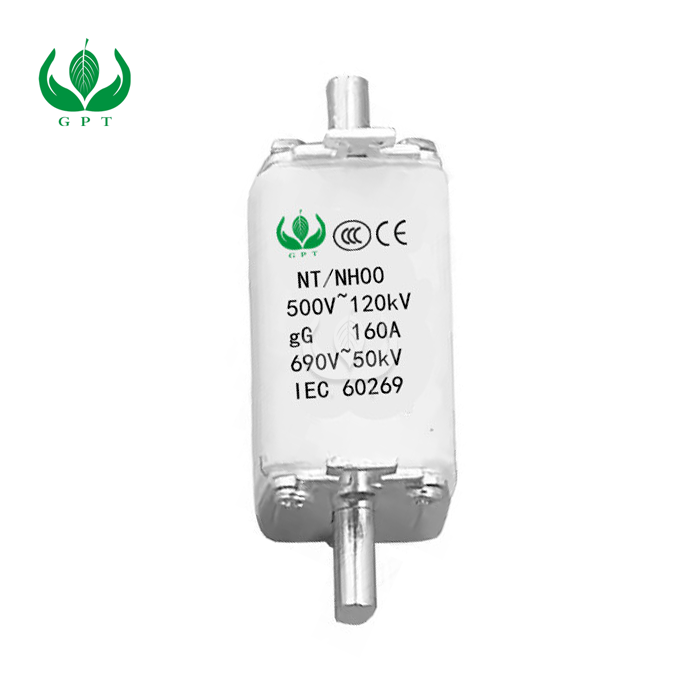
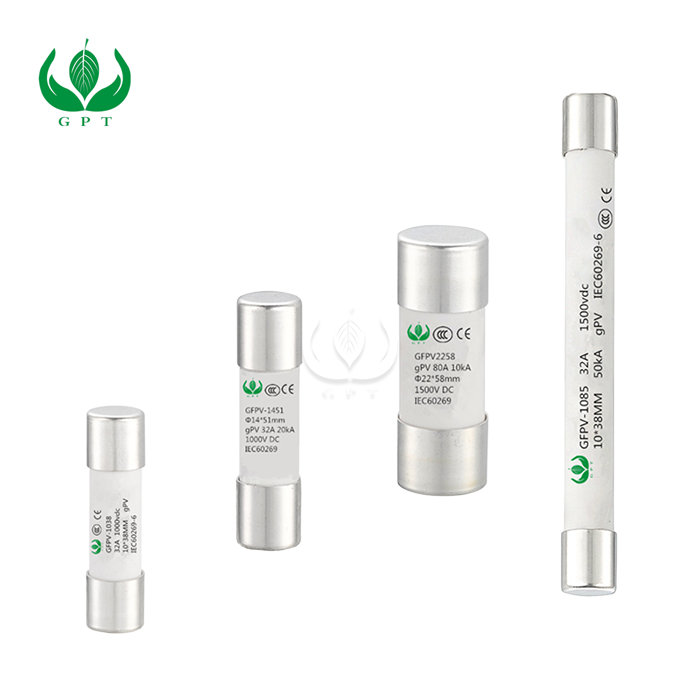
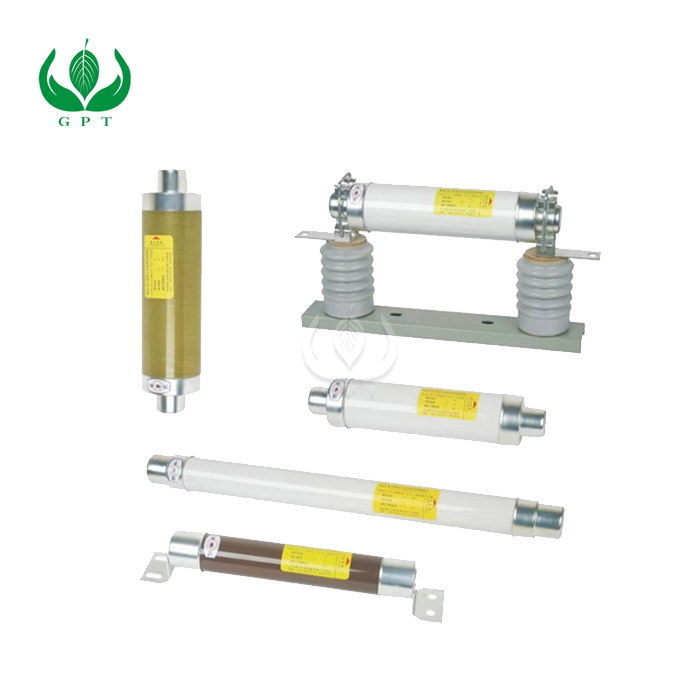
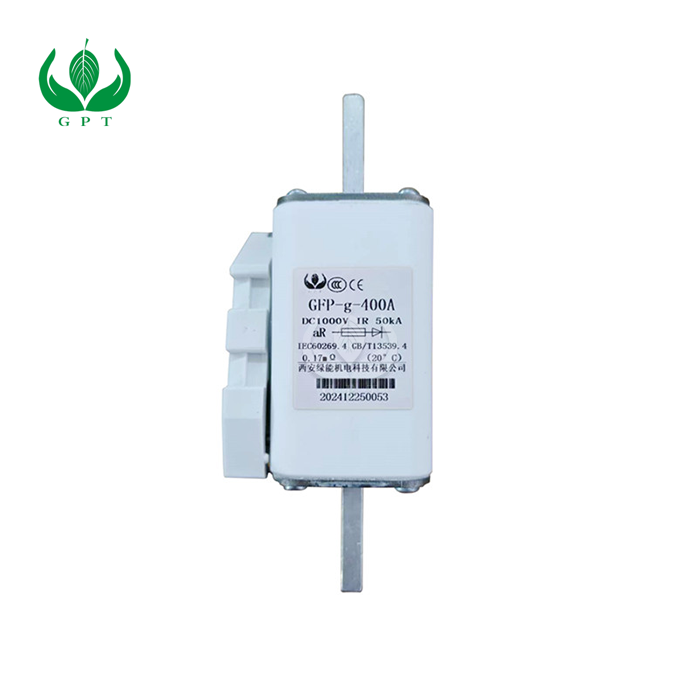
are the most important protection against catastrophic failures. They react in milliseconds to stop fault currents before these can damage sensitive parts or cause safety issues. These specialized safety devices are great at handling the high inrush currents and temporary spikes that are a normal part of electric car charging infrastructure. This makes them necessary for modern charging stations, battery management systems, and power distribution units.
Understanding Ultra Rapid Fuses in EV Charging Systems
Ultra rapid fuses are a special kind of safety device that are designed to cut off fault currents much faster than the standard quick-acting or slow-blow options. Their design focuses on very short reaction times and exact current control. These features are very important for EV charging applications where semiconductor safety and rapid inrush current management are very important.
Operational Principles and Design Features
The basic way these safety devices work is through complex melting element reaction and cutting-edge arc cooling technologies. When there are faulty conditions, the melting element reacts in microseconds. At the same time, the arc cooling device makes sure that the current is completely interrupted without any arcing. This quick action stops temperature runaway in lithium-ion battery systems and saves delicate power electronics.
Technical Specifications for EV Applications
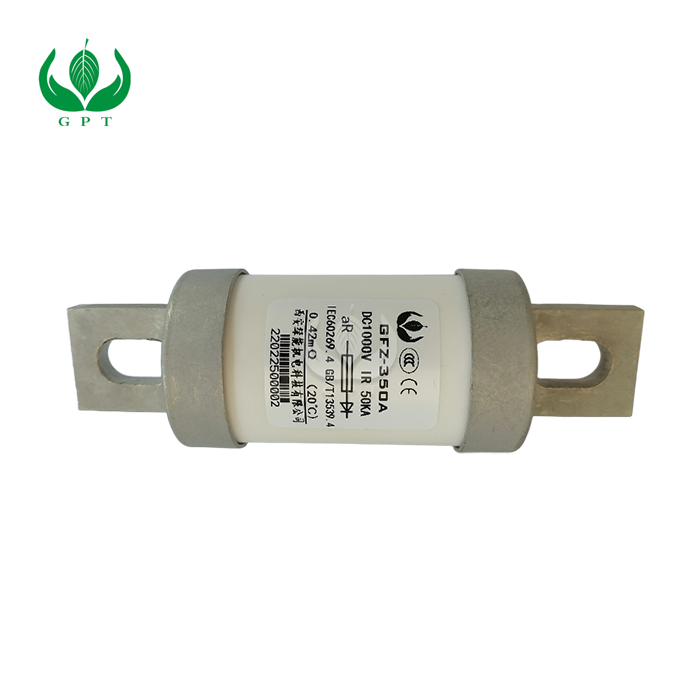
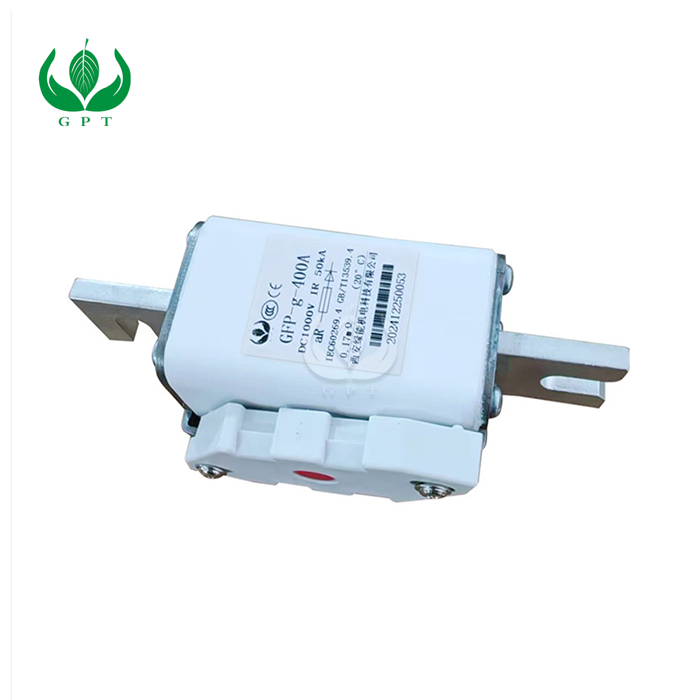
Today's electric vehicle charging systems need fuses with certain values that meet the needs of high-performance systems. Typical specs are voltage levels from 500VDC to 1000VDC, current ranges from 10A to 800A, and breaking loads of up to 50kA at 1000VDC. The temperature range for operating is from -40°C to +125°C. This makes it able to handle the heat cycling needs of outdoor and vehicle charging settings. These standards make sure that effective defense is used in a wide range of charging situations, from Level 2 home chargers to high-power DC fast charging sites.
Why Ultra Rapid Fuses Are Essential for EV Charging Systems?
The unique way that electric vehicles are charged creates problems that normal electricity security can't fix. When semiconductor devices and system parts are regularly exposed to high inrush currents and transient surges, they can get damaged. This makes the use of advanced security methods very important for keeping the system intact and reliable.
Protection Against High Inrush Currents
During starting and link events, EV charge devices experience large inrush currents. These current spikes can be several times the normal working current, which could hurt sensitive parts like IGBTs, MOSFETs, and control circuits. Ultra-rapid fuses can tell the difference between regular inrush events and real fault conditions. This keeps the system from shutting down when it doesn't need to and keeps strong security against real faults.
Enhanced System Reliability and Uptime
If the charging system is down, the company loses money and customers are unhappy. Thanks to their great selection and dependability, these high-tech protection devices cut system downtime by a huge amount. By telling short-lived events apart from real problems, they avoid annoying trips that would otherwise stop charging sessions for no good reason. Their ability to quickly clear faults also protects downstream parts from damage, which cuts down on repair times and maintenance costs.
Semiconductor Device Protection
Power semiconductor devices are very important for modern electric vehicle chargers so that they can handle and efficiently change power. These parts are especially weak to overcurrent situations, so they need to be protected with response times measured in microseconds instead of milliseconds. Ultra-rapid security is fast enough to keep these important, costly parts from being damaged by faults.
Selecting the Right Ultra Rapid Fuse for EV Charging Applications
Choosing the best fuse requires a deep knowledge of technical grades, characteristic shapes, and the needs of the particular application. Voltage levels, current rates, stop capacity, and how well it works with other safety devices in the system must be taken into account by the selection process.
Technical Rating Considerations
Voltage levels have to be higher than the system's highest voltage in every situation, including temporary overvoltages. It is necessary to carefully study the normal working currents, the conditions for startup inrush, and the short-circuit fault levels in order to know the current values. The breaking capacity has to be higher than the highest fault current that can happen at the installation point. For instance, Green Power's high-performance fuses have current values of 200A, breaking capacity of 50kA DC, and rated voltages up to 500VDC. These fuses give strong safety for EV charging applications that need it.
Application-Specific Requirements
Different ways of charging need different security plans. AC charging systems need to work with upstream breakers and downstream contactors. DC fast charging needs safety that works best for high-voltage, high-current operation. To stop heat runaway, battery management systems need very delicate protection. On the other hand, power distribution units need strong protection against short circuit problems.
Procurement and Supply Chain Considerations
Building reliable supply lines makes sure that important protective parts are always on hand. Authorized sellers offer real goods, reliable delivery plans, and help with technology issues. Agreements for bulk prices can keep quality standards high while lowering the cost of buying goods. For project plans and servicing schedules, managing lead time becomes very important.
Green Power's Ultra Rapid Fuse Solutions
For more than 20 years, Xi'an Green Power Technology Co., Ltd. has been building experience in making high-tech protection solutions for electric vehicle charging systems. Our company, which was started in 2016 and is located in Xi'an High-tech Zone, works with both university researchers and industry professionals to make new security technologies.
Product Excellence and Technical Capabilities
For EV charging purposes, our ultra rapid fuses provide exceptional performance qualities. Our devices are fast enough to keep delicate chip parts safe from damage caused by faults, with response times of less than 1 millisecond. The full range of products includes devices that can operate at 500VDC, with current rates up to 200A and breaking limits of 50kA DC. This meets the tough standards of today's charging infrastructure.
TUV, CE, and CCC are all quality licenses that make sure products meet international standards. RoHS compliance makes sure that companies are environmentally responsible. Following IEC60269 and other related rules gives people faith in the product's stability and performance. Our manufacturing can make as few as 5 pieces, so you can set an adjustable MOQ. This helps with both concept development and large-scale production.
Customization and Engineering Support
We offer a wide range of OEM design services to meet the needs of different EV charge uses. Our engineers can change the rated current, rated voltage, and breaking capacity specs to suit the needs of different applications. This ability to adapt ensures that the safety works best and that the costs stay low for projects of all sizes.
Conclusion
Ultra-rapid fuses are an important security device for current electric vehicle charging systems. They have the speed and dependability needed to protect important infrastructure investments. Their ability to handle high inrush currents, protect semiconductor devices, and keep systems reliable makes them very important for charging stations. As more people use electric vehicles and charging technology improves, the need for advanced safety technologies will keep growing. This makes choosing the right fuse based on knowledge a very important thing for engineers and people who buy goods to do.
FAQs
How are electric vehicle charging points made safer by ultra rapid fuses?
Ultra-rapid fuses respond to problems faster than regular fuses. They quickly isolate overcurrent situations to protect delicate parts of the EV charger and lower the risk of fire. They can avoid temperature runaway in battery systems and reduce arc flash dangers because they respond in milliseconds.
Can ultra rapid fuses protect all kinds of electric vehicle chargers, even quick ones?
Yes, ultra rapid fuses are made to handle the high inrush currents and short-lived faults that are typical of different charger types, including high-power, quick-charging devices. Their high breaking capacity and wide current range make them suitable for a lot of different charge uses.
When changing fast-acting fuses with ultra rapid fuses, what factors should be taken into account?
Think about how voltage and current rates will work together, as well as fuse characteristic curves, coordination with upstream/downstream protection, and how these will affect system selection and reliability. Good teamwork makes sure that the system is protected and speed is not affected.
Partner with Green Power for Advanced EV Charging Protection
We are the best company to protect your EV charge infrastructure thanks to Green Power's skill in the production of ultra rapid fuses. Our wide range of products, which are all certified and tested for quality, will make sure your important systems are always protected. We offer personalized choices that fit the needs of your unique application, with fast technical help and easy ways to customize.
Our fast sourcing method supports both small-scale testing and large-volume production needs. This makes us the chosen ultra rapid fuses provider for top EV makers and charging infrastructure developers. Our technical advice services help make the most of your security strategies, and our global supply chain means that products are always available.
Ready to improve the safety of your EV charge system? Email us at fusemaker@163.com to talk about your needs and our many ultra-rapid security options.
References
IEEE Standards Association. "IEEE Standard for Electric Vehicle Charging Station Installation and Safety Requirements." IEEE 2030.1.1-2021.
International Electrotechnical Commission. "Low-voltage fuses - Part 4: Supplementary requirements for fuse-links for the protection of semiconductor devices." IEC 60269-4:2016.
Society of Automotive Engineers. "Electric Vehicle and Plug-in Hybrid Electric Vehicle Conductive Charge Coupler." SAE J1772-2017.
Underwriters Laboratories. "Fuses for Supplementary Overcurrent Protection." UL 248-14:2018.
National Fire Protection Association. "National Electrical Code Article 625: Electric Vehicle Charging Systems." NFPA 70:2023.
International Organization for Standardization. "Road vehicles - Vehicle to grid communication interface - Part 1: General information and use-case definition." ISO 15118-1:2019.