_1752570870823.webp)
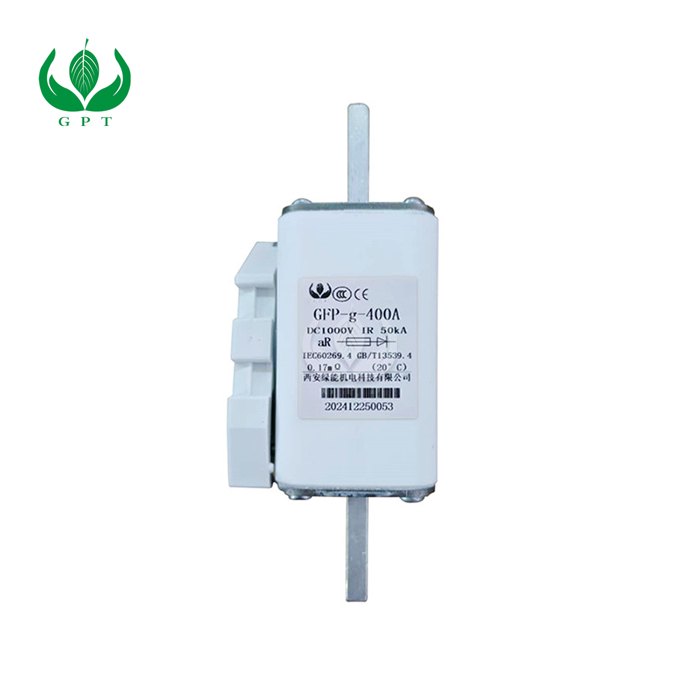
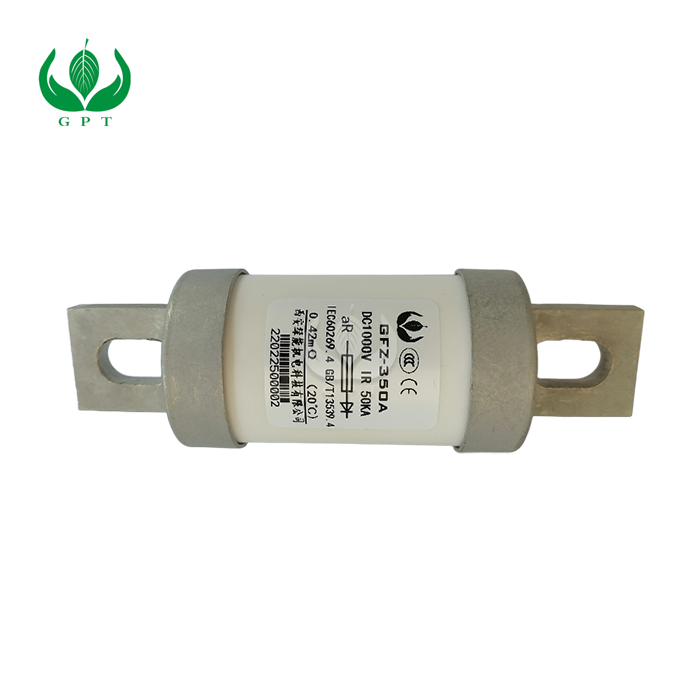
A 1000V DC fuse is an important safety feature for the rectifier units of an EV charger because it quickly cuts off the flow of electricity when there is a dangerous overcurrent or a short circuit. When fault currents reach set levels, these specialized fuses use advanced arc-extinguishing technology to safely cut power. This keeps sensitive semiconductor components in the rectification system from being destroyed. This safety feature keeps the system running and protects costly power circuits from heat and electricity surges.

One of the most difficult electrical settings is the EV charging infrastructure, where correction units change AC power to exact DC levels for charging the battery. These systems need strong security tools to keep them safe and reliable. Adding high-voltage DC fuses has become necessary for current charging stations. The cost of tools and safety needs make it necessary to use the best security.
This all-inclusive guide goes over the technical details, how to choose the right one, and the real-world usage of high-voltage DC safety in electric vehicle charging systems. We look at how these parts help the system stay reliable and how we can meet the buying needs of engineers, safety compliance teams, and strategic sourcing managers who choose security devices for charging infrastructure projects.
Understanding the Role of a 1000V DC Fuse in EV Charger Rectification Modules
EV charger correction units change the grid's AC power to DC power that can charge a battery. They have to deal with nonstop high-voltage stress. These units have advanced power electronics like IGBTs, diodes, and capacitors that need to be carefully protected from overcurrent situations. A 1000V DC fuse provides this security through specialized design features that deal with the problems that come up when direct current is interrupted.
Operational Principles of High-Voltage DC Protection
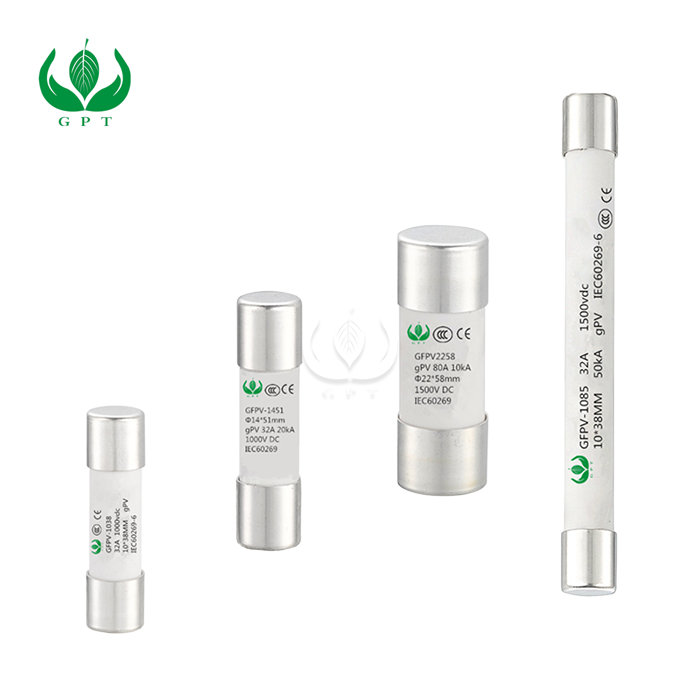
Direct current systems don't have voltage that changes all the time like alternating current systems do, which makes fault interruption harder than it is in AC systems where zero-crossing helps arc extinction. High-voltage DC fuses use special materials and designs for their chambers that quickly absorb energy and stop arcs from forming. The clay body design has great heat conductivity and keeps electrical protection. This lets these devices safely handle breaking capacities of up to 20 kA.
Electrical Ratings and Performance Characteristics
These days, DC safety devices work with currents from 5A to 50A, and some can be customized to work with currents up to 500A. The device's breaking capacity standard shows the highest fault current it can safely cut off, and the 1-3 ms time constant makes sure that overcurrent situations are quickly responded to. The device can work in a wide range of temperatures, from -40°C to 125°C. This makes it useful for places like outdoor charging stations and enclosed technical rooms.
Application Versatility Beyond EV Charging
These safety devices show a lot of different uses in green energy, like in solar transformers and energy storage systems. The gPV class label talks only about the needs for solar security. At the same time, automotive-grade standards make sure that the product works with EV charging systems. This feature that can be used for two different purposes gives sourcing experts common parts that can be used for many kinds of projects.
Key Benefits and Safety Features of Using a 1000V DC Fuse in EV Chargers
Adding high-voltage DC safety to electric vehicle charging systems makes them more reliable and protects the system from having to be repaired more often. These perks go beyond just protecting against overcurrent. They also help handle heat, stop arcs, and make sure the system meets global safety standards.
Enhanced Safety Through Fault Isolation
DC safety devices are very good at separating overcurrent and short-circuit problems before they spread through the charging system. The ability to quickly find and fix faults avoids thermal runaway situations that could hurt costly correction units. This safety feature is especially useful for high-power charging situations where fault currents can get very high in a matter of milliseconds.
Thermal Stability and Environmental Durability
Electroplated brass connections and ceramic body design give great heat stability under high-voltage DC loads. The makeup of the material defies thermal cycling stress and keeps its electrical performance even when temperatures are very high or low. These devices can be used for outdoor charging setups and mobile uses because they can survive weather, shaking, and mechanical shock.
Compliance with Global Safety Standards
Following the IEC 60269-6 and UL248-19 standards means that products will be accepted in markets around the world, and it also lowers the risk of having to buy things for projects that are foreign. CE and TUV approvals give businesses trust in the European market, and RoHS compliance follows rules meant to protect the environment. These certifications help B2B customers who are setting up charging systems in more than one area get approved faster and with less technical risk.
Comparing 1000V DC Fuses with Other Protection Devices in EV Charging Systems
It is important to carefully consider power levels, how the device works, and the pros and cons of cost for EV charging when choosing a DC fuse 1000V. Knowing the differences between safety choices helps people make smart buying decisions that get the best performance while staying within budget.
Voltage Rating Relevance and System Compatibility
The choice between 600V, 1000V, and 1500V DC protection devices depends primarily on the charging system's operational voltage levels. Most Level 2 and DC fast charging applications operate within voltage ranges where 1000V rated devices provide optimal protection margins. Higher voltage ratings offer increased safety margins but may introduce unnecessary costs for lower-voltage applications.
Response Times and Fault Interruption Capabilities
DC fuses demonstrate superior response times compared to miniature circuit breakers in high-voltage applications, with interruption times measured in milliseconds rather than seconds. This rapid response capability proves critical for protecting sensitive semiconductor components that can suffer irreversible damage within microseconds of fault initiation. The specialized arc-quenching design enables reliable interruption of DC fault currents that would challenge conventional protection devices.
Cost-Benefit Analysis for Different Charging Tiers
Economic considerations must balance initial component costs against potential equipment replacement expenses and system downtime. While high-voltage DC fuses may present higher upfront costs compared to basic protection devices, their superior protection capability often justifies the investment through reduced maintenance requirements and extended equipment lifecycles. Bulk purchasing strategies and standardization across multiple project sites can further optimize procurement costs.
How to Choose the Best 1000V DC Fuse for Your EV Charger Rectification Modules?
Selecting appropriate DC protection requires systematic evaluation of technical specifications, environmental conditions, and supply chain considerations. This selection process must account for both immediate project requirements and long-term operational needs to ensure optimal protection performance and procurement efficiency.
Critical Parameter Evaluation Framework
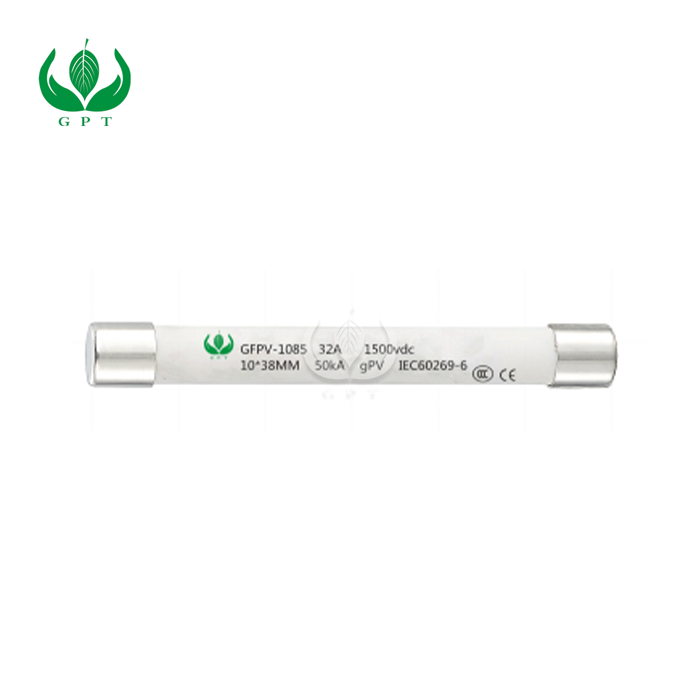
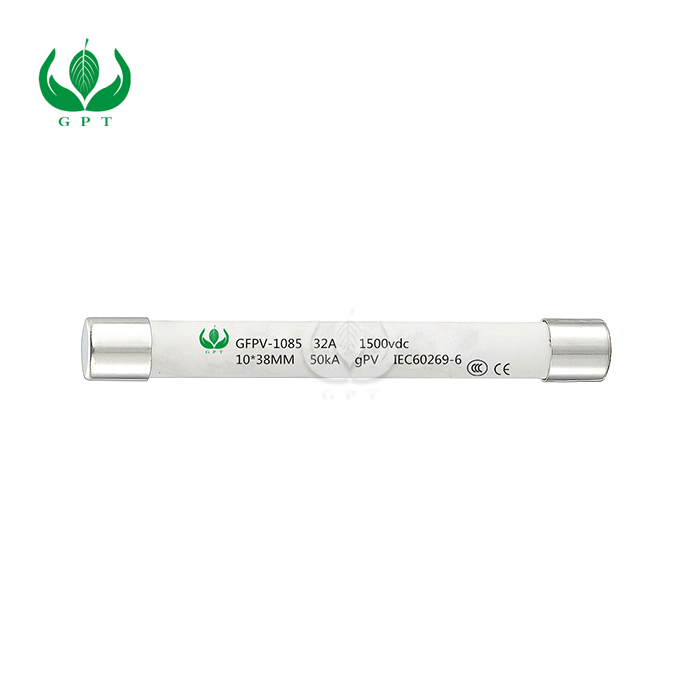
Voltage and current ratings must provide adequate margins above normal operating conditions while avoiding excessive over-specification. Breaking capacity selection depends on available fault current levels determined through system fault analysis. Environmental resilience factors include temperature cycling, vibration tolerance, and moisture resistance based on installation location characteristics. Our GFPV-1451 series offers current ratings from 5A to 50A with 20kA breaking capacity, providing suitable options for most EV charging applications.
Supplier Assessment and Quality Considerations
Procurement professionals must evaluate supplier capabilities including R&D expertise, quality certifications, and manufacturing capacity. Companies with automotive industry experience and relevant certifications like IATF 16949 demonstrate commitment to quality standards essential for EV applications. Supply chain stability and lead time consistency become critical factors for project scheduling and inventory management.
Bulk Purchasing and Customization Options
OEM services enable customization of current ratings, terminal configurations, and packaging to meet specific application requirements. Minimum order quantities of 100 pieces support both prototype development and production procurement needs. Custom solutions can optimize system integration while maintaining compliance with safety standards and certification requirements.
Practical Insights: Case Studies and Real-World Applications of 1000V DC Fuses in EV Charger Rectification
Real-world deployment experiences provide valuable insights into the practical benefits and performance characteristics of high-voltage DC fuse in diverse EV charging environments. These case studies demonstrate how proper protection device selection contributes to system reliability and operational efficiency.
Commercial Fleet Charging Infrastructure
High-power charging installations serving commercial vehicle fleets have demonstrated significant reliability improvements through strategic DC fuse implementation. These applications typically involve multiple high-current charging points operating simultaneously, creating challenging protection coordination requirements. Proper fuse selection and sizing have resulted in reduced equipment failures and extended service intervals, directly impacting operational costs and vehicle availability.
Hybrid Solar and EV Charging Stations
Integrated renewable energy and charging facilities present unique protection challenges due to bidirectional power flow and variable generation conditions. DC protection devices must accommodate both solar generation fault conditions and EV charging load variations. Successful installations have utilized standardized protection components across both applications, simplifying maintenance procedures and spare parts inventory management.
Performance Optimization and Maintenance Benefits
Field experience indicates that proper DC protection implementation reduces unplanned maintenance events by preventing equipment damage during fault conditions. The ability to quickly identify and isolate faulty circuit sections minimizes system downtime while protecting adjacent equipment. These operational benefits translate into improved charging station availability and enhanced customer satisfaction metrics.
Green Power: Your Trusted DC Fuse 1000V Manufacturer and Partner
Xi'an Green Power Technology Co., Ltd. stands as a leading manufacturer specializing in high-quality DC protection solutions for EV charging infrastructure and renewable energy applications. Our comprehensive product portfolio includes the GFPV-1451 series DC fuses designed specifically for rectification module protection in demanding electrical environments.
Our technical expertise stems from over 20 years of R&D experience, backed by partnerships with China XD Group and Xi'an Jiaotong University. This foundation enables us to deliver innovative protection solutions that meet stringent automotive and renewable energy industry requirements. Our quality management systems include ISO9001, IATF16949, and comprehensive testing protocols that ensure consistent product performance.
We maintain global certifications including CE, TUV, CCC, and RoHS compliance, enabling seamless integration into international projects. Our OEM services provide customization capabilities with rapid prototyping turnaround times, while our bulk order fulfillment ensures timely delivery for large-scale implementations. Located in Xi'an High-tech Zone, we leverage regional supply chain advantages to provide competitive pricing while maintaining exceptional quality standards.
Technical consultation services support proper device selection and application engineering, while comprehensive documentation packages facilitate specification and approval processes. Our commitment to customer success extends beyond product delivery through ongoing technical support and application guidance tailored to specific project requirements.
Conclusion
High-voltage DC protection plays a pivotal role in ensuring reliable and safe operation of EV charging infrastructure. The specialized characteristics of DC fuse 1000V devices address the unique challenges of direct current interruption while providing robust protection for sensitive rectification modules. Proper selection and implementation of these protection devices contribute significantly to system reliability, operational efficiency, and compliance with international safety standards.
The continuing evolution of EV charging technology demands sophisticated protection solutions that can accommodate increasing power levels and enhanced performance requirements. Understanding the technical aspects, selection criteria, and practical applications of high-voltage DC protection enables informed procurement decisions that optimize both performance and cost-effectiveness for charging infrastructure projects.
FAQs
What is the main difference between an AC fuse and a 1000V DC fuse used in EV chargers?
The primary difference lies in arc extinction mechanisms. AC fuses rely on natural current zero-crossings to extinguish arcs, while DC fuses require specialized arc-quenching chambers and materials to force arc extinction in continuous current environments. DC fuses also feature enhanced thermal management and different time-current characteristics optimized for direct current applications.
How quickly does a 1000V DC fuse interrupt fault current in an EV rectification module?
High-quality DC fuses interrupt fault currents within 1-3 milliseconds, depending on the fault magnitude and fuse characteristics. This rapid response time protects sensitive semiconductor components that can be damaged within microseconds of fault initiation, making speed critical for effective protection.
Can 1000V DC fuses be used interchangeably in solar and EV charging systems?
Yes, properly certified DC fuses with gPV classification can be used in both applications. However, specific application requirements including current ratings, environmental conditions, and mounting configurations must be verified for each installation. The GFPV series devices are specifically designed for this dual compatibility.
Ready to Secure Your EV Charging Infrastructure? Contact Green Power Today
Green Power Technology delivers industry-leading DC fuse 1000V solutions engineered specifically for EV charger rectification module protection. Our GFPV-1451 series combines automotive-grade reliability with comprehensive certifications, ensuring optimal performance in demanding charging environments. As an established DC fuse 1000V manufacturer, we provide technical expertise, customization capabilities, and reliable supply chain management to support your procurement objectives.
Whether you need standard products or custom solutions, our technical team stands ready to assist with application engineering and product selection guidance. We offer competitive pricing, flexible minimum order quantities starting at 100 pieces, and expedited delivery options to meet project timelines. Contact us at fusemaker@163.com to discuss your specific requirements and receive detailed technical documentation.
References
International Electrotechnical Commission. "Low-voltage fuses - Part 6: Supplementary requirements for fuse-links for the protection of solar photovoltaic energy systems." IEC 60269-6:2010.
Underwriters Laboratories. "UL Standard for Safety for Fuses for Supplementary Overcurrent Protection." UL 248-19:2018.
Society of Automotive Engineers. "Electric Vehicle and Plug-in Hybrid Electric Vehicle Conductive Charge Coupler." SAE J1772:2017.
Institute of Electrical and Electronics Engineers. "IEEE Standard for Electrical Power System Device Function Numbers, Acronyms, and Contact Designations." IEEE C37.2:2008.
International Organization for Standardization. "Road vehicles - Electrical and electronic equipment for a supply voltage of 12V or 24V - Part 2: Electrical loads." ISO 16750-2:2012.
European Committee for Electrotechnical Standardization. "Electric vehicle conductive charging system - Part 1: General requirements." EN 61851-1:2019.