_1752570870823.webp)
To size your transformer protection fuses properly, you need to know your system's problem current levels, load factors, and how it operates. Choosing the right fuse means figuring out the right current value based on the transformer's full load current, looking at inrush current trends, and making sure that the fuse can handle faults. These specialized protectors keep important electrical systems safe by cutting off fault currents before they can damage costly converter equipment. This makes correct sizing very important for operational safety and reliability.

Understanding Transformer Protection Fuses: Basics and Importance
Transformer safety fuses are the first thing that stops electrical problems from damaging power systems. These specialized parts can stop fault currents in milliseconds. If they didn't, whole electrical networks could fail. Unlike most circuit safety devices, these fuses are made to handle the special needs of transformer loads, like the high inrush currents that happen when they are turned on and the different situations they may be used in.
Critical Functions of Protection Fuses
The main job of these safety devices isn't just to protect against overcurrent. They need to be able to tell the difference between normal transformer operation and real problem situations. They also need to be able to quickly respond to risky short circuits. Today's transformer fuses have current-limiting technology that lowers the energy they allow to pass through. This protects electronics from heat and mechanical stress. This feature is especially useful in high-voltage settings where fault currents can get very high.
Types and Technical Specifications
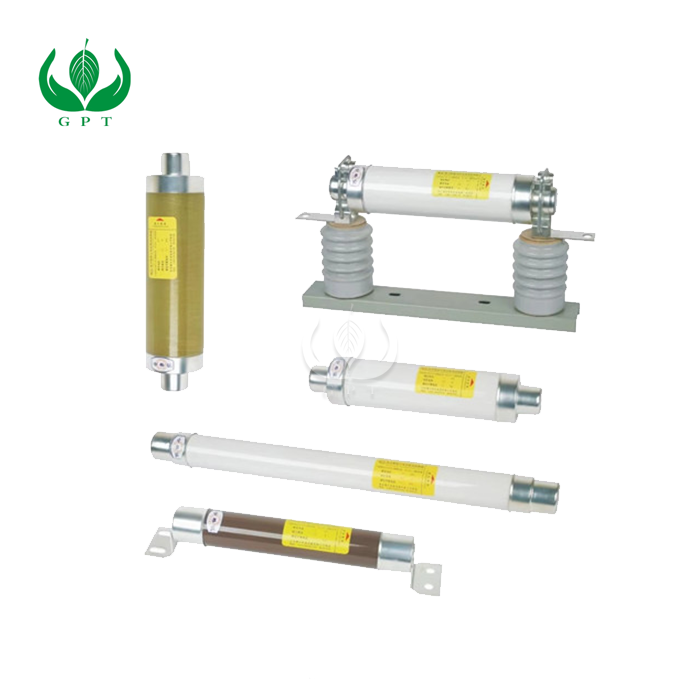
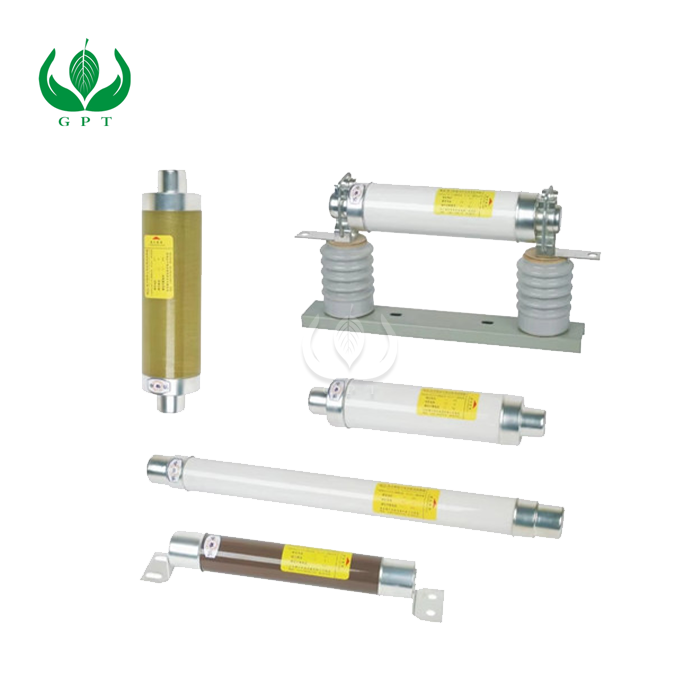
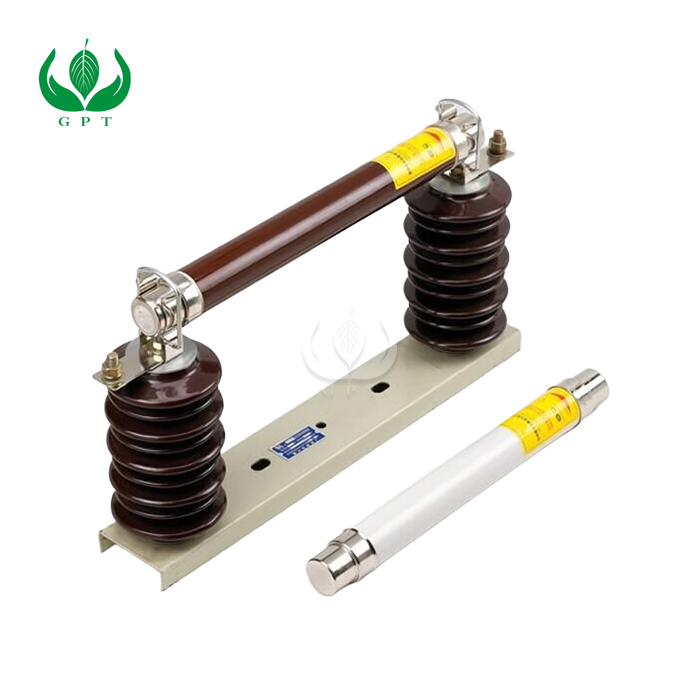
High-voltage safety fuses are built and work in very different ways from low-voltage fuses. Current-limiting fuses are great for situations where faults need to be cleared quickly, and expulsion fuses are a cheaper protecting option for setups that aren't as important. Key specs are voltage levels up to 36 kV, breaking limits up to 63 kA, and accurate time-current features that make sure they work with safety devices both upstream and downstream. Engineers can choose the right security for each transformer application when they understand these factors.
Core Principles for Correctly Sizing Transformer Protection Fuses
A detailed study of how the transformer works and what the system needs will help you choose the right switch. Engineers need to check the fault current levels, full load current, inrush current size and length, and how these safety devices work together. This study forms the basis for choosing fuses that protect reliably without extra breaks during normal operation.
Load Current Analysis and Inrush Considerations
When choosing the right size for a safety fuse, the transformer inrush current makes things more difficult. These temporary currents can be 8 to 12 times as strong as the full load current, and they last for several rounds while the transformer is energized. The right fuse has to take these things into account while still being able to detect when something goes wrong. Load profile looks at past working data, expected load growth, and yearly changes that could impact how transformers are loaded.
Calculating Appropriate Fuse Ratings
To figure out the basic size, first calculate the transformer's full load current with this formula: FLC = kVA / (√3 × kV × 1000). The amount of power that is considered safe usually falls between 125% and 150% of the full load. This depends on the needs of the application and how well different parts work together. When engineers decide on the final fuse rates, they also have to think about the effects of environmental temperature, age, and working limits. This method safely avoids unnecessary actions under normal system circumstances.
Comparison of Transformer Protection Solutions: Fuses vs. Alternatives
These days, electricity systems have a number of different ways to protect transformers. Each one helps in different ways and has its own problems. Procurement pros can make smart choices based on how these differences affect their use, upkeep, and cost once they know about them.
Fuses versus Circuit Breakers
Transformer protection fuses are better than circuit breakers in several ways: they are cheaper to install, don't need to be maintained very often, and can limit power by themselves. Breakers, on the other hand, can reclose and offer more advanced defense. After an operation, a fuse has to be replaced by hand, but breakers can be managed and restarted from afar. The decision is often based on how easy it is to get to, how important the protected equipment is, and what upkeep tools are available.
Integration with Relay Protection Systems
Putting fuses and relay protection together makes a full protection plan that uses the best parts of each technology. Relays are used for advanced tracking and control, and fuses give you extra safety and the ability to limit power. This combined method works especially well in important cases where more than one layer of safety makes the system more reliable. Green Power's transformer safety solutions include choices set at 12kV with changeable factors up to 36kV. These meet a range of needs while still complying with the GB15166.2 and IEC 60282-1 standards.
Procurement Guide: Buying Transformer Protection Fuses Efficiently
To get safety fuses successfully, you need to know about the total cost of ownership, how the market works, and what suppliers can do. Intelligent buying can have a big effect on both the cost of getting something and the cost of using it.
Supplier Evaluation and Selection Criteria
Suppliers you can count on always provide good quality, show professional knowledge, and respond quickly to customer questions. Key things that are used to rate or judge something are licenses for manufacturing, ability to test things, ability to make changes, and reach in the global supply chain. Top companies such as Cooper, Schneider Electric, Siemens, and Littelfuse are known for making high-quality products and coming up with new ideas. But specialty makers like Green Power can help in special ways by learning a lot about their field and being able to make products that fit the needs of different industries.
Green Power can make models in just 10 days, has a lot of experience working with Xi'an Jiaotong University, and has many certifications, such as IATF 16949 and CE compliance. With a minimum order of just five pieces, their transformer protection fuses with silver metal components and arc-resistant ceramic housing give dependable protection for high-voltage indoor distribution systems.
Cost Optimization Strategies
Buying in bulk usually lowers the cost for each item and makes sure there is enough stock on hand for upkeep and emergency replacements. It may take longer to get things done because of customization needs, but it often helps with system interaction and speed. When you buy things from other countries, logistics planning becomes very important. Air freight is faster, and sea freight is cheaper for bigger orders. Buyers who know these trade-offs can get the best overall buying costs while still meeting their needs.
Transformer Protection Fuse Maintenance and Troubleshooting
Proactive repair programs make security systems as reliable as possible and avoid sudden breakdowns. Regular testing and checking help find possible problems before they weaken the system's safety.
Inspection and Testing Procedures
As part of a visual check, one should look for physical harm, dirt, and connections that are intact. Measuring insulation resistance and checking contact resistance are both parts of electrical testing. Thermal imaging can show new hot spots that might mean links or fuse parts are breaking down. If these testing methods are used in a planned way, they can show early signs of possible safety system breakdowns.
Replacement Strategies and Documentation
Scheduled repair times rely on the location where the product is used, how much weight is loaded onto it, and what the maker says. It may be necessary to replace things more often in harsh locations, but safe indoor settings can usually stretch the time between replacements. Keeping detailed records of maintenance work, test results, and when parts are replaced helps a company stay within the law and plan future maintenance more effectively.
Conclusion
To get the right size for transformer protection fuses, you need to carefully consider the system's load conditions, fault features, and coordination needs. It is important to understand the unique issues of transformer safety, look at the technologies that are out there, and come up with the right ways to keep them working if you want to succeed. Engineers and buying workers who learn these basics can make sure that generator safety is always there while also cutting costs and increasing working efficiency. Choosing the right fuses and taking care of them properly are good investments that pay off by making tools last longer, systems safer, and downtime shorter. As electrical systems get more complicated, getting the right size for safety devices becomes even more important. This is useful information that people who work in the business need to know.
FAQs
How are transformer protection fuse values typically determined?
Figure out the transformer's full load current with FLC = kVA / (√3 × kV × 1000). Then, add a safety margin of 125% to 150%. Think about the inrush present features and how they need to work with other safety devices. The end fuse grade should be able to handle standard situations and give good security against fault currents.
How do external factors affect the size and choice of fuses?
Altitude, humidity, and temperature have a big effect on how well fuses work. High temperatures lower the current-carrying ability, which is when derating estimates have to be done. Outdoor sites need better security from the elements and may need to be safer in general. Indoor apps, such as those that work with Green Power's 12kV-rated switches, usually have more stable conditions for working.
How long does it usually take to fulfill an order for a unique transformer protection fuse?
Standard items usually ship in 2 to 4 weeks, but based on how complicated the special specs are, it could take anywhere from 6 to 12 weeks. Green Power's efficient shipping networks mean that they can get samples to you in 10 days and keep competitive lead times of 15 days for orders of more than 500 units.
Partner with Green Power for Superior Transformer Protection Solutions
Getting dependable generator safety needs knowledge, good products, and quick help at all stages of the product lifecycle. Green Power works with Xi'an Jiaotong University on new research projects and blends them with more than 20 years of experience in specialized fuse technology. Our transformer protection fuses can be customized to fit the needs of different situations, and they meet strict global standards like GB15166.2 and IEC 60282-1.
As a trusted transformer protection fuses maker, we help our customers with everything from choosing the right size to providing ongoing expert support. Our IATF 16949 certification makes sure that our processes are as good as those in the car industry, and our foreign standards like CE and TUV make sure that they can be used anywhere in the world. Our team has the knowledge to get your jobs done right, and we offer a wide range of goods to meet your needs, from standard 12kV to unique 36kV designs.
Ready to take your battery safety plan to the next level? Get in touch with our technology experts to talk about your needs and find out how our solutions can make your system more reliable. Contact us if you need more information about the product, help with figuring out the right size for you, or samples. Get in touch with us at fusemaker@163.com to learn more about how Green Power's new method of protecting transformers can help your business.
References
IEEE Standard C37.40-2016: IEEE Standard for Switches for Use in Metal-Clad Switchgear, Institute of Electrical and Electronics Engineers, 2016.
Anderson, Paul M. "Power System Protection." IEEE Press Series on Power Engineering, McGraw-Hill Professional, 1998.
IEC 60282-1:2009: High-voltage fuses - Part 1: Current-limiting fuses, International Electrotechnical Commission, 2009.
Blackburn, J. Lewis, and Thomas J. Domin. "Protective Relaying: Principles and Applications, Fourth Edition." CRC Press, 2014.
GB15166.2-2013: High-voltage alternating current fuses for rated voltages of 1 kV to 52 kV, National Standard of China, 2013.
Mason, C. Russell. "The Art and Science of Protective Relaying." General Electric Series, John Wiley & Sons, 1956.