_1752570870823.webp)
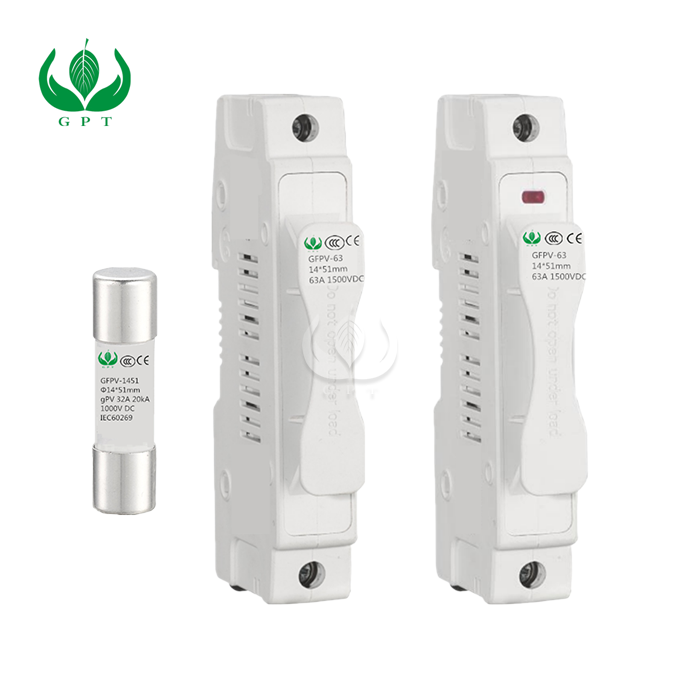
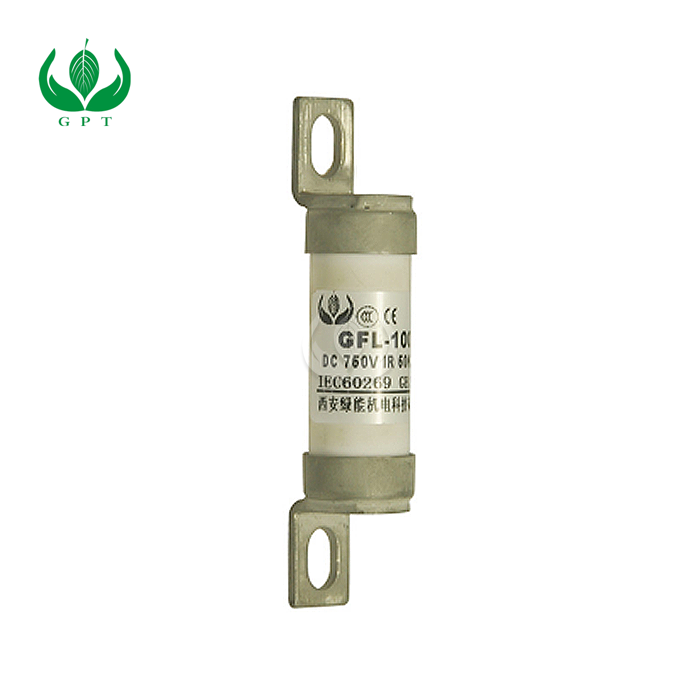
Because direct current systems offer special electrical problems that ordinary AC protection cannot safely manage, EV charging stations need DC rated fuses. DC makes arc interruption far more challenging than alternating current because it maintains continuous current flow without natural zero-crossing locations. DC rated fuses have prolonged interruption chambers and unique arc-quenching materials designed to safely put out long-lasting DC arcs. This specific protection guarantees adherence to vehicle safety regulations necessary for dependable EV charging operations, eliminates catastrophic failures, and safeguards costly charging infrastructure components.
Understanding DC Rated Fuses and Their Importance in EV Charging Stations
The infrastructure for electric vehicles is growing quickly, necessitating the use of advanced protection systems that can manage the particularities of high-voltage DC power distribution. In order to safeguard charging stations from overcurrent situations, short circuits, and arc faults that may otherwise cause equipment damage, fire risks, or service outages, DC rated fuses are an essential safety component.
During rapid charging sessions, modern EV charging stations need current demands of 200–400 amperes, while operating at voltage ranges between 400V and 1000V DC. Because of the electrical stress conditions created by these operating parameters, protection mechanisms that can safely and reliably stop fault currents are necessary. Direct current's continuous nature poses basic difficulties that set DC protection needs apart from those of conventional AC applications.
Enhanced Safety Through Specialized Protection
DC rated fuses incorporate advanced arc-extinction technologies that address the persistent nature of DC electrical arcs. When fault conditions occur in DC circuits, the absence of natural current zero-crossings means that electrical arcs can sustain indefinitely without proper interruption mechanisms. Professional-grade DC fuses utilize quartz sand filling, ceramic housing, and precisely calibrated fusible elements to ensure rapid fault clearance.
Protection devices that can tolerate temperature fluctuations, vibration, and environmental stress while maintaining steady performance are necessary for the automotive-grade dependability needed for EV charging infrastructure. Thermal cycling from -40°C to +125°C, vibration endurance testing, and breaking capacity verification are just a few of the stringent testing procedures that premium DC fuses go through to guarantee dependable functioning for the duration of their service life.
Regulatory Compliance and Industry Standards
Compliance with international safety standards represents a non-negotiable requirement for EV charging infrastructure deployment. DC rated fuses must meet stringent certification requirements including IEC 60269, UL standards, and automotive-specific protocols such as JASO D622. These standards establish minimum performance criteria for breaking capacity, voltage ratings, and environmental durability that ensure consistent safety performance across diverse operating conditions.
Core Differences Between DC Rated and AC Fuses: Why It Matters for EV Charging
The design and safety of EV charging stations are strongly impacted by the basic distinctions between DC and AC electrical behavior, which need for different protection techniques. Engineers and procurement specialists may make well-informed selections that safeguard operational dependability and equipment investments by being aware of these distinctions.
Arc Interruption Mechanisms
Alternating current naturally transitions through zero voltage twice per cycle, providing inherent opportunities for arc extinction as the current momentarily drops to zero. This characteristic allows AC fuses to extinguish arcs relatively easily using basic interruption mechanisms. DC circuits maintain constant current flow, requiring specialized arc-quenching technologies to achieve safe interruption.
Professional DC rated fuses employ extended arc chambers, high-density quartz sand filling, and specialized electrode materials to create controlled arc extinction. The quartz sand absorbs arc energy while creating a high-resistance path that forces current interruption. This sophisticated approach ensures reliable fault clearance even under extreme overcurrent conditions.
Breaking Capacity Requirements
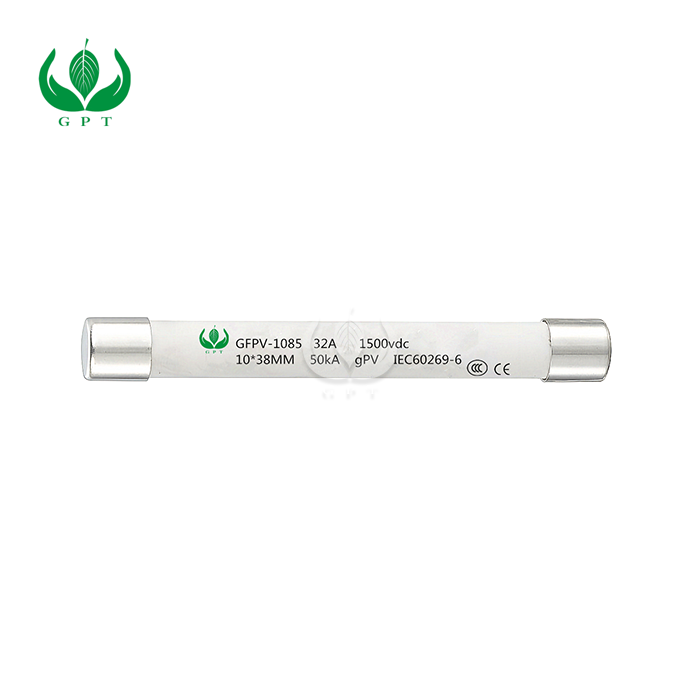
EV charging applications demand fuses with substantial breaking capacity to handle potential fault currents from high-capacity battery systems and grid connections. Modern DC rated fuses designed for charging infrastructure typically offer breaking capacities ranging from 20kA to 50kA, providing adequate protection margin for most installation scenarios.
The breaking capacity specification indicates the maximum fault current that a fuse can safely interrupt without sustaining damage or creating safety hazards. Proper selection requires careful analysis of the maximum available fault current from both the grid connection and connected battery systems to ensure adequate protection margin.
Fast-Acting vs. Time-Delay Characteristics
Different components within EV charging systems require tailored protection characteristics based on their operational profiles and fault tolerance. Fast-acting DC fuses provide rapid protection for sensitive semiconductor components such as IGBT modules and power conversion circuits. These devices feature low I²t characteristics that minimize let-through energy during fault conditions.
Time-delay fuses accommodate the inrush currents associated with capacitive loads and motor starting while providing reliable protection against sustained overcurrent conditions. The selection between fast-acting and time-delay characteristics depends on the specific application requirements and load characteristics within the charging system.
Selecting the Right DC Rated Fuse for EV Charging Applications
To guarantee the best protection performance, proper fuse selection necessitates a thorough examination of system specifications, load characteristics, and environmental factors. Numerous technological factors that directly affect operating dependability and safety are taken into account throughout the selecting process.
Voltage and Current Rating Considerations
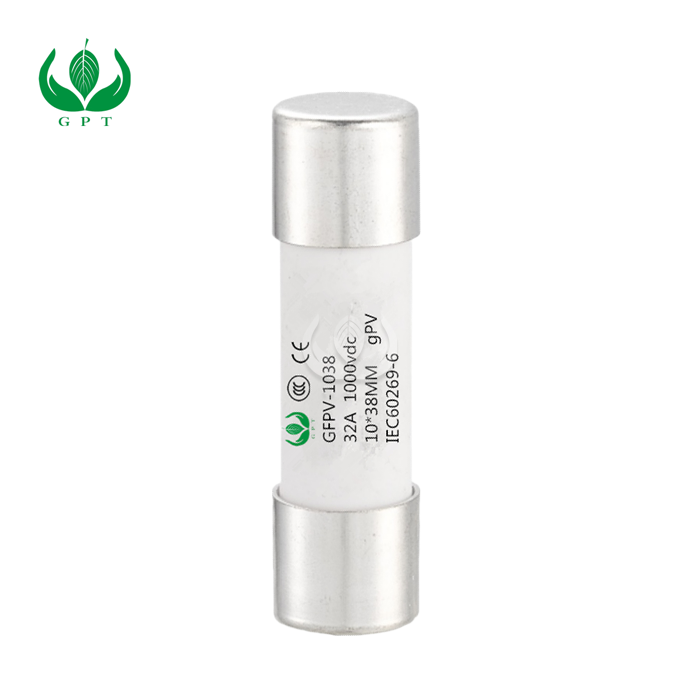
To accommodate for transient situations and voltage changes, DC fuses must have a voltage rating that is higher than the maximum system voltage by a suitable safety margin. Fuse ratings of 1000V DC or above are necessary for modern EV charging systems that operate at 800V nominal in order to offer sufficient voltage withstand capabilities.
Current rating selection involves analyzing both continuous operating current and potential overload conditions. Best practice recommends selecting fuses with current ratings 125% to 150% of the maximum continuous operating current to prevent nuisance operation while maintaining effective protection. The specific multiplier depends on the application characteristics and acceptable protection sensitivity.
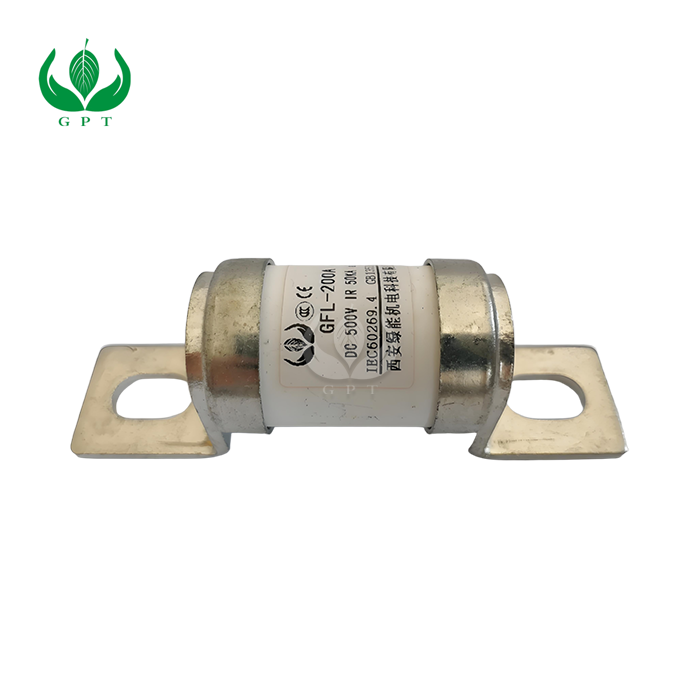
Advanced DC fuses designed for EV applications feature current ratings from 100A to 1200A, accommodating the full range of charging power levels from residential AC charging to ultra-fast DC charging installations. The wide rating range enables optimal protection matching for specific application requirements.
Environmental and Mounting Considerations
The various climatic conditions in which EV charging infrastructure runs need sturdy fuse design and suitable environmental ratings. Fuse types that can endure high or low temperatures, high humidity, and possible exposure to pollutants are necessary for outdoor installations.
Ceramic housings and environmentally sealed design are features of contemporary automotive-grade DC fuses that provide dependable performance between -40°C and +125°C. Extreme weather conditions and the thermal stress caused by high-current charging operations are both accommodated within this temperature range.
Electrical performance and maintenance accessibility are both impacted by mounting design. Modular fuse holders allow for quick replacement while preserving environmental sealing and correct electrical connections. The mounting system must maintain constant electrical contact resistance while accounting for the mechanical stress caused by vibration and heat cycling.
Integration with Protection Coordination
Effective protection coordination ensures that fuses operate in proper sequence during fault conditions, isolating faults at the appropriate system level while maintaining service to unaffected circuits. This coordination requires careful analysis of fuse characteristics relative to upstream and downstream protection devices.
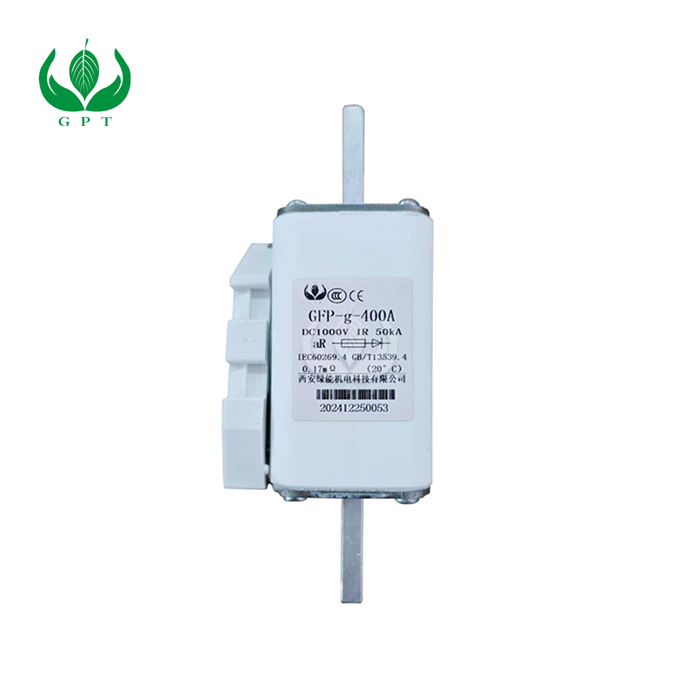
The aR characteristic fuses commonly used for semiconductor protection provide extremely fast operation for overcurrent conditions while tolerating normal operational transients. This characteristic proves ideal for protecting power conversion modules within charging systems while coordinating with upstream circuit breakers and contactors.
Practical Insights: Installation, Maintenance, and Testing of DC Rated Fuses in EV Charging
Successful implementation of DC fuse protection requires attention to installation practices, maintenance protocols, and testing procedures that ensure long-term reliability and safety performance. These practical considerations directly impact both initial commissioning success and ongoing operational effectiveness.
Installation Best Practices
Proper installation begins with verification of fuse ratings against system specifications and environmental requirements. The installation environment must provide adequate ventilation for heat dissipation while protecting against moisture ingress and contamination. Professional installation practices include torque specification compliance for all electrical connections to prevent contact resistance issues that could lead to premature failure.
Fuse placement within the system architecture affects both protection effectiveness and maintenance accessibility. Best practice positions fuses as close as possible to the power source to minimize unprotected cable runs while ensuring adequate clearance for safe maintenance operations. The installation must accommodate thermal expansion and provide clear identification for maintenance personnel.
Maintenance Protocol Development
Effective maintenance protocols enable early detection of fuse degradation before failure occurs, preventing unexpected downtime and potential safety hazards. Regular inspection schedules should include visual examination for signs of overheating, corrosion, or mechanical damage that could compromise performance.
Thermal imaging provides valuable insight into fuse condition by identifying elevated temperatures that may indicate increased contact resistance or internal degradation. Baseline thermal profiles established during initial commissioning enable trend analysis that supports predictive maintenance strategies.
Here are the essential maintenance considerations for DC fuse systems:
• Visual Inspection: Monthly examination for physical damage, corrosion, or discoloration that indicates thermal stress or environmental degradation. Signs of arcing or carbon tracking require immediate attention and potential fuse replacement.
• Electrical Testing: Semi-annual verification of contact resistance using precision measurement equipment to identify degradation before it affects system performance. Acceptable resistance values depend on fuse construction and rating.
• Thermal Monitoring: Quarterly thermal imaging surveys to establish temperature profiles and identify developing hot spots that may indicate impending failure. Temperature variations exceeding 10°C from baseline warrant investigation.
• Documentation Management: Comprehensive record-keeping including installation dates, inspection results, and replacement history enables trend analysis and supports warranty claims when necessary.
These maintenance practices collectively ensure reliable protection system performance while minimizing unexpected failures that could compromise charging station availability.
Testing and Verification Procedures
Commissioning testing verifies proper fuse selection and installation before energizing the charging system. This testing includes verification of voltage and current ratings against system specifications, contact resistance measurement, and insulation resistance testing to ensure proper installation quality.
Ongoing testing protocols support both routine maintenance and troubleshooting activities. Specialized test equipment designed for DC applications enables safe verification of fuse integrity without system de-energization. These testing capabilities prove particularly valuable for critical charging infrastructure where service interruption must be minimized.
Procurement Considerations for B2B Buyers of DC Rated Fuses
Strategic procurement of DC protection devices requires comprehensive evaluation of supplier capabilities, product specifications, and total cost of ownership factors that extend beyond initial purchase price considerations. The procurement process must balance immediate project requirements with long-term operational objectives and supply chain reliability.
Supplier Qualification and Certification
Supplier selection begins with verification of manufacturing capabilities and quality management systems that ensure consistent product performance. ISO 9001 and IATF 16949 certifications indicate robust quality management practices appropriate for automotive-grade applications. Additional certifications such as CE, TUV, and UL demonstrate compliance with international safety standards essential for global market deployment.
Manufacturing capability assessment should include evaluation of production capacity, lead time performance, and technical support resources. Suppliers with dedicated engineering support can provide valuable assistance with product selection, application analysis, and custom solution development when standard products cannot meet specific requirements.
Customization and Technical Support
Many EV charging applications require customized protection solutions that address unique system architectures or environmental requirements, such as DC rated fuses. Suppliers offering rapid prototyping capabilities can develop custom solutions within tight project schedules while maintaining quality and certification requirements.
Technical support services including application engineering assistance, protection coordination analysis, and field support can significantly enhance project success rates. These services prove particularly valuable for complex installations or first-time implementations where application experience may be limited.
Supply Chain Management
Reliable supply chain performance directly impacts project schedules and long-term maintenance capabilities. Suppliers with established global distribution networks and local inventory management can support both initial project requirements and ongoing spare parts availability throughout the system lifecycle.
Procurement strategies should consider both immediate project quantities and long-term spare parts requirements. Establishing framework agreements with qualified suppliers enables consistent pricing and supply availability while maintaining flexibility for varying project requirements.
Advanced suppliers offer comprehensive inventory management services including vendor-managed inventory programs that ensure spare parts availability without requiring large customer investments in safety stock. These programs prove particularly valuable for operators managing multiple charging sites with varying maintenance schedules.
Conclusion
DC rated fuses represent essential safety components for EV charging infrastructure, providing specialized protection capabilities that address the unique challenges of high-voltage DC power systems. The selection, installation, and maintenance of these protection devices directly impacts both safety performance and operational reliability. Proper understanding of DC vs. AC protection requirements enables informed procurement decisions that protect equipment investments while ensuring compliance with safety standards. As EV charging infrastructure continues expanding, the importance of reliable DC protection systems will only increase, making supplier selection and technical support capabilities critical factors in project success.
FAQs
1. Can AC fuses be used in DC charging applications?
AC fuses should never be used in DC applications because they lack the specialized arc-extinction capabilities required for safe DC current interruption. DC arcs maintain continuous current flow without natural zero-crossings, requiring specialized quenching materials and extended arc chambers found only in properly rated DC fuses. Using AC fuses in DC circuits creates serious fire and safety hazards due to potential failure to interrupt fault currents safely.
2. What breaking capacity is required for EV charging station fuses?
Breaking capacity requirements depend on the maximum available fault current from both grid connections and battery systems. Most EV charging applications require DC fuses with breaking capacities ranging from 20kA to 50kA. Proper selection requires detailed fault current analysis considering worst-case conditions including maximum grid fault current and battery discharge capability during fault conditions.
3. How often should DC fuses be inspected in charging stations?
Regular inspection schedules should include monthly visual examinations and quarterly thermal surveys to identify potential issues before failure occurs. Semi-annual electrical testing including contact resistance measurement provides additional insight into fuse condition. Critical installations may warrant more frequent monitoring depending on utilization levels and environmental conditions.
4. What certifications are required for DC fuses in EV applications?
Essential certifications include compliance with IEC 60269 for general fuse requirements, automotive-specific standards such as JASO D622, and regional safety certifications including CE, TUV, and UL markings. RoHS compliance ensures environmental compatibility while IATF 16949 certification indicates automotive-grade quality management systems appropriate for EV applications.
Partner with Green Power for Reliable DC Protection Solutions
When your EV charging projects demand proven protection technology, Green Power delivers automotive-grade DC rated fuses that meet the most stringent safety and performance requirements. Our comprehensive product portfolio includes high-voltage DC fuses rated from 100A to 1200A with breaking capacities up to 50kA, specifically engineered for the demanding requirements of modern charging infrastructure.
Xi'an Green Power Technology combines over 20 years of fuse innovation with advanced manufacturing capabilities to deliver reliable protection solutions for EV charging applications. Our products feature full compliance with international standards including IEC 60269, CE, TUV, and RoHS certifications, ensuring seamless integration into global charging projects.
As a trusted DC rated fuses manufacturer, we offer comprehensive technical support including application engineering assistance, custom solution development, and rapid prototyping services with 15-day delivery for specialized requirements. Our automated production facility delivers consistent quality with lead times optimized for project schedules, supporting quantities from 5-piece samples to large-scale deployments.
Contact our technical team at fusemaker@163.com to discuss your specific protection requirements and discover how Green Power's DC rated fuses can enhance the safety and reliability of your EV charging infrastructure.
References
1. International Electrotechnical Commission. "Low-voltage fuses - Part 4: Supplementary requirements for fuse-links for the protection of semiconductor devices." IEC 60269-4:2020.
2. Society of Automotive Engineers. "DC Fuse Characteristics for Electric Vehicle Applications." SAE J2929-2013.
3. Underwriters Laboratories. "High Voltage DC Fuses for Electric Vehicle and Energy Storage Applications." UL 4248-20:2019.
4. European Committee for Electrotechnical Standardization. "Electric vehicle conductive charging system - Part 1: General requirements." EN 61851-1:2019.
5. Institute of Electrical and Electronics Engineers. "Recommended Practice for Protection and Coordination of Industrial and Commercial Power Systems." IEEE Std 242-2001.
6. Japanese Automotive Standards Organization. "Road vehicles - DC fuses." JASO D622-2018.