_1752570870823.webp)
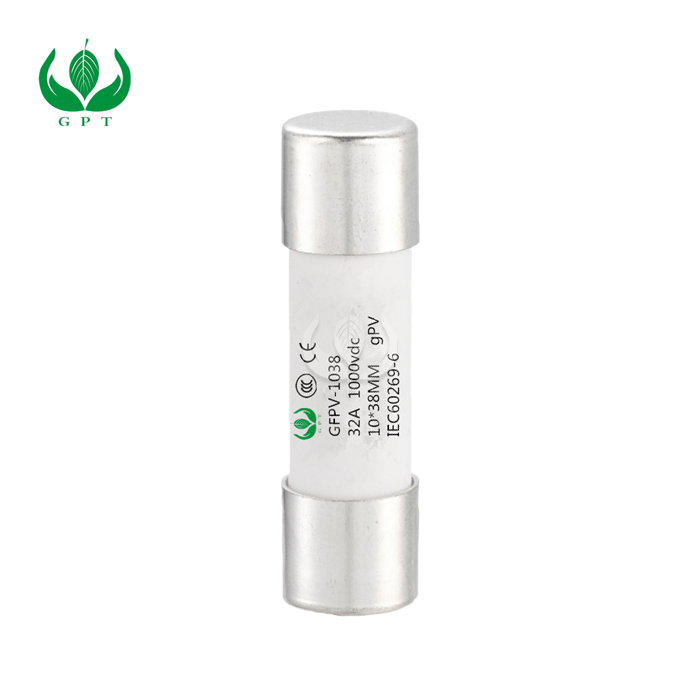
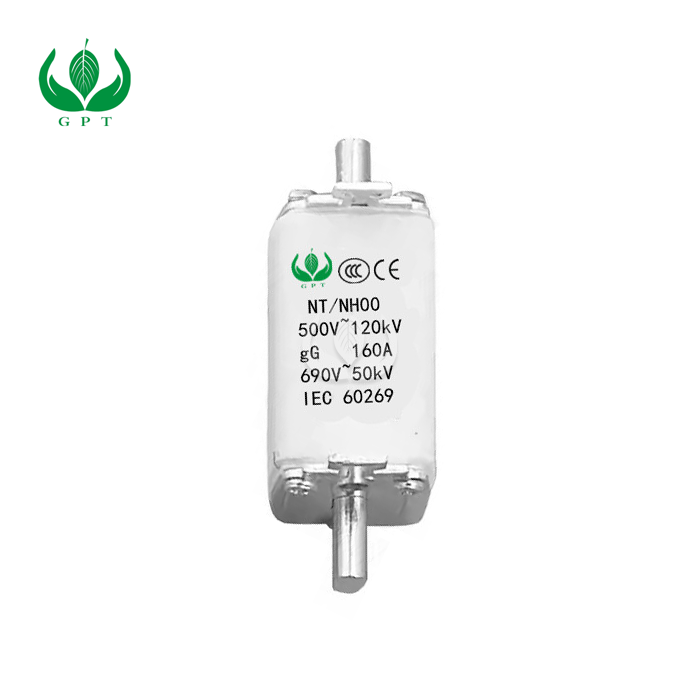
By quickly cutting off fault currents before they may cause catastrophic damage, Class J fast acting fuses serves as essential protective barriers in industrial power systems. These specialist overcurrent protection devices successfully protect sensitive equipment, save expensive downtime, and preserve operational continuity by reacting to electrical disturbances in milliseconds. The Class J fast acting fuse instantly opens the circuit when electrical anomalies arise, such as short circuits, overloads, or ground faults. This isolates the fault and shields downstream components from potentially damaging electrical surges that could otherwise cause equipment failure or safety risks.
Understanding Class J Fast Acting Fuses in Industrial Power Systems
Electrical failures that may destroy machinery and stop production pose a continual danger to industrial power systems. Class J fast acting fuses, designed especially for challenging industrial situations where protection speed and dependability are critical, provide a smart solution to these problems.
Essential Protection Mechanisms
When fault currents above predefined thresholds, the fuse element melts and vaporizes in these sophisticated protection devices, which function on the basis of quick thermal reaction. Because it prioritizes instant reaction above temporary overload tolerance, the fast-acting design sets itself apart from time-delay variations and is perfect for safeguarding delicate electronic components and precise industrial equipment.
Modern industrial facilities increasingly rely on sophisticated control systems, variable frequency drives, and automated machinery that cannot withstand even brief exposure to fault conditions. Class J fast acting fuses bridge this protection gap by providing sub-cycle interruption capabilities, ensuring that fault energy never reaches levels capable of damaging these critical assets.
Integration with Modern Power Infrastructure
These fuses' sturdy design allows for the high current requirements common in industrial environments while preserving small form factors that blend in well with conventional switchgear layouts. Facility managers may ease maintenance and inventory complexity by using their defined dimensions, which guarantee interoperability with equipment from various manufacturers.
Industrial power distribution systems benefit from the current-limiting characteristics inherent in fast-acting fuse designs. This feature prevents the full fault current from developing, reducing mechanical stress on electrical infrastructure and extending the operational lifespan of connected equipment throughout the facility.
Key Specifications and Characteristics of Class J Fast Acting Fuses
Engineers and procurement teams may make well-informed judgments that meet their unique application needs by being aware of the technical characteristics of these protection devices.
Voltage and Current Ratings
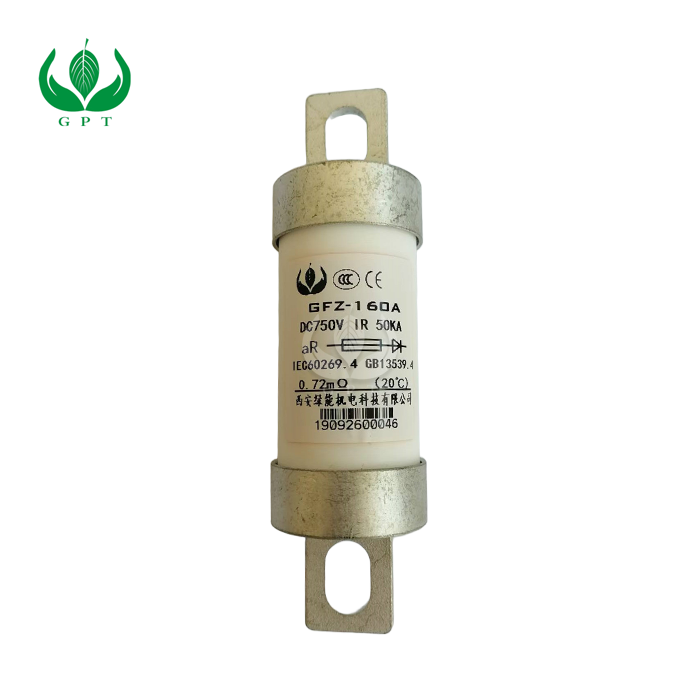
With rated voltages of up to DC1000V and AC1250V, Green Power's Class J fast acting fuses function well in both DC and AC systems. They are especially useful in contemporary industrial settings that combine conventional AC power distribution with cutting-edge DC technologies like energy storage systems and infrastructure for electric car charging because of their dual-voltage capacity.
The current range, which covers everything from main feeder applications to control circuit protection, is 32A to 1200A. For industrial facilities, this wide range reduces the complexity of inventory management and streamlines procurement procedures by doing away with the necessity for several fuse families.
Breaking Capacity and Performance Standards
With breaking capacities of AC100kA and DC50kA, these Class J fast acting fuses handle the most severe fault conditions encountered in industrial power systems. The high interrupting rating ensures reliable operation even in facilities with robust electrical infrastructure where fault currents can reach substantial levels.
Certification and Compliance Framework
Adherence to international standards including IEC60269, ISO8820, JASO D622, and GB/T31465 demonstrates the comprehensive testing and validation these fuses undergo. The RoHS compliance certification addresses environmental concerns while CE and TUV markings facilitate global deployment across various regulatory jurisdictions.
Operating temperature ranges from -50°C to +125°C accommodate extreme industrial environments, from cold storage facilities to high-temperature manufacturing processes. This thermal resilience ensures consistent protection performance regardless of ambient conditions.
Comparing Class J Fast Acting Fuse With Other Fuse Types for Industrial Use
Selecting the appropriate fuse technology requires understanding how different types address varying protection needs within industrial power systems.
Speed Characteristics and Response Time
Class J fast acting fuses excel in applications requiring immediate fault interruption, typically clearing faults in less than 20 milliseconds. This rapid response contrasts sharply with time-delay fuses designed to withstand temporary overloads such as motor starting currents or transformer inrush phenomena.
The fast-acting nature makes these fuses particularly suitable for semiconductor protection, where even brief exposure to overcurrent conditions can cause irreversible damage to sensitive junction structures. Variable frequency drives, power supplies, and control systems benefit significantly from this rapid protection response.
Current Limiting vs. Non-Current Limiting Designs
Unlike some alternative fuse types, Class J fast acting fuses incorporate current-limiting technology that prevents fault currents from reaching their full prospective values. This characteristic reduces the mechanical and thermal stress imposed on electrical equipment during fault conditions, often allowing other protective devices in the system to operate within their designed capabilities.
Non-current limiting fuses, while suitable for certain applications, permit fault currents to develop fully before interruption occurs. This difference can significantly impact the coordination between protective devices and influence the overall system design approach.
Size and Mounting Considerations
The standardized dimensions of Class J fuses provide advantages in retrofit applications where existing equipment may have specific physical constraints. Their compact footprint often allows for higher current ratings within the same panel space compared to other fuse families, optimizing real estate utilization in crowded electrical enclosures.
Purchasing Guide: How to Select and Procure Class J Fast Acting Fuses for Your Business
Strategic procurement of protective devices requires careful evaluation of technical requirements, supplier capabilities, and long-term operational considerations.
Technical Evaluation Criteria
Proper fuse selection begins with comprehensive load analysis to determine appropriate current ratings and coordination requirements with other protective devices. The maximum system voltage must align with fuse voltage ratings, while fault current studies inform the necessary interrupting capacity specifications.
Environmental factors including ambient temperature, humidity, vibration, and potential contamination exposure influence fuse selection and may require specific construction features or protective enclosures. Industrial facilities with harsh operating conditions benefit from fuses designed to withstand these challenging environments.
Supplier Assessment and Quality Considerations
Partnering with manufacturers who maintain comprehensive certification programs ensures product reliability and regulatory compliance. Green Power's adherence to IATF16949 automotive quality standards demonstrates the rigorous testing and validation processes applied to their Class J fast acting fuse products.
Supply chain reliability becomes critical for facilities operating continuous processes where unexpected fuse failures could result in costly production interruptions. Evaluation of supplier delivery performance, technical support capabilities, and inventory management practices helps ensure uninterrupted operations.
Minimum Order Quantities and Service Options
Understanding minimum order quantities helps optimize procurement costs while maintaining adequate inventory levels for maintenance activities. Green Power's 5-piece MOQ accommodates both large-scale installations and smaller maintenance requirements, providing flexibility for various procurement scenarios.
OEM services enable customization of fuse characteristics to match specific application requirements, potentially optimizing protection coordination or accommodating unique physical constraints within existing equipment designs.
Real-World Applications and Case Studies Demonstrating the Value of Class J Fast Acting Fuses
Practical implementation across diverse industrial sectors illustrates the versatility and effectiveness of these protective devices in real operating environments.
Electric Vehicle Manufacturing and Charging Infrastructure
EV manufacturers integrate Class J fast acting fuses throughout battery management systems, where rapid fault detection prevents thermal runaway conditions that could compromise vehicle safety. The DC1000V rating accommodates high-voltage battery architectures while the fast response time provides essential protection for lithium-ion cell arrays.
Charging station operators rely on these fuses to protect expensive power conversion equipment from grid disturbances and internal faults. The high breaking capacity ensures reliable operation even when connected to robust utility infrastructure where fault currents can be substantial.
Renewable Energy and Energy Storage Applications
Solar inverter manufacturers incorporate Class J fast acting fuses to protect sensitive power electronics from DC side faults that could otherwise propagate through the entire system. The aR protection characteristic provides optimal coordination with semiconductor devices commonly used in modern inverter designs.
Wind power installations utilize Class J fuses in converter applications where the variable nature of wind generation creates challenging protection coordination requirements. The fast response characteristic ensures protection effectiveness across the wide range of operating conditions typical in wind energy applications.
Semiconductor and Precision Manufacturing
Semiconductor fabrication facilities depend on ultra-reliable power systems where even brief interruptions can result in significant production losses. Class J fast acting fuses protect critical process equipment by immediately isolating faults before they can propagate through interconnected systems.
Precision manufacturing operations benefit from the current-limiting characteristics that minimize electromagnetic disturbances during fault conditions, helping maintain the stable operating environment required for high-precision processes.
Green Power: Your Trusted Class J Fast Acting Fuse Manufacturer
Industrial facilities worldwide require dependable protection solutions backed by proven expertise and comprehensive support. Green Power delivers advanced Class J fast acting fuse technology engineered to meet the demanding requirements of modern power systems while providing the reliability and performance industrial operations demand.
Our manufacturing expertise, developed through over 20 years of R&D experience and backed by heritage from China XD Group, ensures every fuse meets stringent quality standards verified through comprehensive testing protocols. The IATF16949 certification demonstrates our commitment to automotive-grade reliability across all industrial applications.
Engineering teams can rely on our technical support capabilities to optimize protection coordination and ensure proper fuse selection for specific application requirements. Our global certification compliance simplifies regulatory approval processes while the 98% on-time delivery record ensures project schedules remain on track.
For procurement teams seeking a reliable Class J fast acting fuse supplier, Green Power offers competitive bulk pricing, flexible MOQs, and comprehensive OEM services. Contact our technical specialists at fusemaker@163.com to discuss your specific requirements and experience the advantages of partnering with an established industry leader.
FAQs
1. What current and voltage ratings are available for Class J fast acting fuses?
Green Power's Class J fast acting fuses accommodate current ranges from 32A to 1200A with voltage ratings up to DC1000V and AC1250V. This extensive range covers applications from control circuit protection to main distribution feeders in industrial facilities.
2. How do Class J fuses compare to semiconductor fuses for protecting electronic equipment?
While semiconductor fuses offer extremely fast response times optimized for protecting individual semiconductor devices, Class J fast acting fuses provide broader protection for complete systems and equipment assemblies. The choice depends on the specific protection requirements and system architecture.
3. What certifications ensure Class J fuse reliability in industrial applications?
Comprehensive certification including CE, TUV, RoHS, and IATF16949 demonstrates compliance with international safety and quality standards. Additional conformance to IEC60269, ISO8820, JASO D622, and GB/T31465 ensures global regulatory acceptance.
4. Can Class J fuses protect both AC and DC circuits effectively?
The dual voltage rating capability allows effective protection in both AC and DC applications, making these fuses particularly valuable in modern industrial facilities that incorporate diverse power system architectures including renewable energy and energy storage systems.
5. What factors determine the appropriate Class J fuse rating for a specific application?
Proper selection requires analysis of normal operating current, maximum system voltage, available fault current, and coordination requirements with other protective devices. Environmental conditions and space constraints may also influence the selection process.
Conclusion
Class J fast acting fuses provide essential protection for industrial power systems through rapid fault response, high interrupting capacity, and reliable performance across diverse applications. Their ability to limit fault currents while providing sub-cycle protection makes them indispensable for safeguarding sensitive equipment in modern industrial facilities. The comprehensive specifications, international certifications, and proven track record demonstrate their value in protecting critical infrastructure investments while maintaining operational continuity in demanding industrial environments.
References
1. Institute of Electrical and Electronics Engineers, "IEEE Standard for Low-Voltage AC Power Circuit Breakers Used in Enclosures - Application Guide," IEEE Standards Association, 2019.
2. National Electrical Manufacturers Association, "Application Guide for AC High-Voltage Circuit Breakers Rated on a Symmetrical Current Basis," NEMA Standards Publication, 2021.
3. International Electrotechnical Commission, "Low-voltage fuses - Part 1: General requirements," IEC 60269-1 Standard, 2020.
4. Beaty, H. Wayne and Fink, Donald G., "Standard Handbook for Electrical Engineers," McGraw-Hill Professional, 17th Edition, 2018.
5. Das, J.C., "Power System Analysis: Short-Circuit Load Flow and Harmonics," CRC Press, 3rd Edition, 2021.
6. Blackburn, J. Lewis and Domin, Thomas J., "Protective Relaying: Principles and Applications," CRC Press, 4th Edition, 2019.