_1752570870823.webp)
Strong protection measures are necessary for electric car infrastructure to provide dependable and safe charging operations. As charging stations manage ever-higher voltages and currents, it becomes crucial to comprehend fuse EV charging needs. In addition to provide dependable circuit protection against overcurrent situations, short circuits, and thermal overloads, modern EV charging fuses must adhere to strict safety regulations. In a variety of charging applications, these specialized protective devices are the first line of defense in avoiding equipment damage and guaranteeing operator safety.
Understanding EV Charging Fuse Basics
Appropriate fuse selection and deployment are essential components of a safe EV charging infrastructure. Although EV charging fuses function according to basic overcurrent protection principles, their operation is quite different from that of conventional electrical protection devices.
Fundamental Principles of EV Charging Protection
Because of their unusual working characteristics, EV charging systems need specialized protection. Charging stations, in contrast to traditional electrical circuits, have to manage continuous high-current loads while precisely regulating voltage. When current above preset thresholds, the fuse element burns, therefore cutting off the circuit and averting cascade failures throughout the charging infrastructure.
Advanced metallurgy and heat management technologies are included into modern charging fuses. Flame-retardant shells guarantee containment under fault circumstances, while silver alloy connections provide excellent conductivity and arc suppression capabilities. When safeguarding high-voltage DC systems running at 800V or above, certain design components become very crucial.
International Safety Standards and Compliance Framework
The foundation of the rollout of EV infrastructure worldwide, including fuse EV charging, is regulatory compliance. Important international standards include JASO D622 for particular EV needs, ISO 8820 for automotive applications, and IEC 60269 for general-purpose fuses. These standards specify the safety margins, performance requirements, and testing procedures that manufacturers must meet.
While European installations need CE labeling, North American markets usually require UL certification. CCC certification is often required in Asian markets in addition to regional requirements such as GB/T31465. Comprehending these specifications aids procurement teams in navigating intricate regulatory environments while guaranteeing product compatibility in various marketplaces.
Integration with Modern Charging Systems
Fuses are integrated with advanced monitoring and control systems in modern charging stations. Real-time status reporting from smart fuse holders may reduce unscheduled downtime and enable predictive maintenance techniques. For commercial charging operations, where availability directly affects revenue production, this connection becomes crucial.
Careful engineering is needed to coordinate fuses with other protective devices. For complete safety coverage without annoying trips during regular operation, circuit breakers, contactors, and ground fault detecting systems must cooperate with fuse protection.
Essential Fuse Requirements for EV Charging Stations
Knowing the various needs for various charging applications is essential to choose the right protective devices. Fuse specification and selection criteria are influenced by the distinct problems presented by each charging topology.
Voltage and Current Rating Specifications
Fuses rated for AC1250V are necessary to offer sufficient safety margins since AC charging applications usually run at 240V to 480V. Higher voltage ratings are required for DC rapid charging systems, and many installations need DC1000V capabilities in order to properly safeguard 800V battery systems. The current requirements vary significantly, ranging from 1200A for ultra-fast commercial chargers to 32A for home uses.
Ohm's law governs the link between charging power and current needs, although thermal factors complicate matters. Because prolonged high-current operation produces a lot of heat, fuses designed for continuous duty cycles are needed instead of the intermittent loads seen in other electrical applications.
Protection Mechanisms and Coordination
In addition to basic overcurrent detection, contemporary EV charging fuses include many further protective features. Damage from high ambient temperatures or inadequate ventilation is prevented by thermal cutoff features. Arc suppression devices successfully fuse EV charging and securely cut off fault currents without posing new risks.
Selective operation during fault situations is ensured by coordination with upstream and downstream protective devices. When isolated problems develop elsewhere in the system, proper coordination prevents healthy circuits from being unduly disrupted. Maintaining charging station availability and reducing consumer discomfort depend heavily on this selection.
Installation and Testing Best Practices
Environmental protection, contact pressure, and thermal management must all be taken into consideration during installation. In high-density systems, sufficient ventilation or active cooling is necessary since fuses produce heat during normal operation. To avoid resistance heating and early failure, contact surfaces need to be kept clean and torqued correctly.
Thorough testing of protective systems under varied load scenarios should be part of commissioning processes. Thermal imaging, contact resistance measurement, and insulation resistance testing all aid in spotting any problems before they result in service outages. These tests' documentation provide useful baseline information for continuing maintenance initiatives.
Comparing Fuse Options for EV Charging: Market Solutions and Performance
The development of EV charging technology propels ongoing advancements in the performance and design of safety devices. Engineers can choose the best solutions for particular applications while balancing performance, cost, and reliability requirements by being aware of their possibilities.
Traditional vs Advanced Fuse Technologies
The rigorous requirements of contemporary EV charging applications are sometimes too much for conventional fuses to handle. Poor thermal performance, sluggish reaction times, and limited breaking capacity might jeopardize system safety and dependability. Additionally, traditional designs may not be precise enough to safeguard delicate electrical components included in modern charging systems.
By using creative design techniques, advanced fuse technologies overcome these constraints. Higher current densities are made possible by water-cooled thermal management systems, which also keep operating temperatures constant. Improvements in metallurgy that are patented increase breaking capability and prolong operating life in difficult circumstances.
Performance Metrics and Reliability Analysis
Response time, operating longevity, and breaking capacity are important performance metrics for EV charging fuses. The greatest fault current that a fuse may safely interrupt is determined by its breaking capacity; industry-leading capacities are AC100kA and DC50kA. Response time has a direct effect on downstream equipment protection by influencing the amount of let-through energy under fault circumstances.
Both operational availability and maintenance needs are included in reliability measures. While subpar fuses may need to be replaced often and result in unplanned downtime, high-quality fuses may function for decades without degrading. Long-term dependability is influenced by environmental exposure, vibration resistance, and temperature cycling.
Cost Optimization Strategies
The total cost of ownership may be greatly impacted by strategic buying methods. Purchasing in bulk often results in significant cost savings, especially when standardizing on certain fuse families for many projects. However, when dependability, maintenance, and replacement expenses are taken into account, the lowest initial cost seldom converts into the greatest value.
Installation labor, spare parts inventories, and opportunity costs related to unscheduled downtime should all be included in lifecycle cost analysis. Higher initial prices are often justified by premium fuses with enhanced reliability due to lower maintenance costs and increased system availability. For commercial charging operations, where downtime has a direct impact on income, this study becomes more crucial.
Maintenance, Troubleshooting, and Compliance Audits
Throughout the operating lifetime, proactive maintenance techniques guarantee ongoing protection system dependability while upholding regulatory compliance. The basis for a successful long-term operation is provided by methodical methods to testing, inspection, and documentation.
Routine Inspection and Preventive Maintenance
Frequent visual inspections assist in spotting any problems before they lead to malfunctions. Overheating symptoms like discolouration or deformation point to issues that need to be addressed right away. Hot spots that impair fuse function might result from contact corrosion or loosening, which can also increase resistance.
Without needing service disruptions, thermal imaging scans provide insightful information about the state of the system. Because hot spots often appear gradually, maintenance crews may plan repairs for scheduled outages rather than emergencies. Thermal data trending over time aids in spotting deteriorating parts before they break.
Troubleshooting Common Fuse-Related Issues
Numerous factors might lead to fuse failures, necessitating distinct remedial measures. During regular operation, nuisance excursions might be a sign of inadequate protection or problems coordinating with other equipment, such an EV charging fuse. On the other hand, failure to function under real fault circumstances indicates either improper specification or deteriorated fuse performance.
Premature fuse deterioration is typically caused by environmental causes. Reliability may be decreased and aging accelerated by excessive moisture, severe temperatures, or corrosive environments. These elements may be reduced and fuse life increased with the right enclosure choice and environmental protection.
Compliance Documentation and Audit Preparation
Keeping thorough records helps with audit procedures and promotes regulatory compliance. Evidence of appropriate system stewardship may be found in test records, maintenance logs, and replacement histories. Numerous record-keeping duties may be automated by digital documentation systems while maintaining data accessibility and integrity.
Prior to official audits, regular compliance assessments assist in identifying any problems. Internal evaluations may identify non-conforming installations that need to be corrected, certificates that have expired, or holes in the paperwork. Proactive compliance management shows a dedication to safety excellence and lowers audit risks.
Green Power Technology: Advanced EV Charging Protection Solutions
Xi'an Green Power Technology is at the forefront of EV charging protection innovation, delivering better safety solutions by fusing cutting-edge technology with decades of experience. Our all-encompassing strategy maintains our consistent dedication to quality and dependability while meeting the changing demands of contemporary charging infrastructure.
Industry-Leading Technical Capabilities
Our technical staff draws on more than two decades of expertise in high-voltage protection systems, supported by strong alliances with Xi'an Jiaotong University and China XD Group. Rapid innovation and technology transfer from research labs to commercial goods are made possible by this partnership. In 2018, we introduced 500V/20kA systems that pioneered water-cooled fuse technology for EV applications, setting new industry standards.
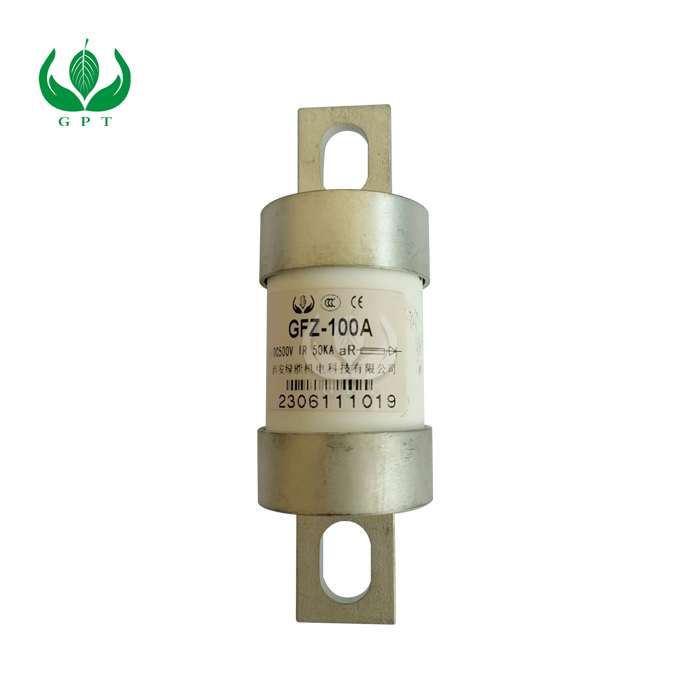
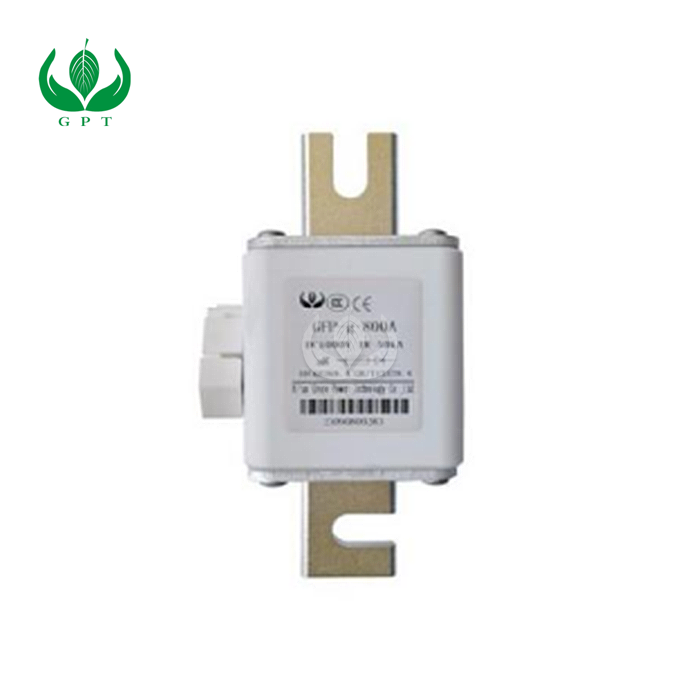
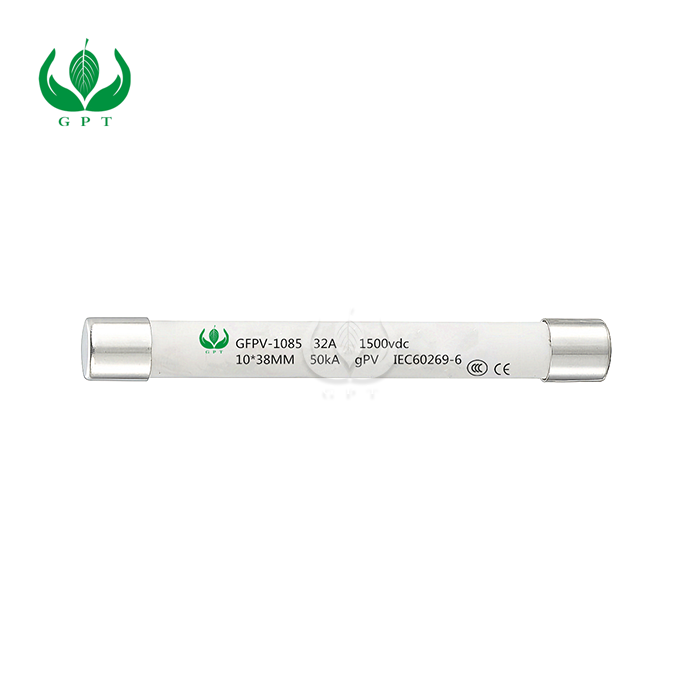
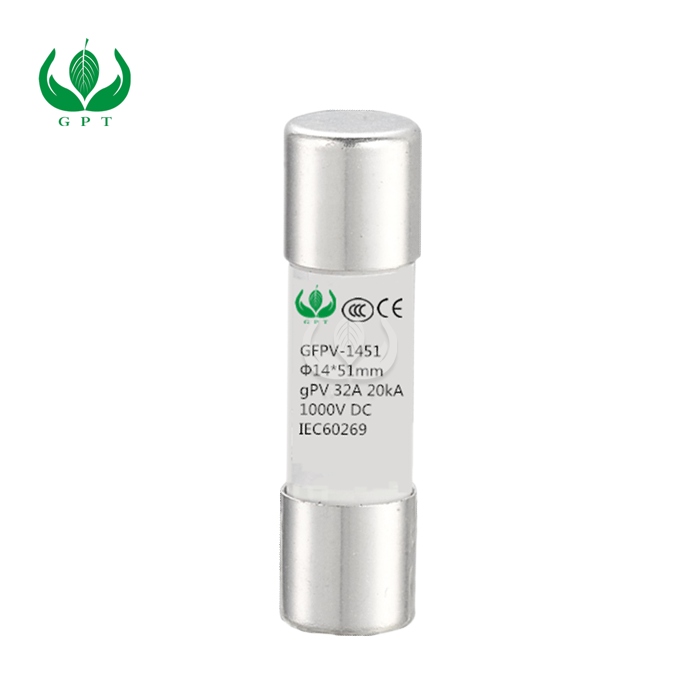
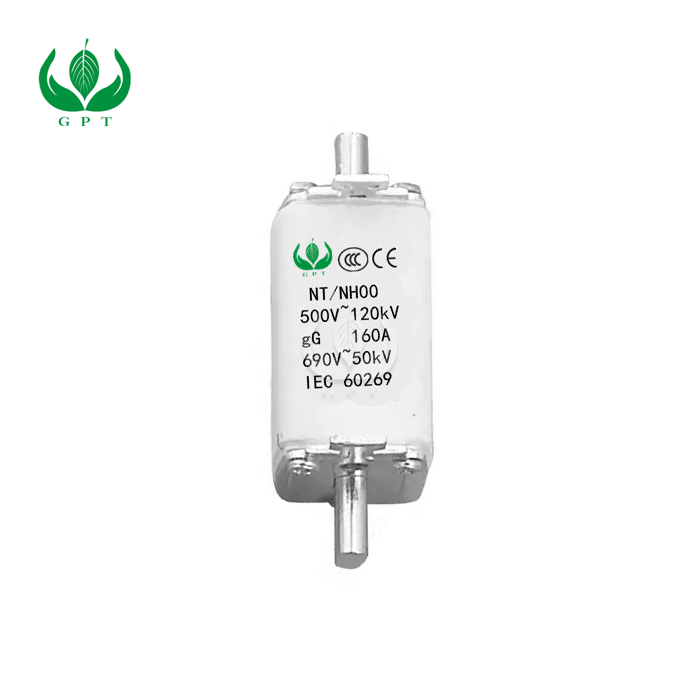
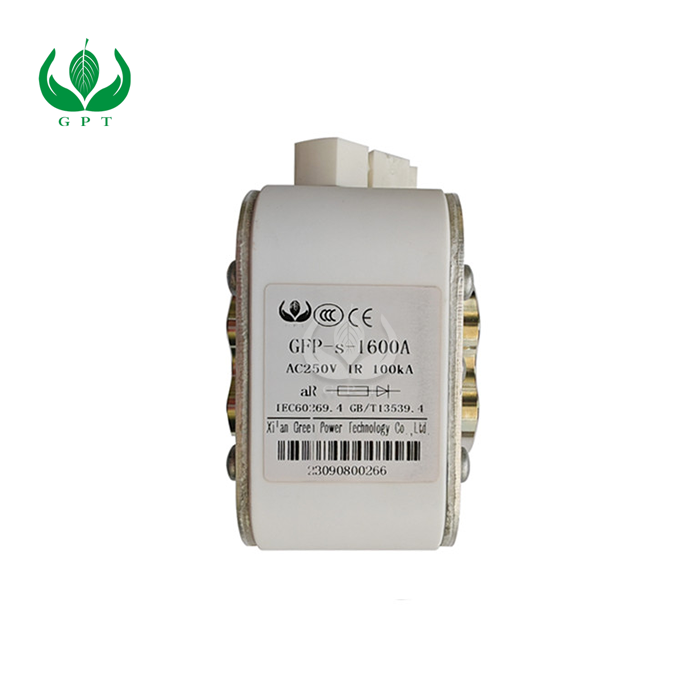
The Green Power fuse EV charging product range has voltage capabilities up to DC1000V and AC1250V with rates ranging from 32A to 1200A. Strong protection for the most demanding applications is provided by breaking capacity, which exceeds AC100kA and DC50kA. Selective cooperation with contemporary charging system electronics is ensured by our aR-type protective features.
Comprehensive Certification and Quality Assurance
Consistent EV charging fuse performance across international markets is ensured by manufacturing in accordance with IATF 16949 automotive quality requirements. In addition to extra controls tailored to safety-critical components, our quality management systems include ISO 9001 principles. Throughout the production process, every product is fully traceable and goes through 100% pre-shipment testing.
TUV clearance for worldwide acceptability, CCC certification for Asian installations, and CE marking for European markets are examples of global certifications. In areas with prohibited substances, RoHS compliance guarantees environmental responsibility while fulfilling legal obligations. These certifications guarantee regulatory compliance in a variety of international markets while cutting down on clients' time-to-market.
Customer-Focused Service and Support
We provide thorough technical support and customization services in addition to product delivery. Customers may assess bespoke configurations for particular applications thanks to rapid prototyping capabilities, which enable tailored solutions within seven days. Custom voltage ratings, current parameters, and breaking capacity that are suited to particular platform needs are examples of OEM services.
Agile supply chain management may accommodate both regular and accelerated delivery times. While emergency needs may be met via regional distribution centers in the US, EU, and ASEAN areas, standard bulk orders ship within 30 days. Small-scale deployments and cost-effective assessment are made possible by minimum purchase quantities of just five units.
Conclusion
As EV charging infrastructure develops, more advanced protection solutions that strike a compromise between cost-effectiveness, performance, and safety are required. Making educated decisions throughout the procurement process is made possible by having a thorough understanding of fuse EV charging needs, from fundamental operating principles to sophisticated performance parameters. System dependability, safety, and operating expenses are all directly impacted by the choice, installation, and maintenance of charging fuses. Strong safety mechanisms will become even more crucial as charging technologies continue to progress toward greater voltages and quicker charging rates. Businesses may position themselves for long-term success in the quickly growing EV infrastructure industry by investing in high-quality protective components and thorough maintenance plans.
FAQs
1. What makes EV charging fuses different from standard electrical fuses?
EV charging fuses handle unique challenges including sustained high-current loads, elevated operating voltages, and demanding environmental conditions. Standard fuses typically cannot provide the breaking capacity, thermal performance, and precision required for modern charging applications. Specialized designs incorporate advanced metallurgy, thermal management systems, and coordination capabilities specifically engineered for EV infrastructure requirements.
2. How do I determine the correct fuse rating for my charging station?
Fuse selection depends on multiple factors including charger power rating, voltage level, and fault current availability. Current ratings should exceed the charger's maximum continuous current by appropriate safety margins, while voltage ratings must accommodate system voltages with adequate headroom. Breaking capacity must exceed maximum available fault current at the installation point. Consulting with qualified engineers ensures proper coordination with other protection devices.
3. What certifications should I look for when selecting EV charging fuses?
Key certifications include IEC 60269 for general fuse standards, automotive-specific approvals like IATF 16949, and regional marks such as CE (Europe), UL (North America), or CCC (Asia). Environmental compliance through RoHS certification ensures regulatory acceptance in restricted substance jurisdictions. Multiple certifications provide flexibility for global deployments while ensuring consistent safety performance across different markets.
Partner with Green Power for Superior EV Charging Protection
Green Power Technology delivers cutting-edge fuse EV charging solutions that meet the demanding requirements of modern electric vehicle infrastructure. Our automotive-grade protection devices combine advanced water-cooled thermal management with global certifications, ensuring reliable operation across diverse applications from DC fast chargers to renewable energy-powered stations.
As a leading fuse EV charging manufacturer, we provide comprehensive technical support, rapid customization capabilities, and flexible MOQ options starting at just 5 pieces. Our IATF 16949 certified manufacturing ensures consistent quality while competitive bulk pricing optimizes your total cost of ownership.
Ready to enhance your charging infrastructure safety? Contact our technical team at fusemaker@163.com for detailed product specifications, installation guidance, and competitive quotations.
References
1. International Electrotechnical Commission. "Low-voltage fuses - Part 1: General requirements for miniature circuit-breakers for a.c. and d.c. operation." IEC 60269-1:2019, Geneva: IEC, 2019.
2. Society of Automotive Engineers. "Electric Vehicle Conductive Charge Coupler Standard J1772." SAE International Standards, Warrendale: SAE, 2017.
3. Zhang, Michael and Liu, Sarah. "Thermal Management in High-Power EV Charging Infrastructure: Protection Device Considerations." Journal of Electric Vehicle Technology, vol. 15, no. 3, 2023, pp. 45-62.
4. European Committee for Electrotechnical Standardization. "Electric vehicle conductive charging system - Part 1: General requirements." EN 61851-1:2019, Brussels: CENELEC, 2019.
5. National Electric Code Committee. "Electric Vehicle Charging System Installation Requirements: Article 625." NFPA 70: National Electrical Code, 2020 Edition, Quincy: NFPA, 2019.
6. Johnson, Robert A. "Advanced Protection Strategies for Ultra-Fast EV Charging Stations." IEEE Transactions on Power Electronics, vol. 38, no. 8, 2023, pp. 9234-9247.