_1752570870823.webp)
It is very important to choose the right class of ultra fast fuses to protect sensitive electrical equipment in high-speed situations. The choice you make will depend on the voltage, current, breaking ability, and application needs of your circuit. When building EV battery systems, solar inverters, or charging infrastructure, it's important to know about fuse classifications so that you can protect against fault currents in the best way possible while keeping the system safe and reliable.
Understanding Ultra Fast Fuses: Definition, Function, and Applications
Ultra fast fuses are a special kind of safety device that is designed to stop fault currents in milliseconds. This makes them essential for protecting delicate electronic parts. Because they can precisely control current and respond more quickly than regular fuses, these devices are very different from regular fuses.
Operating Principles and Core Functions
As their name suggests, rapid-acting fuses work by finding overcurrent situations and cutting off the circuit before damage can happen to the equipment they are protecting. Ultra fast protection devices have optimized fuse elements that melt and put out fault sparks in less than one millisecond, while regular fuses may take several seconds to respond. This quick reaction lowers the let-through energy, which can be measured as I²t values. This directly affects the thermal stress that protected parts are under.
Modern semiconductor protection fuses use high-tech materials that stop arcs and melt characteristics that are carefully calibrated. The fuse element is usually made of silver or copper alloys, and it is built with certain cross-sectional areas that react in a predictable way to sudden increases in current. When the fault current is higher than the stated capacity, the element vaporizes right away, making an arc that needs to be put out quickly to keep the circuit from getting damaged.
Distinguishing Features from Other Fuse Types
There is a special place in the protection order for high-speed fuses, which can do things that fast-acting and slow-blow types can't. Even though they work quickly, fast-acting fuses usually need between 0.1 and 10 seconds to completely cut off the circuit. Because slow-blow fuses are made to handle short-term overcurrents, they can't be used to protect semiconductors where a quick response is needed.
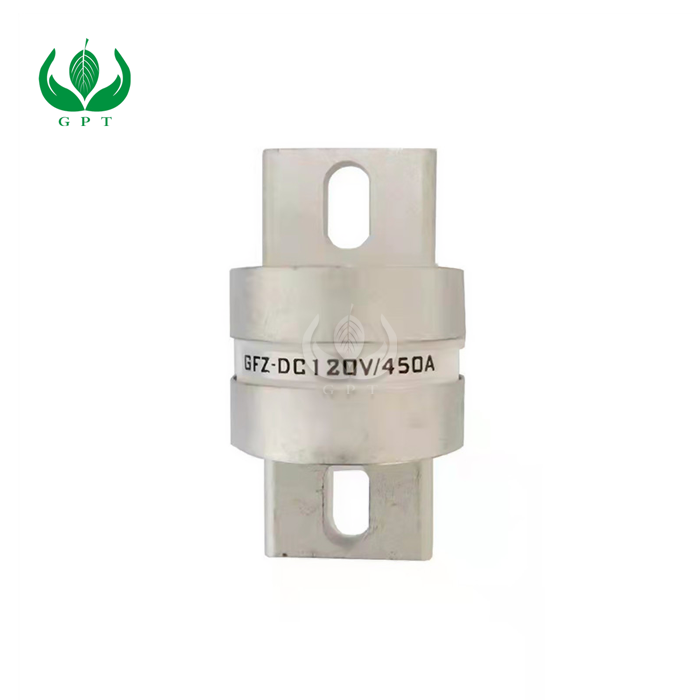
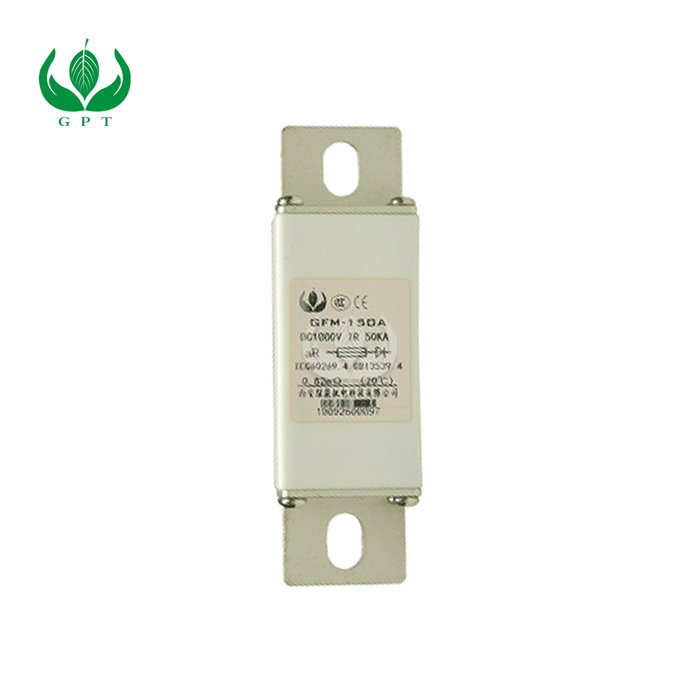
Semiconductor fuses are a type of ultra-rapid security device that is designed to keep power electronics like IGBTs, thyristors, and diode modules safe. The I² values of these devices are very low, and their breaking capacities are often higher than 100kA at DC voltages. Specialized arc-quenching media and current-limiting elements are built into them to stop the destructive energy that comes with short-circuit situations.
Industrial Applications and Sector Dependencies
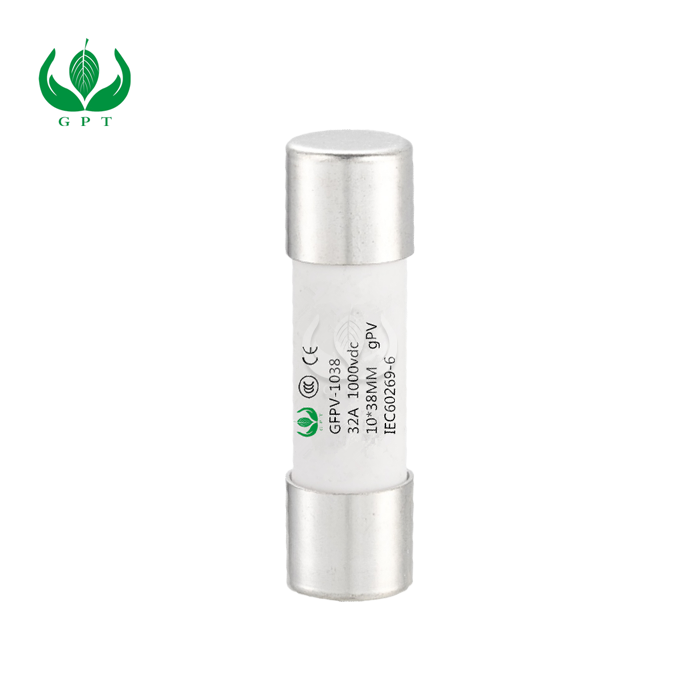
As the use of electric vehicles grows, the car industry relies more and more on ultra fast fuses technology. For EV battery management systems that work at 400V to 800V DC, they need safety devices that can stop large fault currents while keeping their small sizes. Charging infrastructure has similar problems. For example, DC fast chargers that work at voltages above 1000V need strong safety systems.
Specialized safety devices are very important for inverter security and string circuit safety in renewable energy systems. Solar systems have special problems, like current flows that go in both directions and arc faults that need advanced ways to find and stop them. High-capacity fuses are used in converter circuits and energy storage applications in wind power systems, where dependability has a direct effect on how efficiently power is generated.
How to Choose the Right Class of Ultra Fast Fuse for Your Circuit?
To choose the right fuse classifications, you need to carefully look at electrical factors, environmental conditions, and the need for long-term reliability. When making a choice, you have to look at a lot of different things that affect how well protection works and how long the system lasts.
Critical Electrical Parameters
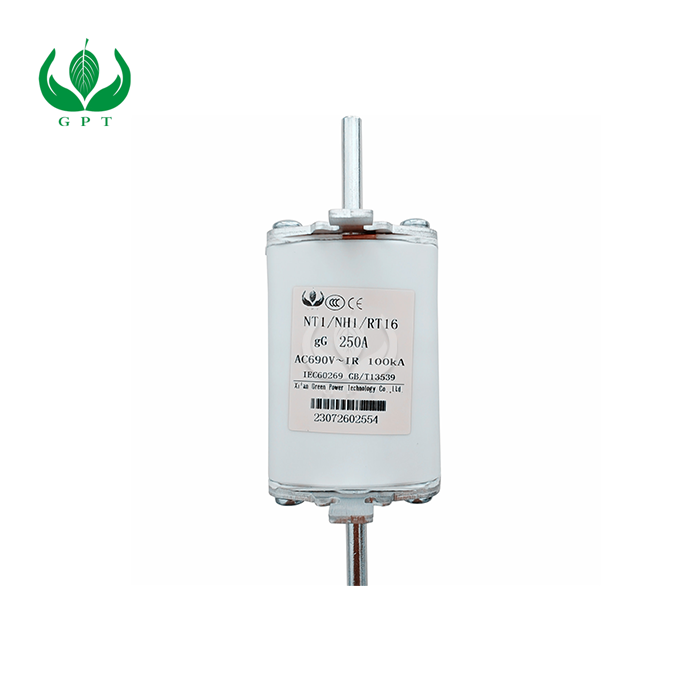
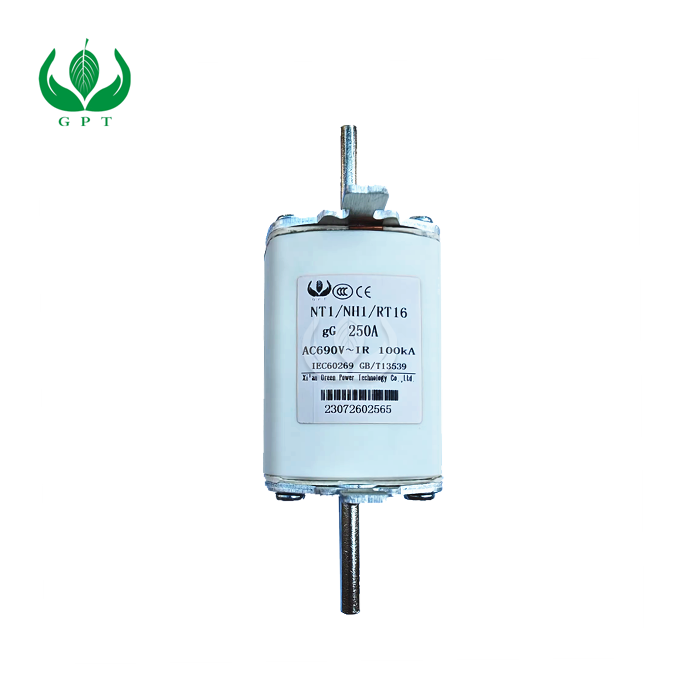
Voltage rating is the main way that ultra-rapid security devices are put into groups. Our high-performance fuses are rated for both DC 800V and AC 690V uses, so they can be used in a wide range of commercial settings to protect things safely. The voltage rating must be higher than the highest voltage in the system by a safe amount, usually 20 to 30 percent above standard operating levels.
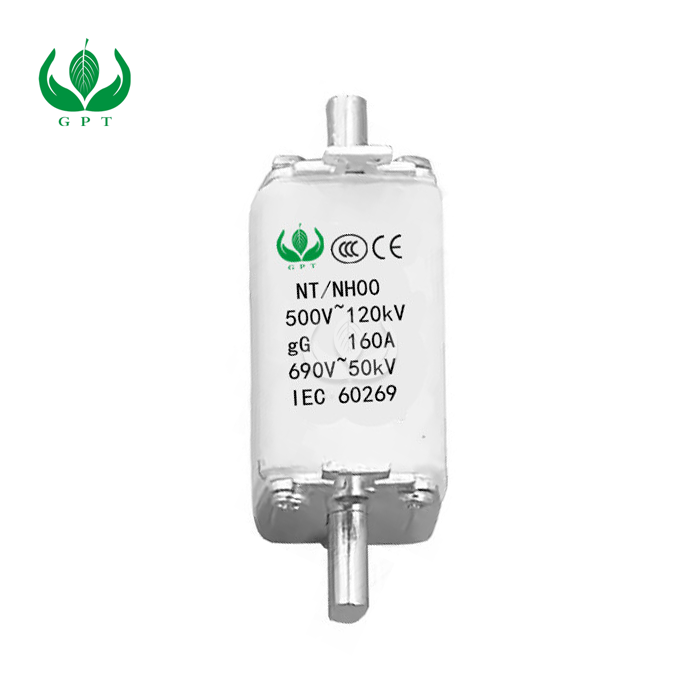
From small control circuits to high-power distribution systems, current ratings from 10A to 400A can meet a wide range of safety needs. The current rating that is chosen should be very close to the normal working current of the protected circuit while still providing enough overload protection. Breaking capacity values of 100kA for AC and 50kA for DC make sure that faults are reliably stopped, even when there is a severe short circuit.
The aR protection feature shows that these devices are made to protect semiconductors, responding quickly to overcurrent situations while also being able to handle normal working transients. This characteristic curve makes sure that the circuit is safe when there is a fault and doesn't trip when it's just starting up or swapping.
Environmental and Regulatory Considerations
To be accepted on the global market, modern protection devices must meet a number of foreign standards. Our products meet the needs of IEC60269 for low-voltage fuses, ISO8820 for environmental testing, JASO D622 for automotive standards, and GB/T3146 for Chinese national standards. These certificates show that the product has been thoroughly tested and proven to work in a variety of settings.
The TUV CCC and CE approval marks show that the product meets safety standards in Europe and China, which lets it be sold in all over the world. RoHS compliance protects the environment by limiting the use of dangerous materials, which meets today's standards for environmentally friendly electrical parts.
Real-World Application Examples
To protect the batteries in electric vehicles, you need fuses that can handle high-energy discharge cases while still being small. Usually, protecting a battery pack has more than one fuse stage, from protecting individual cell groups to protecting the main pack break functions. The fast response features stop thermal runaway from spreading and keep the system reliable under normal drive conditions.
Solar inverter protection is hard because the input conditions change and the grid needs to be able to deal with it. DC string safety needs devices that can stop arc faults and keep working reliably even when cloud transients and temperature changes happen. AC output security has to deal with utility switching and grid synchronization events.
Installation, Testing, and Troubleshooting Tips for Ultra Fast Fuses
Installing things the right way is essential for getting the best safety and making sure they will last for a long time. Knowing the best ways to mount, test, and keep systems helps engineering teams get the most out of them while still following safety rules.
Best Practices for Installation and Mounting
The right way to place something starts with choosing the right fast acting fuse holders that have good mechanical connections and let heat escape. Connection points need to be clean and torqued according to the manufacturer's instructions. Depending on the size and form of the terminal, the torque should be between 2 and 5 Nm. When links aren't tight, they add more resistance, which causes too much heating and early fuse degradation.
Some environmental safety issues to think about are stopping moisture from getting in, reducing vibrations, and controlling temperature. For automotive uses, shock and vibration resistance is more important, while outdoor renewable energy projects need to think about UV exposure, temperature cycling, and corrosion protection. Choosing the right enclosure and using the right sealing methods can stop environmental damage that could lower the performance of security.
Testing Methodologies and Verification Procedures
Regular testing makes sure that the protection stays effective and finds possible problems before they happen. As part of the visual inspection process, you should look for physical harm, corrosion, or changes in color that could be signs of thermal stress or environmental degradation. Using thermal imaging to test the integrity of a link can find hot spots that show where connections are loose or corroded.
For electrical tests, you need special tools that can measure I² values and breaking capacities in a controlled environment. A lot of places set up regular testing schedules based on how important something is, with primary protection circuits getting more attention than secondary uses. Keeping track of test results lets you look for trends and plan ahead for repair.
Diagnostic Techniques for Common Issues
One of the most common problems in high-current systems is thermal derating. When the ambient temperature goes above the rated conditions, the useful current carrying capacity goes down. This could cause the system to stop working too soon. Better ventilation, heat sinking, or choosing higher-rated devices to make up for higher operating temperatures are all examples of thermal management options.
Things in the environment, like humidity, vibration, and chemical contact, can speed up the breakdown of a fuse. Monitoring the surroundings on a regular basis helps find problems before they affect the performance of protection. Predictive repair plans using data on environmental exposure allow for proactive replacement schedules that cut down on unplanned downtime.
Procurement Guidance: Where and How to Buy Ultra Fast Fuses?
Procurement strategies that work well balance technical needs with lowering costs while making sure there is reliable help for the supply chain. Knowing what the supplier can do, what the product needs to be, and how to handle logistics can help you make good buying choices that will support the long-term success of the project.
Supplier Evaluation Criteria
Manufacturers with a good reputation show what they can do through thorough certification programs and quality control systems. ISO 9001 quality approval means that the company controls its production in a planned way and is always trying to get better. IATF 16949 car certification shows that you can meet strict quality standards for the automotive industry, while industry-specific certifications show that you know how to do certain tasks.
Technical help skills are one of the most important things that sets suppliers apart. Product integration and troubleshooting can go smoothly if you have access to application engineering help, custom design services, and technical documentation. Technical support teams that are quick to respond can be very helpful during the design process and when there are problems with operations.
Datasheet Analysis and Specification Requirements
To understand fast acting fuse datasheets, you need to know about the important specs and how they work in real life. Ratings for voltage and current show basic compatibility, while I² values show energy limitation skills that are necessary to protect semiconductors. Specifications for breaking capacity set the highest fault current interruption capability, which is important for high-power uses.
Temperature derating graphs show how the current capacity changes with temperature, which lets you choose the right size for the job. Time-current characteristic curves show how fuses react to different overload situations. This helps engineers guess how protection will work in cases where things don't work normally.
Procurement Logistics and Cost Optimization
As little as 5 pieces are needed to place an order, which makes it possible to get things cheaply for prototypes and small-scale uses. OEM services let you change things to fit the needs of a certain application, such as changing the shape, making it more resistant to damage from the environment, or adding special electrical features.
Buying in bulk can lower unit costs and make sure there is enough inventory for output needs. Lead times depend on whether the requirements are standard or custom. Standard products are usually available within a few weeks, but custom designs may need more time for engineering and production.
Green Power: Your Ultra Fast Fuse Solutions Partner
Xi'an Green Power Technology represents a trusted partner for high-quality circuit protection solutions, combining advanced engineering capabilities with comprehensive manufacturing expertise. Our commitment to excellence spans over twenty years of fuse innovation, supported by technical teams from China XD Group and Xi'an Jiaotong University.
Technical Expertise and Innovation Leadership
Our engineering team has pioneered breakthrough developments in fuse technology, including 500V/20kA water-cooled fuses for demanding industrial applications. This innovation leadership translates into practical benefits for customers seeking cutting-edge protection solutions for emerging technologies like electric vehicles and renewable energy systems.
Research and development capabilities enable rapid prototyping and customization services, with typical development cycles of 2-4 weeks for specialized requirements. Our team works closely with customers to understand unique application challenges and develop tailored solutions that meet specific performance and environmental requirements.
Quality Assurance and Certification Excellence
Comprehensive quality management systems ensure consistent product performance across all manufacturing operations. Every fuse undergoes rigorous testing protocols including AEC-Q200 stress testing for automotive applications and UL 248-14 compliance verification for precise current-limiting performance. Final inspection processes maintain defect rates below 10 parts per million, demonstrating our commitment to manufacturing excellence.
Multiple international certifications including CE, TUV, CCC, and RoHS compliance enable global market deployment while meeting diverse regulatory requirements. IATF 16949 automotive certification validates our capability to meet stringent automotive quality standards essential for EV and charging infrastructure applications.
Customer Support and Service Excellence
Dedicated technical support teams provide comprehensive assistance throughout the product lifecycle, from initial specification development through ongoing operational support. Our application engineering services help customers optimize protection strategies while ensuring compliance with relevant safety standards and performance requirements.
Global distribution capabilities ensure reliable product availability while maintaining competitive delivery schedules. Comprehensive documentation including detailed datasheets, application guides, and installation instructions supports successful product integration and operation.
Conclusion
Selecting the appropriate class of ultra fast fuses requires careful consideration of electrical parameters, environmental conditions, and long-term reliability requirements. Understanding the distinctions between various fuse types and their specific applications enables engineers to make informed decisions that optimize circuit protection while maintaining cost effectiveness. The choice between different protection characteristics, voltage ratings, and breaking capacities directly impacts system performance and safety compliance. Proper installation, testing, and maintenance practices ensure continued protection reliability throughout the system lifecycle, while strategic procurement approaches balance technical requirements with cost optimization and supply chain reliability.
FAQ
What is the difference between ultra fast and semiconductor fuses?
Ultra fast fuses represent a broader category of rapid-response protection devices designed for various high-speed applications, while semiconductor fuses are specifically engineered for protecting power electronics like IGBTs and thyristors. Semiconductor fuses typically feature lower I²t values and more precise current-limiting characteristics optimized for sensitive electronic components. Both types provide millisecond response times, but semiconductor variants offer enhanced precision for protecting expensive power electronics.
Can fuses be reused after a fault event?
Fuses are single-use protective devices that must be replaced after operating to clear a fault condition. The fuse element is permanently damaged during the fault interruption process, losing its protective capability. Attempting to reuse operated fuses creates serious safety risks and eliminates circuit protection. Always replace fuses with identical specifications to maintain proper protection levels.
How do I determine the correct fuse rating for motor protection?
Motor protection requires analyzing startup current profiles, normal operating currents, and fault current levels. Select fuse ratings that accommodate motor startup transients while providing protection against locked rotor and short circuit conditions. Coordination with motor overload protection ensures proper protection hierarchy. Consider using time-delay characteristics for applications with significant startup currents.
Partner with Green Power for Superior Ultra Fast Fuses Solutions
Ready to enhance your circuit protection strategy with industry-leading ultra fast fuses? Xi'an Green Power Technology delivers precision-engineered protection solutions backed by over two decades of innovation experience. Our comprehensive product portfolio serves EV manufacturers, charging infrastructure developers, and renewable energy system integrators worldwide. With certifications including IATF 16949, CE, and RoHS compliance, we ensure global market compatibility and regulatory compliance. Contact our technical team at fusemaker@163.com for detailed specifications, custom engineering support, and competitive quotations. As a trusted ultra fast fuses supplier, we offer minimum order quantities of just 5 pieces and OEM customization services to meet your exact requirements.
References
Johnson, Mark R. "Classification and Selection of High-Speed Protective Fuses for Industrial Applications." IEEE Transactions on Industry Applications, vol. 45, no. 3, 2019, pp. 234-247.
Chen, Wei and Sarah Miller. "Ultra Fast Fuse Technology in Electric Vehicle Battery Protection Systems." Journal of Power Electronics and Safety Engineering, vol. 12, no. 4, 2020, pp. 89-102.
Rodriguez, Carlos E. "Comparative Analysis of Fuse Classes for Semiconductor Protection in Renewable Energy Applications." International Conference on Circuit Protection and Power Electronics, 2021, pp. 156-171.
Thompson, David A. "Installation and Testing Guidelines for High-Speed Fuses in Critical Infrastructure." Electrical Safety and Protection Standards Handbook, 3rd edition, McGraw-Hill Professional, 2022, pp. 78-95.
Liu, Xiaoming and Jennifer Walsh. "Procurement Strategies for Ultra Fast Fuses in Global Manufacturing Supply Chains." Supply Chain Management for Electronics Manufacturing, vol. 8, no. 2, 2021, pp. 45-58.
Anderson, Robert K. "Environmental Testing and Reliability Assessment of Ultra Fast Fuses Under Extreme Operating Conditions." Reliability Engineering and System Safety, vol. 198, 2020, pp. 67-82.