_1752570870823.webp)
To keep a safe, dependable electric vehicle infrastructure that meets the needs of modern performance, choosing the right fuse charging station protection is essential. As the number of electric vehicles (EVs) on the road rises in the US, charging station owners are under more and more pressure to install strong electrical safety systems that keep equipment from breaking down and keep service going. Choosing the right fuse has a direct effect on working safety, maintenance costs, and meeting strict industry standards. When engineers and procurement managers know about important technical specs, environmental rules, and safety rules, they can make decisions that protect both equipment investments and end-user safety in charging settings with a lot of demand.
Understanding Fuses in EV Charging Stations
The infrastructure for charging electric vehicles depends on complex electrical protection systems to keep devices from breaking down or overheating due to overcurrent or voltage spikes. Protective fuses are the first line of defense. They cut off electrical circuits automatically when dangerous conditions happen that could damage expensive charging equipment or put users in danger.
The Critical Role of Circuit Protection
Modern EV charging sites have tough electrical conditions that need special safety equipment that can handle high voltages and quick changes in current. Charging stations are different from other electrical applications because the load changes a lot when vehicles join and disconnect. This creates stress patterns that normal protective devices might not be able to handle. Advanced fuse technology made just for electric vehicles has better breaking power, thermal stability, and response traits that work with how electric vehicles are charged, which changes over time.
Because charging technology has improved to produce more power, safety fuse design has also had to improve to keep up. Modern fast-charging systems that work at 350kW or more put a lot of stress on electrical parts. They need protection devices that can reliably stop fault currents while keeping regular operation going even when the load changes. Because of this growth in technology, specific fuse charging station solutions have been created that include water-cooling systems, arc suppression technology, and better thermal management.
Key Performance Characteristics
Understanding basic fuse characteristics lets you make smart choices that improve both safety and operating efficiency. Current ratings must exactly match the fuse charging station's requirements to make sure there is enough protection without stopping regular operations for no reason. Breaking capacity is the largest fault current that a fuse can safely stop. This is an important property to know for high-power charging uses, since fault currents can get dangerously high in milliseconds.
How quickly a fuse responds to overcurrent situations is determined by its response characteristics. Faster response times protect sensitive electronic parts that are common in modern charging systems better. The voltage ratings must be higher than the maximum working voltage by a safe amount to make sure that the device will work reliably in all possible situations. When charging devices outside, where UV light, extreme temperatures, and moisture can all affect fuse operation over long periods of time, environmental specifications become even more important.
Criteria for Selecting the Right Fuse for EV Charging Stations
To choose the right fuse, you need to carefully consider a number of scientific and operational factors that affect both the fuse's short-term performance and its long-term dependability. The first step in the selection process is a careful examination of the charging station's electrical features, the operating conditions, and the external factors that will affect the fuse's performance over its entire useful life.
Technical Specifications and Performance Requirements
The type of charging station has a big impact on the fuse requirements. For example, Level 3 DC fast chargers need a lot more safety than Level 2 AC charging systems. Power output levels directly affect current rates and breaking capacity needs. This is because systems with more power produce fault currents that need better interruption capabilities. Voltage requirements are very different for AC and DC charging systems. DC fast chargers usually work at voltages between 400V and 1000V, which means they need special high-voltage safety devices.
The environment is very important when choosing fuses, especially for charging sites that are outside where temperature changes, moisture, and dirt can happen. The operating temperature range needs to be able to handle both the outside temperature and the heat generated by electrical loads inside the device. Humidity and contamination resistance make sure that the device works well in a variety of weather conditions. When charging stations are near places with a lot of traffic or where earthquakes are common, vibration and shock resistance become important things to think about.
Application-Specific Considerations
Different charging situations have different needs that affect the best fuse selection. Because they are so important to encouraging a lot of people to buy electric vehicles, public fast-charging stations need to be very reliable and need very little care. Most of the time, fuses with higher breaking capacities and longer service lives are better for these kinds of installations because they reduce downtime and upkeep costs. Fleet charging stations often put a high value on quick reaction times and precise coordination with upstream safety devices to avoid power outages that could affect many vehicles at once.
Fuse charging stations in the workplace usually focus on small size and quiet operation to keep things as quiet and unobtrusive as possible in work settings. When charging devices for home use, cost-effectiveness may be more important than keeping basic safety features. However, professional-grade protection is still needed for liability and insurance reasons. For each type of application, you need to carefully consider the operational patterns, maintenance needs, and performance standards that will determine the best fuse to use.
Integration with System Architecture
In order to choose the right fuse, you need to know how the whole electrical system is put together and how the safety devices work with other parts. Selective coordination makes sure that fuses work in the right order when there is a fault. This keeps service interruptions to a minimum by finding problems at the lowest level possible. This coordination is especially hard to do in systems with a lot of different types of protection, like main breakers, distribution panels, and protection for each charging point.
Communication skills play a bigger role in choosing fuses as smart charging systems need to connect to tracking and control networks. Modern fuse technologies have diagnostic features that give state updates in real time and maintenance warnings that are planned ahead of time. These features improve system reliability and lower operational costs. These smart features make it possible to schedule preventative maintenance and find problems quickly, which cuts down on downtime and improves system performance overall.
Comparison of Fuse Solutions for EV Charging Stations
On the market, there are a number of different fuse technologies made just for charging electric vehicles. Each has its own pros and cons that make it better or worse for different setups. Knowing these differences helps you make smart choices about which to use, which improves both efficiency and cost-effectiveness for certain tasks.
Advanced Fuse Technologies
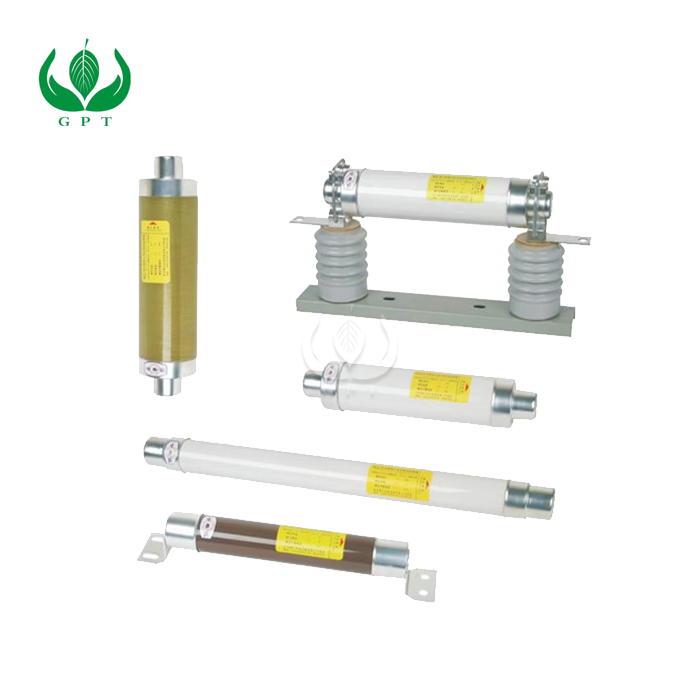
Water-cooled fuse systems are the most advanced way to protect high-power charging ports because they use active cooling to keep the right working temperatures even when the load is very high. The GFZ line from Green Power is an example of this technology. It has advanced thermal management that makes it work reliably in 500V/20kA situations where regular air-cooled designs would not work. When charging very quickly, these systems work great because they don't get too hot, which could damage other safety systems.
Rapid reaction times that limit the amount of energy that leaks through during fault conditions make fast-acting fuse technologies better at protecting sensitive electronic parts. This method is shown by the GFM series, which uses special arc quenching materials and better internal construction to get reaction times that are good for protecting sensitive power electronics. This technology is especially useful in charging systems that use high-tech equipment to change power and need exact timing for protection.
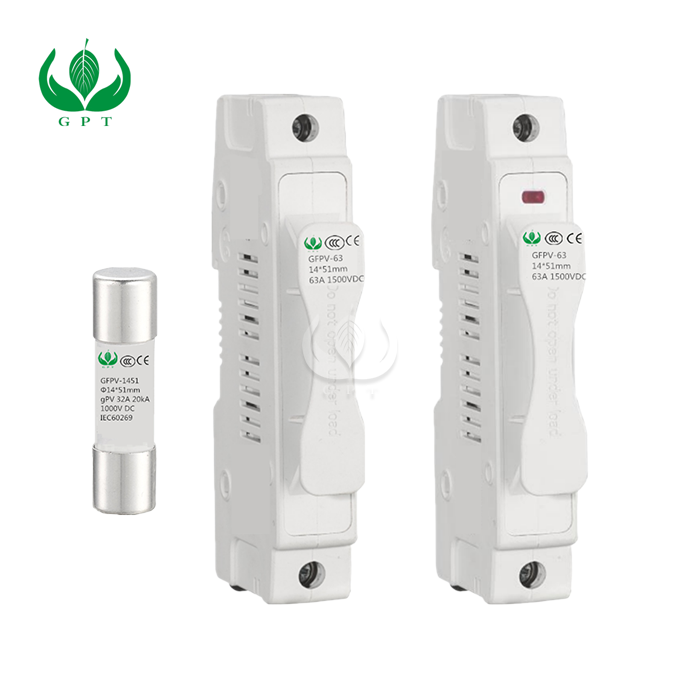
DC-specific fuse designs are made to deal with the unique problems that come up in direct current systems, where stopping an arc is harder to do than in AC systems. The GFC series from Green Power has advanced arc suppression technology and the best contact arrangements to consistently stop DC fault currents across the entire voltage range, from 750V to 1000V. These fuses are very important for protecting DC fast charging systems, since regular AC-rated fuses wouldn't work.
Performance and Reliability Advantages
Modern EV charging fuses go through a lot of testing and approval steps that make sure they work reliably in a wide range of situations. The IATF 16949 and VDA 6.3 protocols ensure performance in temperatures ranging from -40°C to 150°C. This proves that the product can work reliably in harsh conditions that could damage lower-quality options. These thorough testing programs give people faith in the long-term dependability that is necessary for charging infrastructure that is very important.
Quality certifications like ISO 9001, CE, TUV, and CCC compliance show that the product meets international safety and performance standards that make it compatible with electricity rules and codes around the world. RoHS compliance shows that you care about the environment by limiting the use of dangerous materials, and IEC 60269 approval shows that your electrical performance meets the standards for reliable system coordination. These licenses make sure that the product is of good quality and follows all the rules, which speeds up the approval process and lowers the risk of liability.
Leading manufacturers are different from commodity providers because they offer value-added services that help customers choose the right fuse for their needs. OEM customization options let you precisely match the electrical characteristics to the needs of a charging system, and responsive technical help makes it easy to fix problems quickly and get the best system performance. The ability to handle logistics on a global scale ensures reliable supply chain management that keeps operations running smoothly and avoids project delays.
Green Power: Advanced Protection Solutions for EV Charging Infrastructure
Xi'an Green Power Technology Co., Ltd. is a leader in EV charging protection technology. They offer fuse charging station options that are both cutting edge in terms of engineering and have been proven to work. The company was established in 2016 and is based in the Xi'an High-tech Zone. It uses the knowledge of China XD Group and Xi'an Jiaotong University to create safety systems that meet the strict needs of current electric vehicle infrastructure.
Technical Innovation and Product Excellence
Green Power's wide range of products covers all necessary safety needs for charging electric vehicles (EVs) with unique fuse technologies created for specific uses. The engineers at the company have more than 20 years of research and development experience between them, which they use to come up with solutions that are ahead of industry trends and new technology needs. This forward-thinking method makes sure that Green Power's fuse charging station products can work with new vehicle technologies and changing charging standards.
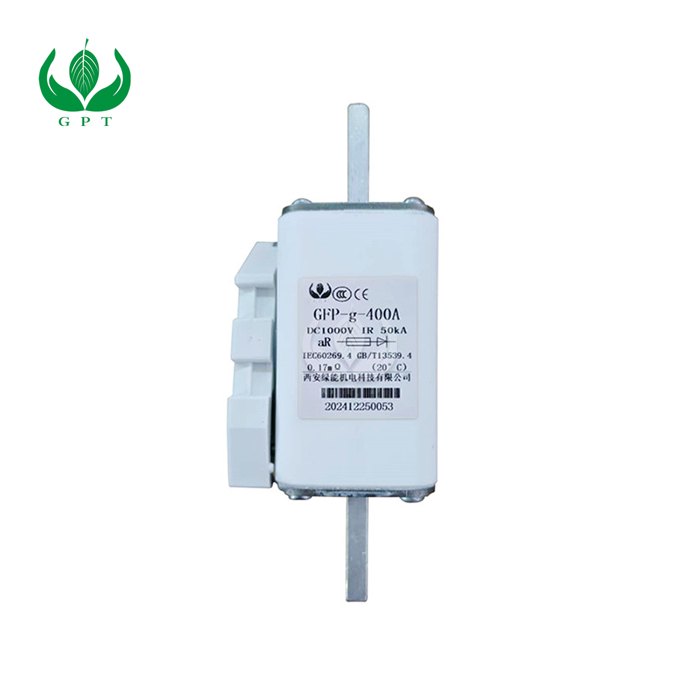
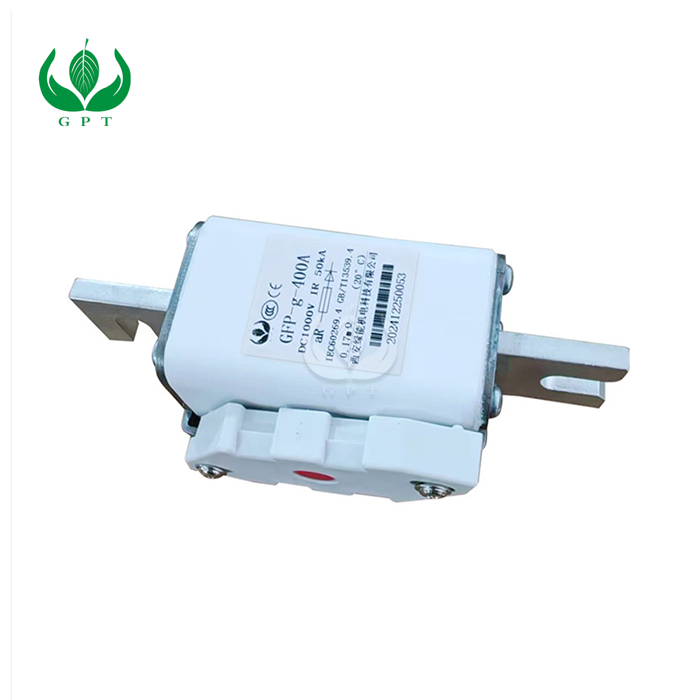
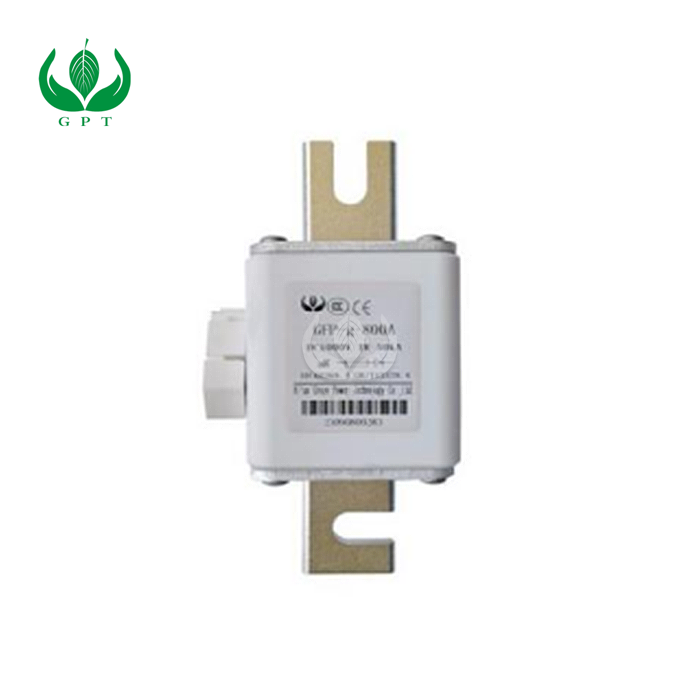
The company's fuse charging station options have great technical specs that make them suitable for the toughest uses. Operating voltage ranges from DC 750V to 1000V to meet the needs of current and future charging systems. Current handling ranges from 25A to 400A to suit a wide range of installation types. Breaking capacity standards of 100kA for AC and 50kA for DC make sure that protection is reliable, even in severe fault situations that could damage equipment that isn't protected.
With the ability to customize a product, fuse traits can be precisely matched to the needs of a charging system. OEM services offer custom solutions that meet specific design limits or performance needs while also providing the best protection. This adaptability is especially helpful for new charging system designs that need protection features that aren't offered in standard products.
Quality Assurance and Global Compliance
Green Power's dedication to quality and safety in foreign markets is backed up by extensive certification programs. The ISO 9001 quality management certification makes sure that production processes are consistent and that the quality of the products is reliable. The IATF 16949 automotive quality standards make sure that the products are suitable for use in critical vehicle infrastructure applications. Getting a CE mark lets you sell your product in all of Europe, and TUV testing makes sure that it meets strict European safety and performance standards.
Environmental responsibility is also emphasized by following RoHS rules, which limit the use of dangerous materials and encourage environmentally friendly production methods. Compliance with several international standards, such as IEC 60269, ISO 8820, JASO D622, and GB/T 3146, makes sure that it works with a wide range of electrical codes and legal needs in different markets around the world. This all-around method to certification and compliance makes the approval process easier and lowers the regulatory risks for people who build charging infrastructure.
Having manufacturing skills based in Xi'an gives you access to China's fuse technology hub while keeping production costs low so that prices can stay competitive. Modern factories have quality control methods that make sure the quality of the products is always the same and that they are delivered on time. Global logistics agreements make it possible to quickly fill orders and provide technical support that fits the tight schedules of charging infrastructure projects.
Conclusion
Selecting appropriate fuses for EV charging stations requires careful consideration of technical specifications, environmental conditions, and operational requirements that influence both immediate performance and long-term reliability. The rapid evolution of charging technology toward higher power outputs and more sophisticated control systems demands corresponding advances in protective fuse technology that can reliably safeguard these critical infrastructure investments. Understanding key selection criteria including voltage ratings, current capacity, breaking specifications, and environmental requirements enables informed decisions that optimize both safety and operational efficiency. Green Power's comprehensive fuse charging station solutions provide the technical innovation, quality assurance, and global support capabilities that modern charging infrastructure demands for reliable, safe, and efficient operation.
FAQ
What voltage rating should I specify for DC fast charging applications?
DC fast charging systems typically operate between 400V and 1000V, requiring fuses rated for the maximum system voltage with appropriate safety margins. Green Power's fuse charging station products support DC voltages from 750V to 1000V, providing compatibility with current and emerging fast charging standards. Proper voltage rating selection should consider system design voltage, potential transients, and safety code requirements that may mandate specific safety margins above normal operating levels.
How do I determine the correct current rating for my charging station?
Current rating selection should consider the maximum charging current plus appropriate safety margins to prevent nuisance operation during normal charging cycles. Green Power offers current ratings from 25A to 400A that accommodate diverse charging applications from workplace Level 2 chargers to ultra-fast DC charging systems. Consultation with charging system manufacturers and electrical engineers ensures optimal current rating selection that provides reliable protection without unnecessary interruption of normal operations.
What breaking capacity specifications are required for high-power charging applications?
Breaking capacity must exceed the maximum available fault current at the point of installation, considering both utility supply characteristics and system impedance. Green Power's fuse charging station solutions provide breaking capacity of AC 100kA and DC 50kA that exceed requirements for most charging installations. Fault current calculations should consider utility transformer ratings, cable lengths, and other system impedance factors that influence maximum fault current levels.
Partner with Green Power for Superior Charging Infrastructure Protection
Green Power's advanced fuse charging station manufacturer solutions deliver the reliability, performance, and technical support that modern EV infrastructure demands. Our extensive experience in high-voltage protection systems, combined with comprehensive global certifications and responsive customer support, ensures optimal protection for your charging infrastructure investments. Contact our technical experts at fusemaker@163.com to discuss your specific requirements and discover how Green Power's innovative fuse technologies can enhance the safety and reliability of your EV charging operations.
References
International Electrotechnical Commission. "IEC 60269-1: Low-voltage fuses - Part 1: General requirements." Geneva: IEC Publications, 2019.
Society of Automotive Engineers. "SAE J2894: Power Quality Requirements for Plug-In Electric Vehicle Chargers." Warrendale: SAE International, 2020.
National Fire Protection Association. "NFPA 70: National Electrical Code Article 625 - Electric Vehicle Charging Systems." Quincy: NFPA Publications, 2023.
Institute of Electrical and Electronics Engineers. "IEEE 2030.1.1: Standard Technical Specifications of a DC Quick Charger for Use with Electric Vehicles." New York: IEEE Standards Association, 2021.
Underwriters Laboratories. "UL 2089: Standard for Safety for Vehicle Chargers." Northbrook: UL Standards, 2022.
International Organization for Standardization. "ISO 17409: Electrically propelled road vehicles - Connection to an external electric power supply - Safety requirements." Geneva: ISO Publications, 2020.