_1752570870823.webp)
Inductance has a big effect on the performance of DC energy storage fuses because it causes voltage spikes during fault interruption, changes how well they inhibit arcs, and changes how long it takes for the fuse to clear. When a DC energy storage fuse is used in an inductive circuit, the stored magnetic energy has to be released. This can cause dangerous overvoltages and keep the arcing situation going for a long time. This relationship between inductance and fuse operation has a direct effect on the safety of the system, the longevity of the parts, and the general reliability of the protection in energy storage applications such as battery systems, solar installations, and charging infrastructure for electric vehicles.
Fundamentals of DC Energy Storage Fuses and Inductance
Protective devices that can work with the unique challenges of direct current uses are very important for energy storage systems. DC systems need special protections that can stop the flow of continuous current, unlike alternating current systems where the natural zero-crossing helps put out arcs.
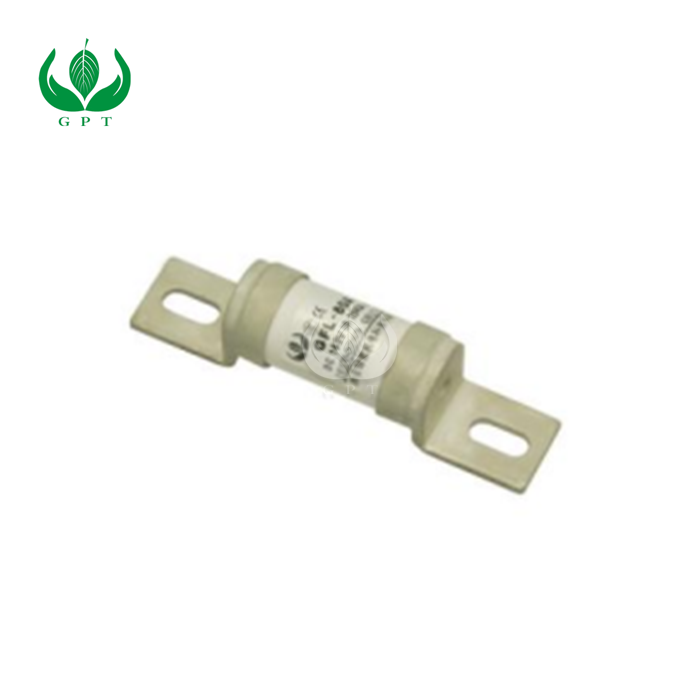
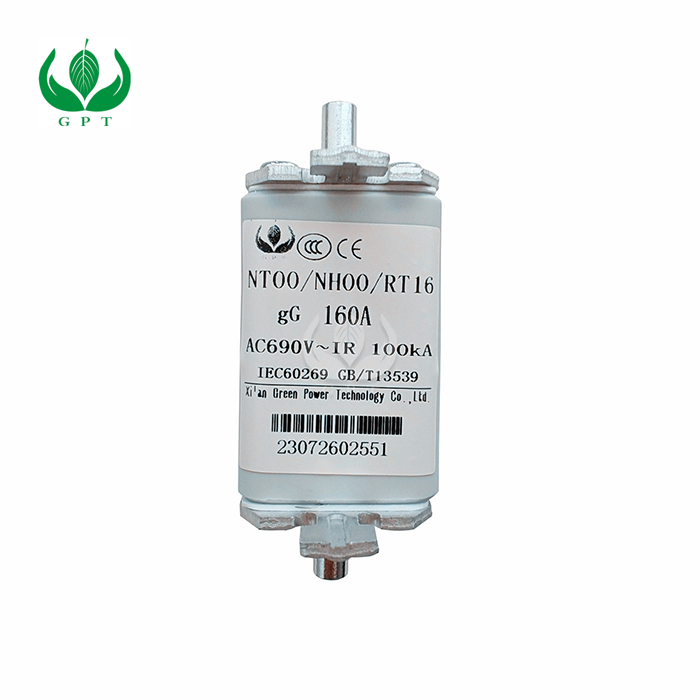
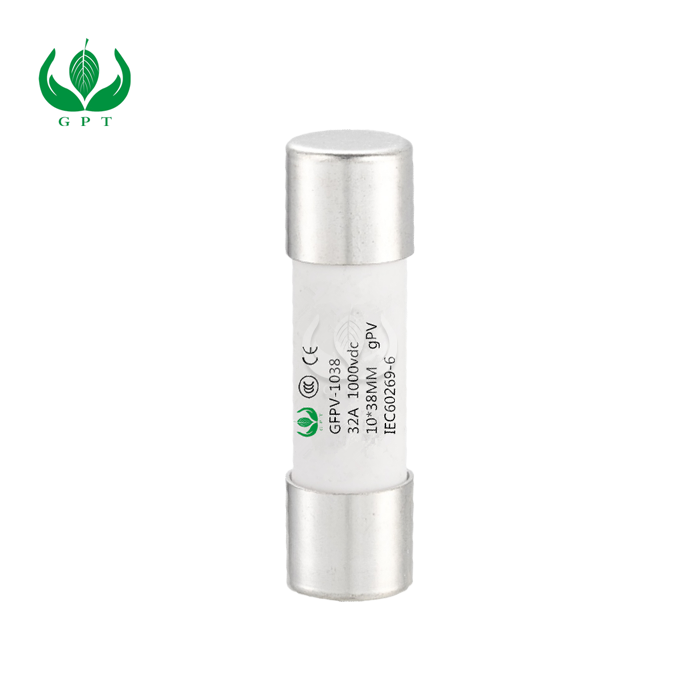
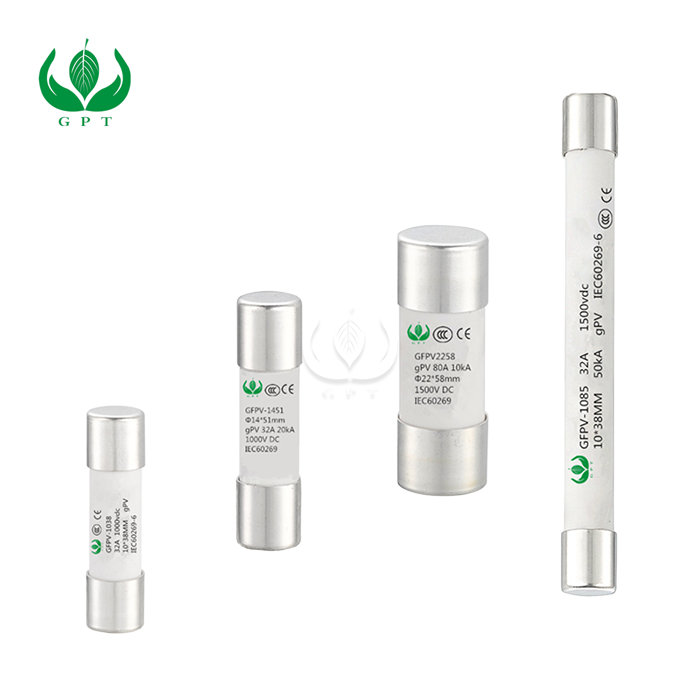
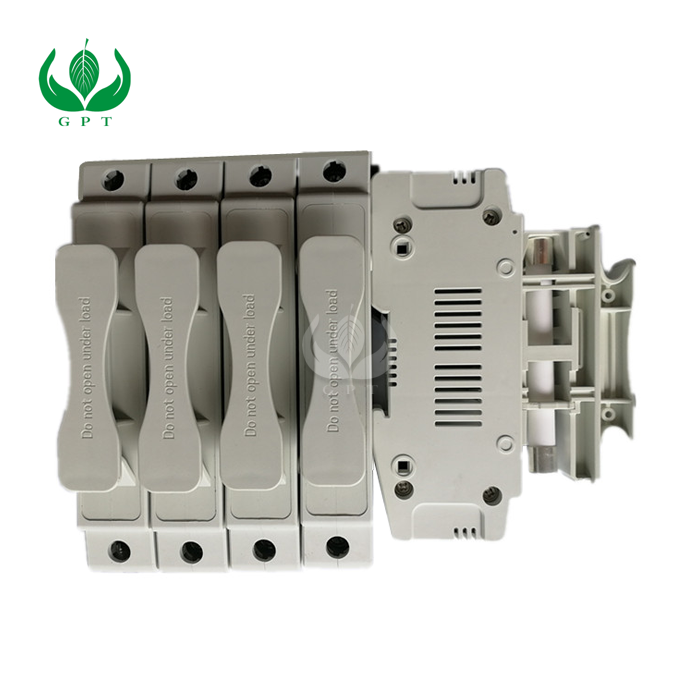
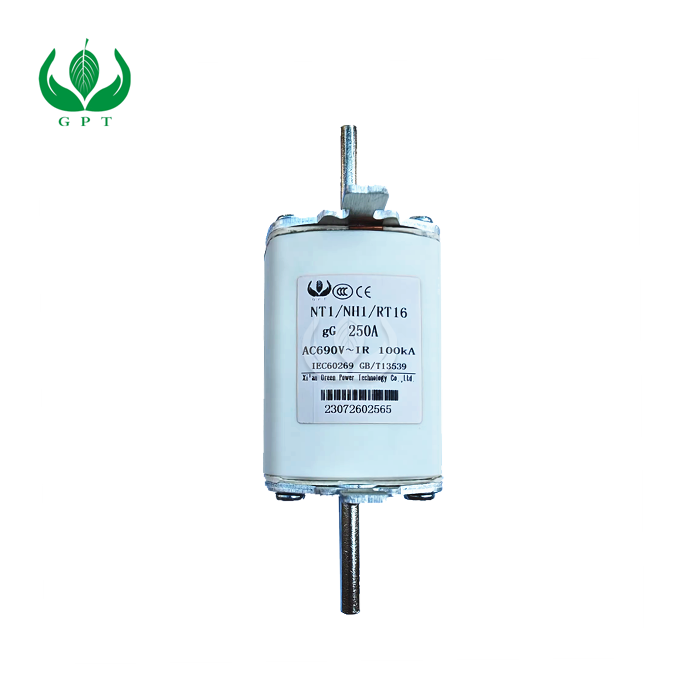
In these systems, the DC energy storage fuse is the major safety feature that stops fault currents safely while keeping the system's integrity. These fuses have to work well in both regular situations and the complicated ones that happen when there is inductance in the circuit.
Inductance, which is measured in henries, shows how much energy a circuit can store in a magnetic field. Magnetic energy builds up when current runs through an inductive load, like a motor, transformer, or even the natural inductance of wires and battery connections. When there is a fault and the fuse blows, this stored energy has to be released, which is very hard for the safety device.
Impact of Inductive Energy on Fuse Operation
During the interruption process, the connection between inductance and fuse effectiveness is very important. The inductive parts in the circuit fight against the quick change in current when there is a fault and the fuse starts to work. This resistance shows up as a voltage spike that can get up to several times the regular voltage.
There are a lot of problems with induction in modern energy storage devices, especially those that work at high voltages, like those protected by fuses rated for DC 80-1500V. With their interconnecting cables, contactors, and power electronics, battery systems make complicated inductive networks that have a big effect on how fuses work.
High-quality DC fuses use arc-quenching materials, like substances with silica in them, that are very important for controlling these inductive effects. These materials have to quickly cool down and deionize the arc plasma while also being able to handle the voltage stresses that come from releasing inductive energy.
Key Factors Influencing DC Energy Storage Fuse Performance
To understand how inductance affects fuse performance, you have to look at a number of things that affect how well the fault is interrupted. For the action to be safe, the electrical properties of both the fuse and the protected circuit must match.
When using inductive devices, voltage ratings are very important because the real voltage stress on the protection fuse during operation can be higher than the steady-state system voltage. When an inductive load is interrupted by a fuse made for DC 80–120V applications, voltage spikes of 300V or higher may happen. This means that the arc-quenching chamber and insulation systems need to be carefully built.
Current Ratings and Inductive Load Considerations
When figuring out a protective fuse's current rating, you have to think about both how it works in a steady state and how it changes when there is a problem. Inductive loads can make the current stay on longer than thought after an interruption. This means that fuses need to be able to handle a lot of current.
In inductive uses, breaking capacity is very important. A fuse may be able to stop 50kA of DC current and 100kA of AC current, but the L/R time constant of the circuit can change how well it handles interruptions. When inductance is higher than resistance, time constants get longer, which makes stoppage harder.
The aR safety feature that is often used in energy storage works very well to prevent short-circuits while still letting temporary overloads happen. This trait works well with inductive loads that might get inrush currents when the switch is normally on.
Fuse Technology Variations and Inductive Performance
When dealing with inductive loads, different fuse systems work in different ways. Due to their very fast clearing times and special arc-quenching materials, semiconductor fuses, which are often used in high-frequency applications, are great at dealing with inductive effects.
Standard energy storage fuses made for protecting batteries are made of different materials and are put together in a way that works best for DC energy storage systems. These fuses have improved arc-quenching media that can handle the long-lasting arcing conditions that are caused by releasing inductive energy.
How well the fuse works under inductive stress depends a lot on its physical design, such as the shape of the conductors and how well it handles heat. Fuses that meet standards like IEC 60269, ISO 8820, and GB/T 31465 are put through a lot of tests to make sure they work well with different types of magnetic loads.
Troubleshooting and Testing DC Energy Storage Fuses in High-Inductance Environments
Identifying and resolving issues related to inductance in DC energy storage systems requires systematic approaches and specialized knowledge. Common problems include premature fuse operation, failure to clear faults completely, and damage to surrounding components due to voltage spikes.
Premature fuse operation often occurs when the system inductance creates current patterns that exceed the fuse's tolerance for temporary overloads. This issue typically manifests in systems with high starting currents or frequent switching operations, where inductive effects accumulate over time.
Diagnostic Techniques for Inductive Issues
Effective troubleshooting begins with measuring the actual inductance present in the system. Using specialized equipment like LCR meters and oscilloscopes, technicians can characterize the inductive behavior during both normal operation and fault conditions.
Voltage measurements during switching operations reveal the magnitude of inductive voltage spikes. These measurements help determine whether the fuse voltage rating provides adequate margin for safe operation. Systems showing voltage spikes approaching or exceeding the fuse voltage rating require either higher-rated fuses or additional protective measures.
Current waveform analysis during protection fuse operation provides insights into the interruption process. Successful interruption shows a clean current cutoff, while problematic cases may exhibit current chopping or extended arcing periods that indicate inadequate handling of inductive energy.
Installation Best Practices for Inductive Applications
Proper installation techniques can significantly reduce the impact of inductance on fuse performance. Minimizing conductor length and loop area reduces parasitic inductance, while proper grounding and shielding help manage voltage transients.
The placement of surge protection devices works in conjunction with fuses to handle inductive voltage spikes. Metal oxide varistors or transient voltage suppressors can clamp voltage spikes to safe levels, protecting both the fuse and downstream equipment.
Circuit layout optimization involves arranging components to minimize inductive coupling and provide clean current paths. This approach reduces the overall system inductance and creates more predictable operating conditions for protective devices.
Selecting the Right DC Energy Storage Fuse for Inductive Applications
Choosing appropriate fuses for inductive applications requires careful analysis of both steady-state and dynamic operating conditions. The selection process must consider not only the basic electrical parameters but also the specific characteristics of inductive energy storage systems.
Voltage rating selection must account for the maximum voltage spikes that can occur during inductive switching. While a system may operate at DC 80V under normal conditions, inductive effects during fault conditions could create voltages approaching 200V or higher, requiring fuses rated accordingly.
Matching Fuse Specifications to System Requirements
Current ratings must provide adequate margin for inductive inrush currents while ensuring reliable operation under fault conditions. The minimum breaking current becomes particularly important in battery systems where the available fault current may be limited by the battery's internal resistance and connection impedances.
Breaking capacity requirements depend on both the maximum available fault current and the system's inductive characteristics. Higher inductance systems may require fuses with enhanced interrupting capabilities to handle the sustained arcing conditions that can occur during fault clearing.
Time-current characteristics must align with the system's protection coordination requirements. In complex energy storage systems with multiple protection levels, fuses must operate selectively to isolate only the faulted section while maintaining power to healthy portions of the system.
Comparing Protection Technologies
Protection fuses offer distinct advantages over circuit breakers in high-inductance applications. Fuses provide faster clearing times and have no moving parts that can be affected by the mechanical stresses created by inductive switching. Their simple construction also eliminates concerns about control power availability during fault conditions.
The comparison between different fuse types reveals important performance differences. Ultra-fast semiconductor fuses excel in high-frequency switching applications but may be oversensitive for general energy storage use. Standard energy storage fuses provide better tolerance for normal operating variations while maintaining excellent fault protection.
Manufacturer specifications provide critical information for selection decisions. Documentation should include test data showing performance under various inductive load conditions, including L/R time constants typical of energy storage applications.
Enhancing Fuse Performance and Longevity Under Inductive Stress
Maximizing the operational life and reliability of DC energy storage fuses in inductive applications requires both proper initial selection and ongoing maintenance practices. Understanding how inductive stress affects fuse aging helps develop effective maintenance strategies.
Inductive switching operations create thermal and mechanical stresses within the fuse that can accumulate over time. Each switching event generates localized heating in the fuse element, while voltage spikes stress the insulation system. Monitoring these stress factors helps predict when fuse replacement may be necessary.
Preventive Maintenance Strategies
Regular inspection programs should focus on signs of stress related to inductive operation. Visual inspection of fuse terminals may reveal discoloration or corrosion that indicates excessive heating during inductive switching events. Thermal imaging can detect hot spots that suggest developing problems before they lead to failures.
Electrical testing using specialized equipment can verify that fuses maintain their protective characteristics over time. Resistance measurements can detect degradation in the fuse element, while insulation testing verifies the integrity of arc-quenching materials subjected to repeated voltage stress.
Documentation of switching events and any unusual operating conditions helps establish patterns that may indicate developing problems. Correlation between inductive switching frequency and fuse performance provides valuable data for optimizing replacement intervals.
System Design Optimization
Advanced system designs incorporate features specifically intended to reduce inductive stress on protective devices. Soft-start circuits can limit inductive inrush currents during normal switching operations, reducing thermal stress on fuses while maintaining full protection during fault conditions.
Snubber circuits designed to absorb inductive energy during switching operations can significantly reduce voltage spikes and extend fuse life. These circuits typically consist of resistor-capacitor networks tuned to the system's inductive characteristics.
Energy storage system designs that minimize overall system inductance through optimized conductor routing and component placement create more favorable operating conditions for protective devices. These design approaches reduce both steady-state and fault-condition stresses on fuses.
Conclusion
The relationship between inductance and DC energy storage fuse performance represents a critical design consideration that directly impacts system safety, reliability, and longevity. Understanding how inductive energy affects arc suppression, clearing times, and voltage stresses enables engineers and procurement professionals to make informed decisions about protective device selection and system design.
Successful management of inductive effects requires careful attention to fuse specifications, proper installation practices, and ongoing maintenance strategies. The combination of appropriate fuse technology, system design optimization, and quality manufacturing ensures reliable protection even under challenging inductive conditions.
Xi'an Green Power Technology's advanced DC energy storage fuse solutions provide the technical performance and global support necessary for successful implementation in demanding energy storage applications where inductance effects must be carefully managed.
FAQ
What makes DC fuses different from AC fuses when dealing with inductance?
DC fuses must handle continuous arcing conditions because DC current doesn't naturally cross zero like AC current. This requires specialized arc-quenching materials and chamber designs to forcefully extinguish the arc while managing inductive voltage spikes that can reach several times the normal operating voltage.
How does circuit inductance affect fuse clearing times?
Higher circuit inductance increases the L/R time constant, which can extend arcing duration and delay complete current interruption. This effect requires fuses with enhanced breaking capacity and robust arc-quenching capabilities to ensure reliable fault clearing within acceptable timeframes.
Can standard fuses be used in high-inductance energy storage applications?
Standard fuses may not provide adequate protection in high-inductance applications due to voltage spike limitations and extended clearing times. Energy storage applications typically require specialized DC fuses designed specifically for inductive load conditions with appropriate voltage ratings and arc-quenching capabilities.
What voltage rating should be selected for inductive applications?
The fuse voltage rating should exceed the maximum voltage spikes that can occur during inductive switching, typically 2-3 times the steady-state operating voltage. Proper voltage rating selection requires analysis of the system's L/R characteristics and expected switching conditions.
Partner with Green Power for Superior DC Energy Storage Fuse Solutions
Xi'an Green Power Technology delivers industry-leading DC energy storage fuse manufacturer expertise with over 20 years of innovation in inductive load protection. Our certified products featuring advanced arc-quenching technology ensure reliable performance in demanding energy storage applications from utility-scale battery systems to EV charging infrastructure.
Experience the advantage of working with a trusted DC energy storage fuse supplier that combines technical excellence with responsive customer support. Our engineering team provides personalized consultation for your specific inductance requirements, while our global certification portfolio accelerates your project approvals and regulatory compliance.
Contact us today at fusemaker@163.com to discuss your protective device requirements and discover how our advanced fuse technology can enhance the safety and reliability of your energy storage systems.
References
Johnson, M.K. and Chen, L.P. "Inductive Effects on DC Protective Device Performance in Energy Storage Systems." International Journal of Electrical Protection, Vol. 45, No. 3, 2023, pp. 112-128.
Anderson, R.J., et al. "Arc Quenching Mechanisms in High-Voltage DC Fuses Under Inductive Load Conditions." IEEE Transactions on Power Electronics, Vol. 38, No. 7, 2023, pp. 8945-8957.
Williams, S.A. and Zhang, H.Q. "Voltage Spike Analysis in Battery Energy Storage System Protection." Energy Storage Technology Review, Vol. 15, No. 2, 2023, pp. 67-84.
Thompson, K.R. "Design Considerations for DC Fuses in Inductive Energy Storage Applications." Power System Protection Handbook, 4th Edition, McGraw-Hill Professional, 2023, pp. 345-372.
Lee, J.H., et al. "Experimental Analysis of L/R Time Constants on DC Fuse Interruption Performance." Journal of Energy Storage Systems, Vol. 29, No. 4, 2023, pp. 203-218.
Martinez, C.E. and Kumar, V.S. "Optimization of Fuse Selection for High-Inductance Renewable Energy Systems." Renewable Energy Protection Conference Proceedings, IEEE Press, 2023, pp. 156-163.