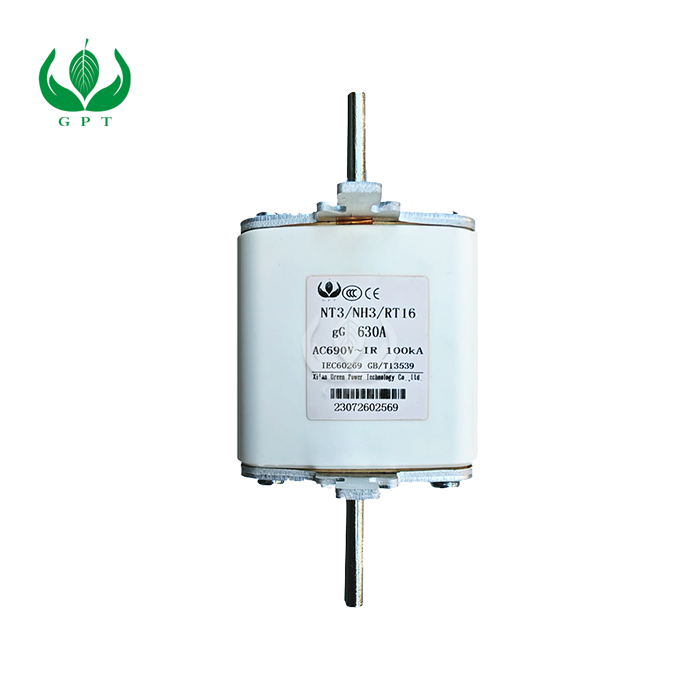
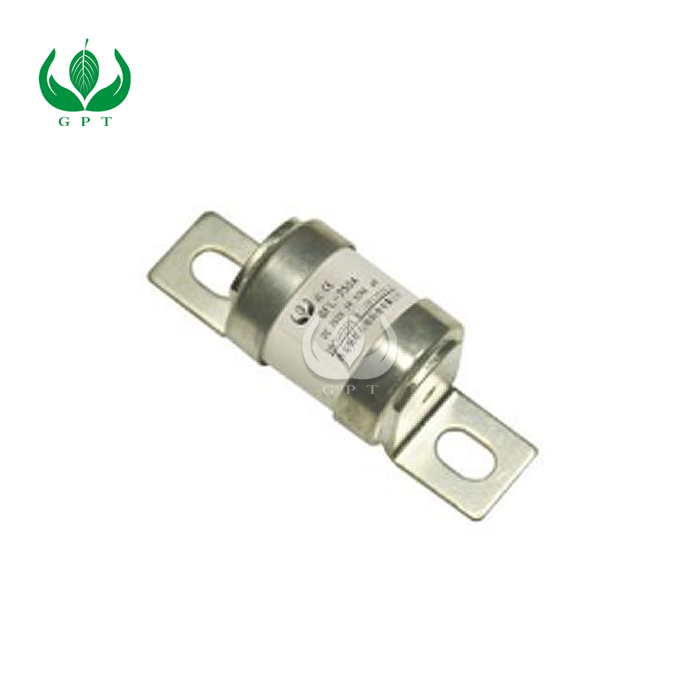
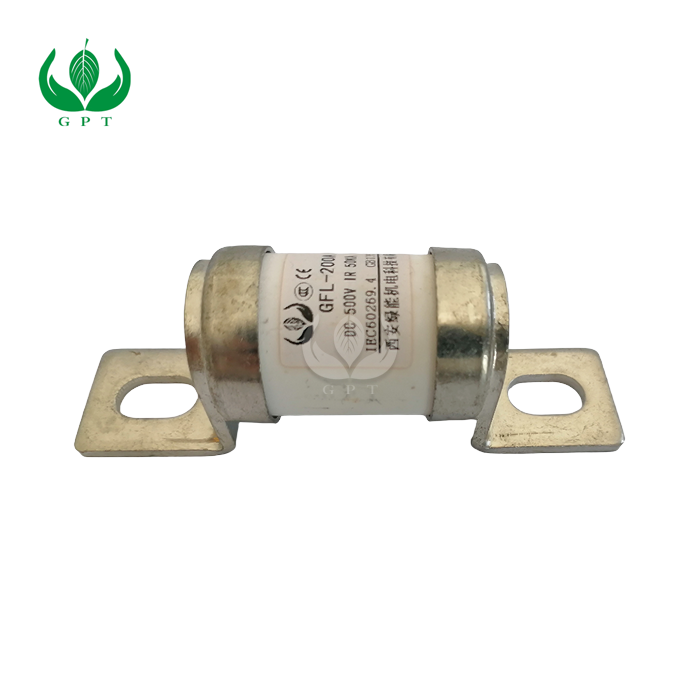
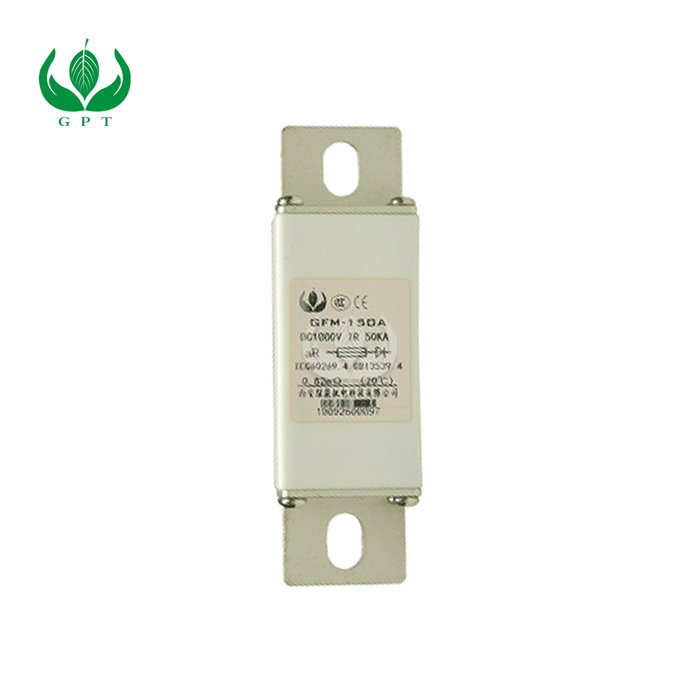
_1752570870823.webp)
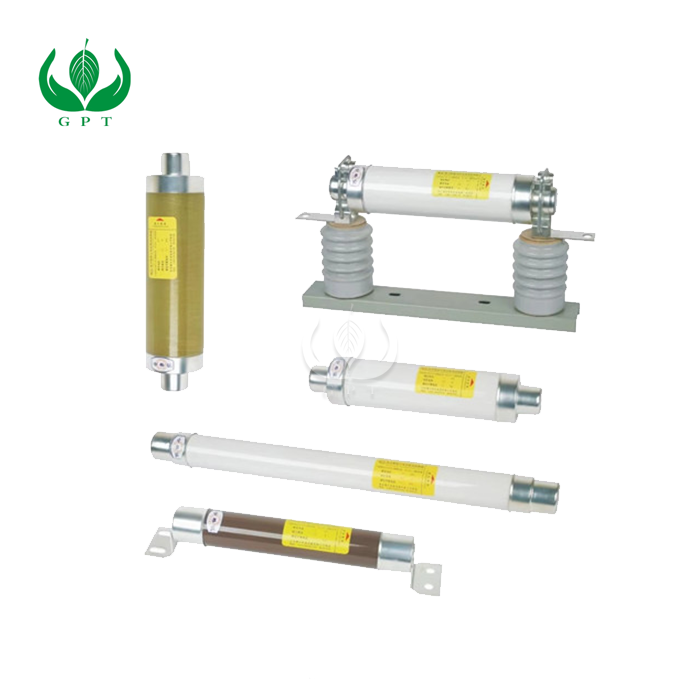
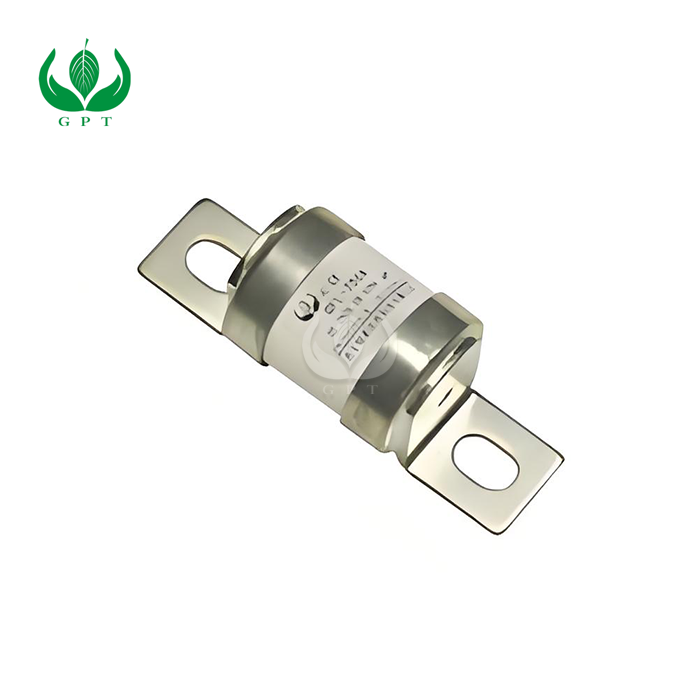
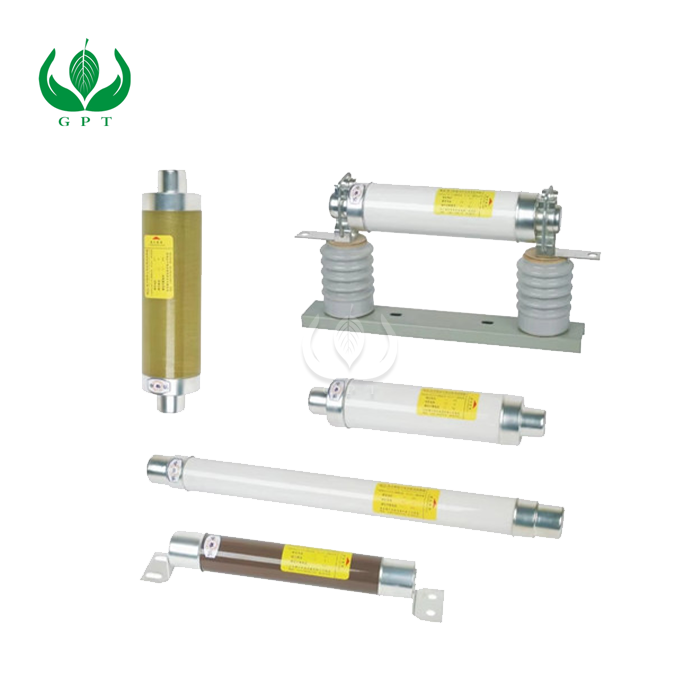
When hazardous fault circumstances arise, a Class J fast acting fuse is a vital overcurrent protection device that quickly cuts off electrical circuits. These specialist fuses are vital for safeguarding delicate electronic equipment in commercial and industrial settings because they react to overcurrent conditions in milliseconds. In contrast to conventional fuses, Class J fast acting fuses provide current-limiting properties that guard against harmful high-current surges during short circuits, especially in systems where equipment damage might pose a safety risk or cause expensive downtime.
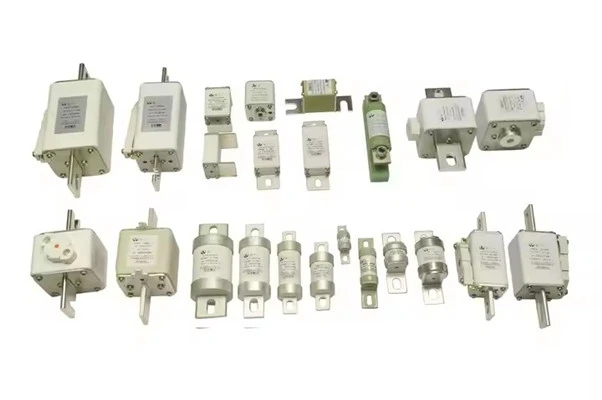
Understanding Class J Fast Acting Fuses
A complex method of electrical protection, Class J fast acting fuses are designed especially for applications that need to react quickly to fault circumstances. Their quick melting properties set these devices apart from traditional time-delay fuses; they usually react to overcurrent situations in 20 milliseconds or less.
Fundamental Design and Operating Principles
The internal architecture of a Class J fast acting fuse incorporates specialized fuse elements that melt quickly when exposed to overcurrent conditions. The fuse element, typically constructed from silver or copper alloy materials, connects between two terminals within a ceramic or fiberglass body. When current exceeds the rated capacity, the element heats rapidly and creates an arc-suppressing environment that safely interrupts the electrical flow.
To put out the electrical arc created during interruption, modern Class J fast acting fuses employ sophisticated arc-quenching materials like silica sand or certain ceramic compounds. Because of its design, the fuse can withstand large interrupting capacities while yet having small dimensions that are appropriate for applications with limited space.
Key Technical Specifications
When choosing Class J fast acting fuses for various applications, professional procurement teams need certain technical specifications. Although more sophisticated versions may manage DC1000V and AC1250V for certain applications, standard voltage ratings often start at 600V AC for conventional applications. In order to accommodate a variety of protection needs across industrial sectors, current ratings range from 1 ampere to 1200 amperes.
Breaking capacity represents another crucial specification, with quality Class J fuses achieving interrupting ratings of AC100kA and DC50kA. These high interrupting capabilities ensure reliable protection even in systems with substantial available fault current levels. Physical dimensions follow standardized requirements, preventing inadvertent substitution with lower-rated protection devices.
Benefits and Typical Applications of Class J Fast Acting Fuses
Class J fast acting fuses deliver exceptional protection characteristics that make them indispensable in modern electrical systems. Their unique combination of speed, reliability, and current-limiting performance addresses the demanding requirements of sensitive electronic equipment.
Superior Protection Characteristics
The primary advantage of Class J fast acting fuses lies in their ability to limit let-through energy during fault conditions. This current-limiting characteristic prevents downstream equipment from experiencing the full brunt of short-circuit currents, significantly reducing the potential for equipment damage and extending system lifespan.
When used in conjunction with other safety devices, these fuses also provide outstanding selectivity. Class J fuses, when used correctly, may isolate malfunctioning circuits without compromising the electrical system's healthy areas, preserving system functionality in vital applications.
Industrial and Commercial Applications
For battery pack safety, manufacturers of electric vehicles are depending more and more on Class J fast acting fuses, whose quick reaction stops thermal runaway scenarios that might result in hazardous circumstances. In order to ensure constant performance under harsh operating circumstances, the automobile sector requires fuses that adhere to strict standards like IATF 16949.
Charging station infrastructure represents another growing application area. Fast-charging systems require protection devices capable of handling high power levels while responding quickly to fault conditions. Class J fuses excel in these applications due to their high interrupting capacity and reliable performance characteristics.
Solar inverter manufacturers utilize these fuses to protect power conversion equipment from overcurrent conditions. The renewable energy sector values the outdoor durability and arc suppression performance that Class J fuses provide, particularly in combiner box and string protection applications.
Installation and Safety Considerations
Proper installation requires compatible fuse holders designed specifically for Class J dimensions. These specialized holders prevent the insertion of lower-rated fuses, ensuring appropriate protection levels are maintained throughout the system's operational life. Installation must comply with relevant electrical codes and standards, including NEC Article 240 requirements for overcurrent protection.
Safety protocols demand that qualified electrical personnel perform all installation and maintenance activities. The high interrupting capacity of Class J fuses requires proper arc flash analysis and appropriate personal protective equipment during maintenance operations.
Comparing Class J Fast Acting Fuses with Other Protection Devices
Procurement experts may make well-informed judgments based on particular application requirements and performance criteria by having a thorough understanding of the relative benefits of Class J fast acting fuses.
Class J vs. Time-Delay Fuses
The fundamental difference between fast acting and time-delay fuses lies in their response characteristics to overcurrent conditions. Time-delay fuses tolerate temporary overloads, making them suitable for motor starting applications where inrush currents occur. Conversely, fast acting fuses respond immediately to overcurrent conditions, providing superior protection for sensitive electronic equipment.
Fast acting designs excel in applications where equipment damage could occur within the time frame that a time-delay fuse would normally tolerate an overload. This makes them particularly valuable in semiconductor protection, power electronics, and precision instrumentation applications.
Fuses vs. Circuit Breakers
Circuit breakers offer the advantage of manual reset capability after tripping, while fuses such as the Class J fast acting fuse require replacement after operation. However, fuses typically provide faster response times and superior current-limiting performance. The choice between these technologies depends on factors such as maintenance accessibility, reset requirements, and the criticality of fast fault clearing.
In high-fault current applications, fuses often demonstrate superior performance due to their inherent current-limiting characteristics. Circuit breakers may require additional current-limiting reactors to achieve equivalent protection levels, increasing system complexity and cost.
Class J vs. Other Fuse Classes
Class CC fuses offer similar fast acting characteristics but in smaller physical sizes, making them suitable for control panel applications with space constraints. However, Class J fuses typically provide higher current ratings and interrupting capacities, making them more suitable for higher power applications.
Class T fuses provide fast acting characteristics with even higher interrupting ratings than Class J, but their larger physical size limits applications in space-constrained environments. Class L fuses handle the highest current levels but respond more slowly than Class J designs.
Procurement Guide for Class J Fast Acting Fuses
Effective sourcing of Class J fast acting fuses requires understanding global supply chains, quality assurance processes, and technical support capabilities that ensure successful project implementation.
Supplier Selection and Quality Assurance
Reputable manufacturers maintain certifications including ISO 9001, IATF 16949, and relevant safety approvals such as CE, TUV, and RoHS compliance. These certifications indicate adherence to quality management systems and environmental regulations essential for modern industrial applications.
Technical documentation represents a critical evaluation factor when selecting suppliers. Comprehensive datasheets should include detailed specifications, application guidance, and performance curves that enable proper coordination with other system components. Manufacturers offering technical support services provide additional value through application engineering assistance and troubleshooting guidance.
Procurement Considerations
Minimum order quantities for Class J fast acting fuses typically range from 5 to 100 pieces depending on current ratings and specialized features. Volume discounts often apply for larger quantities, making bulk procurement economically attractive for major projects or maintenance inventory.
Lead times vary based on product availability and customization requirements. Standard catalog items may ship within days, while specialized configurations could require several weeks for production. Regional distribution networks can significantly reduce delivery times for urgent requirements.
Quality assurance protocols should include incoming inspection procedures and acceptance criteria based on manufacturer specifications. Verification of markings, physical dimensions, and electrical ratings ensures received products match procurement requirements and application needs.
Company Introduction and Product Offerings
Xi'an Green Power Technology Co., Ltd. brings over 20 years of specialized expertise in fuse technology development, combining heritage knowledge from China XD Group with cutting-edge innovation from Xi'an Jiaotong University research collaboration. Founded in 2016 and strategically located in Xi'an High-tech Zone, our company focuses exclusively on high and low voltage fuses for demanding applications including electric vehicles, charging infrastructure, photovoltaic systems, wind power, energy storage, and semiconductor protection.
Technical Excellence and Product Reliability
Our Class J fast acting fuses deliver precision protection with specifications including DC1000V/AC1250V rated voltage and current ranges from 32A to 1200A. Breaking capacity reaches AC100kA and DC50kA, ensuring reliable protection even in high-fault current applications. These fuses achieve response times of 20 milliseconds or less, critical for preventing equipment damage in sensitive electronic systems.
Operating temperature ranges from -50°C to +125°C accommodate extreme environmental conditions, while ceramic construction with silver-plated terminals ensures long-term reliability. Class J fast acting fuse, RoHS compliance and certifications including CE, TUV, CCC, and IATF 16949 demonstrate our commitment to environmental responsibility and quality excellence.
Customization and Value-Added Services
Our engineering team provides customization capabilities for unique application requirements, including modified voltage ratings, current specifications, and physical configurations. OEM services enable private labeling and application-specific modifications without compromising performance or safety standards.
Technical consultation services include application engineering support, coordination studies, and installation guidance. Our commitment to customer success extends beyond product delivery through comprehensive technical documentation, training resources, and responsive customer support. With a 98% on-time delivery rate and regional logistics optimization, we ensure reliable supply chain performance that supports your project schedules and operational requirements.
Conclusion
Class J fast acting fuses serve essential roles in protecting sensitive electrical equipment across diverse industrial applications, from electric vehicle battery systems to renewable energy infrastructure. Their rapid response characteristics, current-limiting capabilities, and high interrupting capacities make them indispensable for modern electrical protection strategies. Understanding their specifications, applications, and procurement considerations enables informed decision-making that ensures optimal system protection and operational reliability. Professional consultation with qualified suppliers enhances successful implementation and long-term performance in critical applications.
FAQ
1. What differentiates Class J fast acting fuses from time-delay versions?
Class J fast acting fuses respond to overcurrent conditions within milliseconds, while time-delay fuses incorporate mechanisms that allow temporary overloads without interrupting the circuit. Fast acting designs provide immediate protection for sensitive electronics, whereas time-delay versions accommodate motor starting currents and other temporary surge conditions.
2. How do I select appropriate current ratings for motor protection applications?
Motor protection requires careful consideration of starting currents, operating conditions, and coordination with other protective devices. Fast acting fuses should be sized based on motor full-load current with appropriate safety factors, typically 125% to 150% of rated current depending on application requirements and relevant electrical codes.
3. Are Class J fast acting fuses compatible with standard fuse holders?
Class J fuses require specifically designed holders that accommodate their unique physical dimensions and high interrupting capacity. These specialized holders prevent insertion of lower-rated fuses, ensuring proper protection levels are maintained. Standard fuse holders may not provide adequate arc containment for Class J interrupting ratings.
4. What certifications should I look for when procuring Class J fuses?
Essential certifications include UL recognition for North American applications, CE marking for European markets, and relevant automotive standards such as IATF 16949 for vehicle applications. Additional certifications like RoHS compliance ensure environmental compatibility, while ISO 9001 indicates quality management system adherence.
5. Can Class J fast acting fuses handle DC applications effectively?
Quality Class J fast acting fuses designed for DC applications can handle voltages up to 1000V DC with appropriate interrupting capacities. DC applications require special consideration due to the absence of natural current zero crossings, making arc extinction more challenging than AC applications.
Partner with Green Power for Superior Class J Fast Acting Fuse Solutions
Green Power Technology delivers industry-leading Class J fast acting fuse solutions engineered for demanding applications requiring millisecond response times and exceptional reliability. Our comprehensive product line features DC1000V/AC1250V ratings, 32A-1200A current ranges, and AC100kA/DC50kA breaking capacity, backed by IATF 16949 certification and over 20 years of fuse technology expertise. Whether you need standard protection devices or customized solutions for specialized applications, our technical team provides application engineering support, OEM services, and responsive customer care. Contact our experts at fusemaker@163.com to discover how our Class J fast acting fuse manufacturer capabilities can enhance your electrical protection strategy with reliable, certified products delivered on schedule.
References
1. Institute of Electrical and Electronics Engineers. "IEEE Standard for Low-Voltage AC and DC Power Circuit Breakers Used in Enclosures." IEEE C37.13-2015.
2. National Electrical Manufacturers Association. "Molded Case Circuit Breakers, Molded Case Switches, and Circuit-Breaker Enclosures." NEMA AB 1-2016.
3. International Electrotechnical Commission. "Low-voltage fuses - Part 1: General requirements." IEC 60269-1:2006.
4. Underwriters Laboratories. "Standard for Safety - Low-Voltage Fuses." UL 248-1:2019.
5. Society of Automotive Engineers. "Electrical and Electronic Environmental Test Methods for Automotive Components." SAE J1211:2012.
6. American National Standards Institute. "Requirements for Electrical Installations." ANSI/NFPA 70:2020 National Electrical Code.