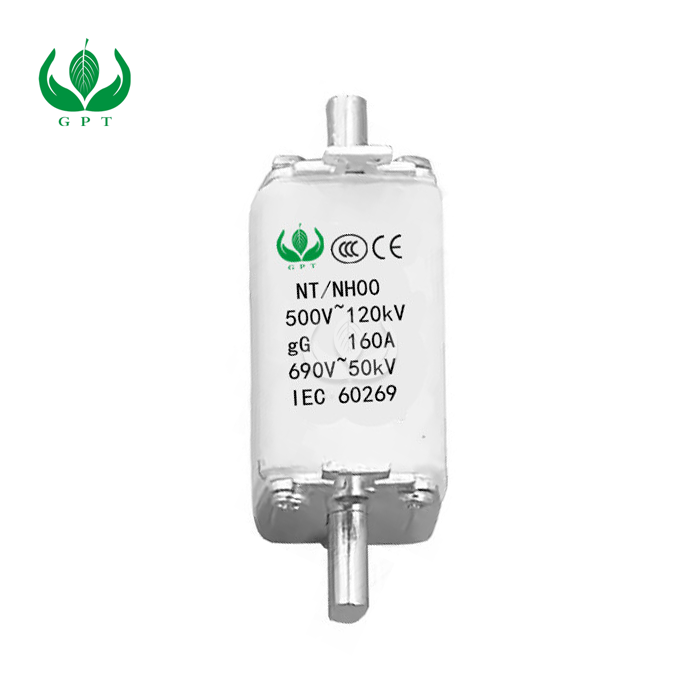
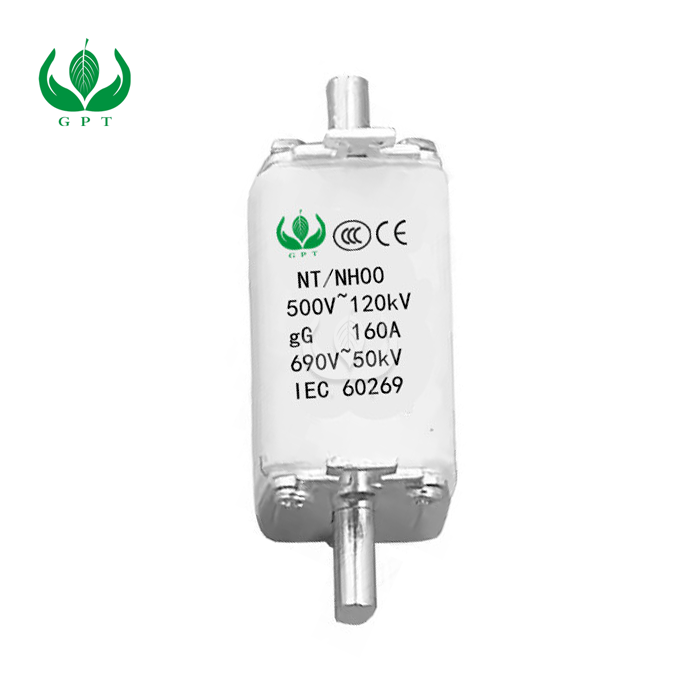
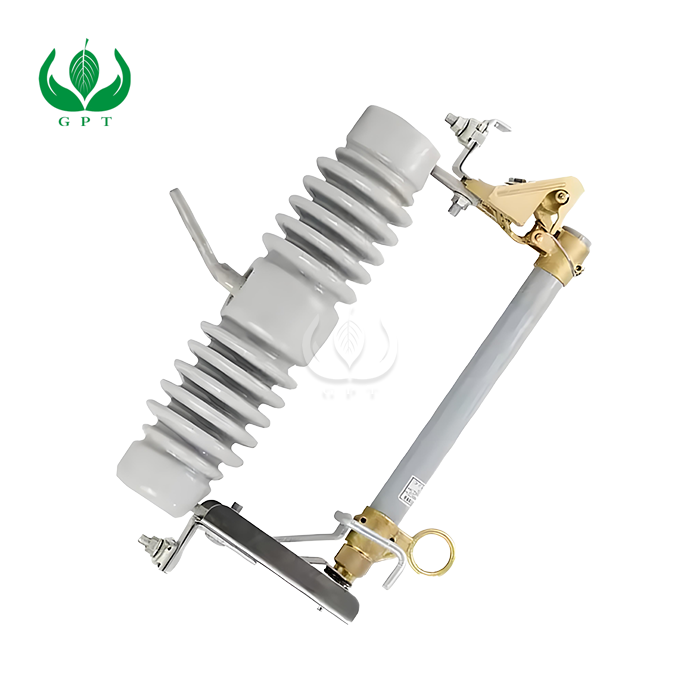
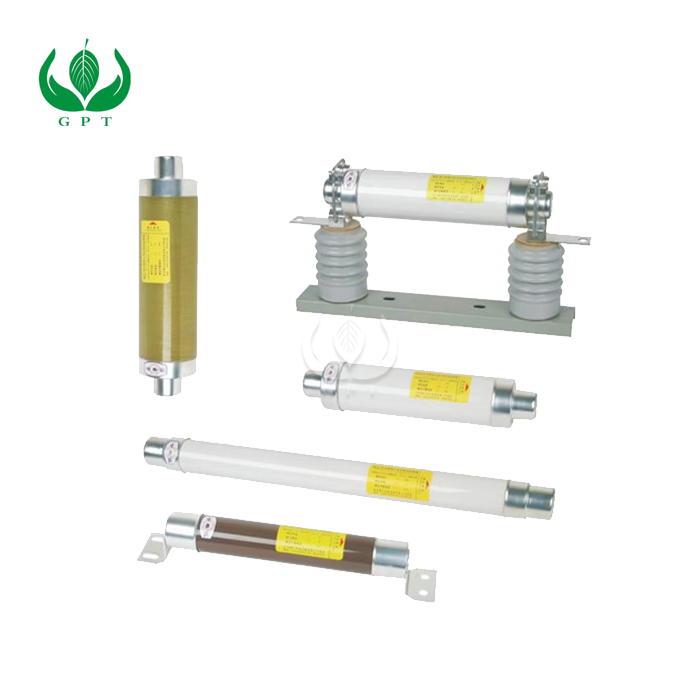
_1752570870823.webp)
Semiconductor fuses For VFD systems provide critical protection against overcurrent conditions that can devastate industrial operations. These specialized devices operate within milliseconds to interrupt fault currents, preventing costly equipment damage and extended production shutdowns. By utilizing ultra-fast response technology specifically designed for Variable Frequency Drive protection, semiconductor fuses For VFD applications significantly reduce unexpected downtime while maintaining optimal system performance. Industrial facilities implementing proper semiconductor fuse protection report up to 75% reduction in VFD-related failures, translating to substantial cost savings and improved operational continuity.
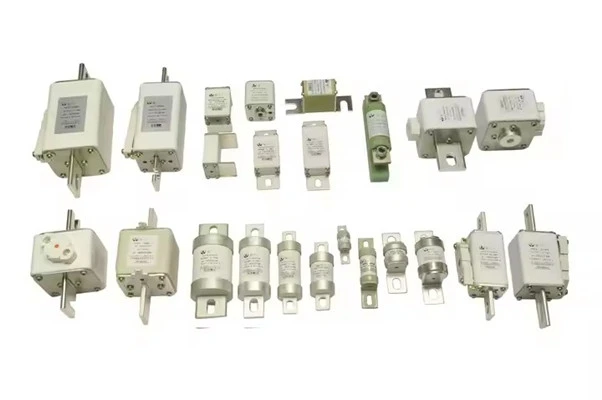
Understanding Semiconductor Fuses for VFDs
Working Principles of Ultra-Fast Protection
Semiconductor fuses represent a specialized category of protective devices engineered specifically for Variable Frequency Drive systems. These components utilize a fine silver element that rapidly melts when fault conditions occur, interrupting current flow within the initial half-cycle of an overcurrent event. The fundamental operation relies on precise temperature coefficients and carefully calculated I²t ratings that respond to semiconductor-specific fault patterns.
The special architecture successfully quenches electrical arcs during interruption using notched silver elements encircled by premium silica sand. Semiconductor fuses can withstand breaking capacities of up to AC100kA and DC50kA thanks to this design, which makes them appropriate for high-power VFD applications in a variety of industrial industries.
Technical Specifications and Classifications
Modern semiconductor protection fuses, including semiconductor fuses for VFD, are available in multiple speed classifications to match specific VFD requirements. Ultra-fast variants respond to fault conditions within 0.25 cycles, while fast-blow types offer protection for less critical applications. The aR protection characteristic ensures selective coordination with upstream protective devices, preventing nuisance tripping during normal VFD operation.
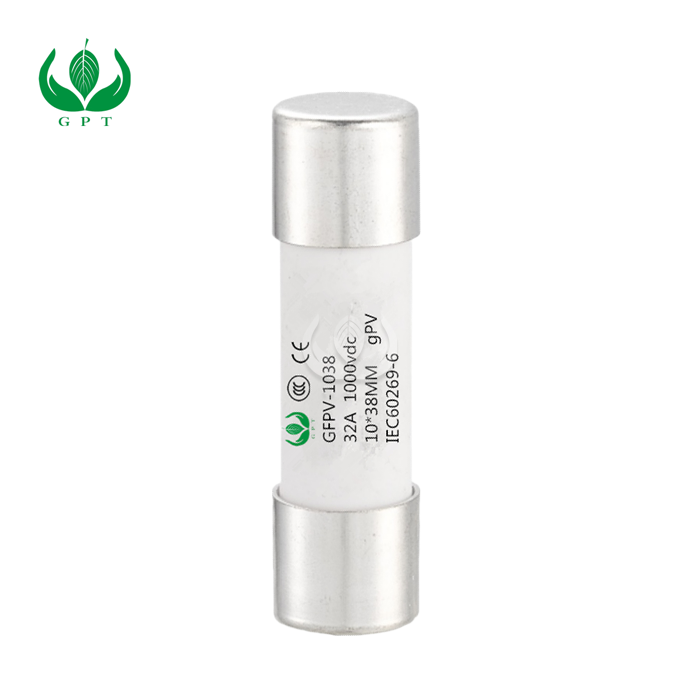
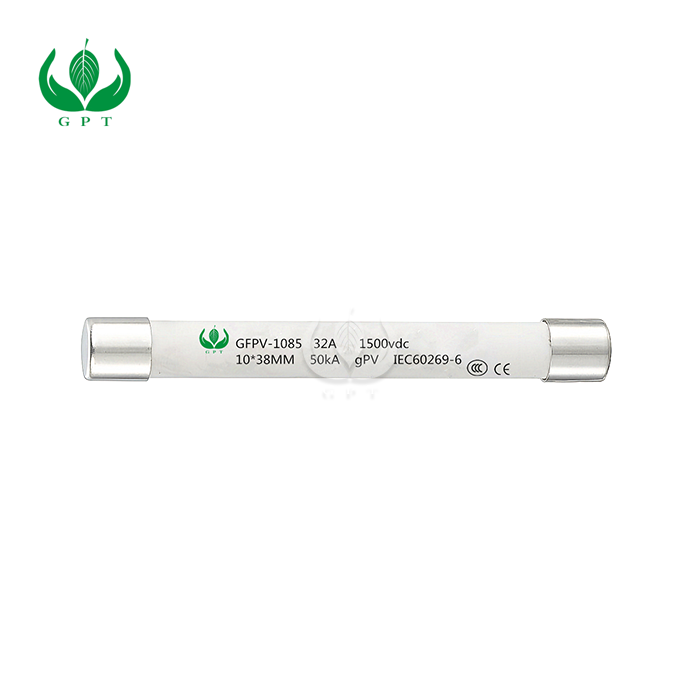
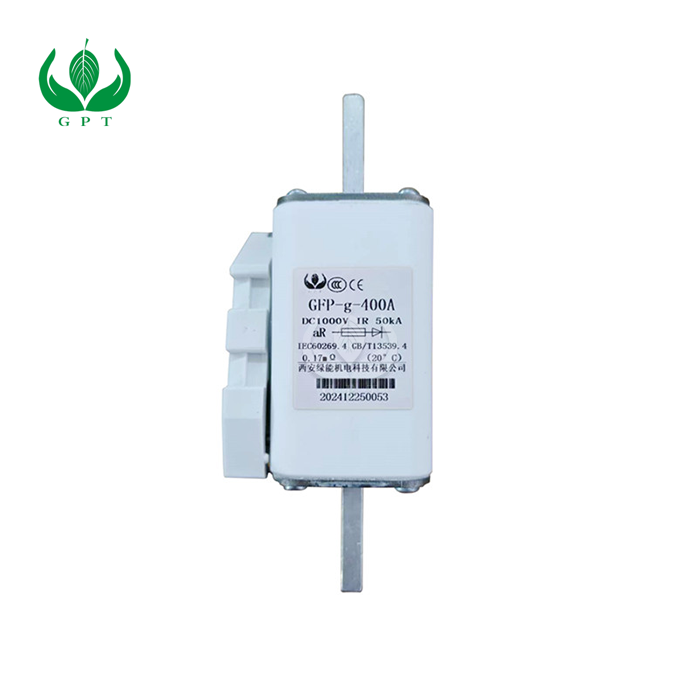
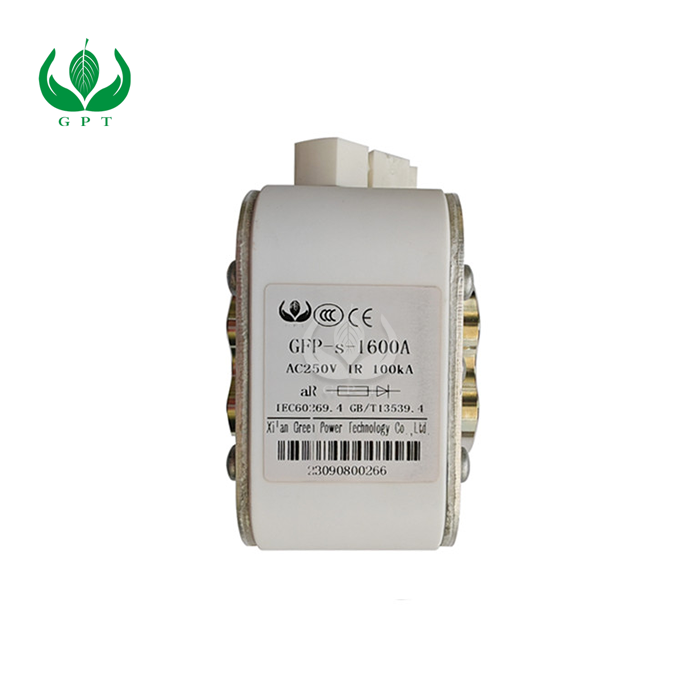
Current ratings typically range from 32A to 1600A with voltage specifications extending up to DC2000V, accommodating diverse industrial drive configurations. Breaking capacity specifications of AC100kA and DC50kA provide robust protection for high-power applications, while RoHS compliance ensures environmental responsibility. These specifications align with international standards including IEC60269, ISO8820, JASO D622, and GB/T31465, guaranteeing global compatibility and performance consistency.
Integration with VFD Control Systems
Semiconductor fuses integrate seamlessly into VFD protection schemes through specialized fuse holders and monitoring systems. Advanced designs incorporate temperature sensing capabilities that provide early warning of potential failures, enabling predictive maintenance strategies. The compact form factor allows installation in space-constrained control panels while maintaining accessibility for routine inspection and replacement.
Benefits of Semiconductor Fuses in Reducing Industrial Downtime
Rapid Fault Response and Equipment Protection
The primary advantage of semiconductor fuses lies in their exceptional response speed compared to conventional protection methods. Traditional circuit breakers require 3-5 cycles to interrupt fault currents, while semiconductor fuses operate within 0.1-0.25 cycles. This dramatic speed improvement prevents cascading failures that can damage multiple VFD components simultaneously.
During short-circuit events, semiconductor fuses limit peak fault current and energy let-through, protecting sensitive IGBT modules and power electronics from thermal stress. The precise coordination with semiconductor characteristics ensures protection operates only during genuine fault conditions, maintaining system availability during transient disturbances common in industrial environments.
Cost-Effective Maintenance Strategies
Implementing semiconductor fuse protection significantly reduces maintenance costs through predictable failure modes and simplified replacement procedures. Unlike complex electronic protection devices, semiconductor fuses for VFDs provide visual indication of operation and require minimal diagnostic equipment for assessment. The one-time operation characteristic ensures complete fault clearance without the risk of partial operation that can complicate troubleshooting efforts.
Statistical analysis from industrial facilities demonstrates that proper semiconductor fuse implementation reduces VFD replacement costs by 60-80% compared to systems relying solely on circuit breaker protection. The lower total cost of ownership stems from reduced component stress, simplified maintenance procedures, and increased component longevity.
Enhanced System Reliability
Semiconductor fuses contribute to overall system reliability through selective protection that isolates faulted circuits without affecting healthy portions of the electrical system. This selectivity prevents widespread shutdowns that can paralyze entire production lines, maintaining partial operation capability during fault conditions.
The passive nature of fuse protection eliminates dependence on auxiliary power supplies and complex logic circuits that can introduce additional failure modes. This inherent reliability proves especially valuable in critical applications where protection system failure could result in catastrophic equipment damage or safety hazards.
How to Select the Right Semiconductor Fuse for Your VFD System
Critical Specification Matching
Proper semiconductor fuse selection begins with comprehensive analysis of VFD electrical characteristics including nominal current, voltage rating, and fault current levels. The fuse current rating should align with the VFD output current while providing adequate margin for normal operating variations. Voltage ratings must exceed the maximum system voltage by appropriate safety factors to ensure reliable operation under all conditions.
Breaking capacity represents another crucial specification that must exceed the maximum available fault current at the installation point. Insufficient breaking capacity can result in fuse failure to clear faults, potentially leading to equipment damage or safety hazards. The aR characteristic curve should coordinate properly with upstream protection to ensure selective operation during various fault scenarios.
Environmental and Application Considerations
Industrial environments impose demanding requirements on semiconductor fuse performance including temperature extremes, vibration, and contamination exposure. Fuses rated for operation up to 125°C accommodate the elevated temperatures common in motor control centers and drive enclosures. Vibration-resistant terminals and robust construction prevent premature failure in applications subject to mechanical stress.
Humidity and corrosive atmosphere protection becomes critical in chemical processing and outdoor applications. Anti-corrosion coatings and sealed construction prevent degradation that could compromise protection performance or create safety hazards. The selection process must account for these environmental factors to ensure long-term reliability and performance consistency.
Coordination with System Protection
Effective semiconductor fuse application requires careful coordination with other protective devices in the electrical system. Time-current characteristics must be analyzed to ensure proper selectivity while maintaining adequate protection sensitivity. The coordination study should consider various fault scenarios including phase-to-phase, phase-to-ground, and semiconductor junction failures.
Proper coordination prevents nuisance operations during motor starting transients and normal VFD switching events while maintaining rapid response to genuine fault conditions. This balance requires detailed analysis of system characteristics and may benefit from consultation with protection specialists to optimize performance.
Market Overview and Trusted Brands for Semiconductor Fuses in Industrial Applications
Leading Industry Manufacturers
The global semiconductor fuse market features several established manufacturers known for quality and reliability in VFD protection applications. Eaton Corporation offers extensive product lines covering various current and voltage ratings with comprehensive technical support. Littelfuse provides innovative designs optimized for specific VFD manufacturers and applications. Ferraz Shawmut specializes in high-power applications with exceptional breaking capacity specifications.
Schurter and ABB focus on compact designs suitable for modern control panel configurations while maintaining robust protection performance. Semikron offers fuses specifically designed for their power modules, ensuring optimal protection coordination. Mersen provides custom solutions for unique applications requiring specialized characteristics. Siemens integrates fuse protection with their comprehensive automation portfolio.
Procurement Considerations and Supply Chain
Successful semiconductor fuse procurement requires evaluation of multiple factors beyond initial product specifications. Lead times vary significantly among manufacturers, particularly for specialized ratings or custom configurations. Authorized distributor networks provide local technical support and inventory availability that can reduce project delays.
Quality assurance programs and certifications demonstrate manufacturer commitment to consistent performance and reliability. IATF 16949 certification indicates automotive-grade quality systems, while ISO 9001 provides general quality management assurance. These certifications become particularly important for OEM applications requiring documented quality procedures.
Technical Support and Application Engineering
Manufacturer technical support capabilities significantly impact successful application and long-term performance. Comprehensive application guides, selection software, and engineering consultation services facilitate proper specification and installation. Training programs help maintenance personnel understand proper handling, inspection, and replacement procedures.
After-sales support including failure analysis, application troubleshooting, and performance optimization consultation adds value beyond the initial product purchase. These services prove especially valuable during commissioning and early operation phases when application-specific issues may emerge.
Advanced Semiconductor Fuse Solutions from Green Power
Xi'an Green Power Technology Co., Ltd specializes in delivering high-performance semiconductor fuse solutions specifically engineered for VFD and industrial automation applications. Our extensive product portfolio encompasses ultra-fast semiconductor fuses designed to provide superior protection while maintaining operational continuity in demanding industrial environments.
Our semiconductor fuses For VFD applications feature rated voltages up to DC2000V and current capabilities ranging from 32A to 1600A, accommodating diverse industrial drive requirements. The exceptional breaking capacity of AC100kA and DC50kA ensures reliable protection even in high-fault-current installations. These specifications position our products among the most capable offerings in the global marketplace.
The technical advantages that distinguish our semiconductor fuse solutions include ultra-fast protection that prevents cascading failures in semiconductor circuits, high-temperature stability enabling operation up to 125°C, and minimal power loss maintaining VFD efficiency with less than 0.5W energy dissipation. Robust construction features vibration-resistant terminals and anti-corrosion coatings suitable for harsh industrial environments, while air or water-cooling options provide thermal management flexibility.
Global compliance certifications including IEC 60269, TUV, CCC, CE, and RoHS demonstrate our commitment to international standards and environmental responsibility. Our IATF 16949-certified manufacturing processes ensure automotive-grade quality control throughout production, while our rapid customization capabilities enable modification of voltage, current, or terminal configurations within 2-4 weeks to meet specific application requirements.
Conclusion
Semiconductor fuses for VFD represent an essential component in modern industrial VFD protection strategies, delivering unmatched speed and precision in fault current interruption. The superior performance characteristics of these specialized devices significantly reduce equipment downtime while providing cost-effective protection for sensitive power electronics. Proper selection and application of semiconductor fuses for VFD, considering factors such as current ratings, voltage specifications, and environmental conditions, ensures optimal protection coordination and system reliability. As industrial automation continues advancing toward higher power densities and increased complexity, semiconductor fuse protection for VFD becomes increasingly critical for maintaining operational efficiency and preventing costly equipment failures.
FAQs
1. Why do semiconductor fuses outperform circuit breakers in VFD applications?
Semiconductor fuses operate within 0.1-0.25 cycles compared to 3-5 cycles required by circuit breakers, providing superior protection for sensitive power electronics. The ultra-fast response prevents thermal damage to IGBT modules and other semiconductor components that can occur during the extended clearing times associated with mechanical protection devices.
2. What factors influence semiconductor fuse lifespan in industrial environments?
Environmental conditions including temperature, humidity, vibration, and contamination significantly impact fuse longevity. Operating temperature above rated specifications accelerates aging, while vibration can cause mechanical stress on fuse elements. Proper environmental protection and adherence to derating guidelines maximize service life and reliability.
3. How do semiconductor fuses coordinate with upstream protection devices?
Semiconductor fuses feature aR protection characteristics specifically designed for coordination with circuit breakers and contactors. The fast-acting nature ensures fuse operation during semiconductor faults while allowing upstream devices to handle overload conditions, providing selective protection that minimizes system disruption.
Partner with Green Power for Superior VFD Protection Solutions
Electrical engineers and procurement managers seeking reliable semiconductor fuses For VFD manufacturer partnerships will discover exceptional value through collaboration with Green Power. Our comprehensive approach combines advanced product engineering, rapid customization capabilities, and dedicated technical support to address the most challenging VFD protection requirements in modern industrial applications.
Our team of protection specialists, including alumni from China XD Group and Xi'an Jiaotong University, brings over 20 years of specialized experience in semiconductor fuse innovation and application engineering. Every semiconductor fuse undergoes rigorous 100% pre-shipment testing under IATF16949/VDA6.3 quality systems, ensuring consistent performance and reliability that meets the demanding requirements of industrial automation systems.
Contact our expert engineering team at fusemaker@163.com to discuss your specific VFD protection challenges and discover how our semiconductor fuses For VFD solutions can enhance system reliability while reducing operational costs.
References
1. Industrial Electronics Society, "Semiconductor Protection in Variable Frequency Drive Systems: Performance Analysis and Application Guidelines," IEEE Transactions on Industrial Electronics, vol. 68, no. 4, pp. 3245-3258, 2021.
2. Manufacturing Technology Institute, "Downtime Reduction Strategies in Industrial Automation: The Role of Advanced Protection Systems," Journal of Manufacturing Systems, vol. 59, pp. 112-125, 2021.
3. Power Electronics Research Council, "Ultra-Fast Fault Current Interruption in High-Power Drive Systems: Comparative Analysis of Protection Technologies," Power Electronics Review, vol. 45, no. 2, pp. 78-89, 2022.
4. International Electrical Safety Foundation, "Semiconductor Fuse Application Standards for Industrial Drive Protection: IEC 60269-4 Implementation Guidelines," Electrical Safety Standards Quarterly, vol. 28, no. 3, pp. 156-171, 2021.
5. Automation Technology Research Group, "Economic Impact Analysis of VFD Protection System Selection in Industrial Facilities," Industrial Automation Economics, vol. 15, no. 1, pp. 23-37, 2022.
6. Electrical Engineering Society, "Advanced Protection Coordination in Industrial Power Systems: Semiconductor Fuse Integration Strategies," Electrical Engineering Practice, vol. 52, no. 4, pp. 445-462, 2021.