_1752570870823.webp)
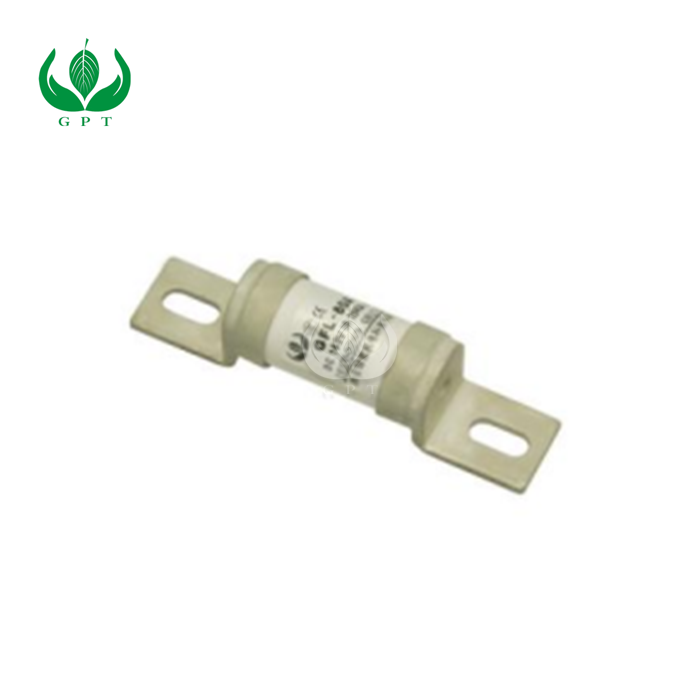
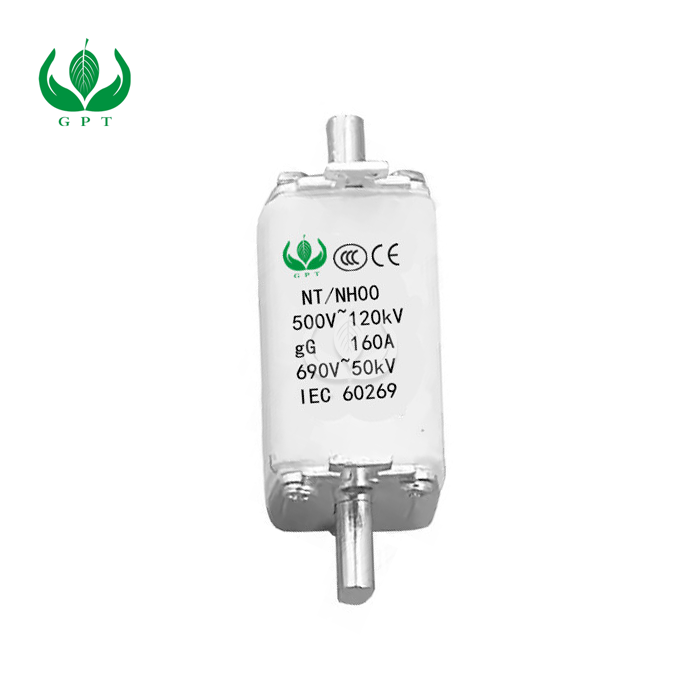
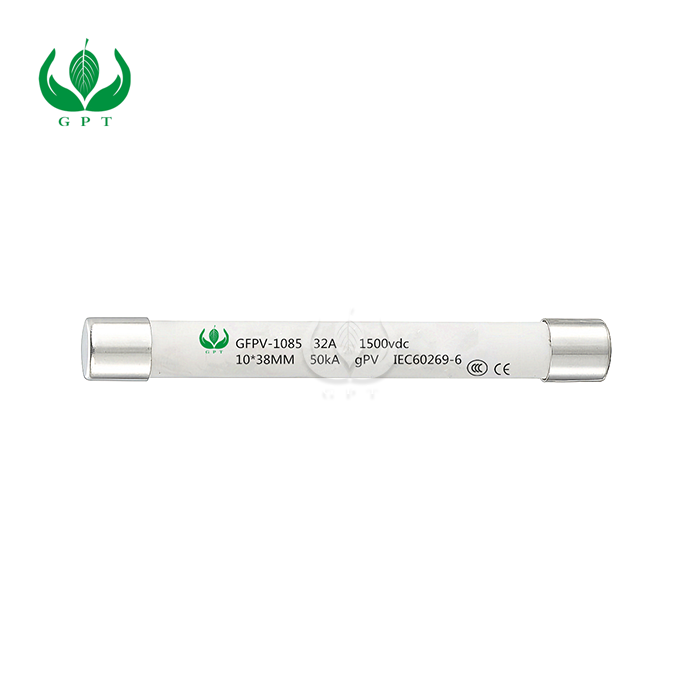
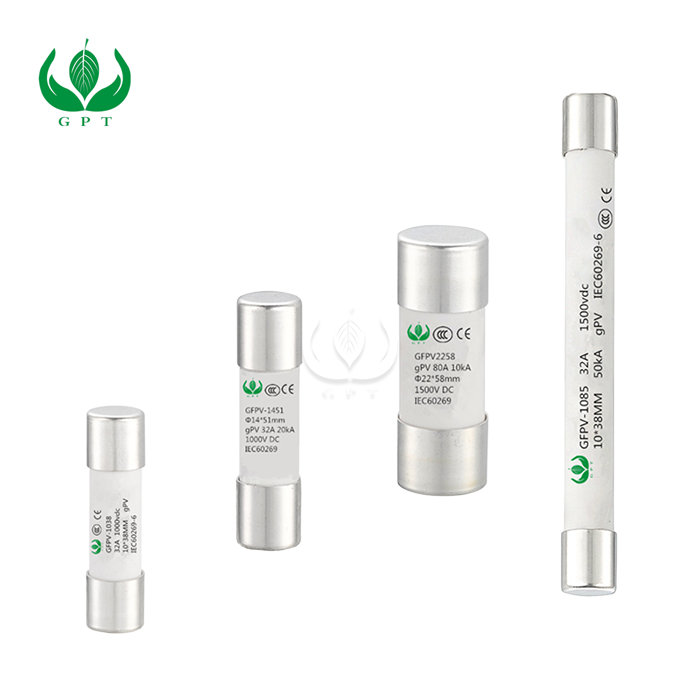
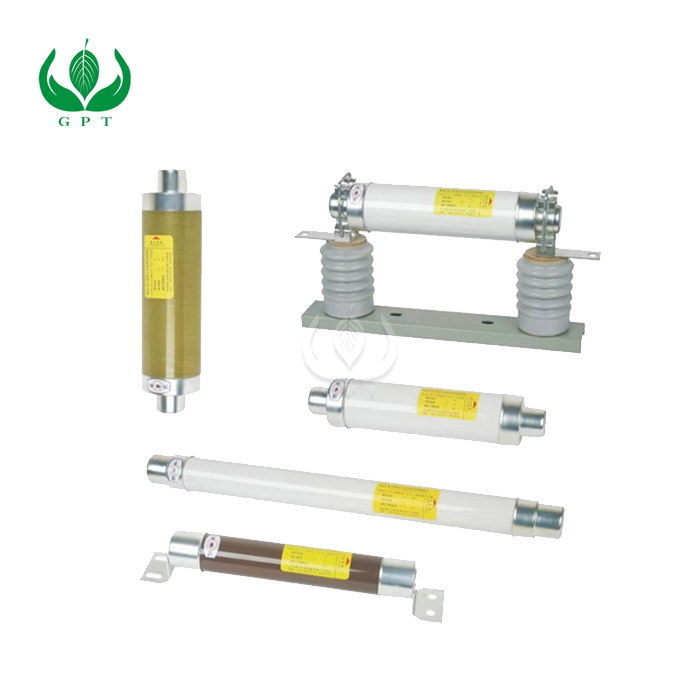
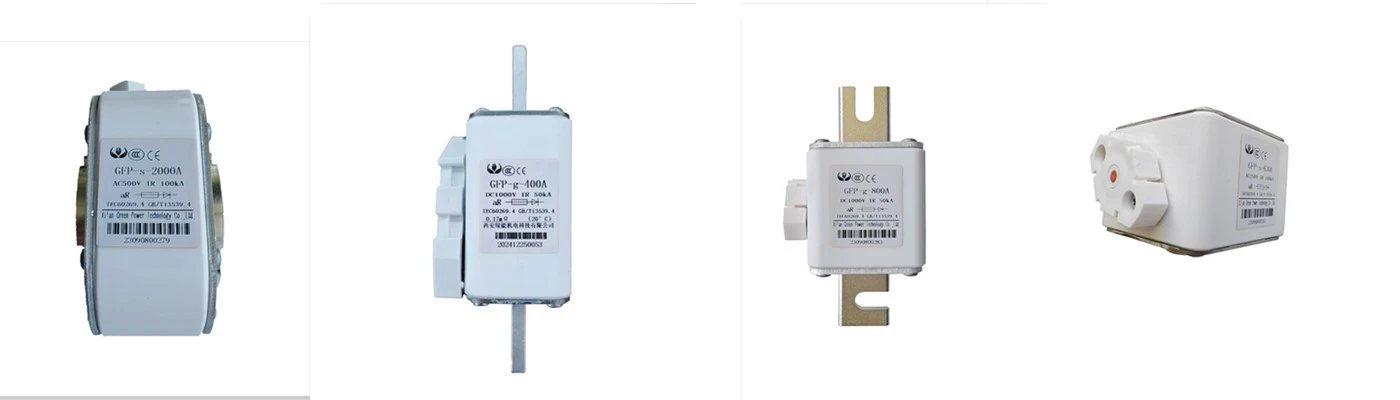
Electric vehicle charging stations mostly use high-voltage DC fuses with breaking limits up to 50 kA for DC circuits. These fuses are rated between 32A and 1200A. In fast charging infrastructure, these specialized fuse EV charging parts prevent overloads, short circuits, and heat runaway events. Modern charging stations usually use automotive-grade fuses that are approved to IEC60269 standards. These fuses can quickly extinguish arcs and stay thermally stable in very hot or cold conditions, from -40°C to +125°C.
Understanding EV Charging Station Electrical Architecture
Modern electric vehicle charging infrastructure operates on complex electrical systems that demand robust protection mechanisms. Public charging networks utilize multi-level protection schemes incorporating both AC and DC fusing solutions. Level 2 chargers commonly operate at 240V AC with current ratings between 32A-80A, while DC fast chargers push boundaries with 800V+ systems delivering up to 350kW of power.
The way electricity is set up is very different between charge point types. When home EV chargers are installed, they usually use easier safety systems with normal home breakers. On the other hand, business fast charging stations need special high-voltage switches that can cut off fault currents over 20 kA. These parts of the charging system have to stand up to temperature cycles, electromagnetic interference, and mechanical shaking from high-power switching operations all the time.
Smart charge systems become more complicated when they can send power in both directions. Vehicle-to-grid charging applications need fuses that can protect against situations where current flows in the opposite direction and that can keep the system working normally when grid synchronization events happen. Because of this technology development, people want more and more advanced safety features for electric vehicle charging.
DC Fast Charger Fuse Requirements
DC fast charger installations present unique protection challenges due to their high-power density and rapid charging capabilities. These systems operate at voltage levels reaching 1000V DC with current flows exceeding 400A during peak charging cycles. The fuse selection process must account for inrush current characteristics, continuous operating conditions, and fault clearing requirements.
Thermal management becomes critical in fast charging station environments where power electronics generate substantial heat loads. Advanced fusing solutions incorporate water-cooled designs that maintain stable operation even during extended high-power charging sessions. Arc suppression performance proves essential given the high energy levels involved in DC fault interruption.
Breaking capacity specifications for DC fast fuses typically range from 20kA to 50kA depending on the charging network configuration and utility connection characteristics. Public EV charging installations must also consider coordination with upstream protective devices to ensure selective operation during fault conditions. This coordination prevents unnecessary outages affecting multiple charging points within the same facility.
AC Charging Protection Systems
Level 2 charger installations rely heavily on AC protection systems that interface with existing electrical infrastructure. These charging solutions operate at 208V-480V AC with power levels typically ranging from 7kW to 22kW. The fusing approach must address both normal operating conditions and fault scenarios including ground faults, phase imbalances, and overcurrent situations.
Renewable energy charging applications introduce additional variables through intermittent power source characteristics. Solar-powered charging stations require specialized protection that accommodates fluctuating input conditions while maintaining stable EV battery charging performance. Wind-powered installations face similar challenges with variable generation profiles affecting protection system coordination.
Home EV charger protection typically utilizes standard molded case circuit breakers combined with ground fault protection. However, smart charging implementations may require more sophisticated protection schemes that coordinate with utility demand response programs and time-of-use pricing structures.
Material Science Behind EV Charging Fuses
The demanding operating environment of electric vehicle charging applications drives continuous innovation in fuse materials and construction techniques. Silver alloy contacts provide superior conductivity and arc extinction characteristics essential for high-current DC applications. Flame-retardant casings ensure safety compliance while withstanding thermal stress from power cycling operations.
Ceramic and glass fiber arc extinction media enable rapid fault clearing in high-voltage applications. These materials maintain dimensional stability across wide temperature ranges while providing consistent interrupting performance. Advanced metallurgy techniques create fuse links that deliver precise melting characteristics optimized for fuse EV charging load profiles.
Environmental considerations influence material selection for outdoor charging infrastructure installations. UV-resistant housing materials prevent degradation from solar exposure while moisture-sealed designs protect internal components from weather infiltration. These material advances enable reliable operation across diverse climate conditions encountered in global charging networks.
Safety Standards and Certification Requirements
EV charging safety standards continue evolving as the industry matures and charging power levels increase. IEC60269 provides fundamental requirements for low-voltage fuses while IEC61851 addresses specific EV charging system safety considerations. Automotive-grade components must meet IATF16949 quality standards ensuring consistent performance in demanding applications.
Regional certification requirements vary significantly across global markets. European installations require CE marking and compliance with EN standards, while North American markets demand UL listing for charging station components. Asian markets typically require CCC certification along with compliance to national standards specific to each country.
RoHS compliance ensures environmental responsibility throughout the product lifecycle while eliminating hazardous substances from manufacturing processes. These environmental standards become increasingly important as EV adoption scales globally and regulatory frameworks emphasize sustainability across all infrastructure components.
Installation Considerations for Different Charging Types
Charging station installation requirements vary dramatically based on power levels, location characteristics, and utility interconnection specifications. Public EV charging facilities often require coordination with local electrical inspectors to ensure compliance with National Electrical Code requirements and local amendments.
Wireless EV charging systems introduce unique installation challenges related to electromagnetic field containment and foreign object detection capabilities. These systems require specialized protection schemes that monitor charging alignment and automatically disconnect power during fault conditions or misalignment scenarios.
EV charging network installations must consider scalability requirements and future expansion possibilities. Proper fuse sizing ensures adequate protection while accommodating potential load growth as EV adoption increases within service territories. Load management systems may also influence protection coordination requirements.
Troubleshooting Common Fuse Issues
Preventive maintenance programs help identify potential fuse issues before they impact charging availability. Visual inspection protocols should include checking for discoloration, mechanical damage, and proper mounting torque specifications. Thermal imaging surveys can detect developing problems through temperature pattern analysis.
Nuisance tripping often results from improper fuse selection or coordination issues with other protective devices. Load analysis helps determine whether observed current levels fall within normal operating ranges or indicate developing equipment problems. EV charging app data can provide valuable insights into charging session characteristics and load patterns.
Replacement procedures must follow manufacturer specifications and industry best practices. De-energization protocols ensure worker safety while proper handling techniques prevent damage to sensitive fuse components. Documentation requirements help maintain maintenance records and warranty coverage.
Conclusion
Selecting appropriate fuses for EV charging stations requires careful consideration of voltage levels, current ratings, breaking capacity, and environmental conditions. Modern charging infrastructure demands specialized protection solutions that balance safety, reliability, and performance across diverse operating scenarios. As charging power levels continue increasing and new technologies like wireless charging emerge, fuse technology must evolve to meet these expanding requirements. Proper fuse selection, installation, and maintenance ensure safe, reliable operation while minimizing downtime and maintenance costs throughout the charging system lifecycle.
Why Choose Green Power for Your EV Charging Fuse Needs?
Green Power delivers industry-leading fuse EV charging solutions backed by over two decades of high-voltage protection expertise. Our automotive-grade components meet stringent IATF16949 standards while providing customizable specifications tailored to your charging infrastructure requirements. Advanced water-cooled designs ensure reliable operation in the most demanding fast charging applications.
Our comprehensive certification portfolio includes CE, TUV, CCC, and RoHS compliance, enabling seamless global deployment across diverse markets. As a trusted fuse EV charging supplier, we maintain strict quality control through 100% pre-shipment testing and traceable materials ensuring batch-to-batch consistency. Rapid prototyping capabilities deliver custom solutions within seven days, accelerating your product development timeline.
Technical support from our R&D team, backed by China XD Group and Xi'an Jiaotong University expertise, ensures optimal fuse selection for your specific application requirements. Our agile supply chain delivers bulk orders within 30 days while maintaining competitive pricing for volume customers. Ready to enhance your charging infrastructure protection? Contact us at fusemaker@163.com to discuss your project requirements and receive technical guidance from our engineering team.
References
International Electrotechnical Commission. "IEC 60269-1: Low-voltage fuses - Part 1: General requirements." Geneva: IEC Publications, 2020.
Society of Automotive Engineers. "SAE J2929: Electric Vehicle Battery Pack Safety and Protection Specifications." Warrendale: SAE International, 2022.
Institute of Electrical and Electronics Engineers. "IEEE 1547.3: Guide for Monitoring, Information Exchange, and Control of Distributed Resources Interconnected with Electric Power Systems." New York: IEEE Press, 2021.
Underwriters Laboratories. "UL 2594: Standard for Electric Vehicle Supply Equipment." Northbrook: UL Solutions, 2023.
National Fire Protection Association. "NFPA 70: National Electrical Code Article 625 - Electric Vehicle Charging Systems." Quincy: NFPA Publications, 2023.
European Committee for Electrotechnical Standardization. "EN 61851-1: Electric vehicle conductive charging system - Part 1: General requirements." Brussels: CENELEC, 2022.