_1752570870823.webp)
When protecting Variable Frequency Drives (VFDs), choosing between fast acting and semiconductor fuses determines system reliability. Fast acting fuses provide broader overcurrent protection with response times under 20ms, while semiconductor fuses offer ultra-precise protection for power electronics with let-through energy below 0.1I²t. Class J fast acting fuse solutions excel in VFD applications requiring robust protection against overloads and short circuits, particularly in harsh industrial environments where durability matters as much as speed.
Understanding VFD Protection Requirements
Variable Frequency Drives convert fixed-frequency AC power into variable-frequency output, controlling motor speeds across industrial applications. These sophisticated power electronics face multiple electrical threats:
Overcurrent protection becomes critical when motors experience sudden load changes or mechanical binding. VFD inverter sections contain sensitive IGBT modules that cannot withstand prolonged current surges without permanent damage.
Short circuit conditions present the most severe threat. Fault currents can reach 10-50 times normal operating levels within milliseconds, requiring immediate interruption to prevent catastrophic equipment failure.
Thermal protection ensures VFD components operate within safe temperature ranges. Continuous overloads generate excessive heat that degrades semiconductor junctions and capacitor life expectancy.
Three core protection challenges emerge:
- Coordinating protection with upstream circuit breakers
- Minimizing let-through energy to sensitive components
- Maintaining system availability during transient conditions
If you need comprehensive VFD protection against multiple fault types, understanding fuse characteristics becomes essential for optimal selection.
Fast Acting Fuse Characteristics and Performance
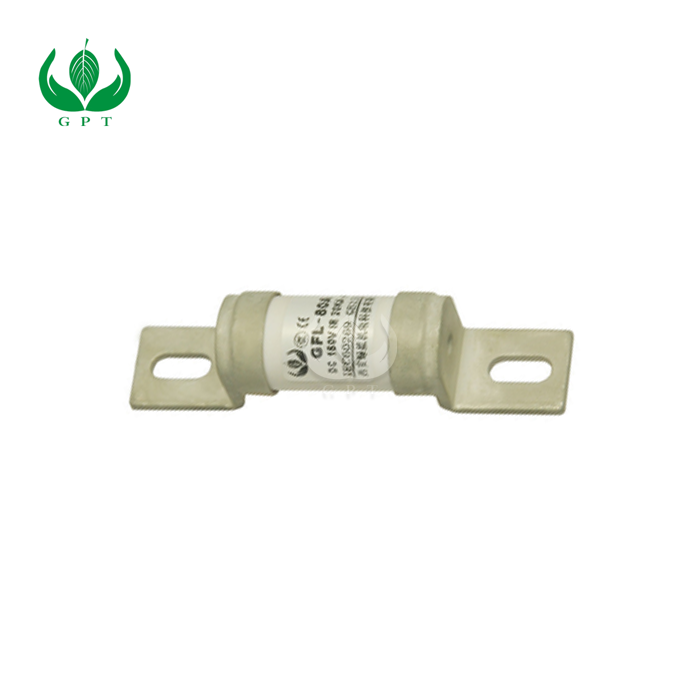
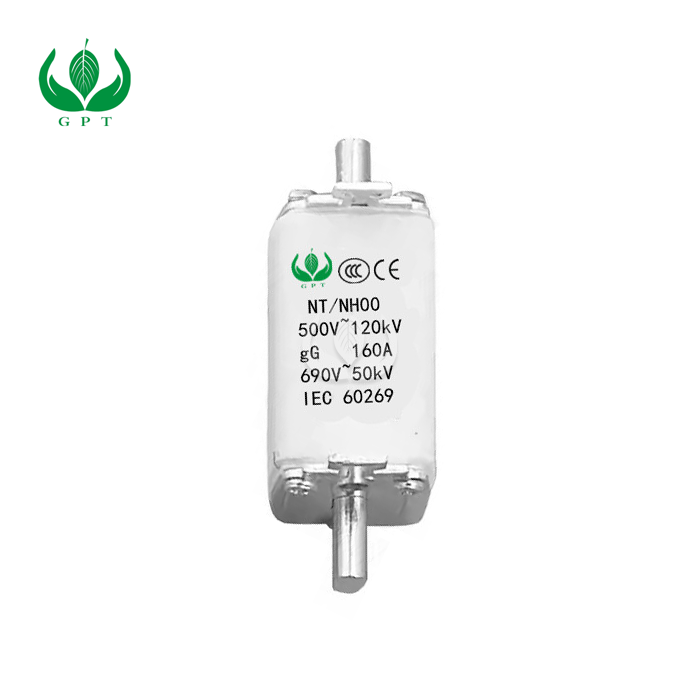
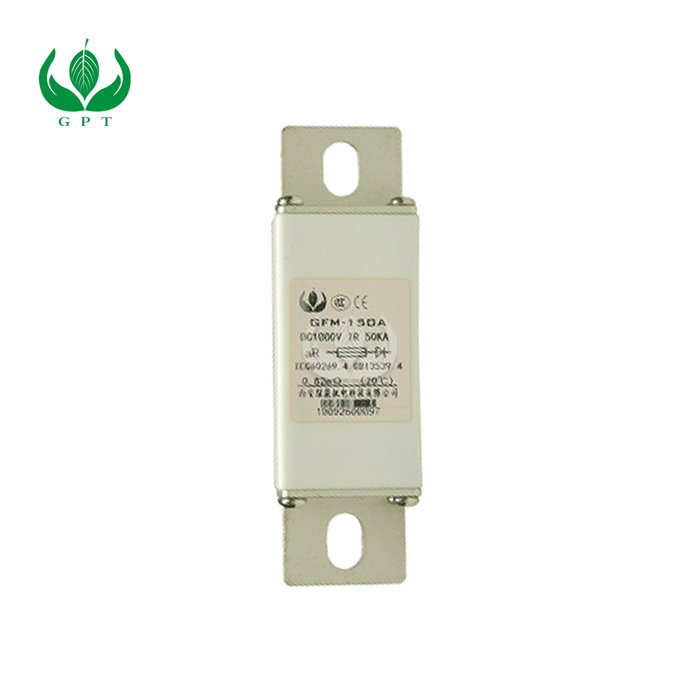
Class J fast acting fuse technology delivers reliable protection through current-limiting design and rapid arc extinction. These fuses interrupt fault currents within one-quarter cycle, typically achieving response times between 8-20 milliseconds.
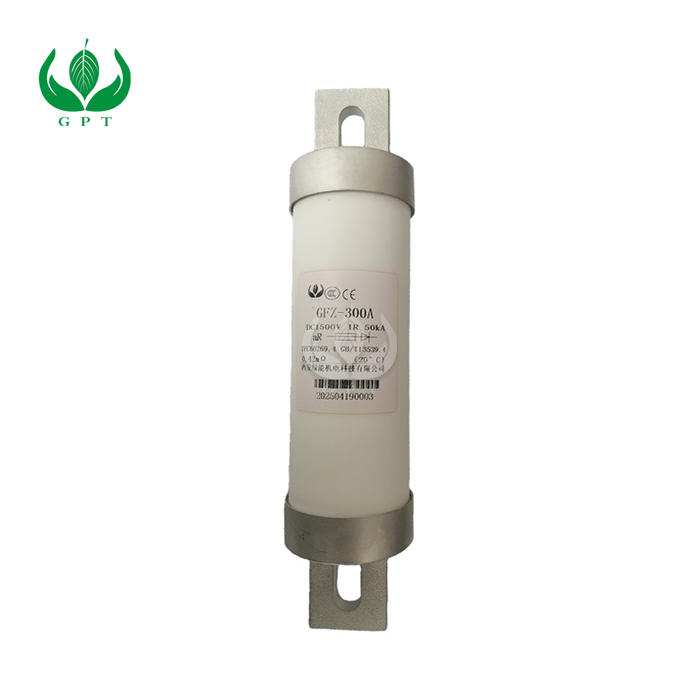
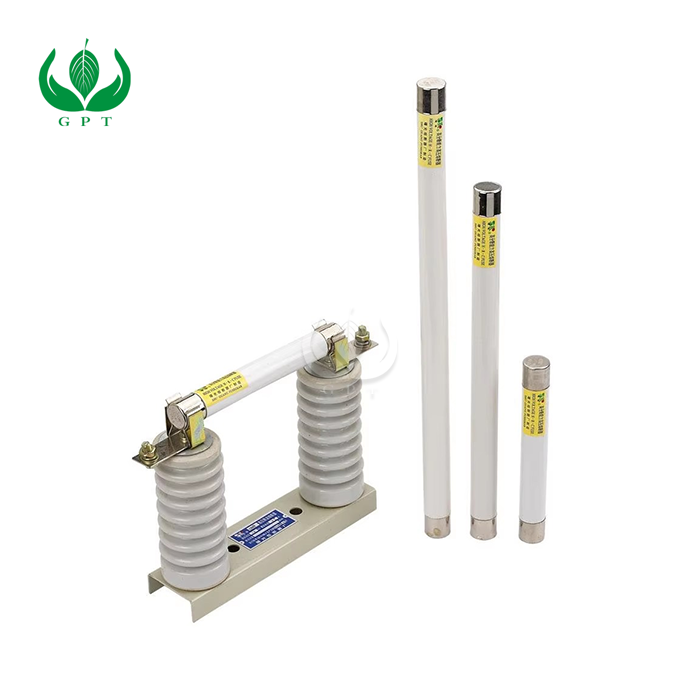
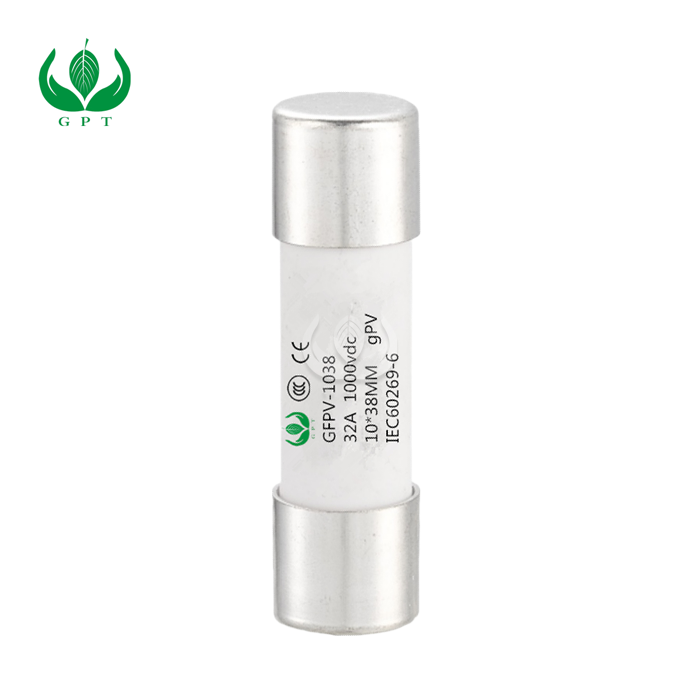
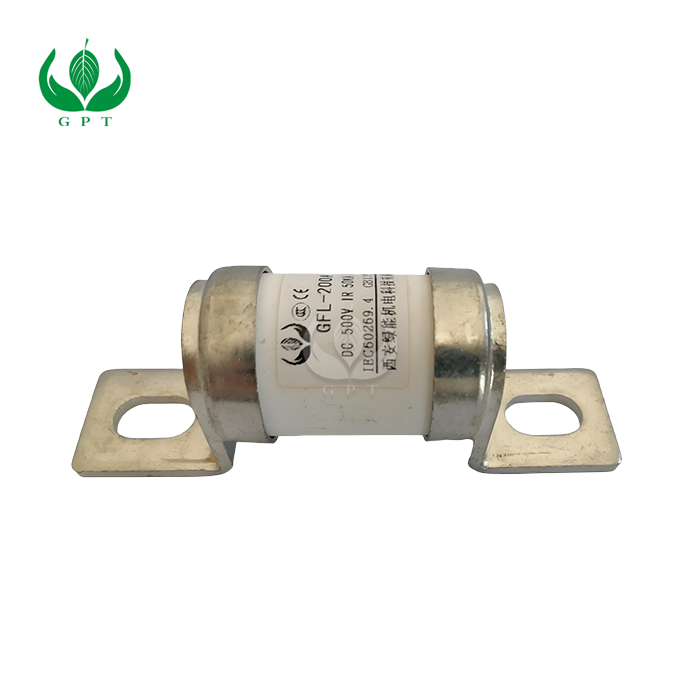
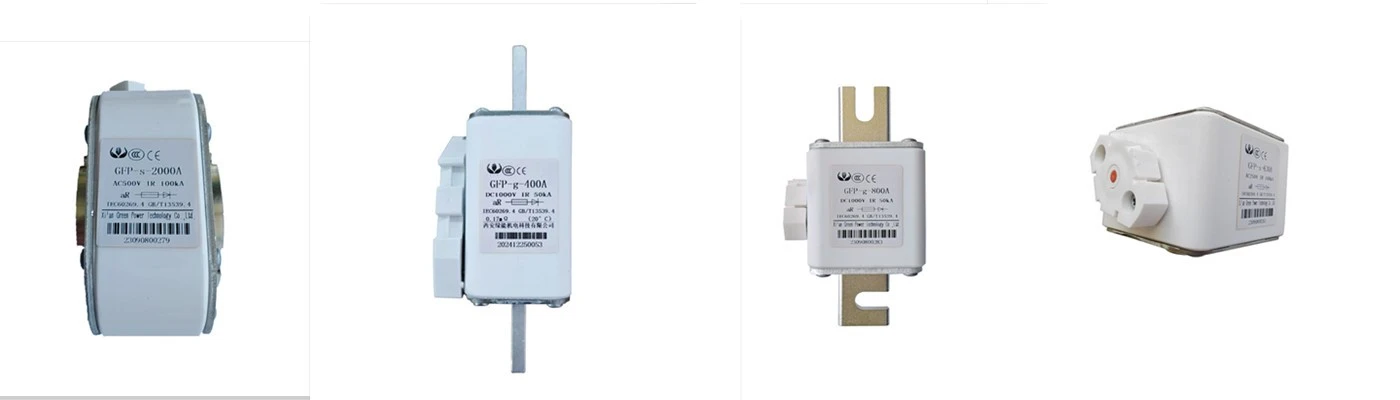
Current ratings span from 32A to 1200A, accommodating VFD applications from small machinery to large industrial drives. Breaking capacity reaches AC100kA and DC50kA, providing substantial fault current handling capability.
Construction features include:
- Ceramic bodies for superior arc quenching
- Silver-plated terminals ensuring low contact resistance
- Sand-filled chambers for reliable interruption
- aR protection characteristics optimized for semiconductor circuits
Operating temperature ranges extend from -50°C to +125°C, supporting outdoor installations and high-ambient applications. The robust design withstands vibration, moisture, and thermal cycling common in industrial environments.
Test data demonstrates impressive performance metrics. Independent laboratory testing shows I²t values below 5000 A²s for 100A ratings, effectively limiting fault energy reaching VFD components.
If you need protection against both overloads and short circuits in demanding environments, fast acting fuses provide proven reliability across diverse applications.
Semiconductor Fuse Technology Deep Dive
Semiconductor fuses represent specialized protection engineered specifically for power electronics. Ultra-fast response characteristics achieve interruption times under 1 millisecond for severe fault conditions.
These fuses excel in let-through energy minimization. Premium semiconductor fuses limit I²t to 0.05-0.1 times rated current squared, protecting delicate IGBT and MOSFET devices from thermal stress.
Design optimization focuses on:
- Precisely calibrated melting elements
- Advanced arc extinction media
- Minimal internal inductance
- Temperature-stable characteristics
Current ratings typically range from 5A to 1000A, covering most VFD protection requirements. Voltage ratings extend up to 1500V DC, supporting high-voltage drive applications.
Laboratory testing reveals exceptional precision. Time-current characteristics maintain ±5% tolerance across temperature ranges, ensuring predictable protection coordination.
Semiconductor fuses demonstrate superior performance in protecting against short circuit faults. However, their ultra-fast characteristics may cause nuisance tripping during motor starting or transient overloads.
If you need maximum protection for expensive power semiconductors and can accept higher sensitivity to transients, semiconductor fuses deliver unmatched precision.
Comprehensive Performance Comparison
Evaluating fuse technologies requires examining multiple performance criteria affecting VFD protection effectiveness.
| Parameter | Fast Acting Fuse | Semiconductor Fuse |
|---|---|---|
| Response Time | 8-20ms | 0.5-1ms |
| Let-through Energy | Moderate (I²t: 5000 A²s) | Ultra-low (I²t: 50 A²s) |
| Overload Tolerance | High | Low |
| Cost per Unit | Standard | Premium (3-5x) |
| Environmental Durability | Excellent | Good |
Interrupting capacity analysis reveals important distinctions. Fast acting fuses handle higher fault currents consistently, while semiconductor fuses excel in precise low-energy interruption.
Temperature stability testing shows fast acting fuses maintain consistent performance across wider operating ranges. Semiconductor fuses require more controlled environments for optimal operation.
Coordination with motor protection requires careful consideration. Fast acting fuses provide better compatibility with thermal overload relays, while semiconductor fuses may require specialized coordination studies.
Cost analysis extends beyond initial purchase price. Fast acting fuses typically offer longer service life in harsh environments, reducing replacement frequency and maintenance costs.
Application-Specific Selection Guidelines
Choosing optimal VFD protection depends on specific application requirements and operating conditions.
Industrial motor drives benefit from fast acting fuse protection when reliability and cost-effectiveness matter most. Manufacturing environments with frequent load variations favor the overload tolerance of fast acting designs.
Critical applications protecting expensive VFDs justify semiconductor fuse investment. Precision manufacturing equipment, where drive replacement costs exceed protection costs, represents ideal semiconductor fuse applications.
Environmental factors influence selection significantly:
- High-vibration applications favor robust fast acting construction
- Extreme temperature environments require fast acting durability
- Clean room applications may prefer semiconductor fuse precision
Electrical safety considerations include coordination with upstream protection. Fast acting fuses coordinate more easily with standard circuit breakers and motor starters.
Maintenance requirements differ substantially. Fast acting fuses typically require less frequent inspection and replacement, reducing operational costs over equipment lifetime.
If you need protection for standard industrial VFDs in typical environments, fast acting fuses provide optimal cost-effectiveness and reliability.
If you need maximum protection for high-value precision drives in controlled environments, semiconductor fuses deliver superior performance despite higher costs.
Green Power's Class J Fast Acting Fuse Advantages
Xi'an Green Power Technology delivers industry-leading Class J fast acting fuse solutions engineered specifically for demanding VFD applications.
- Superior Breaking Capacity: AC100kA/DC50kA interrupting capability exceeds industry standards, handling severe fault currents in high-power VFD installations reliably
- Ultra-Fast Response: ≤20ms interruption time prevents thermal damage to VFD semiconductors while maintaining coordination with system protection
- Extended Voltage Range: DC1000V/AC1250V ratings accommodate modern high-voltage VFD technologies and future system expansions seamlessly
- Automotive-Grade Reliability: IATF 16949 certification ensures quality standards meeting EV and industrial automation requirements with proven durability
- Extreme Temperature Performance: -50°C to +125°C operating range supports outdoor installations and high-ambient industrial environments consistently
- Comprehensive Current Range: 32A-1200A coverage addresses VFD protection from small machinery to large industrial drive systems efficiently
- Advanced Construction: Ceramic bodies and silver-plated terminals provide superior arc extinction and low contact resistance for optimal performance
- Global Certifications: CE, TUV, CCC, and RoHS compliance ensures worldwide acceptance and environmental responsibility standards
- aR Protection Characteristics: Optimized time-current curves specifically designed for semiconductor protection in VFD applications
- Proven Durability: 1,000+ charge cycle testing validates long-term reliability in demanding electrical environments
- Customization Flexibility: OEM design modifications accommodate specific voltage, current, and form factor requirements without performance compromise
- Quality Heritage: 20+ years R&D experience backed by China XD Group expertise and Xi'an Jiaotong University research collaboration
- Rapid Delivery: 98% on-time delivery rate with regional warehouses reducing lead times for urgent protection requirements
- Technical Support: Engineering expertise provides application guidance and coordination studies for optimal VFD protection design
- Cost-Effective Protection: Superior price-performance ratio compared to premium semiconductor alternatives while maintaining excellent protection characteristics
Conclusion
VFD protection selection between fast acting and semiconductor fuses depends on application priorities, environmental conditions, and cost considerations. Fast acting fuses excel in standard industrial applications requiring robust protection and cost-effectiveness. Semiconductor fuses serve specialized applications demanding ultra-precise protection for expensive power electronics. Class J fast acting fuse technology provides optimal balance of performance, reliability, and value for most VFD installations. Green Power's advanced protection solutions combine proven reliability with innovative features, ensuring your electrical systems operate safely and efficiently across diverse industrial applications.
Why Choose Green Power as Your Class J Fast Acting Fuse Manufacturer?
Selecting the right protection partner ensures VFD systems operate reliably across their service life. Green Power combines manufacturing excellence with technical innovation, delivering protection solutions that exceed expectations.
Our engineering team brings decades of experience in power electronics protection. Having developed breakthrough water-cooled fuse technology in 2018, we continue pushing protection innovation boundaries while maintaining proven reliability.
Manufacturing facilities operate under ISO9001 and IATF16949 quality systems, ensuring consistent product excellence. Every Class J fast acting fuse supplier relationship benefits from rigorous quality control and comprehensive testing protocols.
Electrical equipment protection requires understanding application nuances. Our technical support team provides coordination studies, application guidance, and custom solutions tailored to specific VFD requirements.
Global certification portfolio includes UL, CSA, CE, and GB/T31465 approvals, enabling worldwide deployment without compliance concerns. Pre-certified variants reduce project timelines and regulatory complexity.
Sustainable manufacturing practices align with environmental goals. RoHS-compliant materials and energy-efficient production processes support green manufacturing initiatives without compromising performance.
Partnership extends beyond product supply. We provide ongoing technical support, application training, and rapid response to evolving protection requirements throughout equipment lifecycles.
Ready to enhance your VFD protection strategy? Our experienced team stands prepared to discuss your specific application requirements and recommend optimal protection solutions. Contact us at fusemaker@163.com to explore how Green Power's advanced protection technology can safeguard your critical electrical systems while reducing operational costs and improving reliability.
References
IEEE Standard C37.48-2020: Guide for the Application, Operation, and Maintenance of High-Voltage Fuses, Capacitor Switches, and Accessories
IEC 60269-4:2006 Low-voltage fuses - Part 4: Supplementary requirements for fuse-links for the protection of semiconductor devices
NEMA FU-1-2017: Low Voltage Cartridge Fuses - Application Guide for Protection of Power Electronics
UL 248-8: Standard for Safety - Low-Voltage Fuses - Part 8: Class J Fuses
IEC 61800-5-1:2007: Adjustable speed electrical power drive systems - Safety requirements - Electrical, thermal and energy
IEEE 242-2001: Recommended Practice for Protection and Coordination of Industrial and Commercial Power Systems