_1752570870823.webp)
Motor rated fuses protect against electrical faults and allow for regular startup current surges. This makes motors safer and more reliable. Unlike normal protective devices, these specially designed parts have time-delay features that stop nuisance tripping when the motor starts up and allow for quick fault interruption when overcurrent situations happen. Their exact current-time features, along with great breaking strength and heat resistance, make them necessary for safeguarding important motor parts in industry settings where equipment not working means losing money.
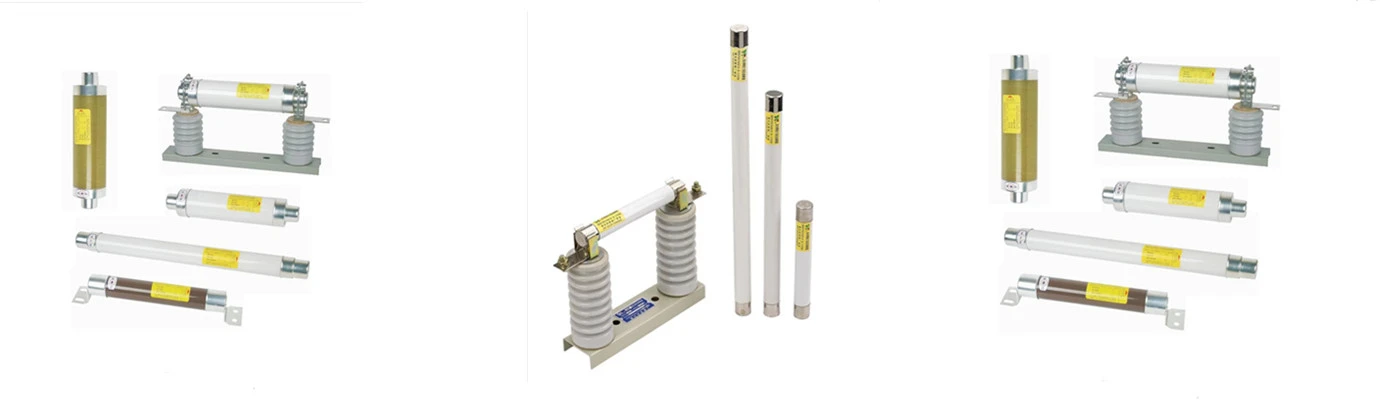
Understanding Motor Rated Fuses and Their Role in Motor Protection
Motor rated fuses are made in a special way so that they can protect motors from overloads and short circuits without the annoying trips that happen a lot with general-purpose fuses. Unlike regular fuses, they can safely cut off the high inrush currents that happen when motors start up while still protecting against faults in a precise way. Their specialized design includes time-delay features that can handle the short-term current increase that happens when a motor speeds up. This increase is usually 5 to 10 times the full-load current and lasts for a few seconds.
Key Design Characteristics
The current-time properties of motor protection fuses are what they are based on. These devices are made with two elements, one that acts quickly and one that has a delayed reaction. The fast-acting part protects against short circuits with high magnitude right away, and the time-delay part takes care of overload situations and startup currents. This two-part method guarantees full safety without making it impossible for the motor to start.
Electrical Specifications and Standards
Voltage ratings from 80V to 12kV, current ratings from 1A to 800A, and breaking capacities up to 50kA are important electrical specs. These fuses work well in temperatures from −40°C to +125°C, which makes them a good choice for tough industrial settings. Following international safety guidelines such as GB15166.2 and IEC 282-1 makes sure that the product works with others around the world and follows the law. In high-voltage distribution applications, where reliability cannot be compromised, motor rated fuses are essential in current motor protection systems.
Protection Coordination
Understanding how motor rated fuses work with other protective devices is essential for effective security coordination. In many setups, these fuses work with thermal overload relays and motor safety switches to provide full coverage. The aM utilization category under IEC standards especially focuses on motor circuit duty. It stresses short-circuit protection and works with other protective parts to ensure full safety of the motor.
Advantages of Motor Rated Fuses Over Traditional Protection Devices
Motor rated fuses are better than regular fuses and circuit breakers in several ways, such as handling the high currents that happen when motors start up and reducing the heat and electricity that wear motors out over time. Their specialized design allows them to accurately tell the difference between normal working conditions and real fault scenarios. This means that unlike general-purpose protection devices, they won't trip for no reason.
Superior Startup Current Handling
The main benefit is that it can handle inrush currents well. When standard motors start up, they can draw 6 to 8 times their full-load power. This makes things hard for standard protective devices. Motor-rated fuses have time-delay features that are specially set for these situations. Class RK5 time-delay fuses are widely used in industry. They can handle these short surges while still being able to detect real fault conditions.
Enhanced Reliability and Longevity
These specialized devices are more reliable, so they reduce unexpected downtime and repair costs. Motor rated fuses keep working consistently throughout their service life, unlike circuit breakers that may lose touch over time. Their sealed construction keeps the surroundings clean, and the ceramic housings make them stable in terms of temperature and mechanics. This dependability means that upkeep can be done less often, and it costs less overall to own.
Performance Comparison
Motor rated fuses perform better in motor-specific situations than semiconductor fuses and general-purpose devices. Semiconductor fuses react very quickly, making them great for protecting delicate electronics. Motor rated fuses, on the other hand, strike a balance between speed and restart tolerance. While circuit breakers may be easy to reset, they usually don't have the exact current-time features needed to protect motors in the best way. Choosing the right fuse can stop terrible motor failures, as shown by cases from the real world. This shows that fuses are useful for making sure that operations are safe and reliable in all areas of industry.
Selecting the Right Motor Rated Fuse for Your Application
Choosing the correct motor rated fuse requires understanding motor type, load conditions, and environmental factors. The selection process involves analyzing motor full-load current, startup characteristics, ambient temperature conditions, and coordination requirements with other protective devices. Proper sizing typically involves selecting a fuse rated at approximately 125% of the motor's full-load current, then rounding up to the next available standard size.
Critical Selection Criteria
Several technical factors influence fuse selection beyond basic current ratings. Voltage ratings must meet or exceed circuit voltage levels, with safety margins for voltage transients. Breaking capacity requirements depend on available fault current levels at the installation point. Environmental considerations include ambient temperature effects, as fuses rated at 25°C may require derating in higher temperature applications. The fuse's time-current characteristics must coordinate properly with motor thermal limits to prevent damage during overload conditions.
Installation and Maintenance Best Practices
Proper installation practices significantly impact fuse performance and safety. Fuse holders must provide secure electrical connections to minimize resistance and heat generation. Regular inspection schedules should include checking for signs of overheating, corrosion, or mechanical damage. Replacement procedures require using identical fuse types and ratings to maintain protection coordination. Documentation of installation dates and replacement history helps track performance patterns and optimize maintenance schedules.
Bulk Purchasing and Custom Solutions
Industrial facilities often benefit from standardizing on specific fuse types and maintaining adequate spare inventory. Bulk purchasing strategies can reduce costs while ensuring availability during maintenance outages. Custom options may be necessary for specialized applications, particularly in high-voltage systems or unique environmental conditions. Working with experienced fuse manufacturers enables access to application engineering support and custom design capabilities. With proper fuse selection and care, businesses ensure optimal motor protection and compliance with safety regulations while minimizing operational disruptions.
Procurement Insights for Industrial Buyers
Industrial buyers must navigate diverse supplier offerings and logistics considerations when purchasing motor rated fuses. The market includes established manufacturers like Littelfuse, Eaton, ABB, and Schneider Electric, each offering distinct product portfolios and technical capabilities. Sourcing strategies range from direct manufacturer relationships to distributor partnerships, with each approach offering specific advantages regarding pricing, availability, and technical support.
Supplier Evaluation and Quality Assurance
Evaluating potential suppliers requires examining their quality certifications, manufacturing capabilities, and technical support resources. ISO 9001 quality management systems provide baseline assurance, while automotive-specific IATF 16949 certification indicates advanced quality processes. Product certifications like CE, TUV, and UL demonstrate compliance with international safety standards. Manufacturing facility capabilities, including testing equipment and production capacity, influence delivery reliability and product consistency.
Lead Times and Inventory Management
Standard motor rated fuses typically maintain 2-4 week lead times from major suppliers, while custom configurations may require 6-8 weeks. Inventory management strategies should balance carrying costs against stockout risks, particularly for critical production equipment. Many facilities implement just-in-time ordering for standard items while maintaining safety stock for critical applications. Supplier partnerships can include vendor-managed inventory programs that reduce administrative burden while ensuring availability.
Green Power Technology: Your Trusted Partner
Green Power stands out among motor rated fuse suppliers through our comprehensive technical expertise and commitment to quality excellence. Founded in 2016 and backed by experts from China XD Group and Xi'an Jiaotong University, we bring over 20 years of R&D experience to every project. Our product range includes specialized series designed for demanding applications, from ultra-fast semiconductor protection to robust energy storage solutions. With certifications including ISO 9001, IATF 16949, CE, TUV, CCC, and RoHS, we ensure consistent quality and global compliance. Our 15-day lead times and 24/7 technical support demonstrate our commitment to customer success, while our minimum order quantity of just 5 pieces makes us accessible to projects of all sizes.
Conclusion
Motor rated fuses represent a critical investment in industrial safety and operational reliability. Their specialized design characteristics, including time-delay elements and superior breaking capacity, provide essential protection that standard devices cannot match. The selection process requires careful consideration of motor specifications, environmental conditions, and coordination requirements to ensure optimal performance. Quality suppliers offer the technical expertise and product reliability necessary for successful implementations. As industrial systems become more sophisticated and downtime costs continue rising, the importance of proper motor protection through specialized fusing solutions becomes increasingly evident across all industrial sectors.
FAQs
What distinguishes motor rated fuses from standard electrical fuses?
Motor rated fuses incorporate time-delay characteristics specifically designed to handle motor startup currents without nuisance tripping. They feature dual-element construction with both fast-acting and time-delay components, enabling them to tolerate 6-8 times normal current during motor acceleration while providing rapid protection against genuine faults. Standard fuses lack this sophisticated current-time relationship and often trip unnecessarily during normal motor starting.
How do I determine the correct current rating for my motor application?
Calculate the motor's full-load current from nameplate data, then multiply by 125% to account for normal operating variations. Round up to the next standard fuse size available. Consider startup characteristics, as high-inertia loads may require additional derating. Ambient temperature corrections may also apply, particularly in high-temperature environments where fuses operate above their standard 25°C rating.
Can motor rated fuses protect against all types of motor faults?
Motor rated fuses primarily protect against short circuits and some overload conditions. They work best when coordinated with thermal overload relays or motor protection switches for comprehensive coverage. While they excel at preventing catastrophic damage from electrical faults, they may not respond quickly enough to prevent motor damage from locked rotor conditions or sustained moderate overloads.
What maintenance requirements do motor rated fuses have?
Motor rated fuses require minimal maintenance beyond periodic visual inspection for signs of overheating, corrosion, or mechanical damage. Check connections for tightness and cleanliness. Replace fuses that show any signs of deterioration or after any fault operation. Maintain spare inventory of correct types and ratings. Document replacement dates to track performance patterns and identify potential system issues.
Partner with Green Power for Superior Motor Protection Solutions
Motor rated fuses demand precision engineering and proven reliability to protect your valuable industrial assets effectively. Green Power delivers both through our advanced GFZ, GFM, and GFC series, each engineered for specific application requirements. Our motor rated fuses supplier credentials include comprehensive certifications and over two decades of specialized experience in high-voltage protection systems.
Contact our technical team at fusemaker@163.com to discuss your specific motor protection requirements. We provide customized solutions for voltage ranges from 80V to 12kV, with breaking capacities up to 50kA and operating temperatures from -40°C to +125°C. Our OEM services and low 5-piece minimum orders accommodate projects of any scale, while our 15-day delivery commitment keeps your operations running smoothly.
References
Institute of Electrical and Electronics Engineers. "IEEE Standard for Motor Protection and Coordination in Industrial and Commercial Power Systems." IEEE Standards Association, 2019.
National Electrical Manufacturers Association. "Application Guide for Motor Circuit Protection Devices in Industrial Installations." NEMA Publications, 2020.
International Electrotechnical Commission. "High-voltage Fuses for Motor Circuit Applications: Performance Requirements and Testing Procedures." IEC Technical Report 282-1, 2018.
Electric Power Research Institute. "Motor Reliability and Protection in Industrial Applications: Best Practices and Case Studies." EPRI Technical Update, 2021.
Society of Automotive Engineers. "Electrical Protection Systems for Electric Vehicle Motor Applications." SAE International Standards, 2020.
American Society for Testing and Materials. "Standard Test Methods for Electrical Protection Devices in Motor Applications." ASTM International, 2019.