_1752570870823.webp)
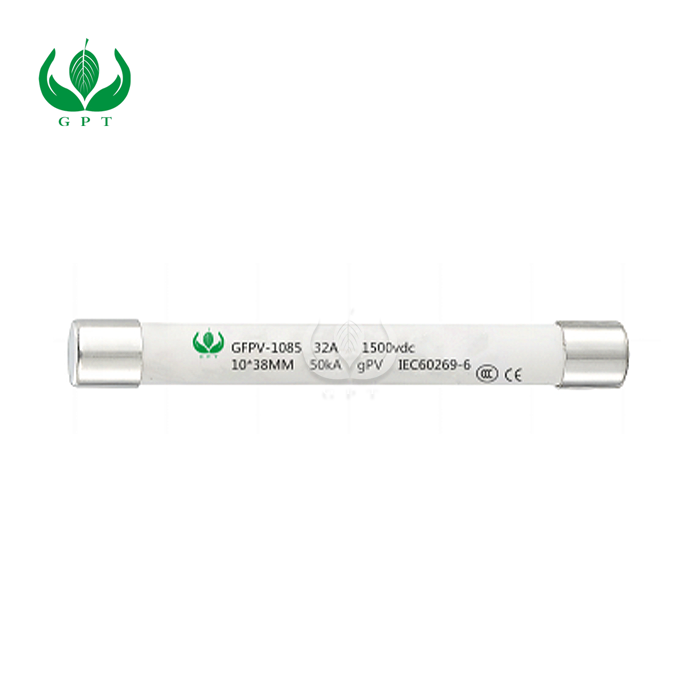
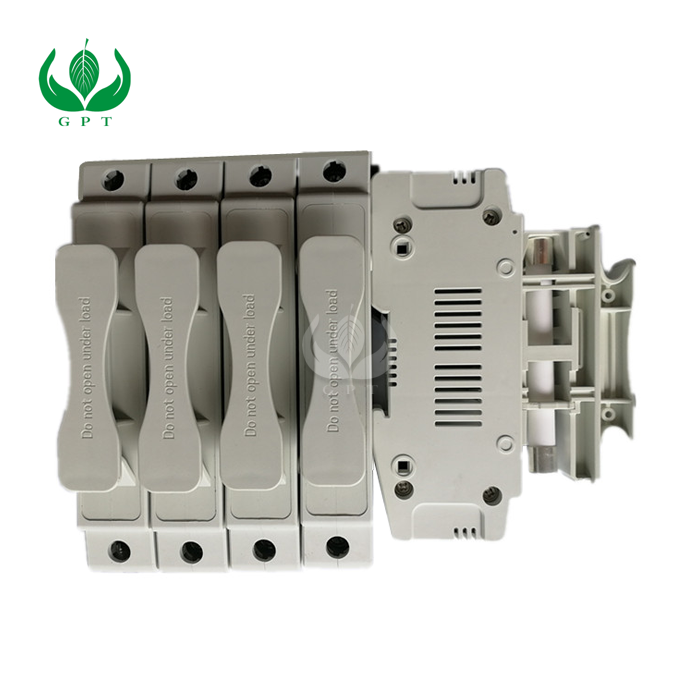
Semiconductor fuses for VFD are specialized safety devices that quickly stop fault currents before they can damage sensitive power electronics. These ultra-quick fuses were made to especially protect IGBTs, diodes, and other semiconductor parts in VFD circuits. They have better response times and current-limiting features than normal fuses. Because they are so important for keeping the system intact and avoiding expensive downtime, you can't do current industrial automation and power transfer without them.

Understanding Semiconductor Fuses for VFDs
Variable Frequency Drives represent sophisticated power electronics that control motor speed and torque through precise semiconductor switching. These systems need special safety that can react more quickly than standard circuit protection ways. Understanding how VFD protection fuses are different from other fuses is important for keeping the equipment working right and avoiding damage.
What Makes Semiconductor Protection Different?
Semiconductor fuses are designed and work in a very different way from regular fuses. These devices have very fast melting parts and high-tech arc-quenching methods that can stop fault currents in less than a second. Power electronics fuses react within the temperature resist time of delicate semiconductor devices. This is different from regular fuses, which can take several milliseconds to respond.
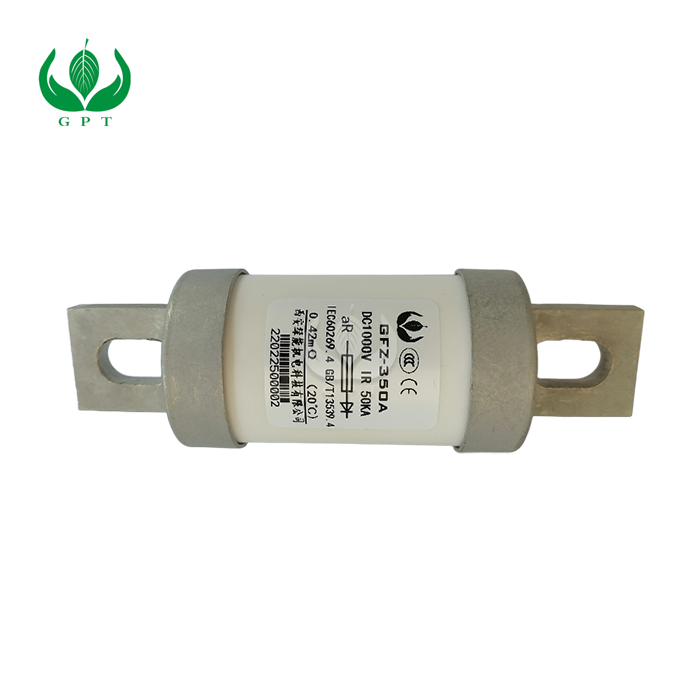
These specialized fuses are made with clay bodies filled with very pure silica sand, silver-plated connections for the best conductivity, and carefully measured fuse elements. These parts work together to keep the system running smoothly at a range of temperatures and with little resistance during normal operation.
Key Technical Specifications
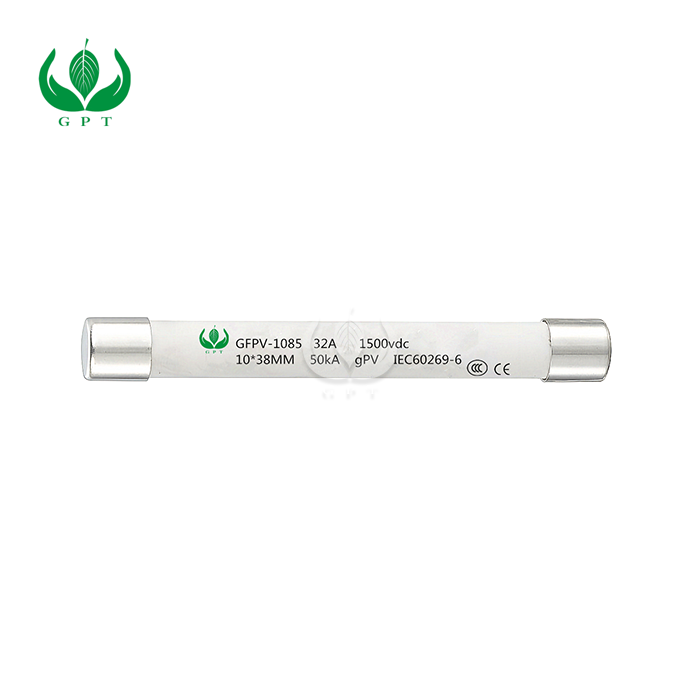
To make sure they protect properly, modern VFD protection fuses must meet a lot of difficult technical standards. It can handle up to DC 2000V of power, so it can be used in high-voltage settings like green energy systems and industry uses. The current rates, which cover a wide range of motor drive uses, from little automation systems to big industrial processes, usually run from 32A to 1600A.
Another important feature is the breaking ability, which can be as high as 100 kA for AC ratings and 50 kA for DC ratings. This high stopping capability makes sure that even very bad faults can be safely cleared without damaging nearby equipment or putting people at risk.
Why Use Semiconductor Fuses with VFDs?
Adding semiconductor fuses to VFD systems gives several layers of security that go beyond just protecting against overcurrent. These devices provide full protection that keeps system speed and stability high while also fixing the specific problems power electronics have.
Protection Against Semiconductor Failure
In VFD systems, when the IGBT or diode fails, it can cause catastrophic fault currents that spread all over the system. Before fault energy can get to other important parts, semiconductor fuses cut off broken parts so that this damage doesn't spread. The ultra-fast response features make sure that fault clearing happens within the temperature withstand limits of healthy semiconductors.
This safety is especially important in high-power situations where fault currents can reach tens of thousands of amperes. If the fuses aren't properly coordinated, the failure of just one part could destroy the whole system, and it could take a long time to fix.
Economic Benefits and Operational Advantages
Installing the right switch safety lowers upkeep costs and extends the lifespan of tools, which are both great for business. Proper semiconductor protection can lower the cost of replacing VFDs by up to 75% compared to systems that don't use the right protection, according to studies.
Here are the main ways that semiconductor fuses help VFDs work better:
Minimized Downtime: Quickly fixing faults minimizes system downtime, which lets regular activities start up again more quickly. This keeps production plans on track and stops the company from losing money.
Better Safety: Rapid fault separation stops arc flash accidents and makes electrical dangers safer for repair workers who work on VFD systems.
Longer Equipment Life: Fault energy limits controlled avoid system parts from aging and breaking down too quickly.
Better System Reliability: Coordinated security plans make sure that only faulty circuits are cut off and healthy parts of the system stay up and running.
These benefits make the overall system work better and lower the total cost of ownership for factories that use VFD technology.
Selecting the Right Semiconductor Fuses for VFDs
Choosing the right semiconductor fuses for VFD takes a close look at the system and the application's needs. The process of choosing must look at both electricity features and weather conditions to make sure that the security works the best it can.
Critical Selection Parameters
Voltage grade is the most important thing to look at when making a choice, because it means that both the regular working voltage and the possible temporary situations must be carefully thought about. The voltage level of the fuse needs to be higher than the system's maximum voltage by a good amount. This needs to be done while taking into account how altitude and temperature affect the system.
It is necessary to consider both the ongoing current needs and the possibility of overload situations when choosing a grade. The fuse needs to handle the normal load power without breaking down and also protect the circuit reliably when there is a fault. When the ambient temperature changes, it becomes very important to keep an eye on covered VFD boxes because the temperature inside may go above the normal rating conditions.
I²t Coordination and Let-Through Current
The I²t number shows how much heat energy the fuse lets through while clearing a fault. To make sure that this feature doesn't annoyingly affect how the semiconductor device works, it needs to be matched with its I²t resist capability. Proper teamwork makes sure that the fuse clears flaws before the secured parts get damaged.
The features of the let-through current decide what the highest current is that gets to the shielded circuit when there are breakdown conditions. Lower let-through values offer better safety, but these might need more expensive fuse technologies. For system design that is sensible with both cost and security in mind, finding a balance between these two factors must be done.
Comparing Semiconductor Fuses with Alternative Protection Methods
These days, VFD safety systems offer a number of different ways to protect against problems, each with its own pros and cons. Knowing these differences helps people make smart choices about the best ways to protect different kinds of apps.
Circuit Breakers versus Semiconductor Fuses
While circuit breakers offer re-settable security and advanced tracking features, they usually can't respond as quickly as electronic fuses. Because they can be programmed and communicate with other devices, electronic trip units are a good choice for complex control systems. But, their reaction time isn't very fast, so they might not be able to protect critical electronic devices during high-magnitude fault situations.
These different ways of protecting things also have very different maintenance needs. Circuit breakers need to be tested and calibrated every so often to make sure they work right, but fuses protect you without needing to be serviced until they need to be replaced.
Electronic Protection and Monitoring Systems
Newer electrical safety systems can track and diagnose problems in ways that old-fashioned fuses can't. These systems can sense when faults are forming and tell users of possible problems. But, they usually work with semiconductor fuses instead of removing them because of their slow response time, which makes them unable to provide main fault protection.
Adding electronic tracking to fuse protection makes a full protection plan that includes quick problem clearing as well as detailed system analysis and predicted maintenance.
Procurement and Supplier Insights for Semiconductor Fuses in VFD Applications
In order to successfully get VFD protection fuses, you need to know about both the technical needs and the supply chain. When you work with providers who know what they're doing, you can be sure you'll get the right goods and help with technical issues at every stage of the application process.
Quality Standards and Certifications
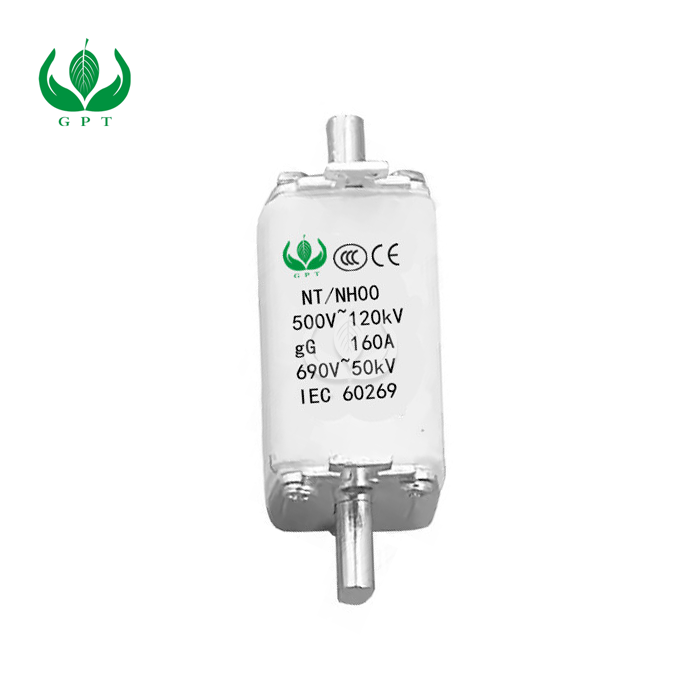
Following international standards makes sure that products are safe and reliable for a wide range of uses. Important approvals are IEC 60269 for general switch needs, UL 248 for use in North America, and certain car standards for electric vehicle uses. Products that meet these standards are tested in a very strict way to make sure they work in the situations they are meant to be used in.
Green Power's semiconductor fuses for VFD systems with TUV, CCC, and CE labels meet all of the standards for those certifications. Our goods meet the IEC60269, ISO8820, JASO D622, and GB/T31465 standards. This makes sure they will work with others and follow the rules in all places and uses.
Customization and Technical Support
A lot of situations need personalized answers that can't be fixed with normal store items. Suppliers with a lot of experience help engineers come up with custom solutions for power, current, or environmental needs. This feature is especially useful for new technologies, such as devices for charging electric cars and using green energy.
Application building, product decision help, and advice on how to put things are all technical support services that should be offered. Having knowledgeable expert staff on hand makes sure that the product is used correctly and mistakes that cost a lot of money are avoided.
Green Power Solutions for VFD Protection
Green Power makes advanced chip safety systems that are built especially for VFD uses. Our wide range of products meets the tough needs of today's power systems and offers the speed and stability that industry users need.
Advanced Product Specifications
Our semiconductor fuses for VFD systems have great technical specs. Their rated voltage is DC 2000V and their current goes from 32A to 1600A. The AC 100kA and DC 50kA breaking capacity makes sure that there is always effective security, even when there are extreme conditions of fault. These goods have aR security features that are fine-tuned to work with semiconductor devices.
RoHS approval and following a number of international guidelines are both parts of environmental compliance. The minimum order number is only 5 pieces, which makes it easy to get things cheaply for both concept development and small-scale production. OEM services can make changes to things so that they work for specific needs.
Manufacturing Excellence and Quality Assurance
Our IATF 16949-certified ways of making things make sure that the quality of car parts is always checked during production. Before they are sent out, all of the fuses are tested in a quality control system that is very strict. The vertical integration method includes making and testing materials in-house, which shortens wait times and keeps quality standards steady.
Our technical team brings a lot of information about application engineering and fuse technology to every project. They have more than 20 years of experience in R&D and are graduates of Xi'an Jiaotong University and the China XD Group.
Conclusion
Semiconductor fuses are an important part of VFD systems that protect them by clearing faults very quickly so that costly power electronics don't get damaged. Because of their unique design, they can protect circuits in ways that standard fuses and circuit breakers can't. Choosing the right devices and using them correctly can save a lot of money on upkeep, make tools last longer, and make systems more reliable. Understanding the technical needs and working with knowledgeable sources makes sure that security works best and continues to work well in tough industrial settings.
FAQs
How can I find out how to correctly rate the current for the semiconductor switches in my VFD application?
The constant working current of your VFD, which is usually 125% of the maximum motor current, should be used to find the right value. Think about how the temperature around the fuse might affect its performance. Make sure the fuse can handle regular starting currents without operating when it shouldn't. Look at the VFD manufacturer's advice to find the coordination needs for each case.
In my VFD, what will happen if I use a regular fuse rather than a semiconductor fuse?
Standard fuses don't react quickly enough to protect electronic equipment. Instead of separating the fault, they might let fault energy go beyond the temperature limits of IGBTs and diodes, which could cause very bad damage to several parts. Because of this, the whole VFD may be replaced instead of just fixing the parts that are broken.
In VFD systems, how often should I check or repair the semiconductor fuses?
During regular maintenance checks, which are usually done every 6 to 12 months based on how the equipment is used, semiconductor fuses should be checked with the naked eye. Replace the fuses right away after any fault action or if a direct check shows damage. Unlike circuit breakers, fuses can't be restarted and have to be replaced after clearing a fault to get security back.
Partner with Green Power for Superior VFD Protection Solutions
Green Power provides the best semiconductor fuses for VFD purposes. They are made using excellent manufacturing methods and are designed with the latest technology. Our goods offer affordable ways to protect current power gadgets that need to be handled carefully. We are a known maker of semiconductor fuses for VFDs, and we offer a range of expert help and customization options to meet the needs of your unique application.
Our engineering team is ready to help you choose a product, figure out how to use it, or talk about technology issues. Green Power has the knowledge and skill you can rely on for standard or custom-made goods. Email us at fusemaker@163.com to talk about your VFD safety needs and learn how our advanced fuse technology can make your system more reliable and improve its performance.
References
Smith, J. R., & Johnson, M. K. (2022). "Semiconductor Protection in Variable Frequency Drive Applications: A Comprehensive Analysis." IEEE Transactions on Industrial Electronics, 69(8), 7234-7245.
Chen, L., Williams, P. D., & Anderson, R. T. (2021). "Fast-Acting Fuse Coordination for Power Electronics Protection." Journal of Power Electronics and Drives, 15(3), 156-168.
Thompson, K. A., & Miller, S. J. (2023). "Economic Impact of Proper Semiconductor Protection in Industrial VFD Systems." Industrial Power Systems Conference Proceedings, 445-452.
Rodriguez, C. M., & Lee, H. W. (2022). "Comparative Study of Protection Methods for Variable Frequency Drives in Harsh Environments." Power Electronics and Motor Drives International Conference, 78-85.
Brown, D. L., Wilson, A. R., & Davis, M. P. (2021). "Semiconductor Fuse Selection Criteria for Electric Vehicle Charging Infrastructure." Transportation Electrification Magazine, 7(2), 34-42.
Kumar, V., & Zhang, X. (2023). "Reliability Enhancement in VFD Systems through Advanced Fuse Protection Strategies." Reliability Engineering and System Safety, 231, 109045.