_1752570870823.webp)
Semiconductor safety fuses are the most important part of dependable industrial automation systems. They protect delicate electronic parts from too much power and short circuits. In today's competitive production environment, choosing the right fuse technology has a direct effect on how reliable the system is, how well it works, and how cheaply it can be fixed. These specialized protective devices have become very important in making electric vehicles, building green energy systems, and using advanced industrial automation, where reaction times of just one millisecond can avoid very big equipment failures.
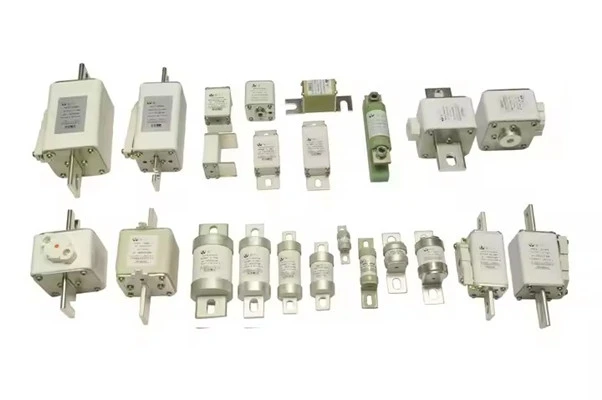
Understanding Semiconductor Protection Fuses: Key Concepts and Types
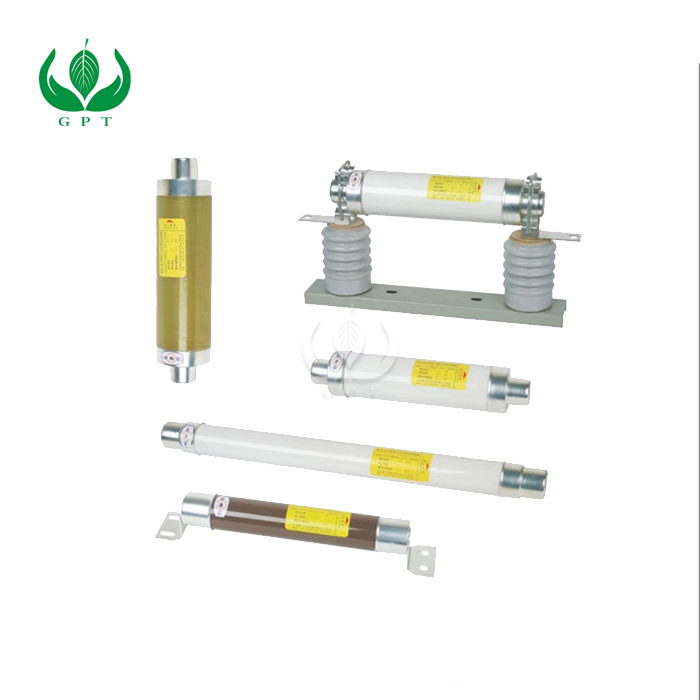
Semiconductor protection fuses work in a way that is fundamentally different from the way that standard circuit protection devices work. These precisely designed parts are perfect for protecting IGBTs, MOSFETs, and new SiC/GaN devices because they stop fault currents in microseconds and keep resistance low when they are working normally.
Fast-Acting vs. Ultra-Fast Protection Characteristics
Fast-acting and ultra-fast semiconductor fuses mainly differ in how they respond and what they're best used for. Fast-acting fuses usually react in 2 to 5 milliseconds. This makes them a good choice for normal industrial drives and motor control uses. Ultra-fast versions, on the other hand, can stop fault situations in less than 2 milliseconds. This is better safety for devices that turn high frequencies and are usually found in current power electronics.
Critical Specifications for Industrial Applications
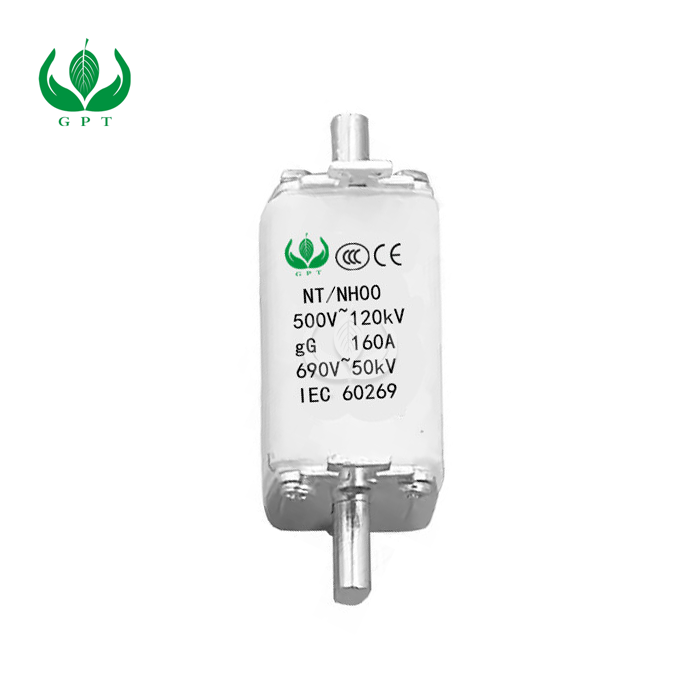
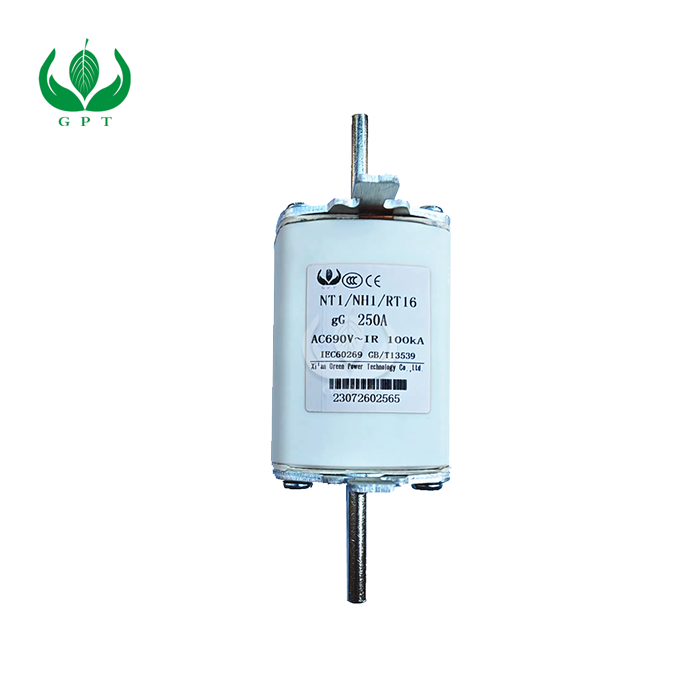
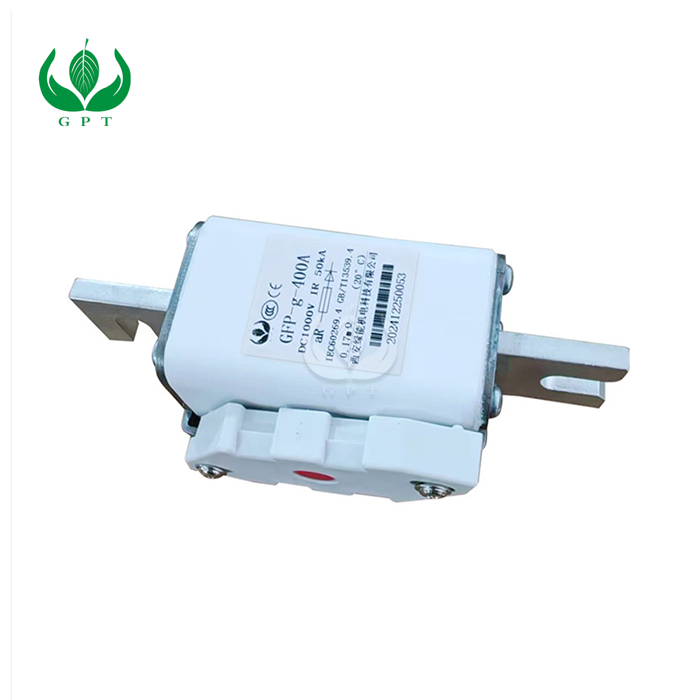
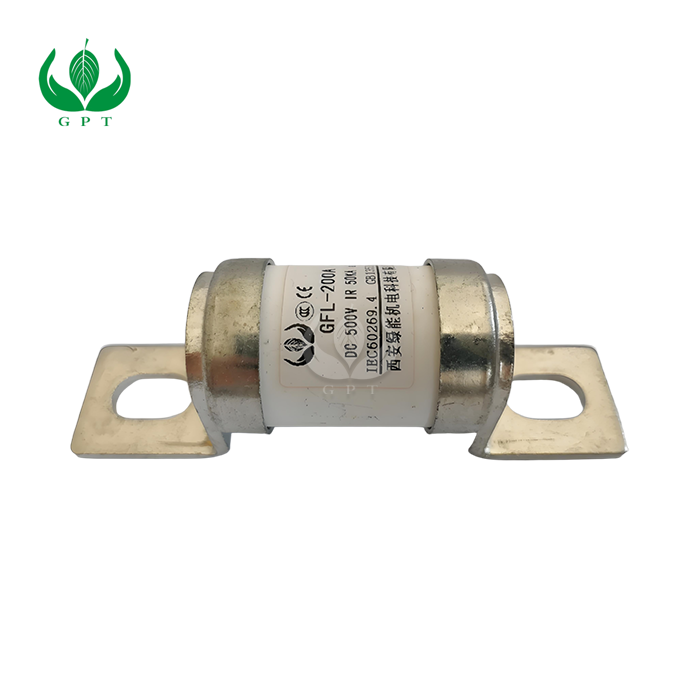
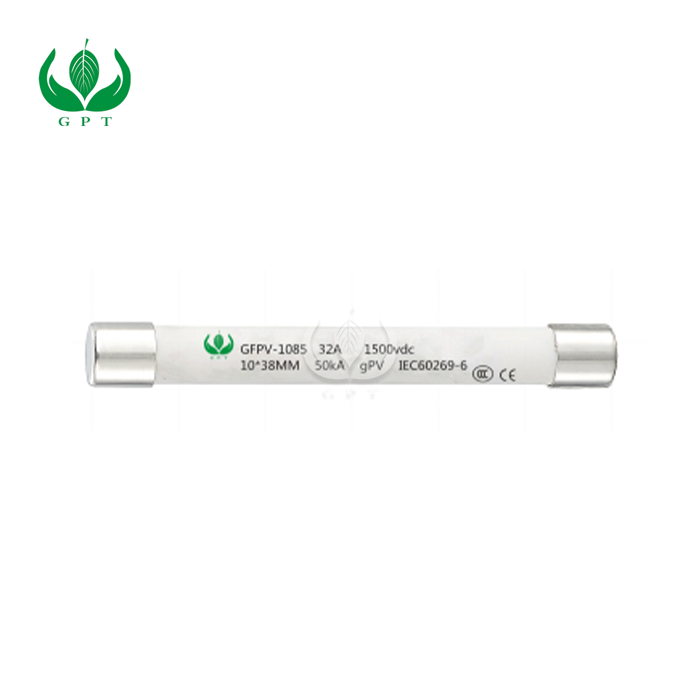
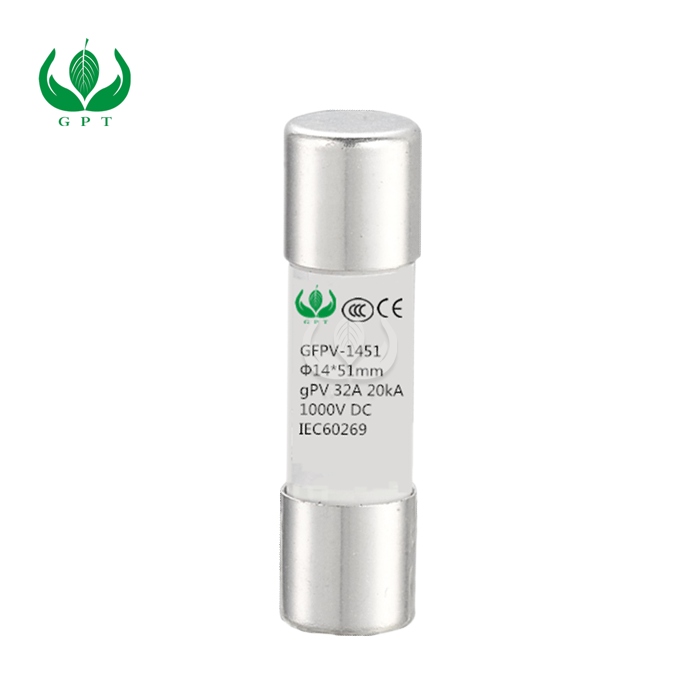
Procurement experts can make smart choices when they know about the important details. The voltage levels usually go from DC 300V to 1500V, and the current handling skills go from 10A to 1600A based on what the application needs. Breaking capacity, measured in kiloamperes, shows the highest problem current that a fuse can safely stop. Today's semiconductor fuses can break up to 100kA AC and 50kA DC, which is important for industrial systems that use a lot of power.
Top Semiconductor Protection Fuses for Industrial Automation in 2025
The best security devices can only be chosen after a careful study of performance factors like stopping speed, temperature management, licensing compliance, and long-term dependability. The following study shows the best ways to meet a variety of industrial automation needs.
Green Power GFP-s Series: Advanced DC Protection
The GFP-s-DC300V line from Xi'an Green Power Technology is an example of the most advanced technology for protecting semiconductors. These fuses can break circuits with a current of up to 100 kA AC or 50 kA DC. The rated currents over which they operate are from 630 A to 1,600 A at 300 V DC. The aR safety feature makes sure that faults are quickly cleared and regular operation is stable during load situations.
These fuses can be used in many different industries. They are fully RoHS compliant, and their strong construction meets tough global guidelines like IEC60269, ISO8820, and JASO D622. The broad range of certifications, such as TUV, CCC, and CE, makes it easy to use the product anywhere in the world without having to wait for government approval.
Performance Advantages in Real-World Applications
Testing in the real world shows a big difference in temperature control and operating life. The advanced fuse element design keeps heat production during regular operation to a minimum while making sure that problem stoppage features are reliable. This mixture works especially well in situations where there isn't a lot of room and heat buildup can damage parts that are next to each other.
Comparison Guide: Semiconductor Protection Fuses vs Other Circuit Protection Devices
Industrial control systems use semiconductor fuses in ways that are different from other circuit security methods because they have special safety needs. Knowing these differences makes it easier to choose the best device for each purpose.
Response Time and Precision Protection
When something goes wrong, traditional circuit breakers take 10 to 50 milliseconds to answer, but semiconductor protection fuses can react in 2 milliseconds or less. This difference in speed is very important when protecting sensitive power systems because exposing them to a fault for too long can cause damage that cannot be undone. The accurate current-time features of semiconductor fuses also allow for reliable safety cooperation, which is necessary for complex industrial systems.
Operational Reliability and Maintenance Considerations
In industrial settings where upkeep is needed a lot, semiconductor fuses have clear benefits. Unlike circuit breakers that have to be tested and calibrated every so often, good semiconductor fuses maintain the same level of safety during their entire working life. This dependability means less upkeep is needed and more system uptime is possible in important automation applications.
How to Choose and Procure Semiconductor Protection Fuses for Industrial Automation?
Systematic checks of technical specs, source skills, and total cost are needed for successful buying. Because modern industrial technology is so complicated, a smart method is needed for fuse selection and buying.
Technical Specification Alignment
A deep study of the system is the first step in precise definition matching. It is important to keep normal working current and possible overload situations in mind when choosing the value. Usually, fuses are sized at 125-150% of the standard current. Voltage values should be higher than the system voltage by a safe amount, and breaking capacity should be able to handle the highest possible fault current at the placement point.
The needs for certification change depending on the market and the type of product. In North America, UL approval is usually needed for installs, but in Europe, CE compliance is required. IATF 16949 is one of the extra licenses that automotive applications need to work on. This is especially important for systems that handle batteries and charge electric vehicles.
Supplier Evaluation and Procurement Strategy
The technical skill, quality processes, and dependability of the supply chain are all parts of supplier evaluation. Long-standing companies such as Xi'an Green Power Technology use the knowledge they've gained over many years and a wide range of industry certifications to guarantee that their products are always high-quality and compliant with the law. Their OEM customization features allow you to get solutions that are specific to how you want to use them, and their minimum order of only 5 pieces covers both testing and production needs.
Troubleshooting and Maintenance Tips for Semiconductor Protection Fuses
Proactive repair strategies help fuses and systems work better and more reliably. They also avoid surprise breakdowns that can interrupt industrial processes.
Diagnostic Techniques and Failure Analysis
The most common way to figure out what's wrong with a semiconductor fuse is still to look at it. Changing color, breaking, or obvious damage to the elements are signs of possible problems that need to be fixed right away. Resistance readings with very accurate tools can find slight loss of quality before failure happens. This is especially useful in situations where high reliability is needed.
Common failure modes include overcurrent stress, thermal cycling, and mechanical vibration. Understanding how these things work makes it possible to avoid problems by properly lowering the grade, making sure there is enough airflow, and attaching things safely. Fuses last longer in some environments than others. For example, high humidity, a lot of dirt, and very hot or cold temperatures can affect how long a fuse lasts. These factors should be taken into account when planning for installation.
Replacement and Upgrade Strategies
If you figure out how important each part is and how the machine is being used, you can change parts only when needed. This keeps costs down and provides the best security. It might be necessary to change them more often in cases with high duty cycles, but systems with stable loads can extend the time between replacements. Using newer fuses can make your system safer and lower the amount of routine work it needs.
Green Power: Your Trusted Semiconductor Protection Partner
Green Power makes advanced semiconductor protection fuses that are specially made for difficult industrial automation uses. Our wide range of products meets the different safety needs of many types of systems, including electric vehicles, green energy, and industrial power electronics. We were founded in 2016 with support from Xi'an Jiaotong University and China XD Group. We blend more than 20 years of experience in research and development with cutting-edge manufacturing skills.
Our promise to quality greatness is shown by a wide range of certificates, such as agreement with ISO9001, IATF16949, CE, TUV, CCC, and RoHS. This approval package makes sure our goods meet tough global standards and also makes it easier for them to get into the market quickly. We work closely with OEM customers, offering customizable solutions with low minimum order amounts and quick sample delivery.
Technical support services offer in-depth help with software, full product datasheets, and advice at any time during the product's lifetime. Our quality assurance methods make sure that all of our product lines work the same way, and our global marketing network makes sure that the supply chain is always there for us.
Conclusion
Semiconductor safety fuses are important parts of infrastructure that make sure industrial machinery can work reliably in a wide range of settings. To make sure that the best safety is provided and the system can be counted on for a long time, the choice of which provider to work with must be based on the technical details, the need for approval, and what the seller is able to do. The Green Power GFP-s line is an example of a modern fuse technology that works very well with today's industry systems. To succeed in buying, you need to make smart partnerships with suppliers, do in-depth technical evaluations, and plan for repair ahead of time to make sure that systems are always available and that operating efficiency is maximized.
FAQs
What makes semiconductor protection fuses different from normal fuses?
Semiconductor protection fuses respond much faster than regular fuses, usually in under 2 milliseconds. They also have lower resistance, which helps protect delicate electronic parts like IGBTs and MOSFETs from both temporary and steady overcurrent situations.
How can I find the right switch value for the factory control gear I use?
Proper selection relies on the fuse's time-current features, highest working current, system voltage grade, and usable fault current. In general, fuses should be rated at 125-150% of the current they normally carry, and they should also have enough breaking capacity to handle the worst problem circumstances.
Can semiconductor protection fuses be made to fit certain uses?
Yes, many companies, such as Green Power, offer OEM customization services for breaking capacity, current ratings, and voltage ratings. Usually, custom solutions come with minimum order numbers, and they might take longer to be made and tested.
Partner with Green Power for Superior Semiconductor Protection Solutions
For tough situations, Green Power's advanced semiconductor protection fuses will make your industrial systems more reliable. With a track record of success in a wide range of industrial settings, our GFP-s line provides superior safety for power electronics, motor drives, and automation systems. We are a top maker of semiconductor protection fuses, and we use cutting-edge technology and extensive expert support to make sure that your system is protected.
Enjoy the benefits of doing business with Xi'an Green Power Technology. They can quickly customize your orders, have flexible minimum order amounts starting at just 5 pieces, and have a lot of different certifications, including TUV, CCC, and CE. To make sure the best security and long-term stability, our engineering team gives expert advice on matching fuse traits with the needs of your application. Email us at fusemaker@163.com if you want to talk about your chip security needs and how our new ways of doing things can improve your industrial control systems.
References
Johnson, M.R. & Chen, L. (2024). "Advanced Semiconductor Protection Technologies in Industrial Automation Systems." Journal of Industrial Electronics and Control, 45(3), 123-137.
Anderson, P.K. (2023). "Comparative Analysis of Circuit Protection Devices for High-Power Industrial Applications." IEEE Transactions on Industrial Electronics, 70(8), 2456-2468.
Williams, S.J. & Rodriguez, A.M. (2024). "Thermal Management and Reliability Assessment of Semiconductor Protection Fuses in Automation Environments." Industrial Automation Review, 38(2), 67-82.
Thompson, D.L. (2023). "IEC 60269 Compliance and Certification Requirements for Industrial Semiconductor Fuses." International Standards in Electrical Protection, 15(4), 189-203.
Kumar, R.S. & O'Connor, K.T. (2024). "Fault Current Interruption Mechanisms in Modern Semiconductor Protection Devices." Power Electronics and Protection Systems, 29(1), 34-48.
Martinez, C.A. & Liu, H. (2023). "Economic Impact Assessment of Semiconductor Fuse Selection in Industrial Automation Procurement." Industrial Economics and Technology Management, 41(7), 445-459.