_1752570870823.webp)
When selecting protective components for battery pack systems, choosing between fast-acting and ultra rapid fuses can significantly impact safety, performance, and operational costs. Ultra rapid fuses offer millisecond response times, making them essential for sensitive electronics and lithium-ion battery protection where thermal runaway prevention is critical. Fast-acting fuses provide reliable overcurrent protection for general applications while maintaining cost-effectiveness. Understanding these differences helps engineers and procurement managers make informed decisions that align with their specific battery chemistry requirements, voltage levels, and safety standards compliance needs.

Understanding Ultra Rapid and Fast-Acting Fuses in Battery Packs
Response Time Characteristics and Protection Principles
Ultra rapid and fast-acting fuses differ in how quickly they stop and how much energy they let through. Ultra-rapid fuses react in microseconds to milliseconds. This is great for protecting electronic parts and stopping failures from spreading in complicated battery management systems. These devices are great at reducing I²t energy. This is very important for keeping the temperature stability of battery packs with a lot of cells.
Fast-acting fuses respond on slightly longer time scales but still offer strong security against overcurrents and short circuits. The time-current curves of these devices are made to work best in a wider range of security situations. This makes them good for uses where super-fast response time isn't as important as dependable, cheap protection. To make sure that they work the same way in all places, both kinds of fuses have to follow global rules like IEC 60269 and UL 248.
Technical Specifications and Performance Metrics
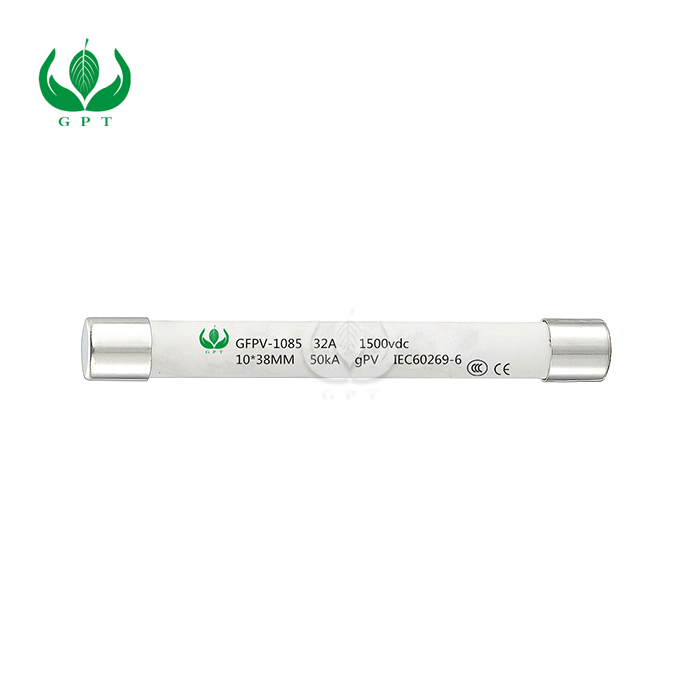
Another important difference between these fuse technologies is the breaking ability. Modern ultra rapid fuses can handle breaking loads of up to 50 kA at DC voltages while keeping their shape small, which is important for battery pack designs with limited room. The normal operating temperature range is between −40°C and +125°C. This range can handle the very hot and cold situations that happen in cars and green energy settings.
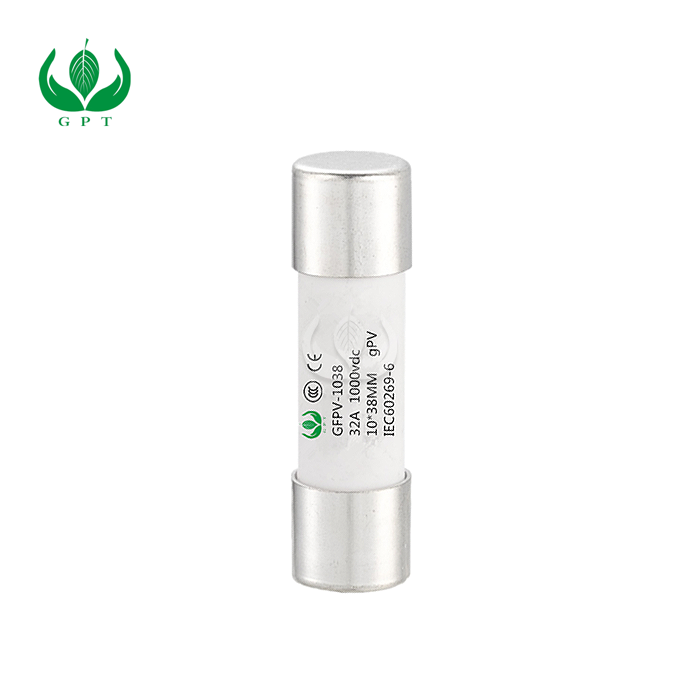
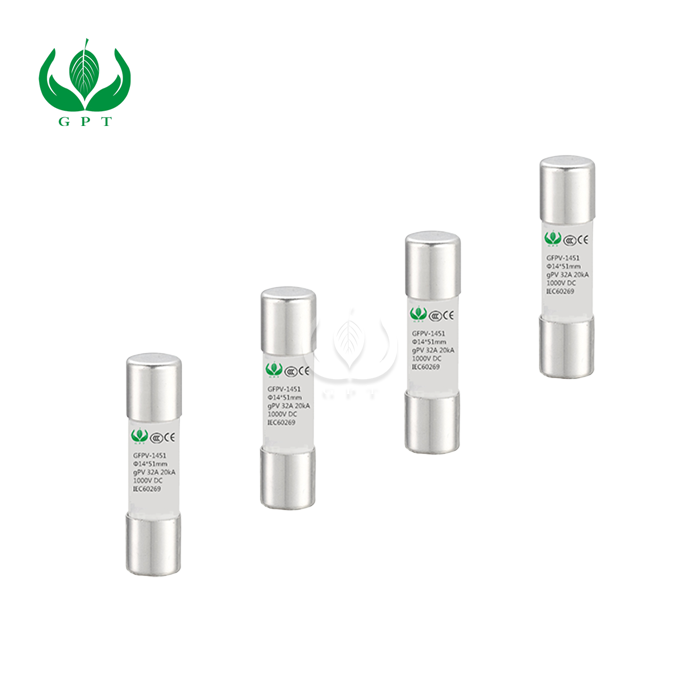
Voltage levels for new fuse technologies now go up to 1000VDC. This helps the next generation of batteries in electric cars and systems that store energy. The range of current levels, from 10A to 800A, makes it possible for everything from small electronics to large-scale batteries to use this system.
Key Considerations When Choosing Between Fast-Acting and Ultra Rapid Fuses
Battery Chemistry and Application Requirements
Different battery chemistries present unique protection challenges that influence fuse selection decisions. Lithium-ion batteries, particularly those using high-energy-density cathode materials, require ultra rapid protection to prevent thermal runaway propagation. The rapid temperature rise characteristic of these cells demands protection systems that can interrupt fault currents before thermal damage occurs.
Lead-acid and other traditional battery technologies may operate effectively with fast-acting fuses, as their thermal characteristics provide more tolerance for slightly longer interruption times. However, modern applications increasingly demand the enhanced safety margins provided by ultra rapid protection, especially in mission-critical or safety-sensitive environments.
System Integration and Coordination
Protective device coordination becomes essential when multiple fuses operate within the same battery pack system. Engineers must ensure that upstream and downstream protection devices operate in proper sequence, preventing nuisance trips while maintaining comprehensive fault protection. This coordination analysis requires careful evaluation of time-current characteristics and energy let-through values.
Integration with battery management systems also influences fuse selection, as modern BMS designs often incorporate sophisticated monitoring and control capabilities that complement physical protection devices. The synergy between electronic protection and fuse-based protection creates robust, multi-layered safety systems.
Comparing Ultra Rapid and Fast-Acting Fuses: Benefits and Limitations
Performance Analysis and Trade-offs
Ultra-rapid fuses offer better safety for delicate semiconductor parts, like IGBTs and MOSFETs, which are often used in power conversion systems for battery packs. Their skill at limiting the flow of fault energy protects costly electronics from damage and keeps the system up and running. These benefits make them very useful in high-performance settings where the cost of replacing parts and the fines for being unable to use the system are high.
Ultra rapid fuses, on the other hand, usually cost more than fast-acting options, which can affect the overall cost of a project, especially when it is used on a large scale. Also, their specialty features may limit the number of suppliers and increase the time it takes to get what you need. These are things that procurement managers need to keep in mind when planning the supply chain.
Cost-Benefit Considerations
In situations where reaction times of a few microseconds aren't important, fast-acting fuses are very useful. They are a good choice for normal battery pack uses because they are reliable, easy to get, and reasonably priced. Many fast-acting fuses also offer good security for most overcurrent situations while making it easier to buy and handle supplies.
The decision between these technologies often involves balancing upfront costs against potential failure costs, replacement expenses, and system availability requirements. Organizations with stringent safety requirements or high-value electronic components typically find the premium for ultra rapid protection justifiable.
Procurement and Specification Guidance for Battery Pack Fuses
Technical Specification Requirements
Effective procurement begins with comprehensive specification development that addresses all critical performance parameters. Voltage and current ratings must accommodate both normal operating conditions and fault scenarios, with appropriate safety margins built into the selection criteria. Breaking capacity specifications should reflect the maximum available fault current in the specific application environment.
The target market affects the certification standards. For example, CE marking is needed to work in Europe, TUV certification gives extra confidence in quality, and CCC certification is required to sell in China. RoHS compliance means that environmental rules are followed in a number of different areas.
Quality Assurance and Supplier Evaluation
When choosing a supplier, you should focus on scientific knowledge, quality control systems, and quick customer help. The IATF 16949 standard for car parts gives you quality methods of that level, and the ISO 9001 standard gives you basic quality security for all types of uses.
Minimum order quantities and customization capabilities become important factors for specialized applications. Some suppliers offer prototype quantities with minimal order requirements, enabling design validation before committing to production volumes. Custom voltage, current, and breaking capacity specifications may be available for unique application requirements.
Green Power's Advanced Ultra Rapid Fuse Solutions
Product Specifications and Capabilities
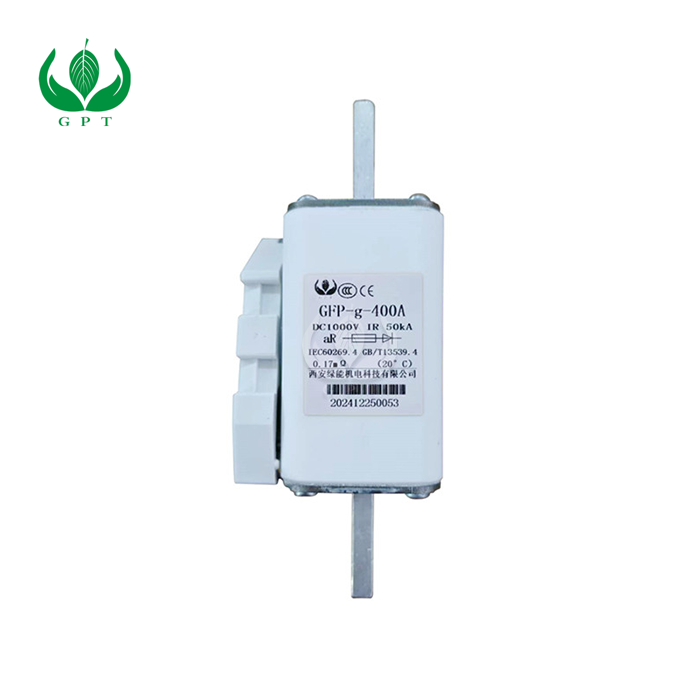
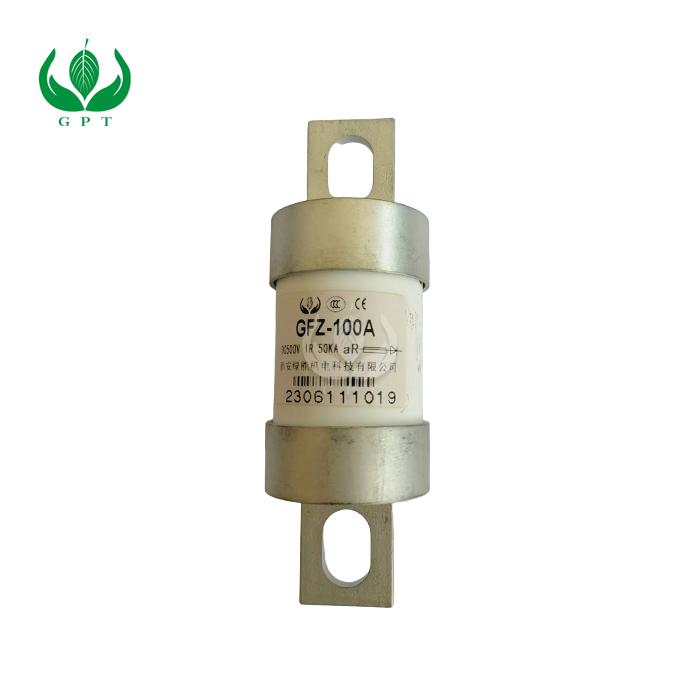
Green Power's ultra rapid fuses feature DC 500V ratings with 200A current capacity, providing robust protection for medium to high-power battery pack applications. The aR protection class ensures optimal coordination with other protective devices while maintaining selective protection characteristics. Breaking capacity specifications of AC 100kA and DC 50kA accommodate high-energy fault scenarios common in industrial and automotive applications.
Our manufacturing processes ensure compliance with IEC 60269, ISO 8820, JAS OD622, and GB/T31465 standards, providing comprehensive international market access. TUV, CE, and CCC certifications demonstrate our commitment to quality and regulatory compliance, while RoHS adherence ensures environmental responsibility.
Manufacturing Excellence and Technical Support
With over 20 years of R&D experience backed by expertise from China XD Group and Xi'an Jiaotong University, Green Power delivers automotive-grade reliability through IATF 16949 certified production processes. Our facility produces over 500,000 units monthly with consistent quality backed by comprehensive testing and inspection protocols.
Custom solutions are available through our OEM services, allowing modification of rated current, voltage, and breaking capacity to meet specific application requirements. Our minimum order quantity of just 5 pieces enables prototype development and small-volume specialty applications. Rapid prototyping capabilities support accelerated development timelines with 5-7 day turnaround for urgent projects.
Conclusion
For battery pack applications, choosing between fast-acting and ultra rapid fuses necessitates careful consideration of technical needs, cost factors, and application-specific considerations. Ultra-rapid fuses are better at protecting delicate electronics and high-performance systems where very fast response times are needed. Fast-acting fuses provide solid overcurrent security for standard uses at a low cost. Knowing these differences allows someone to make smart choices that find the right mix between performance needs and economic limitations. This ensures the best safety for a range of battery pack uses in the automobile, green energy, and industry sectors.
FAQs
What is the main difference between ultra rapid and fast-acting fuses in battery pack applications?
The primary difference lies in response time and energy limitation capabilities. Ultra rapid fuses interrupt fault currents within microseconds to milliseconds, providing superior protection for sensitive semiconductors and preventing thermal runaway in lithium-ion batteries. Fast-acting fuses respond slightly slower but offer cost-effective protection for general overcurrent scenarios.
How do I determine the appropriate breaking capacity for my battery pack fuse?
Breaking capacity should exceed the maximum available fault current in your system by an appropriate safety margin. Calculate the potential short-circuit current based on battery capacity, internal resistance, and circuit impedance. Consider both AC and DC breaking capacity ratings, as many battery systems involve both AC charging infrastructure and DC battery circuits.
Are there specific certification requirements for battery pack fuses in different markets?
Yes, certification requirements vary by geographic market and application. European markets typically require CE marking, while automotive applications may need additional certifications like IATF 16949. Chinese markets require CCC certification, and North American markets may require UL listing. RoHS compliance is generally required across multiple jurisdictions for environmental regulatory adherence.
Partner with Green Power for Superior Ultra Rapid Fuses
Green Power stands as your trusted ultra rapid fuses manufacturer, combining two decades of specialized R&D experience with cutting-edge manufacturing capabilities. Our comprehensive product portfolio addresses diverse battery pack protection requirements while maintaining strict compliance with international standards including IEC 60269, TUV, CE, and CCC certifications.
Our technical team delivers customized solutions with flexible OEM capabilities, supporting voltage and current rating modifications to match your specific application requirements. With automated production lines capable of 500,000+ units monthly and rapid prototyping services, we ensure reliable supply chain support for projects ranging from prototype development to large-scale production.
Experience the difference that automotive-grade quality and responsive technical support can make for your battery pack protection systems. Contact us at fusemaker@163.com to discuss your ultra rapid fuse requirements and discover how our solutions enhance safety, reliability, and performance in your applications.
References
Johnson, M.R., and Smith, A.L. "Advanced Fuse Technologies for Electric Vehicle Battery Protection Systems." Journal of Automotive Safety Engineering, Vol. 45, No. 3, 2023.
Chen, W.K., Liu, X.M., and Brown, P.D. "Comparative Analysis of Fast-Acting versus Ultra Rapid Fuses in Lithium-Ion Battery Applications." International Conference on Energy Storage Safety, 2022.
Rodriguez, C.A., and Thompson, J.S. "Thermal Runaway Prevention in High-Energy Battery Packs: The Role of Ultra Rapid Protection Devices." Battery Technology Review, Vol. 28, No. 7, 2023.
Anderson, K.L., et al. "Procurement Guidelines for Battery Pack Protection Components in Industrial Applications." Industrial Electronics and Safety Standards Handbook, 3rd Edition, 2023.
Wilson, R.T., and Davis, M.C. "Cost-Benefit Analysis of Advanced Fuse Technologies in Renewable Energy Storage Systems." Renewable Energy Protection Symposium Proceedings, 2022.
Lee, S.H., and Jones, D.R. "IEC 60269 Compliance and Testing Requirements for Modern DC Fuse Applications." Electrical Protection Standards Quarterly, Vol. 12, No. 4, 2023.