_1752570870823.webp)
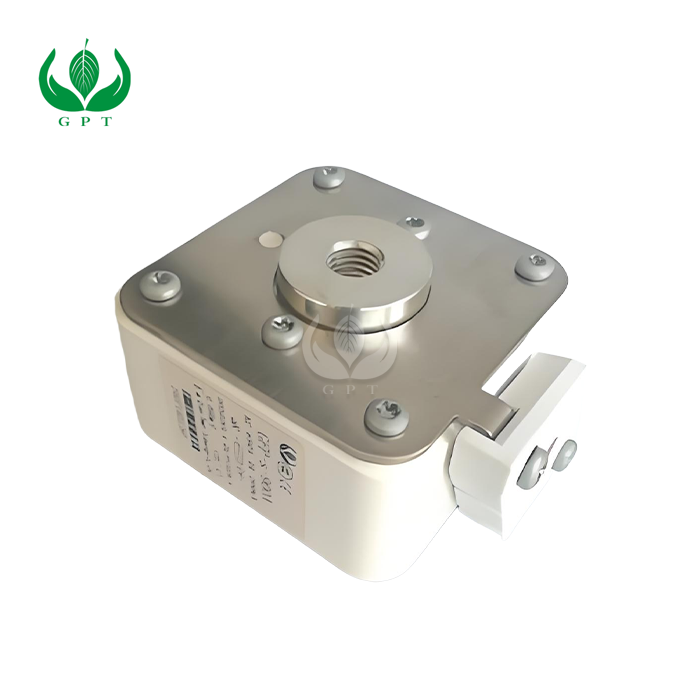
One of the most important issues engineers face when designing current electrical systems is choosing the right DC rated fuses. Direct current systems need special security that works with their unique electrical features, like constant current flow and complicated needs for arc reduction. This is not the case for uses that use alternating current. Engineers who work in making electric cars, setting up green energy, and working with industrial power electronics have to deal with these issues while making sure that systems are safe, reliable, and don't cost too much. This all-inclusive guide helps buying teams and design engineers make smart choices that protect their investments and keep operations running smoothly. It does this by showing them the most common mistakes that can cause systems to fail, cause safety issues, and lead to expensive downtime.
Misunderstanding the Fundamental Differences Between DC and AC Protection Systems
The distinction between DC and AC protection systems extends far beyond simple voltage ratings, creating a fundamental knowledge gap that leads to severe selection errors. Direct current applications present unique challenges because electrons flow continuously in one direction, preventing the natural current interruption that occurs in AC systems during zero-crossing points.
Arc Suppression Technology Differences
DC circuits require superior arc suppression capabilities compared to their AC counterparts. When fault currents develop in DC systems, the absence of natural zero-crossing creates sustained electrical arcs that can damage equipment or create safety hazards. Modern DC protection devices incorporate advanced arc-quenching materials and specialized chamber designs that rapidly extinguish these persistent arcs. Engineering teams often overlook this critical difference, leading to inappropriate fuse selections that fail during actual fault conditions.
Voltage Rating Misconceptions
A lot of experts think that voltage values are the same for AC and DC uses, but this is not always true. Because of different patterns of electrical stress and stoppage needs, a fuse designed for 600V AC might not be able to handle 600V DC. DC systems keep voltage levels steady, which creates different shielding pressures and needs special materials that can handle being in an electrical field all the time.
Overlooking Critical Specifications and Technical Documentation
A detailed datasheet study is the best way to choose the right fuse. Still, a lot of engineers skip this important step or only pay attention to basic factors and forget about important performance characteristics. This mistake can lead to safety devices that seem okay on paper but actually don't work in real life.
Breaking Capacity Requirements
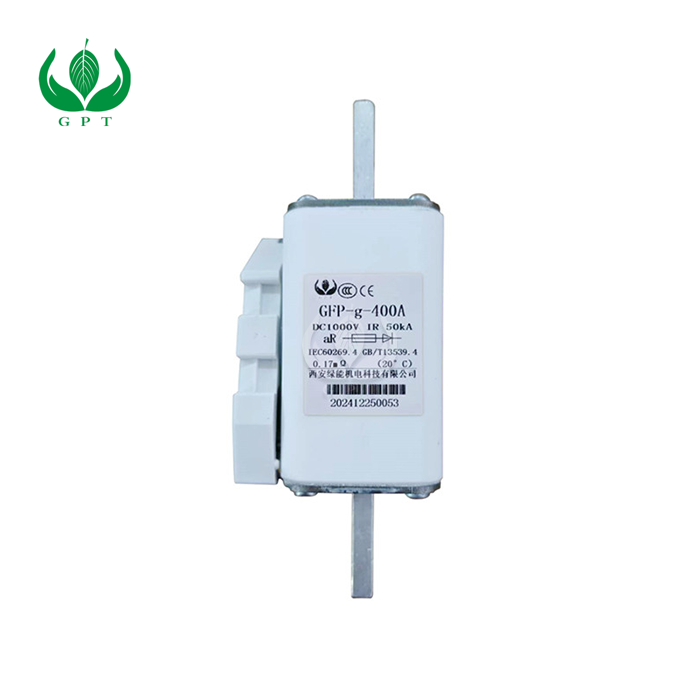
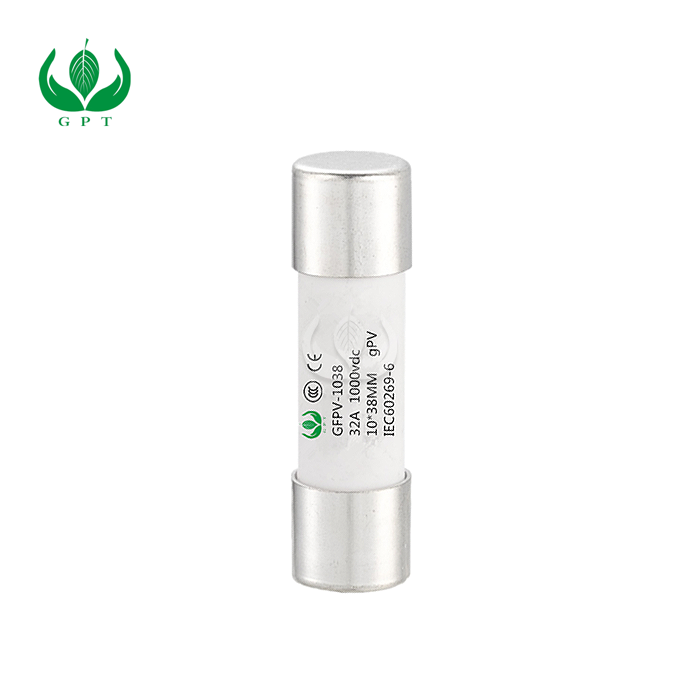
Breaking capacity represents the maximum fault current a fuse can safely interrupt without causing damage to surrounding equipment. Engineers must carefully evaluate their system's potential fault current levels and select protection devices with adequate interruption capability. Green Power 's DC rated fuses solutions offer breaking capacities up to DC50kA, ensuring reliable protection even in high-power applications like EV charging infrastructure and grid-scale energy storage systems.
Time-Current Characteristic Analysis
Understanding how protection devices respond to different overcurrent conditions is essential for proper system coordination. Engineers need to analyze time-current curves to ensure that protection devices operate in the correct sequence during fault conditions, preventing unnecessary system shutdowns while maintaining safety. These curves reveal how quickly a fuse will respond to various overcurrent levels, enabling proper coordination with other protective devices.
Ignoring Application-Specific Environmental and Operational Factors
Each use case has its own problems that have a big effect on how well the safety gadget works and how long it lasts. When engineers choose the right ways to protect things, they need to think about the surroundings, the load, and how the system will be used.
Temperature Considerations in High-Performance Applications
The temperature at which a fuse is used affects how well it works and how reliably it performs. For example, safety devices in electric vehicles are exposed to very hot and cold temperatures, from -40°C to +125°C, while they are in use. Engineers need to choose devices that are especially built to work under these conditions, taking into account their heat control skills and the need to lower their ratings. Our automotive-grade safety solutions use advanced thermal management technologies to keep performance steady in these very high and very low temperature ranges.
Environmental Durability Requirements
Humidity, shaking, and chemical contact make outdoor, sea, and industrial settings tough on equipment. For the job they're meant to do, safety gear needs to show that it has the right environmental grades and certificates. RoHS compliance protects the environment. Certifications like CE, TUV, and IEC60269 compliance make sure the product will work in certain circumstances.
Load patterns also have a very important impact on the choices that are made. When applications have frequent switching, high inrush currents, or varying loads, safety devices must be used that are especially built to handle these stresses without failing too early or tripping when they shouldn't.
Supplier Evaluation and Procurement Strategy Oversights
Selecting appropriate suppliers involves more than comparing specifications and pricing. Engineers and procurement teams must evaluate suppliers based on technical expertise, quality systems, and long-term support capabilities.
Certification and Quality Assurance Standards
Reputable manufacturers maintain comprehensive quality systems including ISO9001, IATF16949, and other relevant certifications. These standards ensure consistent product quality and reliable performance. Xi'an Green Power Technology maintains rigorous quality control processes, with every batch undergoing comprehensive testing including thermal cycling and vibration endurance under IATF16949 protocols.
Technical Support and Customization Capabilities
Complex applications often require customized solutions or specialized technical support, especially when selecting and applying DC rated fuses in demanding electrical environments. Suppliers should offer engineering assistance, application-specific recommendations, and rapid prototyping capabilities. Our engineering team provides free DC circuit protection audits and can deliver custom solutions within 15 days, ensuring optimal performance for unique applications.
Procurement considerations including minimum order quantities, lead times, and scalability can significantly impact project success. Suppliers offering flexible ordering options and reliable delivery schedules help ensure project timelines remain on track.
Long-Term Performance and Maintenance Planning Neglect
Protection device selection impacts not only immediate system safety but also long-term operational costs, maintenance requirements, and system scalability. Engineers must consider total cost of ownership and future expansion possibilities when making selection decisions.
Predictive Maintenance and Monitoring Integration
Advanced protection systems incorporate monitoring and diagnostic capabilities that enable predictive maintenance strategies. These features help identify potential issues before they cause system failures, reducing downtime and maintenance costs. Engineers should evaluate protection devices that offer these advanced capabilities, especially in critical applications where downtime carries significant costs.
Future Expansion and Technology Evolution
Electrical systems often require modifications or expansions during their operational lifetime. Selecting protection devices with appropriate safety margins and compatibility with future technologies helps protect initial investments and reduces upgrade costs. This approach ensures that protection systems can accommodate changing requirements without complete replacement.
Conclusion
When designing a DC rated fuse that works, it is important to think about long-term performance, provider skills, and application-specific needs. Engineers who know about these common mistakes can make choices that keep the system safe, reliable, and cheap. Teams can keep expensive mistakes from happening and get the best performance from their security systems by focusing on proper specs analysis, environmental factors, and source evaluation.
FAQs
What makes DC rated fuses different from standard AC fuses?
DC rated fuses incorporate specialized arc suppression technology designed to handle continuous current flow without natural zero-crossing points. They feature enhanced arc-quenching materials and chamber designs that can effectively interrupt sustained DC arcs, which standard AC fuses cannot reliably accomplish.
How do I determine the correct breaking capacity for my DC application?
Calculate your system's maximum potential fault current by analyzing short-circuit conditions at the protection device location. Select fuses with breaking capacity ratings that exceed this maximum fault current by an appropriate safety margin, typically 125% of calculated values.
What environmental factors should I consider when selecting DC protection devices?
A: Consider operating temperature range, humidity levels, vibration exposure, chemical environments, and altitude. Ensure selected devices meet appropriate environmental ratings and certifications for your specific installation conditions, including IP ratings for moisture protection and temperature derating factors.
Partner with Green Power for Superior DC Protection Solutions
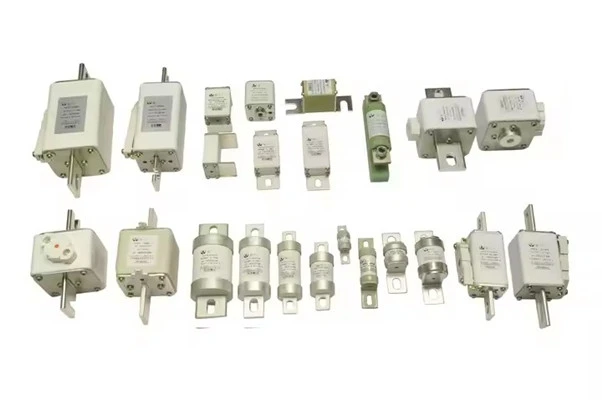
Green Power stands ready to help you avoid these common selection mistakes through our comprehensive DC rated fuses portfolio and expert engineering support. Our automotive-grade protection solutions, featuring breaking capacities up to DC50kA and operating temperature ranges from -40°C to +125°C, provide reliable protection for your most demanding applications. With over 20 years of innovation backed by Xi'an Jiaotong University expertise, we deliver customized solutions that meet your exact specifications within 15 days.
Our quality-assured products maintain CE, TUV, CCC, and RoHS certifications, ensuring compliance with international standards while our flexible minimum order quantity of just 5 pieces accommodates both prototype development and large-scale production needs. Whether you require protection for EV battery systems, renewable energy installations, or industrial power electronics, our engineering team provides free circuit protection audits to optimize your fuse selection strategy.
Transform your protection system reliability and avoid costly selection errors by partnering with a trusted DC rated fuses manufacturer. Contact us at fusemaker@163.com to discuss your specific requirements and discover how our advanced protection solutions can safeguard your critical systems.
References
Institute of Electrical and Electronics Engineers. "IEEE Standard for DC Circuit Breakers Used in Enclosures for Metal-Enclosed Low-Voltage Power Circuit Breaker Switchgear." IEEE Std C37.14-2015.
International Electrotechnical Commission. "Low-voltage fuses - Part 4: Supplementary requirements for fuse-links for the protection of semiconductor devices." IEC 60269-4:2009.
Society of Automotive Engineers. "DC Electric Circuit Protection Devices for Road Vehicles." SAE J1284_202012.
National Renewable Energy Laboratory. "Best Practices for Photovoltaic System Overcurrent Protection Device Selection and Application." NREL Technical Report NREL/TP-5D00-78258.
Underwriters Laboratories. "Standard for Safety for Photovoltaic DC Arc-Fault Circuit Protection." UL 1699B:2018.
Electric Power Research Institute. "DC Protection Coordination Guidelines for Energy Storage Systems." EPRI Technical Update 3002015908.