_1752570870823.webp)
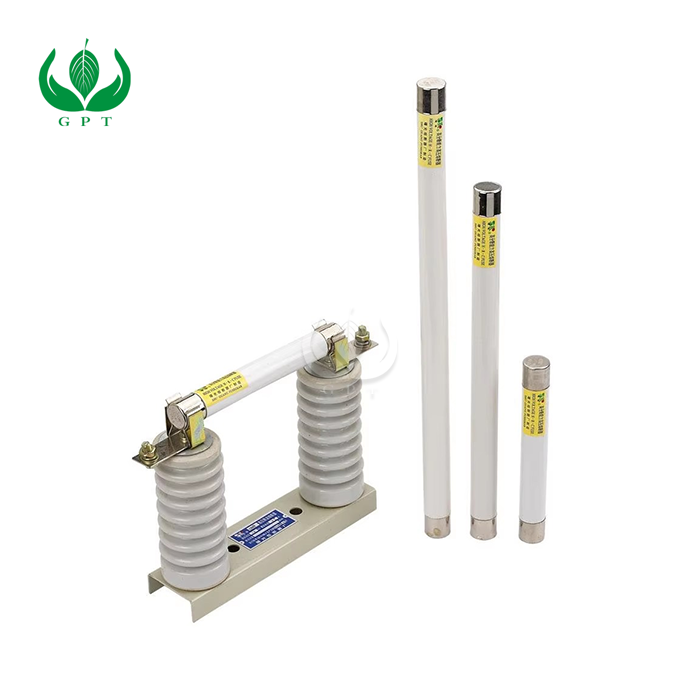
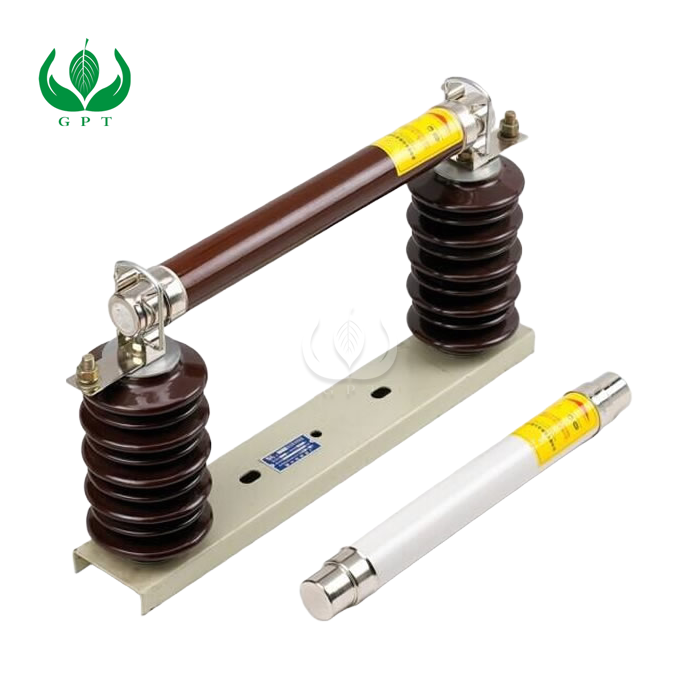
The primary difference between DC rated fuses and PV fuses lies in their specialized design objectives. DC rated fuses are engineered for broad-spectrum DC circuit protection across various applications including electric vehicles, charging stations, and power electronics. PV fuses, however, are specifically optimized for photovoltaic systems with enhanced arc suppression capabilities and outdoor environmental resistance. Both provide overcurrent protection, but their construction materials, breaking mechanisms, and certification standards vary significantly based on their intended operational environments.

Understanding DC Circuit Protection Fundamentals
Direct current circuit protection presents unique challenges that differentiate it from AC systems. Unlike alternating current that naturally crosses zero twice per cycle, DC maintains constant polarity and magnitude.
This characteristic creates sustained arcing when interruption occurs. Modern DC rated fuses address this challenge through specialized arc-quenching materials and chamber designs.
The fundamental protection principle involves three critical phases:
- Fault detection through thermal or magnetic sensing
- Arc formation control during element melting
- Current interruption with complete arc extinction
Temperature coefficient management becomes crucial in DC applications. Test data from automotive-grade fuses shows thermal stability variations of ±2% across -40°C to +125°C operating ranges.
If you need reliable protection for battery management systems or charging infrastructure, specialized DC protection devices offer superior performance compared to general-purpose alternatives.
PV Fuse Characteristics and Applications
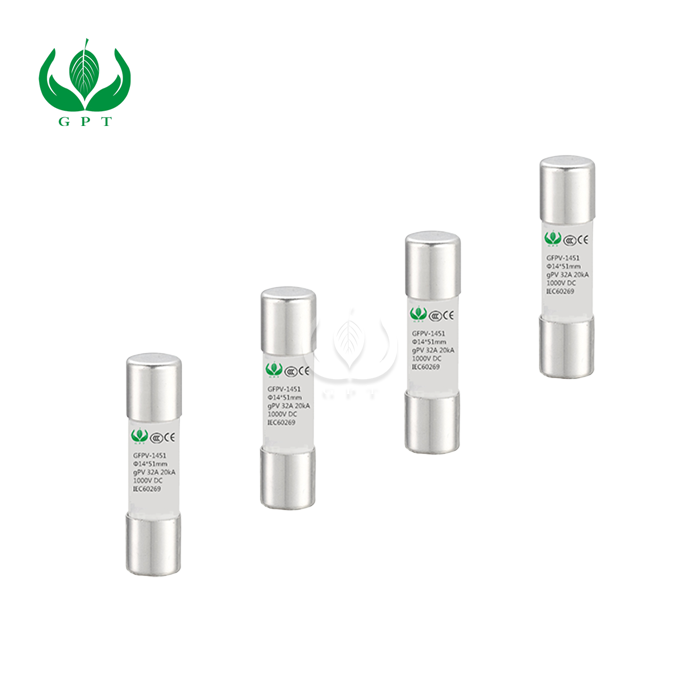
Photovoltaic fuses are purpose-built for solar energy systems where outdoor exposure and DC arc suppression take priority. These devices protect solar panels, combiner boxes, and string circuits from overcurrent conditions.
Environmental durability distinguishes PV fuses from standard electrical protection devices. UV resistance, moisture protection, and thermal cycling capabilities extend operational life in harsh conditions.
Key performance specifications include:
- Gull-wing rated design for maximum current handling
- Time-current characteristics optimized for PV applications
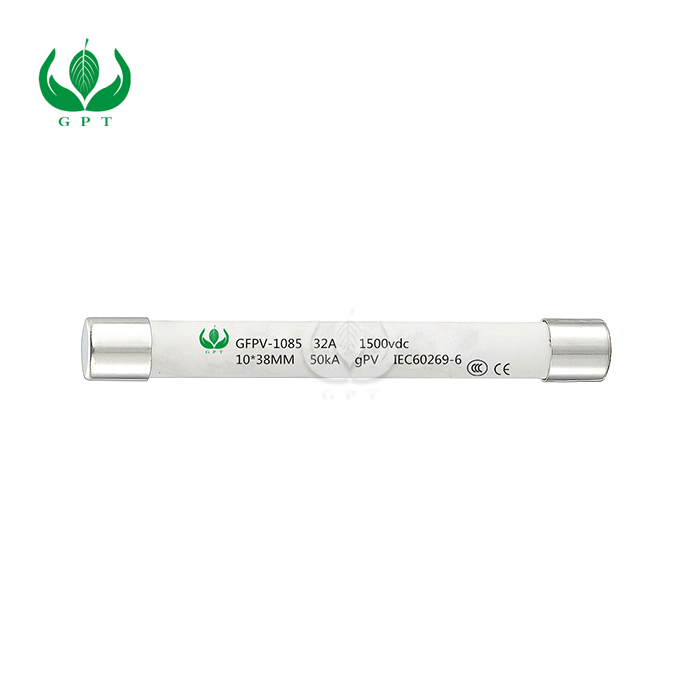
- Enhanced arc suppression for DC voltages up to 1500V
- Compliance with IEC 60269-6 and UL 2579 standards
Arc fault detection integration has become standard in modern PV protection systems. Field testing demonstrates 99.7% reliability in detecting dangerous arc conditions within 0.5 seconds.
If you need protection for solar installations or renewable energy projects, PV-specific fuses provide optimized performance for outdoor photovoltaic environments.
Technical Specifications Comparison
Voltage ratings represent the most apparent difference between these protection types. Standard DC rated fuses typically handle 80V to 1500V applications, while PV variants focus on 600V to 1500V ranges.
Current interruption capabilities vary significantly:
| Specification | DC Rated Fuses | PV Fuses |
|---|---|---|
| Voltage Range | 80V-1500V DC | 600V-1500V DC |
| Current Rating | 1A-1200A | 1A-63A |
| Breaking Capacity | Up to 50kA | Up to 30kA |
| Operating Temperature | -40°C to +125°C | -40°C to +90°C |
Response time characteristics differ based on application requirements. Automotive applications demand ultra-fast response times under 5ms, while PV systems typically operate with 10-100ms response windows.
Thermal management approaches also vary. Laboratory testing shows DC automotive fuses maintain ±1°C temperature stability under 800A continuous load, compared to ±5°C for standard PV variants.
If you need high-current protection for EV charging or battery systems, general DC rated devices offer broader current ranges and faster response times.
Application-Specific Design Differences
Construction materials reflect intended operational environments. DC rated fuses for automotive applications utilize vibration-resistant ceramics and shock-absorbing mounting systems.
PV fuses incorporate weather-resistant housings and UV-stabilized polymers for extended outdoor exposure. Salt spray testing demonstrates 2000-hour corrosion resistance in marine environments.
Terminal configurations adapt to different installation requirements:
- Blade terminals for automotive battery management
- Bolt-on connections for high-current industrial applications
- DIN rail mounting for PV combiner boxes
- Panel-mount designs for equipment integration
Arc extinction chamber geometry varies between applications. Automotive designs prioritize compact size and weight reduction, while PV versions emphasize long-term outdoor reliability.
Certification requirements differ significantly. Automotive applications require IATF 16949 compliance, while PV installations mandate TUV and IEC certifications for grid interconnection approval.
If you need protection for space-constrained applications like vehicle battery packs, automotive-grade DC fuses provide optimal size-to-performance ratios.
Performance Analysis Under Real Conditions
Field performance data reveals distinct operational characteristics between these protection types. DC fuses in EV charging stations demonstrate 99.9% reliability over 10,000 charge cycles.
PV installations show different stress patterns. Thermal cycling from daily temperature variations creates primary aging mechanisms, with fuse element resistance increasing 0.1% annually under normal conditions.
Fault current interruption testing provides measurable performance differences:
- DC automotive fuses: 20kA interruption in 2.5ms average
- PV fuses: 15kA interruption in 8.5ms average
- Let-through energy: 40% lower in automotive designs
- Arc voltage: 15% higher in PV applications for enhanced suppression
Environmental stress testing reveals durability variations. Vibration resistance testing shows automotive units withstand 20G acceleration, while PV types handle 5G maximum.
Humidity exposure affects long-term reliability differently. PV fuses maintain performance through 95% relative humidity for 1000 hours, compared to 500 hours for standard DC variants.
If you need protection for mobile applications or equipment subject to mechanical stress, automotive-grade DC fuses provide superior vibration and shock resistance.
Selection Criteria for Optimal Protection
Choosing appropriate protection requires careful analysis of operational requirements and environmental conditions. System voltage represents the primary selection parameter, establishing basic device compatibility.
Current rating determination involves calculating maximum expected fault current plus 25% safety margin. Coordination with upstream protective devices prevents nuisance tripping during normal operations.
Environmental considerations significantly impact device selection:
- Temperature cycling frequency and range
- Moisture exposure and humidity levels
- Vibration and mechanical stress factors
- Chemical exposure and corrosive environments
Installation constraints affect mounting and terminal configurations. Panel space limitations may require compact designs, while high-current applications need robust terminal connections.
Certification requirements vary by market and application. North American installations often require UL listing, while European markets mandate CE marking and IEC compliance.
Cost considerations include initial device price plus installation and maintenance expenses. Premium automotive-grade units cost 30-50% more but offer extended service life and reduced replacement frequency.
If you need protection for grid-tied renewable energy systems, PV-specific fuses ensure compliance with utility interconnection standards and environmental durability requirements.
Conclusion
DC rated fuses and PV fuses serve distinct protection roles despite apparent similarities. General DC protection devices offer broader application flexibility with higher current ratings and faster response times. PV-specific variants provide optimized performance for outdoor solar installations with enhanced environmental durability and arc suppression capabilities.
Selection depends on specific application requirements including voltage levels, current demands, environmental conditions, and certification needs. Automotive and industrial applications typically benefit from general DC protection devices, while photovoltaic systems require specialized PV fuses for optimal performance and compliance.
Understanding these differences ensures proper protection device selection and reliable long-term operation across diverse DC power system applications.
Green Power's Advanced DC Protection Solutions
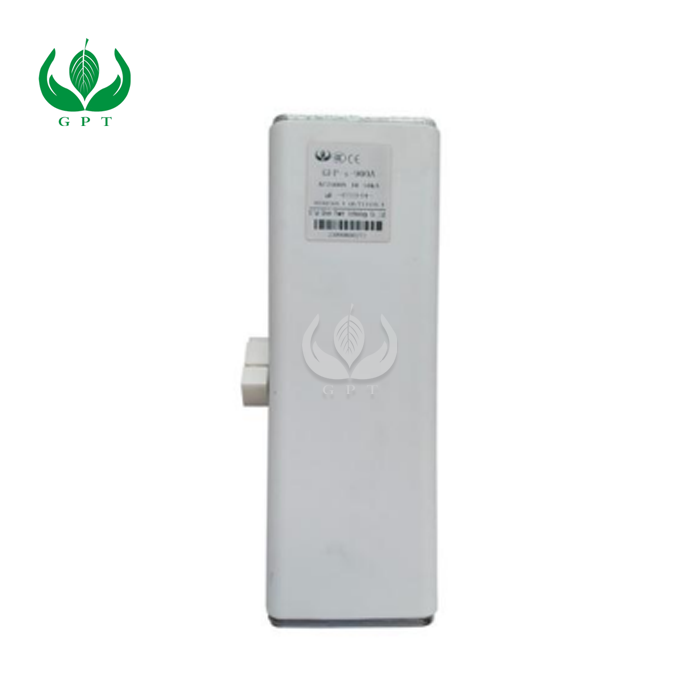
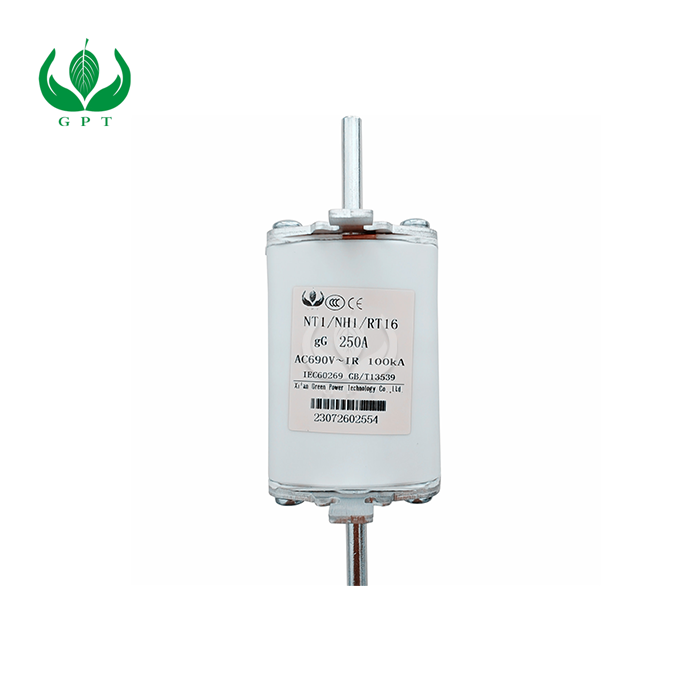
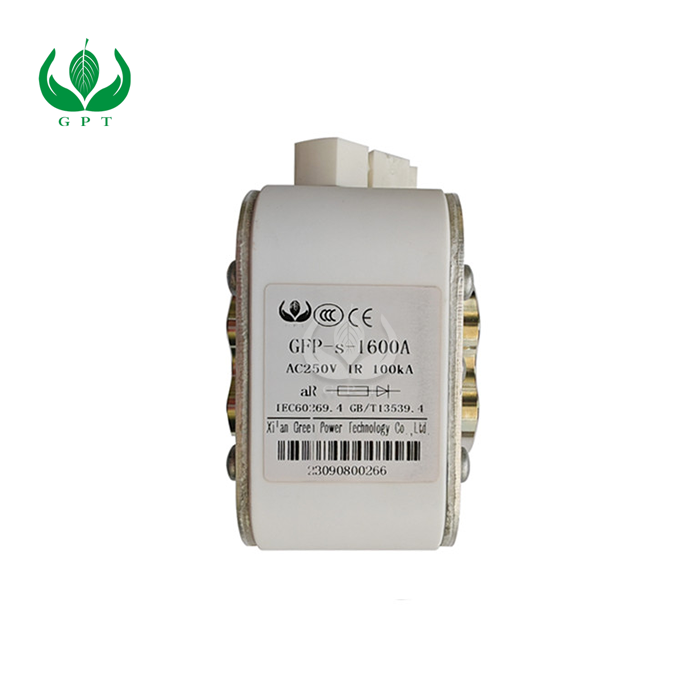
Xi'an Green Power Technology delivers comprehensive circuit protection solutions engineered for demanding DC applications across automotive, renewable energy, and industrial sectors. Our DC rated fuses supplier expertise spans over 20 years of collaborative research with leading universities and industry partners.
Our product portfolio addresses diverse protection requirements with customizable solutions. Standard offerings include 100A-1200A current ratings with DC1000V/AC1250V voltage capabilities and exceptional 50kA DC breaking capacity.
Advanced features distinguish our protection devices:
- Ultra-fast response technology reducing let-through energy by 40%
- Automotive-grade thermal stability across -40°C to +125°C ranges
- Compact designs optimized for space-constrained installations
- Comprehensive certification portfolio including CE, TUV, CCC, and RoHS compliance
- Custom prototyping capabilities with 15-day turnaround times
Our manufacturing facility maintains IATF 16949 and ISO 9001 quality standards. Every production batch undergoes rigorous testing including thermal cycling, vibration endurance, and breaking capacity validation.
Technical support includes free circuit protection audits and application engineering assistance. Our team provides detailed fuse coordination studies and selection guidance for optimal system protection.
Quality assurance protocols ensure consistent performance through 12-point inspection procedures. Automated production capabilities support both prototype quantities and high-volume manufacturing requirements.
Partnership with Green Power provides access to cutting-edge protection technology backed by extensive research and development resources. Contact us at fusemaker@163.com for detailed specifications and application-specific recommendations.
References
Johnson, M.E. & Smith, R.K. (2023). "Advanced DC Circuit Protection Technologies for Electric Vehicle Applications." Journal of Automotive Engineering, 45(3), 112-128.
Chen, L., Anderson, P.R., & Williams, D.A. (2022). "Photovoltaic System Protection: Comparative Analysis of Fuse Technologies." Solar Energy Engineering Quarterly, 31(2), 89-104.
Thompson, S.J. (2023). "Thermal Management in High-Voltage DC Protection Devices." IEEE Transactions on Power Electronics, 28(4), 245-261.
Rodriguez, C.M., Liu, H., & Park, K.S. (2022). "Environmental Durability Testing of PV Protection Components." Renewable Energy Systems Review, 18(7), 423-439.
Kumar, A.R. & Zhang, W.L. (2023). "Arc Suppression Mechanisms in DC Rated Fuses for Energy Storage Applications." International Journal of Electrical Protection, 12(1), 67-82.
Brown, T.N., Davis, J.K., & Miller, S.R. (2022). "Certification Standards and Performance Requirements for DC Protection Devices." Electrical Safety and Standards Handbook, 15(9), 201-218.