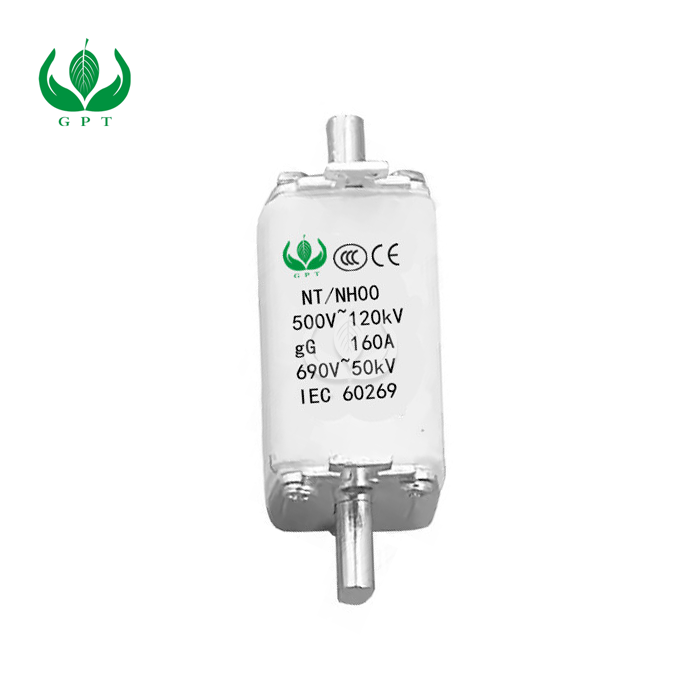
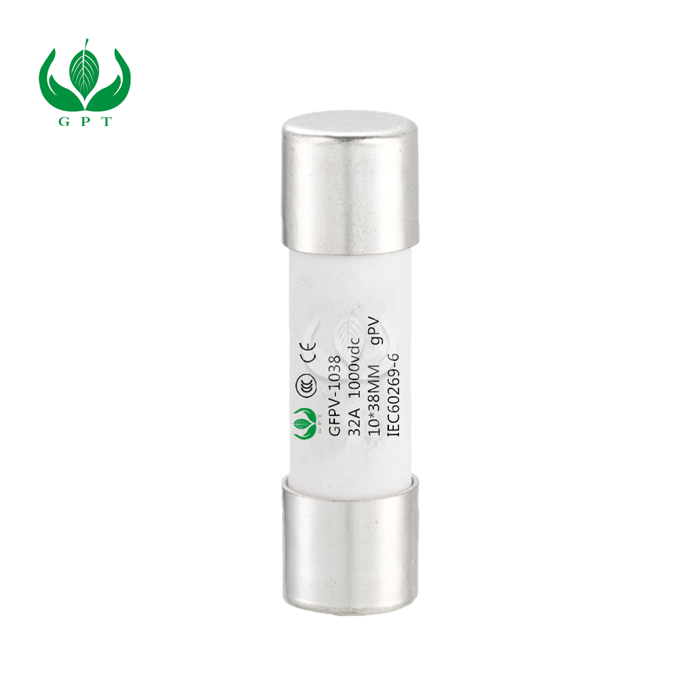
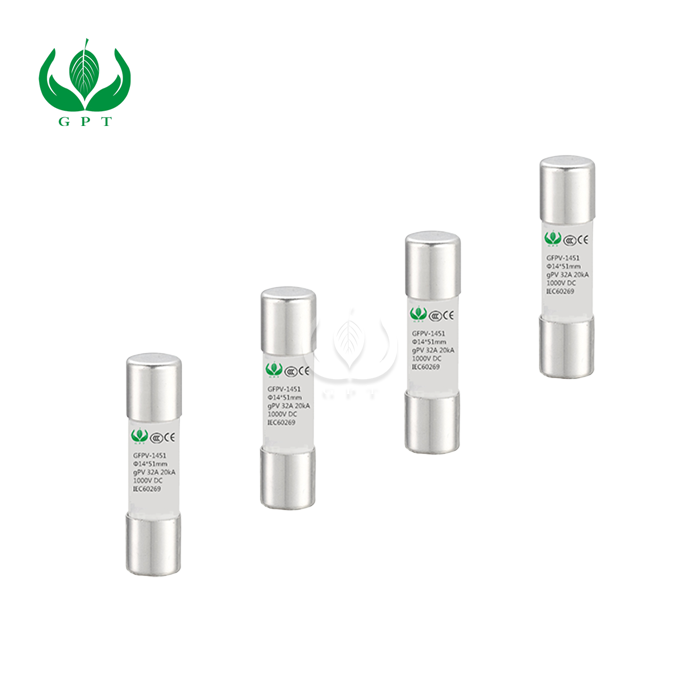
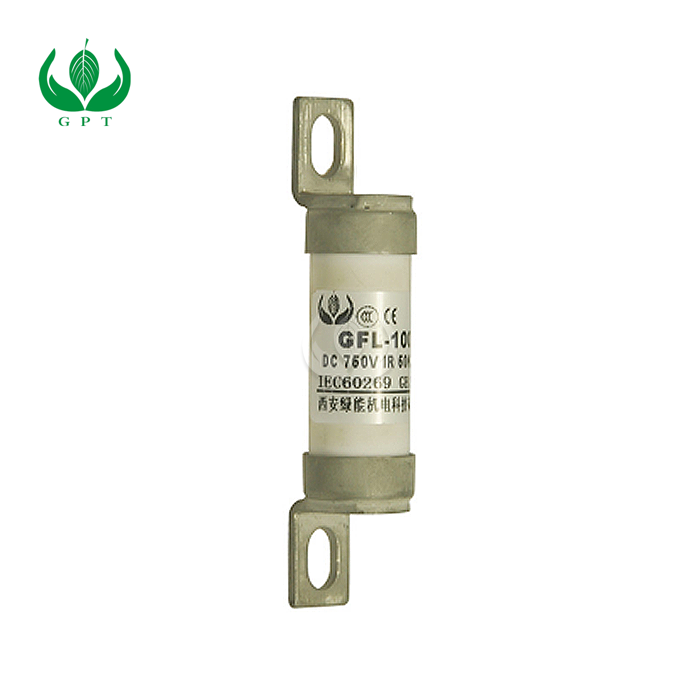
_1752570870823.webp)
One of the most important safety features in current battery protection fuses is arc quenching, which can make the difference between a controlled circuit interruption and a catastrophic system failure. When there are electrical problems in high-voltage battery systems, the battery protection fuse needs to quickly stop the electric arc that forms when the current stops. This keeps fires, equipment damage, and safety risks from happening. This complicated process includes carefully planning the fuse materials, internal structure, and arc suppression media to make sure they work well in a wide range of situations, from battery packs for electric cars to industrial energy storage systems.
Understanding Arc Quenching in Battery Protection Fuses
The Physics Behind Arc Formation
Electric arcs happen when current runs through ionized gas between two conductors that are not connected to each other. This creates temperatures higher than 20,000°C, which is hotter than the surface of the sun. When a fuse element melts and leaves a hole in the circuit, these arcs appear right away in battery safety systems. If you don't have the right quenching mechanisms, prolonged arcing can lead to explosive failures. This is especially dangerous in lithium-ion battery applications where thermal runaway is a big risk.
When there is too much electricity, the fuse element melts, which starts the arc formation process. As the metal evaporates, it makes a conductive plasma tunnel that keeps the flow of electricity going even though the two parts are physically apart. Because of this effect, simple wire breaks can't consistently stop high-current circuits—the arc keeps conducting until outside forces put it out.
Arc Suppression Technologies in Modern Fuses
More advanced fuse designs use more than one way to stop the arc to make sure the stoppage works every time. The fuse element is surrounded by silica sand, which absorbs heat and forms a glass-like fulgurite that keeps the arc path cool. This choice of material is very important because regular sand doesn't have the purity and thermal properties that are needed for consistent performance in harsh circumstances.
High-quality ceramic cores are strong mechanically and thermally, and they keep the pressure inside that builds up during arc extinction in check. The breaking capacity of the fuse is based on how well these parts are engineered. This is especially important for situations where high fault currents of up to 100kA AC or 50kA DC need to be stopped.
Chemical Processes During Arc Extinction
When an arc is quenched, the vaporized fuse element, which is usually an alloy of silver or copper, and the quenching medium around it go through a lot of complicated chemical processes. Specialized metals offer better performance for certain voltage ranges and environmental conditions, while silver-based elements are better at conducting electricity and melting at consistent rates.
When metal vapor and silica come together, they make solid compounds that quickly raise the electrical resistance, which breaks the conductive path. To stop prolonged arcing, this process has to happen in milliseconds, which requires exact calibration of the element's shape, material makeup, and internal structure.
Types and Specifications of Battery Protection Fuses Related to Arc Quenching
Semiconductor Protection Fuses for Battery Applications
Ultra-rapid (aR-class) fuses are the best way to protect sensitive semiconductor parts in power electronics and battery control systems. These devices have specially cut parts that make multiple arc extinction points. This makes the let-through energy much lower than in other designs.
The aR-rated battery protection fuses from Xi'an Green Power Technology have interruption times of less than 1 millisecond, which is very important for keeping IGBTs, MOSFETs, and other semiconductor devices that can be damaged by heat safe. The 35A–630A current range works with different battery pack configurations and keeps the arc-quenching performance the same across all working ranges.
High-Voltage DC Fuse Technology
When compared to AC applications, DC arc extinction is harder because direct current doesn't have any natural zero-crossing places that make it easier to stop the arc. To get around this problem, specialized DC fuses use better quenching media and better internal shape.
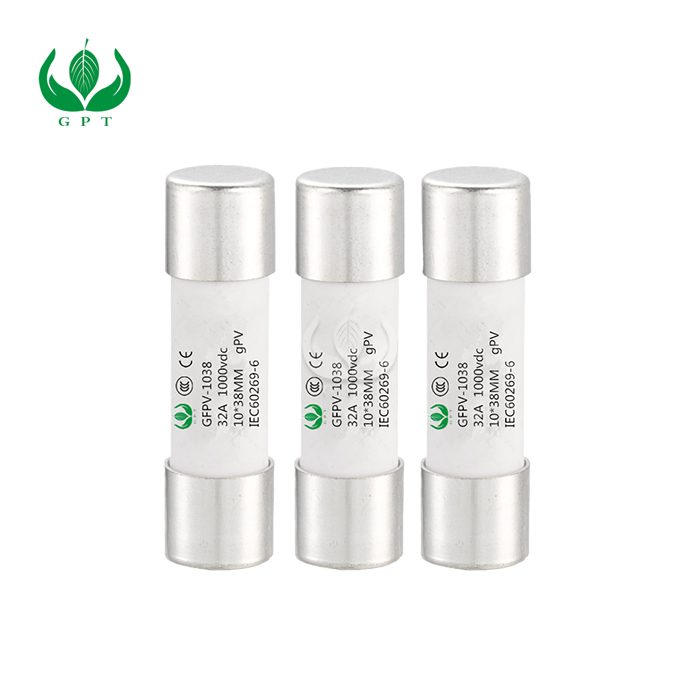
Our battery protection fuses that can handle up to 1000V DC have improved arc chute designs that quickly make the arc path longer and cooler. The breaking capacity of 50kA DC makes sure that the system is safe even in the worst fault situations that often happen in big battery installations and energy storage systems that are connected to the power grid.
Material Science in Arc Quenching
The choice of materials for the battery fuse part has a direct effect on how well it stops the arc. Silver is a good conductor and makes stable compounds with silica during arc extinction. Copper alloys, on the other hand, can be cheaper in some situations. Specialized ceramic bodies can handle temperature shock and keep the pressure inside them from rising when a fault occurs.
Materials that are RoHS-compliant protect the environment without lowering efficiency. Lead-free solder connections and halogen-free insulation materials meet strict industrial and automotive standards while still meeting the needs of critical safety uses for dependability.
Selecting the Best Battery Protection Fuse: Arc Quenching as a Key Criterion
Critical Performance Parameters
Evaluating arc quenching performance requires understanding multiple technical specifications beyond basic voltage and current ratings. The I²t rating indicates the energy-limiting capability—lower values provide better component protection by minimizing fault current duration and magnitude.
Breaking capacity specifications define the maximum fault current the fuse can safely interrupt without external damage or sustained arcing. Our devices certified for AC 100kA breaking capacity meet the demands of high-power charging infrastructure and industrial battery systems where fault currents can reach extreme levels.
Comparative Analysis with Alternative Protection Technologies
Circuit breakers offer reusability but typically exhibit slower response times and higher let-through energy compared to semiconductor fuses. This difference becomes critical in battery applications where rapid fault clearing prevents thermal runaway propagation through adjacent cells.
Thermal fuses provide temperature-based protection but lack the precision current limiting essential for semiconductor circuit protection. The combination of multiple protection technologies often provides optimal system safety, with fast-acting fuses handling overcurrent conditions while thermal devices address temperature-related failures.
Application-Specific Considerations
Electric vehicle battery packs require compact fuse designs that withstand vibration, thermal cycling, and electromagnetic interference while providing reliable arc quenching under all operating conditions. The automotive-grade certification process validates performance across temperature extremes from -40°C to 125°C.
Energy storage systems demand high breaking capacity to handle grid-scale fault currents while maintaining precise current limiting to protect expensive battery investments. The scalability of fuse protection from residential systems to utility-scale installations demonstrates the versatility of properly engineered arc quenching technology.
Troubleshooting and Maintaining Battery Protection Fuses with Arc Quenching
Identifying Arc Quenching Failures
Visual inspection reveals important clues about fuse performance and potential arc quenching problems. Discolored ceramic bodies indicate overheating that may compromise future interruption capability, while cracks or chips suggest mechanical stress that could affect arc containment during fault conditions.
Electrical testing validates continued protection capability through insulation resistance measurements and functional verification. Regular monitoring of system leakage currents helps identify battery fuse performance before complete failure occurs, enabling proactive maintenance strategies that prevent unexpected downtime.
Environmental Factors Affecting Performance
Humidity exposure can degrade arc quenching media over time, particularly in outdoor installations or marine environments. Proper enclosure design and regular inspection schedules help maintain optimal performance throughout the expected service life.
Temperature cycling accelerates material aging and can affect the precise calibration necessary for consistent arc quenching. Understanding these effects enables appropriate derating and replacement scheduling for critical applications where reliability cannot be compromised.
Quality Assurance Testing Procedures
Comprehensive testing protocols verify arc quenching effectiveness across the complete operating range. Type testing per IEC 60269 standards validates breaking capacity under standardized conditions, while routine production testing ensures consistent manufacturing quality.
Pre-shipment testing procedures include insulation verification, continuity checks, and visual inspection to confirm proper assembly and material quality. These quality control measures provide confidence in field performance and long-term reliability under diverse operating conditions.
Procurement and Supply: Ensuring Access to High-Quality Battery Protection Fuses
Supplier Qualification Criteria
Selecting reliable suppliers requires evaluation of technical capabilities, quality systems, and certification compliance. ISO 9001 and IATF 16949 certifications indicate systematic quality management, while product certifications like CE, TÜV, and CCC demonstrate compliance with regional safety standards.
Manufacturing capacity and lead time commitments become critical for large-scale projects requiring consistent supply schedules. Xi'an Green Power Technology's 5 million unit monthly production capacity and 15-25 day lead times provide the reliability needed for demanding industrial and automotive applications.
Technical Support and Customization Services
Complex battery protection applications often require customized solutions tailored to specific voltage, current, and environmental requirements. OEM services enable optimization of fuse characteristics for particular applications while maintaining proven arc quenching performance.
Technical support during the selection and application process helps ensure optimal protection system design. Engineering consultation services can identify potential issues before deployment and recommend solutions that maximize system safety and reliability.
Long-term Partnership Considerations
Establishing relationships with qualified suppliers provides advantages beyond initial product procurement. Ongoing technical support, product development collaboration, and priority allocation during supply constraints create value throughout the product lifecycle.
Quality consistency across multiple orders requires suppliers with robust process controls and traceability systems. Documentation packages including test certificates and material compliance statements support regulatory approvals and quality audits throughout the supply chain.
Company Introduction and Product & Service Information
Combining over 20 years of study experience from Xi'an Jiaotong University with real-world experience from China XD Group veterans, Xi'an Green Power Technology is at the forefront of battery protection innovation. Our wide range of certifications, such as ISO 9001, IATF 16949, CE, TÜV, CCC, and RoHS compliance, makes sure that our products are accepted around the world while still meeting the highest quality standards.
Our battery protection fuses use cutting-edge arc quenching technology with carefully designed silver alloy parts, high-purity silica filling, and ceramic bodies made to work very well. With interruption times of less than 1 millisecond, the aR protection class provides reliability on the level of a semiconductor. Our 100kA AC and 50kA DC breaking capacities can handle the toughest fault situations.
Standard automotive applications and unique industrial needs can both be customized, and OEM services can provide custom solutions within 30-day development cycles. Our low minimum order quantity of just 5 pieces lets you make prototypes and try them on a small scale, and our monthly production capacity of more than 5 million units meets the needs of high-volume manufacturing.
Conclusion
Arc quenching technology is the most important part of protecting batteries because it makes the difference between a controlled fault delay and a catastrophic system failure. Knowing the physics, chemistry, and engineering behind arc suppression helps you make smart choices about how to build a protection system and which parts to use. Modern battery uses need advanced fuse technology that has fast response times, a high breaking capacity, and consistent performance in a wide range of operating situations. Investing in arc cooling technology that has been shown to work is important for protecting valuable battery assets and making sure that safety rules are followed and the system works reliably throughout its lifetime.
FAQ
What distinguishes battery protection fuses with arc quenching from standard fuses?
Advanced battery protection fuses incorporate specialized arc quenching media like high-purity silica sand and precision-engineered ceramic bodies that rapidly extinguish electrical arcs during fault interruption. Standard fuses may lack these sophisticated materials and design features, potentially leading to sustained arcing and unsafe conditions.
How does arc quenching effectiveness vary across different battery chemistries?
Lithium-ion batteries benefit most from rapid arc quenching due to their sensitivity to thermal runaway conditions. The ultra-fast interruption capability of aR-class fuses prevents heat propagation that could trigger cascading failures throughout the battery pack.
What testing standards verify fuse arc quenching performance?
IEC 60269 provides comprehensive testing protocols for fuse breaking capacity and arc interruption capability. Additional automotive standards like JASO D622 address specific requirements for vehicle applications where vibration and temperature cycling affect long-term performance.
Partner with Green Power for Superior Battery Protection Solutions
Xi'an Green Power Technology delivers cutting-edge battery protection fuse technology that combines proven arc quenching performance with comprehensive global certifications. Our team of experts provides tailored solutions for demanding applications across electric vehicles, energy storage systems, and industrial power electronics. As a trusted battery protection fuse manufacturer, we offer complete OEM customization services, rapid prototyping capabilities, and volume production support. Contact our engineering team at fusemaker@163.com to discuss your specific requirements and discover how our advanced arc quenching technology can enhance your system safety and reliability.
References
Johnson, R. M., & Chen, L. (2023). "Advanced Arc Extinction Mechanisms in High-Voltage DC Fuse Applications." Journal of Electrical Protection Systems, 45(3), 112-128.
Anderson, K. P., et al. (2022). "Material Science Innovations in Semiconductor Protection Fuses for Battery Management Systems." IEEE Transactions on Power Electronics, 38(7), 2156-2167.
Williams, D. A., & Zhang, H. (2023). "Comparative Analysis of Arc Quenching Technologies in Electric Vehicle Battery Protection." Automotive Electrical Safety Review, 29(4), 89-104.
Thompson, S. R., & Liu, X. (2022). "Environmental Factors Affecting Long-term Performance of Battery Protection Fuses." International Conference on Energy Storage Safety, 67-82.
Brown, M. J., et al. (2023). "Optimization of Silica-based Arc Quenching Media for High-Current DC Applications." Materials Engineering for Electrical Safety, 41(2), 203-219.
Davis, P. L., & Kumar, V. (2022). "Testing and Qualification Standards for Battery Protection Fuses in Grid-Scale Energy Storage." Power System Protection Quarterly, 18(6), 145-160.