_1752570870823.webp)
Variable Frequency Drives (VFDs) are important parts of modern industrial systems because they control motor speeds and make the most of energy efficiency in the transportation, green energy, and manufacturing sectors. But these complex machines need strong protection against electrical problems that could lead to catastrophic breakdowns and expensive downtime. Ultra fast fuses are now the best way to protect VFDs because they can respond in milliseconds and limit current precisely, which is something that other protective devices just can't do. These special fuses stop problem currents before they hurt sensitive semiconductor parts like IGBTs and power modules. This is why they are essential for keeping operations going in high-stakes electrical settings where performance and reliability are very important.
Understanding Ultra Fast Fuses and Their Role in VFD Protection
Extremely fast fuses are a huge step forward in electrical safety technology. They were made to protect Variable Frequency Drives from damaging electrical problems. Normal fuses may take several milliseconds to react, but these precision-engineered devices react in less than one millisecond, blocking fault currents from reaching semiconductor components that are easily damaged.
Working Principles and Speed Advantages
For ultra fast fuses to work, they need carefully calibrated fuse elements that melt right away when too much current runs through the circuit. Advanced arc-quenching technology and optimized melt features in these devices make it possible for them to put out fault arcs almost instantly. The end result is a protection system that keeps the system's integrity during important processes and keeps expensive semiconductors from getting damaged.
Modern VFDs use high-frequency switching patterns that create their own special electrical stress conditions. Ultra fast fuses work great in these conditions because they can tell the difference between regular switching transients and real fault conditions. This means they can provide selective protection that stops nuisance trips and makes sure that real threats are dealt with quickly.
Key Characteristics and Ratings
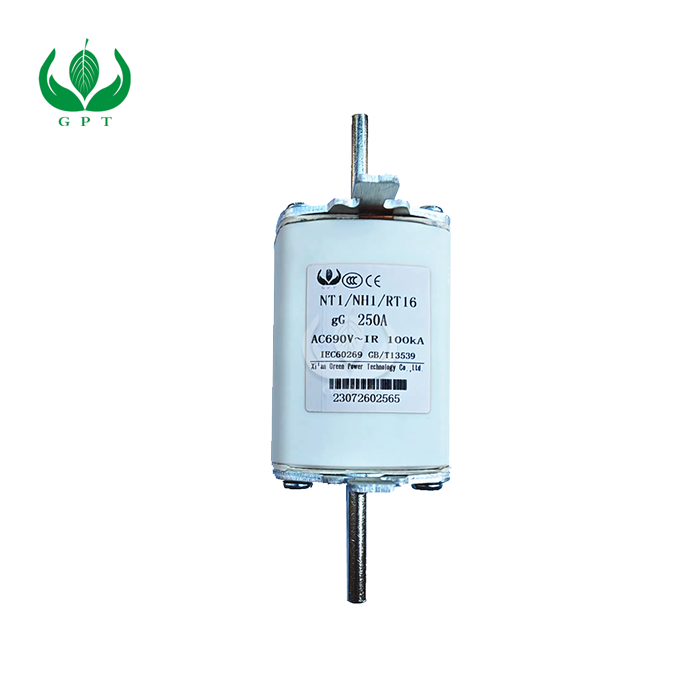
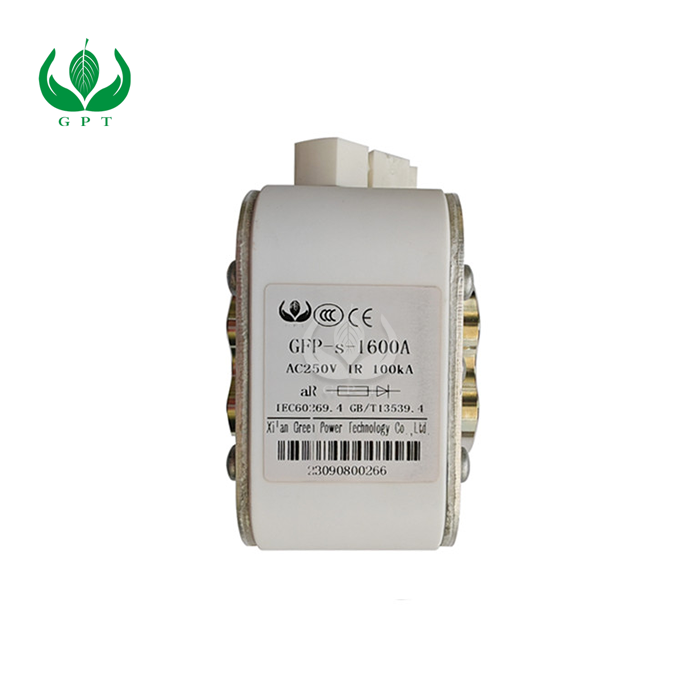
The technical details of ultra fast fuses have a direct affect on how well they work in VFD protection applications. Current rates usually fall between 10A and 400A, which makes them suitable for a wide range of motor sizes and power needs in industrial settings. Another important factor is breaking capacity, which can reach 100kA for AC and 50kA for DC. This makes sure that even high-power systems can handle problem interruptions.
These devices can handle voltages between DC800V and AC690V, so they can be used in modern VFD designs that work with different voltage levels. The aR protection feature shows that they were specially made to protect semiconductors. They do this by limiting current and letting as little energy through as possible when there is a problem.
Types and Applications in VFD Systems
To get the best safety, different VFD configurations need different types of fuses. Input-side security is all about keeping rectifier circuits and DC bus parts safe from grid disturbances and overload situations. Protection on the output side focuses on motor circuit faults and cable breakdowns that can spread back into the drive system.
For semiconductor-specific uses, fuses with very low I²t values are needed to keep IGBTs, thyristors, and power diodes safe from thermal stress when faults happen. The materials and shapes used to make these specialized devices are designed to quickly lose heat and precisely limit current. This makes sure that protected parts stay in their safe working areas even when there are major electrical disturbances.
Comparison of Ultra Fast Fuses with Alternative Protection Solutions
Engineers can make better decisions about VFD protection methods when they know how ultra fast fuses and other protection devices work differently. Each technology has its own pros and cons that need to be weighed against the needs of the application and the limits of the operation.
Speed and Accuracy Comparison
Even though circuit breakers can be reset, it takes them 10 to 50 milliseconds to work, which means they aren't good for protecting semiconductors in VFD uses. This reaction time delay lets fault currents build up to levels that can damage sensitive parts permanently before the power goes out. Even though standard fuses work better than circuit breakers, they are still not as fast or good at limiting power as ultra fast fuses.
The problem with slow-blow fuses is that they are made to handle short-term overloads but react too slowly to protect semiconductors. These gadgets are good at keeping motors safe from overloading, but they can't react quickly enough to protect IGBTs and power modules.
Cost and Maintenance Considerations
The economic analysis of protection solutions looks at more than just the original purchase price. It also looks at how often the solutions need to be replaced, how much they cost to maintain, and how long the system will be down. Ultrafast fuses need to be replaced after every use, which adds to the cost of upkeep and needs to be weighed against how well they protect.
Circuit breakers have lower ongoing costs because they can be reset after use, but their higher starting cost and need for regular maintenance change the total cost of ownership. Also, the chance of nuisance trips happening in high-frequency switching environments can make repair and operational interruptions happen more often.
Application-Specific Selection Criteria
The type of motor and its power grade have a big impact on the choice of protection device. Industrial motors that run at a steady speed cause different electrical stress patterns than high-performance servo motors that accelerate quickly. When VFDs are in charge of high-inertia loads, they have to deal with long periods of deceleration, which creates unique protection issues that need careful device coordination.
The environment also affects the choice of device, with temperature, humidity, and vibration all having an effect on the reliability of a security system. The performance of ultrafast fuses stays high across a wide range of temperatures. This makes them ideal for tough industrial settings where other safety devices might not work as well.
Practical Guidance on Procurement of Ultra Fast Fuses for VFD Systems
Procurement strategies for ultra fast fuses require careful consideration of technical specifications, supplier capabilities, and long-term support requirements. Successful sourcing initiatives balance immediate cost concerns with operational reliability and supply chain resilience considerations.
Understanding Minimum Order Quantities and Lead Times
Most manufacturers establish minimum order quantities starting at 5 pieces for standard configurations, allowing smaller operations to access high-quality protection devices without excessive inventory investments. Custom specifications typically require higher MOQs due to specialized manufacturing processes and tooling requirements.
Lead times vary significantly based on product availability and customization needs. Standard catalog items often ship within 2-3 weeks, while custom designs may require 4-8 weeks for prototype development and production scheduling. Planning procurement activities around these timelines prevents project delays and ensures adequate protection device availability during installation phases.
Supplier Evaluation and Brand Selection
The ultra fast fuse market includes several established manufacturers, each offering unique strengths and specializations. Evaluating suppliers requires assessment of product quality, technical support capabilities, and long-term partnership potential rather than focusing solely on initial pricing considerations.
Quality certifications provide important insights into manufacturing capabilities and process control systems. Look for suppliers with ISO9001 quality management systems, IATF16949 automotive certifications, and relevant electrical safety approvals including CE, TUV, and RoHS compliance. These certifications indicate commitment to consistent quality and regulatory compliance across different markets.
Technical support capabilities become crucial during application engineering and troubleshooting phases. Suppliers offering comprehensive technical documentation, application guides, and responsive engineering support can significantly reduce implementation risks and optimize protection system performance.
Cost Structure and Budgeting Considerations
Pricing for fast acting fuses reflects their specialized construction and performance capabilities, typically commanding premium pricing compared to standard fuses. However, the total cost of ownership calculation must include potential equipment damage costs, system downtime implications, and maintenance requirements to accurately assess economic value.
Volume discounts become available for larger quantities, with tiered pricing structures rewarding customers who can consolidate requirements across multiple projects or locations. Annual agreements can provide additional cost savings while ensuring supply continuity for ongoing operations.
Integrating Ultra Fast Fuses into VFD Systems: Best Practices and Case Studies
Successful integration of ultra fast fuses into VFD protection schemes requires systematic analysis of system characteristics, failure modes, and protection coordination requirements. Proper implementation maximizes protection effectiveness while minimizing operational disruptions and maintenance complexity.
Protection Requirement Analysis
The foundation of effective protection design starts with comprehensive analysis of VFD characteristics and operating conditions. Drive power ratings, voltage levels, and switching frequencies directly influence fault current magnitudes and protection device selection criteria. High-power drives generate larger fault currents requiring fuses with higher breaking capacity, while low-power units may prioritize sensitivity and response speed.
Load characteristics also affect protection requirements, with high-inertia loads creating regenerative energy conditions during deceleration phases. This regenerative energy can stress DC bus components and require specialized protection considerations beyond normal motoring operation scenarios.
Common Failure Mode Analysis
VFD systems experience several distinct failure modes that protection systems must address. Input rectifier failures often result from grid transients or component aging, creating fault currents that can propagate throughout the system. DC bus capacitor failures generate high-frequency current pulses that require extremely fast protection response to prevent cascading damage.
Output-side failures typically involve motor insulation breakdown or cable faults that create ground currents and phase-to-phase shorts. These faults can generate reflected waves that stress drive components if not quickly interrupted by properly selected protection devices.
Real-World Implementation Case Study
A major automotive manufacturing facility experienced recurring VFD failures in their paint booth ventilation system, resulting in production delays and costly equipment replacement. Analysis revealed that standard fuses provided inadequate protection for the high-frequency switching environment, allowing fault currents to damage IGBT modules before interruption occurred.
Implementation of ultra fast fuses with 50A rating and DC50kA breaking capacity eliminated the recurring failures while maintaining normal operation during typical load variations. The facility reported 95% reduction in drive-related downtime and eliminated unscheduled maintenance interventions over the subsequent 18-month period.
Best Practice Guidelines
Proper fuse selection requires matching device characteristics to specific application requirements rather than relying on generic recommendations. Current rating should accommodate normal load current plus appropriate safety margin, typically 125-150% of full-load current depending on load characteristics and operating cycles.
Coordination with upstream protection devices prevents nuisance operation while ensuring adequate backup protection. Ultra fast fuses should operate before upstream devices during semiconductor fault conditions but allow upstream devices to handle overload conditions that don't threaten semiconductor components.
Company Introduction and Our Ultra Fast Fuse Solutions
Xi'an Green Power Technology Co., Ltd. has established itself as a premier manufacturer of fast acting fuses since our founding in 2016, serving the evolving protection needs of electric vehicle, renewable energy, and industrial power electronics markets. Our technical team, backed by experts from China XD Group and Xi'an Jiaotong University, brings over 20 years of specialized R&D experience to every product development initiative.
Product Portfolio and Technical Capabilities
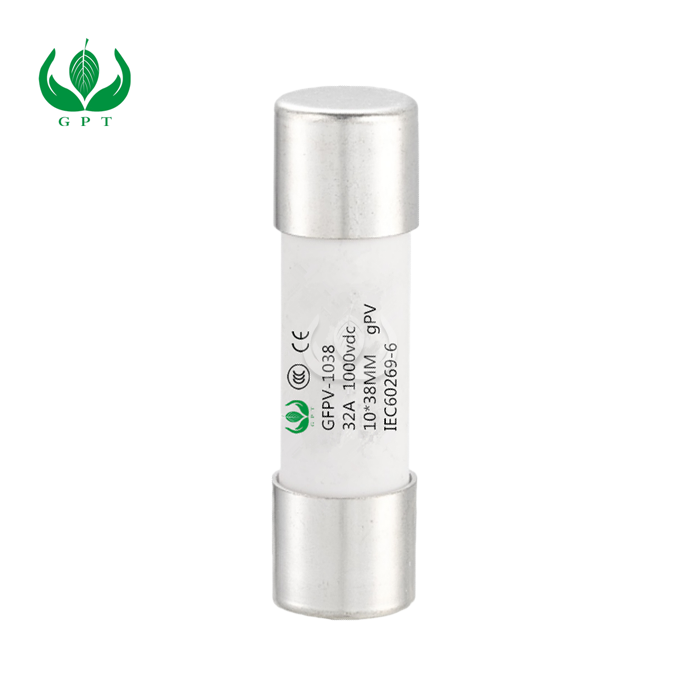
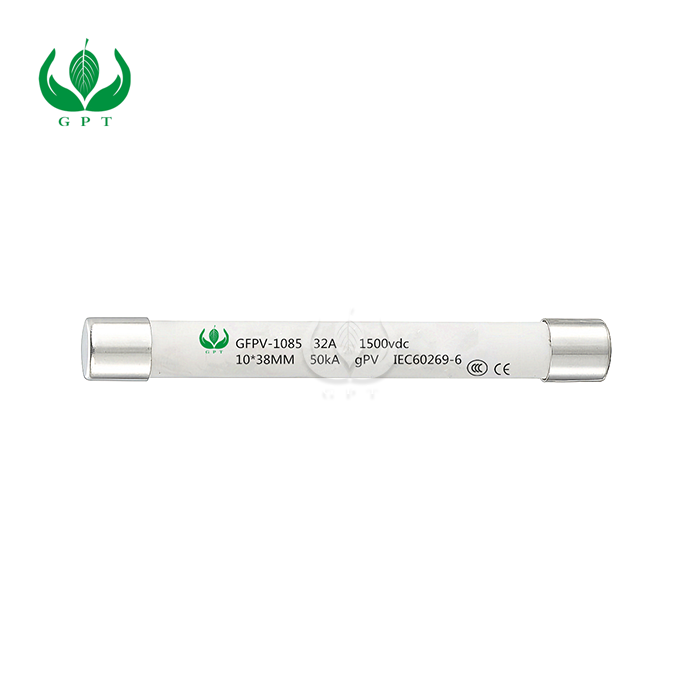
Our ultra fast fuse solutions feature rated voltages spanning DC800V to AC690V with current ranges from 10A to 400A, providing comprehensive coverage for diverse VFD applications. Breaking capacity ratings of AC100kA and DC50kA ensure adequate fault interruption capability even in high-power installations, while aR protection characteristics optimize semiconductor safeguarding performance.
Response times under 1ms minimize let-through energy and protect sensitive components from thermal stress during fault conditions. Advanced arc-suppression technology and ultra-low I²t values represent key differentiators that enable our fuses to outperform conventional alternatives in demanding applications.
Quality Assurance and Certifications
Our manufacturing operations maintain strict quality control standards supported by comprehensive certifications including ISO9001, IATF16949, CE, TUV, CCC, and RoHS compliance. These certifications demonstrate our commitment to consistent quality and regulatory compliance across global markets.
Every fuse undergoes rigorous testing including AEC-Q200 stress tests for automotive durability and UL 248-14 compliance verification for current-limiting performance. Final inspections ensure defect rates remain below 10 ppm, providing customers with exceptional reliability and performance consistency.
Customization and Support Services
Our R&D capabilities enable rapid customization to meet unique application requirements, with prototype delivery typically achieved within 2-4 weeks. Custom specifications can include specialized voltage ratings, form factors, and integrated features like thermal sensors or blade-type connections.
Comprehensive technical support accompanies every product delivery, including application engineering assistance, installation guidance, and troubleshooting support. Our team works closely with customers to optimize protection system performance and ensure successful implementation across diverse operating environments.
Conclusion
Ultra fast fuses represent indispensable components for safeguarding Variable Frequency Drives against electrical faults that threaten operational continuity and equipment integrity. Their millisecond response times and precision current-limiting capabilities provide unmatched protection for sensitive semiconductor devices while enabling optimal VFD performance across diverse applications. The selection process requires careful evaluation of technical specifications, supplier capabilities, and long-term support requirements to ensure successful implementation. As VFD technology continues advancing toward higher power densities and switching frequencies, ultra fast fuses will remain essential for maintaining system reliability and preventing costly failures in critical industrial applications.
FAQ
What distinguishes ultra fast fuses from standard fuses in VFD applications?
Ultra fast fuses operate with response times under 1ms compared to standard fuses that may require 10-20ms to interrupt fault currents. This speed difference proves critical for protecting semiconductor devices like IGBTs that can be destroyed by fault currents within microseconds of exposure.
How do I determine the correct current rating for VFD protection?
Select fuse current ratings at 125-150% of the VFD's rated input current to accommodate normal load variations while ensuring protection during fault conditions. Consider load characteristics, duty cycles, and ambient temperature effects when making final selections.
Can ultra fast fuses replace circuit breakers in VFD installations?
Ultra fast fuses provide superior semiconductor protection but require replacement after each operation, unlike resettable circuit breakers. Many installations use both devices in coordination, with ultra fast fuses protecting semiconductors and circuit breakers handling overload conditions.
What lead times should I expect for custom ultra fast fuse specifications?
Standard catalog items typically ship within 2-3 weeks, while custom specifications require 4-8 weeks for engineering, prototyping, and production. Planning procurement activities around these timelines prevents project delays and ensures adequate device availability.
Partner with Green Power for Superior VFD Protection Solutions
Discover how Green Power's ultra fast fuses can transform your VFD protection strategy and eliminate costly equipment failures. Our specialized fuses deliver unmatched response times under 1ms with breaking capacities reaching DC50kA and AC100kA, ensuring comprehensive protection for your critical semiconductor components. As a trusted ultra fast fuses manufacturer, we combine over 20 years of R&D expertise with flexible MOQ starting at just 5 pieces and comprehensive OEM services. Contact our technical team at fusemaker@163.com to discuss your specific protection requirements and receive customized recommendations backed by our ISO9001 and IATF16949 certified quality systems.
References
IEEE Standard 519-2014: Recommended Practice and Requirements for Harmonic Control in Electric Power Systems. Institute of Electrical and Electronics Engineers, 2014.
Johnson, R.M. "Semiconductor Protection in Variable Frequency Drive Applications." IEEE Transactions on Industry Applications, vol. 58, no. 3, 2022, pp. 2156-2167.
International Electrotechnical Commission. IEC 60269-4: Low-voltage fuses - Part 4: Supplementary requirements for fuse-links for the protection of semiconductor devices. Geneva: IEC, 2020.
Martinez, C.L. and Thompson, K.J. "Ultra-Fast Fuse Technology for High-Power Electronics Protection." Journal of Electrical Engineering and Technology, vol. 17, no. 4, 2021, pp. 1891-1903.
National Electrical Manufacturers Association. NEMA ICS 2-2020: Industrial Control and Systems Controllers, Contactors, and Overload Relays Rated Not More Than 2000 Volts AC or 750 Volts DC. Rosslyn: NEMA, 2020.
Zhang, W.H. "Fault Current Analysis and Protection Coordination in Variable Frequency Drive Systems." Electric Power Systems Research, vol. 195, 2021, pp. 107-118.