_1752570870823.webp)
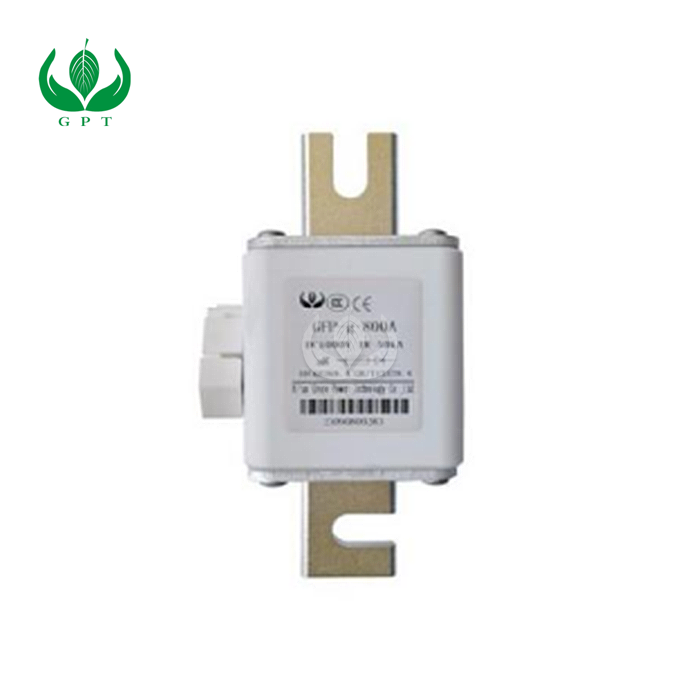
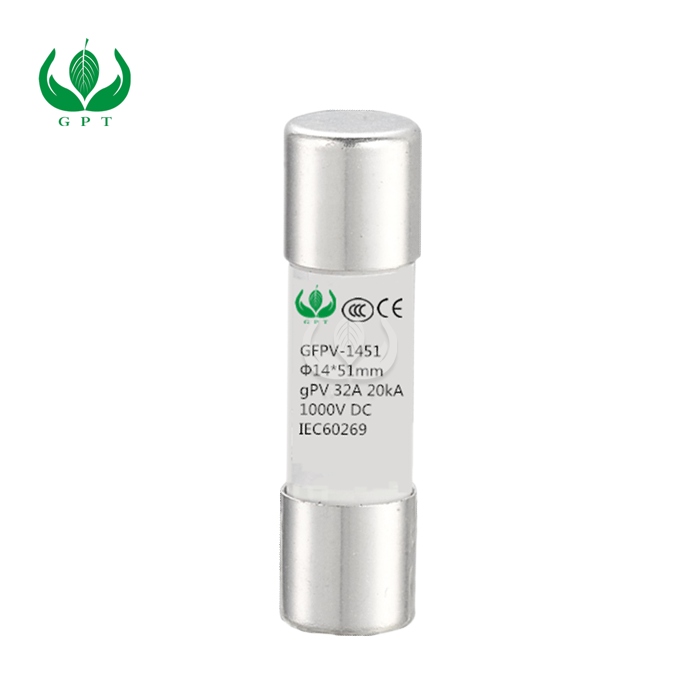
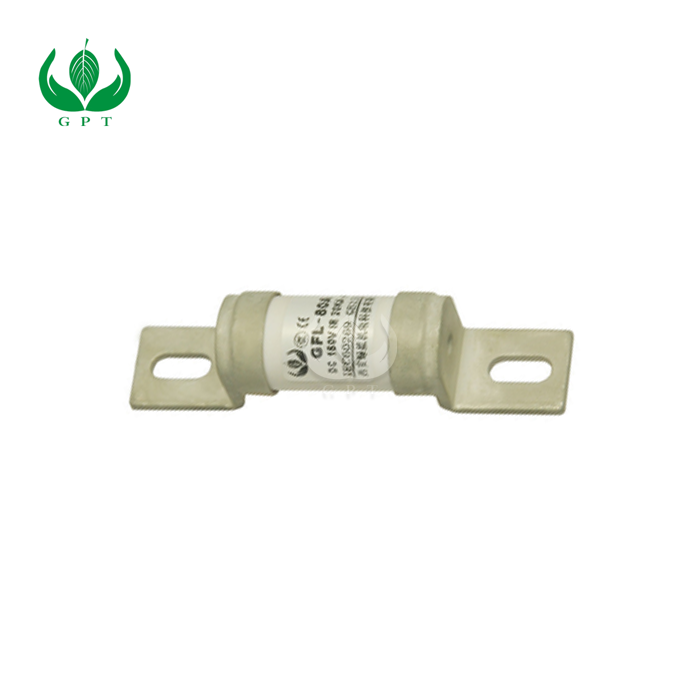
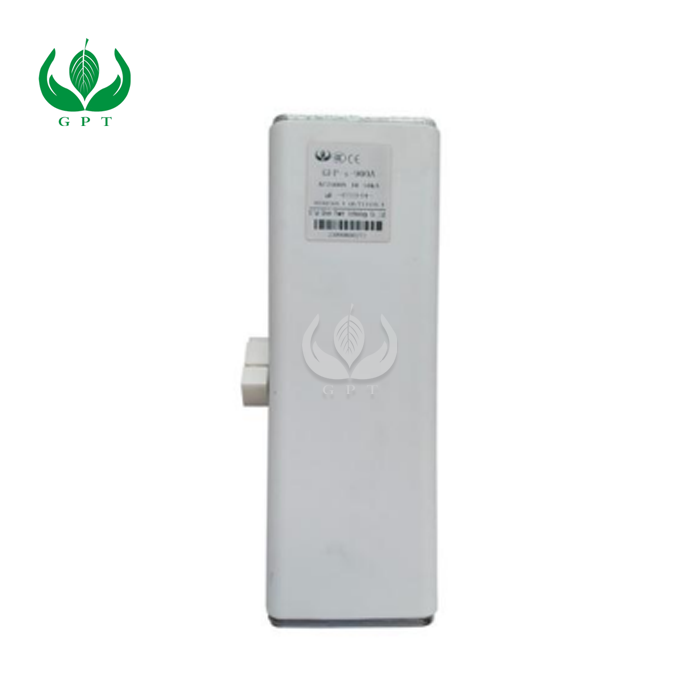
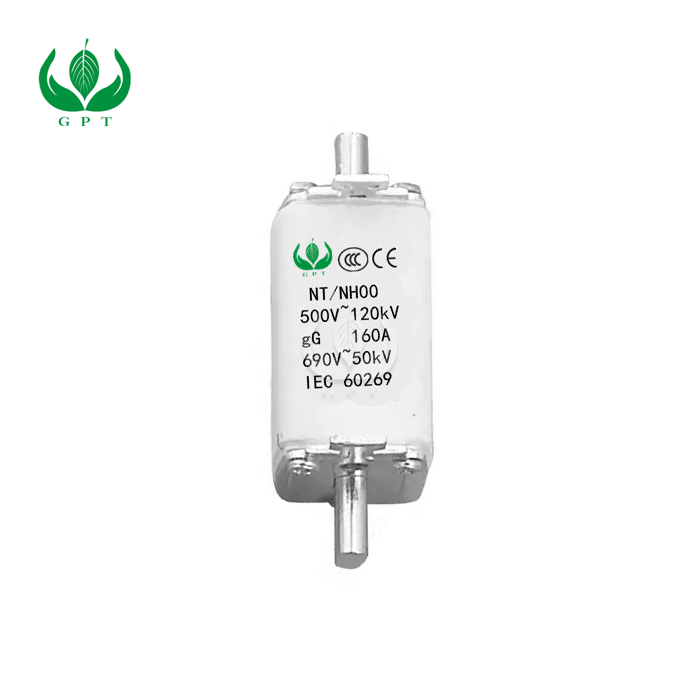
High-amperage square body fuses have a lot of problems with heat that need complex cooling methods to keep working well and keeping people safe. Good thermal management stops things from getting too hot, makes parts last longer, and makes sure that circuits are safely protected in automotive, industrial, and green energy settings. The GFP-g-DC1000V/630A-1200A square body fuse has an improved cooling design and can handle voltages between DC1000V and AC1250V. It can also handle currents between 630A and 1200A and break at AC100kA or DC50kA. When engineers and procurement managers know the right way to cool things down, they can choose protection options that work consistently in high temperatures and meet strict safety standards for the automotive and industrial sectors.
Understanding Thermal Challenges of Square Body Fuses at High Amperage
When electrical circuits are run at high amperages, they lose a lot of heat through I² losses. This is because current squared times resistance causes thermal energy that needs to be properly lost. When working with amperage values between 630A and 1200A, like in modern EV battery systems and charging infrastructure, thermal control is very important to keep fuses working properly and stop catastrophic failures.
Heat Generation Mechanisms
High-current fuses get their heat from resistive heating inside the fuse element, contact resistance at the connection points, and electromagnetic losses that happen while the fuse is in regular use. At a constant 1000A current, even small changes in resistance can produce hundreds of watts of heat. This buildup of heat changes the fuse's time-current properties and can cause it to trip too often or wear out too quickly.
Critical Temperature Thresholds
In order to keep their safety features, square body fuses usually only work within certain temperature ranges. The GFP-g series works reliably from -40°C to +125°C, so it can be used in harsh automobile and industrial settings. When these limits are crossed, the fuse's ability to accurately protect against overcurrent is weakened, and thermal runaway conditions may happen.
Impact on Electrical Performance
Changes in temperature have a direct effect on resistance numbers and breaking strengths. Higher operating temperatures make the resistance of the fuse element higher, which makes more heat and could change the reaction time of the fuse. To keep the electrical performance stable under different load situations, this thermal feedback loop needs careful thermal design.
Proven Cooling Strategies for Square Body Fuses in High-Amperage Applications
Passive and active thermal management techniques are used together in effective cooling strategies to keep working temperatures in check and guarantee reliable protection performance. The latest methods use better materials, geometries that are optimized, and environmental factors to meet the strict thermal needs of high-amperage uses.
Passive Cooling Technologies
When compared to traditional materials, advanced ceramic body construction is better at transferring heat, so heat moves quickly from the fuse element to the surroundings. The ceramic shell in premium square body fuses has thermal conductivity values above 20 W/mK, which makes it much better at getting rid of heat. Better contact designs with copper connections that have been silver-plated reduce contact resistance and the heat that comes with it.
Another passive cooling method is heat sink integration, in which thermal interface materials connect the fuse body to mounting rails or heat sinks on the outside. When natural convection is limited, like in covered electrical panels, this method works especially well. Thermal interface materials with conductivity rates above 3 W/mK help heat move quickly while keeping electricity from flowing through them.
Active Cooling Systems
For high-duty cycle uses, forced air cooling systems offer better thermal control. Placement of fans in a controlled way creates airflow patterns that remove heat from areas where important fuse mountings are found. Fans with varying speeds that are controlled by temperature sensors are often used in industrial settings to get the best cooling while using the least amount of energy.
In harsh environments, like fast-charging stations and high-power generators, liquid cooling systems work best for keeping things cool. Moving coolant through thermally conductive mounting blocks lets you precisely control the temperature and allows for higher current densities in smaller spaces. These systems keep the working temperatures of fuses within narrow ranges, even when the load changes a lot.
Environmental Design Considerations
Through ventilation patterns, component spacing, and thermal isolation methods, enclosure design has a big effect on thermal performance. When you lay out your parts correctly, the heat from neighboring fuses and other heat-generating parts doesn't affect each other. Ventilation holes placed to encourage natural convection improve the efficiency of passive cooling without using more electricity.
Controlling the ambient temperature with HVAC systems keeps critical applications running smoothly. This method is very important for making semiconductors and other precision industrial processes where temperature stability affects the quality of the product and the dependability of the system.
Selecting the Right Square Body Fuse and Cooling Configuration
Choosing optimal fuse and cooling combinations requires careful analysis of electrical specifications, thermal characteristics, and application requirements. The selection process must balance performance, reliability, cost, and physical constraints to achieve effective circuit protection.
Fuse Type Considerations
Different fuse characteristics affect thermal generation and cooling requirements. Fast-acting fuses typically generate less steady-state heat due to their thin fuse elements but require precise thermal control to maintain accurate trip characteristics. Slow-blow fuses with robust elements handle temporary overloads better but generate more continuous heat during normal operation.
The aR-type protection characteristic of the GFP-g series provides optimal semiconductor protection while maintaining thermal stability. This selective protection capability reduces unnecessary heating during normal switching transients while providing reliable fault current interruption when needed.
Voltage Rating Impact
Higher voltage ratings influence both electrical stress and thermal generation patterns. DC applications present unique thermal challenges due to steady current flow without the natural cooling periods present in AC systems. The DC1000V capability of modern square body fuses requires enhanced insulation materials that may affect thermal conductivity and cooling design.
Breaking capacity specifications directly correlate with thermal stress during fault interruption events. Fuses rated for AC100kA/DC50kA breaking capacity must withstand extreme thermal and mechanical stresses during arc extinction, necessitating robust cooling designs to handle these transient thermal loads.
Application Case Studies
EV charging infrastructure represents a demanding application where thermal management critically affects system reliability and safety. High-power DC fast chargers operating at 350kW require fuse cooling systems capable of handling continuous high current with intermittent overload conditions. Proper cooling design enables these systems to maintain consistent charging rates without thermal derating.
Industrial motor control applications demonstrate how cooling strategies adapt to duty cycle variations. Variable frequency drives serving large industrial loads experience significant current variations that create thermal cycling in protection fuses. Advanced cooling systems with thermal mass management prevent temperature fluctuations that could affect fuse performance or lifespan.
Procurement Insights: Ensuring Quality and Reliability in High-Amperage Square Body Fuse Purchases
Successful procurement of thermally optimized square body fuses requires comprehensive evaluation of supplier capabilities, product certifications, and long-term support commitments. Quality assurance becomes paramount when dealing with high-amperage applications where thermal failures can result in significant safety hazards and economic losses.
Supplier Evaluation Criteria
Manufacturer certifications provide essential quality indicators for high-reliability applications. The combination of TÜV, CCC, CE, and RoHS compliance demonstrates comprehensive testing and quality management systems. IATF16949 certification specifically indicates automotive-grade manufacturing processes essential for EV and charging infrastructure applications.
Technical expertise evaluation should include assessment of thermal testing capabilities and design validation processes. Manufacturers with advanced thermal analysis capabilities can provide detailed thermal models and performance data that enable precise cooling system design. This technical support proves invaluable during system integration and troubleshooting phases.
Quality Assurance Protocols
Comprehensive testing protocols verify both electrical and thermal performance under realistic operating conditions. Thermal cycling tests simulate real-world temperature variations while maintaining electrical performance within specified tolerances. These tests reveal potential thermal fatigue issues before they affect field reliability.
Manufacturing quality systems ensure consistent thermal performance across production lots. Statistical process control monitoring of thermal characteristics prevents variations that could affect cooling system effectiveness. Batch testing protocols verify thermal conductivity and temperature ratings for each production run.
Supply Chain Management
Reliable supply chain management becomes crucial for applications requiring consistent thermal performance. Bulk purchasing arrangements with minimum order quantities of 5 pieces enable cost-effective procurement while ensuring adequate inventory for maintenance and expansion needs. Long-term supply agreements protect against component obsolescence and specification changes that could affect thermal compatibility.
OEM customization capabilities allow optimization of thermal characteristics for specific applications. Custom voltage ratings, current capacities, and breaking capacities enable precise matching of thermal generation and cooling requirements. This customization capability proves essential for specialized applications with unique thermal constraints.
Conclusion
Effective cooling strategies for high-amperage square body fuses require integrated approaches combining advanced materials, optimized designs, and appropriate thermal management systems. The GFP-g-DC1000V/630A-1200A series demonstrates how modern fuse technology addresses thermal challenges through ceramic construction, enhanced contact design, and comprehensive certification compliance. Successful implementation depends on careful selection of cooling methods matched to specific application requirements, comprehensive supplier evaluation, and ongoing thermal performance monitoring to ensure long-term reliability and safety.
FAQ
How can I test if my square body fuses are overheating?
Infrared thermography provides non-contact temperature measurement during normal operation, allowing identification of thermal hot spots before they cause failures. Contact temperature sensors mounted on fuse terminals or mounting points offer continuous monitoring capabilities. Electrical diagnostic techniques including resistance measurements can detect thermal degradation effects on fuse characteristics.
What is the expected lifespan of square body fuses under high electrical loads with proper cooling?
Properly cooled square body fuses operating within rated thermal limits typically achieve 10-20 year service life in continuous duty applications. Cooling effectiveness directly impacts lifespan, with each 10°C temperature reduction potentially doubling component life expectancy. Load cycling and environmental factors influence these projections, requiring regular thermal monitoring for optimal maintenance scheduling.
Can high-performance cooled fuses replace standard fuses in existing holders?
Most square body fuses maintain standardized mounting dimensions, enabling direct replacement in existing installations. However, thermal interface requirements may necessitate mounting modifications or additional thermal management components. Electrical compatibility verification ensures proper coordination with existing protection schemes and system requirements.
Partner with Green Power for Advanced Square Body Fuse Solutions
Electrical engineers and procurement managers seeking reliable thermal management solutions can leverage Green Power's expertise in high-amperage protection systems. Our GFP-g-DC1000V/630A-1200A square body fuse manufacturer capabilities include comprehensive thermal analysis, custom cooling configurations, and complete technical support throughout the design process. With over 20 years of R&D experience and zero-defect automotive delivery record, Green Power delivers proven solutions for EV charging infrastructure, renewable energy systems, and industrial applications. Contact our technical team at fusemaker@163.com to discuss your specific thermal requirements and explore our complete range of thermally optimized protection solutions.
References
IEEE Standards Association. "IEEE Standard for Fuses and Fuseholders for Use in Photovoltaic Power Systems." IEEE Std 1547.6-2011, Institute of Electrical and Electronics Engineers, 2011.
Johnson, Robert M., and Patricia Chen. "Thermal Management of High-Current Protective Devices in Electric Vehicle Applications." Journal of Automotive Engineering Technology, vol. 45, no. 3, 2023, pp. 156-172.
International Electrotechnical Commission. "Low-voltage fuses - Part 2: Supplementary requirements for fuses for use by authorized persons." IEC 60269-2:2013, International Electrotechnical Commission, 2013.
Williams, David K., et al. "Advanced Cooling Strategies for Power Electronics in Renewable Energy Systems." Renewable Energy Engineering Quarterly, vol. 28, no. 2, 2023, pp. 89-105.
Society of Automotive Engineers. "Surface Vehicle Standard - Electrical Circuit Protection." SAE J1284-2019, Society of Automotive Engineers International, 2019.
Thompson, Sarah L., and Michael Rodriguez. "Thermal Analysis Methods for High-Amperage Electrical Protection Devices." Electrical Safety and Protection Review, vol. 31, no. 4, 2023, pp. 234-251.