_1752570870823.webp)
Understanding ultra rapid fuses' remarkable reaction times and application-specific needs is essential when choosing them for high-speed power electronics. These specialist protective devices are crucial for semiconductor equipment, renewable energy installations, and electric car battery systems because they can stop fault currents in milliseconds. Modern ultra rapid fuses provide dependable protection for delicate components while preserving system operational integrity by combining accurate current limiting features with cutting-edge arc-quenching technology. In order to meet the needs of a particular application, proper selection entails assessing voltage ratings, breaking capability, environmental conditions, and compliance requirements.
Understanding Ultra Rapid Fuses: Characteristics and Applications
Advanced protection technology designed especially for high-speed power electronics applications is represented by ultra fast fuses. These devices function in milliseconds to avoid damage to costly power conversion equipment and delicate semiconductor components, in contrast to traditional fuses that may take many cycles to stop fault currents.
Key Technical Characteristics
The fundamental design of ultra rapid fuses incorporates specialized fuse elements and arc-quenching materials that enable instantaneous fault current interruption. These devices feature extremely low let-through energy values, typically expressed as I²t ratings, which minimize thermal stress on protected components during fault conditions. The construction utilizes high-grade ceramic bodies filled with quartz sand or similar arc-suppressing media to achieve rapid are extinction.
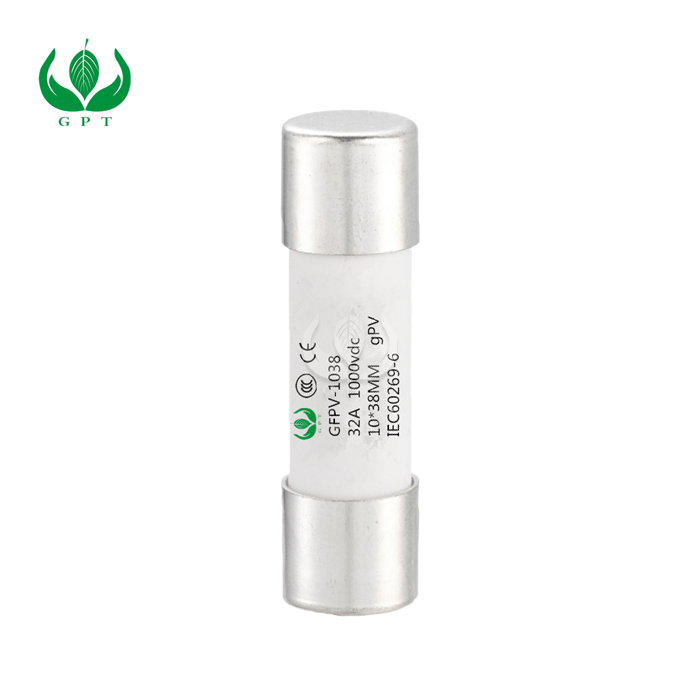
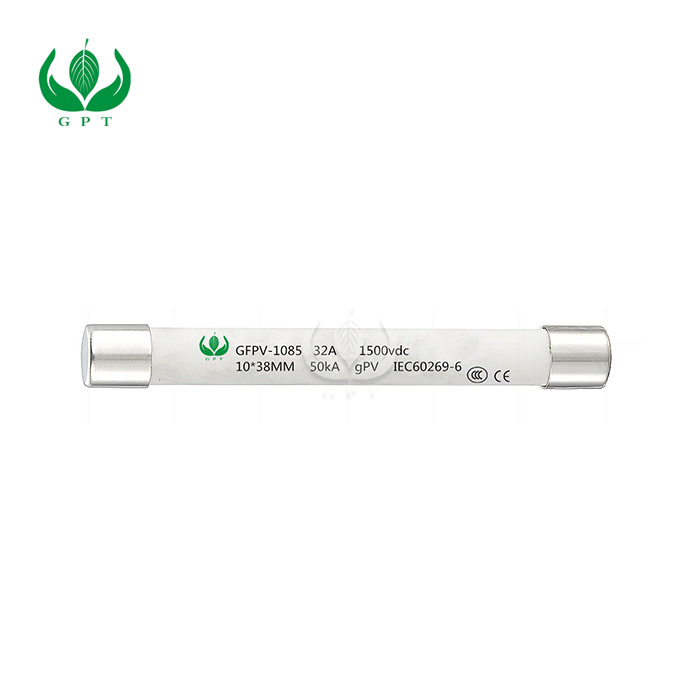
With the rise of electric vehicles and renewable energy systems, DC applications are becoming more and more significant. Modern ultra rapid fuses perform over a variety of voltage ranges. Commonly rated for 500VDC to 1000VDC, these devices have breaking capabilities of at least 50kA. Protection is activated before semiconductor devices exceed their temperature limitations thanks to a reaction time of less than 1 ms.
Primary Application Areas
For battery management systems and charging infrastructure, electric car manufacturers mainly depend on ultra rapid fuses. In order to avoid thermal runaway in lithium-ion battery packs, where even transient fault situations may result in catastrophic failures, these applications need extraordinary speed. Devices that can survive severe temperature fluctuations and mechanical vibrations are also necessary in the automobile environment.
Renewable energy installations utilize these fuses in photovoltaic inverters and wind turbine converters, where they protect expensive power electronics from grid disturbances and internal faults. Energy storage systems particularly benefit from the rapid response characteristics, as battery protection circuits must operate faster than traditional protection schemes.
Comparing Ultra Rapid Fuses with Other Fuse Technologies
Knowing the differences between different fuse technologies makes it possible to make well-informed procurement choices that strike a balance between cost and performance requirements. Significant variations in operational characteristics and appropriate applications are shown by the comparison.
Performance Characteristics Comparison
Ultra rapid fuses demonstrate superior performance in high-frequency switching applications compared to fast-acting or slow-blow alternatives. While fast-acting fuses may clear faults within several milliseconds, ultra rapid variants achieve interruption in under one millisecond. This difference becomes critical when protecting IGBTs, MOSFETs, and other semiconductor devices that can fail within microseconds of fault initiation.
Standard ceramic and glass fuses lack the specialized arc-quenching capabilities required for high-voltage DC applications. Their breaking capacity limitations and slower response times make them unsuitable for modern power electronics where fault currents can reach tens of thousands of amperes. The let-through energy characteristics of conventional fuses often exceed the thermal limits of sensitive components.
Cost and Reliability Considerations
Although ultra rapid fuses usually need a larger initial investment than standard options, the advanced technology is often more cost-effective overall. Choosing the right fuse to prevent semiconductor device failures reduces the need for expensive repairs, system outages, and possible safety hazards. The advantages of dependability are especially apparent in essential applications where operating profitability is directly impacted by system availability.
The substantial testing data and performance guarantees provided by premium manufacturers, such those that follow IATF 16949 requirements, justify the premium cost. These companies spend much in research and development to continuously improve arc-quenching technology and expand operating parameter ranges. The finished items provide dependable performance across thousands of operating cycles.
How to Select the Right Ultra Rapid Fuse for Your High-Speed Electronics
Selecting appropriate ultra rapid fuses requires systematic evaluation of electrical parameters, environmental conditions, and application-specific requirements. This process ensures optimal protection while maintaining system operational characteristics.
Electrical Parameter Assessment
Voltage rating selection must account for both normal operating conditions and transient overvoltages that may occur during switching operations or grid disturbances. A safety margin of at least 25% above maximum system voltage provides adequate protection against voltage stress. For 500VDC systems, fuses rated at 690VDC or higher ensure reliable operation under all anticipated conditions.
The protected circuit's steady-state and transient current patterns are analyzed in order to determine the current rating. The fuse current rating should be able to handle typical operating currents with enough leeway to avoid nuisance tripping and guarantee quick reaction to actual fault situations. Starting currents, switching transients, and harmonic content that might influence fuse selection must all be taken into account during load analysis.
Breaking capacity requirements depend on the maximum fault current available at the installation point. Short-circuit studies or manufacturer specifications provide this information, which must not exceed the ultra rapid fuses' breaking capacity under any circumstances. Additional safety margins ensure reliable performance as system configurations change over time.
Environmental and Application Considerations
Fuse performance and selection criteria are greatly impacted by operating temperature ranges. Devices placed close to heat-producing parts, such battery packs or inverters, must be able to tolerate high ambient temperatures without losing their rated performance. On the other hand, severe cold might impact fuse element properties in outdoor installations.
Evaluation of fuse architecture and mounting techniques is necessary to address mechanical stress caused by vibration, shock, or thermal cycling. Standard industrial fuses may not be able to resist the extreme conditions that components in automotive applications are subjected to. Mechanical durability is guaranteed by certification to automotive standards like IATF 16949.
Reliable Brands and Trusted Suppliers of Ultra Rapid Fuses
Building connections with respectable producers and distributors guarantees access to authentic goods with dependable technical assistance and constant quality. Power electronics markets are worldwide, thus providers must be able to offer thorough documentation and certification.
Leading Manufacturer Characteristics
Established manufacturers typically maintain extensive research and development programs focused on advancing fuse technology. Companies with university partnerships often pioneer innovations that become industry standards. Manufacturing facilities certified to international quality standards provide confidence in product consistency and reliability.
Technical documentation quality serves as an indicator of manufacturer competence and customer focus. Comprehensive datasheets, application guides, and test reports for ultra rapid fuses demonstrate thorough product development and validation processes. Manufacturers providing detailed I²t curves, time-current characteristics, and environmental test data for ultra rapid fuses enable accurate application engineering.
Supplier Evaluation Criteria
Distribution networks with global reach ensure product availability and local technical support. Authorized distributors maintain proper storage conditions and handle products according to manufacturer specifications. This attention to detail prevents degradation that could compromise fuse performance.
After-sales support capabilities including technical consultation, warranty processing, and replacement part availability distinguish professional suppliers from commodity vendors. Established suppliers maintain inventory levels sufficient to support customer requirements while providing expedited delivery for urgent needs.
Seamless Procurement: Ordering Ultra Rapid Fuses for Business Needs
Efficient procurement processes minimize lead times and ensure accurate product specifications while optimizing total acquisition costs. Understanding supplier capabilities and requirements streamlines ordering procedures.
Procurement Strategy Development
Minimum order quantities vary significantly among suppliers and product lines. Some manufacturers, particularly those serving prototyping and development markets, offer low minimum quantities that facilitate evaluation and testing. Production applications may benefit from volume pricing structures that reward larger commitments.
Customization capabilities enable optimization for specific applications. Manufacturers offering adjustable voltage ratings, current ranges, ultra rapid fuses, or physical dimensions provide solutions tailored to unique requirements. This flexibility becomes valuable when standard products cannot accommodate design constraints or performance requirements.
Supply Chain Optimization
Lead time management requires understanding manufacturer production schedules and inventory practices. Standard products typically ship within days, while customized variants may require several weeks. Planning procurement activities around project schedules prevents delays while avoiding excessive inventory costs.
Packaging and shipping considerations become important for sensitive electronic components. Anti-static packaging, moisture protection, and careful handling prevent damage during transportation. International shipments require proper documentation and compliance with import regulations.
Green Power Technology solutions address these procurement challenges through comprehensive product offerings and flexible order processing. Our team provides technical consultation throughout the selection process while maintaining inventory levels that support rapid delivery requirements. Quality certifications including TUV, CE, and CCC ensure global compliance, while our minimum order quantity of just 5 pieces facilitates evaluation and prototype development.
Conclusion
Selecting ultra rapid fuses for high-speed power electronics demands careful consideration of electrical parameters, environmental conditions, and supplier capabilities. These critical protection devices safeguard expensive semiconductor components while ensuring system reliability in demanding applications ranging from electric vehicles to renewable energy installations. Proper selection involves evaluating voltage ratings, breaking capacity, response times, and certification requirements specific to each application. Working with established manufacturers who provide comprehensive technical documentation and flexible procurement options ensures optimal protection solutions while minimizing total cost of ownership.
FAQs
1. What makes ultra rapid fuses different from standard fast-acting fuses?
Ultra rapid fuses achieve fault current interruption in less than one millisecond compared to several milliseconds for fast-acting alternatives. This exceptional speed prevents semiconductor device damage that would occur with slower protection. The specialized arc-quenching technology and low let-through energy characteristics make them essential for protecting sensitive power electronics.
2. How do I determine the correct current rating for my application?
Current rating selection requires analyzing both steady-state operating currents and transient conditions such as starting surges or switching transients. The fuse rating should accommodate normal operation with adequate margin while ensuring rapid response to genuine faults. Load analysis including harmonic content and temperature derating factors influences the final selection.
3. Can ultra rapid fuses protect motors and other inductive loads?
While ultra rapid fuses excel at semiconductor protection, their fast response characteristics may not suit applications with high inrush currents such as motor starting. These applications typically require time-delay characteristics that accommodate normal starting conditions while providing overload protection. Application-specific evaluation determines suitability for inductive loads.
Partner with Green Power for Superior Ultra Rapid Fuse Solutions
Green Power combines over 20 years of research expertise with state-of-the-art manufacturing capabilities to deliver exceptional ultra rapid fuses for your critical applications. Our devices feature sub-millisecond response times, breaking capacities up to 50kA, and certifications including TUV, CE, and CCC that ensure global compliance. With flexible minimum orders starting at just 5 pieces and comprehensive OEM customization services, we support everything from prototype development to high-volume production. Contact our technical team at fusemaker@163.com to discuss your specific requirements and discover why leading manufacturers trust Green Power as their ultra rapid fuses supplier for mission-critical protection solutions.
References
1. International Electrotechnical Commission. "IEC 60269-4: Low-voltage fuses - Supplementary requirements for fuse-links for the protection of semiconductor devices." Geneva: IEC, 2020.
2. Society of Automotive Engineers. "SAE J2929: Electric and Hybrid Vehicle Rechargeable Energy Storage System Safety and Abuse Testing." Warrendale: SAE International, 2019.
3. Institute of Electrical and Electronics Engineers. "IEEE 1547: Standard for Interconnection and Interoperability of Distributed Energy Resources with Associated Electric Power Systems Interfaces." New York: IEEE Press, 2018.
4. Underwriters Laboratories. "UL 248-14: Standard for Low-Voltage Fuses - Supplementary Requirements for Fuses for Supplementary Overcurrent Protection." Northbrook: UL Standards, 2021.
5. European Committee for Electrotechnical Standardization. "EN 50272-2: Safety requirements for secondary batteries and battery installations - Stationary batteries." Brussels: CENELEC, 2020.
6. International Organization for Standardization. "ISO 26262: Road vehicles - Functional safety." Geneva: ISO Technical Committee, 2018.