_1752570870823.webp)
The foundation of contemporary industrial automation is represented by variable frequency drives (VFDs), yet its semiconductor components are still susceptible to electrical faults that might result in catastrophic equipment failures. Semiconductor fuses for VFD systems provide millisecond-level protection against overcurrent situations, preventing costly power electronics and IGBT modules from suffering catastrophic damage. By stopping fault currents during the first half-cycle, these specialized protective devices avoid cascade failures across whole manufacturing lines, operating far quicker than traditional circuit protection. Procurement managers and electrical engineers can make well-informed decisions that safeguard millions of dollars' worth of investments while maintaining operational continuity by having a thorough understanding of their vital applications in industry motor drives, renewable energy systems, and electric vehicle charging infrastructure.
Understanding Semiconductor Fuses for VFDs
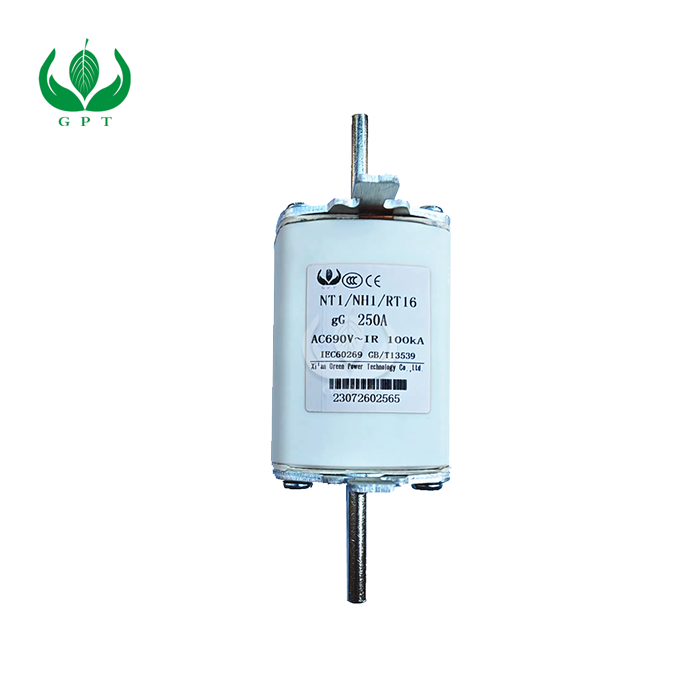
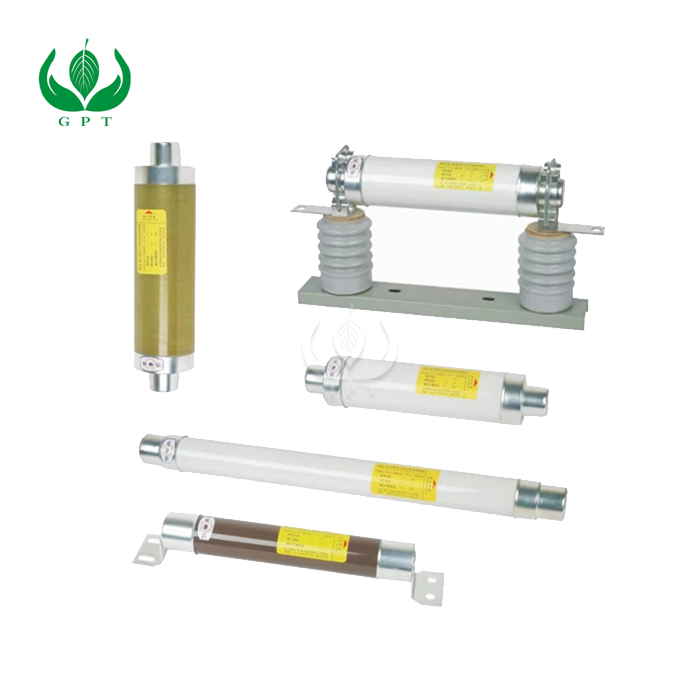
Semiconductor fuses are a particular kind of protection devices designed to protect VFD circuits from electrical malfunctions that might harm vital power components such as MOSFETs and IGBTs. With their very quick reaction rates (measured in milliseconds) and remarkable interrupting capabilities, these devices function quite differently from traditional fuses and are thus essential in complicated VFD systems.
Technical Specifications and Performance Characteristics
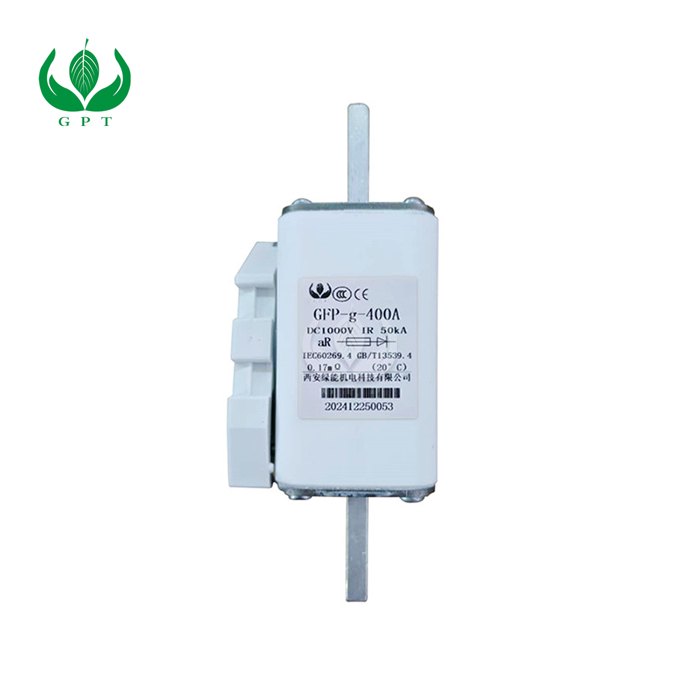
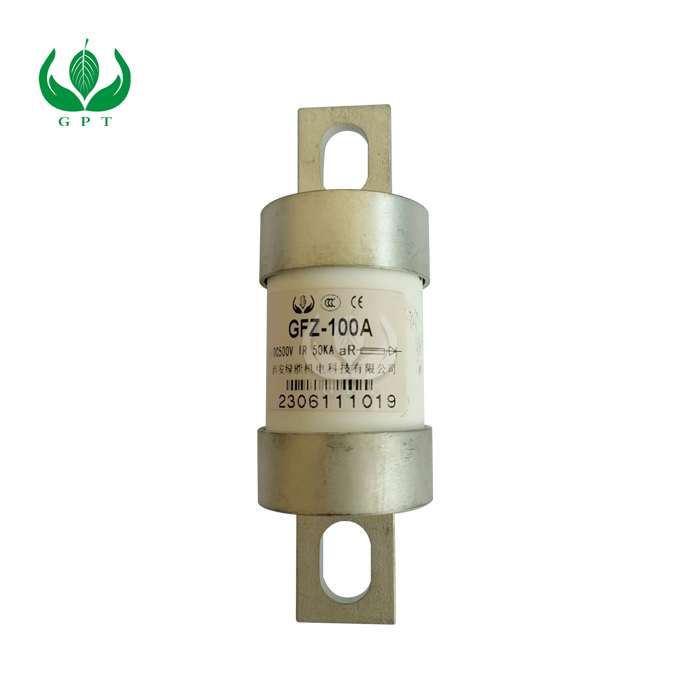
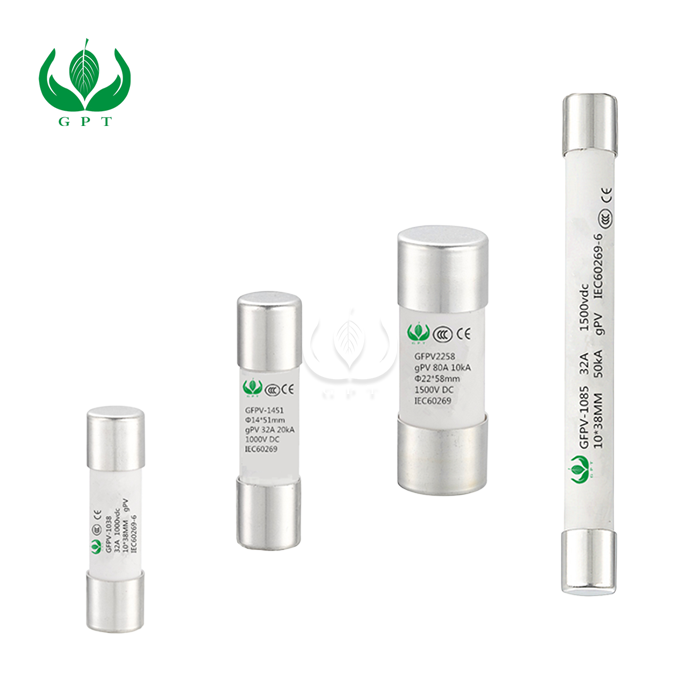
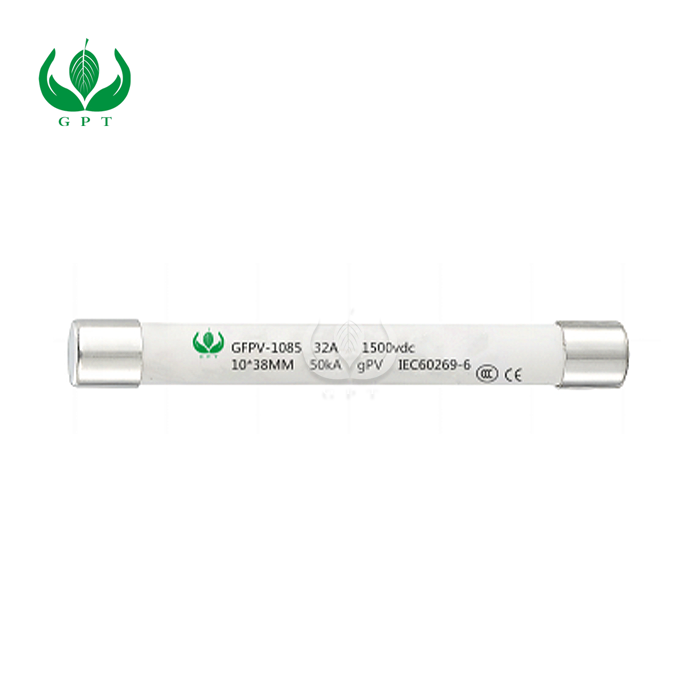
Precise technical requirements that are in line with VFD operating settings are crucial to the efficacy of semiconductor protection. Current ratings between 32A and 1600A, voltage withstand capacities up to DC 2000V, and breaking capacities up to AC 100kA and DC 50kA are important performance indicators. These requirements provide complete security in a variety of application situations while preserving system integrity in the face of harsh operating circumstances.
Modern semiconductor fuses utilize aR protection characteristics, specifically designed for semiconductor applications where rapid fault clearing prevents component damage,such as semiconductor fuses for VFD. The silver fuse element construction with strategic notching reduces cross-sectional area at predetermined points, enabling controlled melting patterns that optimize arc extinction and minimize let-through energy.
Differentiation from Conventional Protection Devices
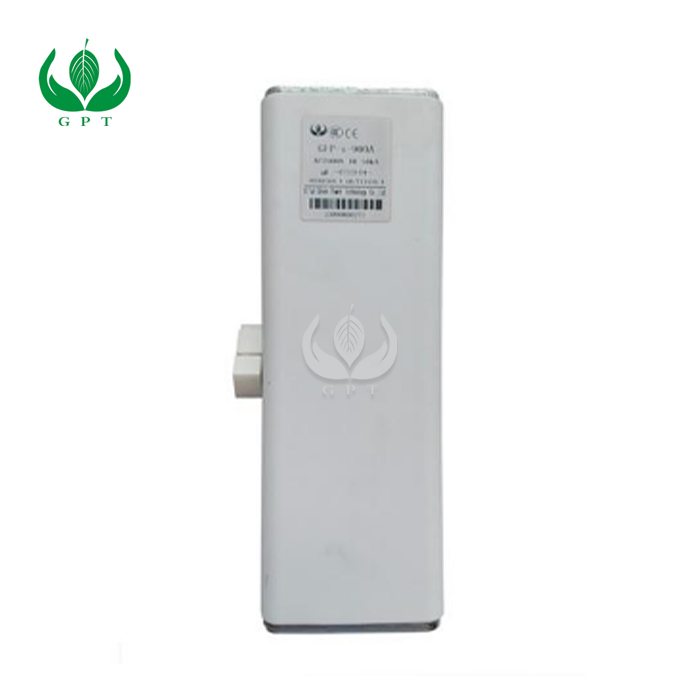
Unlike thermal or electronic fuses that may respond too slowly for semiconductor protection, these specialized devices feature unique construction elements including silica sand filling for superior arc quenching capabilities. This design enables them to interrupt high fault currents while limiting peak let-through current and energy, critical factors in protecting sensitive semiconductor components from thermal stress and voltage transients.
Common Applications and Benefits of Semiconductor Fuses in VFD Systems
Industrial applications of semiconductor fuses span numerous sectors where VFD reliability directly impacts operational efficiency and safety. These protective devices serve as the primary defense against electrical faults in motor control systems, ensuring continuous operation across manufacturing facilities, infrastructure projects, and automated production lines.
Electric Vehicle Charging Infrastructure Protection
EV charging stations represent one of the most demanding applications for VFD protection systems. High-power DC fast chargers operating at voltage levels exceeding 800V require semiconductor fuses capable of interrupting massive fault currents while maintaining compact form factors. These installations benefit from fuses with breaking capacities of DC 50kA, ensuring reliable protection for power conversion modules and battery management systems.
The automotive-grade quality standards demanded by EV infrastructure align perfectly with IATF 16949 certification requirements, ensuring consistent performance across diverse environmental conditions. Anti-corrosion coatings and vibration-resistant terminals provide additional reliability in outdoor charging installations exposed to temperature extremes and mechanical stress.
Renewable Energy System Applications
Solar inverters and wind power conversion systems utilize semiconductor fuses for VFD to protect power electronics from grid disturbances and fault conditions. These applications require devices capable of handling DC switching under high voltage conditions, where conventional AC-rated protection may prove inadequate. The aR characteristic provides optimal coordination with semiconductor switching devices, preventing nuisance tripping while ensuring rapid response to genuine fault conditions.
Energy storage systems present unique challenges requiring fuses that can handle bidirectional power flow and varying load patterns. Battery inverter applications benefit from the low power loss characteristics of semiconductor fuses, maintaining system efficiency while providing comprehensive protection against short-circuit conditions.
Industrial Motor Drive Protection
Manufacturing facilities rely heavily on VFD-controlled motor systems for conveyor operations, machine tools, and process equipment. Semiconductor fuses in these applications protect expensive servo drives and motion control systems from damage caused by motor faults, load variations, and power quality disturbances. The ultra-fast protection capabilities prevent cascading failures that could shut down entire production lines.
HVAC systems in commercial and industrial buildings utilize VFD technology for energy efficiency optimization. Semiconductor fuses in these applications must operate reliably across wide temperature ranges while providing consistent protection for variable load conditions typical of heating and cooling systems.
Comparing Semiconductor Fuses with Alternative Protection Devices for VFDs
Selecting appropriate overcurrent protection for VFD systems requires understanding the distinct advantages and limitations of various protection technologies. This comparison enables procurement specialists to make informed decisions based on application requirements, performance expectations, and long-term reliability considerations.
Response Time and Sensitivity Analysis
Circuit breakers, while offering reset capabilities, typically lack the response speed necessary for semiconductor protection in VFD applications. Their mechanical operation introduces delays that may allow damaging current levels to persist long enough to cause IGBT failure. Semiconductor fuses operate within milliseconds, interrupting fault currents before semiconductor junction temperatures reach destructive levels.
Fast blow fuses represent an intermediate solution but often lack the precise current-time characteristics required for optimal semiconductor protection. Their higher I²t ratings may allow excessive energy through during fault conditions, potentially damaging sensitive power electronics despite successful fault clearing.
Cost-Benefit Considerations for Procurement
While semiconductor fuses require replacement after operation, their superior protection capabilities often justify the ongoing operational costs when compared to the expense of replacing damaged VFD components. A single IGBT module failure can cost thousands of dollars and result in extended downtime, making the investment in premium protection economically advantageous.
The total cost of ownership analysis should include factors such as maintenance scheduling, spare parts inventory, and system availability requirements. Semiconductor fuses provide predictable protection characteristics that enable better maintenance planning and reduce emergency repair situations.
Environmental and Operational Factors
Thermal protection devices may provide adequate protection in stable environments but can suffer from ambient temperature effects that alter their operating characteristics. Semiconductor fuses maintain consistent performance across wide temperature ranges, making them suitable for harsh industrial environments where ambient conditions vary significantly.
Electronic protection systems offer advanced features but introduce complexity and potential failure modes that may compromise system reliability. The passive nature of semiconductor fuses eliminates concerns about control power availability, communication interfaces, and software reliability that can affect electronic protection systems.
How to Choose and Procure Semiconductor Fuses for VFDs
Successful procurement of semiconductor fuses requires careful evaluation of technical requirements, supplier capabilities, and long-term support considerations. This process involves balancing immediate cost concerns with lifecycle value and operational reliability requirements.
Technical Specification Matching
Proper fuse selection begins with accurate assessment of VFD operating parameters including maximum fault current levels, system voltage ratings, and environmental conditions. The rated voltage of DC 2000V provides substantial margin for most industrial VFD applications, while the current range from 32A to 1600A covers everything from small machine tools to large industrial drives.
Breaking capacity requirements depend on available fault current from upstream power sources. Systems with high short-circuit current capability require fuses rated for AC 100kA to ensure reliable fault interruption without fuse damage or safety hazards.
Supplier Evaluation and Quality Assurance
Procurement specialists should prioritize suppliers with comprehensive certification portfolios including TUV, CCC, and CE markings that demonstrate compliance with international standards. RoHS compliance ensures environmental responsibility while conformance to IEC60269, ISO8820, JASO D622, GB/T31465, and semiconductor fuse standards provides confidence in global applicability.
Manufacturing quality systems such as IATF 16949 certification indicate automotive-grade quality control processes that exceed typical industrial requirements. This level of quality assurance becomes critical in applications where failure consequences extend beyond simple equipment replacement costs.
Supply Chain Management and Inventory Planning
Minimum order quantities of 5 pieces enable efficient inventory management while providing sufficient spares for routine maintenance activities. OEM customization services allow adaptation to specific application requirements, including modified voltage ratings, terminal configurations, and environmental specifications.
Lead time management becomes critical in maintaining operational readiness while managing inventory costs. Establishing relationships with suppliers offering rapid customization capabilities ensures availability of specialized configurations within reasonable timeframes.
Xi'an Green Power Technology: Advanced Semiconductor Fuse Solutions for VFD Protection
Xi'an Green Power Technology Co., Ltd specializes in delivering comprehensive semiconductor fuse solutions engineered specifically for Variable Frequency Drive protection across diverse industrial sectors worldwide. Our extensive manufacturing expertise, combined with a robust global distribution network, enables us to provide a complete product portfolio covering various fuse ratings, custom specifications, and compatibility with major VFD manufacturers.
Innovation Through Expert Engineering
Our R&D team, comprising distinguished alumni from China XD Group and Xi'an Jiaotong University, brings over two decades of specialized experience in semiconductor fuse innovation. This deep technical expertise drives continuous product development that addresses evolving industry requirements while maintaining the highest standards of reliability and performance.
Every semiconductor fuse, including semiconductor fuses for VFD, undergoes comprehensive pre-shipment testing under rigorous IATF 16949 and VDA 6.3 quality systems, ensuring consistent performance across demanding applications. Our vertical integration approach includes in-house material production and testing capabilities, reducing lead times while maintaining strict quality control throughout the manufacturing process.
Customization and Global Support
Rapid customization capabilities enable modification of voltage ratings, current specifications, and terminal configurations within 2-4 weeks, supporting urgent project requirements and specialized applications. Our global logistics network ensures priority shipping with appropriate anti-static and moisture-proof packaging to maintain product integrity during transportation.
Technical support services include detailed application engineering assistance, helping customers optimize VFD protection strategies for specific operational requirements. This collaborative approach ensures optimal performance while providing ongoing support throughout the product lifecycle.
Conclusion
Semiconductor fuses for VFD applications provide essential protection for modern industrial systems where operational continuity and equipment reliability determine business success. These specialized devices offer superior response times and interrupting capabilities that prevent catastrophic failures in electric vehicle charging infrastructure, renewable energy systems, and industrial automation equipment. Understanding the technical requirements, application benefits, and procurement considerations enables engineering and procurement professionals to make informed decisions that protect valuable investments while ensuring optimal system performance. The combination of advanced protection characteristics, global certification compliance, and reliable supplier support creates a foundation for successful VFD system implementation across diverse industrial applications.
FAQs
1. What determines the lifespan of semiconductor fuses in VFD environments?
Semiconductor fuse lifespan depends primarily on operating conditions including ambient temperature, current loading, and frequency of fault events. Under normal operating conditions without fault occurrences, these fuses can remain in service indefinitely. However, exposure to repeated overload conditions or high ambient temperatures may gradually degrade the fuse element, requiring periodic inspection and replacement based on manufacturer recommendations.
2. How do I ensure compatibility between semiconductor fuses and different VFD brands?
Compatibility verification requires matching fuse specifications with VFD manufacturer requirements including voltage rating, current rating, and protection characteristics. Most major VFD manufacturers provide specific fuse recommendations in their technical documentation. The aR protection characteristic is widely accepted across VFD brands, while voltage and current ratings must align with system specifications to ensure proper coordination.
3. What are the best practices for semiconductor fuse installation in VFD systems?
Proper installation requires attention to several critical factors including adequate clearance for arc extinction, secure mounting to prevent vibration-induced failures, and proper torque application to terminal connections. Fuse holders must be rated for the same voltage and current levels as the fuses, while environmental protection may require additional enclosure considerations for outdoor or harsh environment applications.
Partner with Green Power for Superior VFD Protection Solutions
Green Power stands ready to support your semiconductor fuse requirements with our comprehensive portfolio of high-performance protection devices engineered for demanding VFD applications. As a leading semiconductor fuses for VFD manufacturer, we combine advanced technical expertise with proven manufacturing capabilities to deliver solutions that exceed industry standards. Our experienced engineering team provides personalized consultation services to ensure optimal fuse selection for your specific application requirements. Contact us at fusemaker@163.com to discuss your project specifications, request technical datasheets, or arrange sample evaluation units.
References
1. Industrial Electronics Handbook: Variable Frequency Drive Protection Systems, 4th Edition, McGraw-Hill Professional, 2023.
2. IEEE Standards Association, "IEEE 1547-2018: Standard for Interconnection and Interoperability of Distributed Energy Resources," Institute of Electrical and Electronics Engineers, 2018.
3. National Electrical Code Handbook: Motor Control and Protection Requirements, National Fire Protection Association, 2023 Edition.
4. IEC 60269-4: Low-Voltage Fuses - Supplementary Requirements for Fuse-Links for the Protection of Semiconductor Devices, International Electrotechnical Commission, 2022.
5. Power Electronics Technology Magazine: Semiconductor Protection in Industrial Drive Systems, Annual Review 2023, Penton Media.
6. Electric Power Research Institute: Best Practices for VFD Protection in Industrial Applications, Technical Report 3002025856, 2023.