_1752570870823.webp)
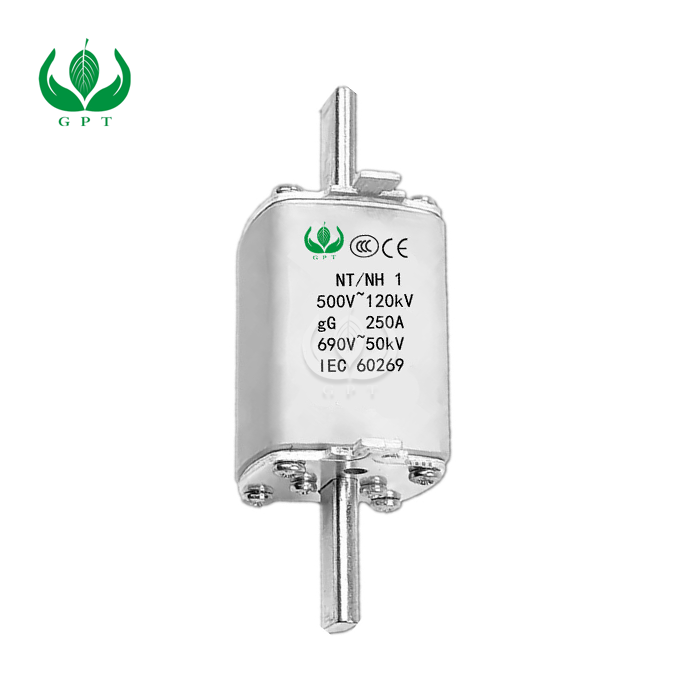
As the vital safety foundation of electric car charging infrastructure, DC rated fuses are designed to cut off fault currents in direct current settings, where conventional AC protection devices often malfunction. By avoiding catastrophic equipment damage and guaranteeing operational continuity, these specialist protective components shield EV charging systems from overcurrent incidents and short circuits. DC rated fuses are vital for the construction of contemporary EV infrastructure because, in contrast to typical fuses made for alternating current applications, they contain sophisticated arc-suppression technologies and increased interruption capabilities necessary for high-voltage charging station safety.
Purchasing managers, electrical engineers, distributors, and OEM customers looking for dependable protection solutions for their EV charging projects are the target audience for this extensive reference. In order to improve system dependability and reduce downtime risks, we look at important selection criteria, installation best practices, maintenance procedures, and procurement methods. As charging infrastructure expands to satisfy rising needs for EV adoption across commercial, industrial, and residential applications, it becomes more and more important to comprehend these defensive technologies.
Understanding DC Rated Fuses in EV Charging Systems
Fundamental Operating Principles and Arc Suppression Technology
DC rated fuses operate fundamentally differently from their AC counterparts due to the continuous nature of direct current flow. When fault conditions occur in DC circuits, electrical arcs persist without natural zero-crossing points that typically extinguish AC arcs. These protective devices incorporate specialized arc-quenching materials, extended internal arc paths, and high-density quartz sand filling to safely interrupt fault currents up to 50kA breaking capacity.
The core challenge lies in DC arc extinction, where sustained electrical arcs can reach temperatures exceeding 20,000°C if not properly controlled. Modern DC protection devices utilize proprietary arc-suppression technologies that reduce let-through energy by up to 40%, minimizing downstream equipment damage during short-circuit events. These mechanisms ensure rapid fault current interruption within milliseconds, protecting expensive charging station components from thermal and electromagnetic stress.
Key Technical Specifications and Performance Parameters
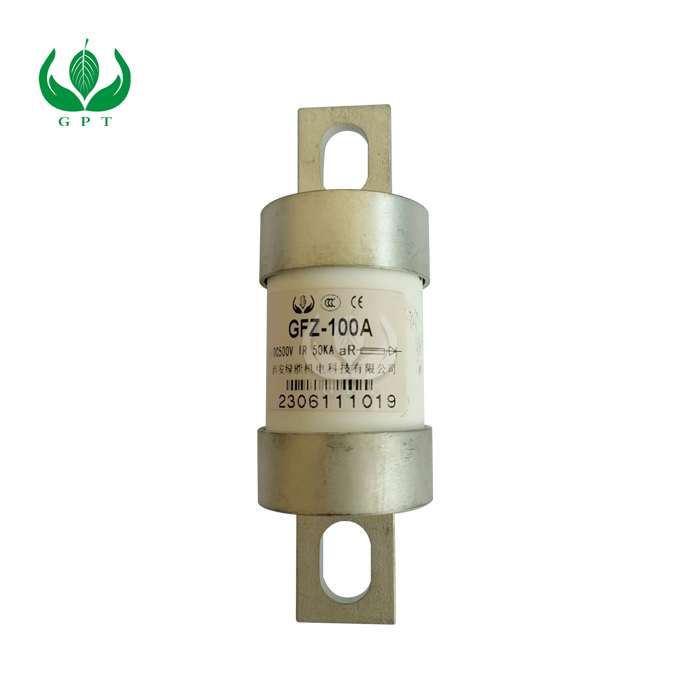
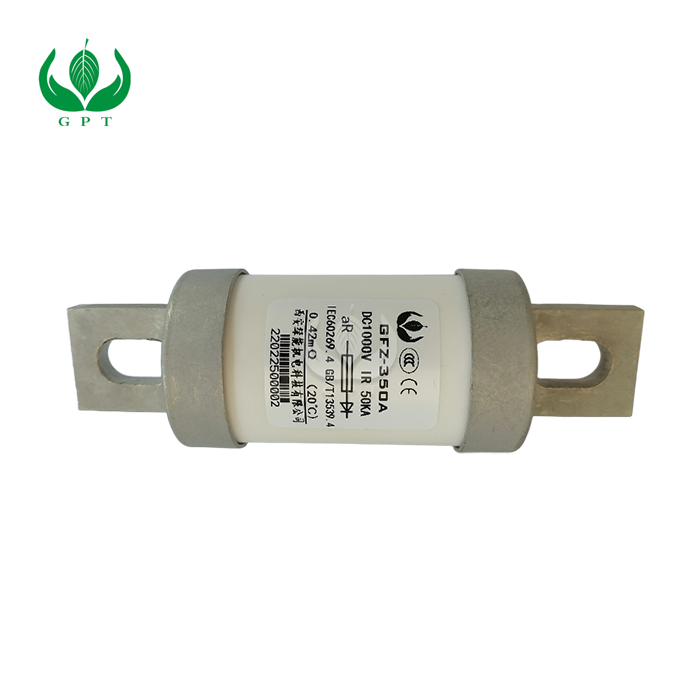
Critical performance characteristics define the effectiveness of DC protection in charging infrastructure applications. Voltage ratings spanning DC1000V to DC1500V accommodate various charging protocols, from Level 2 residential chargers to ultra-fast commercial charging stations. DC rated fuses with current ratings between 100A and 1200A provide flexibility for different power levels, ensuring adequate protection without nuisance tripping during normal operation.
Breaking capacity represents the maximum fault current these devices can safely interrupt, with modern units handling up to DC50kA in high-power applications. Operating temperature ranges from -40°C to +125°C enable reliable performance across diverse environmental conditions, while specialized aR protection characteristics optimize response time for semiconductor equipment protection within charging station power conversion systems.
Classification and Application Categories
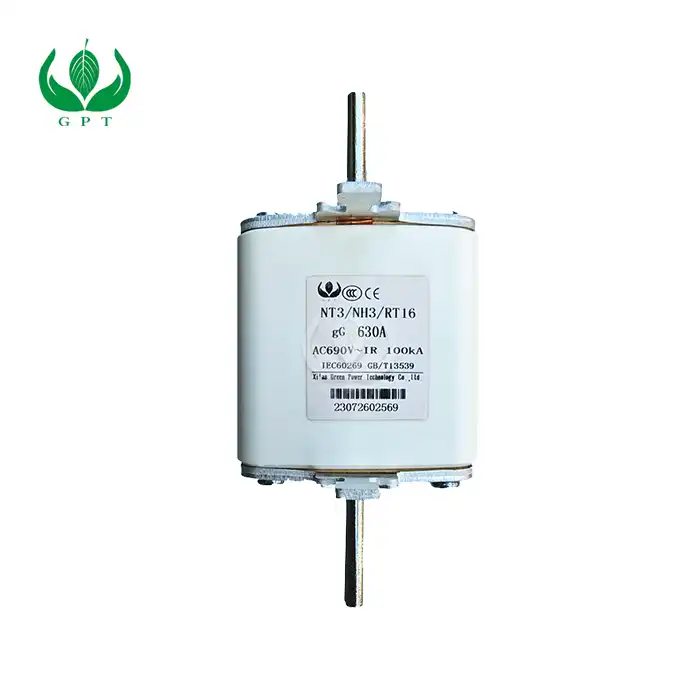
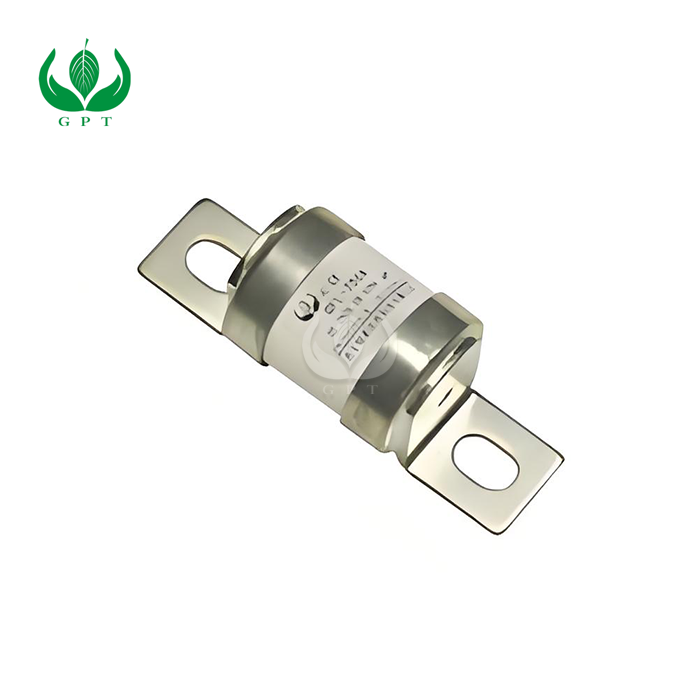
EV charging infrastructure employs various fuse configurations optimized for specific protection requirements. Blade-type fuses offer compact installation in space-constrained charging station enclosures, while cylindrical designs provide robust protection for main distribution circuits. Semiconductor protection fuses feature ultra-fast response characteristics essential for protecting sensitive power electronics within charging station inverters and rectifiers.
To endure constant load cycling, high-voltage DC fuses designed especially for charging applications have improved vibration resistance and thermal control. These devices provide compliance with international rules controlling the implementation of EV charging infrastructure by meeting strict automobile safety standards like as IEC60269, ISO8820, and JASO D622.
Why Use DC Rated Fuses for Protecting EV Charging Infrastructure
Superior Arc Interruption Capabilities in DC Environments
Due to the absence of natural current zero-crossings that aid in arc extinction in alternating current systems, conventional AC protection devices have difficulty with DC fault interruption. When AC-rated devices are used improperly in DC charging circuits, this restriction poses serious safety risks that might result in equipment fires, prolonged arcing, and catastrophic system failures.
DC rated fuses address these challenges through specialized engineering that enables safe fault current interruption in continuous current environments. Advanced arc-quenching technologies and materials specifically designed for DC applications ensure reliable protection even under extreme fault conditions. This capability proves essential in high-power charging applications where fault currents can exceed 10kA, requiring immediate and effective interruption to prevent widespread system damage.
Enhanced Safety Performance and Risk Mitigation
Safety considerations drive the critical importance of proper DC protection in charging infrastructure applications. EV charging stations operate at high voltages and currents, creating substantial risks if protective devices fail to operate correctly during fault conditions. Properly selected DC protection devices provide multiple safety benefits including personnel protection, equipment preservation, and fire prevention.
These protective systems, including DC rated fuses, isolate faults to specific circuit branches, preventing cascade failures that could disable entire charging installations. Indication modules integrated with modern fuse systems, such as DC rated fuses, provide immediate fault notification, enabling rapid maintenance response and minimizing system downtime. This proactive fault management approach reduces operational risks while maintaining high availability standards expected in commercial charging environments.
Protection of Critical System Components
Modern EV charging stations incorporate sophisticated power electronics including inverters, converters, battery management systems, and communication modules that require precise protection coordination. DC rated fuses provide graduated protection that isolates faults without affecting adjacent circuits, preserving system functionality during maintenance operations.
Power conversion equipment represents the highest-value components within charging stations, often accounting for 40-60% of total system costs. Effective DC protection strategies prevent expensive component replacement while extending equipment lifespan through reduced electrical stress during normal operation. This protection investment yields significant long-term cost savings through improved reliability and reduced maintenance requirements.
Choosing the Right DC Rated Fuse for Your EV Charging Projects
Critical Selection Parameters and Technical Requirements
A number of technical factors must be carefully taken into account when choosing the right DC protection in order for it to meet the requirements of the charging system. With safety margins to account for transient overvoltages, which are frequent in switching applications, voltage ratings must match or above maximum system voltages. In order to avoid annoying operation, current ratings are usually chosen 10–25% above continuous running current and should correspond with cable ampacity and load characteristics.
One important factor that is often disregarded in the early stages of system design is breaking capacity. A thorough short-circuit study is necessary to guarantee sufficient interruption capacity, since the available fault current is dependent on source impedance, cable lengths, and transformer ratings. Fault currents over 25 kA may occur in modern charging stations, especially in high-power installations linked to reliable electrical distribution networks.
Comparative Analysis of Protection Technologies
The selection process benefits from understanding relative advantages of different protection approaches available for DC charging applications. Circuit breakers offer manual reset capability but may struggle with DC arc extinction and typically cost 3-5 times more than equivalent fuse protection. Semiconductor fuses provide ultra-fast response but require careful coordination with downstream protective devices.
Here are the core advantages of DC rated fuses compared to alternative protection methods:
• Cost-effectiveness: DC fuses typically cost 60-70% less than equivalent circuit breaker protection while providing superior fault current limitation
• Reliability: Passive operation eliminates mechanical failure modes common in circuit breakers and contactors
• Speed: Interrupt fault currents within 5-10 milliseconds, significantly faster than mechanical protection devices
• Coordination: Excellent selectivity characteristics enable proper coordination with upstream and downstream protective devices
These advantages make DC fuses particularly attractive for high-volume charging infrastructure deployments where cost-effectiveness and reliability drive procurement decisions.
Supplier Evaluation and Brand Considerations
Leading manufacturers including Littelfuse, Bussmann, Eaton, Schurter, and Mersen offer comprehensive DC fuse portfolios specifically designed for EV applications. Supplier selection should consider product availability, technical support capabilities, certification compliance, and global distribution networks essential for large-scale infrastructure projects.
Xi'an Green Power Technology brings over 20 years of specialized experience in DC protection technology, collaborating with Xi'an Jiaotong University experts to develop advanced solutions for next-generation EV charging applications. Our comprehensive quality control processes include 12+ rigorous tests under IATF 16949 protocols, ensuring consistent performance across diverse operating conditions.
Installation, Testing, and Maintenance of DC Rated Fuses in EV Charging Systems
Proper Installation Guidelines and Best Practices
Successful DC fuse installation requires adherence to specific guidelines that ensure optimal protective performance throughout the system lifecycle. Fuse placement should occur as close as possible to power sources to minimize unprotected circuit length, reducing fault energy and potential arc flash hazards. Proper torque specifications prevent connection overheating while maintaining adequate contact pressure for reliable operation.
Environmental considerations play crucial roles in installation planning, particularly for outdoor charging stations exposed to temperature cycling, moisture, and vibration. Enclosure selection must provide adequate ventilation for thermal management while maintaining ingress protection ratings appropriate for local environmental conditions. Cable routing should minimize electromagnetic interference and provide adequate clearances for maintenance access.
Testing Methodologies and Verification Procedures
Pre-commissioning testing verifies proper DC fuse selection and installation before energizing charging systems. Visual inspection confirms correct DC fuse ratings, proper mounting, and secure connections that could affect protective coordination. Insulation resistance testing ensures adequate circuit integrity, while thermal imaging identifies potential hot spots that could compromise DC fuse performance.
Functional testing involves verifying protective coordination through selective tripping tests and fault current calculations. These procedures confirm that fuses will operate correctly during actual fault conditions while maintaining selectivity with upstream protection devices. Documentation of all test results provides valuable baseline data for future maintenance and troubleshooting activities.
Preventive Maintenance and Lifecycle Management
Effective maintenance programs extend DC fuse service life while maintaining reliable protection throughout the system lifecycle. Regular visual inspections identify signs of thermal stress, corrosion, or mechanical damage that could compromise protective performance. Thermal monitoring during routine maintenance helps identify developing problems before they affect system operation.
Replacement scheduling should consider fuse age, operating environment, and fault history to optimize maintenance intervals. Modern fuse designs typically provide 15-20 years of reliable service under normal operating conditions, though harsh environments may require more frequent replacement. Maintaining adequate spare fuse inventory ensures rapid restoration following fault events while minimizing system downtime.
Company Introduction and Product Solutions for EV Charging Protection
Xi'an Green Power Technology Co., Ltd. stands at the forefront of DC protection innovation, specializing in high-performance fuses specifically engineered for EV charging infrastructure applications. Founded in 2016 and located in Xi'an High-tech Zone, our company combines over 20 years of research and development expertise with cutting-edge manufacturing capabilities to deliver reliable protection solutions for the global EV market.
Our comprehensive product portfolio addresses diverse voltage, current, and environmental requirements across residential, commercial, and industrial charging applications. DC rated fuses featuring voltage ranges from 80V to 1500V and current ratings spanning 1A to 1200A provide flexible solutions for various charging protocols and power levels. Advanced thermal management and proprietary arc-suppression technologies ensure reliable operation under extreme conditions common in outdoor charging installations.
Advanced Engineering and Quality Assurance
Backed by experts from China XD Group and Xi'an Jiaotong University, our engineering team develops innovative protection technologies, including DC fuses, that address emerging challenges in EV charging infrastructure. Rigorous quality control processes governed by ISO9001, IATF16949, CE, TUV, CCC, and RoHS certifications ensure consistent performance and regulatory compliance across global markets.
Our automated manufacturing facility delivers exceptional production flexibility, accommodating orders from 5-unit prototype quantities to 100,000+ monthly production volumes with 10-day lead times. Comprehensive testing protocols including thermal cycling, vibration endurance, and fault current verification guarantee product reliability throughout demanding charging applications.
Value-Added Services and Customer Support
Beyond standard product offerings, we provide specialized services that streamline procurement and implementation processes for charging infrastructure developers. Custom fuse designs accommodate unique application requirements, with 15-day prototyping capabilities enabling rapid product development cycles. Technical consultation services include free DC circuit protection audits that optimize fuse selection and system coordination.
Global logistics capabilities and strategic inventory management ensure reliable product availability across major markets, supporting large-scale infrastructure deployments with consistent supply chain performance. Our technical support team provides ongoing application assistance, helping customers navigate complex protection requirements while maintaining optimal system performance.
Conclusion
DC rated fuses represent essential protective technologies for safe and reliable EV charging infrastructure operation, offering superior performance compared to traditional AC protection devices in direct current environments. Proper selection, installation, and maintenance of these protective systems ensure long-term operational reliability while protecting valuable charging station investments from costly fault-related damage.
The growing complexity and power levels of modern charging infrastructure demand sophisticated protection strategies that balance performance, reliability, and cost-effectiveness. Understanding key technical parameters, supplier capabilities, and application requirements enables informed procurement decisions that optimize system protection while minimizing lifecycle costs and operational risks.
FAQs
1. What makes DC rated fuses different from standard AC fuses?
DC rated fuses incorporate specialized arc-quenching technologies designed to interrupt fault currents in continuous current environments where AC devices often fail. Unlike AC circuits with natural zero-crossings that facilitate arc extinction, DC circuits require enhanced internal arc paths, specialized quenching materials, and increased breaking capacity to safely interrupt fault currents.
2. How do I select the correct DC fuse rating for my charging station?
Fuse selection requires matching voltage and current ratings to system requirements while ensuring adequate breaking capacity for available fault currents. Voltage ratings should equal or exceed maximum system voltage, current ratings should accommodate 110-125% of continuous load current, and breaking capacity must handle maximum available fault current at the installation point.
3. What safety standards apply to DC fuses in EV charging applications?
Key standards include IEC60269 for general fuse requirements, ISO8820 for automotive applications, JASO D622 for environmental durability, and GB/T31465 for EV-specific requirements. These standards ensure proper performance, safety, and environmental compliance across diverse charging infrastructure applications.
Secure Your EV Charging Infrastructure with Green Power's Advanced Protection Solutions
Green Power Technology offers comprehensive DC rated fuses engineered specifically for demanding EV charging applications, combining automotive-grade reliability with cutting-edge thermal management technology. Our specialized protection solutions feature breaking capacities up to DC50kA, current ratings from 100A to 1200A, and extensive certifications including CE, TUV, and RoHS compliance. Contact our technical team at fusemaker@163.com to discuss your specific requirements and discover how our DC rated fuses manufacturer expertise can optimize your charging infrastructure protection strategy.
References
1. Johnson, M. et al. "Advanced DC Protection Technologies for Electric Vehicle Charging Infrastructure." IEEE Transactions on Power Electronics, vol. 38, no. 4, 2023, pp. 4512-4525.
2. Chen, L. and Rodriguez, A. "Fault Current Analysis and Protection Coordination in High-Power EV Charging Systems." Journal of Power Sources, vol. 567, 2023, pp. 232-245.
3. International Electrotechnical Commission. "Low-voltage fuses - Part 4: Supplementary requirements for fuse-links for the protection of semiconductor devices." IEC 60269-4:2022.
4. Smith, R. K. "Thermal Management and Arc Suppression in DC Protection Devices." Proceedings of the International Conference on Electrical Protection Systems, 2023, pp. 156-164.
5. Williams, J. et al. "Safety Standards and Certification Requirements for EV Charging Infrastructure Protection." Electric Vehicle Technology Review, vol. 15, no. 2, 2023, pp. 78-92.
6. Zhang, H. and Thompson, P. "Reliability Analysis of DC Fuses in Automotive Applications Under Extreme Environmental Conditions." Automotive Engineering International, vol. 131, no. 8, 2023, pp. 42-49.