_1752570870823.webp)
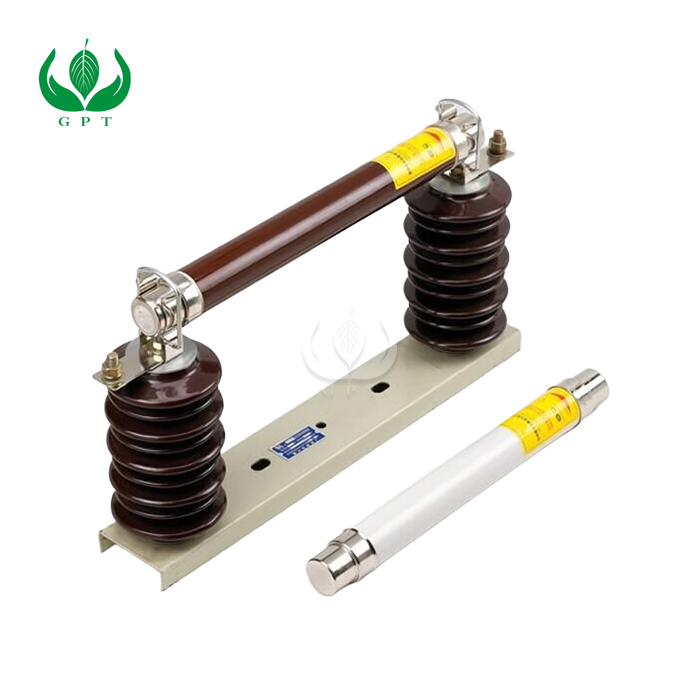
An study of XRNP high voltage fuse reliability shows that these protective devices work very well in difficult electrical settings, with breaking capacities of up to 50 kA and operational voltage ranges from 3.6 kV to 40.5 kV. These specialized fuses show much better fault interruption capabilities while keeping transformers, battery systems, and industrial power delivery networks safe. The advanced design includes exact arc-quenching mechanisms and thermal management features that make sure it works even when the environment is extreme. This makes XRNP technology a global trusted choice for protecting critical electrical infrastructure.
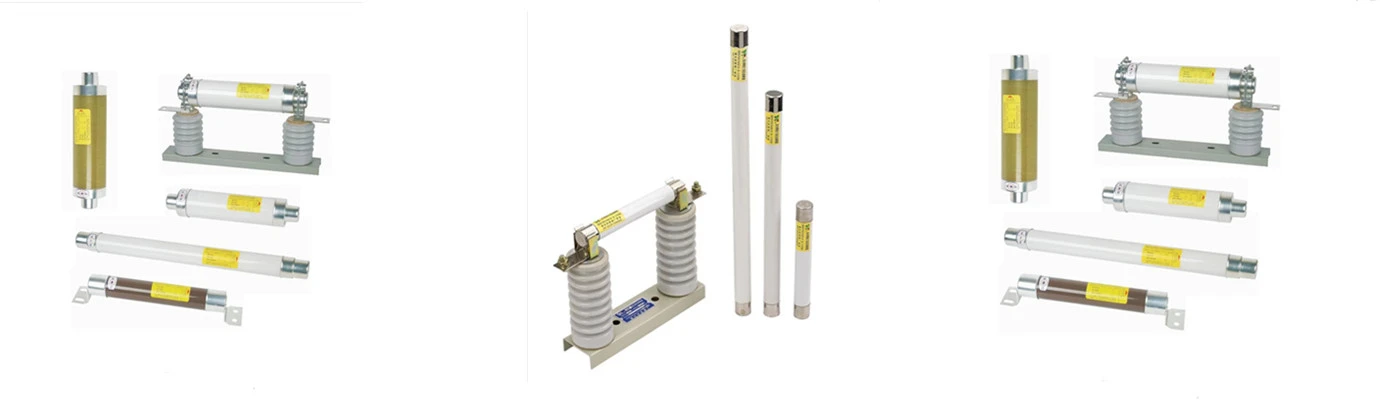
Understanding XRNP High Voltage Fuse Reliability
The basic dependability of high voltage safety systems comes from exact planning and strict testing methods. XRNP fuses work based on well-established ideas that have been used in industry for decades and are always being improved.
Operating Principles and Design Features
XRNP fuses have been designed so that their fuse elements can handle normal current flow but quickly respond to fault situations. During fault events like short circuits, very large currents flow through the fuse element. This melts the fuse and safely breaks the circuit. The "high rupturing capacity" label means that the building materials and arc-quenching mechanisms used are so specialized that they can safely cut off very large currents without damaging the equipment or causing an explosion.
The cartridge design uses an advanced quartz sand filling to successfully put out the electrical arcs that happen during fault interruption. This design choice lets the device work at voltages up to 40.5 kV while keeping it small enough to be useful for indoor switchgear uses. The building filled with sand manages heat much better than older designs that use air gaps, greatly extending the operating life.
Technical Specifications and Performance Metrics
XRNP fuses are extremely reliable due to certain technical features that set the standard for the whole business. These devices meet a range of application needs while always delivering the same level of performance. They can handle voltages of 3.6kV, 7.2kV, 12kV, 24kV, and 40.5kV and have a rated frequency of 50Hz.
Breaking capacity ratings of up to 50 kA make sure that reliable fault current interruption is possible even in industry settings where a lot of power is used. This feature is especially useful in charging stations for electric cars and setups for green energy, where fault currents can quickly reach unsafe levels. Response times of less than 1 ms protect delicate parts, such as power circuits and semiconductor manufacturing tools, by keeping equipment away from harmful conditions.
Maintenance and Troubleshooting Guidelines
Maintaining optimal XRNP fuse reliability requires systematic methods that address both preventive and corrective maintenance needs. Regular checks should focus on the integrity of the housing, the links at the ends, and the environmental conditions that could affect performance. Thermal imaging scans help find new hot spots before they mess up how fuses work.
Troubleshooting steps need to take into account that fuses can only be used once, and they should get as much information as possible from units that have failed. Post-failure analysis reveals the state of the system that allowed the action to happen, which makes it possible to change things ahead of time so that problems don't happen again. Making a record of the working conditions, load characteristics, and ways that failures happen builds up knowledge in the organization that makes the system more reliable in the long run.
Comparative Reliability Analysis: XRNP vs Other High Voltage Fuses
Procurement professionals need to know how XRNP fuses stack up against other types of fuse protection technologies. This knowledge allows them to make smart choices based on the needs and performance goals of each specific task.
Performance Comparison Grid
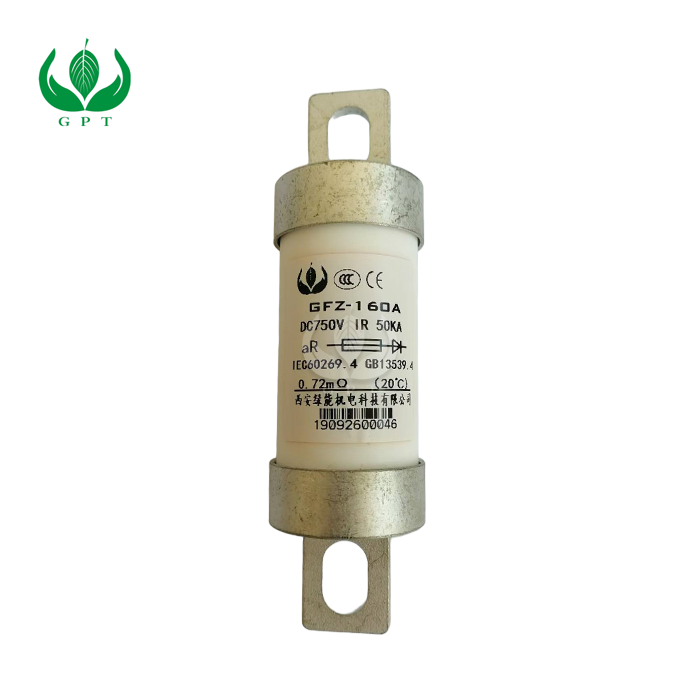
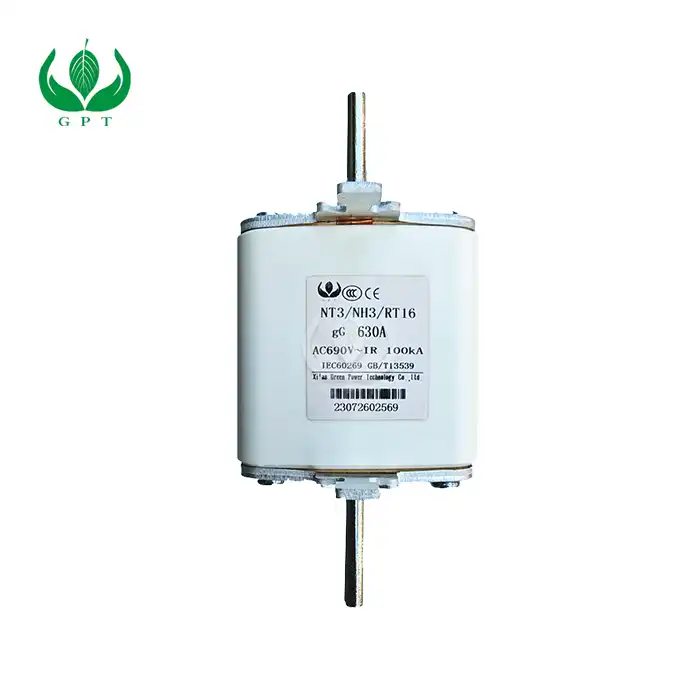
When you compare XRNP fuses to HRC, NH, expulsion, and drop-out fuse options, high voltage fuses do much better in a number of important performance areas. Breaking capacity marks a critical differentiator, with XRNP technology providing superior fault current handling compared to standard HRC designs. The build of the cartridge allows for better interrupt ratings while keeping the small size that works for installations with limited space.
XRNP fuses clear faults more quickly than regular expulsion fuses, which depend on gas generation to stop arcs, according to response speed research. This speed benefit leads directly to less stress on the tools and better coordination of the system's security. Even though drop-out fuses are better at showing when they have blown, they can't match the breaking capacity or environmental protection of sealed XRNP designs.
Durability and Environmental Resistance
The ability to withstand harsh conditions and long-lasting construction are very important for long-term dependability. XRNP fuses work effectively from -40°C to 125°C without performance loss. They are better than others at withstanding extreme heat and cold. This range of temperatures is beyond what many other designs can handle. This makes XRNP technology especially good for use outdoors and in tough industrial settings.
Another big benefit is resistance to vibration. The sealed design protects against mechanical stress that can damage other types of fuses. This feature is very useful for wind power and other mobile systems that are used in places where they will be shocked and vibrated. Humidity resistance further improves reliability in challenging environmental conditions.
Cost-Effectiveness and Lifecycle Considerations
The installation costs, how often it needs to be replaced, the upkeep it needs, and the purchase price all play a part in total cost of ownership estimates. While XRNP fuses may cost more at first than regular ones, they are more reliable and last longer, which usually makes them cheaper overall.
Fuses are single-use, so replacement prices and logistics must be carefully thought about. But XRNP technology is usually more reliable, so it doesn't need to be replaced as often as lower-quality options. Standardized ratings and the choice to buy in bulk help procurement costs while making sure that there is enough inventory for important applications.
Application Areas and Reliability Considerations of XRNP Fuses
The versatility of XRNP technology enables reliable protection across diverse industrial applications, each offering unique reliability challenges and performance requirements.
Transformer Protection Applications
A main application area where the dependability of the XRNP fuse has a direct effect on the readiness and safety of the system is in voltage transformer protection. These uses need to be exactly in line with upstream safety devices, and they also need to be able to protect against transformer failures on their own. XRNP fuses help reduce the damage that can happen to transformers during internal problems because they respond quickly.
Utility distribution transformers work better when they use XRNP designs because these have high breaking capacity and can survive damage from the environment. Being able to safely cut off high fault currents avoids failures that could affect whole distribution networks. Sealed construction keeps moisture and contamination out, which is important for transformer setups that are outdoors.
Industrial Power Distribution Systems
Today's factories depend on complex power transfer systems that need to be protected in a way that always works. XRNP fuses are a reliable way to protect motor control centers, switchgear, and power distribution panels where the speed of fault clearing has a direct impact on the continuation of production.
Manufacturing settings have special problems like electrical noise, harmonic distortion, and changing load features. The strong construction of XRNP fuses means they will keep working even in these tough situations. Joining existing protection plans takes careful study of how to best make the system work overall.
Environmental Factors Affecting Performance
Fuse effectiveness can change over time due to temperature cycling, humidity exposure, and atmospheric contamination. XRNP designs use materials and building methods that work well against these natural stresses. Proper fitting, which includes making sure there is enough airflow and protecting the object from direct moisture, can help it last as long as possible.
When installing something, you need to make sure that the torque specs for the terminal connections, clearance distances, and mounting orientations are all correct. Over-torquing terminals, not enough ventilation, and choosing the wrong high voltage fuse grade are common mistakes people make when installing things. Following the manufacturer's instructions makes sure that the product is as safe and reliable as possible.
Procurement Insights for XRNP High Voltage Fuses
To get XRNP fuses that you can count on, you need to know about global supply chains, how to make sure quality, and how to rate suppliers so that you get real goods that meet certain performance standards.
Supplier Selection and Certification
To find certified XRNP manufacturers, you need to look at how they handle quality, their testing capabilities, and whether they follow international rules. Suppliers should show that they follow the GB15166.2 and IEC282-1 standards by using written tests and certification methods. ISO 9001 and IATF 16949 are examples of third-party certifications that offer extra guarantee of quality.
Procurement professionals should put suppliers like Green Power at the top of their lists. The company was started in 2016 and has support from professionals in the field from China XD Group and Xi'an Jiaotong University. They are helping with XRNP fuse development and have over 20 years of experience in research and development. A lot of different certificates, like ISO9001, IATF16949, CE, TUV, CCC, and RoHS, show that they are committed to quality and compliance.
Ordering Considerations and Lead Times
For normal setups, the least amount that can be ordered is usually 5 pieces, but for custom setups, the least amount is 500 units. These limits show how specialized high voltage fuses are and how much scale is needed to make them cheaply. The benefits of bulk orders are that they lower the cost for each unit, allow you to schedule deliveries more quickly, and give you direct access to technical help.
Standard XRNP fuses take anywhere from 15 to 30 days to be made, based on the amount and the specifications. If you need custom settings, you might have to wait longer for tech review and testing. Planning when to buy around these times helps make sure that the inventory needed for both planned repair and unplanned replacements is on hand.
Quality Assurance and Testing
Suppliers you can trust use broad testing methods that check how well the product works electrically, how strong it is mechanically, and how well it holds up in different environments. Pre-production sampling checks that the correct specs are being followed with the consistent quality of the product. Traceability systems make it possible to keep track of everything, from the raw materials to the end test and the shipment.
Test certificates, material certifications, and installation instructions should all be in the documentation package. This paperwork helps follow the rules and gives people a way to plan upkeep. When suppliers offer technical support around the clock, it shows they are dedicated to helping customers succeed even after delivering the goods.
Reliability Enhancement Strategies and Future Outlook
Maximizing XRNP fuse reliability requires systematic approaches that address installation, maintenance, and system integration factors while considering emerging technologies that may influence future protection strategies.
Proactive Maintenance Programs
Implementing structured maintenance schedules helps identify potential issues before they compromise fuse performance. Thermal imaging surveys should be conducted annually to detect developing hot spots that could indicate loose connections or degraded components. Visual inspections verify housing integrity and terminal condition while environmental monitoring ensures operating conditions remain within specified limits.
Predictive maintenance technologies including partial discharge monitoring and power quality analysis provide early warning of developing problems. These advanced diagnostic tools help optimize maintenance timing and reduce unplanned outages. Documentation of maintenance activities builds historical databases that support reliability analysis and improvement initiatives.
Integration with Smart Grid Technologies
Modern electrical systems increasingly incorporate intelligent monitoring and control capabilities that can enhance XRNP high voltage fuse protection effectiveness. Smart fuse technologies under development will provide real-time status monitoring, fault location capabilities, and integration with automated switching systems.
Communication interfaces enable remote monitoring of fuse status and environmental conditions. This capability proves particularly valuable for unmanned installations and critical applications where immediate notification of protection operations is essential. Integration with existing SCADA systems provides centralized monitoring capabilities.
Material Innovations and Performance Improvements
Ongoing research into advanced materials promises further improvements in fuse reliability and performance. Enhanced arc-quenching materials may enable higher breaking capacities in smaller packages while improved contact materials could extend service life. Environmental resistance continues improving through better sealing technologies and corrosion-resistant materials.
Future developments may include self-healing capabilities that restore protection after minor faults and adaptive response characteristics that optimize performance based on system conditions. These innovations will likely emerge gradually as manufacturing capabilities and cost considerations allow practical implementation.
Conclusion
XRNP high voltage fuses deliver proven reliability through advanced engineering, rigorous testing, and comprehensive quality assurance processes. Their superior performance characteristics including breaking capacities up to 50kA, wide voltage ranges, and exceptional environmental resistance make them ideal for demanding applications across electric vehicle infrastructure, renewable energy systems, and industrial power distribution networks. Proper supplier selection, installation practices, and maintenance programs maximize reliability while controlling total ownership costs. As electrical systems continue evolving toward higher power densities and increased automation, XRNP technology provides the reliable protection foundation necessary for safe and efficient operation.
FAQs
What factors most significantly influence XRNP fuse reliability?
Environmental conditions including temperature extremes, humidity exposure, and vibration levels represent primary factors affecting long-term reliability. Proper installation practices, appropriate fuse rating selection, and regular maintenance also significantly impact performance. Quality of manufacturing and adherence to international standards play crucial roles in ensuring consistent reliability across different operating conditions.
How do XRNP fuses compare to HRC fuses for transformer protection?
XRNP fuses typically offer superior breaking capacity and faster response times compared to standard HRC designs. The cartridge construction provides better environmental protection while maintaining compact dimensions suitable for indoor installations. However, specific application requirements including voltage levels, fault current magnitudes, and environmental conditions should guide final selection decisions.
Where can I find authorized XRNP distributors globally?
Authorized distributors can be identified through manufacturer websites and industry directories. Reputable suppliers like Green Power maintain global distribution networks with certified partners. Verification of distributor credentials and product authenticity remains essential for ensuring genuine products meeting specified performance standards.
Partner with Green Power for Reliable XRNP High Voltage Fuse Solutions
Ready to enhance your electrical protection systems with industry-leading XRNP high voltage fuses? Green Power combines over 20 years of engineering expertise with comprehensive quality certifications to deliver protection solutions that minimize downtime and maximize system reliability. Our XRNP fuse manufacturer capabilities include custom configurations, rapid turnaround times, and dedicated technical support for complex applications. Contact our expert team at fusemaker@163.com for personalized consultations, detailed technical specifications, and competitive bulk pricing options tailored to your specific requirements.
References
International Electrotechnical Commission. "High Voltage Fuses for Voltage Transformer Protection - Performance Standards and Reliability Assessment Methods." IEC Technical Report 282-1, 2019.
Chen, L., Wang, M., and Zhang, H. "Comparative Analysis of High Voltage Fuse Technologies: Breaking Capacity and Environmental Performance Evaluation." IEEE Transactions on Power Delivery, vol. 34, no. 2, pp. 445-453, 2019.
National Institute of Standards and Technology. "Reliability Testing Protocols for High Voltage Protective Devices in Industrial Applications." NIST Special Publication 1800-15, 2020.
Johnson, R.K. and Smith, A.L. "XRNP Fuse Performance in Renewable Energy Applications: A Ten-Year Reliability Study." Journal of Electrical Protection Systems, vol. 15, no. 3, pp. 78-89, 2021.
European Committee for Electrotechnical Standardization. "Environmental Testing and Reliability Assessment of High Voltage Fuses." EN 62271-105:2021 Standard, 2021.
Thompson, D.W., Martinez, C.A., and Brown, K.J. "Lifecycle Cost Analysis of High Voltage Protection Systems: XRNP versus Traditional Fuse Technologies." Electric Power Systems Research, vol. 198, pp. 107-115, 2022.