_1752570870823.webp)
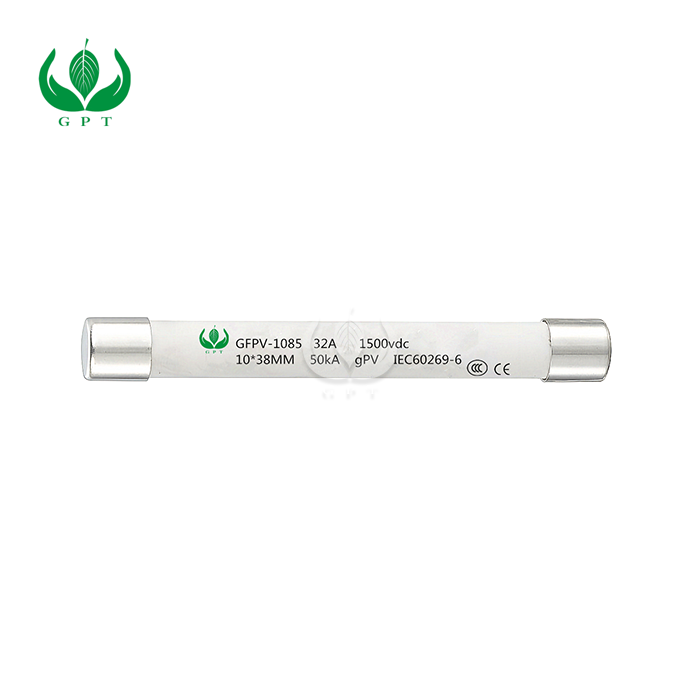
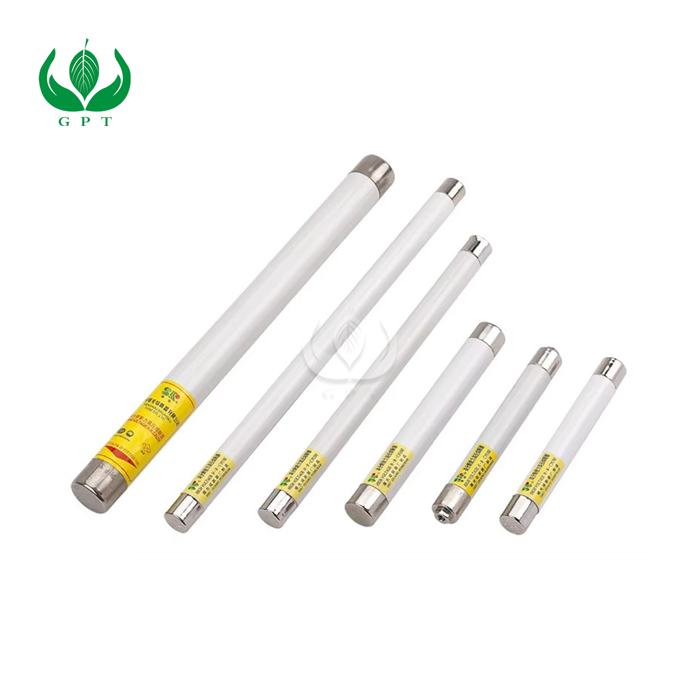
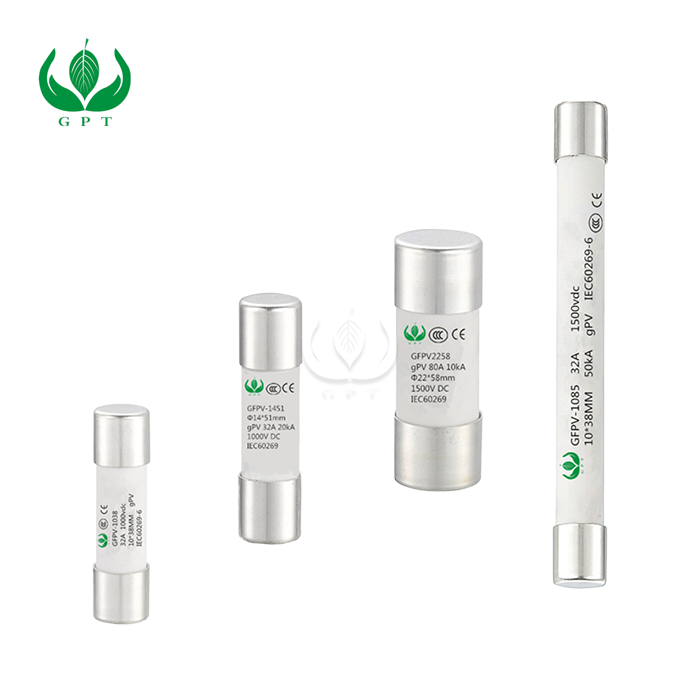
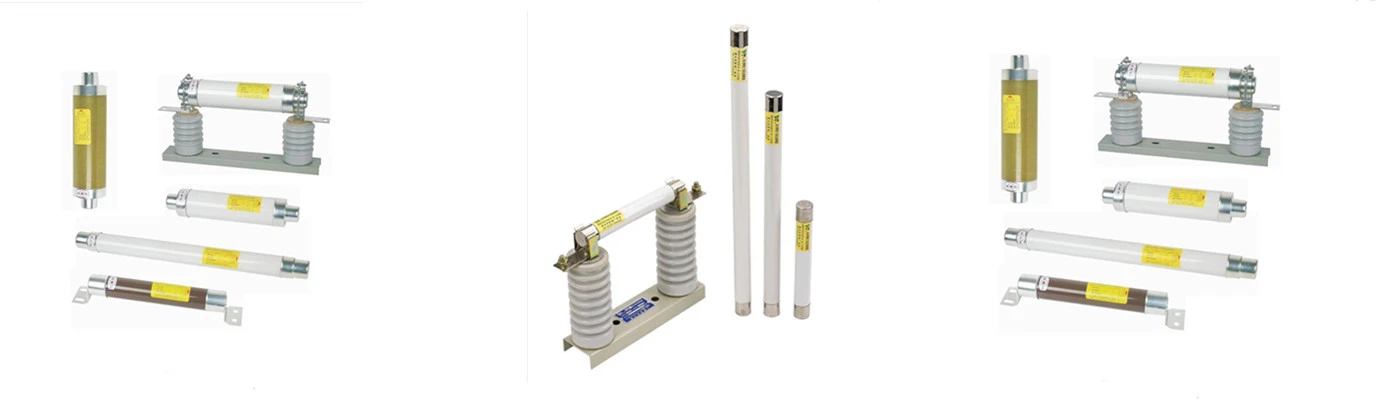
Motor rated fuses represent specialized protective devices engineered specifically to handle the substantial inrush currents that motors generate during startup. Unlike conventional fuses that may prematurely fail under motor starting conditions, these advanced protective components feature time-delay characteristics that accommodate initial power surges while maintaining reliable short-circuit protection. Their sophisticated design enables motors to start normally without nuisance tripping, while providing immediate protection against sustained overloads and fault conditions. Understanding the technical specifications and selection criteria becomes crucial when procuring these components for industrial applications, EV charging infrastructure, renewable energy systems, and semiconductor manufacturing.
Understanding Motor Rated Fuses and Their Functionality
Motor rated fuses operate on fundamentally different principles compared to standard electrical fuses. These protective devices incorporate time-delay mechanisms specifically calibrated to withstand the characteristic inrush currents that occur when motors transition from stationary to operational states.
Time-Delay Protection Mechanisms
The core functionality revolves around sophisticated melting element designs that can distinguish between harmless starting surges and dangerous fault conditions. When a motor energizes, it typically draws six to eight times its normal operating current during the initial milliseconds. Standard fuses would interpret this surge as a fault condition and interrupt the circuit unnecessarily. Motor protection fuses utilize specially engineered alloy elements and heat-absorbing materials that temporarily accommodate these surges without melting.
These mechanisms work through thermal time constants that allow brief high-current conditions while responding rapidly to sustained overloads. The fuse elements incorporate dual-element construction featuring both overcurrent and short-circuit protection elements. The overcurrent element handles prolonged overload conditions, while the short-circuit element provides immediate protection against severe fault currents exceeding safe operating parameters.
Electrical Characteristics and Rating Parameters
Understanding the electrical specifications becomes essential when evaluating motor protection requirements. Voltage ratings must exceed system operating voltages with appropriate safety margins, typically rated at 3.6kV to 12kV for high-voltage applications. Current ratings are calculated based on motor full-load current with standard sizing factors of 125% to accommodate normal operational variations.
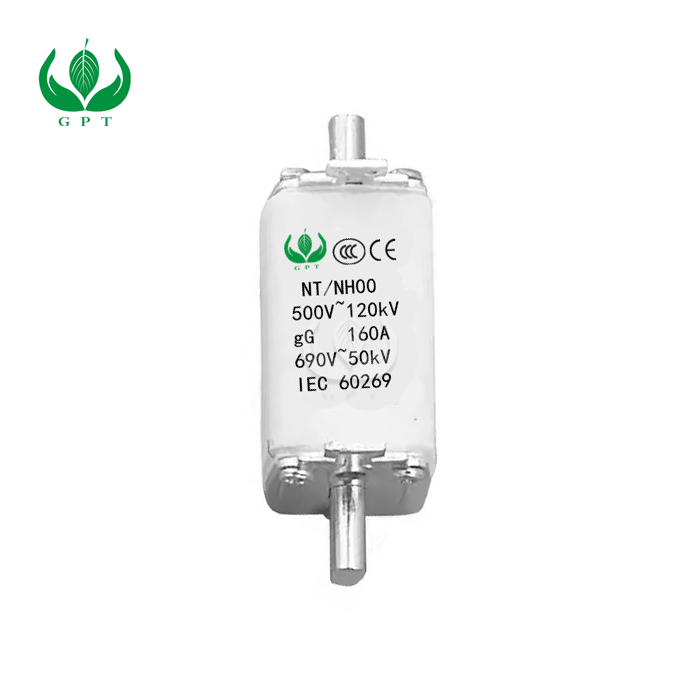
Breaking capacity represents another critical parameter, indicating the maximum fault current the fuse can safely interrupt. Modern motor rated fuses achieve breaking capacities up to 50kA, ensuring protection even under severe short-circuit conditions. The interrupting process occurs within milliseconds, minimizing equipment damage and maintaining system stability during fault conditions.
Selecting the Right Motor Rated Fuse: Criteria and Best Practices
Effective motor fuse selection requires comprehensive evaluation of multiple technical and environmental factors that influence protection performance and system reliability.
Technical Selection Criteria
Motor type significantly impacts fuse selection decisions. Induction motors exhibit different starting characteristics compared to synchronous motors or DC motors used in EV applications. Starting current magnitude, duration, and frequency directly influence the required time-delay characteristics. High-efficiency motors often require specialized protection due to their unique starting profiles and thermal characteristics.
Environmental conditions play equally important roles in selection processes. Operating temperatures affect fuse response times and thermal coordination with motor protection systems. Installations in outdoor renewable energy systems require enhanced environmental ratings for moisture, UV exposure, and temperature cycling. Industrial facilities may require explosion-proof ratings or specific enclosure types to meet safety regulations.
Coordination with Protection Systems
Proper coordination with downstream protection devices ensures comprehensive motor protection without conflicting operations. Motor rated fuses must coordinate with thermal overload relays, contactor systems, and motor protection relays to create layered protection schemes. This coordination prevents nuisance tripping while maintaining adequate fault protection levels.
The selection process involves analyzing time-current characteristics to ensure proper discrimination between protection devices. Motor starting curves must fall below fuse melting curves with adequate margins, while fault clearing times remain within motor thermal withstand capabilities. Advanced selection requires considering asymmetrical fault currents and system impedance variations that can affect protection coordination.
Application-Specific Requirements
Different industrial applications demand specialized fuse characteristics. EV charging infrastructure requires fuses capable of handling repetitive duty cycles and DC switching applications. Solar inverter protection demands arc-suppression capabilities and outdoor environmental ratings. Semiconductor manufacturing equipment requires ultra-fast response times with minimal let-through energy to protect sensitive electronic components.
Motor Rated Fuse Types, Brands, and Technologies
The motor protection fuse market encompasses diverse technologies and specialized designs tailored to specific application requirements and performance demands.
Technology Classifications and Performance Features
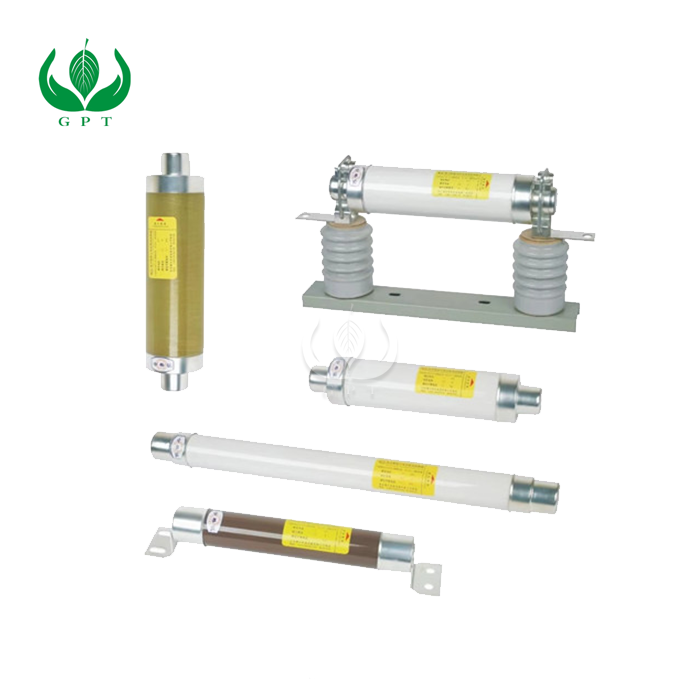
Time-delay fuses represent the most common motor protection technology, featuring dual-element construction with separate overcurrent and short-circuit protection mechanisms. These devices provide excellent discrimination between starting currents and fault conditions while maintaining compact form factors suitable for motor control centers and industrial panels.
Fast-acting motor fuses serve specialized applications requiring rapid fault clearing with minimal energy let-through. Semiconductor motor drives and precision manufacturing equipment benefit from these technologies that can interrupt fault currents within sub-millisecond timeframes. Advanced ceramic and vacuum technologies enable these rapid response capabilities while maintaining high breaking capacity ratings.
Current-limiting technologies incorporate arc-quenching mechanisms that rapidly extinguish fault arcs while limiting peak fault currents. This current limitation reduces mechanical and thermal stresses on connected equipment, extending motor life and reducing maintenance requirements. Silver-sand filled designs and gas-producing materials enhance arc interruption performance across wide temperature ranges.
Leading Manufacturer Technologies
Global manufacturers have developed specialized technologies addressing specific market segments and performance requirements. Mersen focuses on semiconductor protection with ultra-fast response technologies and precision current-time characteristics. Their products feature advanced ceramic housings and vacuum arc-quenching mechanisms designed for critical manufacturing applications.
Littelfuse emphasizes automotive and renewable energy applications with compact designs and enhanced environmental ratings. Their time-delay technologies accommodate the repetitive duty cycles common in EV charging and solar inverter applications while maintaining long service life under harsh operating conditions.
Eaton and Schneider Electric provide comprehensive motor protection solutions with integrated monitoring and diagnostic capabilities. These intelligent fuse technologies enable predictive maintenance and system optimization through real-time performance monitoring and fault analysis capabilities.
Procurement Guide: Where and How to Source Motor Rated Fuses
Strategic procurement of motor protection motor rated fuses requires understanding supplier capabilities, market dynamics, and total cost of ownership considerations that extend beyond initial purchase price.
Supplier Evaluation and Selection
Identifying qualified suppliers involves evaluating technical capabilities, quality certifications, and supply chain reliability. Established manufacturers typically maintain ISO 9001 quality systems with specialized automotive (IATF 16949) or nuclear (QA-1) certifications for critical applications. Supply chain resilience becomes increasingly important given global component shortages and logistics challenges.
Regional supplier networks provide advantages in technical support, inventory management, and emergency replacement services. Local distributors often maintain stock of common ratings while providing application engineering support and custom configuration services. Global suppliers may offer better pricing for large volume requirements while providing consistent specifications across international installations.
Cost Optimization Strategies
Total cost analysis must consider lifecycle costs including installation, maintenance, and replacement expenses beyond initial purchase price. Higher-quality fuses with extended service life may provide better value despite higher upfront costs. Standardizing on fewer fuse types across facilities can reduce inventory costs and simplify maintenance procedures.
Volume purchasing agreements can significantly reduce unit costs while ensuring supply continuity for ongoing projects. Many suppliers offer quantity discounts and consignment inventory programs that reduce working capital requirements while guaranteeing availability for critical applications.
Quality Assurance and Testing
Incoming inspection procedures should verify critical specifications including current-time characteristics, breaking capacity, and environmental ratings. Batch testing may be appropriate for large installations where fuse failure could result in significant downtime or safety consequences.
Supplier quality audits help ensure consistent manufacturing processes and adherence to published specifications. Traceability documentation becomes important for applications requiring failure analysis or regulatory compliance reporting.
Green Power: Your Trusted Motor Rated Fuse Partner
Green Power stands as a leading manufacturer specializing in precision motor protection solutions for high-demand industrial applications. Our expertise spans EV charging infrastructure, renewable energy systems, and semiconductor manufacturing with products engineered to meet the most demanding performance requirements.
Advanced Product Portfolio
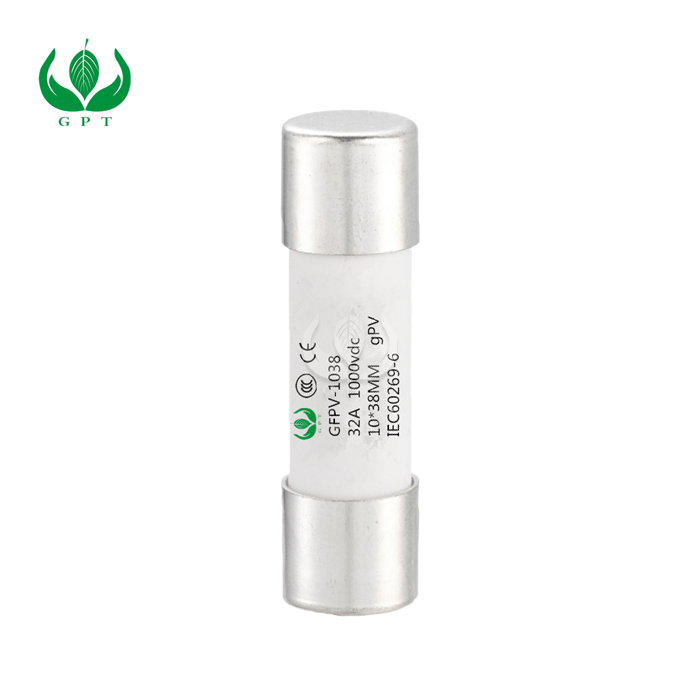
Our comprehensive motor rated fuse lineup covers voltage ranges from 80V to 1500V DC/AC with current ratings up to 800A, addressing virtually any motor protection application. The GFZ series delivers ultra-fast response times under 2ms, making it ideal for semiconductor protection and precision manufacturing equipment. Breaking capacities up to 50kA ensure reliable protection even under severe fault conditions.
Our GFM series provides optimized protection for energy storage systems and renewable energy applications with enhanced environmental ratings and extended service life. Operating temperature ranges from -40°C to +125°C accommodate extreme installation conditions while maintaining consistent protection characteristics.
The GFC series offers customizable designs tailored to unique voltage and current requirements. Whether protecting 12kV solar inverters or compact EV charging modules, we adjust specifications including voltage thresholds, terminal configurations, and form factors to match exact application requirements.
Quality and Certification Excellence
Every motor rated fuse undergoes comprehensive testing including thermal cycling, surge endurance, and breaking capacity verification. Our quality management system maintains ISO 9001 and IATF 16949 certifications, ensuring consistent product quality and traceability for critical applications.
International certifications including CE, TUV, and RoHS compliance enable global deployment with confidence in regulatory compliance. Dual certification programs provide CCC and IEC approvals for comprehensive market access across Asia-Pacific and international markets.
Our R&D team, backed by expertise from China XD Group and Xi'an Jiaotong University, holds multiple patents including breakthrough water-cooled fuse technology adopted by leading EV manufacturers. This technical leadership enables innovative solutions addressing emerging market requirements and performance challenges.
Conclusion
In current industrial and renewable energy systems, motor-rated motor rated fuses are very important because they keep faults from happening and protect motors in a way that takes their starting characteristics into account. To choose the right one, you need to know the standards for use, the conditions in the environment, and how it will work with the protection systems that are already in place. Good suppliers, such as Green Power, provide a wide range of reliable products and technical help to make sure that motors are protected in a variety of industrial settings.
FAQs
How do I determine the correct current rating for my motor application?
Motor fuse current ratings should be calculated at approximately 125% of the motor's full-load current rating, then rounded up to the next available standard fuse size. This sizing provides adequate protection while accommodating normal operational variations and starting conditions without nuisance tripping.
What distinguishes motor rated fuses from standard electrical fuses?
Motor rated fuses incorporate time-delay mechanisms and dual-element construction specifically designed to withstand motor starting inrush currents. Standard fuses lack these specialized characteristics and would typically fail prematurely under normal motor starting conditions, causing unnecessary system interruptions.
When should I choose motor rated fuses over circuit breakers for motor protection?
Motor rated fuses offer advantages in applications requiring high breaking capacity, compact installation space, or cost-sensitive designs. They provide excellent discrimination characteristics and require no external power for operation, making them suitable for remote installations or backup protection applications.
Can motor rated fuses protect both AC and DC motor applications?
Yes, properly specified motor rated fuses can protect both AC and DC motor applications, though DC applications may require specialized arc-quenching technologies due to the absence of natural current zero crossings that aid AC arc extinction.
What maintenance is required for motor rated fuse installations?
Motor rated fuses require minimal maintenance beyond periodic visual inspection and thermal imaging to detect overheating conditions. Replacement should occur after any fault operation or when thermal damage is evident, as fuses are non-repairable protective devices.
Contact Green Power for Premium Motor Rated Fuses Solutions
Green Power delivers industry-leading motor rated fuses designed for the most demanding applications across EV infrastructure, renewable energy, and industrial automation. Our proven expertise and comprehensive product portfolio ensure optimal protection for your critical motor systems. Whether you need standard configurations or custom designs, our engineering team provides expert guidance to match exact application requirements.
Connect with our technical specialists at fusemaker@163.com to explore our complete motor protection solutions. We welcome procurement inquiries from OEMs, system integrators, and distributors seeking reliable motor rated fuses supplier partnerships. Our rapid response times and flexible minimum order quantities starting at just 5 pieces make us the ideal choice for both prototype development and volume production requirements.
References
IEEE Standards Association. "IEEE Guide for Motor Protection in Industrial and Commercial Power Systems." IEEE Standard 620-2018, Institute of Electrical and Electronics Engineers, 2018.
National Electrical Manufacturers Association. "Motor Circuit Protection Including Coordination." NEMA Standard MG 1-2021, Motor and Generator Section, 2021.
International Electrotechnical Commission. "High-voltage Fuses Part 1: Current-limiting Fuses." IEC 282-1:2020, International Standard for Motor Protection, 2020.
Cooper Bussmann Technical Publications. "Motor Protection Principles and Applications." Electrical Protection Handbook, 4th Edition, McGraw-Hill Professional, 2019.
Siemens Energy Management Division. "Motor Starting and Protection in Industrial Applications." Technical Reference Manual TRM-2021, Industrial Controls and Protection, 2021.
ABB Power Systems Division. "Motor Rated Fuses: Selection and Application Guide." Technical Application Note TAN-MP-2020, Motor Protection Technologies, 2020.