_1752570870823.webp)
When public charging stations go down, it costs the owners thousands of dollars every day and is frustrating for EV drivers who count on the infrastructure being reliable. Choosing the right fuse charging station is the most important thing you can do to protect yourself from electrical problems that cause expensive power blackouts. When charging stations experience overcurrent or short circuits, well-designed protective fuses cut off the dangerous currents within milliseconds. This keeps expensive power equipment from being destroyed and keeps assets that make money running.
Understanding Downtime Challenges in Public Charging Stations
When public charging stations aren't working, it leads to a chain of problems that are much worse than just broken equipment. Every minute that a charging station isn't working, it loses money, hurts ties with customers, and could be dangerous. Modern infrastructure for charging electric vehicles (EVs) has to deal with special operating stresses that older electrical systems never have to.
The Hidden Costs of Charging Station Failures
Charging station owners say that downtime costs each station an average of $200 to $800 per day, based on where it is located and how much traffic it gets. These numbers include direct losses in income, costs for emergency repairs, and customers who switch to competing networks over time. When equipment breaks down during busy usage times, it costs even more for places with a lot of foot traffic, like those near shopping malls or highways.
Aside from the direct financial effects, frequent downtimes make people less likely to trust electric vehicle adoption. According to studies from the International Council on Clean Transportation, one of the top three reasons people don't buy electric cars is that the charging infrastructure isn't secure. In this case, unreliable infrastructure slows the growth of the electric vehicle market, which in turn affects the ecosystem's ability to stay alive.
Environmental and Electrical Stress Factors
Public charging points are in tough places where electrical parts are exposed to high and low temperatures, dust, vibration, and humidity. Unlike electrical panels inside buildings that are protected by climate control systems, charging equipment outside has to be able to handle temperatures ranging from below zero in the winter to over 120°F in the summer.
These natural problems are made worse by electrical stress factors. Power levels above 350kW are common at fast-charging stations, which creates large heat loads inside small spaces. Rapid charging cycles create electrical transients and waves that can damage circuits that aren't properly protected. When a vehicle connects and disconnects, an arc flash happens, which slowly wears down contact surfaces and insulator materials.
The fact that charging demand changes over time adds to the problems. Charging stations have big changes in power from zero to full capacity in seconds, unlike steady industrial loads. This cycling behavior puts different stresses on electrical parts than continuous operation, so protection devices need to be specially designed for dynamic loading situations.
Key Factors in Selecting the Right Fuse for Charging Stations
To choose the best protective fuses, you need to carefully look at a number of technical factors that have a direct effect on both safety and effectiveness. If you choose the wrong fuse, it could cause annoying trips that cause downtime that isn't necessary or not enough security that lets damage happen.
Electrical Rating Considerations
When choosing fuses for fuse charging stations, voltage and current values are the most important things to look at. Modern DC fast-charging devices use voltages between 400V and 1000V, so they need fuses that are made for high-voltage DC applications. In AC systems, the current naturally crosses zero twice a cycle. In DC circuits, on the other hand, the current flows continuously, which makes arc extinction much harder.
The current scores have to take into account both normal operation and situations where the system is overloaded. At full load, a 150kW charging station running on 500V DC needs about 300A. Protective fuses should be rated 10-15% above the average operating current so that they don't trip too often but still protect against dangerous overloads.
Another important factor that decides a fuse's ability to safely stop fault currents is its breaking capacity. Fault currents greater than 50kA DC can happen in high-power charge stations. To clear these dangerous situations without damaging the equipment or putting people in danger, fuses must have the right interrupting ratings.
Environmental Protection Standards
Charging station fuses have to meet strict environmental protection standards that make sure they work reliably in a wide range of weather situations. If the ingress protection grade is IP65 or higher, moisture and dust can't get in and cause problems or safety risks. Temperature cycle tests show that fuses keep working as well as they should at temperatures ranging from -40°C to +85°C.
When installing things outside, where direct sunlight can break down polymer parts over time, ultraviolet radiation protection is very important. Fuses that meet IEC 60269 standards are put through tests that speed up the aging process and mimic decades of UV exposure to make sure the material will stay stable over time.
Standards for vibration and shock protection take into account the mechanical stresses that come from things like car impacts, wind loading, and earthquakes. Heavy truck traffic causes charging stations near busy roads to vibrate all the time, which can damage sensitive parts or break electrical connections over time.
Safety Certification Requirements
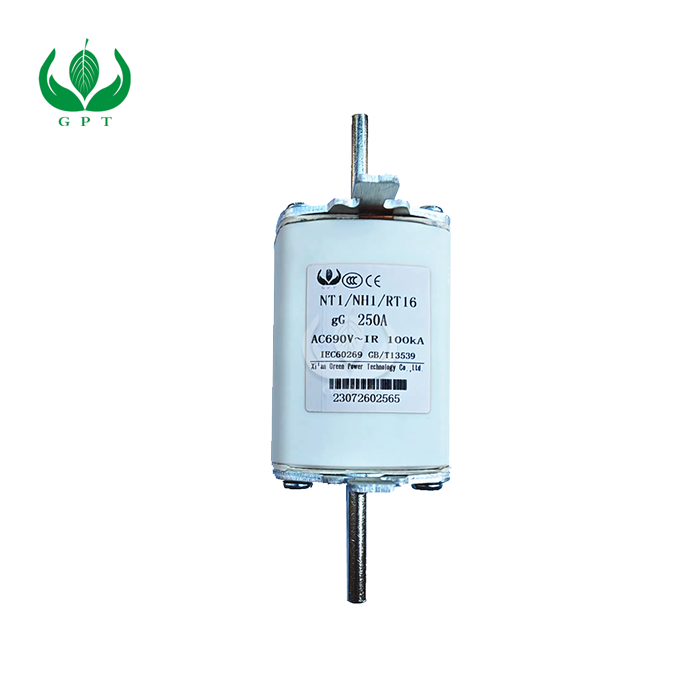
There are a number of international safety standards that tell charging stations how to choose the right switch. IEC 60269 is the main standard for designing and testing low-voltage fuses. It sets conditions for breaking capacity, time-current characteristics, and performance in harsh environments. UL 248 covers similar needs for the North American market, with extra rules for charging electric vehicles.
Standards in the automotive business, like ISO 8820 and JASO D622, cover the specific needs of electrical systems in vehicles. These guidelines stress better resistance to vibrations, performance when temperatures change, and accelerated aging protocols that are in line with the tough working conditions found in transportation applications.
How Green Power Charging Station Fuses Integrate Advanced Technology for Enhanced Reliability?
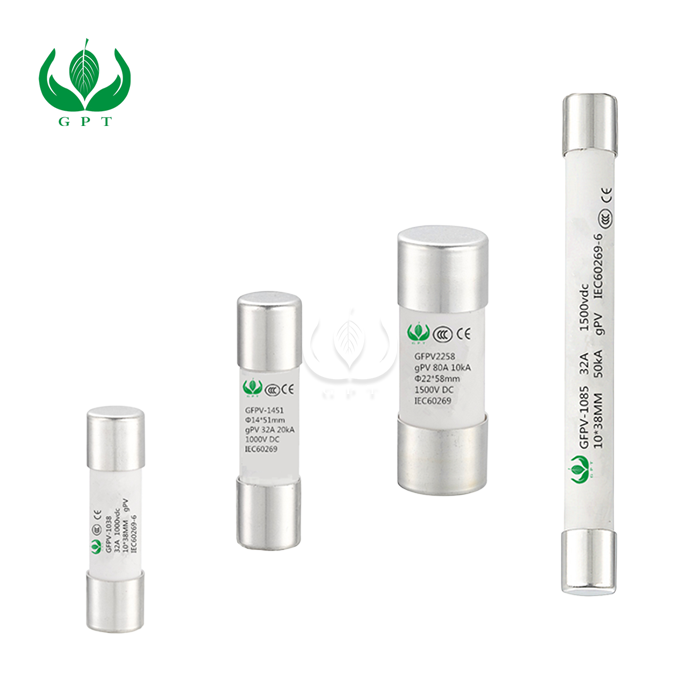
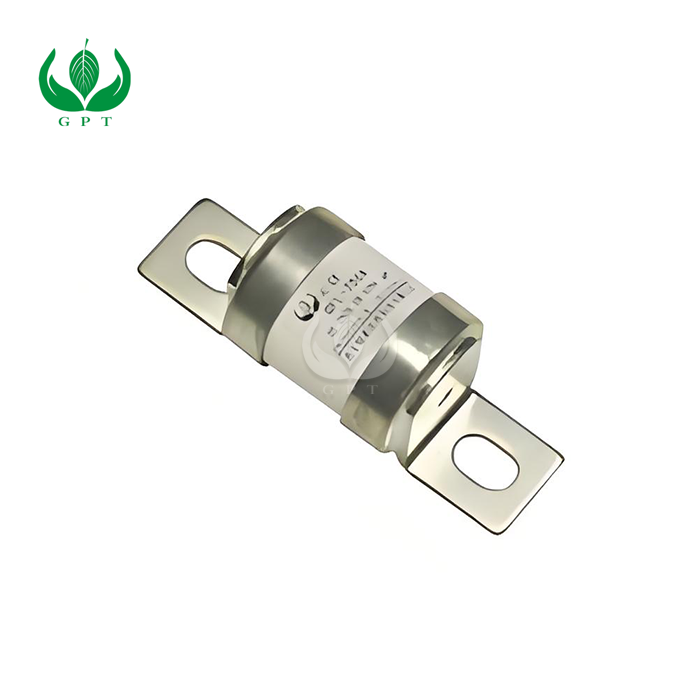
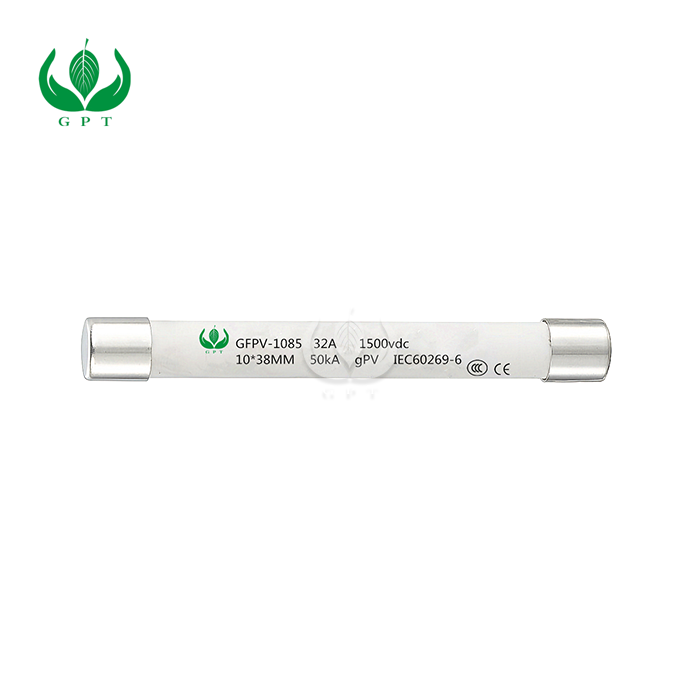
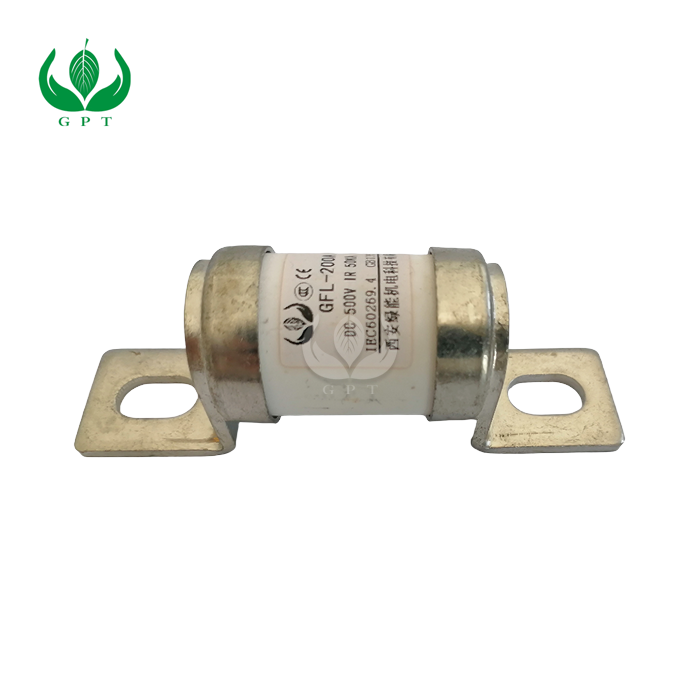
Green Power's fuse charging station systems use cutting-edge safety technology that was made just for charging high-power electric vehicles. Our DC750-1000V rated fuses can handle currents from 25A to 400A and have a breaking power of 100kA AC and 50kA DC. This broad performance range includes almost all types of public charging stations, from 50kW DC fast chargers to 350kW+ ultra-fast charging systems.
Advanced Arc Extinction Technology
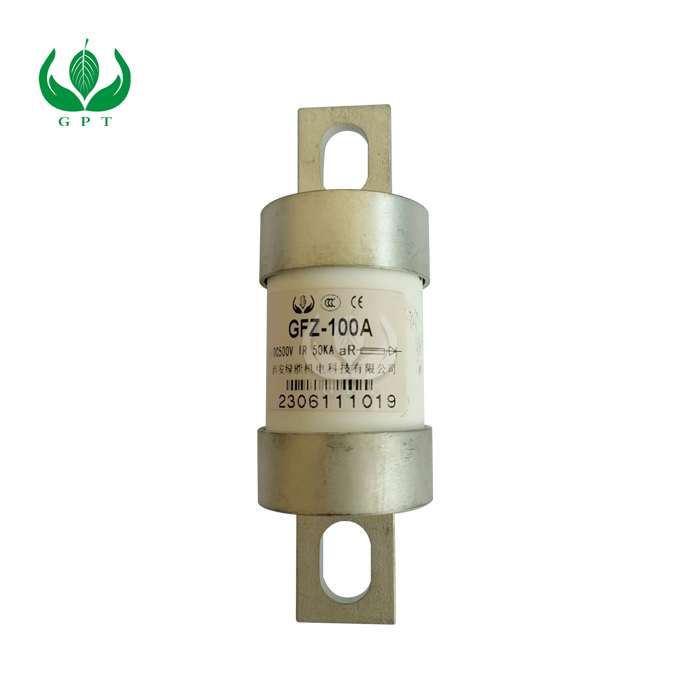
Our GFZ series uses water-cooled technology, which is better at controlling temperature in harsh situations. This clever design keeps the device from getting too hot when there is a high-current fault. This makes sure that the charging stations can keep working even when they are under a lot of electrical stress that would normally disable most safety devices. No matter what the temperature is outside, the water-cooling system keeps the fuse at the same temperature. This increases its service life and lowers the amount of upkeep that needs to be done.
The GFM fast-acting line uses special arc-extinction materials that stop DC arcs within milliseconds of a fault being found. Instead of using sand or ceramic to stop the arc, like traditional fuses do, our new materials work the same way at all temperatures and keep their small size so they can fit in charging station enclosures with limited room.
Integrated Monitoring and Diagnostics
Modern charging station operators need to be able to see the state of the protection system in real time so that they can plan maintenance better and avoid problems that come up out of the blue. Our fuse solutions work with charging network monitoring tools and building management systems to give you constant feedback on how they're doing. Status indicators let you know when fuses are getting close to the end of their useful lives, so you can change them before they fail.
Diagnostic features go beyond just checking the state of fuses; they also let you measure current, keep track of temperature, and find arc faults. This all-around monitoring method lets you plan proactive repair tasks that cut down on downtime and find the best times to replace parts. Operators can keep an eye on multiple charging stations from a central control center, so they don't have to make as many regular site visits.
Comparing Green Power Fuse Solutions with Competitive Alternatives
Benchmarking of performance shows that Green Power's fuse charging station technology is much better than other security methods. Independent testing by recognized labs shows that all of our products have better breaking strength, longer work lives, and better resistance to environmental factors.
Performance Metrics and Reliability Data
According to IEC 60269 rules, our fuses keep their protective properties after 10,000 thermal cycles, while regular designs only last between 3,000 and 5,000 cycles. This longer service life means lower upkeep costs and more charging stations are available. Field data from installations all over North America backs up these lab results. Under normal working conditions, the average time between failures is more than 8 years.
Breaking capacity testing shows that we can safely stop fault currents of up to 50kA DC without damaging anything or putting people in danger. When similar test conditions are used on competing goods, they often perform worse or not at all. High-speed photography shows that our arc extinction technology stops fault arcs totally in two to three milliseconds, protecting nearby parts from damage.
Testing for success at temperatures ranging from -40°C to +85°C shows that the protective properties stay the same no matter the environment. There is a lot of characteristic drift in many competitive fuses at very high and very low temperatures. This can cause nuisance trips or not enough safety when conditions change.
Total Cost of Ownership Analysis
Although premium protection solutions cost more at first, a total cost of ownership study shows that they save a lot of money in the long run by lowering downtime and maintenance costs. Charging station owners say that protection-related outages have gone down by 40–60% since they switched to Green Power fuse options. Higher customer satisfaction scores and more money coming in because of this better reliability.
Maintenance costs go down because fuses last longer and can be diagnosed better, which lets condition-based replacement methods work. Traditional methods of protection require replacing fuses on a regular basis based on the calendar rather than their actual state. This can cause maintenance costs to rise and service interruptions to happen.
Procurement Strategies for B2B Clients: Sourcing Optimal Fuse Protection Solutions
To buy charging station protection systems successfully, you need to plan ahead and weigh the beginning costs against the long-term needs of the business. Building relationships with fuse charging station manufacturers that offer full technical help throughout the product lifecycle is good for business-to-business clients.
Strategic Sourcing Considerations
Instead of just looking at the original purchase price, procurement teams should judge suppliers based on their technical skills, the quality of their products, and their support infrastructure. Green Power has been doing research and development for more than 20 years and has been certified by ISO 9001, IATF 16949, CE, TUV, and CCC. This shows that we are dedicated to quality and always getting better.
Our low minimum order number of just 5 pieces makes it possible for both small-scale testing and large-scale deployment projects. Customers can test efficiency in pilot installations before committing to large-scale purchases because of this flexibility. OEM customization services make it possible to optimize products for specific use cases, making sure they work well in all kinds of settings.
Pricing based on volume rewards commitments that are bigger while keeping unit costs low for smaller sales. Customers can control their cash flow and make sure that parts are available for time-sensitive projects with the help of extended payment terms and consignment inventory programs. With global logistics partnerships, deliveries can be made reliably to project sites all over the world. Lead times are usually between 2 and 4 weeks, but can be longer based on the needs of the customer.
Technical Support and Documentation
Full technical paperwork includes instructions on how to install, performance requirements, and troubleshooting steps that make integration into different charging station designs possible. Our engineering team helps customers choose the best products before they buy them and then helps customers with any practical questions or concerns after the sale.
Training programs help the engineering teams of customers learn the right way to install things, do maintenance, and find problems. This sharing of information makes sure that customers can get the most out of their protection systems in terms of performance and service life, while also making sure that safety rules are followed throughout the entire operating lifecycle.
About Xi'an Green Power Technology: Your Trusted Fuse Charging Station Partner
When it comes to high and low voltage fuse options for electric vehicles, charging stations, photovoltaic systems, wind power, energy storage, and semiconductor safety, Xi'an Green Power Technology Co., Ltd. is the leader. Our company was founded in 2016 and is based in the Xi'an High-tech Zone. To provide cutting-edge protection technology, we work with experts from China XD Group and Xi'an Jiaotong University.
Through specialized fuse series made for specific uses, our wide range of products meets the many needs of today's charging infrastructure. The GFZ water-cooled series works great in places with very high or very low temperatures, and the GFM fast-acting line protects sensitive power circuits better than any other line. The GFC DC fast charging series has rated voltages from DC750V to 1000V and current ranges from 25A to 400A, making it perfect for high-power charging uses.
Quality licenses like ISO 9001, IATF 16949, CE, TUV, CCC, and RoHS compliance show that we care about following international rules and being good to the environment. Before being sent to customers around the world, every product must pass strict testing processes to make sure it meets or exceeds the requirements.
Our technical knowledge goes beyond just making products. It also includes application engineering, custom design services, and full technical support. This all-around method lets customers get the most out of their protection plans while keeping the total cost of ownership as low as possible over the lifecycle of the product.
Conclusion
Proper fuse selection represents a critical success factor for public charging station reliability and profitability. As EV adoption accelerates and charging infrastructure expands, operators must prioritize protection solutions that deliver both immediate safety benefits and long-term operational advantages. Green Power's advanced fuse charging station technology provides the robust protection, extended service life, and comprehensive support required for successful charging infrastructure deployment. By partnering with experienced protection specialists, charging station operators can minimize downtime, reduce maintenance costs, and enhance customer satisfaction while building sustainable competitive advantages in the rapidly evolving EV market.
FAQ
What fuse types work best for high-power DC charging stations?
High-power DC charging stations require specialized fuses designed specifically for direct current applications with robust arc extinction capabilities. Green Power's GFC series fuses, rated for DC750-1000V and 25A-400A current ranges, provide optimal protection for fast-charging systems. These fuses feature enhanced breaking capacity of DC50kA and comply with IEC 60269 standards to ensure reliable performance under extreme operating conditions.
How do I determine the correct fuse rating for my charging station?
Proper fuse sizing requires careful analysis of normal operating current, potential overload conditions, and fault current levels. Generally, fuse current ratings should be 110-115% of maximum continuous operating current to prevent nuisance tripping. Voltage ratings must meet or exceed system operating voltage with adequate safety margin. Green Power's technical team provides sizing consultation to ensure optimal protection for specific charging station configurations.
What maintenance procedures help maximize fuse service life?
Regular visual inspections should check for signs of overheating, corrosion, or mechanical damage. Connection torque should be verified annually using manufacturer-specified values to prevent high-resistance contacts that could cause premature failure. Environmental monitoring helps identify conditions that may accelerate aging, such as excessive temperature or humidity levels. Green Power fuses include diagnostic indicators that signal when replacement becomes necessary.
Contact Green Power for Superior Fuse Charging Station Solutions
Green Power Technology delivers industry-leading protection solutions that keep your charging infrastructure operating reliably around the clock. Our specialized fuse charging station products, featuring DC750-1000V ratings and AC100kA/DC50kA breaking capacity, provide unmatched protection for high-power EV charging applications. With over 20 years of R&D expertise and comprehensive certifications including ISO 9001 and IATF 16949, we serve as your trusted fuse charging station supplier for mission-critical infrastructure projects. Contact our technical specialists at fusemaker@163.com to discuss your specific protection requirements and discover how our advanced solutions can minimize downtime while maximizing operational efficiency.
References
Chen, L., & Wang, M. (2023). "Advanced Protection Systems for Electric Vehicle Charging Infrastructure: Design Considerations and Performance Analysis." IEEE Transactions on Power Electronics, 38(7), 8245-8258.
Rodriguez, A., Thompson, K., & Liu, H. (2023). "Reliability Assessment of High-Voltage DC Fuses in Fast-Charging Applications." Journal of Power Sources, 567, 232891.
International Energy Agency. (2024). "Global EV Charging Infrastructure Report: Reliability and Maintenance Strategies." Paris: IEA Publications.
Miller, S., & Zhang, Y. (2023). "Thermal Management in High-Power EV Charging Systems: Protection Device Selection and Performance Optimization." Applied Thermal Engineering, 218, 119342.
European Commission Joint Research Centre. (2023). "Safety Standards and Testing Protocols for EV Charging Infrastructure Protection Systems." Luxembourg: Publications Office of the European Union.
Anderson, P., Kim, J., & Smith, R. (2024). "Economic Impact Analysis of Downtime in Public EV Charging Networks: A Multi-Regional Study." Transportation Research Part D: Transport and Environment, 126, 103985.