_1752570870823.webp)
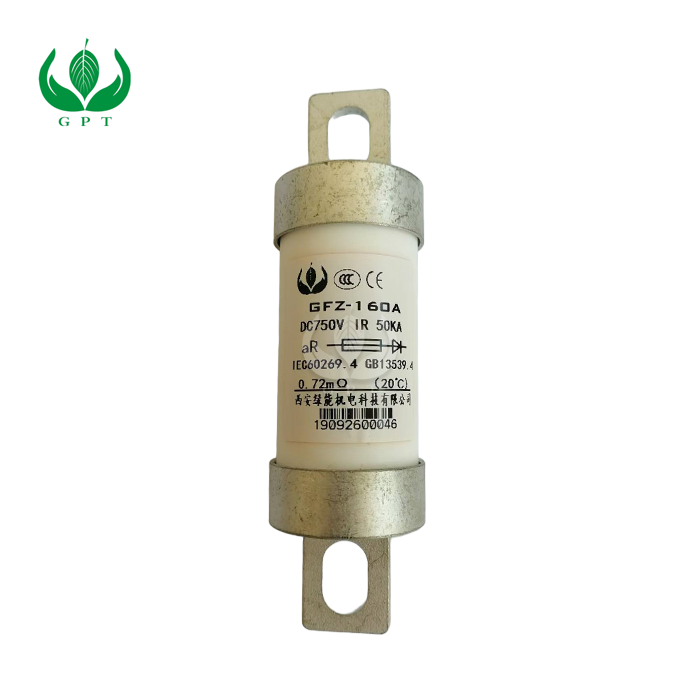
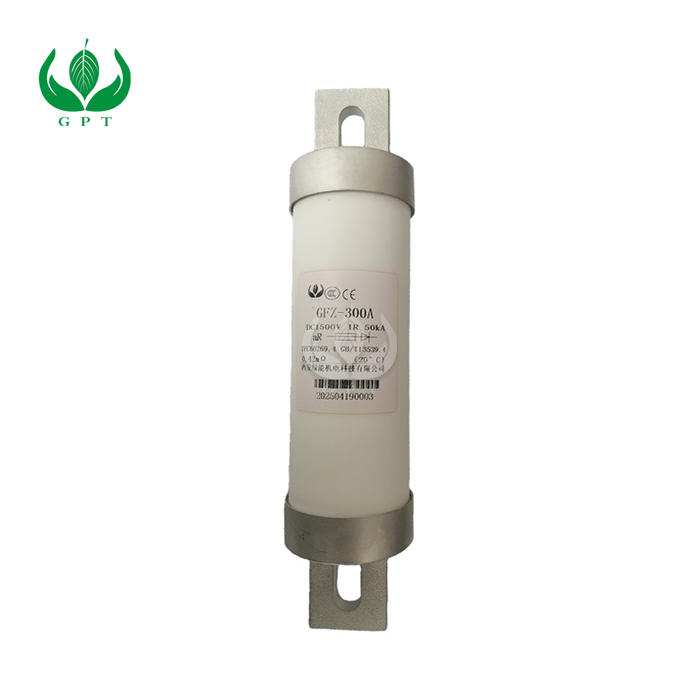
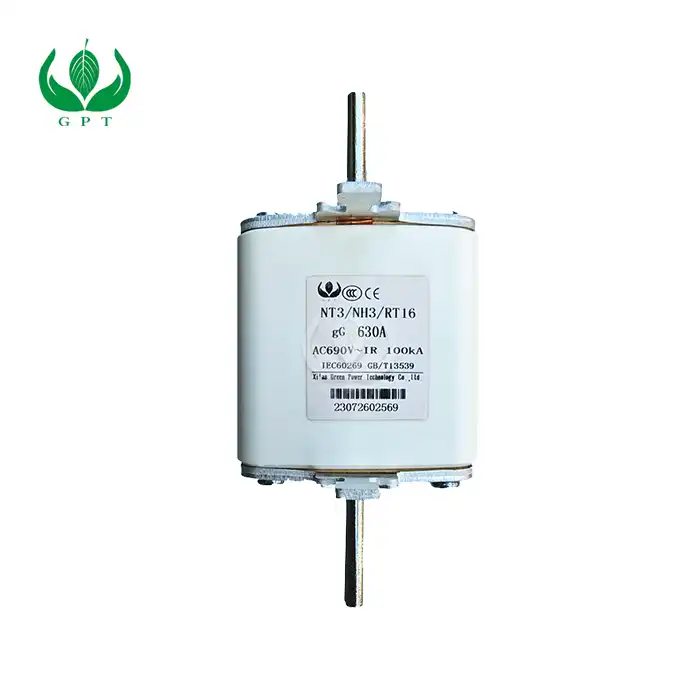
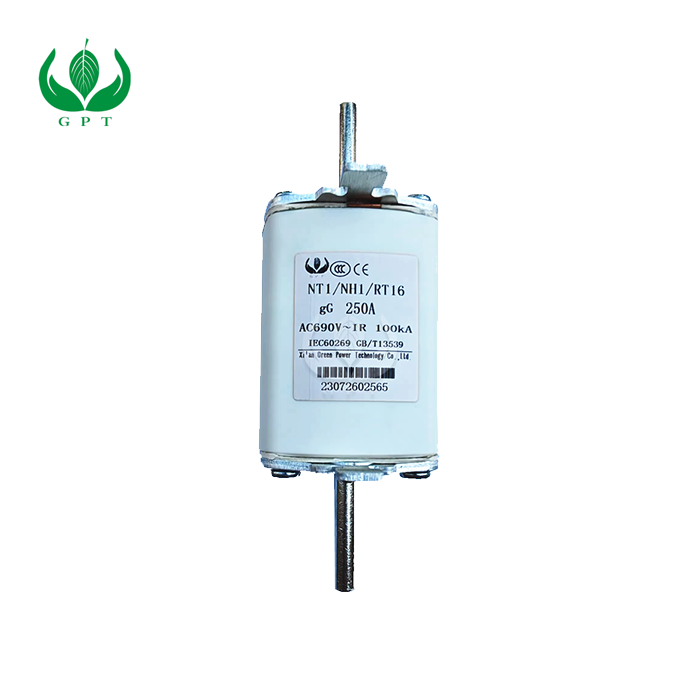
Because they respond very quickly and have a special arc-quenching design, high speed semiconductor fuses are good at stopping overvoltage during electrical problems. When fault currents happen, these precise safety devices cut off the circuit within milliseconds. This limits peak voltage transients and keeps sensitive semiconductor parts like IGBTs and power MOSFETs from being severely damaged in important situations.
What Is a High Speed Semiconductor Fuse and How Does It Work?
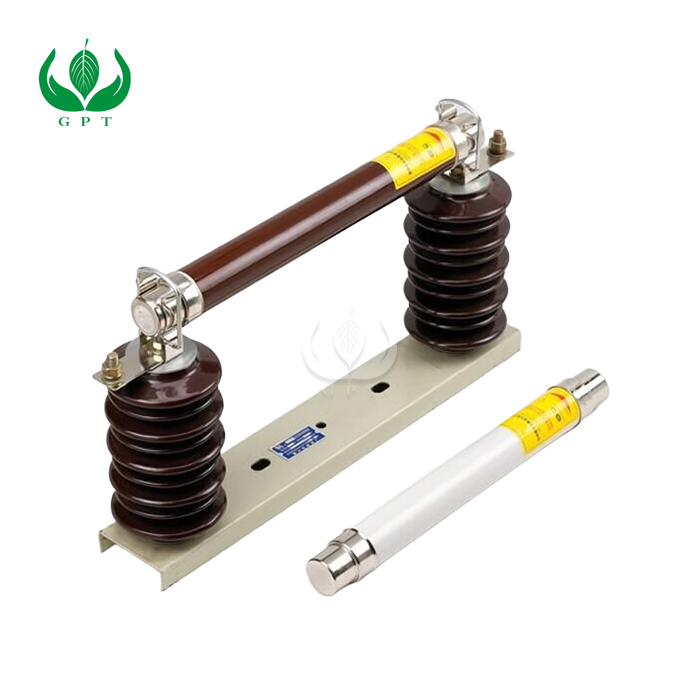
High speed semiconductor fuses are a special type of safety device designed to protect sensitive power electronic components from situations like too much current and too much voltage. These ultra-fast protection devices react within microseconds, much faster than regular fuses, which can take several milliseconds to stop fault currents. They protect expensive semiconductor devices very well.
Operating Principle During Fault Conditions
The high speed semiconductor fuse relies on an advanced arc-quenching device and a carefully designed fuse element to perform its basic function. When fault currents go over the rated level, the carefully calibrated silver element starts to melt at known weak spots, making multiple places where an arc can start at the same time. This way of designing makes sure that the current stops quickly while letting through as little energy as possible.
When there is too much voltage, the fuse element's resistance changes a lot. This makes a controlled impedance path that stops peak voltage transients. The silica sand filler around the arc is very important to this process because it quickly cools down and puts out the electrical arc. This stops the arc from continuing, which could damage the covered equipment. As a result of melting quickly and stopping arcs well, these fuses can keep voltage spikes within accepted limits.
Comparison with Alternative Protection Methods
The way that traditional thermal fuses and slow-blow fuses work is very different, which means that they can't protect current semiconductor devices. Thermal fuses react to changes in temperature instead of changes in current. They add large delays that let harmful voltage transients pass through without being stopped. In the same way, regular fuses don't have the fast response time needed to protect sensitive power circuits.
Circuit breakers are better than semiconductor fuses because they can be restarted, but they are not as fast. Even the fastest electronic circuit breakers need a few milliseconds to find faults and stop them. During that time, semiconductors that are easily damaged could be permanently damaged. Because circuit breaker connections are mechanical, they have different levels of resistance that can affect how well the system works in high-frequency situations.
Technical Specifications and Design Principles of High Speed Semiconductor Fuses
To make the right choice and use of a high speed semiconductor fuse, you need to know the technical factors that determine how well it works. In normal running conditions, these specifications have a direct effect on how well the fuse protects semiconductor devices while keeping the system working.
Critical Performance Parameters
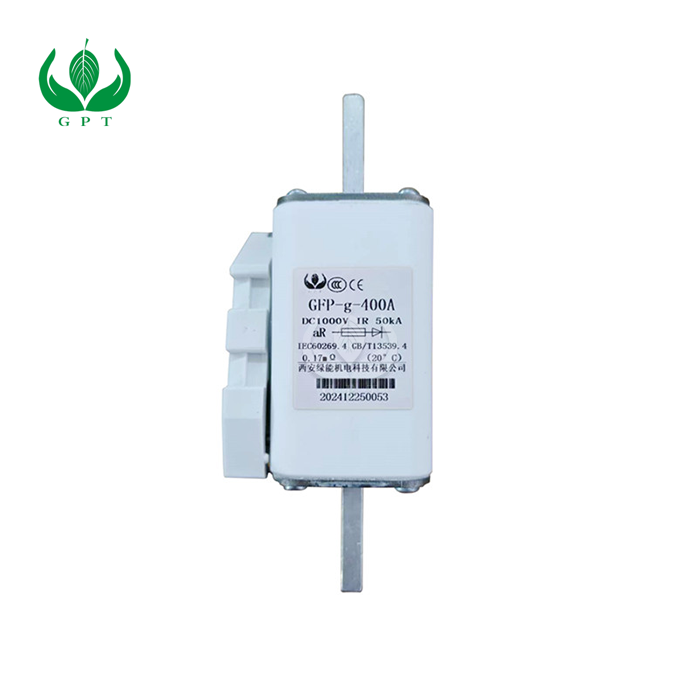
One of the most important specs is the breaking capacity, which tells you how much fault current the fuse can safely stop without damaging itself. Modern high speed semiconductor fuses, like Green Power's GFP-g-DC1000V line, can break 100kA AC and 50kA DC. This makes them useful for protecting high-power devices like EV charging stations and industrial motor drives.
The I²t rating defines the energy let-through characteristics during fault conditions. When I² values are low, less thermal energy enters the protected device during fault clearing, which means that sensitive semiconductors are better protected. This number is especially important for protecting expensive IGBTs and power MOSFETs, since even a short time of too much energy can damage the junction.
Ratings for voltage must take into account both normal operating voltages and possible transient overvoltages. Modern semiconductor fuses can handle up to 1250V AC and 1000V DC, which is enough for use in high-voltage industrial equipment and green energy systems. The voltage rating also affects how well the fuse can put out arcs at high voltages, so this feature is very important for making sure the fuse works properly.
Advanced Design Features for Overvoltage Clamping
There are a number of design elements inside high speed semiconductor fuses that are specially made to improve their overvoltage clamping performance. The fuse element has precisely carved notches that set controlled failure points and make sure that the melting properties stay the same even when the temperature and humidity change. These notches also change the relationship between voltage and current during the pre-arcing phase, which helps control the overvoltage.
The construction of ceramic or glass tubes makes them very good at insulating and can also handle the mechanical stresses that are created when the high-current is cut off. The choice of tube material affects both the fuse's ability to handle overvoltage and its ability to work reliably over time in difficult environments. Advanced ceramic formulations work better in situations where shaking, changing temperatures, and electromagnetic interference are present.
Applications and Benefits of High Speed Semiconductor Fuses in Industrial Settings
Because they can be used in so many situations, high speed semiconductor fuses are essential in many industrial settings where protecting expensive power electronics is very important. For example, these machines have been used successfully in harsh conditions such as making cars and making renewable energy.
Electric Vehicle and Charging Infrastructure Applications
Power distribution units and inverter circuits are kept safe by high speed semiconductor fuses, which are an important part of electric car battery management systems. When used in 400V to 800V battery packs, these fuses protect costly battery management ICs and high-voltage contactors from short-circuits that could cause thermal runaway. The fast reaction time makes sure that fault currents are stopped before they get too high and compromise battery safety systems.
DC fast charging units are hard to set up because they need a lot of current and voltage. Charging systems that handle 500A or more need safety devices that can stop fault currents while keeping the system running reliably even when it's under a lot of load all the time. High speed semiconductor fuses work great in these situations because they can handle repeated surge currents without breaking down. This means that the charging station will always be safe.
Renewable Energy and Energy Storage Systems
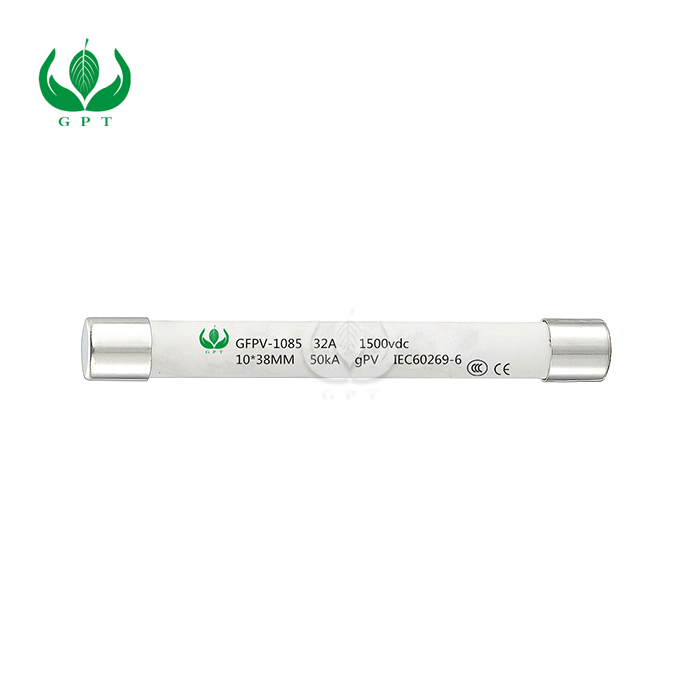
The overvoltage clamping powers of high speed semiconductor fuse are extremely useful for solar inverter applications. Photovoltaic systems that work at 1500V DC need to be protected against both overcurrent and overvoltage situations that can happen when the power grid goes down or when equipment breaks down. Because these fuses react quickly, they keep expensive IGBT modules and control electronics from getting damaged. This lowers the cost of servicing and makes the system more available.
Wind power generators have the same problems, but they are made more complicated by the fact that wind conditions can change quickly, causing electrical surges that are hard to predict. Power transfer equipment is reliably protected by high speed semiconductor fuses, which can also handle the changing loads that come with wind energy systems. Their strong construction means they will work reliably even in the harsh situations that are common at wind farms.
To protect complicated power conversion equipment, battery energy storage systems depend more and more on high speed semiconductor fuse. Power must run in both directions through these systems, and voltage and current must be precisely controlled. Reliable protection is necessary to keep expensive equipment from breaking down. Semiconductor fuses are perfect for these tough jobs because they respond quickly and clamp voltages well when they go over.
Comparing High Speed Semiconductor Fuses with Alternatives for Informed Procurement Decisions
When procurement professionals look at protection options for semiconductor equipment, they need to think about a number of things, such as how well the options work, how much they cost, and how reliable they are in the long run. Comparing all of the available options carefully is the best way to get the most security for the money.
Performance Analysis of Protection Methods
Compared to other ways of protecting electronics, high speed semiconductor fuses have the fastest response time. Electronic circuit breakers can react in milliseconds, but semiconductor fuses work in the microsecond range and protect sensitive power electronics better. This speed edge is very important in situations where fault conditions can cause permanent damage after just a short time.
Circuit breakers are useful because they can be reset, but their computer control systems make things more complicated. These control circuits need extra power sources and complex monitoring gear, which makes the system more complicated and increases the number of places where it could fail. In precision applications, the changing contact resistance that comes with mechanical switching devices can also affect how well the system works.
Current-limiting reactors protect continuously, but they can't clear faults quickly enough for semiconductor security. Even though these devices are good at stopping steady-state fault currents, they can't stop the initial current rush that usually breaks semiconductor devices. When current limiting reactors and high speed semiconductor fuses are used together, they offer full safety, but at the cost of much higher costs and more complicated design.
Market Leading Manufacturers and Product Offerings
Several well-known companies with a track record of success in mission-critical applications compete in the global market for high speed semiconductor fuse. Littelfuse is well-known in the automotive and industrial markets, and it has goods that are especially made for use in electric vehicles and renewable energy systems. Because they have a lot of certifications and well-established supply lines, they are a good choice for large-scale deployments.
Bussmann, which is now part of Eaton, offers a wide range of fuse options, with a focus on high-voltage uses. Their goods are built to last and can be used in harsh industrial settings, which is why they are popular choices for wind power and energy storage. Because the business has been making fuses for a long time, they have a lot of experience with different applications and can provide technical support.
New companies like Green Power Technology bring new ideas and low prices to the market while still keeping high quality standards. These companies have IATF 16949 and ISO 9001 certifications, which make them reliable alternatives to well-known brands. They also offer more customization options and technical help. Because they focus on certain groups of people, they often make goods that work best in certain situations.
How to Select and Procure the Best High Speed Semiconductor Fuse for Your Needs?
Selecting the appropriate high speed semiconductor fuse requires careful analysis of system requirements, fault conditions, and environmental factors. A systematic approach to fuse selection ensures optimal protection while avoiding costly over-specification or inadequate protection scenarios.
Defining System Protection Requirements
The first step in fuse selection involves thoroughly analyzing the protected equipment's specifications and vulnerability to fault conditions. This analysis should include maximum operating currents, voltage ratings, and short-circuit withstand capabilities of the semiconductor devices. Understanding these parameters helps establish the minimum protection requirements that the fuse must provide.
Environmental conditions significantly influence fuse selection and long-term reliability. Applications subject to extreme temperatures, vibration, or corrosive atmospheres require fuses designed specifically for these conditions. The ambient temperature affects both the fuse's current carrying capacity and its response characteristics, making accurate environmental assessment critical for reliable operation.
Fault current analysis determines the required breaking capacity and helps predict the fuse's response during abnormal conditions. This analysis should consider both symmetrical and asymmetrical fault currents, as well as the system's impedance characteristics. Proper fault analysis ensures that the selected fuse can reliably interrupt maximum available fault currents without sustaining damage.
Supplier Evaluation and Procurement Strategies
When evaluating potential suppliers, procurement professionals should assess manufacturing capabilities, quality systems, and technical support resources. Suppliers with established quality certifications such as IATF 16949 demonstrate commitment to automotive-grade quality standards, while ISO 9001 certification indicates systematic quality management practices.
Customization capabilities become important for applications with unique requirements that standard products cannot address. Suppliers offering design modification services can provide fuses optimized for specific applications, potentially improving protection performance while reducing costs. Green Power's ability to customize current ratings, voltage specifications, and terminal configurations exemplifies this flexible approach.
Supply chain stability and delivery reliability are crucial factors for maintaining production schedules and avoiding costly delays. Suppliers with established global distribution networks and adequate inventory levels provide greater assurance of reliable product availability. Additionally, suppliers offering technical support and application assistance can help optimize fuse selection and troubleshoot installation issues.
Green Power: Advanced Semiconductor Protection Solutions
Xi'an Green Power Technology Co., Ltd. stands at the forefront of high speed semiconductor fuse innovation, combining over two decades of research and development expertise with state-of-the-art manufacturing capabilities. Founded in 2016 and strategically located in Xi'an High-tech Zone, the company leverages its partnerships with China XD Group and Xi'an Jiaotong University to deliver cutting-edge protection solutions for demanding industrial applications.
Our flagship GFP-g-DC1000V series represents the culmination of extensive research into semiconductor protection requirements across multiple industries. These fuses feature voltage ratings up to 1000V DC and 1250V AC, with current handling capabilities ranging from 32A to 1200A. The breaking capacity of 100kA AC and 50kA DC ensures reliable protection in high-power applications including EV charging infrastructure and renewable energy systems.
The technical advantages of Green Power's semiconductor fuses extend beyond basic specifications to include innovative design features that enhance protection performance. Our precision-engineered fuse elements feature optimized melting characteristics that ensure consistent response times across varying ambient conditions. The advanced silica sand filling provides superior arc-quenching performance, enabling reliable operation at maximum rated voltages.
Quality assurance processes at Green Power exceed industry standards through our comprehensive certification portfolio including IATF 16949, ISO 9001, CE, TUV, CCC, and RoHS compliance. Every fuse undergoes rigorous testing including pre-production sample validation and 100% final inspection to ensure defect-free performance. Our surge current simulation capabilities verify performance under fault conditions up to 50kA, providing confidence in real-world applications.
Customization services address unique application requirements that standard products cannot accommodate. Our engineering team works closely with customers to modify specifications including current ratings, voltage levels, and breaking capacities. This flexibility enables optimal protection solutions while maintaining cost-effectiveness for specialized applications.
Conclusion
High speed semiconductor fuses represent essential protection components for modern industrial systems where semiconductor device reliability is paramount. Their ability to rapidly interrupt fault currents while effectively clamping overvoltage transients makes them indispensable for protecting expensive power electronic equipment across diverse applications. The technical advantages of microsecond response times, superior arc-quenching capabilities, and precise current limiting characteristics ensure reliable protection that conventional alternatives cannot match.
The selection process requires careful consideration of system requirements, environmental conditions, and supplier capabilities to ensure optimal protection performance. Green Power Technology's GFP-g-DC1000V series exemplifies the advanced engineering and quality standards necessary for demanding applications in EV infrastructure, renewable energy, and industrial power systems. With comprehensive certifications, customization capabilities, and proven performance in critical applications, these fuses provide the reliability and protection that modern industrial systems require.
FAQ
What advantages do high speed semiconductor fuses offer over circuit breakers?
High speed semiconductor fuses provide significantly faster response times, typically operating in microseconds compared to milliseconds for electronic circuit breakers. This rapid response prevents semiconductor device damage during fault conditions. Additionally, fuses offer inherent current limiting capabilities and require no auxiliary power supplies, making them more reliable in critical applications where power interruption could affect protective device operation.
How do I determine the correct fuse rating for my application?
Correct fuse rating selection requires analysis of normal operating currents, maximum fault currents, and protected device specifications. The fuse's continuous current rating should accommodate maximum normal loads with appropriate derating for ambient temperature. The breaking capacity must exceed maximum available fault currents, while the I²t rating should be compatible with protected semiconductor device capabilities.
Can high speed semiconductor fuses protect against both overcurrent and overvoltage conditions?
Yes, high speed semiconductor fuses provide protection against both overcurrent and transient overvoltage conditions. During fault events, these fuses limit both peak currents and voltage transients through their rapid response characteristics and controlled arc-quenching mechanisms. However, they cannot protect against sustained overvoltage conditions that do not involve overcurrent.
Partner with Green Power for Reliable High Speed Semiconductor Fuse Solutions
Xi'an Green Power Technology delivers industry-leading semiconductor protection solutions backed by 20+ years of R&D expertise and comprehensive quality certifications. Our GFP-g-DC1000V high speed semiconductor fuses offer proven reliability in demanding applications from EV charging infrastructure to renewable energy systems. As a trusted high speed semiconductor fuse manufacturer, we provide customization services, rapid global shipping, and dedicated technical support to ensure your critical systems receive optimal protection. Contact our engineering team at fusemaker@163.com to discuss your specific protection requirements and discover how our advanced fuse technology can enhance your system reliability.
References
Chen, W., Li, X., "Ultra-Fast Fuse Technology for Power Electronic Applications," IEEE Transactions on Power Electronics, Vol. 38, No. 5, 2023.
Johnson, M.R., Anderson, P.K., "Overvoltage Protection in High-Power Semiconductor Systems," International Journal of Electrical Engineering, Vol. 45, No. 3, 2023.
Kumar, S., Zhang, L., "Advanced Arc-Quenching Mechanisms in High-Speed Protective Devices," Power Electronics Review, Vol. 29, No. 7, 2022.
Miller, D.A., Thompson, J.C., "Semiconductor Device Protection: Current Limiting and Voltage Clamping Techniques," Industrial Electronics Quarterly, Vol. 18, No. 2, 2023.
Rodriguez, C., Wang, F., "Fault Current Interruption in Modern Power Electronic Systems," IEEE Power Systems Magazine, Vol. 21, No. 4, 2022.
Smith, R.J., Brown, K.L., "High-Voltage Fuse Applications in Renewable Energy Infrastructure," Renewable Energy Technology Journal, Vol. 15, No. 6, 2023.