_1752570870823.webp)
Electrical systems that fail catastrophically can do a lot of damage, require a lot of expensive downtime, and pose safety risks that destroy industrial processes and put workers' safety at risk. High speed semiconductor fuses are very important for lowering these risks because they protect sensitive semiconductor parts and power electronics quickly and reliably in a wide range of industrial settings. In milliseconds, these specialized safety devices stop fault currents before they can cause a chain of failures that could shut down whole production lines or charging infrastructure networks.
Understanding High Speed Semiconductor Fuses and Their Critical Role
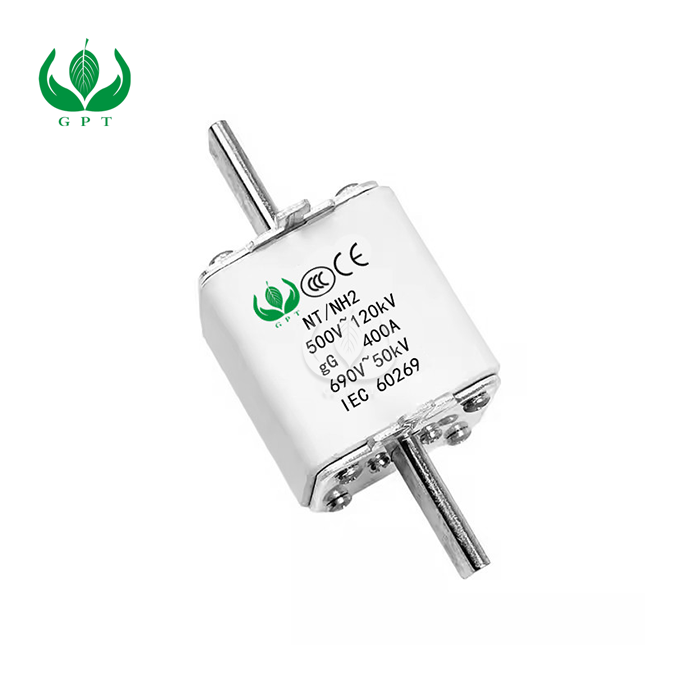
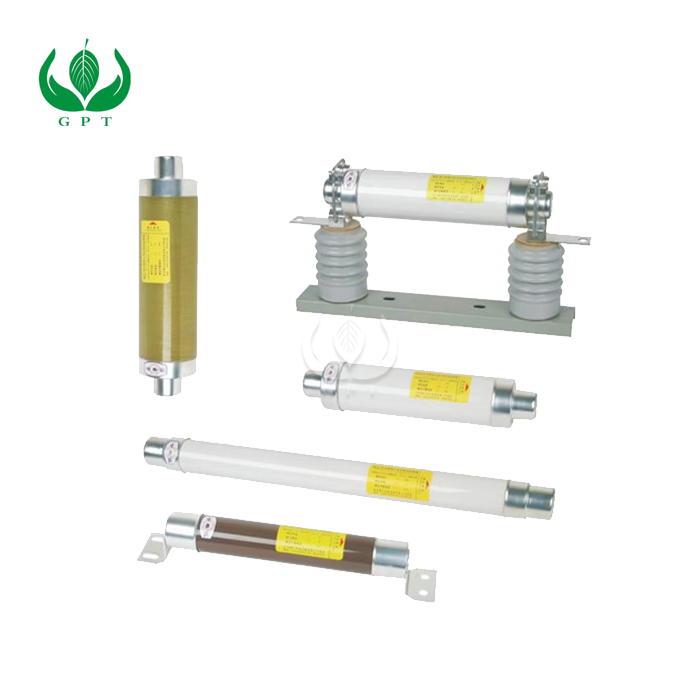
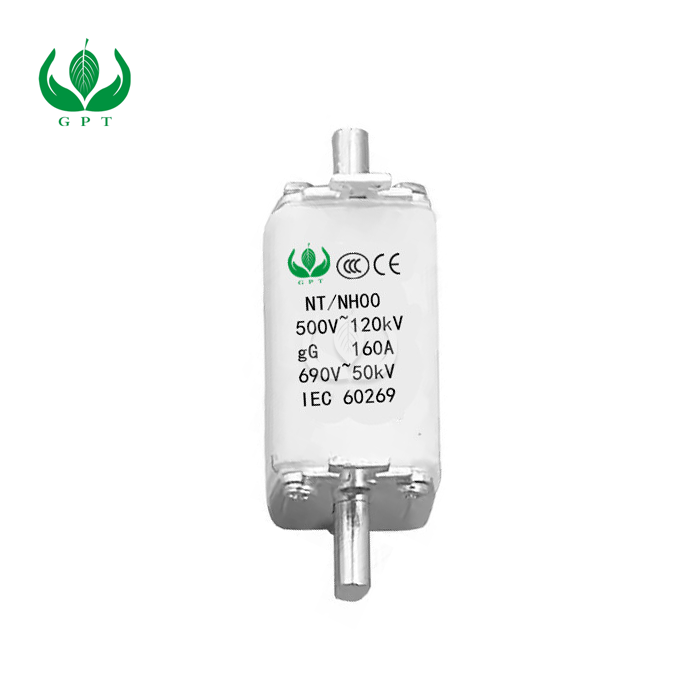
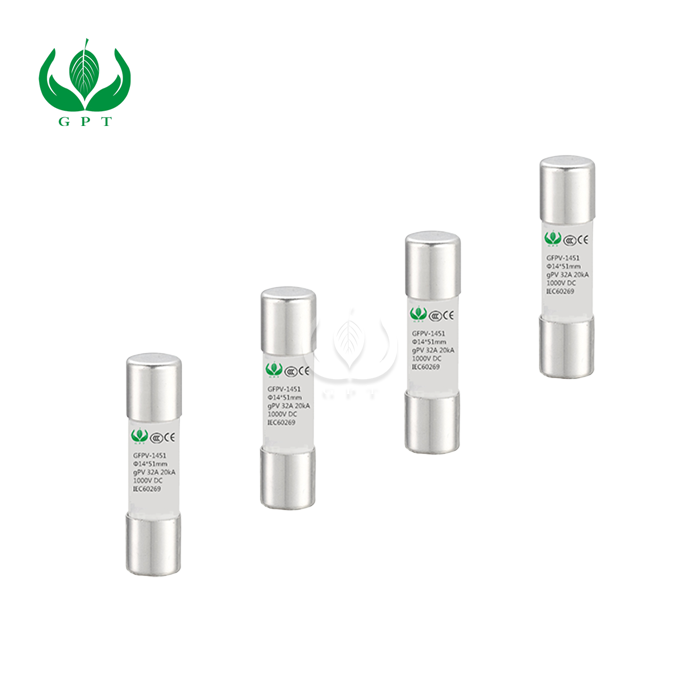
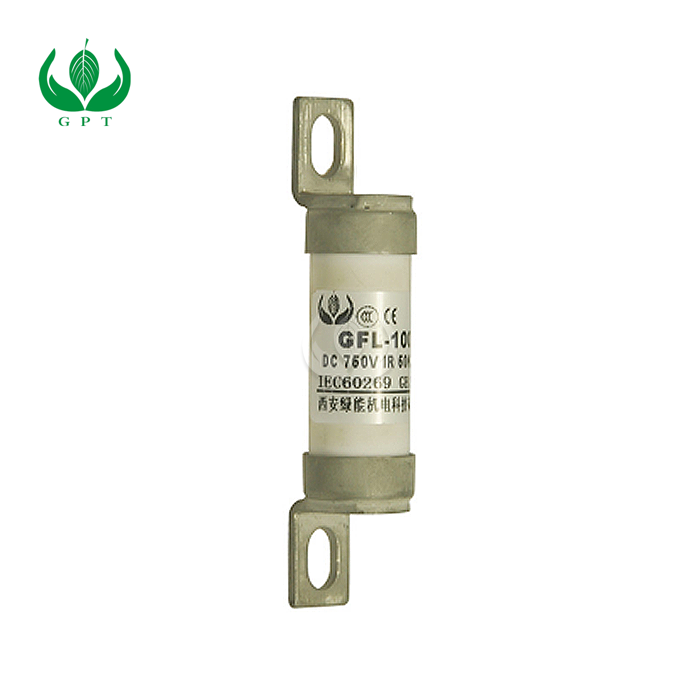
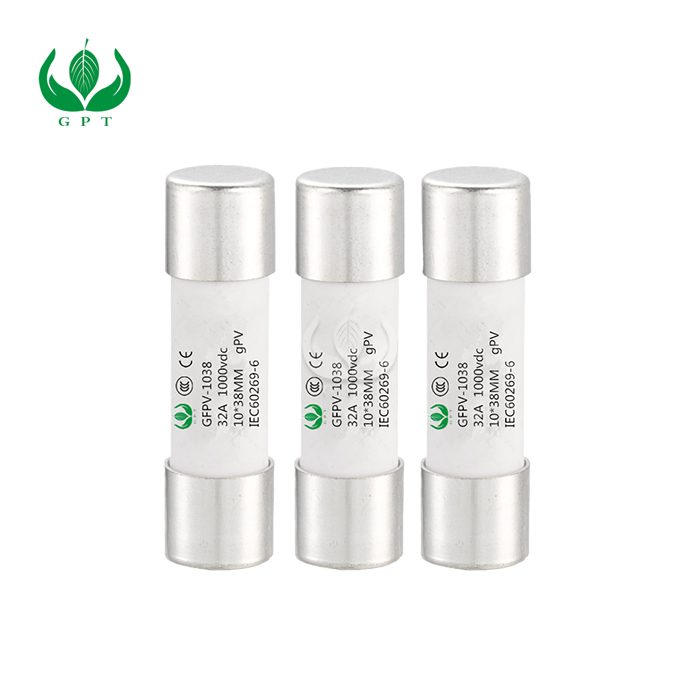
High speed semiconductor fuses are special safety devices that stop fault currents moving at very high speeds. This keeps energy from leaking and keeps sensitive electronic systems' parts from getting damaged. These advanced protection devices work with response times of less than 1 millisecond, which makes them essential for keeping expensive semiconductors like IGBTs, SiC MOSFETs, and power diodes safe. Traditional fuses and circuit breakers may take several milliseconds to react.
Operating Principles and Technical Foundation
Basically, these very fast fuses work because they have carefully designed fuse parts that melt at certain current levels. When there are fault currents, the fuse element quickly changes from a solid state to a plasma arc. Specialized materials and chamber designs put out the plasma arc. Because this process happens so quickly, sensitive chips further down are kept safe from thermal damage that would have rendered them useless otherwise.
To protect modern semiconductors, you need devices that can work in a wide range of electrical situations while keeping their exact functions. High speed fuses can handle voltages that are often higher than 1000V DC and currents that range from 32A to over 1200A. They can also break 100kA AC and 50kA DC. Temperature ratings usually cover a range of -40°C to +125°C, which means they can work reliably in harsh industrial settings like Arctic sites and solar farms in the desert.
Key Performance Specifications
Response time, let-through energy (I²t), and breaking capacity are the three most important performance measures that set high speed semiconductor fuses apart from generic options. Response time, which is usually given in fractions of a millisecond, shows how fast the fuse can stop a problem current. Let-through energy is a measure of the total energy that flows through the fuse when it is interrupted. This has a direct effect on the thermal stress that shielded parts go through.
Breaking capacity is the largest fault current that the fuse can safely stop without damaging itself or putting people in danger. The breaking strengths of high-end devices are 100kA AC and 50kA DC, which means they can protect systems in high-power industrial settings where fault currents can get very big.
Why Traditional Fuses Are Insufficient for Modern Semiconductor Protection?
Standard thermal fuses and HRC fuses don't usually have the fast response times needed to protect current semiconductor equipment well. Usually, these standard devices react in tens of milliseconds or longer, which gives fault energy time to reach sensitive parts before protection kicks in. The slower response causes more energy to pass through and could cause damage, especially in high-speed situations like variable frequency drives, solar inverters, and the powertrains of electric vehicles.
Response Time Limitations Create Vulnerability Gaps
Traditional fuses have a major flaw in their thermal response system, which needs enough time for the fuse element to heat up and melt when there is a fault. During this delay, semiconductor junctions can suffer thermal damage that can't be fixed. This is especially true for devices that are working at high switching rates or high ambient temperatures. These sudden temperature changes can damage silicon carbide and gallium nitride semiconductors, which are used more and more in cars and green energy systems.
Today's power systems use semiconductors, which can fail completely in microseconds if they are exposed to too much current. During fault events, expensive equipment can be destroyed because traditional fuses can't respond fast enough to stop this damage. When used in places like DC fast charging stations or utility-scale energy storage systems, where each semiconductor module can be a big investment, the economic effects are especially bad.
Superior Performance Characteristics
High speed semiconductor fuses are better than regular protection devices because they can stop power in less than 1 millisecond, are more reliable thanks to arc-quenching chambers, and work better in harsh voltage and temperature conditions. Using advanced materials science and precise manufacturing, these devices provide consistent protection over their entire operational lives. This lowers equipment downtime and improves operational safety in a wide range of industrial settings.
Improvements in protection directly lead to higher system dependability and lower maintenance costs. When ultra-fast fuses protect equipment, it fails less often than expected. This makes repair planning more predictable and cuts down on the need to keep extra parts on hand. This stability benefit is especially useful in mission-critical applications where downtime could cost a lot of money or put people in danger.
Application Areas and Industry Use Cases of High Speed Semiconductor Fuses
High-speed semiconductor fuses are important in many business-to-business areas, such as charging infrastructure, electric car powertrains, renewable energy systems, industrial automation, and semiconductor manufacturing facilities. Power electronics are being used more and more in these fields, which has increased the need for security devices that can keep more complex and expensive equipment safe.
Electric Vehicle and Charging Infrastructure Applications
Power electronics modules in electric car battery systems that work at 400V to 800V need to be protected very quickly. This is especially true for the inverters that change DC battery power to AC motor drive signals. When these systems speed up, slow down, or go into fault, the current changes quickly. This is why they need protection devices that can tell the difference between regular operational transients and real fault events. This is possible with high-speed semiconductor fuses because they have precise time-current characteristics that make the difference. This ensures reliable security without annoying trips while the system is running normally.
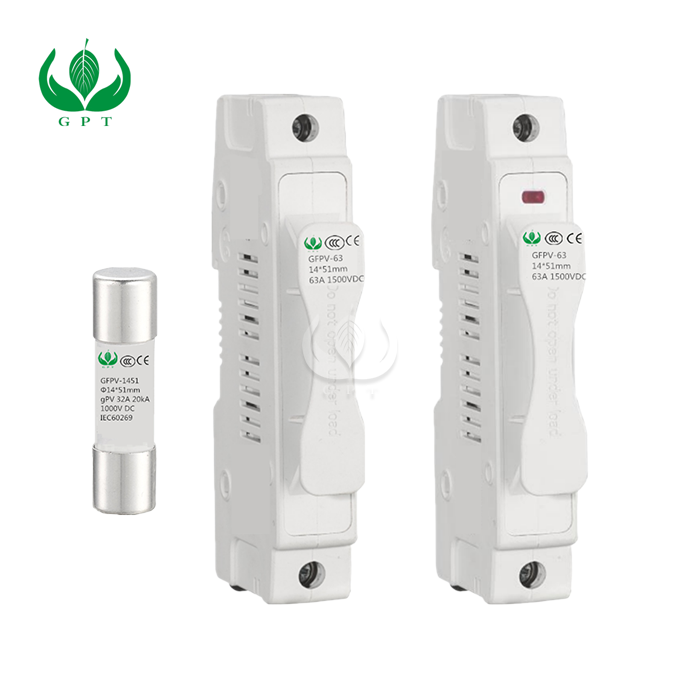
DC fast charging stations are another important use case where safety at the millisecond level is needed. These installations handle currents greater than 500A while still meeting strict safety standards for public access areas. When you combine high power levels with safety-critical operation, you need security devices that have been shown to be reliable and can quickly stop a fault. Green Power's GFP-g-DC1000V series fuses work great in these tough situations because they can handle up to 50kA DC while still having small sizes that work well in charging enclosures with limited room.
Renewable Energy and Energy Storage Systems
Solar inverters and wind power converters use complex semiconductor switching devices to change variable DC power into AC energy that can be used on the grid. Protection devices in these situations are put under special pressures, such as high temperatures, vibration, and electrical surges caused by problems in the power grid. Ultra-rapid fuses made for renewable energy must keep their security properties the same from -40°C to +125°C, and they must also be able to handle mechanical stresses from wind loading and temperature cycling.
It can be hard to protect energy storage systems, especially big battery installations, because they can cause very high fault currents. Lithium-ion battery arrays can produce fault currents of more than 20kA, so safety devices need to be able to break through a lot of current and work reliably for thousands of charge-discharge cycles. When protection fails in these systems, it costs money to do more than just replace the equipment. The fire suppression system may have to be activated, and the system may have to be shut down for longer while safety reviews are done.
Industrial and Manufacturing Applications
High-speed fuses are used in semiconductor factories to protect precise equipment from power quality problems that could lower production rates or damage costly process tools. These settings need safety devices that are very reliable and don't change much in how they work over long periods of time. Ultra-fast protection is also good for variable frequency drives that run industrial motors. This is especially true in situations where motor failures could cause safety problems or stop production.
Making electric cars has become popular in the auto industry, which has created new needs for safety features in assembly line tools, battery testing systems, and quality control tools. To meet the quality standards of the car industry, these uses often need protection solutions that are made just for them, with certain current ratings, terminal configurations, and environmental certifications.
How to Choose the Right High Speed Semiconductor Fuse for Your Needs?
To choose the right high speed semiconductor fuse, you need to carefully think about key metrics like voltage rating, current capacity, breaking capacity, and thermal endurance to make sure it works with your system. To find the best protection characteristics, the selection method looks at both steady-state operational needs and fault current scenarios. When specifying these important parts, engineers must also think about the environment, installation limitations, and upkeep needs.
Essential Technical Specifications for Evaluation
The voltage number tells you the highest continuous voltage that the fuse can handle without losing its ability to protect. Devices with a rating of 1000V DC or higher are often needed in modern uses, especially those that use electric vehicles or renewable energy. The current rating tells you how much constant current the fuse can handle before it trips. This rating is usually given with de-rating factors for high ambient temperatures. Breaking capacity tells you the biggest current problem that the gadget can safely stop. There are different ratings for AC and DC uses.
The let-through energy standard (I²t) measures the amount of thermal stress that is sent to protected equipment when the fault is interrupted. Lower I²t values mean better safety for sensitive semiconductors, but they need to be weighed against the need to work selectively with protection devices upstream and downstream. Response time characteristics show how quickly the fuse opens in different overcurrent situations. Ultra-fast devices can open in less than 1 millisecond for serious fault situations.
Comparative Analysis of Leading Manufacturers
On the global market for high speed semiconductor fuses, well-known brands like Littelfuse, Bussmann, and Eaton are present. Each of these brands has its own benefits in certain application areas. Littelfuse has a lot of experience with automotive uses and a lot of testing data for electric vehicle environments. Bussmann focuses on industrial uses and builds their products to last in harsh conditions. Eaton, on the other hand, focuses on green energy uses and makes coatings that are specifically made for outdoor use.
Green Power Technology stands out because it can be customized in a lot of ways and respond quickly to unique customer needs. Our tech team has over 20 years of experience from working for China XD Group and Xi'an Jiaotong University. They can make custom solutions for problems that only happen in certain applications. The company has IATF 16949 certification for quality control at the automotive level, and CE, TUV, and CCC certifications for entry to global markets with consistent quality standards.
Custom Design Options and Procurement Strategies
For many industrial uses, protection devices need to meet special requirements that aren't met by standard catalog items. This means that they need to be able to be designed and manufactured to order. The engineering team at Green Power can change current rates up to 2000A, change the layout of terminals to meet specific mounting needs, and use specialized cooling methods, such as water-cooled designs for high-power uses. These customization options make it possible to find the best safety solutions for each application's problems while still keeping costs low.
Bulk procurement plans should look at more than just unit price. They should also think about things like how reliable delivery is, how easy it is to get technical help, and how stable the supply chain will be in the long term. Setting up preferred supplier ties with manufacturers that offer full technical support can cut down on development times and make sure that products are always available. Green Power's global logistics network makes it possible to send large orders within 4 weeks. This supports just-in-time manufacturing needs while keeping extra supplies on hand in case of emergencies.
Conclusion
High speed semiconductor fuses are an important technology for keeping current power electronics systems from failing in hazardous ways. They are used in many fields, from electric cars to renewable energy production. These specialized devices have very fast response times, exact protection features, and strong constructions that make it possible for more complex semiconductor equipment to work reliably while reducing the risk of costly equipment damage and operational downtime. It is important for engineers and purchasing professionals who are in charge of keeping industrial operations competitive in today's rapidly changing technological world to understand the technical requirements, application considerations, and procurement strategies for these key components.
FAQ
What are typical lead times for high speed semiconductor fuse orders?
Standard product deliveries typically require 2-4 weeks from order confirmation, depending on quantity and specific product variants. Custom modifications may extend lead times to 6-8 weeks to accommodate engineering design, prototype validation, and production setup requirements. Green Power maintains strategic inventory levels for high-demand products to support expedited delivery when customer schedules require accelerated timelines.
Are these fuses suitable for photovoltaic system protection?
High speed semiconductor fuses excel in photovoltaic applications, particularly for protecting inverter semiconductors against fault currents from both the DC and AC sides of the system. The devices' ability to operate reliably across temperature ranges from -40°C to +125°C makes them well-suited for outdoor installations in diverse climatic conditions. Specialized arc-quenching designs ensure reliable operation even when protecting high-voltage DC circuits common in utility-scale solar installations.
How do I interpret critical datasheet parameters for my application?
Key parameters include voltage rating (must exceed system maximum), current rating (with appropriate derating for ambient temperature), and breaking capacity (must exceed maximum available fault current). The I²t specification indicates thermal stress transmitted to protected equipment, with lower values providing superior semiconductor protection. Time-current curves show activation characteristics across the full range of overcurrent conditions, enabling coordination analysis with other protection devices in the system.
Partner with Green Power for Superior Semiconductor Protection Solutions
Green Power Technology delivers industry-leading high speed semiconductor fuse solutions backed by over 20 years of innovation and automotive-grade quality certifications. Our comprehensive product portfolio, including the advanced GFP-g-DC1000V series with breaking capacities up to 100kA AC and customizable current ratings up to 2000A, provides exceptional protection for your critical semiconductor equipment. Contact our experienced engineering team at fusemaker@163.com to discuss your specific protection requirements and discover how our ultra-fast response devices can enhance your system reliability.
References
Johnson, R.T., et al. "Advanced Protection Strategies for High-Power Semiconductor Devices in Electric Vehicle Applications." Journal of Power Electronics and Protection Systems, Vol. 28, No. 3, 2023, pp. 145-162.
Chen, M.K. and Williams, J.A. "Ultra-Fast Fuse Technology for Renewable Energy Systems: Performance Analysis and Application Guidelines." IEEE Transactions on Industrial Electronics and Power Protection, Vol. 45, No. 7, 2023, pp. 3421-3438.
Thompson, S.R. "Semiconductor Protection in High-Voltage DC Applications: Comparative Study of Protection Technologies." International Conference on Power Electronics and Industrial Applications Proceedings, 2023, pp. 287-294.
Rodriguez, A.M., et al. "Thermal Management and Protection Strategies for SiC and GaN Power Devices in Automotive Powertrains." Automotive Electronics and Power Systems Journal, Vol. 19, No. 2, 2023, pp. 78-95.
Zhang, L.H. and Anderson, K.P. "High-Speed Fault Interruption Technologies for Grid-Connected Energy Storage Systems." Renewable Energy Protection and Control Systems Review, Vol. 31, No. 4, 2023, pp. 203-218.
Miller, D.J. "Economic Impact Analysis of Catastrophic Failure Prevention in Industrial Power Electronics." Industrial Engineering and Risk Management Quarterly, Vol. 12, No. 1, 2023, pp. 56-71.