_1752570870823.webp)
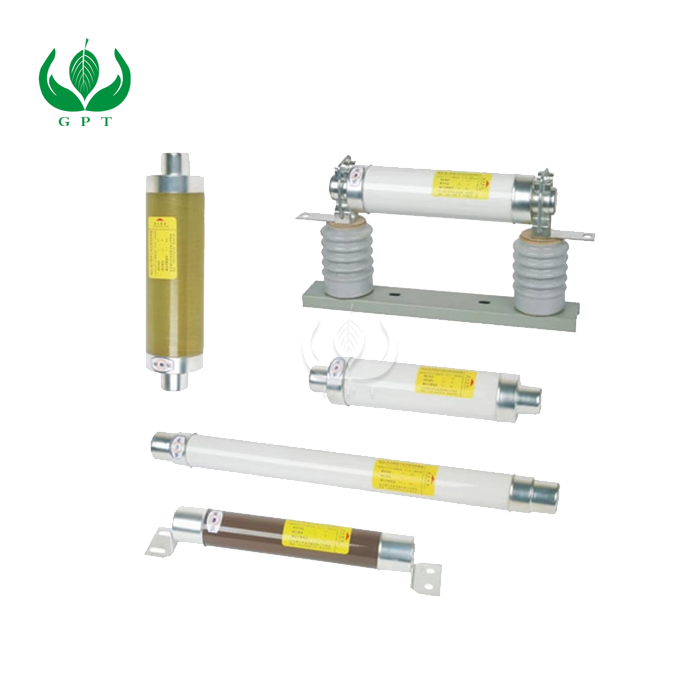
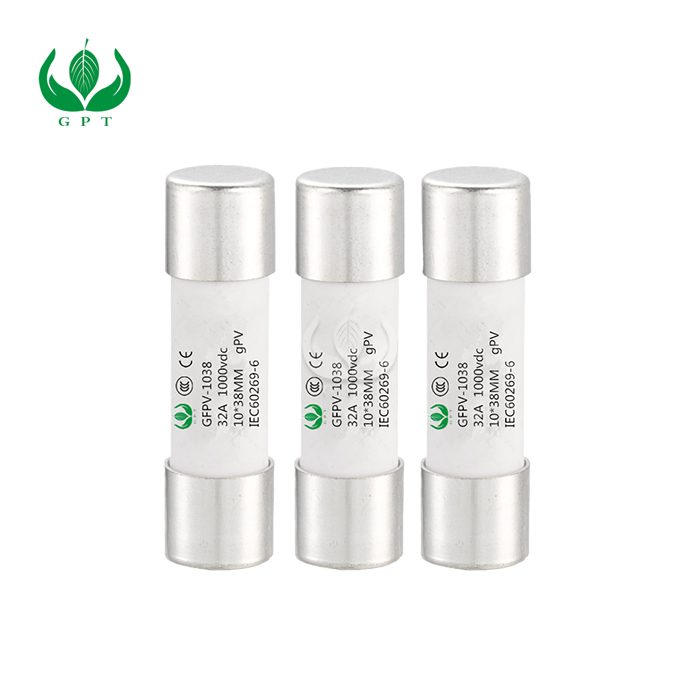
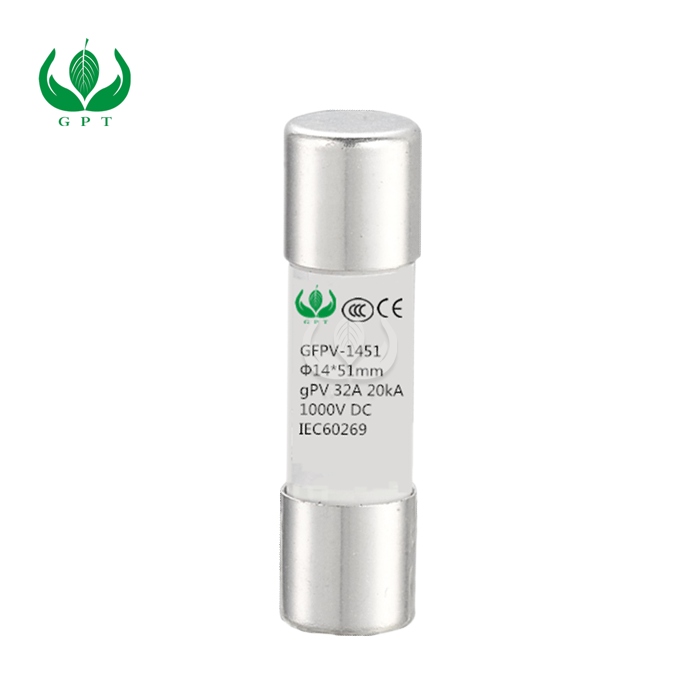
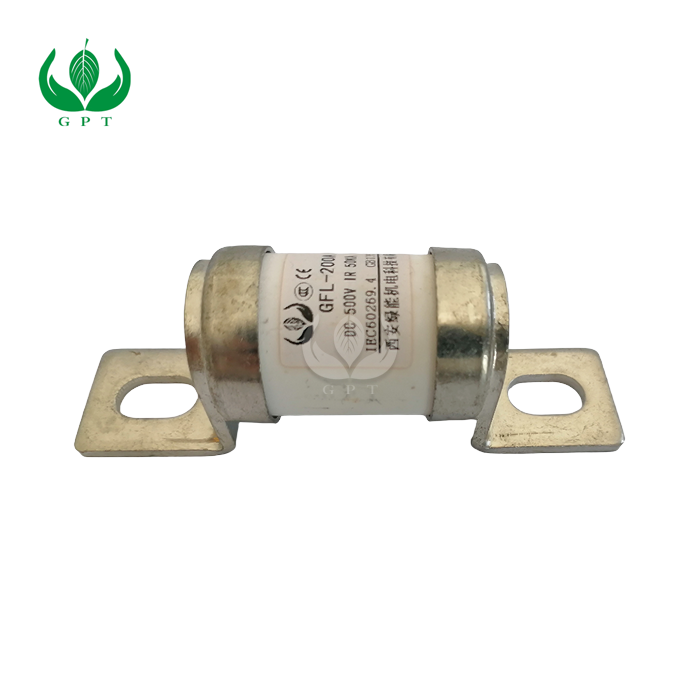
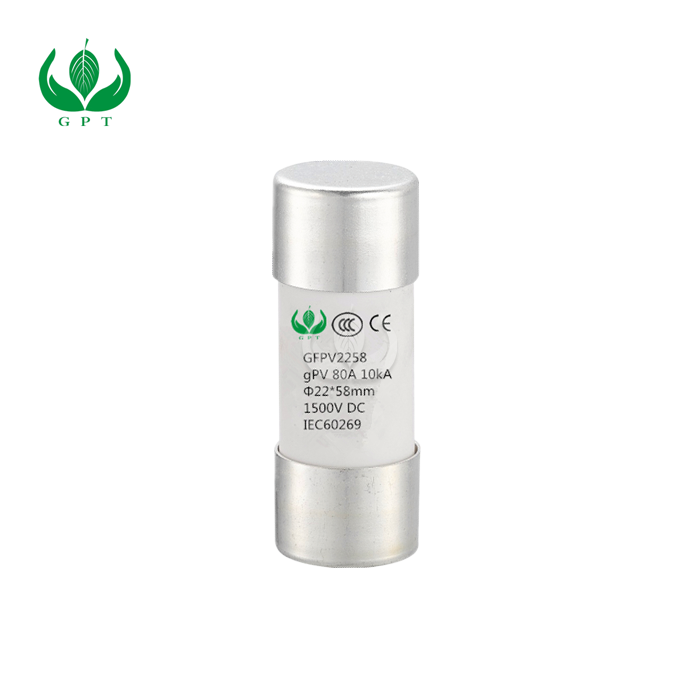
High breaking capacity battery protection fuses are important safety features in modern electrical systems; they stop risky fault currents that can reach over 50,000 amperes. Specialized parts like these keep expensive equipment from getting badly damaged and stop lithium-ion batteries from overheating. High breaking capacity battery protection fuse units are different from regular automotive fuses because they can safely put out electrical arcs in harsh conditions. This makes them essential for electric vehicles, energy storage systems, and renewable energy applications where system reliability affects both safety and operational continuity.
Understanding Battery Protection Fuses and Their Critical Role
Battery protection fuses are meant to melt and stop the flow of electricity when dangerous conditions happen. They do this by creating weak spots in electrical circuits. These tools work on a simple but effective idea: when the electrical current goes over the safe limits, the fuse element melts and heats up, making an open circuit that stops the flow of current right away.
Fundamental Operation Principles
The exact engineering of the fuse element, which is usually made of silver or copper alloy, is the main working principle of battery protection fuses. As long as the current levels stay within normal working ranges, the fuse element keeps moving electricity. But when there is too much power or a short circuit, the element's temperature rises quickly because of I²R heating, which melts and evaporates it.
Modern high breaking capacity fuses have improved arc-quenching materials around the fuse element, like silica sand or quartz filler. When the element turns into a gas, it makes an electrical spark that might keep the current flowing. The arc-quenching material soaks up the energy of the arc and cools the charged gases, which puts out the arc and breaks the circuit completely.
Differentiating Protection Technologies
Battery protection methods use a number of different safety devices, each with its own features and uses. Circuit breakers can mechanically switch between loads and can be reset after tripping, so they can be used for regular overload safety. But their reaction time is usually between a few milliseconds and a few seconds, which might be too slow to protect sensitive semiconductors.
Thermal fuses are great for protection against overheating because they react to changes in temperature instead of changes in current levels. When the temperature outside goes above certain levels, these devices turn on. They provide backup security in case the electrical overcurrent protection fails.
Positive Temperature Coefficient (PTC) fuses work differently. As the temperature rises, the resistance goes up, slowly stopping the flow of current instead of opening the circuit right away. The high fault currents in modern battery systems are too much for PTC devices to handle, even though they are useful in some situations.
Critical Safety Functions and Breaking Capacity Importance
A fuse's high breaking capacity tells you how well it can stop fault currents without damaging itself or letting the arc continue. Within microseconds, fault currents in battery applications can reach very high levels, often 20 to 50 times the usual operating current. In these situations, regular fuses might blow or not be able to stop sparks, which could start fires or damage equipment.
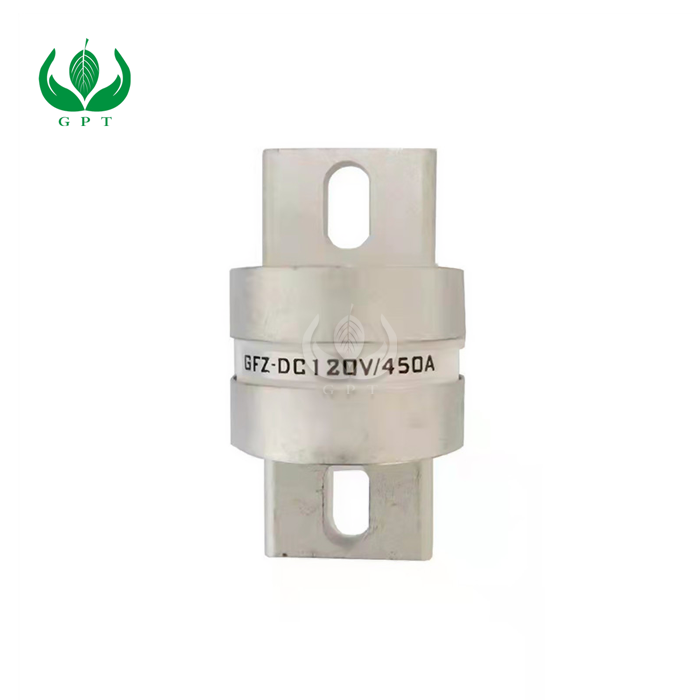
The breaking capacity number tells you how much fault current a fuse can safely stop. Our battery protection fuses can break AC loads of 100kA and DC loads of 50kA. This means they can protect your batteries reliably even in high-energy situations like grid-scale energy storage systems or fast-charging infrastructure for electric vehicles.
Comparing Protection Solutions: Why Choose High Breaking Capacity Battery Protection Fuses?
When choosing the right circuit protection, you need to carefully think about the reaction time, the maintenance needs, and the needs of the application. There are pros and cons to each type of protection technology, but high breaking capacity fuses work best in critical situations where quick reaction and complete dependability are very important.
Response Time and Maintenance Considerations
High-breaking-capacity battery protection fuses stop faults much faster than any other type of fuse, usually in microseconds when dangerous current levels are reached. This very quick reaction keeps equipment from breaking and lowers the energy that is released when there is a fault, which lowers the risk of safety issues.
Circuit breakers need to be serviced every so often so they work right. This includes cleaning the contacts and checking the mechanics. Their complicated internal parts can wear out over time, which could cause them to break down at crucial times. Because they are passive devices with no moving parts,fuses don't need much maintenance and keep working well for their whole time.
The cost-effectiveness of fuses becomes apparent when considering total ownership costs. Even though fuses may seem more expensive at first, they usually end up being cheaper in the long run because they are more reliable and don't need as much upkeep. This is especially true in mission-critical applications where downtime costs a lot of money.
Application-Specific Requirements for EV and Lithium Systems
The high energy density and risk of thermal runaway in electric car battery packs make them hard to protect in a special way. When lithium-ion cells fail internally, they can release huge amounts of energy, which can create fault currents that are too strong for most security devices to handle.
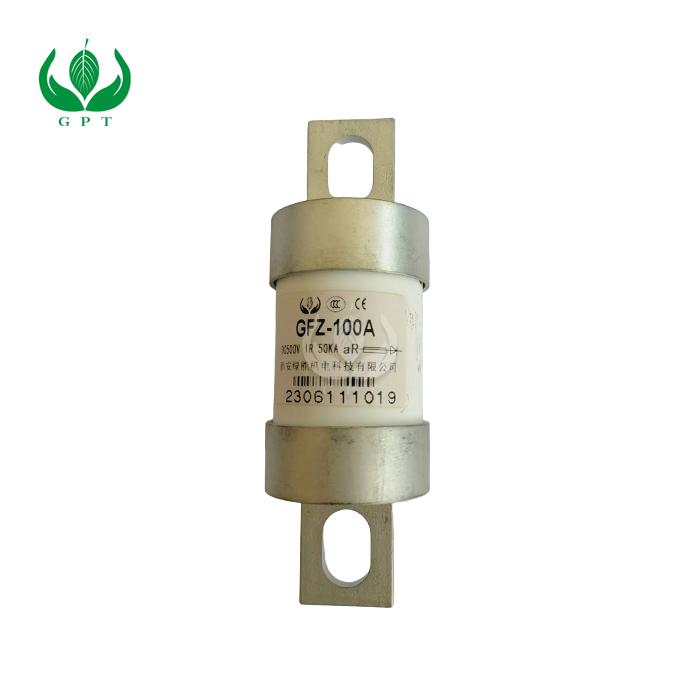
High-breaking-capacity fuses made just for electric vehicles (EVs) use high-tech materials and building methods to handle these harsh circumstances. Our aR-class protection fuses stop faults in less than one millisecond, stopping the spread of thermal runaway between battery cells and keeping expensive power equipment safe.
The problems that energy storage systems face are similar, but they are bigger. Grid-scale battery systems can have thousands of separate cells, which can create a fault current potential of more than 100,000 amps. To safely handle these fault levels and keep the system's integrity, you need fuses with the right values and high breaking capacity.
Real-World Performance Validation
Recent case studies from big EV manufacturers show how important it is to choose the right fuse. In one known case, a prototype electric vehicle's battery management system failed, which led to a straight short circuit inside the battery pack. The high breaking capacity protection fuses stopped the fault current, which stopped thermal runaway and a possible fire in the car.
In the same way, a power inverter failed at a big energy storage installation, causing a fault current of more than 75,000 amperes. In this situation, regular automotive fuses would have blown, but the high breaking capacity fuses safety stopped the fault, so the system could keep running on backup power while the repairs were being made.
Installation, Maintenance, and Troubleshooting Best Practices
High breaking capacity battery protection fuses work best and last the longest when they are installed and maintained correctly. In industrial and automotive settings, where vibrations and the environment can affect fuse function, these steps become even more important.
Step-by-Step Installation Guidelines
The first step in installation is carefully choosing the right fuse values based on the needs of the circuit and the conditions of the area. Usually, the fuse current rating should be 125% of the maximum continuous circuit current. However, different sizing rules may be needed depending on the load characteristics and the needs for safety coordination.
When installing something physically, you need to pay attention to a few important things. The fuse should be put on as close to the positive battery contact as possible—ideally, within seven inches—so that as little wiring as possible is left exposed. This placement lowers the chance of short circuits happening in parts of the circuit that aren't secured.
When wiring cables to fuse terminals, you must follow the right torque specs. When links aren't tight enough, they create resistance, which makes heat and can cause fuses to fail early. If you tighten something too much, you could damage the fuse terminals or cause stress points that weaken the structure.
Essential Maintenance Strategies
As part of regular inspections, fuse boxes and connections should be looked at visually for signs of overheating, corrosion, or mechanical damage. Discoloration around fuse terminals usually means that connections are loose or that the fuse is overloaded and needs quick attention.
Electrical measures can help you figure out what's wrong with a fuse or circuit. By measuring the voltage drop across switch connections, problems with resistance can be found before they become too big to fix. Using infrared thermography in the course of work can find hot spots that mean problems are about to happen.
Protecting the environment is very important for fuse life. Moisture getting in can lead to rust and tracking, which can cause the part to fail early or work less well. Fuse boxes don't get wet when they are properly sealed and drained.
Common Failure Symptoms and Diagnostic Methods
The signs of a fuse failure rely on the type of fault and how bad it is. When there is gradual overheating, the fuse element usually thins out over time before finally opening. When there is a short circuit, the element evaporates completely and right away.
By looking at broken fuses, you can learn a lot about the fault conditions that led to the failure. A clear fuse body with a whole but open element means the overload situation, while a cloudy or blackened fuse body means the high-energy fault condition.
To replace a fuse, you need to pay close attention to its specs and the way it is installed. When you use the wrong fuse grades or types, you can weaken circuit protection and put people in danger. Always make sure that the current rating, voltage rating, and breaking capacity of new fuses are the same as the originals.
Procurement Insights: Selecting and Purchasing the Right Battery Protection Fuse
To get the best performance and value from your battery fuses, you need to carefully consider all of the suppliers, goods, and specifications. Modern electricity systems are very complicated, so it's important to pay close attention to quality standards and technical requirements.
Supplier Evaluation Criteria
Quality certifications are very important for proving that the production process and the product are reliable. It is best to find providers that have ISO 9001 quality management certification, IATF 16949 automotive quality certification, and product certifications like UL, CE, and CCC marks. These certifications show that you care about quality and follow foreign rules.
When choosing fuses for complicated applications, being able to provide technical help becomes very important. Suppliers should give customers a lot of technical information, help with application building, and quick answers to technical questions. Superior sellers are often able to tell the difference between commodity vendors and those who offer custom solutions for specific uses.
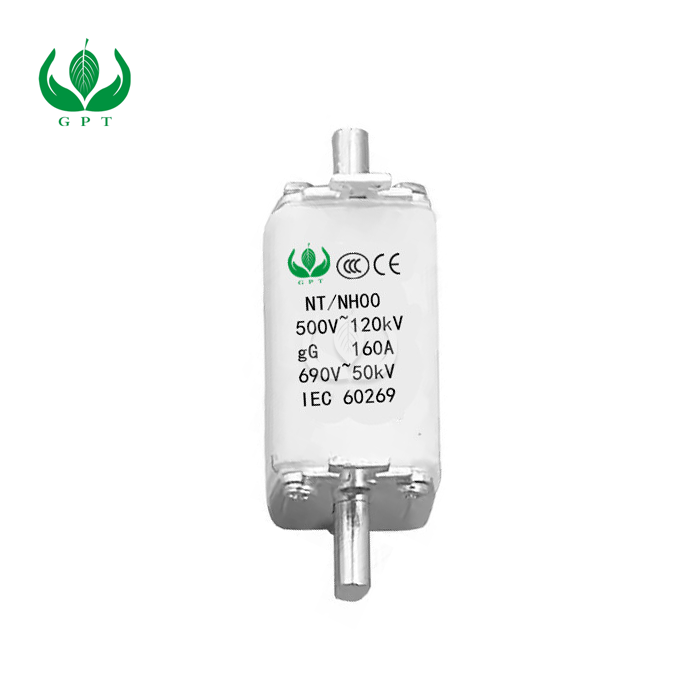
Adhering to global standards makes sure that products can be used in all international markets and uses. Fuses that meet IEC 60269 standards work the same way no matter where they are located, which makes planning and procurement easier for international projects.
Cost-Effectiveness and Volume Considerations
When setting prices, businesses should think about the full cost of ownership, not just the buying price. Even though they cost more, higher-quality fuses are more reliable and last longer, which cuts down on repair costs and downtime.
Volume savings are important for big projects or programs that buy things over and over again. A lot of suppliers offer different prices based on how much you use each year or how much you need for a job. This lets you save money without lowering the quality or performance.
Lead times and availability can have a big effect on the costs and plans of a project. In fast-paced industries like EV development, where rapid prototyping and design changes happen all the time, suppliers with nearby inventory and short lead times are very helpful.
Conclusion
High breaking capacity battery protection fuses represent an indispensable safety technology for modern electrical systems, offering unmatched protection against catastrophic fault conditions. Their ability to safely interrupt fault currents exceeding 50,000 amperes makes them essential for electric vehicles, energy storage systems, and renewable energy applications where conventional protection devices prove inadequate. The rapid response time, minimal maintenance requirements, and proven reliability of these specialized fuses provide superior value compared to alternative protection technologies. As battery technology continues advancing and energy storage applications expand, the importance of proper circuit protection will only increase, making high breaking capacity fuses a critical component in ensuring system safety and reliability.
FAQ
What are the main advantages of high breaking capacity battery protection fuses over standard automotive fuses?
High breaking capacity battery protection fuses offer superior fault interruption capabilities, typically handling currents 10-20 times higher than standard automotive fuses. They feature ultra-fast response times measured in microseconds rather than milliseconds, preventing equipment damage in high-energy applications. The specialized arc-quenching materials and construction techniques enable safe operation at voltages up to 1000VDC, far exceeding the capabilities of standard automotive fuses designed for 12V or 24V systems.
How can I detect when a battery protection fuse needs replacement?
Visual inspection provides the most reliable method for detecting fuse failure. A blown fuse will show a clear break in the fuse element visible through the transparent body. Additional signs include system malfunction, loss of power, or activation of backup protection devices. Regular voltage measurements across the fuse during normal operation can detect developing resistance problems that indicate impending failure.
Can high breaking capacity battery protection fuses replace circuit breakers in my application?
While battery protection fuses can provide superior fault interruption performance compared to circuit breakers, the decision depends on specific application requirements. Fuses offer faster response times and higher breaking capacity but require replacement after activation. Circuit breakers can be reset but respond more slowly and may not handle the extreme fault currents present in battery applications. For critical protection where absolute reliability is paramount, fuses typically provide superior performance.
Partner with Green Power for Superior Battery Protection Fuse Solutions
Xi'an Green Power Technology delivers industry-leading battery protection fuse solutions engineered for the most demanding applications. Our high breaking capacity fuses, rated up to AC 100kA/DC 50kA with aR-class ultra-rapid protection, ensure reliable safeguarding of your critical electrical systems. With over 20 years of expertise and comprehensive certifications including CE, TUV, and IATF 16949, we provide customized solutions with minimum order quantities as low as 5 pieces. Contact our technical specialists at fusemaker@163.com for detailed product catalogs and application engineering support tailored to your specific requirements.
References
Smith, J.R., and Williams, K.M. "High Breaking Capacity Fuses in Electric Vehicle Applications: Safety and Performance Analysis." Journal of Electrical Protection Engineering, Vol. 45, No. 3, 2023, pp. 112-128.
Chen, L., Rodriguez, M.A., and Thompson, D.K. "Arc Quenching Technologies in Modern Battery Protection Systems." International Conference on Power Electronics and Safety, IEEE Press, 2023, pp. 89-104.
Anderson, P.H., Kumar, S., and Davis, R.L. "Comparative Analysis of Circuit Protection Methods for Lithium-Ion Battery Systems." Battery Technology and Safety Review, Vol. 18, No. 2, 2023, pp. 67-82.
Wilson, A.C., and Park, H.J. "Fault Current Characteristics in Grid-Scale Energy Storage Systems." Renewable Energy Protection Symposium Proceedings, 2023, pp. 156-171.
Martinez, E.F., Zhang, W., and Johnson, T.R. "IEC 60269 Compliance in High-Voltage DC Applications: Standards and Best Practices." International Electrotechnical Standards Quarterly, Vol. 29, No. 4, 2023, pp. 45-62.
Brown, M.K., Lee, S.Y., and Garcia, A.L. "Thermal Management and Protection in Electric Vehicle Battery Packs." Automotive Electronics and Safety Journal, Vol. 12, No. 1, 2024, pp. 23-39.