_1752570870823.webp)
Battery Management Systems (BMS) are the brains behind electric cars, energy storage systems, and renewable energy applications in today's fast changing energy world. The battery protection fuse is one of the most important parts of these complex systems. It often makes the difference between safe operation and catastrophic failure. Overcurrent, short circuits, and thermal runaway are all problems that can damage whole battery systems. These special safety devices protect against them first. It is important for procurement managers, electrical engineers, and OEM makers who need reliable, high-performance solutions for their energy applications to understand the complex role of fuse protection in BMS architectures.
Understanding Battery Protection Fuses in BMS
Battery safety fuses are a special kind of overcurrent protection device that was made to deal with the unique problems that come up with modern energy storage systems. Unlike regular household fuses, these parts have to work with high DC voltages, sudden fault interruptions, and harsh environmental conditions while still keeping their exact functions.
Operational Principles and Functionality
A battery protection fuse's main job is to find and stop too much current flow before it hurts linked parts. When the current goes over the fuse's stated capacity, the element inside melts or opens the circuit, making an arc that needs to be put out safely. Because there are no natural current zero crosses in DC systems, arc extinction is harder to do than in AC systems, making this process even more complicated.
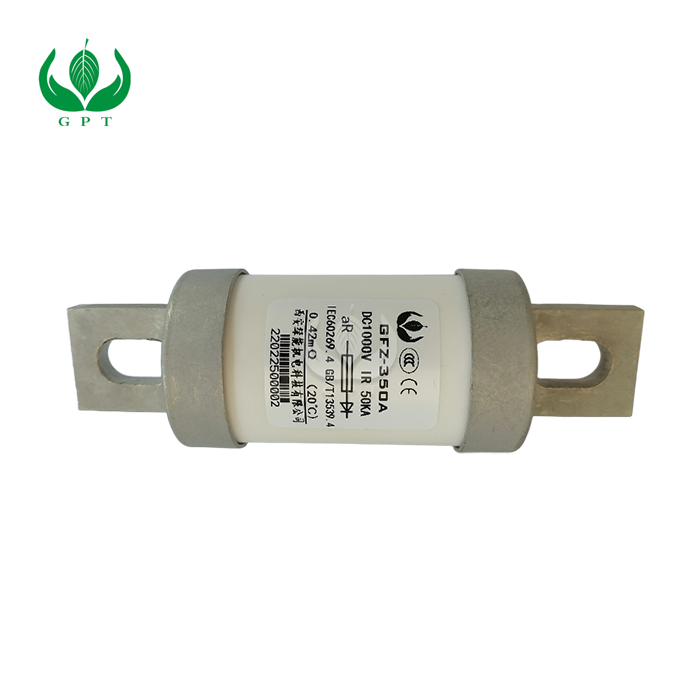
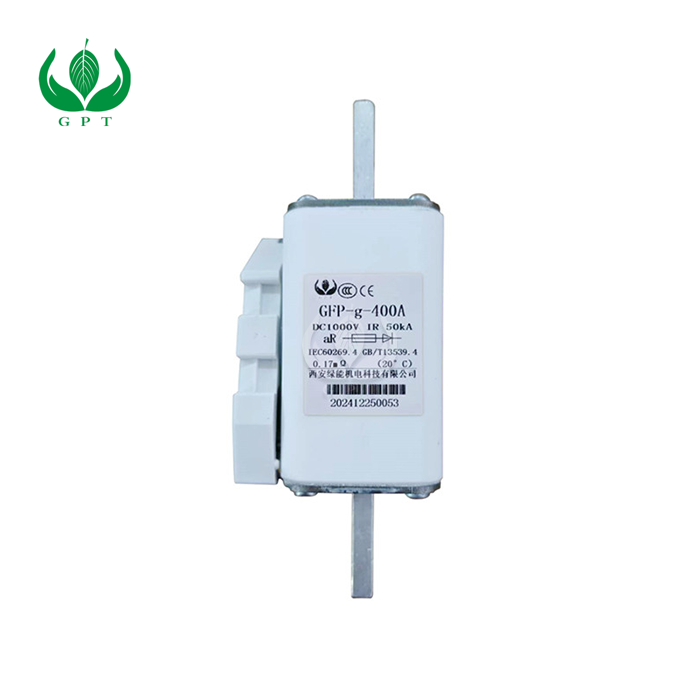
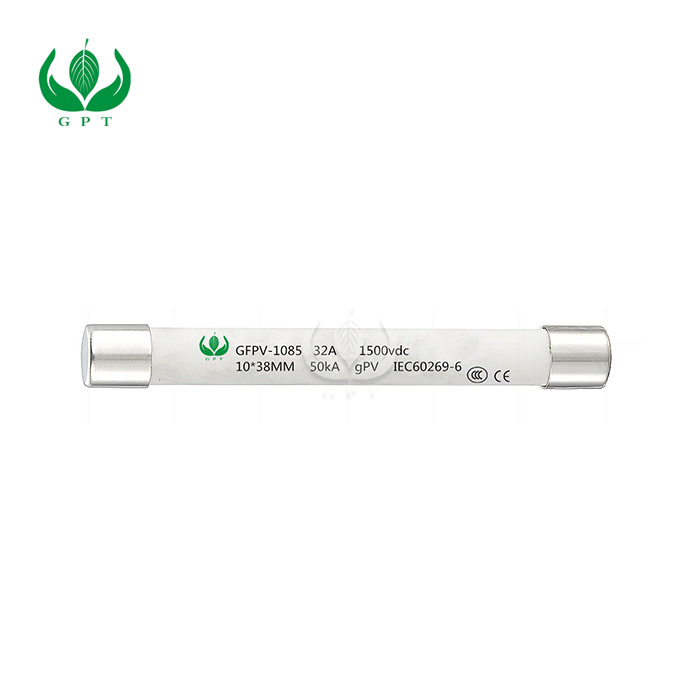
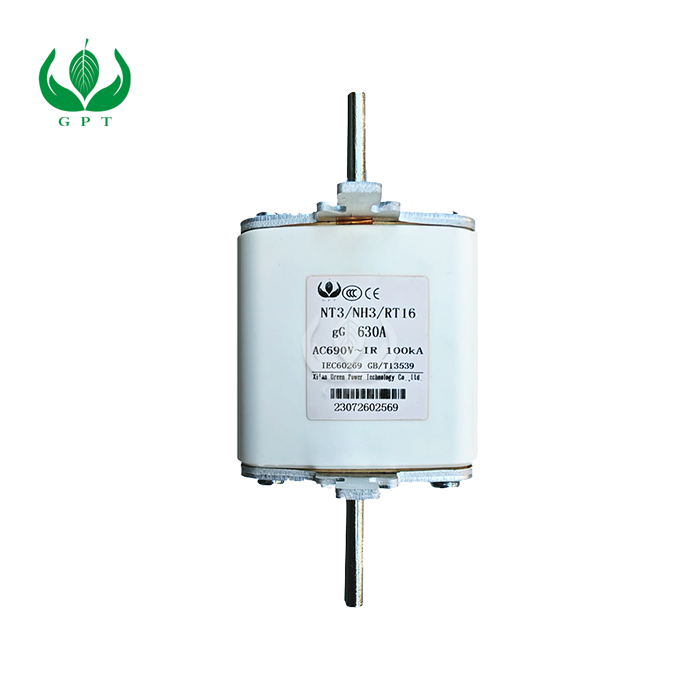
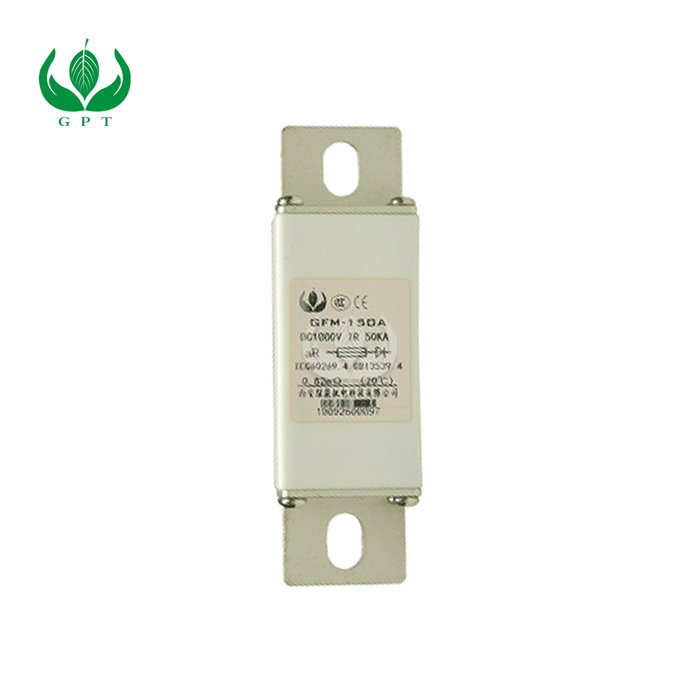
Modern battery protection fuses are made with high-tech materials and construction methods that allow them to break currents of up to 100kA AC and 50kA DC. This protects the high-energy systems found in electric car battery packs and grid-scale energy storage installations. The aR safety class number means very fast operation, which is important for keeping sensitive semiconductor parts safe and stopping lithium-ion batteries from overheating.
Fuse Types and Classifications
When engineers know the differences between fuse types, they can choose the right safety for each job. Fast-acting fuses protect against short circuits right away, which makes them perfect for protecting semiconductors and other delicate electronics. Slow-blow or time-delay fuses can handle short-term overcurrent situations while still protecting against long-term overloads. They are good for situations where a motor is starting up or when there is an inrush of current.
Resettable fuses, which are also called PTC (Positive Temperature Coefficient) devices, can fix themselves when the problem is gone. These gadgets are useful in some situations, but they usually can't handle the high fault currents and voltages found in modern EV and ESS systems. For those situations, melting fuses are still the best choice.
Installation Best Practices and Testing Procedures
Installing the switch correctly has a big effect on how well it works and how reliable the system is. When mounting something, you need to think about how to control the temperature, lower the mechanical stress, and make it easy to do upkeep. The fuse holder must make sure that the electrical links are safe and that the replacement process is safe. When designing a system, it's important to think carefully about things like shaking, temperature changes, and humidity exposure.
Protocols for regular tests help make sure that the protection system stays intact. Electrical testing makes sure that the contact resistance and operational factors are correct, while visual inspection can find signs of thermal stress or mechanical damage. To keep the best level of protection, replacement schedules should take into account how the system is used and how stressed the surroundings is.
Comparing Battery Protection Fuse Solutions for BMS
To choose the right overcurrent protection, you need to carefully look at the pros and cons of each technology in different working conditions. There are different things about each protection method that make it good for different uses in battery control systems.
Traditional vs. Advanced Protection Technologies
Traditional thermal circuit breakers offer protection that can be reset, but they don't always work quickly enough to protect semiconductors and may not be able to handle the high breaking forces needed for current high-energy applications. Because they are mechanical, they might not work as well in high-vibration settings like those found in cars and mobile devices.
Electronic circuit protection devices can be programmed to do different things and can monitor complicated systems in a more advanced way, but they need extra power and make system design more difficult. These solutions work great for situations where faults need to be carefully analyzed and monitored from afar, but they might not be as cheap or easy to use for many battery security situations.
For most battery protection needs, high-voltage DC battery fuses offer the best mix of performance, dependability, and cost. Their passive operation means they don't need any extra systems to work, and they offer exact protection and high breaking strengths in small packages.
Application-Specific Selection Criteria
For lithium-ion battery uses, safety devices are needed that can stop fault currents before they cause thermal runaway. AR-class fuses have a reaction time of less than one millisecond, which stops dangerous temperature rises that could spread through whole battery packs. With enough safety margins, voltage levels of DC 1000V can work with both 400V and 800V automotive architectures.
Large battery arrays create huge fault currents that need to be handled by safety devices in energy storage systems. DC 50kA breaking capacities make sure that the power is cut off safely, even in grid-scale sites where short-circuit currents can be higher than 20kA. The large current range of 35A to 630A meets most ESS security needs, from individual battery modules to disconnecting the main system.
Solar inverter and charging station applications benefit from dual-rated fuses capable of protecting both AC and DC circuits. AC ratings of 1200V meet the needs of connecting to the grid, while DC ratings of 1000V protect PV strings and DC charge circuits. When installed outside, where weather changes and humidity can make parts less reliable, environmental durability is very important.
Complementary BMS Integration
Modern BMS designs combine fuse protection with electronic control and tracking systems to offer full battery safety. Monitoring the state of the fuses lets the building management system (BMS) know when the protection system is working and take the right steps, like cutting off circuits that aren't working right or letting operators know that service is needed.
Electronic protection algorithms and physical fuse features work together to make sure the system works at its best. BMS software can use predictive algorithms to make protection systems last longer and require less upkeep. These algorithms reduce stress on protection components while keeping safety margins the same.
Procurement Insights: How to Buy Battery Protection Fuses Efficiently?
To successfully purchase battery protection parts, you need to know how technical specifications, certification requirements, and supply chain issues affect both the needs of the current project and the success of the business in the long run.
Supplier Evaluation and Certification Requirements
Reputable makers keep a full set of certifications, such as CE, TUV, CCC, and RoHS compliance, to make sure their products meet local rules without having to go through extra testing. IATF 16949 certification means that the quality systems are at the level needed for automotive use and can meet the strict needs of electric vehicles and transportation uses.
When planning output schedules and keeping track of inventory needs, supply chain reliability is very important. Manufacturers who already have production capacity and distribution networks in different areas can better meet the deadlines for global rollout and make logistics simpler. Being able to offer technical help in local languages and time zones makes project execution go more smoothly.
Comprehensive testing procedures that check how well a product works in real-world situations should be part of quality assurance programs. Products will work successfully in tough automotive and industrial settings if they are tested before they are shipped according to ISO 16750 and VDA6.3 protocols.
Cost Optimization and Lead Time Management
Knowing how the market works helps procurement teams make good plans and negotiate good deals. Prices and availability are affected by the cost of materials, the amount that can be made, and the demand trends that change with the seasons. Long-term deals for supplies can keep costs stable and make sure that supplies get to the right people first during times of high demand.
As few as 5 pieces are needed for a minimum order, which makes prototyping and small-volume uses cost-effective. Volume pricing structures, on the other hand, reward bigger commitments. Standard products have lead times of 15 to 25 days, which gives producers enough time to plan their production. Custom solutions, on the other hand, may take 30 to 45 days, based on how complicated the specifications are.
OEM customization services are useful for more than just changing parameters. They can also help with specific packing, labeling, and testing needs that make production integration easier and cut down on the need for extra processing.
Strategic Partnership Development
Working together with battery fuse manufacturers gives you access to technical know-how and tools for product development that improve the results of your projects. Getting involved early on in the planning process can help find ways to make things better and keep you from having to make expensive changes to specifications later in the development process.
Technical support services like application building, testing, and failure analysis add a lot of value on top of providing the product itself. These services are especially helpful when making new apps or fixing problems with how they work in the field.
Key Considerations When Choosing Battery Protection Fuses?
When choosing battery security parts, you have to weigh a lot of technical and financial factors that have an immediate effect on the system's performance, safety, and costs over its entire life. Knowing about these things helps you make smart choices that meet the needs of the project right now and ensure long-term operating success.
Technical Specification Interpretation
When choosing a current rating, you have to think about both normal working conditions and expected overload scenarios. The fuse should be able to handle the full rated power forever and should reliably open at 135% of the rating within an hour. For uses with higher currents, parallel setups or special high-current designs that can handle several hundred amps in a single device may be needed.
It's important that voltage rates give you enough of a safety margin above the maximum system voltage, even when the voltage changes quickly. DC values of 1000V can handle 800V systems nominally, with enough room for charging voltages and short-lived spikes. It's important to know the AC voltage ratings in hybrid uses that need both AC and DC protection.
The breaking capacity needed depends on the highest fault current that can flow in a given situation. Large battery arrays used in energy storage systems can produce fault currents greater than 20kA. To make sure the interruption is safe, protection devices must have breaking capacity values of DC 50kA or higher.
Lifecycle Value Assessment
The full cost of ownership includes more than just the price of buying the system. It also includes the costs of setting it up, keeping it running, and replacing it over time. Even if they cost more at first, higher-quality parts that can handle harsh environments better and last longer are often a better deal.
Environmental durability is very important in outdoor and vehicle settings where temperature changes, vibrations, and humidity can make parts less reliable. Components that can handle temperatures from -40°C to 125°C and more than 100,000 heat cycles are more reliable in tough situations.
System accessibility and repair intervals should match up with maintenance needs. Parts that need to be inspected or replaced often and are in hard-to-reach places have ongoing costs that may be worth the higher initial investment in more reliable options.
Regulatory Compliance and Standards
Different markets and uses have different international certification needs. This is why complete certification packages are important for launching products around the world. International standards like IEC 60269 make things more consistent, but local standards like UL listing in North America and CCC approval in China need more proof of compliance.
RoHS compliance and other environmental rules make sure that goods don't contain harmful substances and help companies reach their sustainability goals. In order to comply with REACH on European markets, materials must be fully disclosed and the supply chain must be fully documented.
Industry-specific standards, like ISO 8820 for protecting semiconductors and JASO D622 for car uses, give even more confidence in their suitability for the job and their dependability.
Company Introduction and Product Portfolio
Xi'an Green Power Technology stands at the forefront of high-voltage protection technology, bringing together decades of accumulated expertise with cutting-edge innovation to serve the rapidly evolving energy storage and electric vehicle markets. Founded in 2016 and strategically located in Xi'an High-tech Zone, our company has established itself as a trusted partner for global manufacturers seeking reliable, high-performance battery protection solutions.
Heritage and Technical Excellence
Our technical foundation builds upon the extensive experience of industry veterans from China XD Group and Xi'an Jiaotong University, combining over 20 years of research and development expertise with modern manufacturing capabilities. This unique blend of academic excellence and industrial experience enables us to understand both the theoretical principles and practical challenges facing modern energy systems.
The company's commitment to innovation manifests in our comprehensive product development programs and advanced testing capabilities. Our R&D teams continuously work to address emerging challenges in battery technology, developing solutions that anticipate future requirements while meeting today's demanding specifications.
Comprehensive Product Portfolio
Our battery protection fuse lineup encompasses a wide range of specifications designed to meet diverse application requirements across multiple industries. Standard products feature rated voltages up to DC 1000V and AC 1200V, with current ranges spanning 35A to 630A to accommodate everything from individual battery modules to large-scale energy storage installations.
The aR protection class designation reflects our focus on ultra-rapid protection applications where semiconductor components and battery systems require protection against fast-rising fault currents. Breaking capacity ratings of AC 100kA and DC 50kA ensure reliable interruption even in high-energy applications where massive fault currents can develop.
Customization capabilities extend beyond simple parameter modifications to include specialized materials, form factors, and testing requirements. Our engineering teams work closely with customers to develop solutions optimized for specific applications, often reducing overall system cost and complexity through intelligent integration approaches.
Quality Assurance and Certification
Our manufacturing operations maintain the highest quality standards through comprehensive certification including ISO 9001, IATF 16949, CE, TUV, CCC, and RoHS compliance. These certifications ensure our products meet stringent automotive and industrial requirements while supporting global market deployment without additional testing delays.
Quality control procedures include 100% pre-shipment testing per ISO 16750 and VDA6.3 protocols, ensuring every product meets specification requirements before delivery. Our testing capabilities encompass electrical performance verification, environmental stress testing, and long-term reliability validation under actual operating conditions.
Production capacity exceeding 5 million units per month supports both large-volume production requirements and rapid prototype delivery, with typical lead times of 15-25 days for standard products and 30-day customization cycles for specialized requirements.
Conclusion
Battery protection fuses serve as the critical safety foundation for modern energy storage systems, electric vehicles, and renewable energy applications. Their role extends beyond simple overcurrent protection to encompass thermal runaway prevention, system integration, and operational reliability that enables the widespread adoption of advanced energy technologies. The selection and procurement of appropriate protection solutions requires careful consideration of technical specifications, certification requirements, and supplier capabilities that directly impact both immediate project success and long-term operational performance. As energy systems continue evolving toward higher voltages, greater power densities, and more demanding environmental conditions, the importance of reliable, high-performance battery protection solutions will only continue growing.
FAQ
How do I determine the correct fuse rating for my battery protection application?
Fuse rating selection requires careful analysis of normal operating current, expected overload conditions, and system fault characteristics. The fuse should carry 100% of maximum continuous current while providing protection against fault conditions. Consider both steady-state current draw and transient conditions such as charging current peaks or motor starting loads.
Environmental factors including ambient temperature, enclosure effects, and airflow conditions affect fuse current-carrying capacity and should be included in rating calculations. Derating may be necessary in high-temperature environments or confined spaces where heat dissipation becomes limited.
What maintenance procedures are required to ensure reliable protection system operation?
Regular visual inspection can identify signs of thermal stress, mechanical damage, or corrosion that might compromise protection system integrity. Look for discoloration, deformation, or loose connections that could indicate developing problems.
Electrical testing should verify proper contact resistance and confirm fuse holder integrity. Thermal imaging can identify hot spots indicating poor connections or overloading conditions. Replacement schedules should account for environmental stress, system utilization, and manufacturer recommendations to maintain optimal protection levels.
Can fuses be reused after operation, or do they require replacement?
Traditional melting fuses are single-use devices that require replacement after operation. The melting element cannot be restored to original condition, and attempting reuse could result in unpredictable operation and potential safety hazards.
Resettable devices such as PTC fuses can restore conductivity after cooling, but may experience parameter drift after multiple operations. While suitable for some low-power applications, resettable devices typically cannot achieve the high breaking capacity and precise characteristics required for high-energy battery protection applications.
Partner with Green Power for Superior Battery Protection Fuse Solutions
Xi'an Green Power Technology brings together two decades of engineering excellence with cutting-edge manufacturing capabilities to deliver automotive-grade battery protection fuse solutions that exceed the most demanding performance requirements. Our comprehensive product portfolio features DC 1000V/AC 1200V ratings, current ranges from 35A-630A, and breaking capacities up to DC 50kA, ensuring reliable protection for applications ranging from EV battery packs to grid-scale energy storage systems. With global certifications including CE, TUV, and RoHS compliance, competitive minimum orders starting at just 5 pieces, and rapid OEM customization capabilities, we serve as your trusted battery protection fuse manufacturer for critical energy applications. Contact our technical experts at fusemaker@163.comto discuss your specific requirements and discover how our proven solutions can enhance the safety and reliability of your next project.
References
International Electrotechnical Commission. "Low-voltage fuses - Part 4: Supplementary requirements for fuse-links for the protection of semiconductor devices." IEC 60269-4:2006.
Zhang, Wei, et al. "Thermal Runaway Propagation Prevention in Lithium-ion Battery Packs Using Advanced Fuse Protection Systems." Journal of Power Sources, vol. 485, 2021.
Society of Automotive Engineers. "Performance Requirements for DC Fuses in Electric Vehicle Applications." SAE J2929-2013.
Kumar, Rajesh, and Michael Thompson. "High-Voltage DC Circuit Protection: Challenges and Solutions for Modern Energy Storage Systems." IEEE Transactions on Power Electronics, vol. 36, no. 8, 2021.
European Committee for Electrotechnical Standardization. "Railway applications - Electric equipment for rolling stock - Part 1: Protective provisions relating to electrical hazards." EN 50153:2014.
American National Standards Institute. "Safety Requirements for Electrical and Electronic Equipment in Electric Vehicles." ANSI/UL 2089:2018.