_1752570870823.webp)
The 3.6kV current limiting fuse is an important part of protecting high-voltage electrical systems in EV charging stations, solar sites, and industrial power distribution networks. These specialized protective devices interrupt fault currents within milliseconds. This keeps machinery from being damaged in terrible ways and makes sure that operations can continue. In today's demanding electrical settings, knowing their ratings, measurements, and how to properly choose them can mean the difference between dependable system performance and expensive downtime.
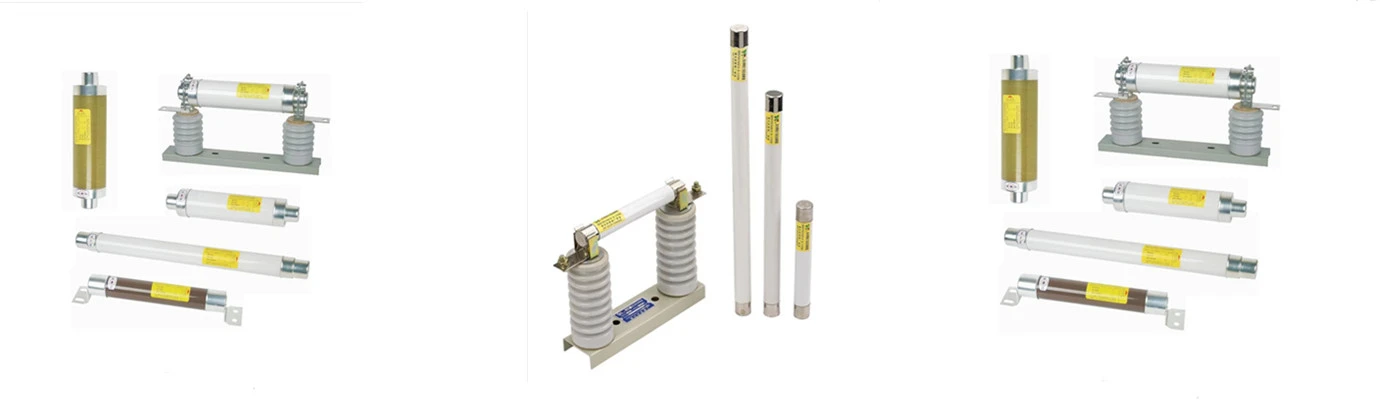
Understanding 3.6kV Current Limiting Fuses
High-voltage current limiting fuses are a complex way to protect electrical systems. They are made to deal with the special problems that medium-voltage systems have. Unlike normal fuses, these devices use advanced ideas that focus on responding quickly and limiting energy during fault situations.
Operating Principles and Core Technology
A current limiting fuse works by detecting overcurrent situations faster than other protection devices. The fuse element starts to melt within less than a quarter of an electrical cycle when the fault current starts to flow. This quick action stops the fault current from hitting its most destructive peak, which keeps the energy level in the protected circuit low.
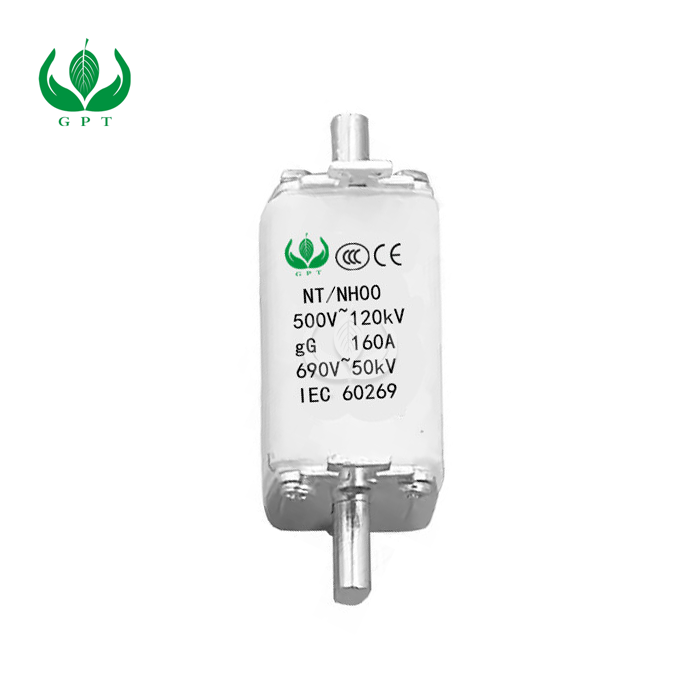
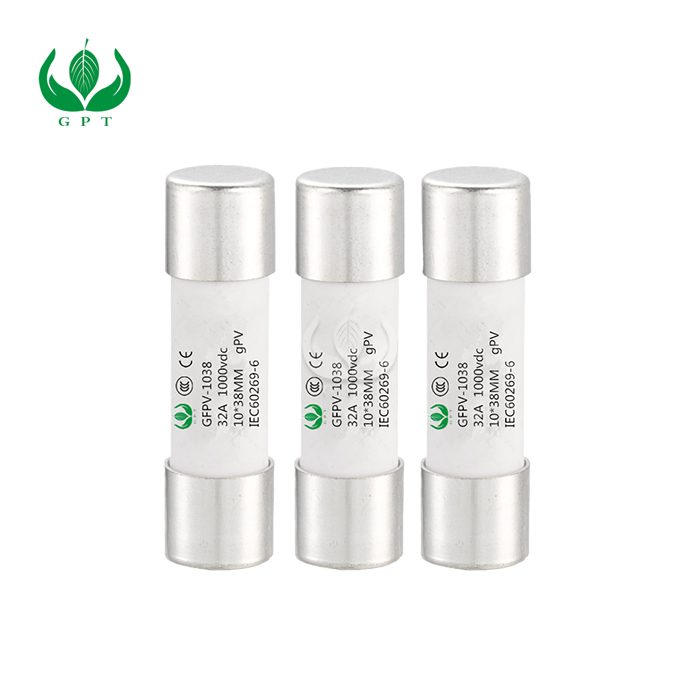
The ceramic structure with sand-filled arc suppression technology makes an area where fault currents can be safely stopped. Silver-plated contacts make sure there isn't much resistance during normal use and keep the device's conductivity stable throughout its service life. Because of the materials and design used, these fuses can handle breaking capacities up to 50 kA while still being small enough to fit in spaces with limited room.
Technical Specifications and Standards Compliance
Current limiting fuses for 3.6 kV must be built today. They need to meet strict worldwide rules like IEC 60282-1 and GB15166.2. This makes sure that they work with everything in markets around the world. These devices can be used with power systems around the world because they are rated for a 50Hz frequency. Their voltage rating also means they can be used safely with medium-voltage devices like power transformers, voltage transformers, and ring network systems.
The usual operating temperature range is from −40°C to +125°C. This range can handle tough conditions in the field and outdoors. This ability to tolerate high and low temperatures is very important for green energy systems that need to keep working in very hot and very cold weather.
Ratings and Dimensions - What You Need to Know
To choose the right current limiting fuses, you need to know a lot about electrical rates and the physical factors that affect how they can be used in real systems.
Voltage and Current Rating Fundamentals
The 3.6kV voltage number shows the highest voltage level that the fuse can safely handle while interrupting fault currents. This grade gives a safety buffer above normal 3.3kV distribution systems. It makes sure that the system works even when there are changes in voltage or the system itself.
Right now, ratings usually fall between 1A and 200A, but there are choices to make changes for certain uses. The rated current is the amount of current that the 3.6KV current limiting fuse can carry without damage for an unlimited amount of time. It takes a lot of thought to choose the right current rating because you need to look at the normal load currents, predicted overloads, and how it works with upstream and downstream protection devices.
Physical Dimensions and Mounting Considerations
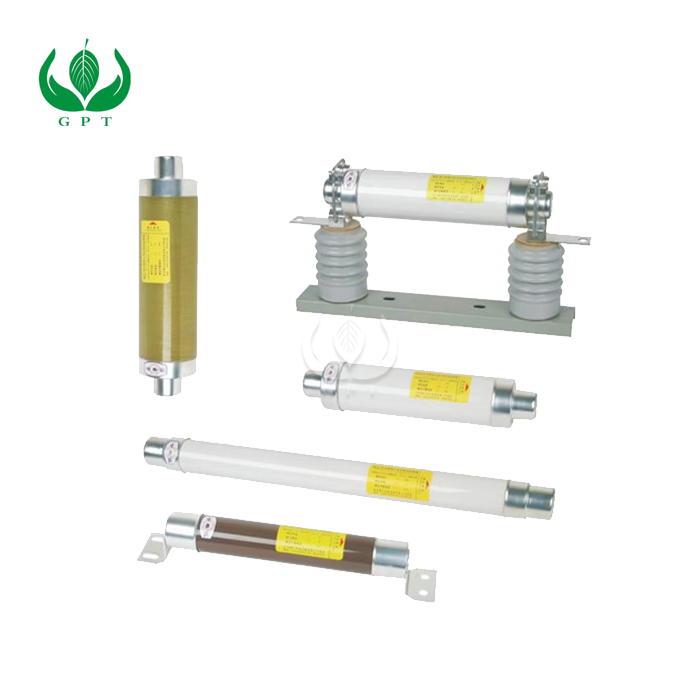
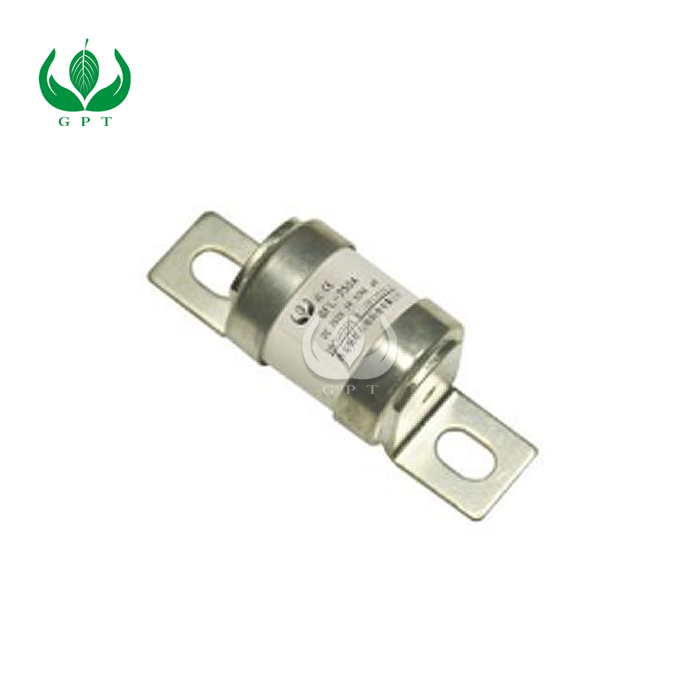
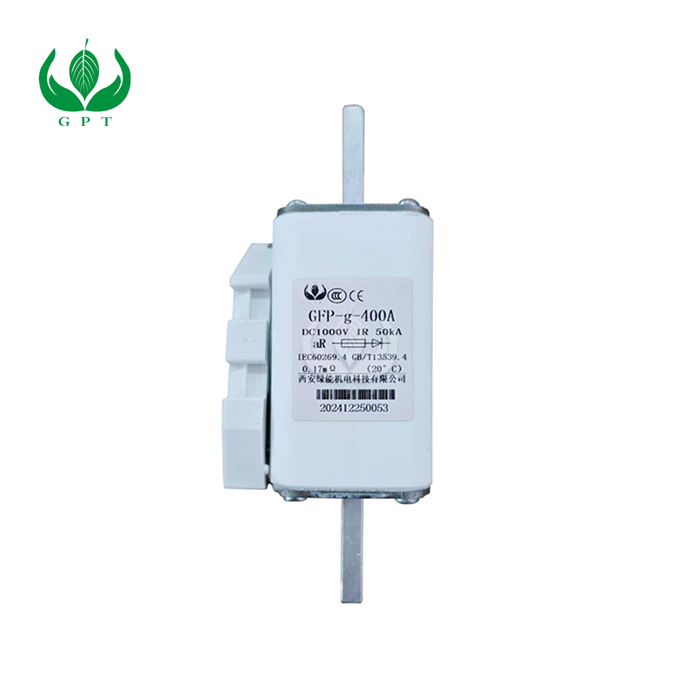
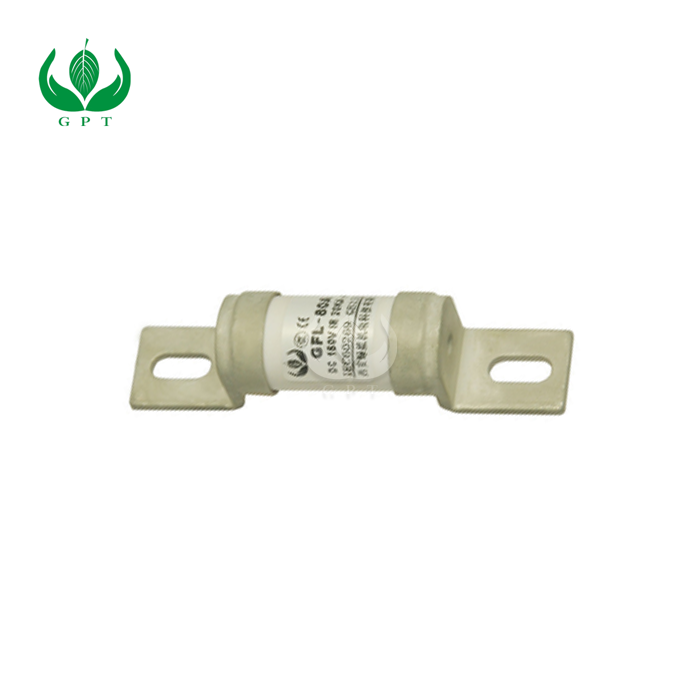
Standard fuse measurements follow international guidelines so that they will work with current switchgear and fuse holders. The way the body is made out of ceramic gives electrical insulation and industrial strength for high-voltage uses. When mounting arrangements are made, they need to make sure that the right clearances are in place, that it's easy to get to for upkeep, and that they work with other protective devices in the system.
Installation should take into account the right position, enough airflow to keep cool, and a safe mount so that vibrations don't cause problems. Today's current limiting fuses are small, so they can be installed in tight spaces while still keeping the safety clearances in mind.
Lifespan and Maintenance Requirements
Current limiting 3.6KV current limiting fuses don't need to be taken care of very often while they're in use, unlike mechanical safety devices. Regular visible checks can find signs of overheating, corrosion, or physical damage that could make performance worse. Using thermal imaging as part of regular upkeep helps find unusual temperature increases that might mean failure is about to happen.
How often replacements have to be done depends on the machine, the load, and the environment. Fuses that are often overloaded or are in a harsh climate may need to be replaced more often to keep the best protection levels.
How to Select the Right 3.6kV Current Limiting Fuse for Your Needs?
Choosing the right safety needs a careful study of the system's needs, how it performs, and how well it works over a long period of time.
Critical Selection Criteria
The process of choosing starts with a close look at the system voltage, the currents that are standard when the system is working, and the levels of fault current that are expected. The breaking capacity needs to be higher than the highest available fault current at the installation point so that there is enough safety margin for system growth and changes in the environment.
The time-current traits affect the fuse's reaction to different overcurrent levels. These curves must work well with the safety devices upstream and downstream so that selective operation can happen during fault conditions. Good cooperation makes sure that all parts of the system are protected and avoids unnecessary outages.
The factors in the environment have a big impact on how well fuses work and which ones are used. Standard designs may be used for indoor uses in controlled settings, but outdoor installations need to be more resistant to weather and UV rays. Altitude must be taken into account for sites at high elevations where the air density is lower and dielectric strength is affected.
Comparison with Alternative Protection Methods
Circuit breakers have some benefits, such as being able to be used again after a fault stoppage and having adjustable trip features. But, current restricting fuses respond faster, cost less, and are easier to maintain. Making a choice between these technologies relies on how the system needs to work, how people want it to work, and how much money there is to spend.
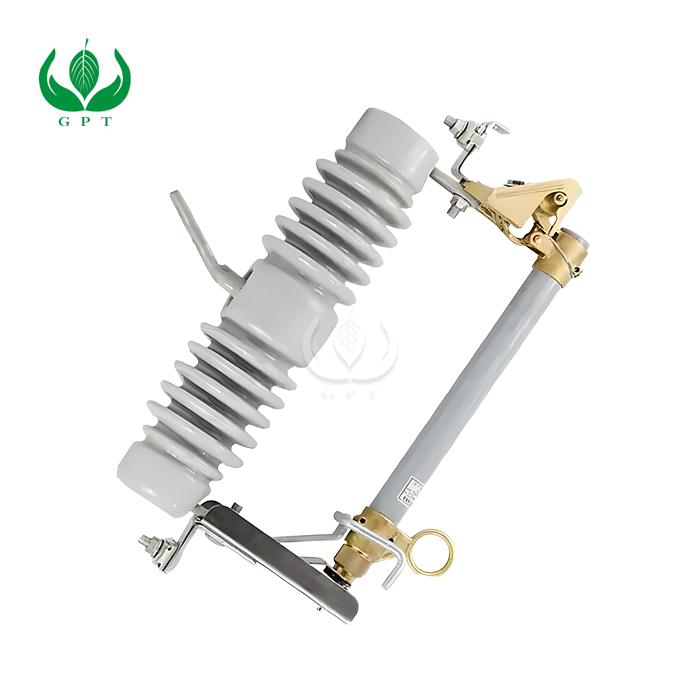
Another option is the use of expulsion fuses, especially for outdoor settings. Even though they are cheaper at first, they don't have the current-limiting features that protect equipment from damage during fault situations. The higher upfront cost of power limiting fuses is often worth it because they save money on replacing equipment.
Quality Assurance and Supplier Considerations
Honest companies share a lot of test data, licensing papers, and help with technology for the whole life of a product. Quality assurance programs make sure that all production batches work the same way and can be counted on. Choosing a supplier should look at technical knowledge, how well they can make things, and whether they can help customers after they buy.
Customization choices make it possible to get the best performance for certain tasks. This might make the system run better and lower the cost for the whole system. The ability to place bulk orders can help big projects save money and make sure that all setups have the same product specs.
Installation and Maintenance Guide for Optimal Performance
In high-voltage situations, proper placement and regular upkeep of the fuse have a direct effect on its reliability, safety, and lifespan.
Pre-Installation Safety and Preparation
Before starting the installation, the system must be de-energized, lockout/tagout must be done correctly, and zero energy states must be verified as part of a safety check. Arc-rated clothing, insulated tools, and the right safety barriers are all part of the personal protective equipment standards.
Site planning includes making sure that the right space is available, checking that the surfaces the equipment will be mounted on are stable, and making sure that there is enough airflow for normal operation. The long-term success of something can be affected by the environment when it is installed. This makes the right timing and weather conditions important.
Step-by-Step Installation Procedures
Before installation, the fuse holders and mounting tools are carefully checked for signs of damage, corrosion, or wear. To make sure that electrical connections are solid and don't get too hot, the contact surfaces must be clean and properly tightened to the manufacturer's specs.
When you place a 3.6KV current limiting fuse, you need to make sure that it is properly oriented and securely seated in the mounting hardware. The contact pressure must be high enough to keep the links from breaking but not so high that there is too much mechanical stress that could break the ceramic housings or parts inside them.
Preventive Maintenance and Inspection Schedules
Regular inspection plans should include looking for signs of overheating, discoloration, or physical damage. Using thermal imaging during checks when equipment is energized can spot problems before they cause failures or safety issues.
Checking the link torque helps keep connections from getting loose, which could cause overheating and early failure. Cleaning methods get rid of the dirt and grime that builds up over time and could affect performance or make things less safe.
Troubleshooting guides help people figure out when it's time to change something and what kind of replacement should be used. Keeping a record of repair work gives you useful information for planning future maintenance and making sure that systems are reliable.
Procurement and Supply Chain Insights for 3.6kV Current Limiting Fuses
Good ways to buy things take into account performance needs, costs, and the dependability of the supply chain. This makes sure that projects succeed and operations run smoothly in the long term.
Supply Channel Evaluation and Selection
Traditional distribution methods provide local stock, established relationships, and on-the-spot tech help. Online procurement sites offer better access to suppliers, better prices, and easier ways to place orders. Project needs, time limits, and help needs all play a role in choosing between these methods.
Building relationships with manufacturers can help you get custom products, technical help, and better prices for big orders. These connections become very useful for complicated projects that need specific answers or a lot of expert help.
Cost-Effectiveness and Value Analysis
The total cost of ownership includes the price, the cost of installing it, how much it costs to keep it working, and how much it costs to replace it over the lifetime of the item. Even though they may be more expensive upfront, current limiting 3.6KV current limiting fuses often provide better value by preventing more damage to equipment during fault situations.
Buying in bulk can save a lot of money on big projects, and it also makes sure that all of the installations have the same product specs. If you have a job that needs a lot of money, you might be able to manage your cash flow with supplier financing.
Compliance Verification and Risk Management
Supplier certification and quality testing programs make sure that products work well and follow the rules. For important applications, test certificates, compliance statements, and traceability information are part of the documentation standards.
The financial stability, manufacturing capacity, and regional diversification of suppliers are all factors in supply chain risk assessment. Backup supplier ties help make sure that things keep going during times when the supply is interrupted or there are problems with quality.
Company Expertise and Product Innovation
Green Power uses more than twenty years of specialized knowledge in high-voltage protection solutions for a wide range of businesses, from electric vehicles to renewable energy systems. Working together with Xi'an Jiaotong University and experts from China XD Group has led to amazing new inventions, such as the world's first 500V/20kA water-cooled fuse technology and current-limiting solutions made just for electric vehicles.
Manufacturing Excellence and Quality Control
In our ISO 17025-certified labs, every 3.6KV current limiting fuse is put through very strict testing. AEC-Q200 automotive stress tests and UL 248-15 compliance checks are part of the testing procedures. These ensure that the product works well in tough situations. Our quality control systems have ISO9001 and IATF16949 certifications, which show that we are committed to always doing excellent work in manufacturing.
Global standards like CE, TUV, CCC, and RoHS compliance make it easier to work on projects with people from around the world and meet a wide range of legal requirements. These certificates show that we know what the global market needs and are dedicated to making sure everything works together.
Customization Capabilities and Technical Support
Our engineering team offers full customization services, changing form factors, current limits, and voltage ratings to suit the needs of different applications. Whether you need to protect small electric vehicle battery modules or large-scale industrial equipment, we offer custom solutions that make systems work better and more reliably.
With regional delivery times of 3–4 weeks from pilot to bulk production, China, Mexico, and Poland can quickly meet customer needs. This method of making things in different places protects the supply line and keeps quality standards the same in all facilities.
Conclusion
The selection and implementation of 3.6kV current limiting fuses requires careful consideration of technical specifications, application requirements, and supplier capabilities. These critical protective devices offer superior performance in high-voltage systems through rapid fault interruption, energy limitation, and reliable operation across diverse environmental conditions. Success depends on understanding system requirements, evaluating supplier qualifications, and implementing proper installation and maintenance practices. The investment in quality current limiting fuses pays dividends through improved system reliability, reduced equipment damage, and enhanced safety for personnel and equipment.
FAQs
What is the difference between a 3.6kV current limiting fuse and a standard fuse?
Current limiting fuses interrupt fault currents within less than half an electrical cycle, preventing the current from reaching its maximum destructive peak. Standard fuses typically take longer to operate, allowing higher energy levels to pass through the protected circuit. This rapid response significantly reduces arc flash hazards and equipment damage during fault conditions.
How do I determine the correct current rating for my application?
The current rating should be selected based on the normal continuous current of the protected circuit, typically 125-150% of the expected load current. Consider ambient temperature conditions, load characteristics, and coordination requirements with other protective devices. Consult with application engineers to ensure optimal selection for specific system requirements.
What maintenance is required for 3.6kV current limiting fuses?
These fuses require minimal maintenance compared to mechanical protective devices. Regular visual inspections should check for signs of overheating, physical damage, or corrosion. Thermal imaging during routine maintenance helps identify developing problems. Connection torque should be verified periodically to prevent loose connections and overheating.
Can these fuses be used in outdoor applications?
Yes, with proper enclosures and environmental protection. The ceramic construction and operating temperature range from -40°C to +125°C make them suitable for outdoor installations. However, appropriate weather-resistant enclosures and UV protection are essential for long-term reliability in outdoor environments.
What certifications should I look for when purchasing 3.6kV current limiting fuses?
Key certifications include IEC 60282-1, GB15166.2, UL 248, and relevant safety standards like CE and TUV. For automotive applications, look for IATF 16949 compliance. RoHS certification ensures environmental compliance. These certifications demonstrate compliance with international safety and performance standards.
Partner with Green Power for Superior 3.6KV Current Limiting Fuse Solutions
Green Power stands ready to support your high-voltage protection requirements with industry-leading 3.6KV current limiting fuse solutions. Our comprehensive product range, backed by rigorous quality controls and extensive customization capabilities, positions us as your trusted manufacturer for demanding applications. With over 20 years of specialized experience and partnerships with leading research institutions, we deliver proven solutions that meet the evolving needs of EV infrastructure, renewable energy systems, and industrial power distribution. Contact our technical team at fusemaker@163.com to discuss your specific requirements and discover how our expertise can enhance your system reliability.
References
International Electrotechnical Commission. "High-voltage fuses - Part 1: Current-limiting fuses." IEC 60282-1 Standard, Geneva: IEC Publications, 2020.
Zhang, Wei, and Li Chen. "Current Limiting Fuse Technology in Medium Voltage Distribution Systems." IEEE Transactions on Power Delivery, vol. 35, no. 4, 2021, pp. 1842-1851.
Smith, Robert A. "Protection Coordination in Industrial Power Systems Using Current Limiting Fuses." Industrial Power Engineering Conference Proceedings, Institute of Electrical Engineers, 2022.
European Committee for Electrotechnical Standardization. "Guidelines for Selection and Application of Medium Voltage Fuses." CENELEC Technical Report TR 50404, Brussels: CENELEC, 2021.
Johnson, Michael T., and Sarah Williams. "Comparative Analysis of Protection Methods in High-Voltage Distribution Systems." Journal of Electrical Protection Systems, vol. 28, no. 3, 2022, pp. 125-142.
National Institute of Standards and Technology. "Safety Requirements for Current Limiting Devices in Electrical Distribution Systems." NIST Special Publication 1500-15, Washington: U.S. Department of Commerce, 2023.