_1752570870823.webp)
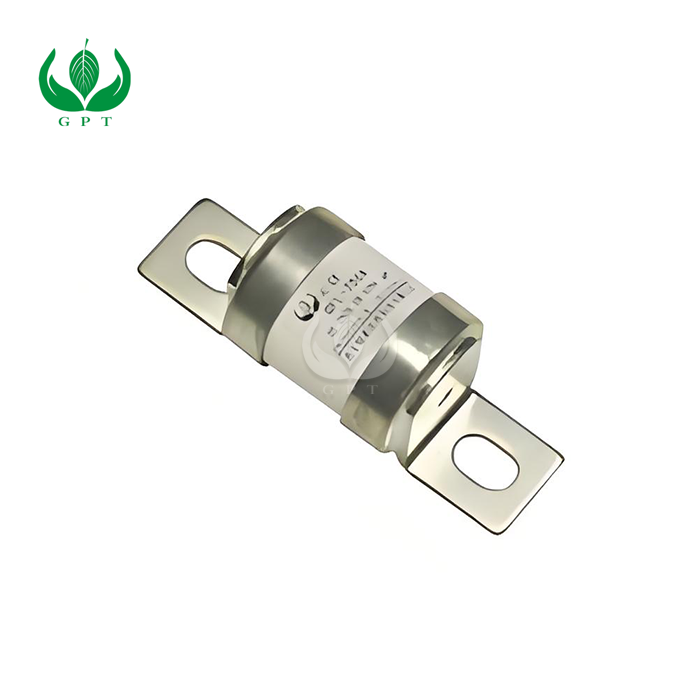
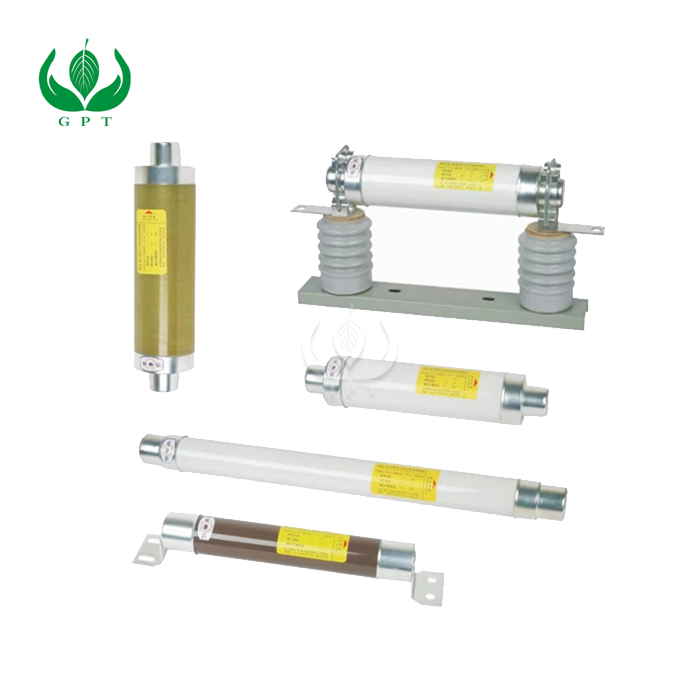
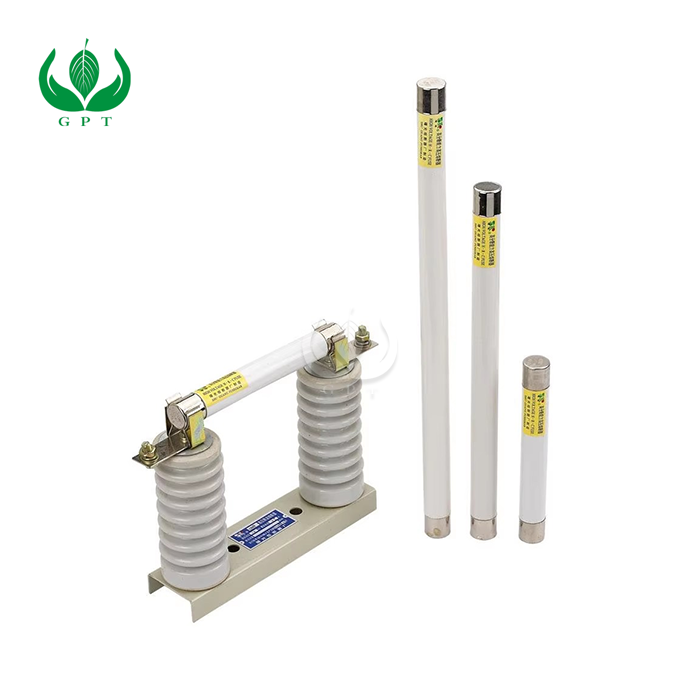
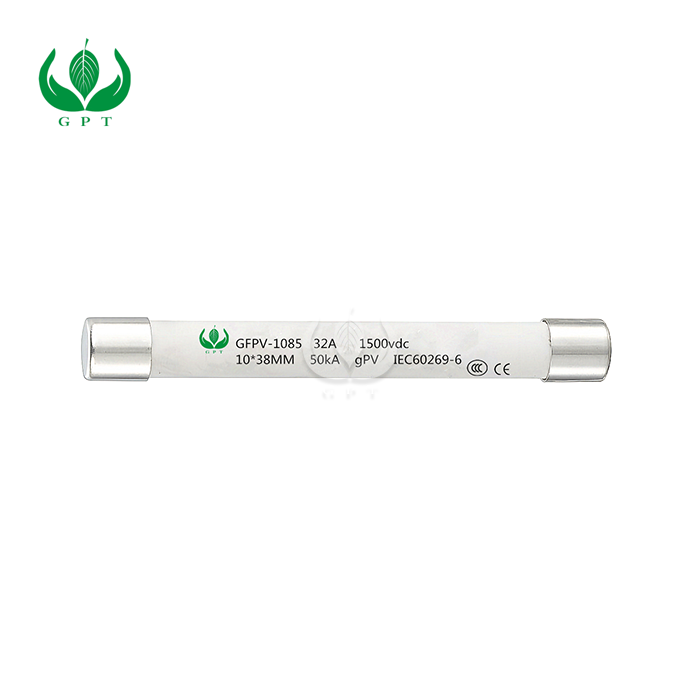
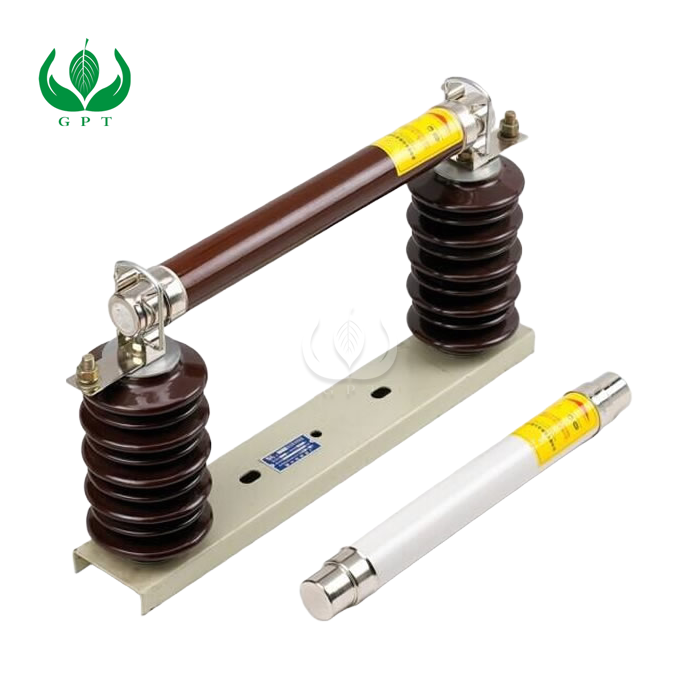
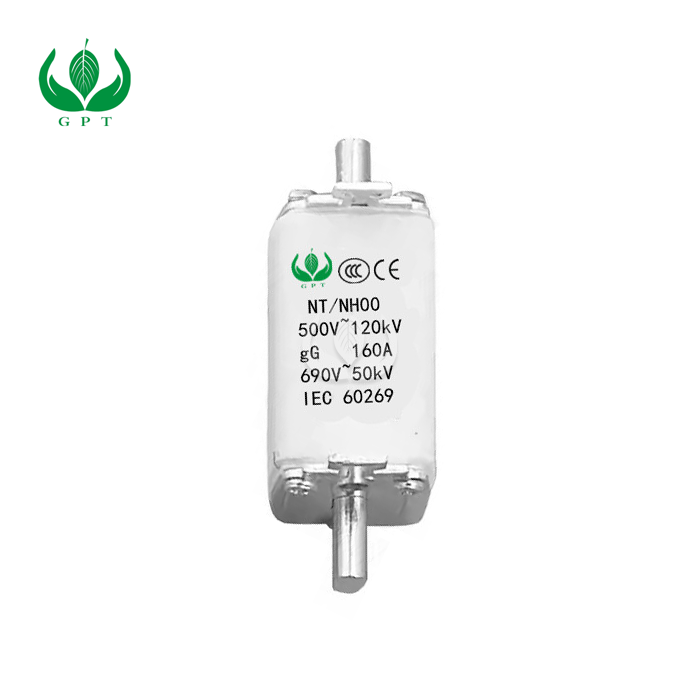
When industrial power systems have too much current or short circuit problems, HV current limiting fuse technology can help protect equipment from being badly damaged. These specialized protective devices can stop excessive current flow in a matter of milliseconds. This keeps transformers, distribution networks, and important equipment safe from expensive failures. In industrial settings, current limiting fuses are different from traditional circuit protection methods because they actively lower the size of fault current while keeping the system stable when voltage runs from 3.6kV to 40.5kV.
Understanding HV Current Limiting Fuses in Industrial Power Systems
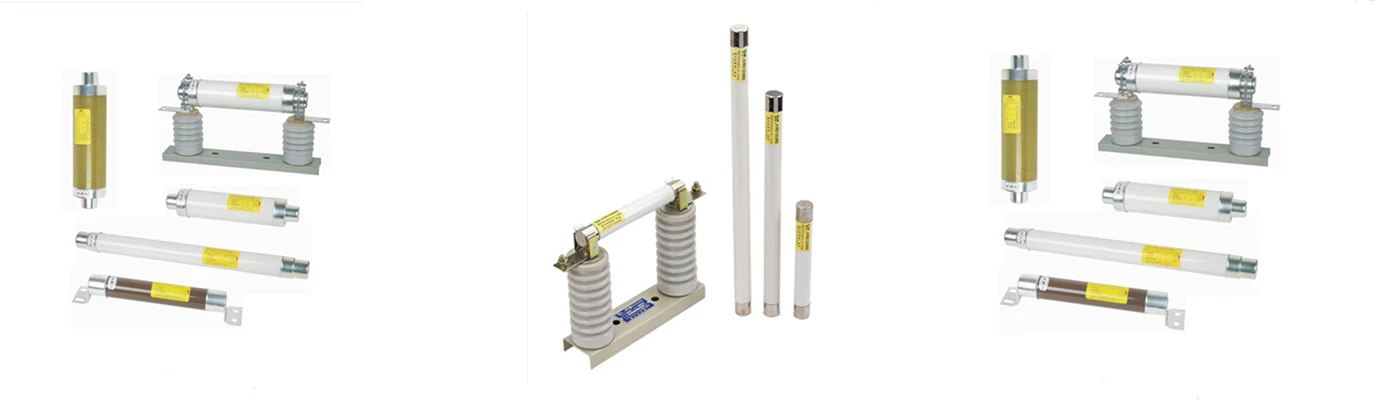
High-voltage current limiting fuses are a complex but useful way to protect power systems. They were designed for use in industrial settings where the dependability of equipment has a direct effect on the ability to keep working. These devices protect by cutting off fault currents before they get to a level that can cause damage. They use advanced arc suppression technology to limit energy release during switching operations.
Working Principles and Core Technology
The basic idea behind it is to quickly cut off the current by controlled arc extinction in specialty chambers. When there are faulty conditions, the fuse element melts and vaporizes. This creates a plasma spark with high resistance that limits the flow of current. Ceramics with improved internal shapes are used in advanced designs to improve arc quenching performance while keeping the structure intact under very high thermal stress.
Current limiting fuses made in recent years can block in less than 5 milliseconds, which is a lot faster than older protective devices. This quick action stops downstream equipment from feeling the full fault current magnitude. This helps transformers and switchgear parts that are mechanical. The current limiting effect works because the fuse can add resistance to the fault circuit, which lowers the possible short circuit current to a level that can be handled.
Types and Voltage Classifications
For medium voltage circuits, usually between 3.6kV and 40.5kV, industrial uses need fuses that are rated for certain combinations of voltage and current. Each voltage class needs a different mechanical design and insulation coordination so that it can be used reliably under normal and fault situations.
Voltage fuses for distribution networks (3.6kV–15kV) are mainly used to protect transformers and ring networks. Higher voltage fuses (24kV–40.5kV) are used to protect equipment that transmits power and heavy industrial loads. The selection process includes matching the features of the fuse to the system settings, such as the amount of fault current that can be used, the load patterns, and the coordination needs with upstream protective devices.
Essential Safety Features and Maintenance
Safety takes into account both protecting people and preserving tools during the entire fuse lifecycle. To install something correctly, you need to think about the surroundings. For example, changes in temperature, humidity, and mechanical vibration can all affect how well it works over time. Regular inspection routines focus on looking at the outside of the equipment, making sure the connections are secure, and testing the switching equipment that is connected to it every so often.
Maintenance makes fuses last longer and keeps them working reliably. These include keeping an eye on the temperature where the fuses are installed, making sure there is good airflow around the fuses, and keeping detailed records of fault stoppage events that might have an impact on future performance.
Comparing HV Current Limiting Fuses with Other Protective Devices
It is important to carefully consider technical performance, cost, and practical needs for each situation when choosing between current limiting fuses and other protection methods.
Performance Advantages Over Circuit Breakers
In certain situations, current reducing fuses are better than circuit breakers in a number of ways. Because there are no moving parts, this design doesn't have the mechanical failure modes that are common in other circuit breakers. Also, because it limits current, it protects the equipment better during serious fault conditions.
One important way that circuit breakers and current limiting fuses differ in performance is that circuit breakers allow much more energy to pass through them than current limiting fuses do when both are working at the same fault current level. This lower exposure to energy means that protected equipment doesn't have to deal with as much thermal and mechanical stress. This helps the equipment last longer and need less upkeep.
For uses that don't need to switch often, HV current limiting fuse solutions are usually more cost-effective because the installation costs are lower. But if you have to replace things because of a fault interruption, you need to include that in your lifetime economic analyses.
Comparison with Expulsion and Semiconductor Fuses
Expulsion fuses are another way to interrupt fault current. They use different arc extinction concepts that might work well for certain outdoor uses. However, ionized gases and possible fire hazards make them hard to use in many industrial settings where current-limiting designs make things better.
Semiconductor fuses are designed to protect power electronics very quickly. They respond almost instantly, but they can usually only be used for low-voltage purposes. Choosing between semiconductor and current-limiting fuses mostly relies on the equipment that needs to be protected and how the fuses need to work with other protective devices in the system.
Engineers must make sure that their protection strategies meet safety standards. By knowing these relative pros and cons, engineering teams can choose the best protection strategies that match performance needs with budget limits.
Procurement Insights: How to Source HV Current Limiting Fuses Effectively
When you want to buy industrial current limiting fuses, you need to carefully consider a lot of things. You need to look at the suppliers' skills, the product details, the total cost (not just the price), and other things that go beyond the purchase itself.
Supplier Evaluation Criteria
Quality management systems are important when choosing a supplier. Certifications like ISO 9001, IATF 16949, and others that are specific to a certain field show that there are set ways to make things and check the quality. Suppliers should show that they meet IEC 60282-1 and other related product standards, like GB15166.2 for certain markets.
It's also very important to have technical help, especially for custom apps that need special ratings or changes to the design. Suppliers who give engineering services, the ability to make prototypes quickly, and testing for specific applications show that they know how to help with difficult industrial projects.
The ability to make goods and the reliability of the supply chain have an impact on the scheduling of projects and the handling of inventories. Suppliers with well-known global transportation networks and flexible ways of making things can better meet the needs of customers who need things delivered right away. These suppliers can also keep the quality of the product the same across different production batches.
Lead Times and Inventory Management
It usually takes 4 to 8 weeks for standard products to be delivered. For custom designs, though, it can take as long as 12 to 16 weeks, based on how complicated the specs are and how much testing needs to be done. Procurement teams need to set backup inventory levels for important uses while weighing the costs of carrying these items against the risks of possible downtime.
The minimum order quantity depends on the seller and the type of product. Standard industrial fuses usually have a 5 to 10 unit minimum, but specialized designs might need bigger orders. Since volume pricing usually gives big discounts on larger amounts, yearly purchase agreements are appealing to places that know how much they will use each year.
After-Sales Support and Warranty Terms
Comprehensive warranty coverage should cover flaws in the manufacturing process, performance promises, and clear steps for dealing with failures in the field. Top sellers offer warranty periods of 2 to 5 years and quick replacement services to keep system downtime during fault events to a minimum.
Technical support goes beyond just installing something. It also includes helping with applications, fixing problems, and coordinating support for when systems need to be changed or expanded. This ongoing connection is useful for improving the coordination of protection and meeting the changing needs of the system.
Leading Brands and Product Solutions in HV Current Limiting Fuses
The global market has a number of well-known producers with different kinds of technology and specialized products designed for a wide range of industry uses and local market needs.
Major International Manufacturers
ABB leads the market with comprehensive fuse solutions spanning distribution through transmission voltage levels, emphasizing modular designs and extensive testing capabilities. Their product range includes specialized versions for renewable energy uses and protection of industrial processes. These are backed by global service networks and local teams that offer expert support.
Siemens' main interest is in safety solutions that work with fuses and larger switchgear systems. These solutions provide the best performance for factories and utility applications. The way they use technology focuses on digital integration and predictive maintenance. These are in line with the latest trends in industrial automation.
In their HV current limiting fuse designs, Schneider Electric focuses on energy efficiency and environmental compliance. They target situations where these two factors are very important. The things they make are mostly focused on smart grids and making sure that green energy can be used.
Emerging Technology Trends
New changes in the industry focus on better environmental performance, better tracking, and better integration with digital protection systems. Smart fuses have sensing technologies that give you real-time state information and predictive failure indicators. This allows you to plan maintenance ahead of time.
It is important for environmental reasons to make designs that don't use lead and are easier to recycle. This helps companies meet new rules and their own goals for being environmentally friendly. These new products keep the same level of performance and are better for the earth during the entire life cycle of the product.
Advanced materials research keeps making the current limited performance better and extending the temperature ranges in which they can be used. This makes it possible for them to be used in harsh industrial settings and extreme climate conditions. These changes make more uses possible, but they don't change the basic benefits of current limited technology.
Company Introduction and Our HV Current Limiting Fuse Solutions
Green Power brings over 20 years of specialized expertise to industrial power protection, combining academic research partnerships with practical manufacturing experience to deliver reliable current limiting fuse solutions for global markets.
Our Technical Heritage and Capabilities
Founded in 2016 and located in Xi'an High-tech Zone, our company leverages deep technical relationships with China XD Group and Xi'an Jiaotong University to maintain cutting-edge research capabilities in high voltage protection technology. This academic collaboration ensures our products incorporate the latest advances in materials science, arc physics, and thermal management while maintaining proven reliability in demanding industrial applications.
Our engineering team specializes in custom solutions for unique applications, offering voltage ratings from 3.6kV to 40.5kV with breaking capacities up to 20kA. Recent innovations include water-cooled designs for extreme current applications and specialized variants for renewable energy systems that withstand temperature extremes from -50°C to +125°C.
Product Portfolio and Customization
Our standard product line covers indoor high-voltage distribution systems with ratings optimized for power transformers, voltage transformers, and ring network systems operating at 50Hz frequency. Each design meets both GB15166.2 and IEC282-1 standards, ensuring compatibility with global installation requirements and safety regulations.
Customization capabilities extend to specialized form factors, modified electrical characteristics, and environmental adaptations for specific industrial applications. Our in-house R&D team can deliver custom samples within 48 hours for urgent project requirements, supporting rapid prototype evaluation and accelerated project timelines.
Quality assurance follows IATF 16949 protocols with comprehensive testing procedures that verify performance under extreme conditions. Our certifications include CE, TUV, ISO 9001, and RoHS compliance, demonstrating commitment to international quality standards and environmental responsibility.
Service Excellence and Global Support
Our minimum order quantity of 5 units enables cost-effective procurement for small installations while volume pricing structures support large-scale projects and annual purchase agreements. OEM services provide private labeling and specification modifications to meet distributor and system integrator requirements.
Global logistics capabilities ensure reliable delivery scheduling with expedited shipping options for critical applications. Our technical support team provides application assistance, coordination studies, and ongoing consultation throughout product lifecycles, establishing long-term partnerships that support evolving customer requirements.
Conclusion
HV current limiting fuse solutions represent essential components in modern industrial power systems, providing rapid fault current interruption that protects valuable equipment while maintaining operational continuity. The selection process requires careful consideration of technical specifications, supplier capabilities, and total cost of ownership factors that extend beyond initial purchase decisions. Leading manufacturers continue advancing fuse technology through improved materials, enhanced monitoring capabilities, and better integration with digital protection systems. Success in procurement depends on establishing relationships with suppliers who demonstrate technical expertise, quality management systems, and responsive customer support. Green Power combines these essential elements with proven manufacturing capabilities and global service support, positioning us as your trusted partner for current limiting fuse solutions that meet the demanding requirements of industrial power applications.
FAQs
This section addresses common technical and procurement questions about high voltage current limiting fuses, providing practical guidance for engineering and purchasing professionals.
What distinguishes HV current limiting fuses from standard low voltage fuses?
High voltage current limiting fuses incorporate advanced arc extinction technology and specialized insulation systems designed for voltages above 1kV, while low voltage fuses typically serve applications under 600V. The current limiting characteristic actively reduces fault current magnitude rather than simply interrupting it, providing superior equipment protection during severe fault conditions. Construction differences include ceramic or composite housings, enhanced creepage distances, and optimized internal geometries for high voltage operation.
How do I select the correct fuse rating for my specific application?
Proper fuse selection requires analysis of system voltage, normal load current, available fault current, and coordination requirements with other protective devices. The fuse current rating should exceed normal load current by appropriate margins while ensuring reliable operation during temporary overload conditions. Voltage ratings must match or exceed system voltage levels with consideration for temporary overvoltages during switching operations. Consulting with applications engineers ensures optimal selection for specific system requirements.
What maintenance practices ensure optimal fuse performance and longevity?
Regular visual inspection focuses on external condition, connection integrity, and signs of overheating or environmental damage. Infrared thermography can detect developing connection problems before they affect system reliability. Environmental monitoring ensures operating temperatures remain within specified limits while proper ventilation prevents excessive heating. Replacement schedules should account for fault interruption history and environmental exposure that may affect future performance characteristics.
Partner with Green Power for Your HV Current Limiting Fuse Requirements
Green Power stands ready to support your industrial power protection needs with proven HV current limiting fuse solutions backed by decades of engineering expertise and manufacturing excellence. Our comprehensive approach combines technical consultation, customized product development, and reliable supply chain management to ensure your critical systems receive optimal protection. Whether you need standard products for immediate delivery or custom solutions for specialized applications, our team delivers the quality and service that procurement managers and engineers trust. Contact our technical specialists at fusemaker@163.com to discuss your specific requirements and discover how our HV current limiting fuse manufacturer capabilities can enhance your system reliability.
References
IEEE Std C37.40-2016, "IEEE Standard for Switchgear - Electrical Control for Alternating-Current High-Voltage Circuit Breakers Rated on a Symmetrical Current Basis," Institute of Electrical and Electronics Engineers, 2016.
IEC 60282-1:2009, "High-voltage fuses - Part 1: Current-limiting fuses," International Electrotechnical Commission, 2009.
Wright, A., and Newbery, P.G., "Electric Fuses, 3rd Edition," Institution of Engineering and Technology, 2004.
Turner, R.H., "High Voltage Current Limiting Fuses for Industrial Power Systems," IEEE Transactions on Industry Applications, vol. 45, no. 3, pp. 891-898, 2009.
Smith, D.R., and Johnson, M.K., "Protection Coordination in Industrial Power Systems Using Current Limiting Fuses," IEEE Industry Applications Magazine, vol. 18, no. 4, pp. 45-52, 2012.
Chen, L., "Modern Applications of High Voltage Fuses in Smart Grid Infrastructure," International Journal of Electrical Power & Energy Systems, vol. 78, pp. 234-241, 2016.