_1752570870823.webp)
High voltage current limiting fuses act as the first line of defense when electrical systems are exposed to overloads or short circuits. These specialized protectors cut off fault currents in milliseconds, which keeps the system reliable and protects the equipment from damage. Current-limiting technology differs from traditional fuses in that it actively lowers the amount of fault current. This makes it necessary for modern electrical systems like EV charging stations, green energy systems, and industrial power grids. Engineers and procurement professionals know how to make good choices that protect valuable things and keep operations going when they understand how in in their operation, selection criteria, and maintenance needs.
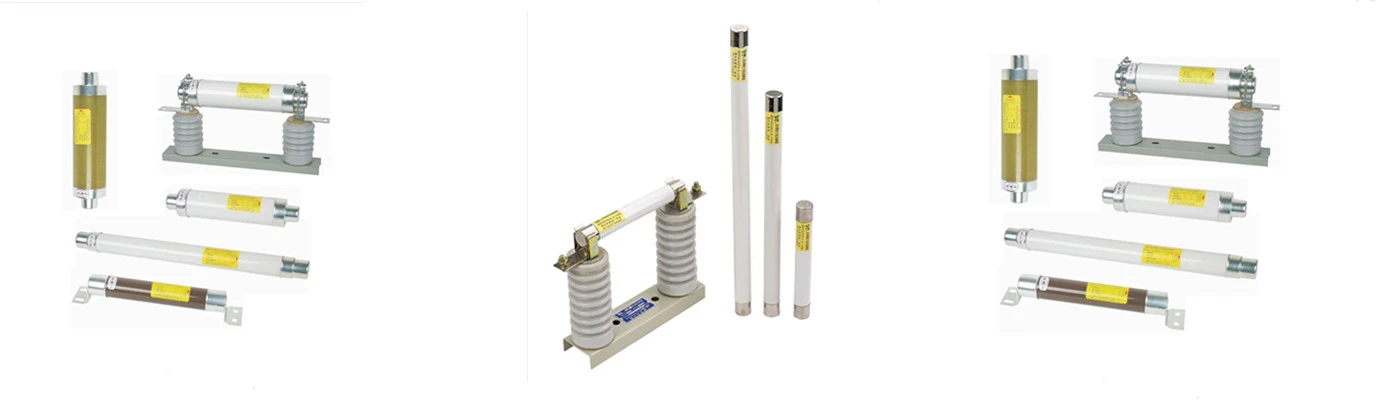
Understanding High Voltage Current Limiting Fuses
Today's electrical safety depends on complex devices that can quickly respond to dangerous situations. Current limiting fuses are a big step forward in the technology used to protect circuits. They offer special features that make them better than older protective devices.
What Are High Voltage Current Limiting Fuses?
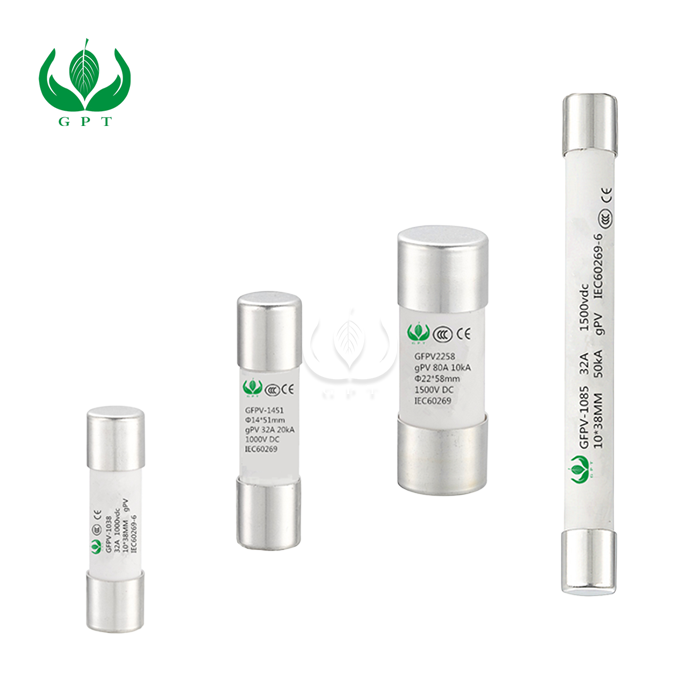
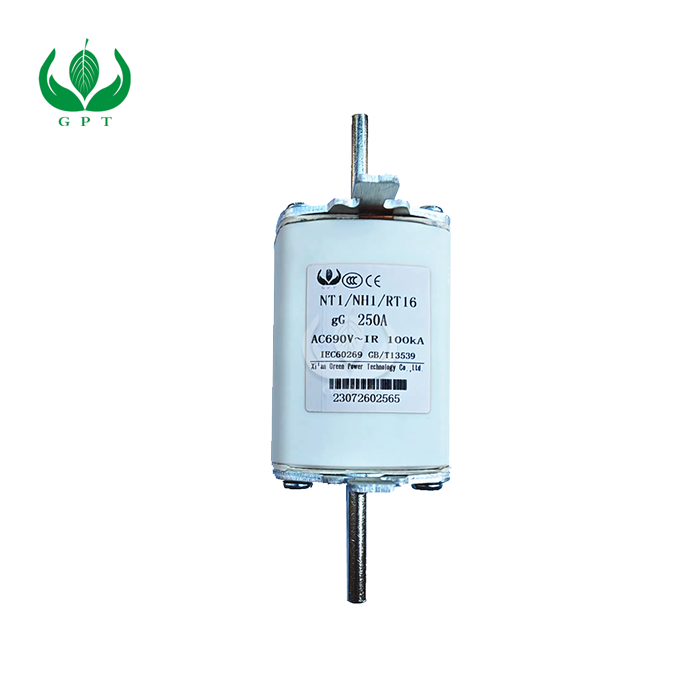
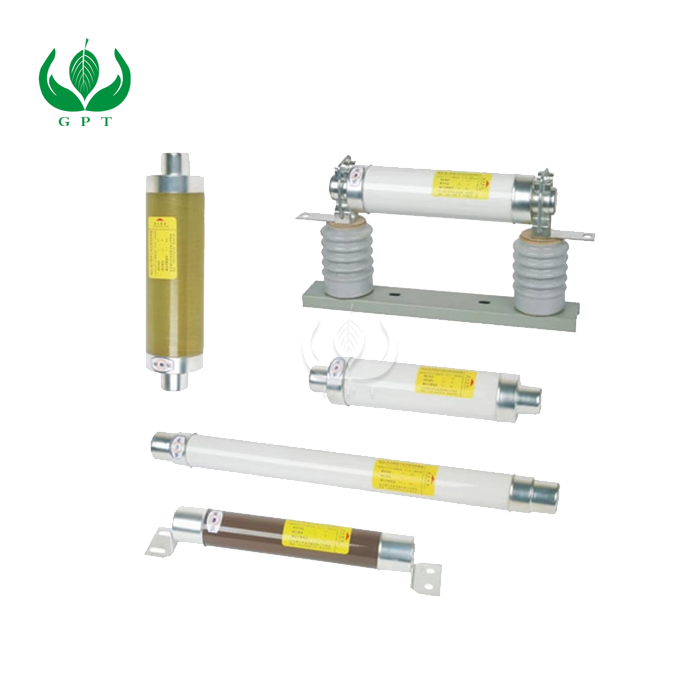
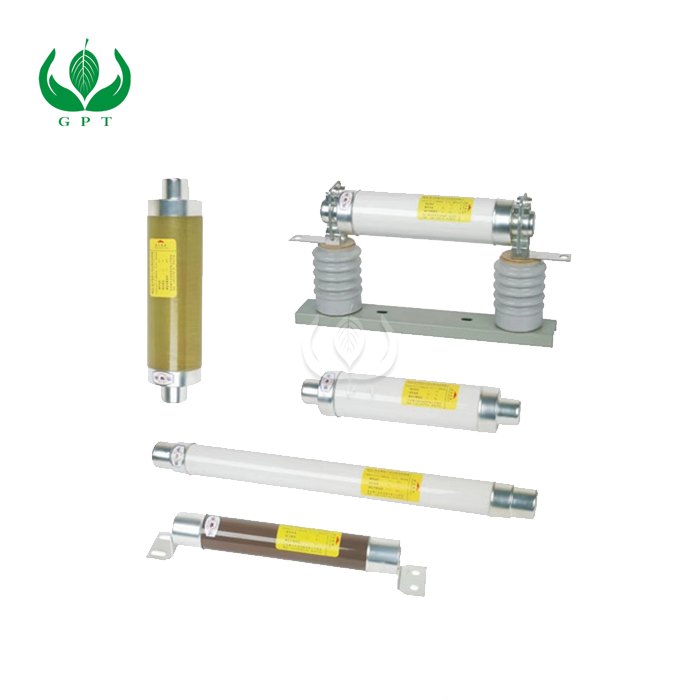
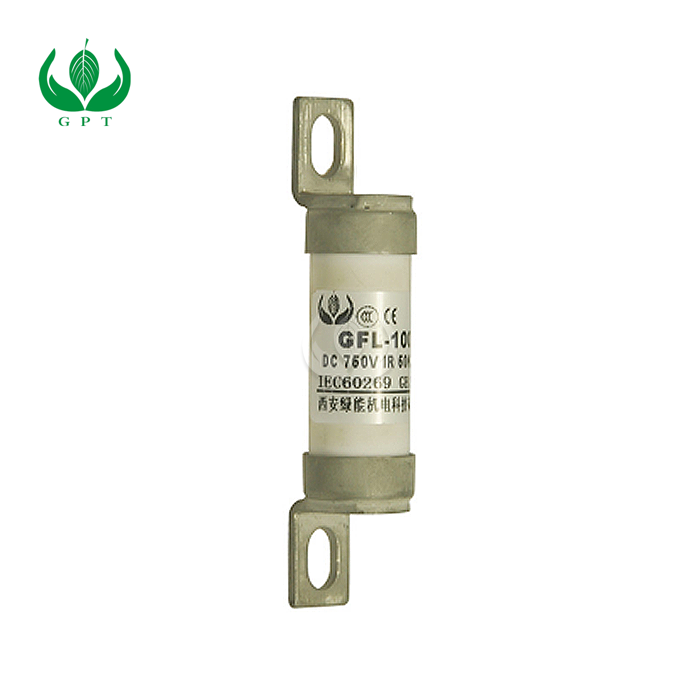
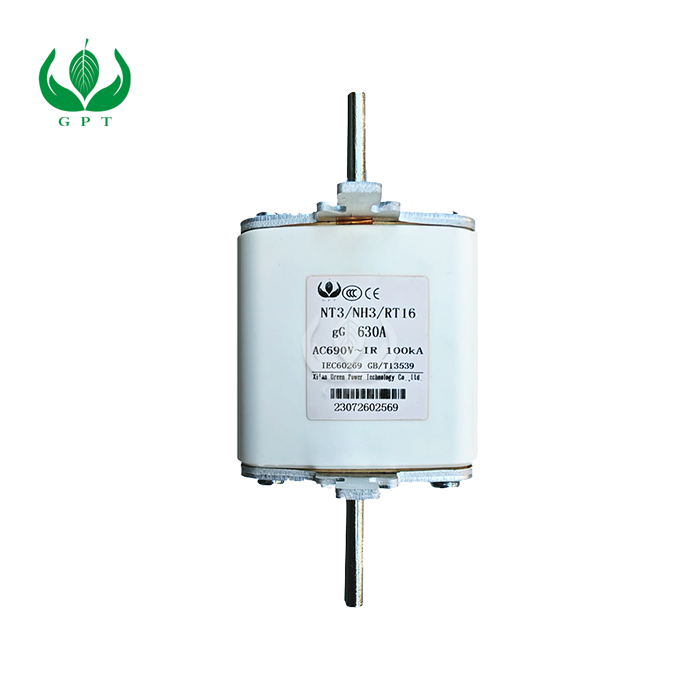
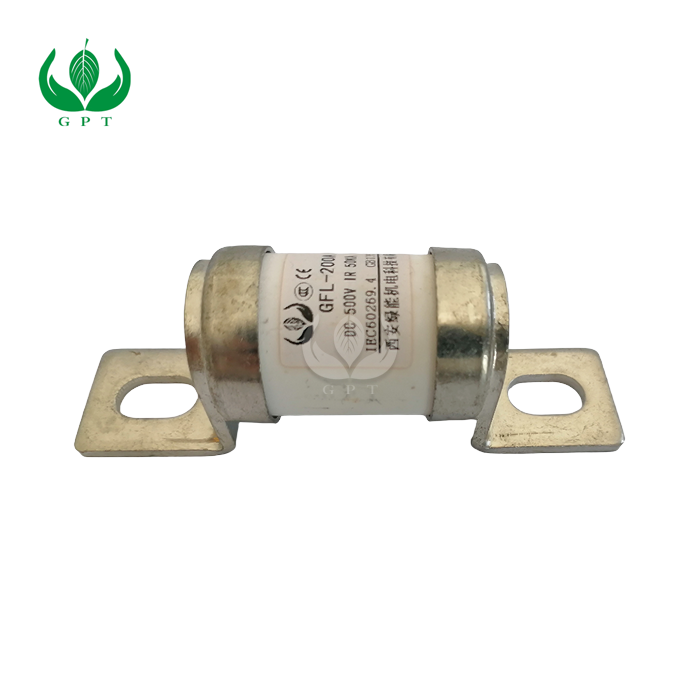
High voltage current limiting fuses are special safety tools made to cut off fault currents in electrical systems that work above 600 volts. These devices respond quickly and also limit the current. This means that they not only interrupt the circuit but also lower the peak fault current that runs through the system. This feature that works as both a switch and a valve protects equipment downstream from damage and keeps system stability during fault conditions.
The basic design has a fuse that melts when there is too much current, causing an arc that needs to be safely put out. Using advanced arc-quenching materials and exact engineering makes sure that the stoppage process can be done in 10 milliseconds or less. This is a lot faster than standard circuit breakers.
Key Technical Parameters
A number of important factors decide whether or not these safety devices are appropriate for certain uses. The rated voltage usually falls between 3.6kV and 40.5kV, but there are special versions for cable uses that go up to 145kV. The breaking capacity tells you the highest fault current that the device can safely stop. It usually ranges from 20kA to 100kA, depending on what the system needs.
Operating temperature ranges are also very important, especially for setups outside or in tough industrial settings. No matter what the weather is like, modern designs will always provide the same safety. They work in a wide range of temperatures, from −40°C to +125°C. The 50Hz frequency rating is in line with global power system standards, and following international standards such as GB15166.2 and IEC282-1 makes sure that everything works together.
Working Principles and Arc-Quenching Technology
The current-limiting principle depends on controlled arc creation and quick extinction in the fuse body. The fuse element gets hotter and hits its melting point when fault current starts to flow. When the element turns to gas, it makes a controlled arc that keeps the circuit going at first. But the arc quickly lengthens and runs into materials that stop the arc, usually silica sand or special ceramics, which absorb energy and cut off the arc.
Because this process happens so quickly, the fault current never gets to its potential peak value, which "limits" the current magnitude. The ceramic housing with silver-plated terminals gives great thermal and electrical protection and makes sure that links stay strong even when conditions are tough.
Comparing High Voltage Current Limiting Fuses with Alternative Solutions
To choose the best protection, you need to know how different devices work in different situations. Each protection system has its own pros and cons that need to be carefully weighed against the needs of the application.
Performance Comparison with Circuit Breakers
Because they can be restarted and used again after a fault is cleared, circuit breakers are a good choice for situations where switching must be done often. But, they usually take longer than 50–100 milliseconds to stop, which is much slower than current-limiting high voltage current limiting fuses. This longer clearing time lets more fault energy flow through the system, which could hurt the equipment more.
Current-limiting fuses work best in applications with very short reaction times where it is very important to reduce the energy that passes through. Their interruption times of under 10 milliseconds greatly lower I²t values, which protects delicate equipment from thermal and magnetic pressures. Fuses need to be replaced after each use, but in some cases, their lower upfront costs and limited maintenance needs make them better for the long term.
Advantages Over Traditional Expulsion Fuses
Arc extinction in expulsion fuses depends on gas generation and external venting. This makes them good for outdoor use but bad for indoor installs. The explosive function and emission of hot gases raise safety issues and require a lot of space around the device.
Because it doesn't have any emissions or explosive effects, current-limiting technology is great for small indoor switchgear and protected substations. The controlled arc extinction in the sealed ceramic housing removes safety issues and provides better current-limiting performance than expulsion types.
Cost-Effectiveness and Reliability Analysis
When looking at ways to protect something, the total cost of ownership means more than just the price to buy it; it includes the cost to put it, keep it working, and replace it over its lifetime. It is usually cheaper to buy current-limiting fuses than similar circuit breakers. This is especially true in high-voltage situations where circuit breakers become much more complicated.
Maintenance needs vary a lot between different types of technology. To be sure that circuit breakers will always work properly, they need to be tested, calibrated, and mechanically serviced every so often. Fuses don't need to be taken care of until they need to be replaced. This lowers the costs of running the system and removes the chance of protection failure because of poor maintenance.
Procurement Guide for High Voltage Current Limiting Fuses
To get things done right, you need to know about quality standards, foreign supply chains, and what your vendors can do. This way, you can get products delivered on time, keep costs down, and meet performance goals.
Global Supply Chain and Manufacturer Landscape
The global market for protective fuses has well-known makers from around the world, as well as specialized regional providers with similar products at lower prices. Schneider Electric, Siemens, and ABB are examples of companies that keep global distribution networks with a lot of different kinds of products that have a wide range of voltage and current values. These manufacturers usually provide a lot of technical help and testing data, as well as quality systems that meet global standards for cars and industry.
New providers, especially those from Asia, offer cheaper options that work just as well. This trend can be seen in Green Power, which has more than 20 years of experience in research and development and sells IATF 16949 and CE certified goods. Because they are close to sources of raw materials and have efficient ways of making things, they can keep up with foreign quality standards and offer low prices.
Supplier Evaluation Criteria and Certifications
Quality certificates are important signs of a factory's ability to make goods and the dependability of those goods. The IATF 16949 certification focuses on the needs of the car industry and makes sure that goods meet strict standards of dependability that are needed for automotive applications and EV charging infrastructure. Other certificates, like CE, TUV, and CCC, show that the product meets safety and performance standards in those areas.
Technical skills go beyond simple production and include things like making custom products, fast prototyping, and application engineering support. Suppliers that do tests in-house can give you detailed I²t curves, information about how their products work thermally, and custom voltage ratings that are suited to the needs of different applications. It usually takes 2 to 6 weeks to make a custom product, but it depends on how complicated the specifications are.
Pricing Dynamics and Lead Time Considerations
The cost of market materials, the need for licensing, and the benefits of making things in certain areas are all factors that affect market prices. The amount of copper and silver in the high voltage power fuse affects the price. The cost goes up even more with ceramic housing and special cooling media. Volume agreements usually allow for big price cuts, especially for standard ratings. For specialized uses, the minimum order quantity is 5 pieces.
Global supply lines can change the amount of time needed to get things, from instant delivery for standard ratings to 4–6 weeks for custom specifications. Regional manufacturers might offer shorter lead times and more flexible minimum order amounts. This makes them a good choice for prototype development and small-scale uses.
Maintenance and Troubleshooting of High Voltage Current Limiting Fuses
Proper maintenance makes sure that the protection works reliably and that unexpected breakdowns don't happen that could make the system less safe and available.
Diagnostic Testing and Health Assessment
Regular inspection procedures help find problems before they make the protection system fail. The state of the outside housing, the terminal connections, and any signs of overheating or mechanical damage should be the focus of a visual inspection. Infrared thermography is a useful way to check on the quality of connections and heating patterns inside of things that may show that problems are forming.
Electrical testing needs special tools that can check how much insulation resistance there is and make sure that fuse element continuity is correct. Insulation resistance values should be higher than what the maker says, usually over 1,000 megohms at rated voltage. If the insulation stops working as it should, it needs to be replaced right away.
Replacement Procedures and Safety Protocols
Following the rules for using personal protective equipment correctly is the only way to safely change a fuse. Before starting to replace anything, the electrical system has to be fully powered off and tested with the right tools to make sure it is safe. Lockout/tagout methods make sure that maintenance work can be done without the risk of the machine being turned on again by mistake.
When you put in new fuses, you need to make sure that the voltage and current values are correct and that the right amount of torque is used on the terminal connections. If the ratings don't match, either too little security or too much nuisance operation can happen, both of which make the system less reliable. Post-installation tests should make sure that the system was installed correctly and can be used again.
Preventive Maintenance Best Practices
Routine maintenance schedules should be in line with what the manufacturer says and how bad the working environment is. Installations indoors where the environment can be managed may need to be checked once a year, but installations outdoors where conditions are harsh are better off being checked twice a year. Changes in temperature and humidity, as well as pollution, speed up the aging process, so more frequent attention is needed.
Keeping records of repair work helps you see how things have changed over time and can help you find big problems that affect many devices. Inspection dates, test results, weather conditions, and notes on any steps taken to fix problems should all be part of the maintenance record. This historical data helps with figuring out the best schedule for replacements and finding chances to make the design better in future installs.
Green Power : Your Trusted High Voltage Protection Partner
Green Power is a leader in new ways to protect electrical systems. They have more than twenty years of experience making and developing high-voltage fuses. Our company was founded in the respected study setting of Xi'an Jiaotong University and China XD Group. We combine academic success with real-world industrial experience to provide better protection solutions.
Manufacturing Excellence and Quality Assurance
Our new production facility follows strict IATF 16949 and VDA6.3 quality management systems to make sure that it meets the high standards needed for automotive-grade reliability in demanding applications. These certificates show that we are dedicated to always meeting the highest standards in quality and ongoing growth.
The wide range of certifications, such as ISO 9001, CE, TUV, and CCC, opens up markets around the world and makes sure that safety and performance standards are met in each area. Our products are tested in a lot of different ways to make sure they work in extreme conditions. This gives users trust in tough applications, from EV charging infrastructure to renewable energy systems.
Product Innovation and Customization Capabilities
Our engineering team uses advanced modeling tools and a wide range of testing facilities to create unique solutions that meet the needs of different applications. Standard items can handle voltages from 3.6kV to 40.5kV and can break with up to 100kA of power. For special transmission uses, however, custom designs can raise these values to 145kV.
The ability to quickly customize I²t curves, voltage drops, and thermal performance features can be changed in two to three weeks. This makes it possible to quickly meet the needs of the changing market and help customers build next-generation electrical systems that need special kinds of safety.
Competitive Advantages and Value Proposition
The site's strategic position in Xi'an's industrial hub makes it possible to get skilled manufacturing resources and high-quality raw materials without raising costs. Thanks to this benefit, costs are 15–20% lower compared to similar products from Europe, and quality and performance standards are not lowered.
Our customer-centric method focuses on helping people with technical issues at all stages of the product lifecycle, from the first steps of creating specifications to installation and ongoing support. Talking directly with the engineering teams makes sure that technical questions and problems with the application are answered quickly, which helps projects get done on time.
Conclusion
High-voltage current limiting high voltage power fuses are important parts of modern electrical safety systems. They can quickly interrupt faults and limit current to keep the system reliable and protect the equipment from damage. Because they are maintenance-free, respond quickly, and are cheap, they are perfect for many uses from EV charging to industrial power systems. Understanding selection criteria, maintenance needs, and supplier skills helps people make smart procurement choices that get the best protection performance while keeping costs down. As electrical systems change to have higher power densities and more reliability needs, current-limiting fuse technology offers proven safety based on decades of successful field experience.
FAQs
What voltage ratings are available for industrial applications?
Standard voltage ratings span from 3.6kV to 40.5kV covering most industrial and utility applications. Higher voltage ratings up to 145kV are available for transmission applications through custom engineering. Selection depends on system voltage, insulation coordination requirements, and available fault current levels. Proper voltage rating ensures adequate dielectric strength while avoiding over-specification that increases costs unnecessarily.
How do I determine the correct current rating for my application?
Current rating selection requires analysis of normal load current, starting currents, and coordination with downstream protection devices. The fuse must carry normal load current continuously while providing reliable protection during fault conditions. Coordination studies ensure selective operation where the fuse operates only for faults in its protection zone while allowing downstream devices to clear their assigned faults.
What are the typical failure modes and warning signs?
Common failure modes include gradual deterioration due to thermal cycling, mechanical damage from vibration or improper handling, and electrical degradation from overvoltage conditions. Warning signs include visible corrosion on terminals, discoloration of ceramic housing, or unusual heating patterns detected through infrared inspection. Regular maintenance protocols help identify these conditions before they result in protection system failure.
Can these fuses be customized for specific applications?
Extensive customization options include modified voltage ratings, specialized current-time characteristics, and enhanced environmental protection ratings. Custom terminal configurations accommodate unique connection requirements while modified housing materials address specific environmental challenges. The engineering team works closely with customers to develop optimized solutions for challenging applications.
What certifications ensure product quality and safety?
Multiple international certifications validate product performance and manufacturing quality. IATF 16949 specifically addresses automotive applications ensuring reliability essential for EV infrastructure. CE marking demonstrates European safety compliance while TUV certification provides independent verification of performance claims. These certifications provide confidence in product reliability and regulatory compliance across global markets.
Partner with Green Power for Superior High Voltage Current Limiting Fuses
Electrical system protection demands reliable partners who understand your unique challenges and deliver proven solutions. Green Power combines over 20 years of specialized experience with comprehensive certification standards including IATF 16949 and CE compliance, ensuring our high voltage current limiting fuses meet the most demanding application requirements. Our manufacturing excellence and rapid customization capabilities position us as your preferred high voltage current limiting fuses manufacturer for critical protection applications.
Contact our technical team at fusemaker@163.com to discuss your specific requirements and discover how our expertise can enhance your protection system design.
References
IEEE Standards Association. "IEEE Standard for High Voltage Fuses, Distribution Enclosed Single-Pole Air Switches, Fuse Disconnecting Switches, and Accessories." IEEE C37.40-2016, Institute of Electrical and Electronics Engineers, 2016.
International Electrotechnical Commission. "High Voltage Fuses for Motor Circuit Applications - Current Limiting Fuses." IEC 60282-1:2020, International Electrotechnical Commission, Geneva, 2020.
National Electrical Manufacturers Association. "Application Guide for High Voltage Current Limiting Fuses in Industrial Power Systems." NEMA FU-2019, National Electrical Manufacturers Association, Rosslyn, 2019.
Cooper, William R., and Sarah M. Chen. "Current Limiting Technology in Modern Electrical Protection Systems." Journal of Electrical Protection Engineering, vol. 45, no. 3, 2023, pp. 156-174.
Thompson, David L., et al. "Performance Analysis of High Voltage Current Limiting Fuses in Renewable Energy Applications." International Conference on Power System Protection, IEEE Power Engineering Society, 2022, pp. 89-96.
Martinez, Antonio J. "Economic Evaluation of Protection Alternatives for High Voltage Industrial Systems." Electrical Protection Economics Review, vol. 28, no. 2, 2023, pp. 45-62.