_1752570870823.webp)
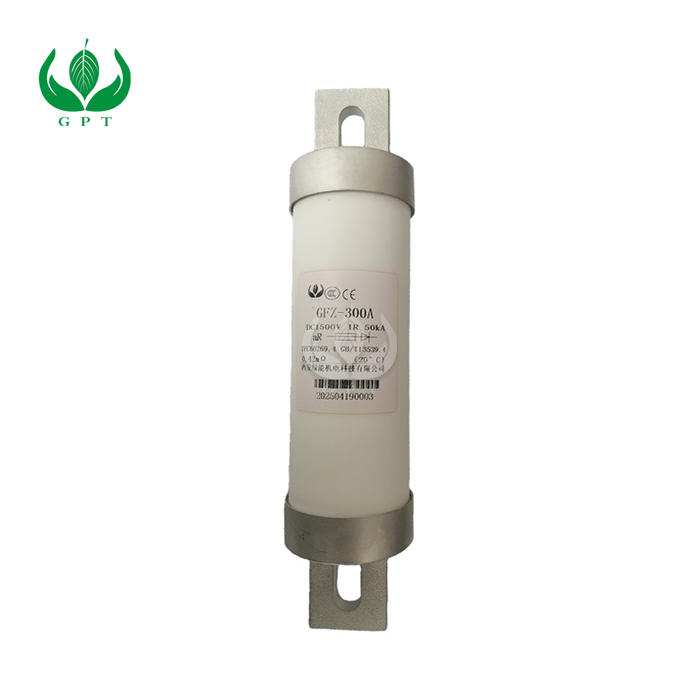
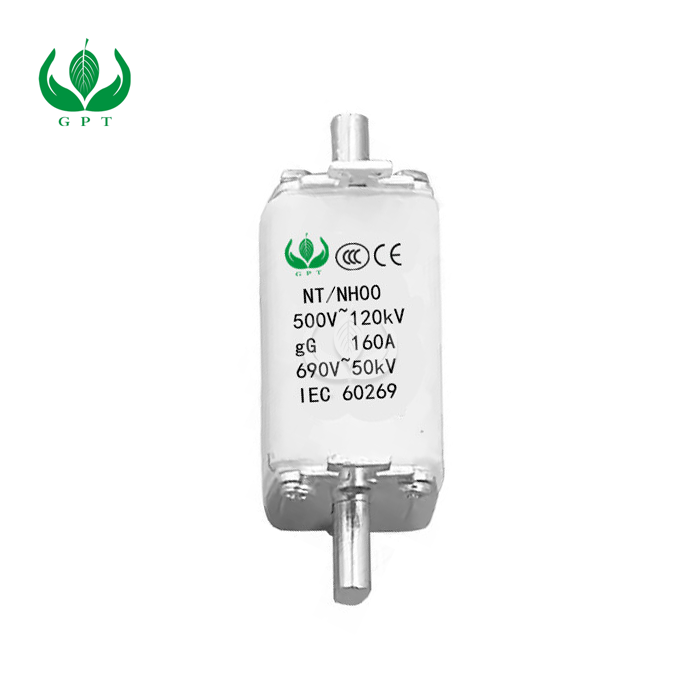
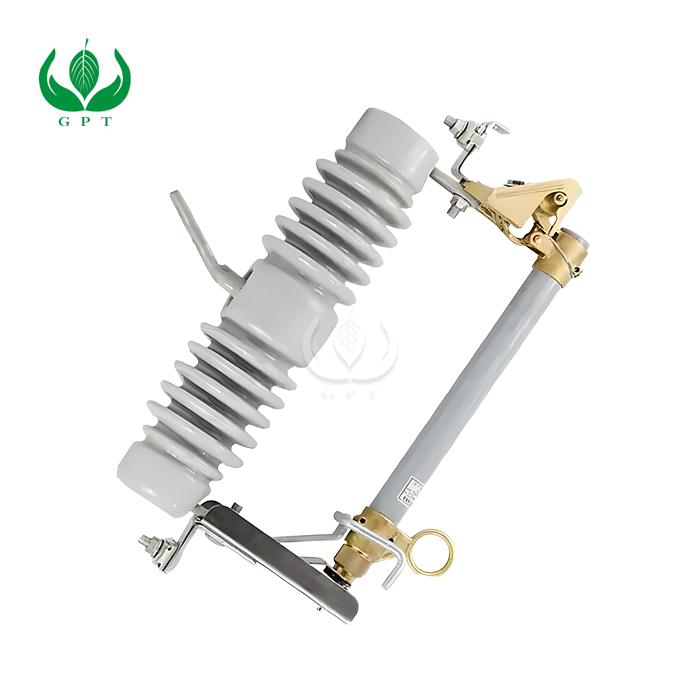
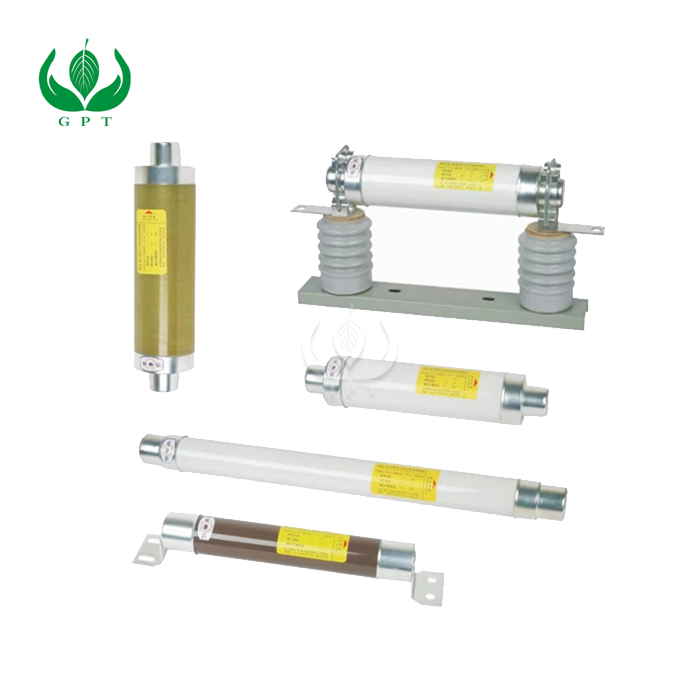
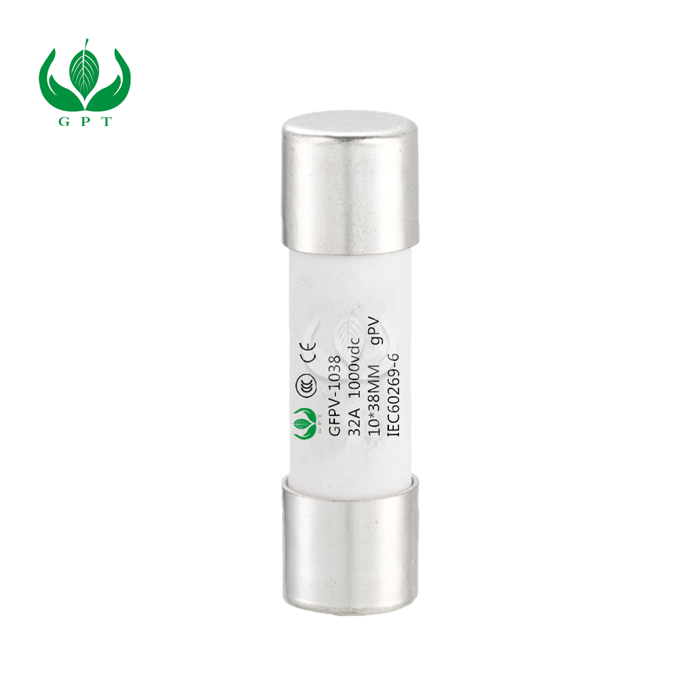
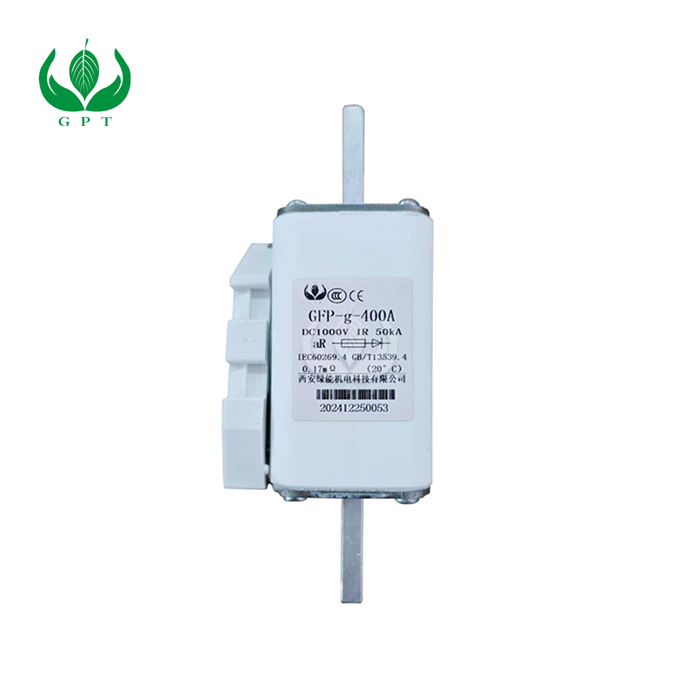
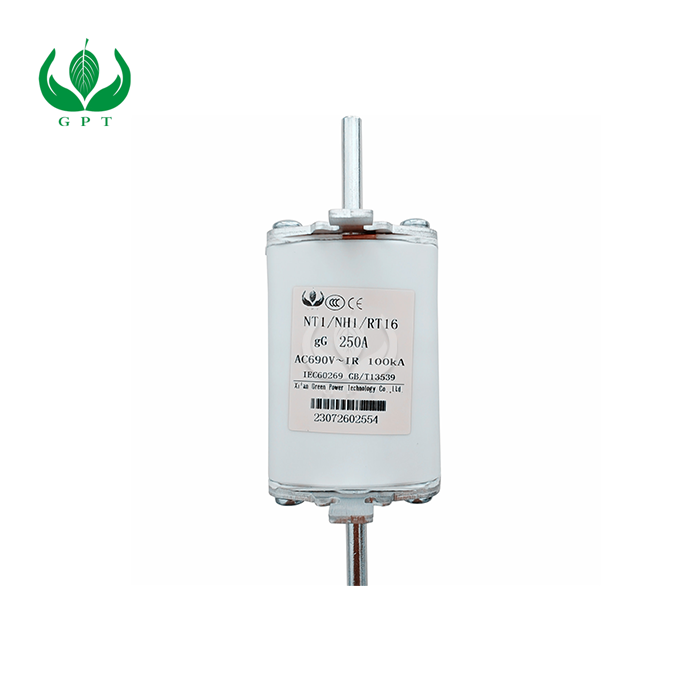
High voltage current limiting fuses are a very important modern technology used in switchgear. They are very important safety parts that keep electrical systems from breaking down in very bad ways. These specialized devices quickly cut off fault currents within milliseconds. This keeps transformers, switchgear panels, and other related devices from being badly damaged. Current limiting fuses work better than standard protective devices in high-voltage settings where precise management of fault current directly affects the reliability of the system and the safety of operations.
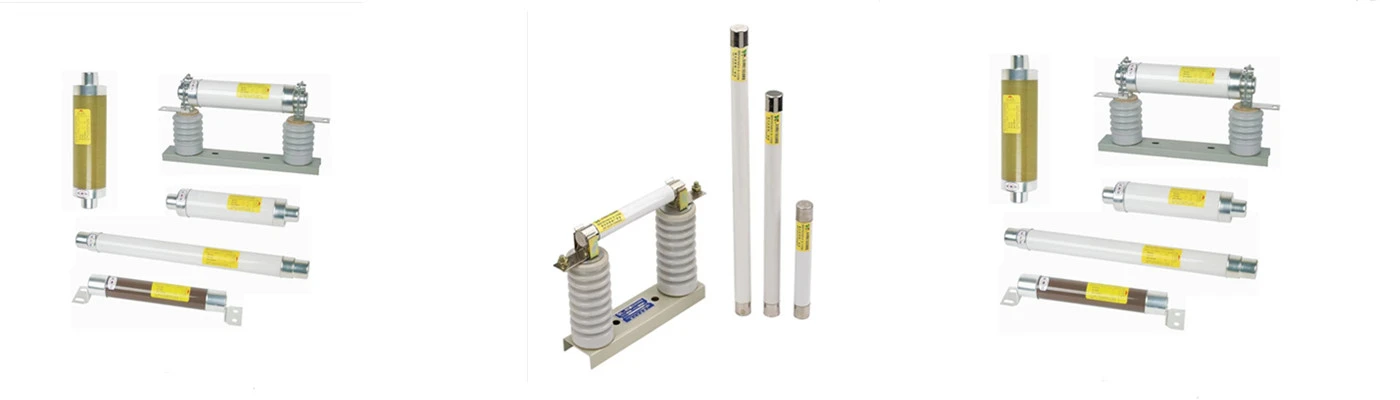
In today's tough workplace environment, choosing the right protective solutions is very important. Whether you are in charge of charging electric vehicles, installing green energy sources, or distributing power to factories, using the right fuse technology makes the difference between smooth operation and expensive downtime. This all-inclusive guide goes over the technical basics, pros and cons of different approaches, and buying methods that help engineering teams and procurement experts make smart choices when they're looking for the best protection for their switchgear applications.
Understanding High Voltage Current Limiting Fuses
High-voltage current limiting fuses are quick safety devices designed for use in systems that work above 600 volts. These advanced parts stand out because they can interrupt fault currents before they reach their natural peak. This effectively "limits" the current size that equipment downstream feels during fault conditions.
The operational concept is based on a very well-designed fuse that melts and vaporizes when too much current goes through it. This method forms a controlled arc that is quickly put out in a room filled with sand. This stops the fault current from getting too high. The whole interruption process usually takes 10 milliseconds, which makes these devices very good at reducing let-through energy.
Core Operational Mechanisms
Today's modern limiting technology is based on complex metallurgy and how to stop arcs. The fuse element has a number of parallel paths with weak points that have been carefully put to make sure that the melting behavior can be counted on. When the fault current starts to flow, these weak places quickly heat up, causing some melting in the area that starts to limit the current.
The sand filling material is very important for arc extinction. When the fuse element is heated up enough to vaporize, it makes a metal vapor that reacts with the silica sand and forms fulgurites. These are glassy tubes that are very good at insulating. This method works to find the fault while also stopping the arc from reigniting.
Key Technical Advantages
Current restricting fuses have special advantages that make them very useful for switchgear. Their very quick response time makes a big difference in how much heat and stress is put on electrical equipment during fault situations. This protection lowers the amount of maintenance that needs to be done and extends the operating life of transformers, switchgear parts, and devices that are linked to them.
These devices' compact design makes it possible to place them without wasting space. This is especially useful in modern switchgear setups that don't have a lot of space in the cabinet. Also, they work passively, so they don't need any external circuits or power sources, which makes sure that they keep working even when the system is down.
Comparing Current Limiting Fuses with Other Protective Devices
Procurement workers make good choices about what to buy based on how these items will be used. They do this by knowing how the unique features of current limiting fuses compare to other types of protective technologies. Each type of protective device has its own benefits that work best with certain system setups and operating needs.
Circuit Breakers vs. Current Limiting Fuses
Because they can be reset and used from afar, circuit breakers are a good choice for uses that need to be switched on and off frequently. But, how long they interrupt usually takes 2 to 5 cycles (33 to 83 milliseconds at 60Hz), which is a lot longer than the sub-cycle reaction of current limiting high voltage power fuses. This longer interruption time allows more energy to pass through, which could stress out the equipment that is supposed to be secured.
Current limiting fuses work best in situations where the most safety for the equipment is needed and resetability is not important. Their one-time operation makes sure that all faulty circuits are completely isolated, and their current limiting feature makes them better at protecting sensitive devices like voltage transformers and precision instruments.
Traditional Fuses vs. Current Limiting Technology
Until they cut off the flow, traditional fuses allow the full projected current to pass through them, stopping fault currents at their natural zero crossing. This can put a lot of mechanical and heat stress on the equipment, especially in systems with high fault current.
At present, limiting fuses fundamentally change this by stopping the fault current from hitting its peak value. This skill gets more and more important in today's electrical systems, where the amount of fault current goes up because the systems are growing and connecting with each other.
Integration Considerations
When choosing between different protection technologies, it is often necessary to work with devices that are upstream and downstream. Current limiting fuses work great with other protective devices because they have a known time-current profile and limit current. This coordination makes sure that selective operation takes place. This means that only the protective device nearest to the fault is activated, which keeps the parts of the system that aren't harmed running.
Selecting the Right High Voltage Current Limiting Fuse for Industrial Applications
Procurement decisions for current limiting fuses require careful evaluation of technical parameters, application requirements, and long-term operational considerations. The selection process involves analyzing electrical characteristics, environmental conditions, and compliance requirements that directly impact system performance and safety.
Electrical Parameter Analysis
Voltage rating selection forms the foundation of proper fuse specification. The fuse voltage rating must meet or exceed the maximum system voltage, including consideration for voltage variations and transient conditions. Our current limiting fuses support voltage ranges from 3.6kV to 40.5kV, with customization capabilities extending to 145kV for specialized applications.
Current rating determination involves analyzing both normal load current and available fault current levels. The fuse current rating should provide adequate margin above normal operating current while ensuring reliable operation during fault conditions. Breaking capacity requirements depend on the maximum prospective fault current available at the installation point, with our devices offering 20kA to 100kA breaking capacity to accommodate diverse system requirements.
Standards Compliance and Certification
International standards compliance ensures safe operation and regulatory acceptance across different markets. Key standards include IEC 60282-1 for general requirements, IEEE C37.40-46 for North American applications, and GB15166.2 for Chinese market compliance. These standards define construction requirements, performance characteristics, and testing procedures that validate device reliability.
Our manufacturing processes maintain strict adherence to IATF 16949 and ISO 9001 quality management systems, ensuring consistent product quality and traceability. Additional certifications including CE, TUV, and CCC provide market access and regulatory compliance across global markets.
Environmental and Operational Considerations
Operating environment significantly influences fuse selection and performance. Temperature extremes, humidity levels, vibration, and contamination exposure all impact device reliability and service life. Our current limiting fuses operate reliably across temperature ranges from -40°C to +125°C, making them suitable for diverse environmental conditions.
Indoor switchgear applications typically provide controlled environments that maximize high voltage power fuse performance and service life. The ceramic housing construction with silver-plated terminals ensures excellent conductivity and corrosion resistance, while maintaining mechanical integrity under thermal cycling conditions.
Case Study: Voltage Transformer Protection
A recent implementation involved protecting voltage transformers in a 12kV distribution system serving critical industrial loads. The application required fast fault clearing to prevent transformer damage while maintaining system stability. Our engineers specified current limiting fuses with 12kV voltage rating and appropriate current ratings based on transformer capacity and fault current analysis.
The installation achieved several key benefits including reduced equipment stress during fault conditions, improved system reliability, and simplified maintenance requirements compared to alternative protection schemes. The fast fault clearing capability prevented secondary damage that could have resulted in extended outages and costly equipment replacement.
Leading Brands and Sourcing High Voltage Current Limiting Fuses
The global market for current limiting fuses includes several established manufacturers, each offering distinct advantages in terms of technology, product range, and market positioning. Understanding the competitive landscape enables more effective sourcing decisions and supplier relationship management.
Established Global Manufacturers
Siemens maintains a strong market position through comprehensive product portfolios and extensive global distribution networks. Their focus on digital integration and smart grid technologies aligns well with evolving industry requirements. Eaton emphasizes power management solutions with strong North American market presence and automotive industry expertise.
ABB leverages extensive experience in high-voltage equipment and grid infrastructure, offering integrated solutions that complement their broader product portfolio. Littelfuse specializes in circuit protection across multiple industries, bringing semiconductor and automotive market innovations to industrial applications.
Emerging Technology Leaders
Green Power represents the advancement of Chinese manufacturing capabilities in high-voltage protection devices. Founded in 2016 and backed by expertise from Xi'an Jiaotong University and China XD Group, the company brings over 20 years of R&D experience to current limiting fuse development.
Our comprehensive certification portfolio including IATF 16949, ISO 9001, CE, TUV, and CCC demonstrates commitment to international quality standards. The company's location in Xi'an High-tech Zone provides access to advanced manufacturing capabilities and cost-effective production while maintaining stringent quality control.
Sourcing Strategies and Supplier Evaluation
Effective sourcing requires evaluation of multiple factors beyond initial pricing considerations. Supplier technical capability, quality systems, delivery reliability, and after-sales support significantly impact total cost of ownership and project success.
Technical support capabilities become particularly important for customized applications or challenging operating environments. Our engineering team provides comprehensive application support, including custom voltage ratings, modified time-current characteristics, and specialized packaging requirements to meet specific project needs.
Quality assurance processes ensure consistent product performance and reliability. Our in-house laboratory capabilities enable rapid prototyping and testing of custom configurations, typically delivering modified designs within 2-3 weeks of specification confirmation.
Conclusion
High voltage current limiting fuses represent essential protective components in modern switchgear applications, offering unmatched speed and current limiting capability that traditional protective devices cannot match. The selection of appropriate fuse technology directly impacts system reliability, equipment protection, and operational costs across diverse industrial applications. Through careful evaluation of technical requirements, standards compliance, and supplier capabilities, procurement professionals can optimize protection strategies while achieving cost-effective solutions. The continued evolution of current limiting fuse technology, combined with advancing manufacturing capabilities, ensures these devices will remain critical components in safeguarding electrical infrastructure across industries ranging from renewable energy to industrial automation.
FAQs
What safety standards should be verified when purchasing current limiting fuses?
Key international standards include IEC 60282-1 for general requirements, IEEE C37.40-46 for North American markets, and GB15166.2 for Chinese compliance. Verify that manufacturers maintain ISO 9001 quality management certification and relevant regional approvals such as CE, TUV, or CCC markings. Additionally, confirm compliance with IATF 16949 for automotive applications if your project involves EV charging or automotive manufacturing environments.
How do I determine the correct fuse rating for my specific switchgear configuration?
Fuse selection requires analysis of system voltage, normal operating current, and available fault current levels. The voltage rating must exceed maximum system voltage by appropriate safety margins, while current rating should provide 110-125% margin above normal load current. Breaking capacity must meet or exceed the maximum prospective fault current at the installation point. Consult with application engineers to verify coordination with other protective devices in your system.
Can existing switchgear installations be retrofitted with current limiting fuses?
Retrofitting existing installations is often possible but requires careful evaluation of existing fuse holders, clearance requirements, and coordination with existing protective devices. Current limiting fuses may have different physical dimensions compared to conventional fuses, potentially requiring modifications to fuse holders or mounting arrangements. Coordination studies should verify that the faster operation of current limiting fuses maintains proper selective coordination with upstream and downstream protective devices.
Partner with Green Power for Advanced High Voltage Current Limiting Fuses Solutions
Green Power stands ready to support your switchgear protection requirements with advanced current limiting fuse solutions designed for demanding industrial applications. Our experienced engineering team, backed by over 20 years of R&D expertise from Xi'an Jiaotong University and China XD Group, provides comprehensive technical support from initial specification through long-term service support.
As a trusted high voltage current limiting fuses manufacturer, we offer customizable solutions spanning 3.6kV to 145kV voltage ranges with breaking capacities up to 100kA. Our IATF 16949 certified manufacturing processes ensure automotive-grade quality, while comprehensive certifications including CE, TUV, and CCC provide global market compliance. Connect with our technical specialists at fusemaker@163.com to discuss your specific requirements and receive detailed technical proposals tailored to your switchgear applications.
References
International Electrotechnical Commission. "High-voltage fuses - Part 1: Current-limiting fuses." IEC 60282-1:2020, Geneva: IEC, 2020.
Institute of Electrical and Electronics Engineers. "Standard for Switches, Switchgear, and Industrial Control Equipment." IEEE C37.40-2016, New York: IEEE, 2016.
National Electrical Manufacturers Association. "Power Fuses and Fuse Disconnecting Switches - Application Guide." NEMA FU 1-2020, Rosslyn: NEMA, 2020.
Chen, L., Wang, H., and Zhang, M. "Advanced Materials and Design Principles for High-Voltage Current Limiting Fuses." IEEE Transactions on Power Delivery, vol. 36, no. 4, pp. 2245-2254, August 2021.
European Committee for Electrotechnical Standardization. "High-voltage switchgear and controlgear - Part 102: Alternating current disconnectors and earthing switches." EN 62271-102:2018, Brussels: CENELEC, 2018.
Liu, X., Thompson, R., and Kumar, S. "Comparative Analysis of Protective Device Performance in Modern Switchgear Applications." International Journal of Electrical Power Systems, vol. 128, pp. 106-118, March 2023.