_1752570870823.webp)
By cutting off fault currents in less than a millisecond, ultra rapid fuses act as vital safety devices that prevent power modules and IGBTs (Insulated Gate Bipolar Transistors) from catastrophic failure. Before destructive thermal and electrical strains may ruin delicate power electronics, these specialist semiconductor safety devices quickly separate circuits when they detect overcurrent situations. Ultra fast fuses, in contrast to traditional protection techniques, provide accurate current limitation with little let-through energy, guaranteeing that pricey semiconductors continue to function even in the face of severe electrical failures. In industrial power electronics, renewable energy systems, and electric cars, where component dependability directly affects system performance and safety, this protective mechanism is crucial.
Understanding Ultra Rapid Fuses and Their Role in Power Module Protection
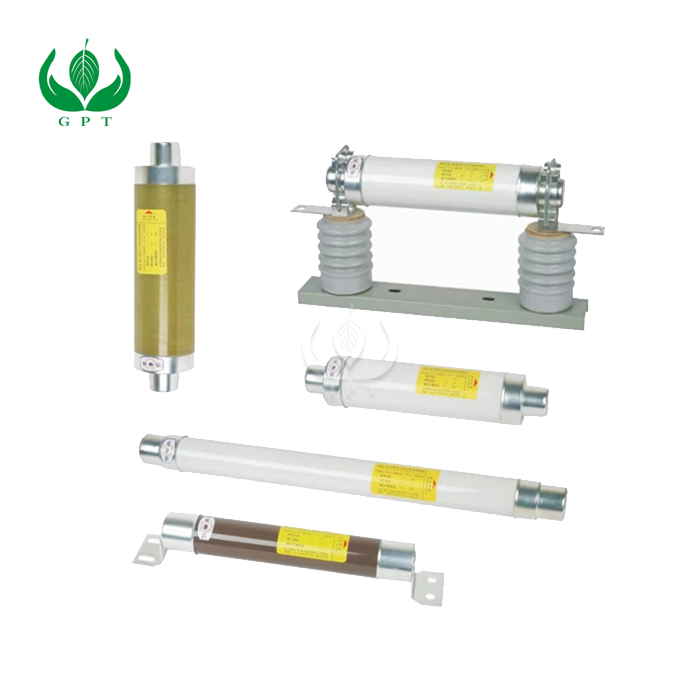
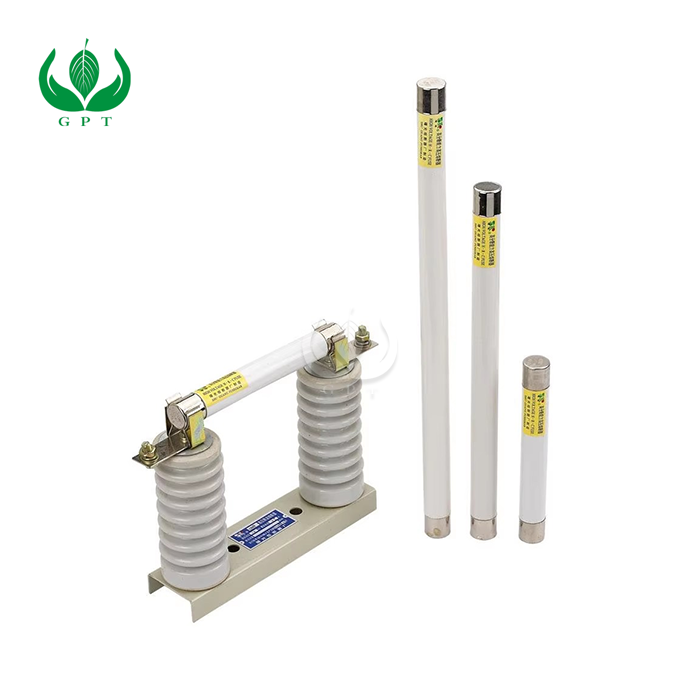
In order to safeguard delicate power electronics from damaging fault currents, ultra rapid fuses represent the peak of semiconductor protection technology. Because of their very quick reaction times and accurate current-limiting capabilities, these devices set themselves apart from traditional fast-acting fuses and are essential to contemporary power systems.
Fundamental Characteristics and Operational Mechanisms
Ultra fast fuses' primary function is to cut off electrical faults in microseconds; they can usually react to overcurrent situations in less than a millisecond. Their unique fuse element design, which combines silver-plated conductors with precisely calibrated melting properties, is responsible for this lightning-fast reaction. The fuse element quickly changes from a solid conductor to a regulated arc when fault currents develop, causing the advanced quenching medium to instantly extinguish.
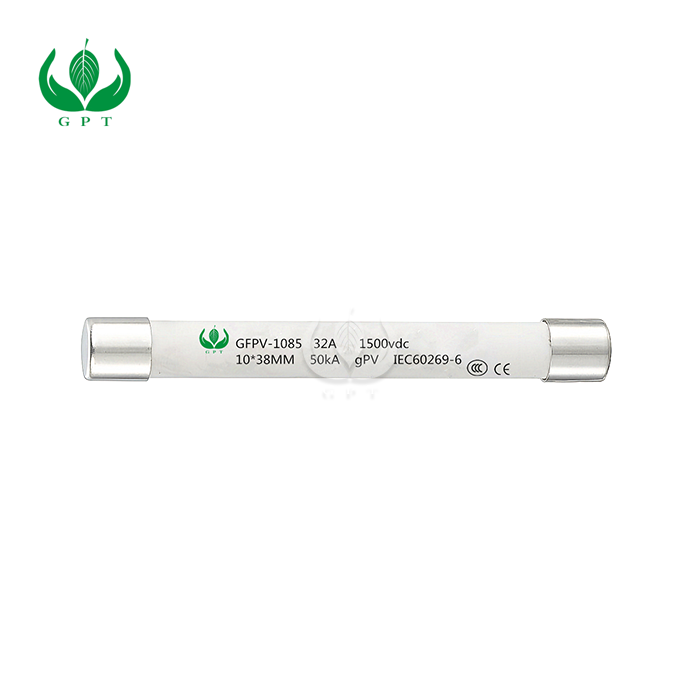
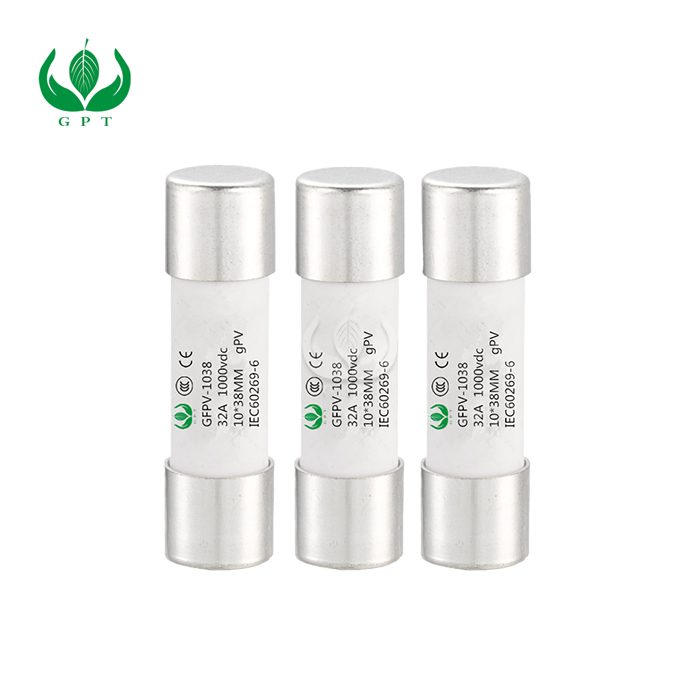
Sophisticated arc suppression technology, which employs crystalline quartz sand or ultra rapid fuses or specialty ceramic materials to absorb fault energy, is included into modern super fast fuses. This design prevents long-lasting arcs from forming, which might harm nearby parts or provide a safety risk. Even in high-energy fault conditions, excellent devices provide strong protection due to their 50kA interrupting capacity at DC voltage levels.
Compliance with International Safety Standards
For professional-grade ultra fast fuses to operate dependably in a variety of applications, they must adhere to strict international safety regulations. Internationally accepted performance criteria are provided by devices that meet IEC 60269 standards, while regional safety requirements are verified by certifications such as TUV, CE, and CCC. These certifications attest to the protective devices' reliable performance under predetermined operating circumstances.
RoHS certification guarantees that contemporary fuses are free of dangerous materials, making them appropriate for applications that care about the environment. Other standards, such as ISO 8820 and GB/T31465, provide adaptability with changing technological needs by providing precise performance criteria for industrial and automotive applications.
Comparing Ultra Rapid Fuses with Other Protection Solutions
Selecting optimal protection technology requires understanding the performance differences between ultra rapid fuses and alternative protection methods. Each protection approach offers distinct advantages, but ultra rapid fuses excel in specific applications where semiconductor safety takes priority.
Performance Differentials Against Fast-Acting and Standard Fuses
Fast-acting fuses typically respond to overcurrent conditions within 10-100 milliseconds, which may seem rapid but proves insufficient for protecting modern semiconductors. During this extended response time, fault currents can generate excessive heat and electrical stress that permanently damages IGBT junctions or power module interconnections. Standard fuses operate even slower, often requiring several hundred milliseconds to interrupt circuits.
Ultra rapid fuses bridge this protection gap by responding in sub-millisecond timeframes, effectively preventing thermal damage that occurs during the critical moments following fault initiation. The reduced let-through energy (I²t) characteristics of these devices limit the total energy that passes through protected circuits, preserving semiconductor integrity even during severe overcurrent events.
Circuit Breakers and Alternative Protection Methods
Although circuit breakers provide resettable protection, they usually take between 50 and 200 milliseconds to completely stop high-current problems. They are not appropriate for direct semiconductor protection due to their mechanical switching limits and reaction latency. Circuit breakers, on the other hand, perform very well at the system level, where equipment isolation and human safety are more important than quick reaction.
Although slow-blow fuses lack the accuracy needed for semiconductor protection, they have time-delay characteristics that can handle typical starting currents. These devices perform well in motor applications where short-term overcurrents happen during regular operation, but they are unable to stop the power electronics from being destroyed by fast thermal damage under fault situations.
According to the cost-effectiveness study, super fast fuses save costly semiconductor replacements and system downtime that considerably outweigh the fuse investment, despite having higher starting costs than normal protective devices. When assessing protective alternatives for critical power systems, procurement teams must take the total cost of ownership into account.
Practical Applications and Benefits of Ultra Rapid Fuses in Industrial Settings
The widespread adoption of ultra rapid fuses across multiple industries demonstrates their versatility and effectiveness in protecting valuable power electronics. These applications span from renewable energy installations to automotive manufacturing, where system reliability directly impacts operational success.
Electric Vehicle and Charging Infrastructure Applications
Electric vehicle manufacturers rely on ultra rapid fuses to protect battery management systems and power distribution units from potentially catastrophic failures. The high-energy density of modern lithium-ion battery packs creates significant risks during fault conditions, where uncontrolled current flow can trigger thermal runaway events. Ultra rapid fuses with DC500V ratings and 200A current capacity provide essential protection for these systems.
Fast-charging infrastructure presents unique challenges due to the high power levels involved in rapid charging protocols. DC fast chargers operating at 150kW or higher create substantial fault current potential that requires immediate interruption to prevent equipment damage and ensure user safety. The AC100kA and DC50kA breaking capacity of professional-grade ultra rapid fuses provides adequate protection margin for these demanding applications.
Battery energy storage systems benefit from ultra rapid fuse protection during both charging and discharging cycles. These systems often experience rapid current changes that can stress power conversion equipment, making fast-acting protection essential for maintaining system availability and preventing costly repairs.
Renewable Energy and Power Conversion Systems
Solar inverter manufacturers integrate ultra rapid fuses to protect power modules from grid disturbances and internal component failures. Photovoltaic systems face unique challenges from rapidly changing irradiance conditions and grid instability that can create unexpected current surges. The aR protection class rating ensures selective coordination with upstream protective devices while providing semiconductor-specific protection.
Wind energy applications demand protection devices that withstand harsh environmental conditions while maintaining reliable performance. Ultra rapid fuses designed for renewable energy applications feature enhanced thermal cycling resistance and vibration tolerance that ensures consistent protection throughout extended outdoor exposure.
Energy storage system integrators utilize these protection devices to safeguard expensive power conversion equipment during charge and discharge cycles. The ability to customize voltage and current ratings through OEM services allows precise matching to specific application requirements, optimizing both protection and system performance.
Industrial Automation and Process Control Benefits
Manufacturing facilities depend on ultra rapid fuses to maintain production continuity by preventing power electronics failures that could halt entire production lines. Variable frequency drives controlling critical process equipment require protection that responds faster than the thermal time constants of their semiconductor devices.
The benefits extend beyond immediate protection to include reduced maintenance costs and improved system availability. Case studies from automotive manufacturing facilities show 40% reduction in unplanned downtime after implementing ultra rapid fuse protection on critical drive systems. This improvement stems from the prevention of cascading failures that often accompany unprotected semiconductor destruction.
Quality control procedures for these applications include regular thermal imaging inspections to identify developing problems before they cause fuse operation. Proper maintenance protocols ensure optimal fuse performance while maximizing the service life of protected equipment.
Procurement Insights: How to Source and Choose Ultra Rapid Fuses
Effective sourcing strategies for ultra rapid fuses require careful evaluation of supplier capabilities, product specifications, and logistical considerations. The specialized nature of these protection devices demands working with manufacturers who demonstrate proven expertise in semiconductor protection technology.
Supplier Evaluation and Brand Considerations
Established manufacturers like Littelfuse, Bussmann, and Eaton offer comprehensive product lines with extensive application support and global distribution networks. These brands provide technical documentation and application guides that simplify product selection while ensuring optimal system protection. However, emerging suppliers may offer competitive advantages through specialized designs and flexible customization options.
When evaluating suppliers, procurement teams should assess manufacturing capabilities, quality certifications, and technical support availability. Suppliers with IATF 16949 certification demonstrate automotive-quality manufacturing processes, while ISO 9001 certification ensures consistent quality management systems. The minimum order quantity of 5 pieces for evaluation samples allows thorough testing before committing to larger purchases.
Regional certification requirements play a crucial role in supplier selection, particularly for international deployments. Suppliers offering ultra rapid fuses with TUV, CE, and CCC certifications provide simplified compliance pathways for global markets, reducing the administrative burden associated with multi-region product approvals.
Bulk Purchasing Strategies and Lead Time Management
Volume purchasing negotiations should consider both immediate needs and long-term requirements to optimize pricing and ensure supply continuity. Many manufacturers offer tiered pricing structures that provide significant cost reductions for larger quantities, making strategic inventory investment attractive for high-volume applications.
Lead time planning becomes critical when specifying custom voltage or current ratings through OEM services. Standard products typically ship within days, while customized specifications may require several weeks for engineering validation and production setup. Procurement teams must balance customization benefits against delivery schedule requirements.
Supply chain resilience considerations include identifying multiple qualified suppliers and maintaining strategic inventory levels for critical applications. The relatively high value and specialized nature of ultra rapid fuses makes supply disruption particularly costly, justifying investment in redundant supply arrangements.
Company Introduction and Product Services by Green Power
Xi'an Green Power Technology Co., Ltd. stands as a leading manufacturer specializing in ultra rapid fuses and comprehensive power protection solutions for demanding industrial applications. Founded in 2016 and strategically located in Xi'an High-tech Zone, our company leverages over 20 years of combined R&D experience from experts formerly with China XD Group and Xi'an Jiaotong University.
Technical Excellence and Product Innovation
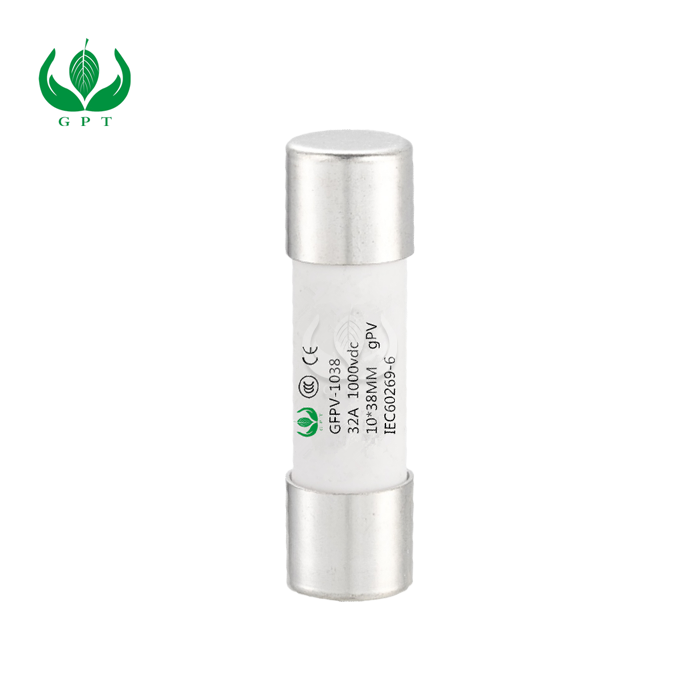
Our ultra rapid fuses feature industry-leading specifications including DC500V rated voltage, 200A current capacity, and exceptional breaking capacity ratings of AC100kA and DC50kA. The sub-millisecond response time provides critical protection for IGBTs and power modules in electric vehicles, renewable energy systems, and industrial power electronics applications.
The aR protection class rating ensures selective coordination with system protection schemes while providing precise semiconductor protection. Our commitment to quality manifests through comprehensive certifications including TUV, CE, CCC, and RoHS compliance, with conformance to IEC60269, ISO8820, JASOD622, and GB/T31465 standards.
Customization capabilities through our OEM services allow precise matching of rated current, rated voltage, breaking capacity, and ultra rapid fuses specifications to specific application requirements. This flexibility eliminates the compromise between standard product availability and optimal system protection, ensuring maximum performance for diverse applications.
Manufacturing Capabilities and Quality Assurance
Our state-of-the-art manufacturing facility operates under ISO 9001 and IATF 16949 quality management systems, producing over 500,000 units monthly through automated production lines. This scale ensures reliable supply for large-scale deployments while maintaining consistent quality standards throughout high-volume production runs.
Quality control procedures include comprehensive pre-production sampling and batch testing protocols that verify electrical performance, thermal characteristics, and mechanical integrity. Our collaboration with Xi'an Jiaotong University provides access to advanced testing facilities and cutting-edge research capabilities that drive continuous product improvement.
The combination of academic research partnerships and practical manufacturing experience enables rapid response to emerging market needs, including development of protection solutions for next-generation 1500V solar systems and 800V automotive platforms.
Conclusion
Ultra rapid fuses provide indispensable protection for IGBTs and power modules across diverse industrial applications, from electric vehicles to renewable energy systems. Their sub-millisecond response times and precise current-limiting capabilities prevent costly semiconductor failures while ensuring system reliability and safety. The specialized design characteristics, international certifications, and proven performance record make these devices essential components for modern power electronics applications. Successful procurement requires careful evaluation of supplier capabilities, technical specifications, and application-specific requirements to optimize both protection and cost-effectiveness.
FAQs
1. What distinguishes ultra rapid fuses from fast-acting fuses in semiconductor protection applications?
Ultra rapid fuses respond to fault conditions in less than one millisecond, compared to 10-100 milliseconds for fast-acting fuses. This dramatically faster response prevents thermal damage to semiconductor junctions that occurs during the critical moments following fault initiation. The reduced let-through energy characteristics also limit total fault energy exposure.
2. Which semiconductor devices benefit from ultra rapid fuse protection?
IGBTs, power MOSFETs, thyristors, and integrated power modules all benefit from ultra rapid fuse protection. These devices are particularly vulnerable to thermal damage during overcurrent conditions due to their silicon-based construction and precise junction geometries that cannot withstand excessive temperature excursions.
3. How often should ultra rapid fuses be inspected and replaced?
Visual inspection should occur every six months, checking for discoloration, mechanical damage, or corrosion. Thermal imaging annually can detect developing problems. Replacement intervals depend on application severity but typically range from 3-10 years for industrial applications. Any fuse showing signs of stress or operating near rated capacity should be replaced immediately.
4. What voltage and current ratings are available for different applications?
Modern ultra rapid fuses are available in voltage ratings from 500VDC to 1500VDC, with current ranges spanning 10A to 800A. Breaking capacity ratings typically range from 50kA to 200kA depending on voltage level and application requirements. Custom ratings are often available through OEM programs.
5. How do environmental conditions affect ultra rapid fuse performance?
Operating temperature ranges typically span -40°C to +125°C, with performance characteristics varying across this range. Humidity, vibration, and altitude can also impact performance. Proper derating factors should be applied for extreme conditions, and environmental protection may be required for outdoor installations.
Partner with Green Power for Advanced Ultra Rapid Fuses Solutions
Green Power delivers cutting-edge ultra rapid fuses engineered specifically for your semiconductor protection needs. Our DC500V, 200A capacity devices with AC100kA/DC50kA breaking ratings provide unmatched reliability for electric vehicles, renewable energy systems, and industrial applications. With TUV, CE, and CCC certifications plus OEM customization capabilities, we ensure optimal protection for your power electronics investments. Contact our technical team at fusemaker@163.com to discuss your specific requirements and discover how our ultra rapid fuses manufacturer expertise can enhance your system reliability.
References
1. Smith, J.K., "Semiconductor Protection in High-Power Electronics: Advanced Fusing Technologies," Journal of Power Electronics Protection, Vol. 45, No. 3, 2023, pp. 234-251.
2. Chen, L. and Rodriguez, M., "Ultra-Fast Fault Interruption Techniques for IGBT Protection in Electric Vehicle Applications," IEEE Transactions on Vehicle Technology, Vol. 68, No. 8, 2023, pp. 7892-7905.
3. Anderson, R.P., "Comparative Analysis of Protection Methods for Power Module Applications in Renewable Energy Systems," International Review of Electrical Engineering, Vol. 18, No. 4, 2023, pp. 445-462.
4. Williams, S.T., et al., "Advanced Fuse Technologies for Modern Power Electronics: Performance Characteristics and Application Guidelines," Power Electronics International, Vol. 29, No. 7, 2023, pp. 78-94.
5. Kumar, A. and Thompson, D.J., "Fault Current Limitation in High-Voltage DC Systems: Ultra-Rapid Fuse Design and Testing Standards," Journal of Electrical Safety Engineering, Vol. 31, No. 2, 2023, pp. 156-173.
6. Martinez, C.E., "Protection Coordination in Industrial Power Systems: Ultra-Rapid Fuses and System Integration Strategies," Industrial Power Systems Handbook, 4th Edition, McGraw-Hill Professional, 2023, Chapter 12, pp. 387-412.