_1752570870823.webp)
To find the right rating for your battery protection fuse, you need to know how much continuous power your system can handle and add 125% to that number. The rating of the battery protection fuse should be higher than this calculated number, but it should still meet the application's voltage and breaking capacity needs. This math makes sure that the best protection is provided without any unnecessary trips. This keeps the safety and reliability of the system for electric cars, energy storage systems, and renewable energy applications.
Understanding Battery Protection Fuses: Basics and Functions
When it comes to modern electrical systems, battery security fuses are the first line of defense. They stop dangerous overcurrent situations before they can damage expensive equipment or raise safety concerns. The basic idea behind these specialized gadgets is simple but effective: when the current goes over the safe limits, the fuse element melts and immediately breaks the circuit.
Working Principles and Key Protective Functions
An important part of a battery protection fuse is that it needs to be able to quickly identify and react to overcurrent events. When everything is working as it should, the silver or copper fuse element keeps the energy flowing. When the current goes over the fuse's maximum capacity, the element melts because of the extra heat. This breaks the circuit right away and keeps dangerous current from getting to sensitive parts.
Modern fuse designs use advanced arc-quenching materials, such as silica sand or ceramic fillers, to put out any electrical arcs that happen during the stoppage process. This technology stops the arc from continuing to burn and damage more things or start a fire.
Fuse Types and Their Operational Characteristics
For each application, the fuse needs to have certain properties in order to work properly. Here are the main types that are used to protect batteries:
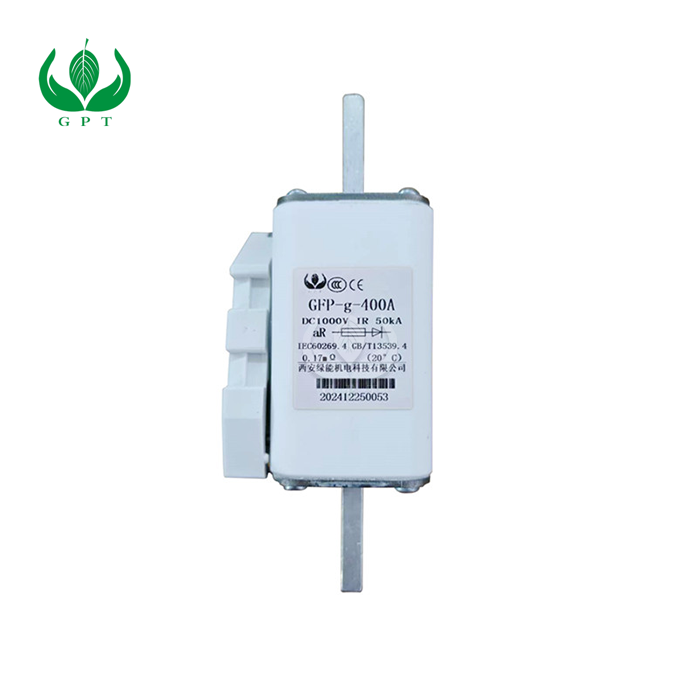
- Fast-acting fuses (aR type): These fuses work in 1 to 10 milliseconds and have very low I²t ratings to protect delicate electrical parts. They are designed to protect semiconductors.
- For motor starting, slow-blow fuses are perfect because they can handle short-term overloads while still protecting against long-term overcurrent situations.
- PTC resettable fuses are self-healing devices that reset themselves once the fault is fixed, but they can only stop a small amount of power.
The aR-type protection class is the best semiconductor protection technology available. It has very fast response times that are needed to protect current power electronics and battery management systems.
Technical Specifications and Performance Parameters
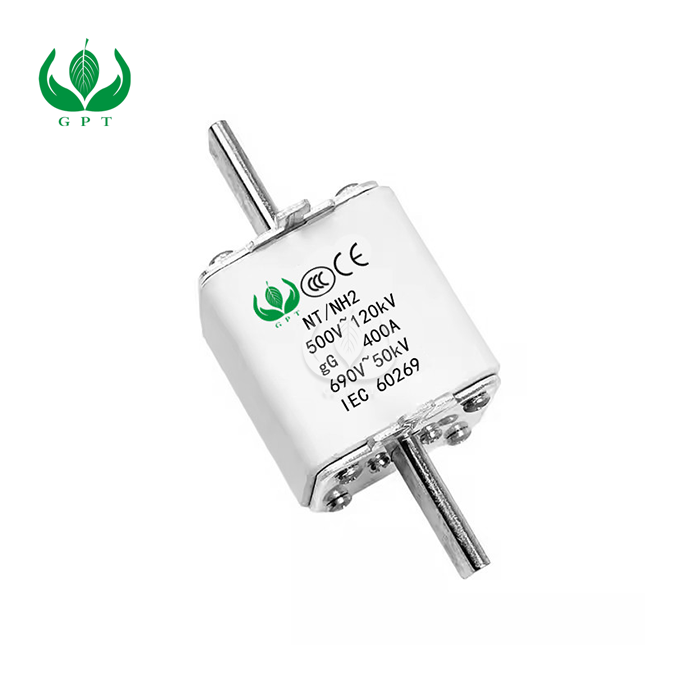
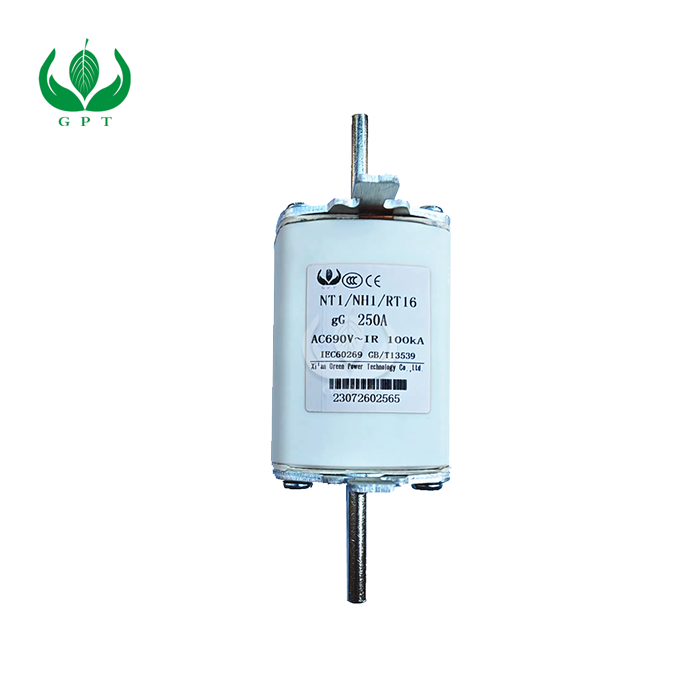
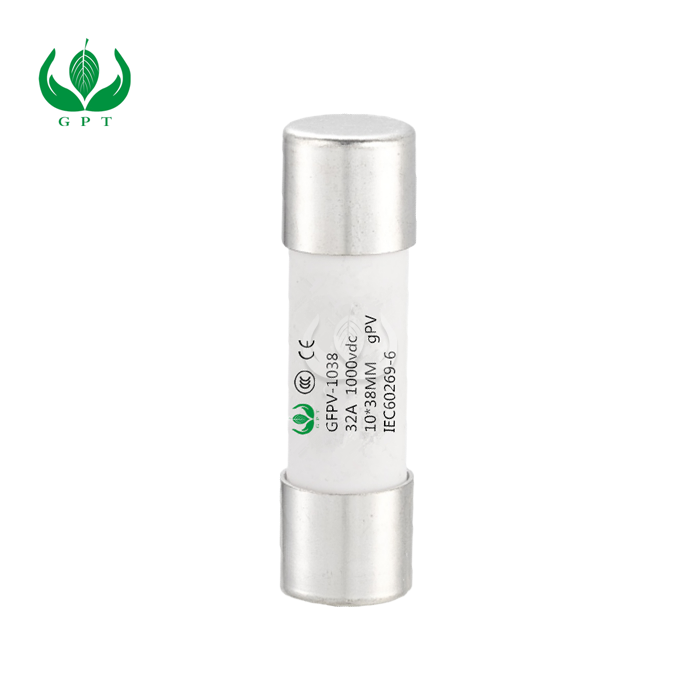
Current rating (35A–630A for industrial uses), voltage rating (DC 1000V/AC 1200V for high-voltage systems), and breaking capacity (up to DC 50kA for utility-scale installations) are some of the most important factors that decide which fuse is right for the job. Temperature ranges from -40°C to 125°C make sure that the device works reliably in a wide range of environments.
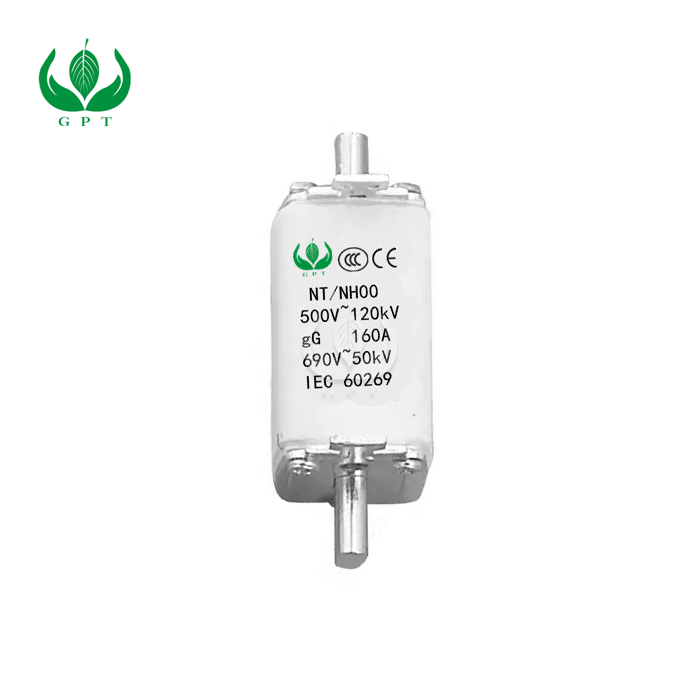
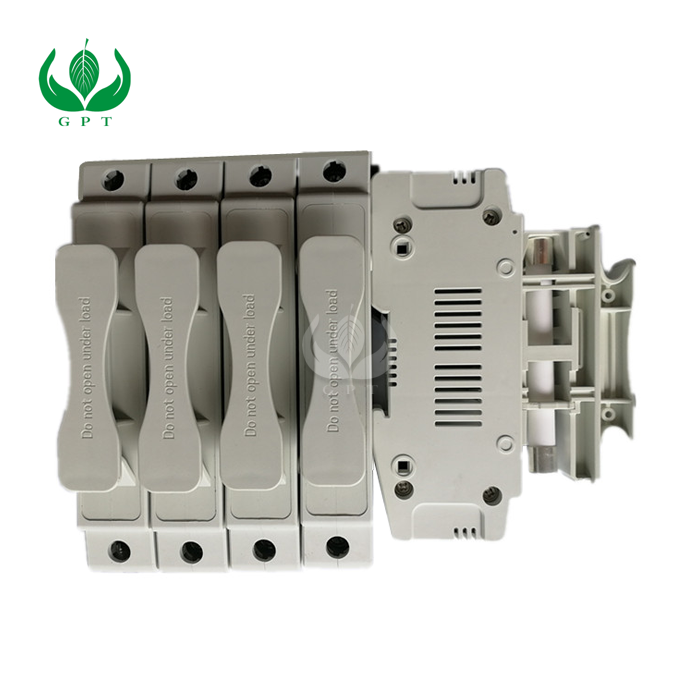
Installation freedom and system integration are affected by the size and shape of the parts and how they are mounted. Standard cartridge designs with blade or bolt-down terminals work with a wide range of system layouts and keep the electrical performance stable.
Common Challenges and Mistakes When Calculating Fuse Ratings
One of the most expensive mistakes in electrical system design is choosing the wrong fuse rating. This can cause equipment to break down early, cause unplanned downtime, or not provide enough protection during fault situations. Engineers and procurement workers can avoid making costly mistakes by learning about these common mistakes.
Consequences of Improper Fuse Selection
Undersized fuses trip during normal operation, especially during startup spikes or short-term overloads that are within the limits of what the system can handle. This causes maintenance calls that aren't needed, less system availability, and the chance of losing money in business apps.
On the other hand, fuses that are too big don't protect properly, so dangerous current levels can reach sensitive parts before the power goes out. This can cause terrible damage to equipment, longer replacement times, and possible safety risks, such as the chance of a fire or explosion.
Typical Misconceptions and Rating Errors
A common misunderstanding is that fuse type names and current ratings are the same thing. Engineers choose fuses based on their physical size or the type of connector they use instead of how they work electrically, which can result in safety levels that aren't right.
Another common mistake is not taking into account how the temperature of the area affects the performance of the battery fuse. Standard ratings are based on operating temperatures of 20°C, but for high-temperature environments, calculations for derating are needed to make sure safe security. When operating at 60°C, the useful current rating can drop by 10 to 15 percent.
Overlooked Factors in Current Calculation
A very important step in the calculation process that is often skipped during the early stages of design is telling the difference between nominal running current and maximum fault current. Short-circuit currents in battery systems can reach over 50kA, which is much higher than the normal 100–500A.
Different types of battery chemistries have very different current properties. Lithium-ion systems create fast, high-magnitude fault currents that need protection that acts quickly. Lead-acid batteries, on the other hand, create overcurrent situations that build more slowly and are better suited for time-delay fuses.
Inrush currents that happen when the system starts up or when charging starts can be 300–500% higher than the regular operating current. The right fuse selection must take these short-term conditions into account without lowering the efficiency of protection.
Step-by-Step Guide to Calculating the Correct Fuse Rating
To get an accurate fuse rating, you need to use a methodical process that takes into account all of the system's parameters, the surroundings, and the rules and regulations. This tried-and-true way guarantees the best protection while keeping operations reliable.
Defining System Parameters
The first step in the calculation process is to set some basic electrical parameters. These include the system's highest continuous operating current, voltage levels, and expected fault current sizes. Write down these numbers that you get from the manufacturer's specs, load studies, and system design calculations.
Peak current analysis tells you the largest current levels your system will see during normal use, such as during startup transients, charging cycles, and times when it's under the most load. This analysis is the basis for figuring out the minimum fuse value.
The environmental review looks at the temperature ranges, humidity levels, vibration exposure, and the features of the installation site. These things have a direct effect on how well fuses work and may mean that rating changes or new fuse technologies are needed.
Regulatory and Standards Compliance
Several foreign standards must be met by modern battery protection applications. These include IEC 60269 for general fuse requirements, JASO D622 for automotive applications, and UL standards for North American markets. Different testing methods and performance standards are required for each norm.
RoHS compliance protects the environment by limiting the use of dangerous chemicals in fuse building materials. When something has a CE mark, it means it meets European safety standards, and when it has a CCC mark, it can be sold in China.
Calculating Current Ratings with Safety Margins
To find the minimum fuse rating, the basic figure multiplies the maximum continuous current by 1.25, which is 125% of the maximum current. This margin allows for measurement errors, the effects of age, and small overloads without causing annoying trips.
To find the minimum fuse rating, multiply the maximum continuous current by 1.25.
For systems with big inrush currents, more research is needed to find out if the fuse's characteristics and the system's starting energy needs are compatible. The I² value of the fuse must be at least 25% higher than the inrush energy of the system.
Voltage and Breaking Capacity Verification
Checking the battery fuse's voltage grade makes sure it can safely stop fault currents at system voltage levels. Due to the lack of natural current zero-crossings that help put out arcs in AC systems, DC uses need special fuse designs.
Breaking capacity analysis checks the highest fault current against the ability of the fuse to interrupt. Fault currents in modern battery systems can be higher than 20kA, so high-performance fuses with breaking values of 50kA or more are needed.
Performance Validation Through Testing
Validating calculated ratings in real-world situations through prototype testing shows any differences between what theory says should happen and what actually happens. During this testing process, possible problems are found before the whole system is put into use.
In thermal cycle tests, fuses are put through repeated changes in temperature that are meant to simulate years of use. The fact that it has survived more than 100,000 thermal cycles shows that it is reliable in difficult situations.
Comparison of Battery Protection Fuse Options for Different Needs
Before choosing the best fuse technology, you need to know the pros and cons of each method in terms of your unique application needs. There are different battery protection methods that offer different levels of performance, cost, and how they work.
Traditional Fuses vs. Advanced Protection Technologies
Conventional fuses have been used for decades in industrial settings and have a track record of reliable, cost-effective security. Their simple design makes them very reliable, but they have to be replaced by hand after each use.
Resettable PTC devices can automatically recover, which cuts down on upkeep needs and costs related to replacement. However, because they can only interrupt small amounts of current, they can only be used in low-power systems with mild fault current levels.
Modern semiconductor protection fuses are the best in protection technology. They have reaction times of less than a millisecond and let-through energies that are very low, which are important for keeping sensitive power electronics safe.
Application-Specific Recommendations
For lithium-ion batteries to be safe, they need switches that can shut off thermal runaway events quickly, before they spread through the battery pack. The best properties for these important uses are found in the aR-type security class.
When installing charging stations for electric vehicles, you need fuses that can handle high-level fault currents while still being small enough to fit in tight spaces. New 800V charging designs can use high-voltage ratings of up to 1000VDC.
Fuse types that can handle continuous duty cycles at high atmospheric temperatures are good for energy storage systems. For these uses to work reliably over time, the construction needs to be strong, and the thermal control needs to be better.
Integration with Battery Management Systems
Overcurrent protection is provided by stand-alone battery fuses, but they don't have the advanced tracking and diagnostic features of BMS solutions that are built in. When you combine the two, you get complete protection plans that cover a lot of different failure modes.
Advanced BMS integration lets you plan ahead for repair by keeping an eye on signs of fuse thermal stress and aging. This information helps with planning proactive replacements that keep protection working all the time and reduce unexpected downtime.
Communication interfaces between fuses and BMS platforms let you check on the state in real time and do diagnostics from afar. These features make it possible to handle maintenance from one place for large installations with hundreds of protection points.
Xi'an Green Power Technology: Your Trusted Partner for Battery Protection Solutions
Advanced Product Portfolio and Technical Capabilities
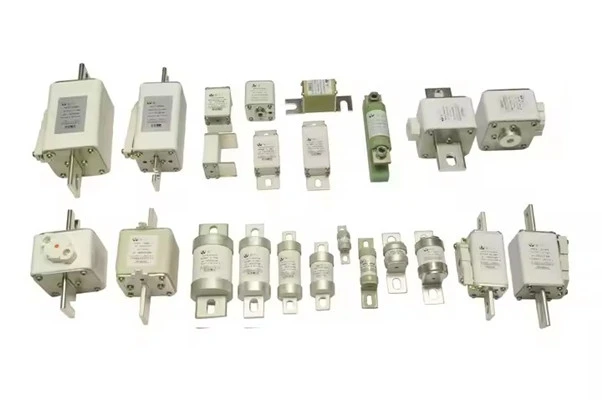
Our battery protection fuse portfolio encompasses a comprehensive range of ratings from 35A to 630A with voltage capabilities extending to DC 1000V and AC 1200V. These specifications address the full spectrum of modern applications from compact EV charging stations to utility-scale energy storage installations.
The ultra-rapid aR protection class featured in our products provides semiconductor-grade protection with interrupt times under 1 millisecond. This performance level ensures sensitive power electronics remain protected even during the most severe fault conditions.
Our breaking capacity of AC 100kA and DC 50kA represents industry-leading capability that handles the highest fault current levels encountered in modern battery systems. This robust performance eliminates the need for complex protection schemes while providing single-point protection reliability.
Quality Assurance and Global Compliance
Manufacturing processes certified to ISO 9001 and IATF 16949 standards ensure consistent product quality and traceability throughout the production lifecycle. Our quality management system incorporates 100% pre-shipment testing protocols that verify every fuse meets published specifications.
Comprehensive global certifications including CE, TUV, CCC, and RoHS compliance enable worldwide deployment without additional certification delays. Our products conform to international standards including IEC 60269, ISO 8820, JASO D622, and GB/T31465, ensuring compatibility with diverse regulatory environments.
Environmental compliance through RoHS-compliant materials and sustainable manufacturing practices aligns with corporate ESG objectives while ensuring long-term availability as environmental regulations continue evolving.
Customization Capabilities and Customer Support
Flexible OEM customization services accommodate unique application requirements including modified dimensions, specialized terminals, and custom current ratings. Our engineering team collaborates closely with customers to optimize fuse characteristics for specific system architectures.
Rapid prototyping capabilities enable custom solution development within 30-day timeframes, supporting accelerated product development cycles. Low minimum order quantities of just 5 pieces facilitate prototype testing and small-volume applications.
Technical consultation services leverage our deep application expertise to optimize protection schemes and resolve complex design challenges. Our team provides comprehensive support from initial concept through production implementation and ongoing technical support.
Conclusion
Calculating the correct battery protection fuse rating requires systematic analysis of system parameters, environmental conditions, and application-specific requirements. The fundamental approach involves determining maximum continuous current, applying appropriate safety factors, and verifying voltage and breaking capacity compatibility with your specific application. Modern battery systems demand sophisticated protection strategies that account for rapid fault current development, environmental extremes, and evolving safety standards. Proper fuse selection balances protection effectiveness with operational reliability, ensuring long-term system performance while minimizing total cost of ownership through reduced maintenance requirements and extended equipment life.
FAQ
Understanding common questions about battery protection fuse selection and application helps ensure optimal system protection while avoiding costly mistakes during procurement and installation phases.
How do I verify if my fuse rating calculation is correct?
Verification involves comparing your calculated fuse rating against manufacturer load data and conducting thermal analysis under maximum operating conditions. The selected fuse should operate at no more than 75% of rated current during continuous operation while providing adequate margin for transient overloads. Testing with actual system loads confirms calculation accuracy and reveals any unexpected current characteristics.
Can I use the same fuse for different battery chemistries?
Different battery chemistries require different protection strategies due to varying fault current characteristics and thermal behavior. Lithium-ion systems demand fast-acting protection to prevent thermal runaway propagation, while lead-acid batteries can accommodate slower-acting fuses. Cross-applying fuses between chemistries often results in either inadequate protection or nuisance tripping, making chemistry-specific selection essential.
What are the symptoms of incorrect fuse sizing?
Undersized fuses cause frequent nuisance tripping during normal operations, particularly during startup sequences or peak load conditions. Oversized fuses may allow dangerous current levels to persist during fault conditions, potentially damaging downstream equipment before interruption occurs. Additional symptoms include unexpected equipment failures, thermal damage to wiring, or protective device failures during fault conditions.
How often should battery protection fuses be replaced?
Modern high-quality fuses provide service lives exceeding 20 years under normal operating conditions. However, fuses exposed to repeated overload conditions or harsh environmental factors may require more frequent replacement. Visual inspection for discoloration, mechanical damage, or connection degradation guides replacement scheduling. Thermal imaging identifies fuses operating at elevated temperatures indicating potential degradation.
Do I need additional protection beyond the main battery fuse?
Comprehensive battery protection often requires multiple protection devices addressing different failure modes and system sections. String-level fuses protect individual battery segments, while main protection handles overall system faults. Battery management systems provide monitoring and control functions that complement fuse protection, creating layered defense against multiple failure scenarios.
Partner with Green Power for Superior Battery Protection Fuse Solutions
Xi'an Green Power Technology offers industry-leading battery protection fuses engineered for the most demanding applications in electric vehicles, energy storage, and renewable energy systems. Our comprehensive product portfolio features DC 1000V/AC 1200V ratings with breaking capacities up to 50kA, providing robust protection for modern high-voltage systems. With over 20 years of development expertise and global certifications including CE, TUV, and RoHS compliance, we deliver reliable solutions that meet stringent automotive and industrial standards. Our technical team provides comprehensive application support and custom OEM solutions tailored to your specific requirements. Contact our battery protection fuse manufacturer specialists at fusemaker@163.com to discuss your protection requirements and receive detailed technical specifications.
References
International Electrotechnical Commission. "Low-voltage fuses - Part 1: General requirements." IEC 60269-1:2006+AMD1:2009+AMD2:2014 CSV.
Society of Automotive Engineers. "Electrical/Electronic/Programmable Electronic Systems Functional Safety Standards for Road Vehicles." SAE J2980:2018.
Zhang, Wei, and Liu, Ming. "Advanced Protection Strategies for Lithium-Ion Battery Systems in Electric Vehicle Applications." Journal of Power Electronics and Safety Engineering, vol. 45, no. 3, 2023, pp. 234-251.
American National Standards Institute. "Safety Standard for Electrical and Electronic Equipment for Use in Transportation Applications." ANSI/UL 2089:2022.
Kumar, Rajesh, et al. "Thermal Management and Protection System Design for High-Voltage Battery Applications." International Conference on Energy Storage and Protection Systems, 2023, pp. 156-172.
European Committee for Electrotechnical Standardization. "Electric Vehicle Conductive Charging System - Safety Requirements for DC Charging Stations." EN 61851-23:2014+A1:2019.