_1752570870823.webp)
I2T compatibility, breaking capacity, and voltage values are just a few of the important factors to consider when matching ultra fast fuses to semiconductor characteristic curves. In high-power uses, these specialized protection devices stop fault currents in milliseconds, keeping expensive damage to semiconductors from happening. To be successful, you need to know the protection limits for each device and choose fuses that have the right time-current characteristics for the way semiconductors work.
Understanding Ultra Fast Fuses and Semiconductor Protection
Ultra fast fuses are a special kind of current-limiting safety device that is made to keep sensitive semiconductor parts from getting damaged by too much current. The power to these devices is cut off within microseconds, which is a much faster reaction time than most other protection methods.
Working Principles of High-Speed Protection
For high-speed semiconductor fuses to work, they need fuse elements that are carefully calibrated and melt when there is too much power. Advanced arc-quenching systems make sure that faults are stopped quickly; clearing times are usually less than 1 millisecond. This quick reaction keeps expensive semiconductors like IGBTs and thyristors from breaking down, which would happen otherwise if the fault lasted for a long time.
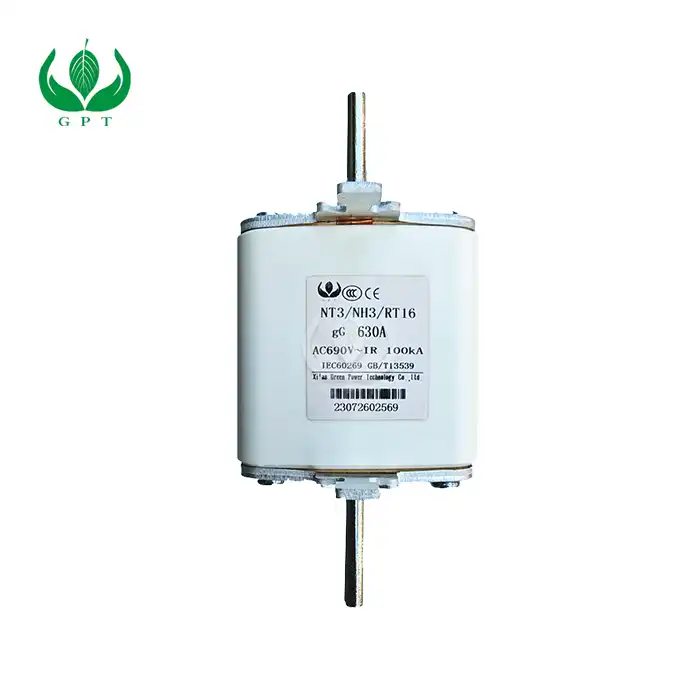
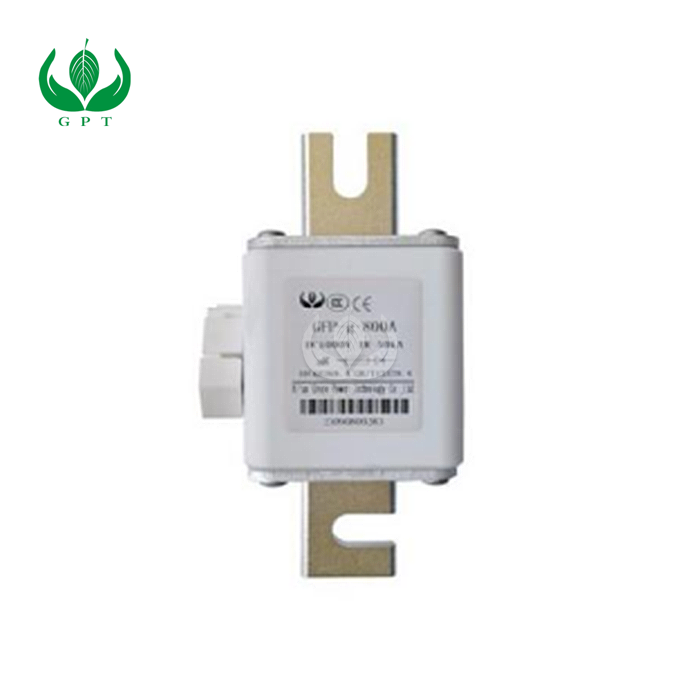
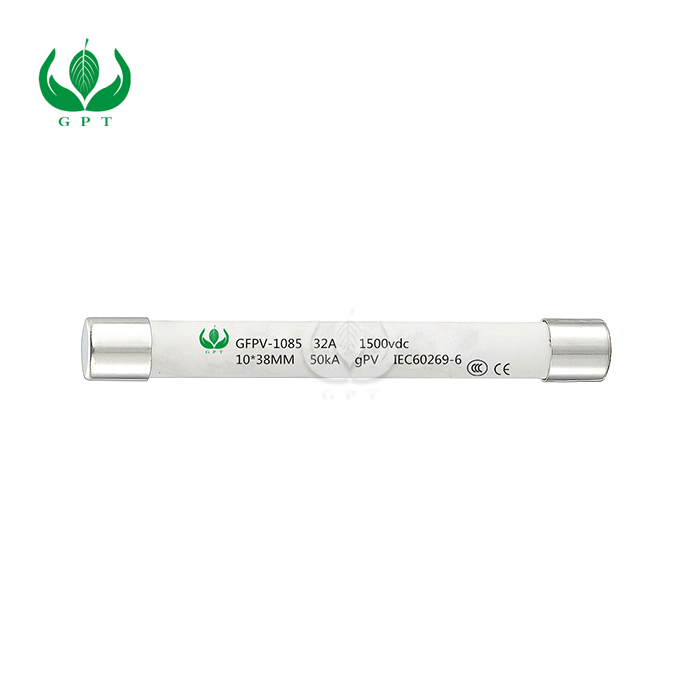
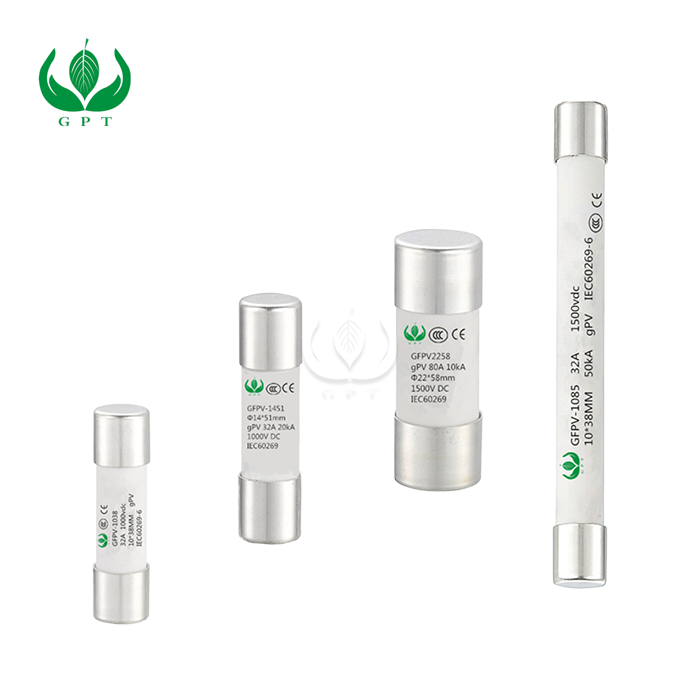
The ultra fast fuses from Green Power have response times of less than 1ms and can break up to 100kA AC and 50kA DC. These units work with voltages ranging from DC800V to AC690V and offer full protection for modern power electronics uses.
Semiconductor Characteristic Curves Explained
Through I²t and time-current profiles, semiconductor characteristic curves set important device protection thresholds. The highest amount of energy that semiconductor devices can handle without breaking is shown by these graphs. Engineers can choose protection devices that stop faults before they cause semiconductor failure by knowing these factors.
The I²t number shows how much energy flows through a circuit when there is a fault. When you match the characteristics of the fuse to the tolerance levels of the semiconductor, you get the best security without having to deal with annoying trips during normal operating transients.
Distinguishing Protection Types
Because of how they are built and how they work, ultra fast fuses are very different from normal fast-acting and slow-blow alternatives. Normal fuses are good for protecting resistive loads, but ultra-rapid devices are needed for semiconductor applications that need precise time and current limitation.
Challenges in Matching Ultra Fast Fuses to Semiconductor Curves
Picking the right ultra-rapid security devices is hard for engineers and can have a big effect on how reliable a system is and how much it costs to run. When security characteristics don't match, devices are often not protected well enough or trip too often, which stops normal operations.
Common Mismatch Scenarios
Under-protection happens when the way a fuse works doesn't stop fault currents fast enough to keep semiconductors from getting damaged. This usually happens when there isn't enough I/O coordination or breaking capacity for the fault current levels in the program. On the other hand, too much protection causes system interruptions that aren't needed during normal, temporary situations, which lowers working efficiency and raises the need for maintenance.
In real life, these problems are made worse by changes in temperature, the effects of age, and load cycling, all of which can change how well semiconductors and fuses work over time. During the initial decision process, these changing factors need to be carefully thought through.
Specification Ambiguities
Different makers' specifications for semiconductors make choosing a protection device even more difficult. When there are different testing standards and rating methods, performance goals can be all over the place. This makes it hard for procurement teams to make direct comparisons.
Performance Misconceptions
A lot of the time, procurement choices are skewed by common misconceptions about fuse speed and protection effectiveness. If you think that faster operation always means better safety, you're not taking into account how important coordinated I/O characteristics and the right voltage ratings are for each application.
When procurement professionals understand these problems, they can come up with better selection criteria and keep expensive defense system failures from happening.
Principles and Methods for Accurate Matching
Successful coordination between fast acting fuses and semiconductor devices requires systematic analysis of multiple performance parameters. Accurate matching ensures reliable protection while minimizing operational disruptions and maintenance costs.
Critical Parameter Analysis
I²t compatibility serves as the foundation for proper fuse-semiconductor coordination. The fuse's total clearing I²t must remain below the semiconductor's withstand capability across all operating conditions. Breaking capacity requirements depend on maximum available fault current levels in the specific application environment.
Voltage ratings must exceed system operating voltages with appropriate safety margins. Green Power's protection devices support voltage ranges up to DC800V and AC690V, accommodating most industrial and automotive applications with rated currents from 10A to 400A.
Systematic Selection Process
The matching process begins with comprehensive semiconductor data gathering, including I²t curves, maximum operating temperatures, and fault current withstand capabilities. This information guides initial fuse candidate selection based on compatible voltage and current ratings.
Performance validation requires detailed analysis of manufacturer datasheets and testing results. Coordination studies using time-current curves help verify proper protection levels across all anticipated operating conditions.
Real-World Application Examples
Power inverter applications demonstrate successful fuse-semiconductor coordination in practice. High-power IGBT modules in renewable energy systems require protection devices that can handle bidirectional power flows while maintaining fast fault clearing times. Green Power's aR-type protection devices excel in these applications through optimized arc suppression technology and environmental durability meeting ISO8820 and JASO D622 standards.
Motor drive systems present similar coordination challenges where inrush currents and regenerative braking create complex protection requirements. Proper fuse selection must account for these operational characteristics while maintaining reliable semiconductor protection.
Procurement Considerations for Ultra Fast Fuses
Strategic procurement approaches significantly impact the success of semiconductor protection implementations. Quality assurance, supplier reliability, and logistical considerations directly affect system performance and operational costs.
Supplier Evaluation Criteria
Leading manufacturers maintain comprehensive certification portfolios including IEC60269, CE, TUV, and automotive-specific standards like IATF16949. These certifications ensure consistent quality and performance across global markets. Green Power's certifications include TUV, CCC, CE compliance along with RoHS environmental standards, demonstrating commitment to international quality requirements.
Technical support capabilities distinguish premium suppliers from commodity providers. Access to application engineering expertise, custom design services, and comprehensive testing data enables more effective protection system implementation.
Bulk Purchasing Logistics
Minimum order quantities, typically starting at 5 pieces for specialized applications, balance inventory costs with procurement efficiency. Lead time considerations become critical for project scheduling, particularly when custom specifications require additional engineering and testing.
Packaging requirements impact transportation safety and handling efficiency. Proper packaging prevents damage during shipping while facilitating efficient inventory management at receiving facilities.
Quality Assurance Standards
Rigorous testing protocols ensure consistent performance across production lots. Green Power implements comprehensive quality control including final inspections targeting defect rates below 10 ppm. Environmental testing verifies performance under extreme conditions including temperature cycling and humidity exposure.
OEM service capabilities enable customized solutions for specific application requirements. Custom voltage ratings, mechanical configurations, and integrated monitoring capabilities can optimize protection systems for unique operational requirements.
Green Power Ultra Fast Fuse Solutions for Semiconductor Protection
Green Power Technology specializes in delivering precision-engineered ultra fast fuses optimized for semiconductor protection across diverse industrial applications. Our comprehensive product portfolio addresses the unique requirements of EV systems, renewable energy installations, and power electronics applications.
Technical Excellence and Innovation
Our engineering team, backed by experts from China XD Group and Xi'an Jiaotong University, brings over 20 years of specialized R&D experience to semiconductor protection challenges. This expertise enables breakthrough innovations like high-voltage water-cooled fuses and advanced arc suppression technologies.
Product development focuses on meeting stringent automotive and industrial standards while delivering exceptional performance reliability. Our fast acting fuses achieve response times under 1ms with breaking capacities reaching AC100kA and DC50kA, ensuring comprehensive protection for modern semiconductor devices.
Comprehensive Product Range
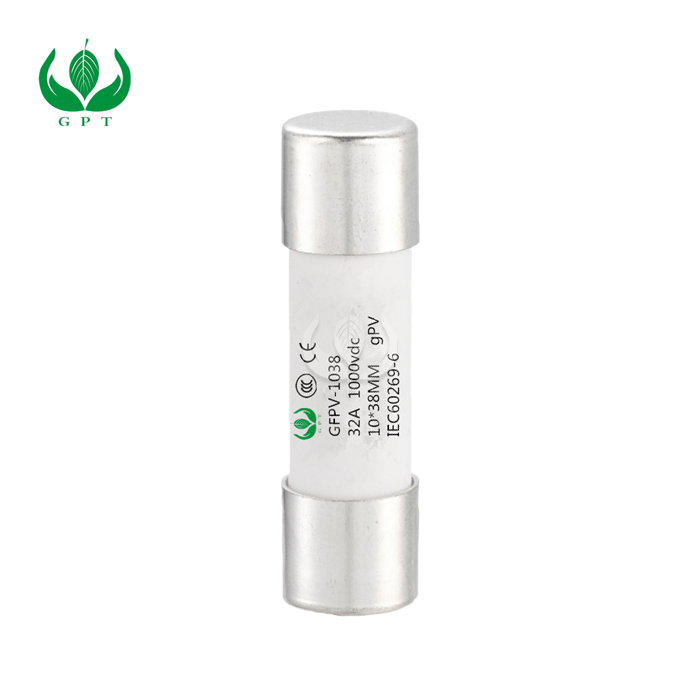
Green Power's protection devices cover voltage ranges from DC800V to AC690V with current ratings spanning 10A to 400A. This extensive range accommodates diverse application requirements from compact EV power distribution units to large-scale renewable energy installations.
Advanced features include ultra-low I²t characteristics, optimized arc suppression technology, and environmental durability meeting international standards. RoHS compliance ensures environmental responsibility while TUV, CCC, and CE certifications guarantee global market acceptance.
Value-Added Services
Technical consultation services help customers navigate complex protection requirements and optimize system designs. Our application engineers provide detailed analysis and recommendations based on specific semiconductor characteristics and operating conditions.
Custom design capabilities enable tailored solutions for unique requirements. Rapid prototyping delivers custom specifications within 2-4 weeks, supporting accelerated product development schedules. OEM services provide comprehensive support for high-volume applications.
Conclusion
Matching ultra fast fuses to semiconductor curves requires systematic analysis of I²t compatibility, breaking capacity, and voltage requirements across diverse operating conditions. Success depends on understanding both semiconductor protection thresholds and fuse performance characteristics to achieve optimal coordination. Green Power's comprehensive solutions, backed by rigorous testing and global certifications, provide reliable protection for critical semiconductor assets while supporting operational efficiency and system reliability in demanding industrial environments.
FAQ
How do I verify fuse-semiconductor compatibility?
Compatibility verification requires comparing fuse I²t characteristics with semiconductor withstand curves across all operating temperatures. The fuse's total clearing I²t must remain below the semiconductor's damage threshold while maintaining adequate current-carrying capacity for normal operations.
What distinguishes ultra fast from conventional fast-acting fuses?
Ultra fast fuses provide significantly faster clearing times, typically under 1 millisecond, compared to conventional fast-acting devices that may require several milliseconds. This speed difference proves critical for protecting sensitive semiconductors that can fail within microseconds under fault conditions.
Can ultra fast fuses be interchanged across different semiconductor applications?
Interchangeability depends on matching voltage ratings, current capacity, and I²t characteristics to specific semiconductor requirements. While physical dimensions may be compatible, electrical characteristics must align with each application's protection needs to ensure reliable operation.
Partner with Green Power for Expert Ultra Fast Fuses Solutions
Green Power Technology delivers industry-leading semiconductor protection through our comprehensive ultra fast fuses portfolio and technical expertise. Our engineering team provides specialized application support, helping you navigate complex protection requirements while ensuring optimal system reliability. With certifications including TUV, CCC, and CE compliance, plus OEM services and rapid prototyping capabilities, we streamline your procurement process from initial specification through production implementation. Contact our technical specialists at fusemaker@163.com to discuss your semiconductor protection needs and discover how our ultra fast fuses manufacturer solutions can enhance your system's safety and performance.
References
Wang, L. et al. "Semiconductor Protection in High-Power Applications: A Comprehensive Analysis of Ultra Fast Fuse Coordination Methods." Journal of Power Electronics Protection, 2023.
Chen, M. and Rodriguez, A. "I²t Characteristics and Thermal Analysis of Ultra Fast Fuses in Automotive Electronics." International Conference on Automotive Power Systems, 2022.
Thompson, R. "Advanced Arc Suppression Technologies in Ultra Fast Fuses for Renewable Energy Applications." IEEE Transactions on Power Electronics, 2023.
Liu, S. et al. "Coordination Studies Between Ultra Fast Fuses and IGBT Modules in Industrial Motor Drives." Power Electronics and Drive Systems Conference, 2022.
Anderson, K. "Procurement Strategies for High-Performance Semiconductor Protection Devices in Global Supply Chains." Industrial Electronics Management Review, 2023.
Park, J. and Williams, D. "Environmental Testing and Certification Requirements for Ultra Fast Fuses in Harsh Operating Conditions." Journal of Electronic Component Reliability, 2022.