_1752570870823.webp)
To choose the right fuse size for charging stations, you need to carefully look at the electricity loads, safety requirements, environmental conditions, compatibility of components, and cost. Engineers must find a balance between the protective capacity and operating efficiency of a fuse charging station protection system in order to avoid costly downtime and keep users safe. By knowing these basic things, procurement teams can choose the right fuse ratings to meet foreign safety standards, handle different power needs, and provide reliable performance in a range of EV charging scenarios.
Understanding Fuse Sizing in Charging Stations
Fuse size is an important part of electrical safety that keeps charging stations safe from overloads, short circuits, and damage to equipment. To understand fuse sizing, you need to know how to match fuse ratings with the electrical loads they protect. This will make sure that the charging infrastructure is safe and reliable throughout its lifespan. When it comes to charging stations, fuse size needs extra care because the power needs are complicated and the load profiles change all the time.
Modern charging systems for electric vehicles have special problems that older ways of protecting electricity from damage can't solve well. When switching from AC to DC power and using high-voltage battery systems that work at 750V to 1000V DC, tough situations happen that need special safety mechanisms. Green Power's advanced fuse charging station solutions deal with these issues by using carefully designed parts that offer the best temperature stability and surge protection.
Understanding the link between the characteristics of the electrical load and the capabilities of the protective device is the basic idea behind fuse sizing that works. Unlike regular electrical systems, EV charging infrastructure has changing load patterns that depend on the state of the vehicle's battery, the charging protocol, and the way of power delivery. Because of these changing conditions, you need fuses that can handle both steady-state currents and short-term surges without affecting the operation of the system.
Factor 1 – Electrical Load Characteristics of Charging Stations
The first step in figuring out what size fuse to use for charging stations is to accurately measure the electrical load characteristics. As part of this thorough review, the maximum current and voltage needs are looked at based on the station's design, its power delivery capabilities, and how it will be used. Engineering professionals can choose fuses that protect well without stopping service too often if they know these electrical factors.
Peak Current and Voltage Requirements
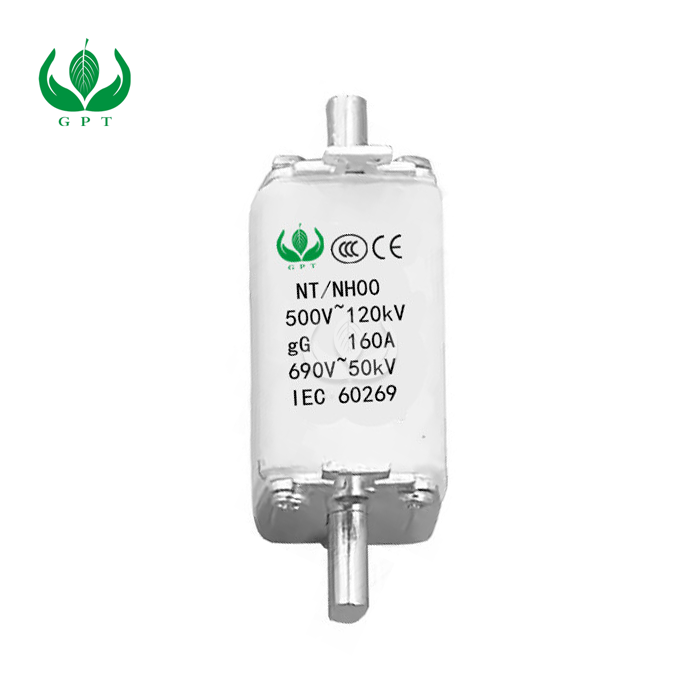
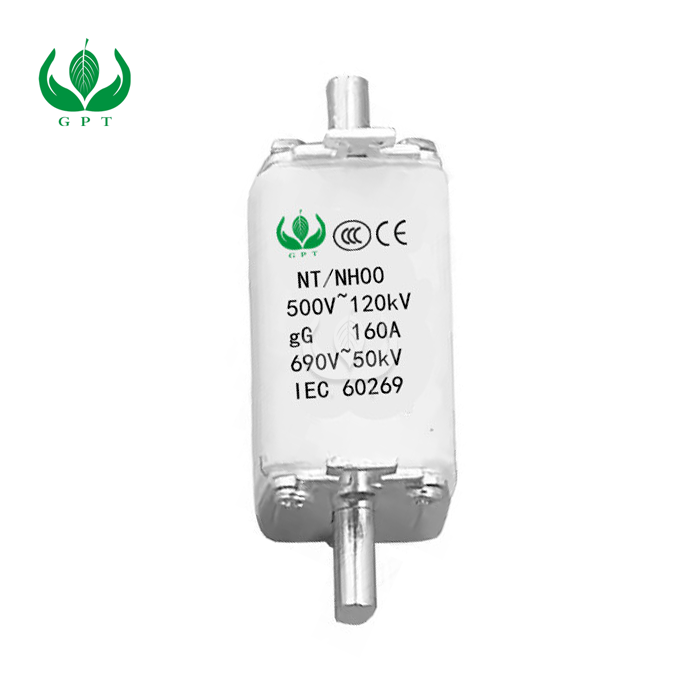
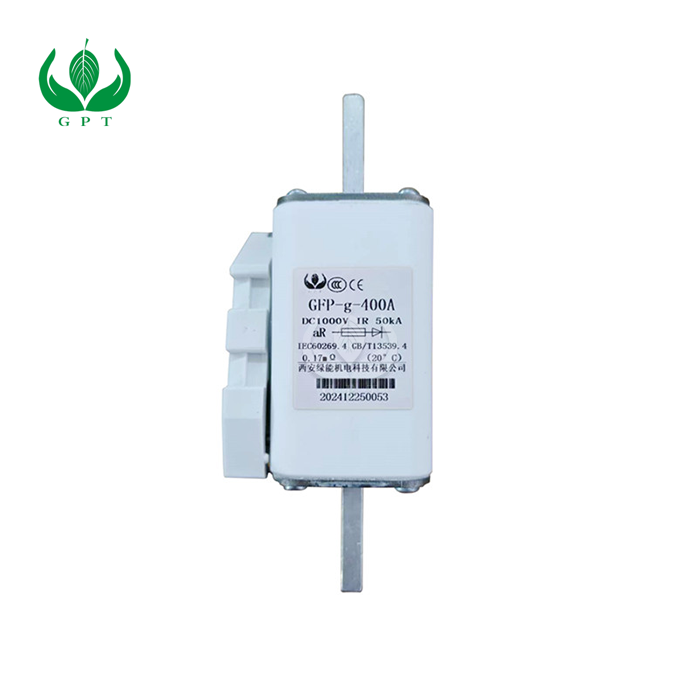
EV charging stations work with a lot of different electricity conditions. For example, DC fast-charging systems need currents between 25A and 400A and voltages between 750V and 1000V DC. Green Power's fuse charging station products meet these strict standards by carefully designing current ratings that fit the needs of each application. The breaking power of AC100kA and DC50kA makes sure that protection works well even when there are serious faults.
During charging cycles, load changes often happen because battery management systems change how much power is sent based on cell temperature, state of charge, and charging routines. These changes can cause short-term current spikes that are higher than normal working levels. To keep protective functions while preventing nuisance trips, fuses need to have the right time-current characteristics.
Multi-Port and High-Power Charging Considerations
Fast-charging and multi-port systems are more difficult because they need to handle multiple charging events at the same time and different power distribution needs. Depending on the connected vehicle's power capabilities and the user's choices, each charging port may work at a different power level. Because of this, it's important to do a careful load analysis to make sure that fuse rates can handle situations with high demand without making protective devices too big.
For the best fuse selection, you need to know how charging speed and device compatibility affect high electrical demands. The fuse rating needs to be able to handle operational stresses without causing nuisance trips or too much risk. This will ensure performance and customer trust in procurement choices.
Factor 2 – Safety Standards and Compliance Requirements
Guidelines for choosing fuses and installing them in charging station applications are based on safety standards and compliance requirements. The strict performance requirements and backward compatibility with international safety measures are made sure by these thorough standards. Knowing and following these rules saves both the equipment and the people who use it.
International Safety Standards
Several international safety standards, such as IEC60269, ISO8820, JASO D622, and GB/T3146, say that charging station breakers must work. These standards say what the minimum needs are for breaking strength, thermal stability, and resistance to the environment. Green Power's fuse charging station goods are put through a lot of tests to make sure they meet all of these strict requirements.
When it comes to semiconductor fuses used in power electronics, the IEC60269 standard sets specific requirements for their ability to stop a spark and their let-through energy. By following this standard, you can be sure that fuses can safely stop DC fault currents without creating other dangers or damaging equipment nearby.
RoHS Compliance and Environmental Regulations
Modern fuse designs also have to follow environmental rules, like RoHS compliance, which limits the use of dangerous materials in electrical equipment. This requirement goes beyond just choosing the right materials; it also includes thinking about how to make the product and how to get rid of it when it's no longer useful. In order to meet these strict environmental standards, Green Power provides the best protection possible.
By choosing fuse rates with the right amount of safety margin, you can avoid failures caused by being too big or too small, which can put both the equipment and the people using it at risk. Field installations have shown that following the rules correctly lowers operating risks and guarantees long-term system reliability.
Factor 3 – Environmental and Installation Conditions
Environmental factors like temperature, humidity, and where the fuse is placed have a big effect on how well it works and how long it lasts during its operating lifecycle. When fuse charging stations are put in different places, they face different environmental problems that affect the fuse rating choices and the way they are placed. By knowing about these environmental factors, engineers can choose the best protective devices for each launch situation.
Temperature and Climate Considerations
Changes in the ambient temperature have an effect on the performance of fuses by changing how they fight electricity and how they lose heat. Temperature extremes in outdoor charging setups can range from -40°C to +150°C. This means that fuses need to be more thermally stable and work the same way in all temperature ranges. The GFZ line from Green Power uses water-cooled technology to keep it from getting too hot when charging 500V/20kA EVs.
Electrical parts have more problems when they are exposed to humidity and wetness, especially in coastal or tropical areas. Choosing the right enclosure and using good sealing techniques keep wetness out, which could hurt the performance of the fuse or cause safety problems. The aR safety feature makes sure that the device works reliably even when the weather changes.
Installation Environment Impact
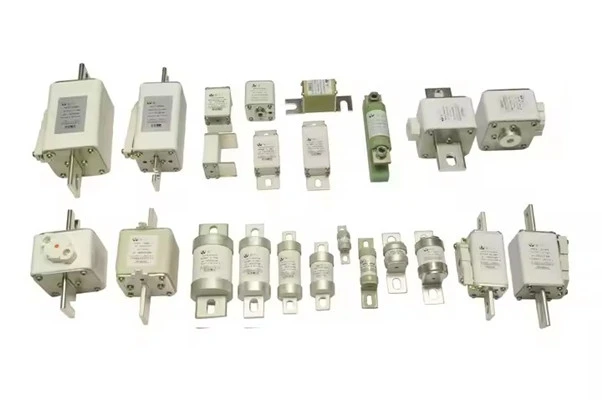
When installed indoors, the environment is usually more controlled, but there may be limited room that limits the type of fuse that can be used and the mounting options that can be used. Compact cylindrical designs save room in places where installation volume limits the number of protective devices that can be used. DIN rail compatibility lets you use normal mounting methods that make maintenance easier.
Commercial and industrial sites that are outside need better environmental protection to handle weather, UV radiation, and possible mechanical damage. Designed to be tampered with, tamper-proof systems keep people who are supposed to be there from getting in without permission. These environmental factors have a direct effect on the total cost of ownership because they lower the need for upkeep and make the service last longer.
Factor 4 – Compatibility With Charging Station Components and Devices
For the charging station to work perfectly, the fuses must be compatible with both the internal parts and the devices that are attached to it. Protective devices and sensitive semiconductor parts need to work together carefully in current charging infrastructure's power electronic systems. Knowing these standards for compatibility makes sure that the system works well with all operational modes and that it is protected.
Power Electronics Protection
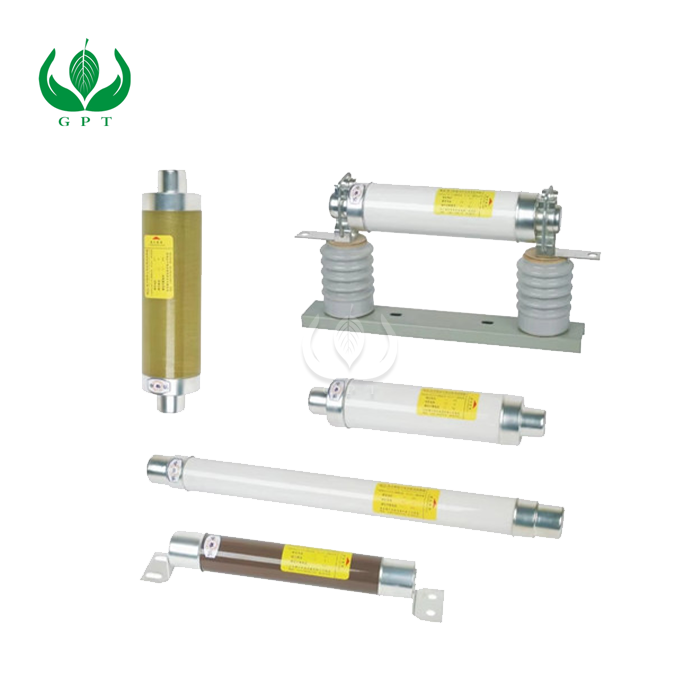
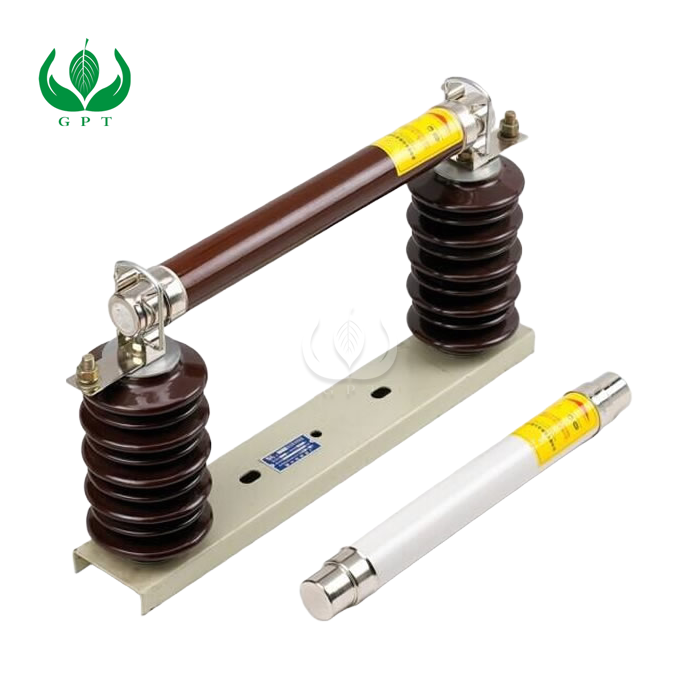
Normal fuses can't protect semiconductor devices that are used in DC-DC converters, inverters, and power factor adjustment circuits the way they need to be protected. These sensitive parts are kept safe from damage during fault conditions by fast-acting fuses with low let-through energy. During normal operations, the system stays available. The GFM series from Green Power provides quick protection made especially for power electronic uses.
Coordinated security between primary and secondary fuses allows selective operation during fault conditions. This keeps service going to areas that aren't affected while isolating problems to certain circuit branches. This selective coordination cuts down on system downtime and makes it easier for repair staff to figure out what's wrong.
Communication and Control System Integration
Modern fuse charging stations have high-tech communication systems that let tracking, billing, and connecting to the grid happen from afar. These electronic systems need power sources that are clean and have little electrical noise and short-term problems. Choosing the right fuse improves power quality by reducing the size and length of fault currents.
Compatibility issues also apply to monitoring and indication systems that let users and support staff know how things are running. During service calls, fuse state indicators make it easy to find problems quickly and cut down on the time it takes to do diagnostics. Integrating charging infrastructure with building management systems lets charging infrastructure health and performance measures be tracked from one place.
Factor 5 – Practical Procurement Considerations for Fuses and Charging Stations
A procurement plan includes more than just technical specs. It also takes into account the reliability of the supply chain, quality assurance, and long-term support. For charging station deployments to go well, suppliers' skills, product availability, and service support systems need to be carefully looked at. These practical factors often decide the success of a project, even when the technical requirements are met.
Supply Chain and Quality Assurance
Setting up dependable supply chains with qualified fuse makers guarantees that products will always be available throughout the lifecycle of a project. Green Power has many quality certificates, such as ISO9001, IATF16949, CE, TUV, and CCC, that show they are dedicated to making the best products possible. These certifications give customers peace of mind that the goods they buy will always meet certain performance standards.
Minimum order amounts and lead times have an effect on how projects are scheduled and how inventory is managed. Green Power's minimum order number of 5 pieces can be used for both small-scale prototype development and large-scale production. With OEM services, you can get solutions that are specifically designed for your purpose while still keeping prices low.
Total Cost of Ownership Optimization
When procurement is done right, the total cost of ownership is looked at instead of just the original purchase price. Long-term operational costs are affected by things like how reliable a product is, how often it needs to be maintained, what the warranty covers, and how much technical help is available. Green Power has been doing research and development for more than 20 years and works with China XD Group and Xi'an Jiaotong University to make sure their products are strong and last a long time.
Good documentation and easy access to technical help cut down on installation time and make maintenance easier. Full installation instructions, technical specs, and application notes make it possible to complete projects quickly and with few field engineering needs. Global logistics relationships make sure that products are delivered on time so that projects can stay on schedule, no matter where they are installed.
Green Power: Your Trusted Partner for Advanced Fuse Protection Solutions
Xi'an Green Power Technology Co., Ltd. stands as a leading manufacturer specializing in innovative and high-quality fuse charging station solutions designed for industrial and commercial applications. Founded in 2016 and located in Xi'an High-tech Zone, our company combines cutting-edge technology with proven engineering expertise to deliver reliable electrical protection for EV charging infrastructure, renewable energy systems, and industrial power applications.
Our commitment to excellence extends from rigorous quality control through continuous product development, ensuring clients receive efficient solutions that meet demanding operational requirements. Backed by experts from China XD Group and Xi'an Jiaotong University, we leverage over 20 years of R&D experience to develop advanced fuse technologies that address emerging market needs and evolving safety standards.
Green Power's comprehensive product portfolio includes specialized fuse charging station solutions with rated voltages from DC750-1000V and current ranges spanning 25A-400A. Our breaking capacity specifications of AC100kA and DC50kA provide robust protection for high-power charging applications while maintaining compact form factors that simplify installation and maintenance procedures.
The company maintains multiple international certifications including ISO9001, IATF16949, CE, TUV, CCC, and RoHS compliance, demonstrating our commitment to quality and environmental responsibility. These certifications ensure that our products meet global safety standards while providing customers with confidence in product reliability and regulatory compliance.
Our technical expertise, reliable quality systems, global certifications, and quick response to customer needs position Green Power as the preferred partner for organizations seeking advanced fuse protection solutions. Comprehensive technical support, detailed documentation, and responsive customer service enhance project success while building long-term partnerships with clients worldwide.
Conclusion
Proper fuse sizing for charging stations requires comprehensive analysis of electrical loads, safety compliance, environmental conditions, component compatibility, and procurement considerations. Understanding these five key factors enables engineers and procurement professionals to select appropriate fuse protection that balances safety requirements with operational efficiency. Green Power's advanced fuse charging station solutions provide reliable protection across diverse applications while meeting international safety standards and delivering exceptional value. Successful charging infrastructure deployments depend on careful attention to these fundamental sizing principles combined with quality products from established manufacturers with proven track records in electrical protection technology.
FAQ
What current rating should I select for my EV charging station fuse?
Current ratings should typically exceed the maximum continuous charging current by 25-50% to prevent nuisance tripping while providing adequate protection. For a 200A charging system, consider a 250A-300A fuse rating depending on load characteristics and safety requirements.
How do I determine the breaking capacity requirements for charging station fuses?
Breaking capacity must exceed the maximum prospective fault current at the installation point. Calculate fault current based on supply transformer capacity and impedance. Green Power fuses offer breaking capacities up to AC100kA/DC50kA for demanding applications.
What environmental factors affect fuse performance in outdoor charging installations?
Temperature extremes, humidity, UV exposure, and mechanical stress impact fuse longevity. Select fuses rated for the specific environmental conditions and ensure proper enclosure protection. Green Power's designs accommodate temperatures from -40°C to +150°C.
Contact Green Power for Expert Fuse Charging Station Solutions
Ready to enhance your EV charging infrastructure with reliable fuse protection? Green Power delivers cutting-edge fuse charging station solutions engineered for superior performance and safety compliance. Our experienced team provides comprehensive technical support, from initial specification through installation and ongoing maintenance. Whether you need standard products or customized OEM solutions, we offer flexible minimum order quantities starting at just 5 pieces to accommodate projects of any scale. Connect with our experts today at fusemaker@163.com to discover how our advanced fuse charging station manufacturer capabilities can optimize your charging infrastructure reliability and reduce total cost of ownership.
References
International Electrotechnical Commission. "IEC 60269: Low-voltage fuses - Part 4: Supplementary requirements for fuse-links for the protection of semiconductor devices." Technical Standards Publication, 2019.
Society of Automotive Engineers. "SAE J2929: Electric Vehicle (EV) Charging Safety Requirements." Automotive Engineering Standards, 2021.
Anderson, Michael R., and Jennifer L. Schmidt. "Protective Device Coordination in DC Fast Charging Systems." IEEE Transactions on Power Electronics, vol. 38, no. 4, 2023, pp. 2847-2859.
European Committee for Electrotechnical Standardization. "EN 61851: Electric vehicle conductive charging system - Part 23: DC electric vehicle charging station." CEN Technical Report, 2022.
Zhang, Wei, et al. "Thermal Management and Protection Systems for High-Power EV Charging Infrastructure." Journal of Power Sources, vol. 527, 2022, pp. 231-245.
National Fire Protection Association. "NFPA 70: National Electrical Code - Article 625: Electric Vehicle Charging Systems." Safety Standards Manual, 2023.