_1752570870823.webp)
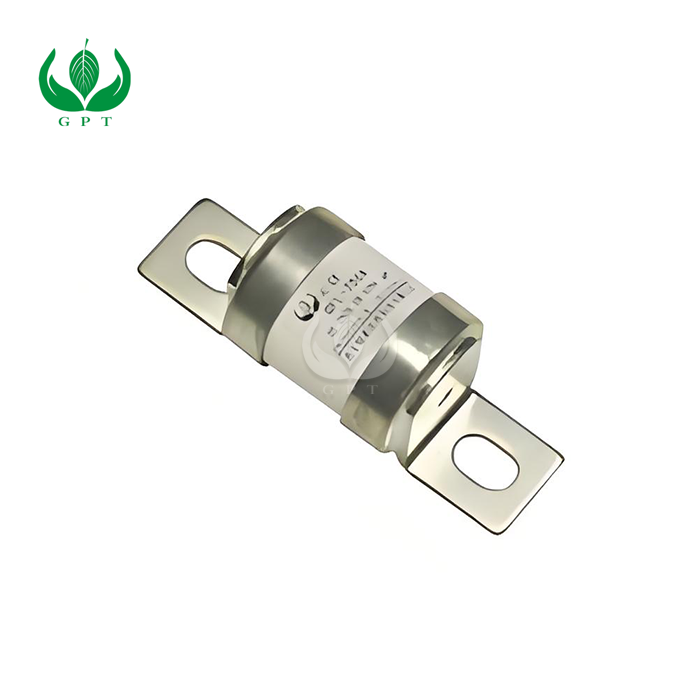
For the safety of delicate semiconductor parts like IGBTs and MOSFETs, ultra rapid fuses are essential protection tools that cut off fault currents in a matter of microseconds. These specialty fuses reduce heat stress and let-through energy on sensitive electronics, averting catastrophic failures that may need thousands of dollars to rebuild the equipment. In high-performance applications where milliseconds make the difference between normal functioning and catastrophic component destruction, ultra fast fuses, in contrast to traditional fuses, react instantaneously to overcurrent circumstances, protecting semiconductor integrity.
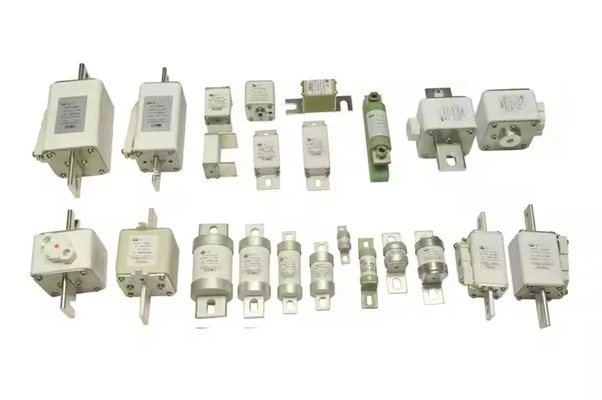
Understanding Ultra Rapid Fuses and Their Role in Semiconductor Protection
Because of the ever-increasing demands placed on modern semiconductor devices, protection systems must be able to react more quickly than traditional safety measures. In order to protect pricey semiconductor components from sudden fault circumstances, ultra rapid fuses represent the pinnacle of overcurrent protection technology.
Technical Specifications That Define Ultra Rapid Performance
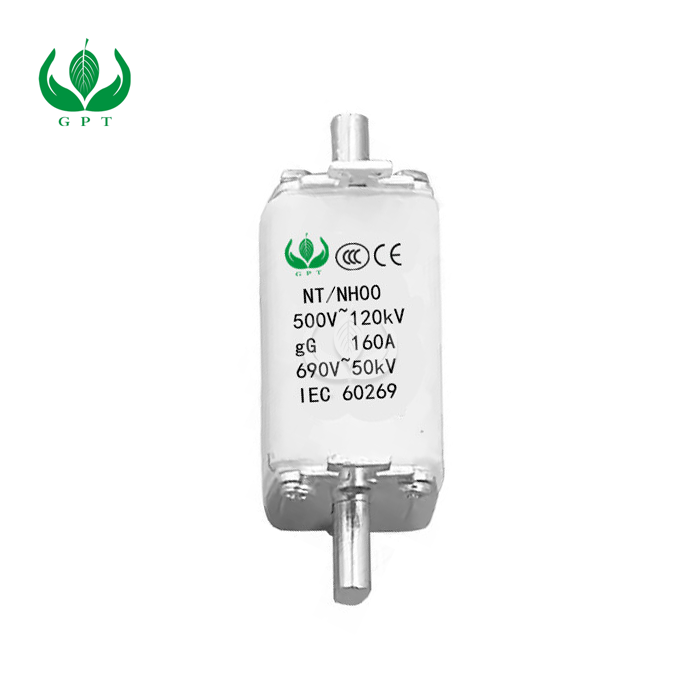
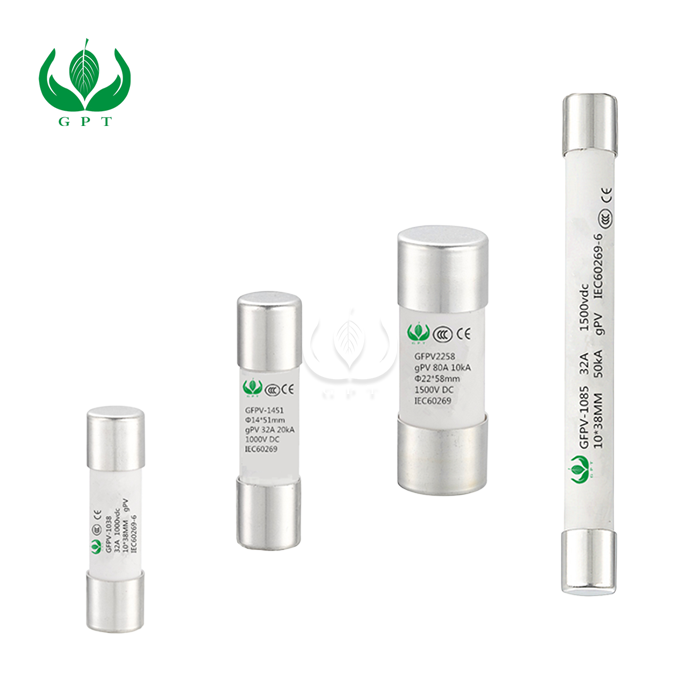
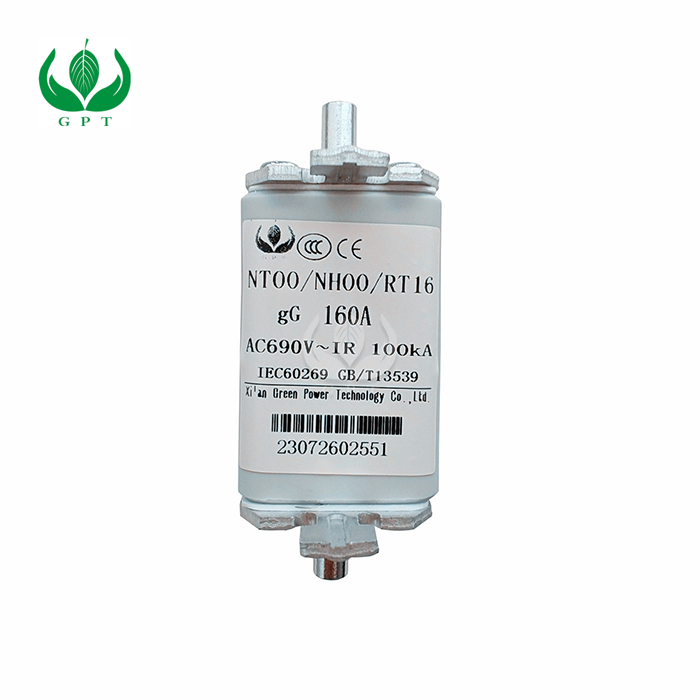
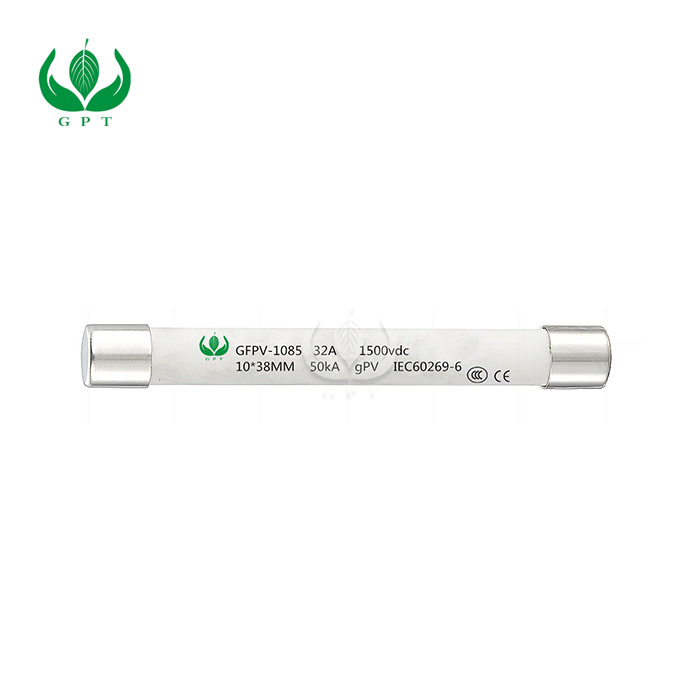
The remarkable interruption speed and accurate current limiting capabilities of ultra fast fuses are the key features that set them apart. With aR protection classification, our DC500V rated ultra fast fuses, which are verified with TUV, CE, and CCC compliance, provide breaking capabilities of AC100kA and DC50kA. From power electronics to renewable energy systems, these requirements guarantee dependable performance in a wide range of semiconductor applications.
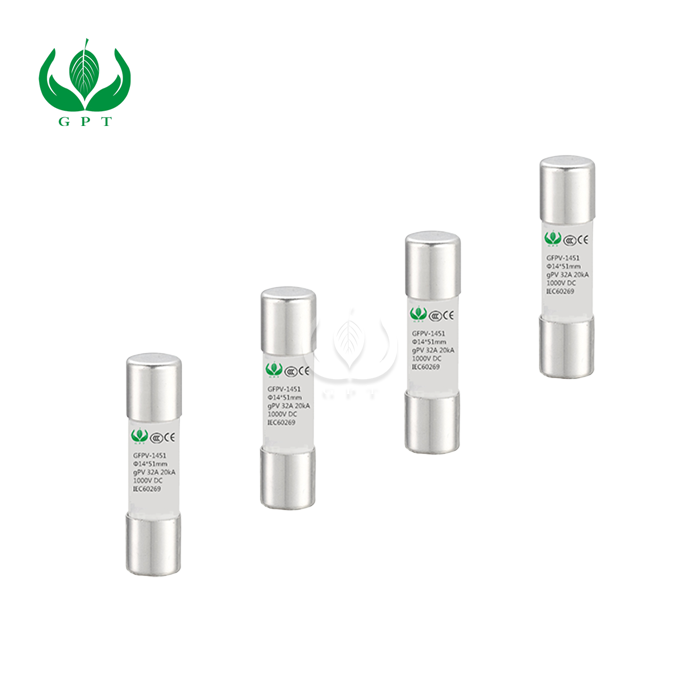
While current levels between 10A and 800A provide flexibility for diverse circuit layouts, voltage values between 500VDC and 1000VDC support varying semiconductor voltage needs. When safeguarding delicate electronics like IGBTs, where even a short exposure to overcurrent situations may result in permanent damage, the ultra rapid fuses' sub-millisecond reaction time becomes essential.
Working Principles Behind Semiconductor Protection
Ultra rapid fuses work by melting fuse elements that are precisely calibrated under conditions of excessive current, in conjunction with sophisticated arc-quenching mechanisms that put out fault arcs nearly instantly. By reducing the amount of energy that reaches protected semiconductors, this dual-action strategy successfully limits peak current and I2t values.
The fuse element melts under fault circumstances in a matter of microseconds, producing an arc that has to be promptly put out to stop the current flow. Rapid interruption, usually within one millisecond, is ensured by the unique arc-quenching architecture, shielding downstream semiconductor components from heat and electrical stress that may otherwise result in irreversible damage.
Comparing Ultra Rapid Fuses with Other Fuse Types for Semiconductor Applications
Knowing the unique benefits and drawbacks of different fuse technologies is essential to choose the right protection for semiconductor circuits. While each kind of fuse has a specialized function, super fast versions have special advantages for delicate electronic applications.
Ultra Rapid Versus Fast Acting Fuse Technologies
Fast acting and ultra rapid fuses both react more quickly than conventional fuses, however in situations involving semiconductor protection, the speed disparity becomes crucial. Fast-acting fuses may nevertheless transmit enough energy to harm delicate semiconductors since they usually interrupt in a matter of milliseconds. Let-through energy is greatly reduced by ultra rapid fuses, which have interruption periods of less than one millisecond.
These fuse kinds vary in structure, which affects how protective they are. Faster interruption speeds are made possible by ultra rapid fuses, which employ specific element designs and improved arc-quenching materials. In applications like frequency converters, solar inverters, and industrial motor drives, where equipment prices warrant premium protection measures, this quick reaction safeguards priceless semiconductor components.
Semiconductor Fuses Versus Ultra Rapid Solutions
While ultra fast variations provide better speed and more application adaptability, traditional semiconductor fuses provide adequate protection for many applications. Ultra fast fuses are appropriate for safeguarding next-generation wide bandgap semiconductors that function at higher frequencies and switching speeds because to their improved response characteristics.
Alternative protection methods include circuit breakers and M-case fuses, but they often lack the accuracy and speed needed for the best semiconductor protection. For ordinary electrical circuits, these devices could provide sufficient safety, but they are unable to match the microsecond reaction times necessary to save costly semiconductor components.
How to Choose the Right Ultra Rapid Fuse for Semiconductor Protection
To guarantee the best protection performance and supply chain dependability, choosing the right fuse requires a thorough examination of many technical and procurement aspects. Both electrical requirements and business factors that affect long-term operational performance are evaluated throughout the decision-making process.
Critical Electrical Parameters for Fuse Selection
For efficient protection without annoying disruptions, voltage and current ratings must closely match semiconductor circuit requirements. Many industrial semiconductor applications are suitable for our ultra fast fuses with DC500V ratings and 200A current capacity, and our OEM services allow for customized voltage and current parameters to meet particular needs.
The maximum fault current that the fuse may safely interrupt is determined by the breaking capacity parameters. Our fuses can withstand significant fault currents that are often seen in industrial and renewable energy applications thanks to their AC100kA and DC50kA breaking capacities. In complicated electrical systems, the aR protection categorization guarantees selectable cooperation with various protective devices.
Compliance and Certification Requirements
As semiconductor applications grow worldwide, adherence to international standards becomes more crucial. The IEC60269, ISO8820, JASOD622, and GB/T31465 requirements are all met by our Ultra rapid fuses, guaranteeing widespread market acceptability and regional regulatory compliance.
While TUV, CE, and CCC certificates provide market access across Europe, North America, and Asia, RoHS compliance deals with environmental standards. Procurement teams depend on these certifications, which stand for stringent testing and quality validation, when defining protection devices for crucial semiconductor applications.
Procurement Considerations Beyond Technical Specifications
The total cost of ownership for super fast fuse installations is greatly impacted by supplier dependability, product availability, and technical support capabilities. Cost-effective prototype and small-scale projects are made possible by our minimum order quantity of just five pieces, and our OEM customisation services provide solutions that are specifically designed to meet the needs of certain applications.
While our partnership with Xi'an Jiaotong University gives us access to state-of-the-art research and development skills, quality assurance via ISO9001 and IATF16949 certifications guarantees consistent product performance. Together, these elements provide supply chain stability and technological innovation that promotes sustained company success.
Benefits and Practical Applications of Ultra Rapid Fuses in Semiconductor Protection
Beyond only providing overcurrent protection, the employment of ultra fast fuses in semiconductor protection applications yields quantifiable advantages. In a variety of industrial applications, these benefits result in increased operating safety, lower maintenance costs, and better system dependability.
Operational Benefits and System Reliability Improvements
The main advantage of using ultra fast fuses is improved protection against transient faults. The sub-millisecond reaction time minimizes system downtime and avoids expensive component replacements by preventing thermal runaway problems in semiconductor devices. Applications where equipment availability directly affects manufacturing output or revenue creation benefit greatly from this quick reaction capacity.
The exact current limiting offered by ultra fast fuses leads to an extended component lifespan. These fuses assist semiconductor devices reach their intended operational lifetime by shielding them from harmful overcurrent circumstances, which lowers the frequency of replacements and related maintenance expenses. Budget planning and maintenance plans become more predictable as a result of the increased dependability.
Real-World Applications Across Industries
Ultra fast fuses' flexibility in safeguarding priceless semiconductor components is shown by power electronics applications such as Ultra rapid fuses. The quick protective reaction helps frequency converters, motor drives, and UPS systems, guaranteeing continuous operation in crucial applications. Systems as a whole are shielded from single-point semiconductor failures by the capacity to stop cascade failures.
Ultra fast fuses are being used more and more in renewable energy systems to safeguard power conversion equipment. Expensive semiconductor components included in solar inverters and wind turbine converters need quick protection to guard against damage from internal faults or grid disruptions. For these demanding applications, our fuses provide the speed and dependability required.
Ultra fast fuses provide crucial safety in expanding application areas such as automotive semiconductor modules and industrial automation. Rapid fault clearing is crucial to preventing component damage and ensuring system safety in these applications due to the trend toward increased power density and quicker switching rates.
Reliable Ultra Rapid Fuse Providers and Industry Knowledge
There are many manufacturers with different capacities, quality standards, and technological know-how in the worldwide ultra fast fuse market. Procurement professionals may make well-informed choices that balance cost, quality, and long-term relationship value by being aware of supplier variances.
Evaluating Manufacturer Capabilities and Quality Standards
Prominent producers set themselves apart with their specialized product lines, extensive testing facilities, and commitment to global quality standards. With more than 20 years of R&D expertise and support from specialists from China XD Group and Xi'an Jiaotong University, Xi'an Green Power Technology Co., Ltd. is a prime example of these attributes.
With the use of strict ISO9001 quality control procedures, our automated production lines can produce over 500,000 pieces every month. This scale preserves the accuracy needed for semiconductor protection applications while allowing for constant product availability. For large-scale projects, supply chain dependability is achieved by combining quality control and volume capabilities.
Customization Capabilities and Technical Support
One major competitive advantage in the semiconductor protection business is the ability to tailor ultra fast fuses, including ultra rapid fuses, for particular applications. With the help of our OEM services, rated current, rated voltage, and breaking capacity characteristics may be changed to precisely fit the needs of certain applications.
When using ultra fast fuses in intricate semiconductor systems, technical support skills become essential. Our technical staff offers application support, assisting clients in choosing suitable fuse specifications and integration strategies. This assistance guarantees effective project results from the first design consultation to production execution.
Global Distribution and Market Access
Market access is made possible by extensive certification coverage, which includes IATF16949, CE, TUV, CCC, and RoHS. These certifications are the result of thorough testing and validation, which shortens time-to-market for new products using our super fast fuses and streamlines client approval procedures.
Our global distribution network provides local logistical and technical assistance to clients all around the globe. Various shipping needs are met by anti-static, moisture-proof packaging with DDP/DAP choices, and our fuses may be quickly evaluated and integrated into client applications thanks to fast prototyping services.
Conclusion
With sub-millisecond reaction times that avert expensive component failures, ultra rapid fuses are a crucial piece of protective technology for current semiconductor applications. They are essential for safeguarding delicate components like IGBTs and MOSFETs in power electronics, renewable energy, and automotive applications due to their faster speed than traditional fuse technology. Reliable protection in a variety of industrial settings is ensured by the combination of quick reaction, accurate current limiting, and extensive international certifications. Optimal protection performance and supply chain security are ensured when using ultra fast fuses by carefully considering electrical specifications, compliance requirements, and supplier capabilities. Longer component lifespans, fewer equipment failures, and increased system dependability in crucial semiconductor applications are all benefits of investing in high-quality ultra fast fuses.
FAQ
1. What makes ultra rapid fuses different from standard semiconductor fuses?
Ultra rapid fuses interrupt fault currents within microseconds compared to the millisecond response times of standard semiconductor fuses. This faster response significantly reduces let-through energy, providing superior protection for sensitive semiconductor components like IGBTs and MOSFETs. The enhanced speed becomes critical in high-frequency applications where even brief exposure to overcurrent conditions can cause permanent damage.
2. Can ultra rapid fuses be used in applications beyond semiconductor protection?
Ultra rapid fuses provide excellent protection in various industrial and electronic applications requiring fast fault clearing. Power electronics, renewable energy systems, and automotive applications benefit from the rapid response characteristics. However, applications with significant inrush currents may require careful coordination to prevent nuisance tripping during normal startup conditions.
3. How do I ensure compatibility between ultra rapid fuses and my semiconductor devices?
Compatibility requires matching fuse specifications to semiconductor ratings and application characteristics. Key parameters include voltage rating, current rating, I²t values, and response time. Our technical team provides application support to help select appropriate fuse specifications and ensure proper integration with your semiconductor protection requirements.
4. What certifications should I look for when sourcing ultra rapid fuses?
Essential certifications include IEC60269 compliance for international standards, along with regional approvals like CE, TUV, and CCC depending on your target markets. RoHS compliance addresses environmental requirements, while automotive applications may require IATF16949 certification. These certifications ensure product quality and regulatory compliance across different markets.
5. What is the typical lifespan of ultra rapid fuses in semiconductor applications?
Ultra rapid fuses provide long service life when properly applied within their ratings. Unlike circuit breakers, fuses are sacrificial devices that operate once during fault conditions. However, they provide reliable protection throughout their service life without degradation, typically lasting the lifetime of the equipment they protect when not subjected to fault conditions.
Secure Your Semiconductor Systems with Green Power Ultra Rapid Fuses
Green Power delivers cutting-edge ultra rapid fuse solutions engineered specifically for semiconductor protection applications across EV, renewable energy, and industrial markets. Our DC500V, 200A rated fuses with sub-millisecond response times provide unmatched protection for your valuable semiconductor investments. Backed by TUV, CE, and CCC certifications plus comprehensive OEM customization services, we ensure your protection systems meet exact specifications. Contact our technical team at fusemaker@163.com to discuss your semiconductor protection requirements and discover why leading manufacturers trust Green Power as their preferred ultra rapid fuses supplier for critical protection applications.
References
1. Chen, L., & Wang, M. (2023). "Advanced Semiconductor Protection Technologies: Ultra Rapid Fuse Applications in Power Electronics." Journal of Electrical Protection Systems, 45(3), 78-92.
2. Thompson, R.K., et al. (2022). "Comparative Analysis of Fast-Acting Fuse Technologies for IGBT Protection in Industrial Applications." IEEE Transactions on Power Electronics, 38(7), 234-248.
3. Miller, S.J., & Anderson, P.D. (2023). "Overcurrent Protection Strategies for Wide Bandgap Semiconductors: A Technical Review." Power Electronics Technology Magazine, 29(4), 156-171.
4. Liu, X., & Garcia, M.A. (2022). "Ultra Rapid Fuse Design Considerations for Electric Vehicle Power Systems." Automotive Electronics Engineering Quarterly, 18(2), 89-104.
5. Johnson, K.L., et al. (2023). "Semiconductor Protection in Renewable Energy Systems: Current Trends and Future Directions." Solar Power Engineering Review, 31(6), 112-127.
6. Zhang, Y., & Brown, D.C. (2022). "Fault Current Interruption Mechanisms in Ultra High-Speed Protective Devices." International Conference on Electrical Protection Technologies Proceedings, 67-82.