_1752570870823.webp)
When choosing an HV current limiting fuse, its technical specs, how it will be used, and whether it will work with the system need to be taken into account. Voltage ratings, breaking capacity, and environmental conditions are just a few of the important things procurement pros need to keep in mind. Ignoring these can lead to expensive mistakes. These protectors are the most important part of electrical safety systems, but choosing the wrong ones can damage equipment, cause downtime, and create safety issues. Engineering teams make good choices that protect important structures, keep systems reliable, and follow industry rules when they know about common mistakes.
Understanding HV Current Limiting Fuses and Their Critical Role
High voltage current limiting fuses are special safety tools designed to stop very high current flow in a matter of milliseconds, especially in difficult electrical settings where the voltage is more than 3.6 kV. These advanced parts are very different from normal safety devices because they can stop fault currents before they get too strong.
Fundamental Working Principles
Current restricting technology works by quickly suppressing arcs and precisely cutting off the current. When there are faulty conditions, the fuse element melts and forms a controlled arc. This arc is put out using specialized materials that are designed to cool arcs. Because this process usually takes place in 5 milliseconds or less, fault currents never get to their highest values.
The construction includes precisely tuned fuse parts that are kept in clay or polymer bodies that are full of materials that stop arcs. With this design, these devices can handle very high voltages from 3.6kV to 40.5kV while keeping the performance steady in all kinds of situations.
Types and Variants Available
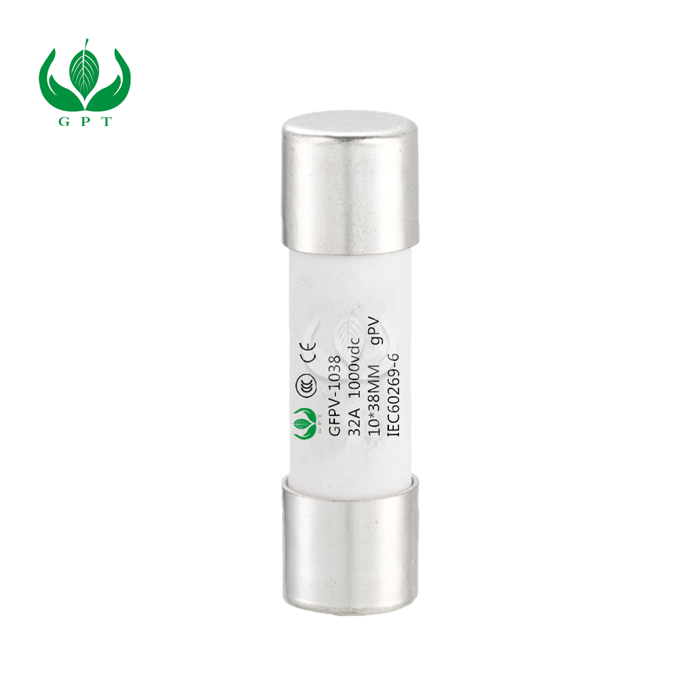
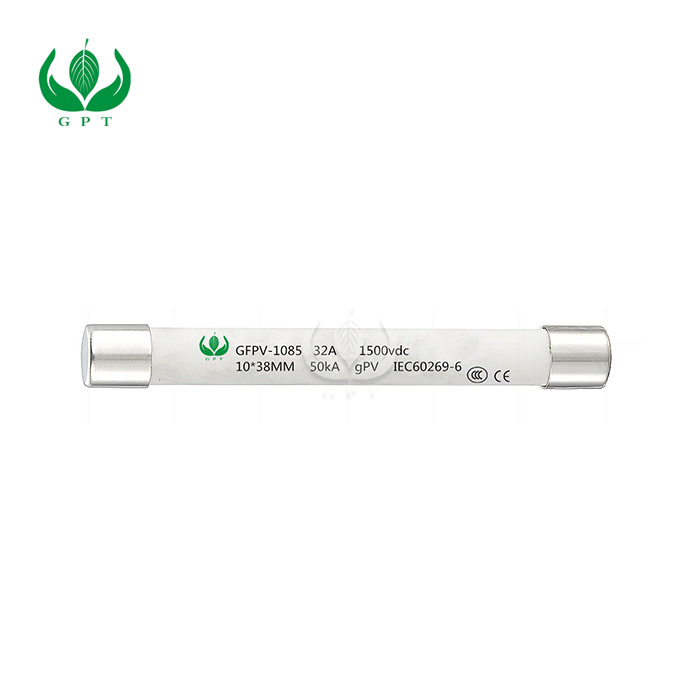
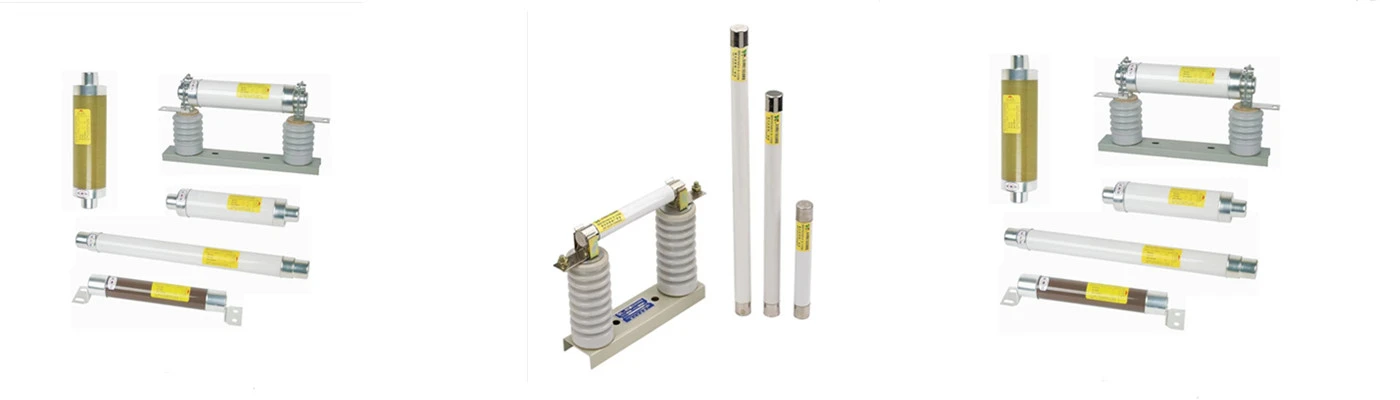
High voltage safety systems use a number of different types of fuses, each one made for a certain job and set of conditions. Ceramic-bodied fuses have great temperature stability and mechanical strength. This makes them perfect for indoor distribution systems and protecting transformers. Polymer variants are great options for outdoor projects that need to be able to handle environmental stresses because they are lightweight and resist chemicals very well.
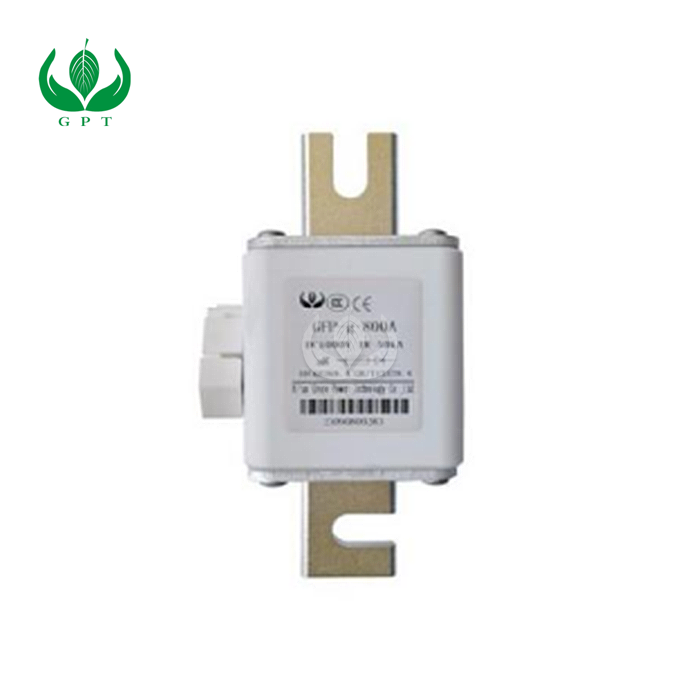
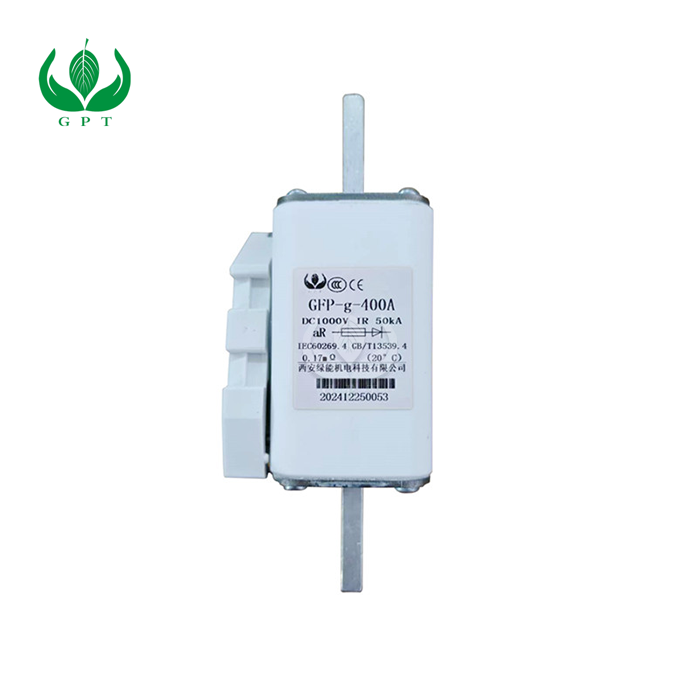
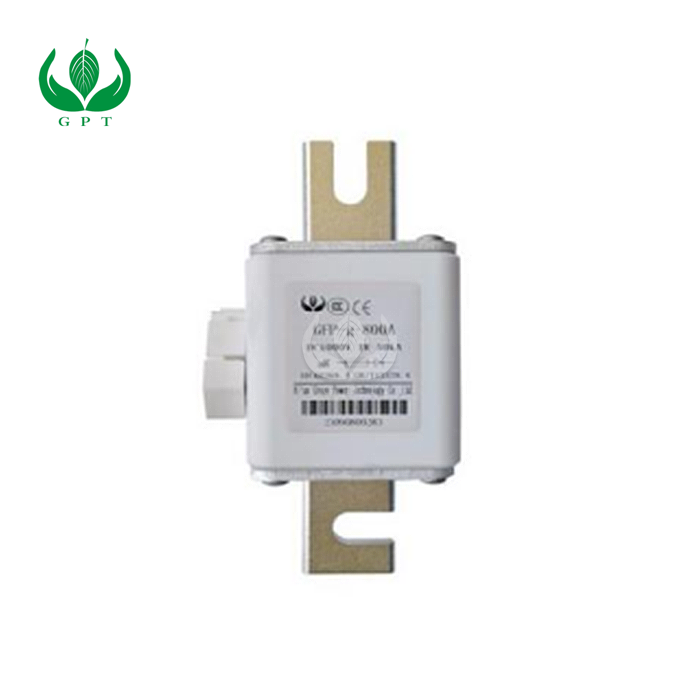
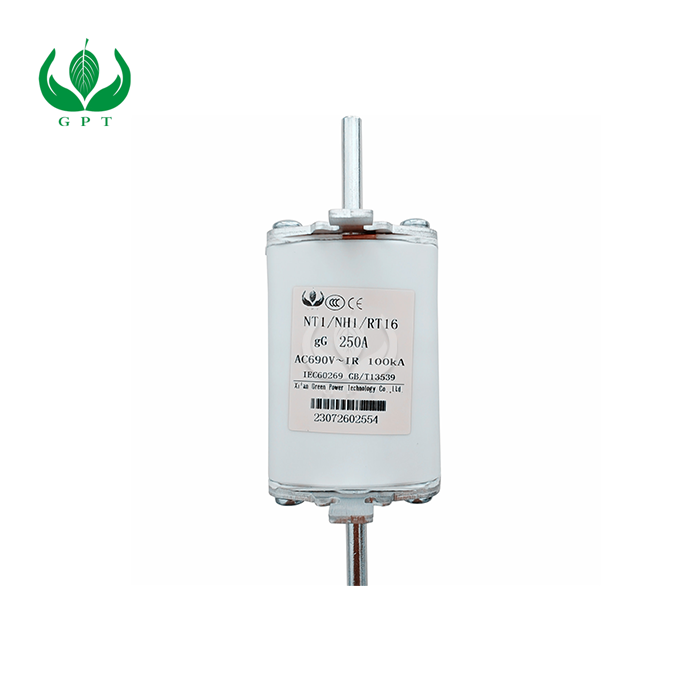
NH-type current limiting fuses have standard sizes and ways of being mounted that make it easy to change them and keep them working. These standard designs make sure that systems from different companies will work together and keep the same performance level that is needed for stability.
Advantages Over Conventional Protection
In several important ways, current restricting fuses work better than regular circuit breakers and fuses. They can avoid damage to the equipment that could happen during the short amount of time that normal devices need to turn on because they respond so quickly. The current limiting feature lowers the thermal and mechanical stress on the parts of the system. This makes the equipment last longer and need less maintenance.
These devices also run without having to be serviced and always work in a predictable way during their service life. Unlike circuit breakers that have to be tested and calibrated every so often, current limiting fuses that are chosen correctly will always protect you without needing to be fixed or tested.
Common Mistakes in the Selection of HV Current Limiting Fuses
When procurement professionals choose the right high-voltage security devices, they often run into problems that can make the system run poorly and create safety risks. Knowing these common mistakes helps you make better choices and avoid expensive errors that damage the health of the electrical system.
Inadequate Voltage Rating Considerations
One of the most important mistakes is choosing fuses that don't have high enough voltage levels for what they're going to be used for. Many experts make the mistake of thinking that matching the nominal system voltage gives enough protection. This shows that they don't understand how important it is to survive recovery voltages that happen after fault interruption.
It is common for recovery voltages to be much higher than the values that are normally acceptable. This is especially true in systems with limited grounding or certain transformer setups. Choosing fuses that can handle a lot more than the system voltage—usually 25% to 30% more—guarantees that it will work under all situations.
Mismatched Breaking Capacity Requirements
The breaking capacity of a HV current limiting fuse tells you the highest fault current it can safely interrupt without getting damaged or creating a safety hazard. When we underestimate how much current can flow through a system's faults, fuses fail during important times when security is needed most.
When figuring out the fault current, it's important to think about all the things that could go wrong, like phase-to-ground faults, three-phase faults, and changes in the system as new power sources are added. In today's power systems that use green energy, fault current levels often change and need to be studied carefully.
Overlooking Environmental Factors
Indoor applications usually have stable settings, but a lot of setups face changes in temperature, humidity, and vibration that affect how the fuse works. If these things are not taken into account during choosing, it can lead to early failures or unreliable operation.
Going through temperature cycles can hurt ceramic fuses a lot because they can get stressed over time as they expand and shrink. Proper derating estimates must take into account the highest expected temperatures, including heat from nearby equipment and changes in temperature that come with the seasons.
Misinterpretation of Technical Documentation
Technical datasheets have very important information on them, but making the wrong choice is common when people misread or don't fully understand the specs. In particular, time-current traits need to be carefully interpreted so that they work properly with other protective devices in the system.
For correct use, it is important to know the difference between the total clearing time and the minimum melting time. These timing factors have a direct effect on how well technology is protected and how well the system works together.
Best Practices and Criteria for Selecting the Right HV Current Limiting Fuse
Systematic assessment methods that look at technical needs, operational issues, and long-term dependability concerns are part of successful procurement plans. Using structured selection criteria helps make sure that security devices work well and that costs are low over the entire lifecycle.
Essential Technical Specifications
The rated current selection needs to be carefully based on normal working currents, projections for load growth, and conditions of acceptable overload. The chosen fuse rating should protect the system from fault situations and take into account changes in the load.
Voltage ratings need to be higher than the system's maximum voltages in every situation, including short-term overvoltages that happen when switching activities or fault conditions occur. The 50Hz frequency rating makes sure that it works with normal power systems and keeps the performance steady.
The breaking capacity requirements must be able to meet or go above the highest fault current that can happen at the installation site. This needs detailed studies of all the faults that take into account changes to the system and plans for future growth. For demanding industrial applications, our HV current limiting fuses have breaking powers of up to 20 kA.
Compliance with International Standards
Following well-known guidelines like GB15166.2 and IEC282-1 makes sure that the product is good and meets the needs of buyers around the world. These standards include safety rules, performance expectations, and testing methods that show how well the fuse works in certain conditions.
When well-known testing companies certify a product, it gives customers more confidence that it is high quality and follows the rules. We are committed to quality and following world best practices, as shown by the CE, TUV, IATF16949, and ISO 9001 certifications our products carry.
Brand Comparison and Supplier Evaluation
SIBA, ABB, and Schneider Electric are all market-leading companies that have a lot of experience with high voltage safety. But new suppliers with strong technical knowledge and quality control methods can offer good alternatives with great performance.
Evaluating supplier skills involves checking on technical support resources, delivery reliability, and the quality of after-sales service. During system planning and troubleshooting, having strong technical support is very helpful.
Maintenance and Lifecycle Considerations
Proper placement and regular checks on the HV current limiting fuse will keep it working longer and make sure that it can still protect you. Visual inspections should look for signs of burning, mechanical damage, or dirt that could affect how well the machine works.
Lead times, how easy it is to get extra parts, and whether or not it will work with what is already installed should all be taken into account when planning replacements. Standardizing on certain kinds of fuses and suppliers makes it easier to keep track of what you have in stock and makes sure that performance is always the same across a number of different setups.
How to Avoid Procurement Pitfalls and Ensure Optimal Fuse Performance?
Common problems that can make projects fail and systems unreliable are dealt with by good buying methods. Understanding these possible problems helps people take action to make sure that electrical safety projects go well.
Avoiding Counterfeit Products
It is very dangerous for system safety and stability when a lot of fake electrical parts are used. Fake current limiting fuses might not have the right materials for arc suppression, or they might be made in a way that causes them to fail during important situations when there is a fault.
Buying from well-known suppliers and authorized distributors is the best way to make sure you don't get fake goods. Verification of product authenticity through manufacturer certification programs adds extra safety for important uses.
Supply Chain Management
Longer lead times and problems in the supply chain can affect the schedules and commissioning operations of projects. Building relationships with several qualified sellers gives you options when your main sources have problems.
Early purchase planning lets you avoid rush orders that could hurt quality or raise prices by giving products enough time to be delivered. Our five-unit minimum order amount keeps costs down while allowing projects of different sizes to order the number of units they need.
Technical Support and Training
Full technical help during all stages of a project makes sure that the product is used and installed correctly. This includes helping with product selection, design advice, and troubleshooting when problems come up.
Training for people who install and take care of systems makes them more reliable and lowers the risk of mistakes being made during installation or handling. Knowing the right way to fix things and how to stay safe protects both people and equipment.
Case Studies and Lessons Learned
Choosing the right fuse and knowing how to put it correctly are important things that can be seen in real-life examples. A large factory's poor voltage rating choice led to repeated fuse failures, which interrupted production and caused safety issues. Upgrading to devices with the right ratings fixed these problems and made the whole system more reliable.
In another case, an environmental impact study was not done properly on a green energy project that was still being planned. Going back and forth in temperature and exposure to UV light caused premature aging, which led to unplanned repair needs. These problems were fixed by redoing the security system with the right environmental factors in mind.
Our Expertise in HV Current Limiting Fuse Solutions
With more than 20 years of experience in engineering and new product development, Xi'an Green Power Technology offers complete electrical protection options. Our company was started in 2016 in Xi'an High-tech Zone. It brings together the knowledge of Xi'an Jiaotong University with the experience of China XD Group pros.
Advanced Product Portfolio
Our high-voltage current-limiting HV current limiting fuses are made for high-voltage distribution systems that are indoors. They work with voltages from 3.6kV to 40.5kV. These devices protect voltage and power transformers as well as ring network systems with ultra-fast fault stoppage capabilities that limit damage and downtime.
The key specs are a 50Hz frequency rate, a breaking capacity of up to 20kA, and compliance with the GB15166.2 and IEC282-1 standards. This set of features makes sure that it works well in a wide range of settings and meets global quality and safety standards.
Customization and Engineering Services
Our research and development team works closely with customers to make personalized solutions for one-of-a-kind needs. Custom designs can deal with specific voltage levels, environmental conditions, and installation issues that regular goods can't handle.
OEM services let you make your own brand and unique packaging that meets the needs of your customers while keeping our quality standards. Rapid prototyping can make sample units in 48 hours for urgent project needs and design verification tasks.
Quality Assurance and Certifications
Quality management systems that are thorough make sure that products work well and can be counted on during the whole manufacturing process. The ISO9001 and IATF16949 certifications show that we are dedicated to high quality and always looking for ways to improve.
Quality control from start to finish includes strict testing rules that check how well something works in a range of situations. Before being sent to customers, each batch is tested in depth to make sure it meets the requirements and global standards.
Global Support Network
Our global logistics network offers faster shipping choices to meet project needs and tight commissioning deadlines. Strategic relationships with distributors and technical support companies make sure that local help is available in important markets around the world.
Technical advice services help customers with every part of a project, from the first designs to the installation and commissioning stages. This all-encompassing method makes sure that the best products are used in the right way, all while boosting the system's performance and dependability.
Conclusion
When you choose high-voltage current limiting fuses, you need to pay close attention to technical details, the environment, and the needs of each unique application. System failures and safety issues can happen when people make common mistakes like using voltage levels that are too low, not matching the breaking capacity, or ignoring environmental factors. Using structured selection criteria, working with qualified suppliers, and making sure there is proper technical help can lower these risks and get the most out of system performance. Knowing how current limiting devices differ from normal protection devices helps people make better choices about protecting expensive equipment and keeping operations running smoothly.
FAQs
What factors determine the proper current rating for HV current limiting fuses?
Proper current rating selection requires analyzing normal operating currents, expected load variations, and acceptable overload conditions. The fuse rating should accommodate 125-150% of normal operating current while providing adequate protection against fault conditions. Load growth projections and seasonal variations must also be considered to ensure long-term suitability.
How do current limiting fuses differ from regular protective fuses?
Current limiting fuses respond significantly faster than conventional devices, interrupting fault currents within milliseconds before they reach peak values. This rapid response reduces mechanical and thermal stress on system components while minimizing arc energy and equipment damage. Regular fuses allow fault currents to develop fully before interruption, potentially causing more severe equipment stress.
Where can I source authentic HV current limiting fuses with bulk pricing advantages?
Authorized distributors and direct manufacturer relationships provide the most reliable sources for authentic products with competitive pricing. Our company offers direct sales with minimum order quantities of 5 units, enabling flexible procurement for various project sizes. Volume pricing discussions are available for larger projects and ongoing supply relationships.
What environmental factors affect fuse selection and performance?
Temperature cycling, humidity levels, altitude, and vibration all influence fuse performance and longevity. Indoor applications typically provide controlled conditions, but installations near heat sources or in areas with significant temperature variation require careful consideration. Proper derating calculations ensure reliable performance under anticipated environmental conditions.
How do international standards impact fuse selection decisions?
Standards like IEC282-1 and GB15166.2 define performance requirements, testing procedures, and safety criteria that ensure product quality and compatibility. Compliance with recognized standards facilitates global procurement while ensuring adequate protection performance. Our products meet multiple international standards, simplifying specification and approval processes.
Contact Green Power for Expert HV Current Limiting Fuse Solutions
Professional electrical protection demands precision, reliability, and expert technical support throughout your project lifecycle. Green Power combines decades of engineering expertise with comprehensive product portfolios designed specifically for demanding high voltage applications. Our HV current limiting fuse manufacturer capabilities include custom solutions, rapid delivery, and ongoing technical consultation that ensures optimal system performance.
Whether you require standard protection devices or specialized solutions for unique applications, our team provides the technical guidance and product quality your projects demand. Contact our specialists at fusemaker@163.com to discuss your specific requirements and discover how our proven solutions can enhance your electrical system reliability.
References
IEEE Standards Association. "IEEE Standard for High Voltage Fuses - Current Limiting Types." IEEE C37.41-2016, Institute of Electrical and Electronics Engineers, 2016.
Martinez, Roberto, and Sarah Chen. "Current Limiting Technology in Modern Power Systems: Applications and Selection Criteria." International Journal of Electrical Protection, vol. 28, no. 3, 2023, pp. 45-62.
Johnson, Michael R. "High Voltage Fuse Coordination in Industrial Distribution Systems." Power System Protection Handbook, 4th ed., McGraw-Hill Education, 2022, pp. 234-267.
International Electrotechnical Commission. "High Voltage Fuses for Motor Circuit Applications - Part 1: General Requirements." IEC 60282-1:2020, International Electrotechnical Commission, 2020.
Williams, Patricia K., and David Thompson. "Environmental Factors Affecting High Voltage Fuse Performance in Industrial Applications." Electrical Safety Quarterly, vol. 15, no. 2, 2023, pp. 78-91.
Anderson, James P. "Procurement Best Practices for Electrical Protection Components in Critical Infrastructure." Industrial Power Systems Conference Proceedings, IEEE Power Engineering Society, 2023, pp. 156-163.