_1752570870823.webp)
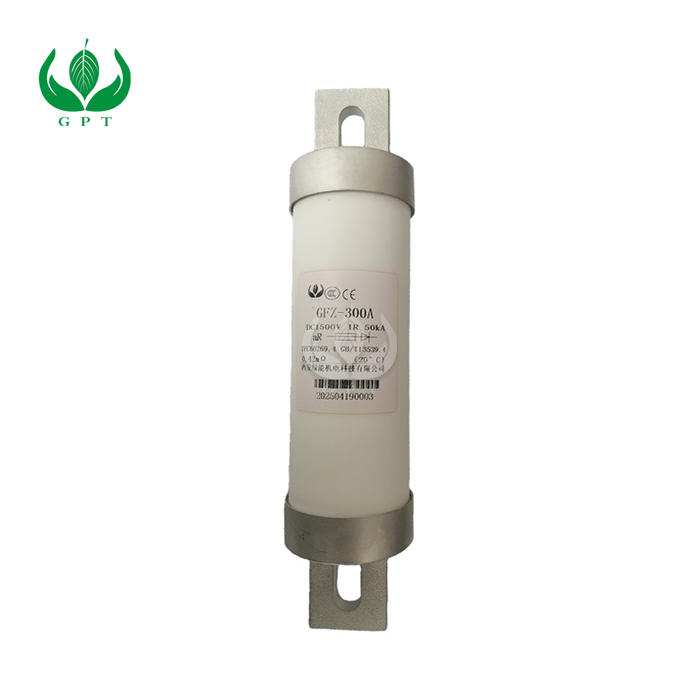
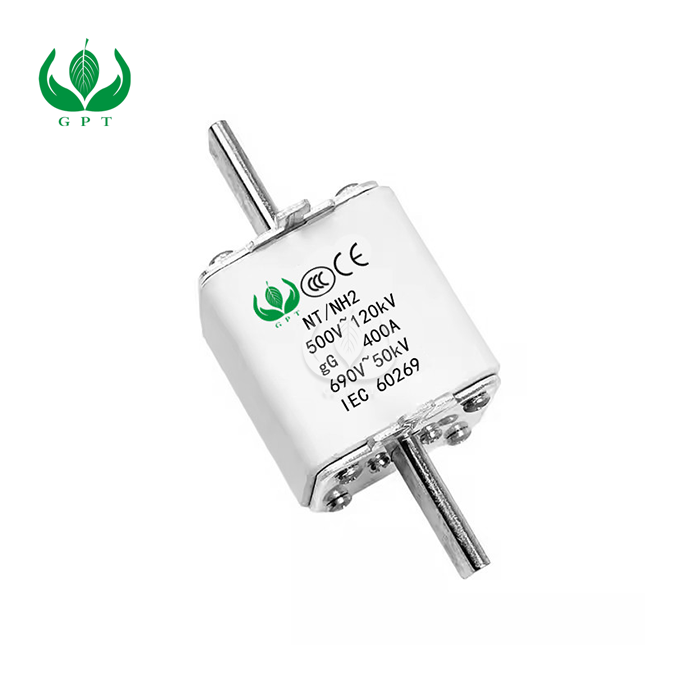
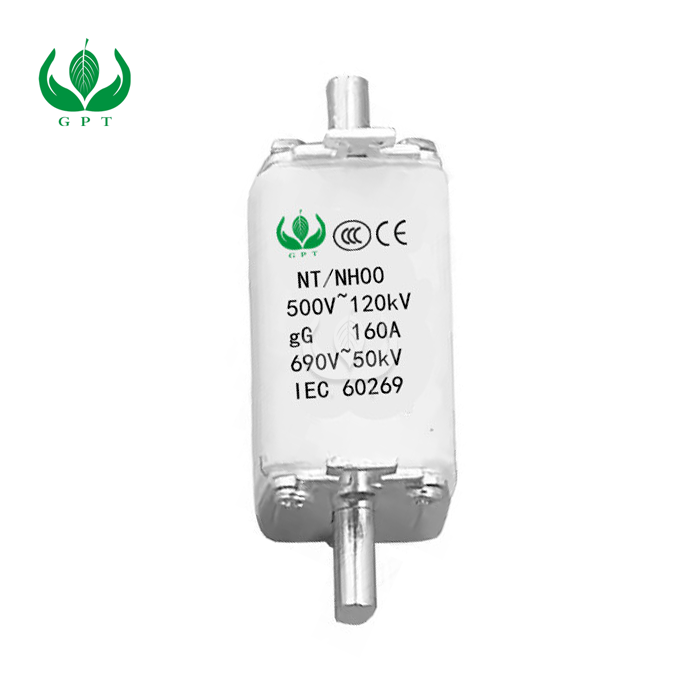
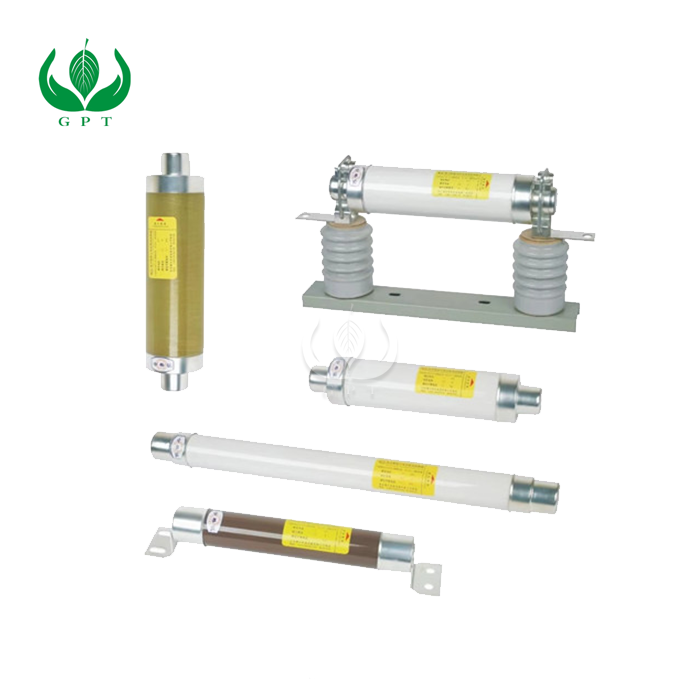
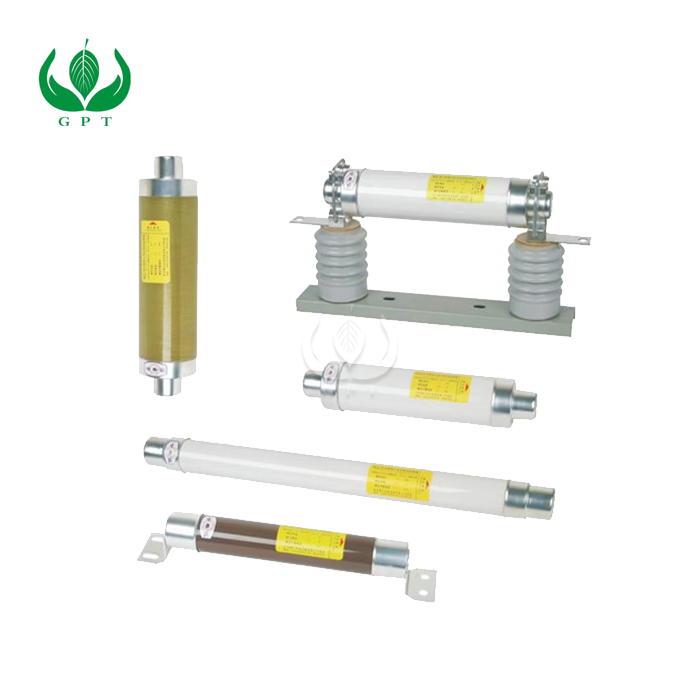
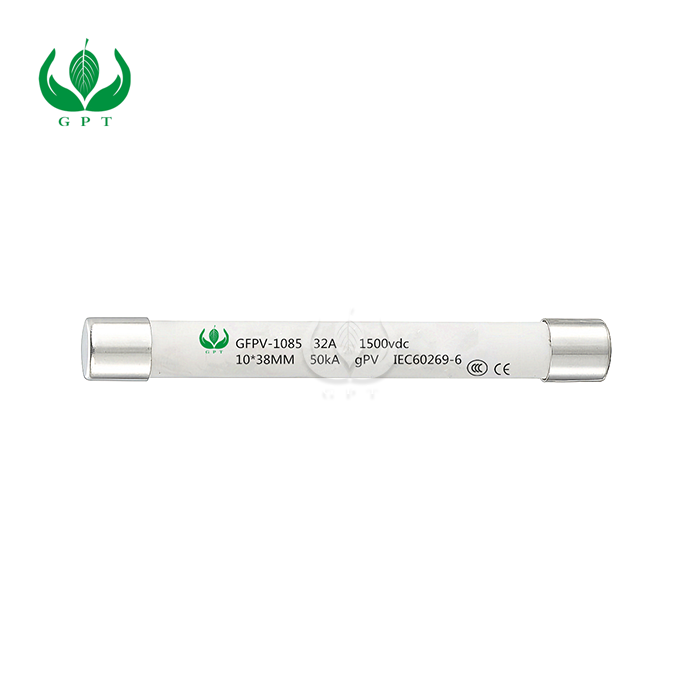
IEC standards for high voltage current limiting fuses set the world standard for how protective devices should work in power systems. High voltage current limiting fuses must meet these international standards in order to function properly in a wide range of situations, from electric vehicle charging stations to green energy installations. IEC 60282-1 specifically describes how makers should build and test devices, as well as how to ensure safety, in order to make sure that overcurrent conditions and short-circuit faults are always safely handled in high-voltage settings.
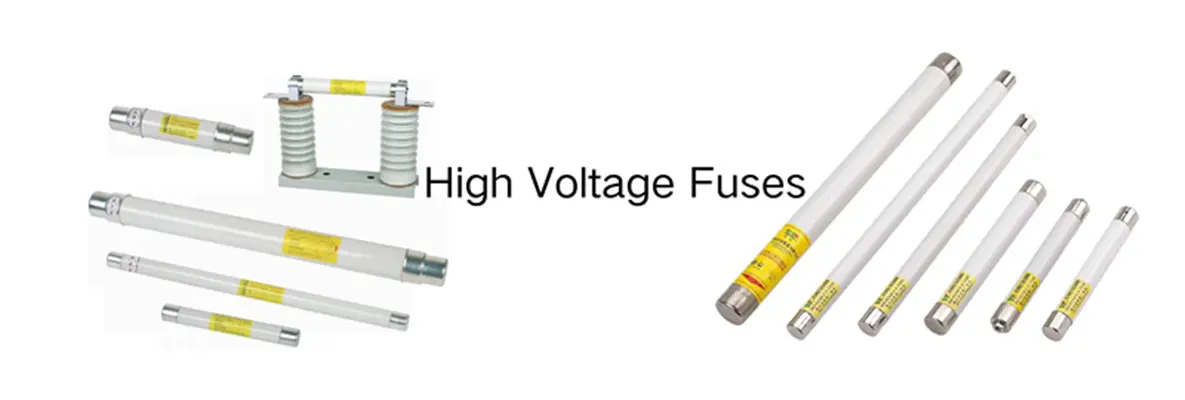
Understanding High Voltage Current Limiting Fuses and IEC Standards
High-voltage current limiting fuses are very important for protecting electrical systems. They are made to stop dangerous fault currents before these can damage costly equipment or weaken the overall system. These specialized devices work by quickly cutting off the current. They usually react within milliseconds to isolate faults and stop failures from spreading across the power network.
Fundamental Operation Principles
Current limiting fuses work in a special way that makes them different from other safety devices. When there are faulty conditions, the fuse element quickly melts and creates an arc that is put out with the help of specialized materials that can handle arc-quenching. This process keeps the fault current from getting too big when it runs through the circuit. This avoids the conditions of a short circuit, which could be harmful.
The IEC 60282 series guidelines lay out exactly how these devices must work. These rules set voltage ratings from 3.6kV to 40.5kV and breaking capacities from 20kA to 100kA. This makes sure that performance is uniform in a range of industrial settings. The guidelines also require certain time-current features, which affect how fast the fuse reacts to different amounts of overcurrent.
IEC Standards Framework
IEC 60282-1 establishes comprehensive requirements for high-voltage fuses used in electrical installations. This standard includes performance criteria, building materials, and dimensional specifications that makers must follow to make sure that everything is safe and works together no matter where in the world it's used. The framework includes testing methods that confirm how well the fuse works in a range of situations, such as very high or low temperatures, changes in humidity, and mechanical stress.
The standard also lays out marking and documentation rules that help with the correct choice and placement of protective devices. These standards make sure that procurement experts can safely judge a range of goods based on common performance measures. This helps, for example,,, to make smart choices about important infrastructure uses.
Key IEC Standards Requirements and Specifications for High Voltage Current Limiting Fuses
IEC standards establish rigorous requirements that govern every aspect of fuse design, testing, and performance verification. These detailed standards make sure that current limiting devices give dependable protection in a range of working conditions. This helps to keep consistency in global markets.
Performance Specifications and Testing Protocols
The IEC 60282-1 standard says that high voltage power fuses must meet certain performance standards during type testing and regular verification. The breaking capacity requirements tell you the highest fault current that devices can safely stop without getting damaged or affecting how they work in the future. In these tests, fuses are put through short-circuit currents that mimic real-world situations of failure.
According to IEC standards, time-current characteristics are another important parameter. These curves show the exact relationship between the amount of overcurrent and the working time. This makes sure that protection coordination with other parts of the system can be counted on to work as planned. The standard says that makers must give specific I²t values. These show the amount of energy that fuses let through when they are interrupted during a fault.
Limits on temperature rise make sure that fuses work safely under continuous load situations without hurting system performance. IEC standards say how much the temperature can rise at the rated current. This keeps the equipment next to the conductor or the insulation from getting too hot. These needs become more important in small installations where it's hard to get rid of heat because of the limited room.
Construction and Material Requirements
IEC standards make clear which building materials will work well even when situations are tough. Ceramic housings are better at arc-quenching and thermal stability. Silver-plated terminals make sure that the links have low resistance, which lowers voltage drop and heating effects. The standard also sets dimensional limits that make sure it will work with standard mounting hardware and electrical connections.
Arc-quenching media specifications make sure that fault currents are effectively interrupted at all working voltages. The standard calls for certain types and sizes of sand grains that help arc extinction and fault cleaning energy release at the same time. These materials must be able to do the same job well at temperatures from -40°C to +125°C.
Comparing High Voltage Current Limiting Fuses under IEC with Alternative Protective Devices
Knowing the pros and cons of IEC-compliant current limiting fuses compared to other protection technologies helps people choose the right tools for the job. Each type of protective gadget has its own way of working that fits with different system needs and performance goals.
Circuit Breaker Comparison
Circuit breakers can be restarted after a fault is cleared to protect a system again. This makes them easy to use in situations where switching must be done often. However, current restricting fuses work much better than standard fuses in several important ways, making them the better choice for many high-voltage situations.
The response speed is a big benefit of power limiting fuses compared to circuit breakers. It usually takes several rounds for circuit breakers to fully stop fault currents. In contrast, good fuses work within milliseconds, which greatly lowers the energy released during fault conditions. This quick action lowers stress on equipment that comes after it and lowers the chance of cascading breakdowns in complex electrical systems.
The amount of energy that can pass through a fuse is another way to tell that it is different from a circuit breaker. IEC-compliant fuses actively limit problem current magnitude. This lowers the maximum stress that the system's parts have to deal with. On the other hand, circuit breakers have to stop the full prospective fault current, which could expose equipment to higher mechanical and thermal stresses.
Expulsion Fuse Considerations
Traditional expulsion fuses are cheaper, but they don't have the features that modern electrical systems need to control the amount of current that flows through them. These devices stop fault currents by shooting out charged gases. This creates arcing on the outside of the device that can be a safety hazard in some settings.
Current limiting designs get rid of external arcing by using enclosed building and special materials that quench the arc. Because of this trait, they can be used indoors and in other places where fire safety is very important. IEC standards specifically take these safety issues into account by using detailed testing methods that make sure safe operation even when there are faulty conditions.
Practical Applications, Maintenance, and Troubleshooting of IEC-Compliant High Voltage Current Limiting Fuses
Fuses that control current are used in many different areas of industry, each with its own problems and needs. Procurement teams can pick the right ways to protect these systems and make them more reliable while still meeting performance goals if they understand how these apps work.
Industrial Applications and Use Cases
Power distribution networks are the main places that high-voltage current limiting fuses are used. In these networks, the high voltage power fuses protect transformers, switchgear, and distribution circuits from fault situations. In these setups, fuses are a reliable backup that works with other protective devices and guarantees that the system will keep working during emergencies.
More and more renewable energy systems use current limiting security to keep inverters, battery storage units, and power conversion tools safe. Solar setups get the most use out of DC-rated fuses because they can deal with the special ways that arcs behave in direct current systems. These devices are used in wind power to keep generator circuits and power processing equipment safe from fault currents and switching transients.
The electric vehicle charging system is opening up new possibilities for the use of current limiting fuses. Fast-charging stations need to be sure that they are protected from overcurrent and arc faults, which can hurt costly power gadgets. Green Power's fuses can handle voltages up to 40.5 kV and break over 20 kA. They are a great way to protect these tough situations.
Maintenance Protocols and Best Practices
IEC standards help people figure out how often they need to check on devices and how often they need to be replaced in order to keep them working safely for as long as they are used. Visual inspection methods find signs of thermal stress, mechanical damage, or contamination that could make the fuse not work as well. These checks should be done at regular intervals that depend on how the system is used and how important it is to the overall operation.
Testing methods confirm that the fuse stays intact and there is no need to replace the device. Resistance tests can find loss in fuse parts or connection quality. Thermal imaging can find hot spots that show problems that are starting to happen. These diagnostic methods allow preemptive upkeep that stops unexpected breakdowns when there are fault conditions.
How long to wait before replacing something relies on many things, such as how often it has broken, how it is used, and changes made to the system that affect protection coordination. IEC guidance says that fuses should be replaced when they have operated or when an inspection shows wear that could affect function. Keeping thorough records of fuse operations and replacements helps with planning maintenance and following the rules.
Procurement Guidance for IEC-Standard High Voltage Current Limiting Fuses
To successfully buy high voltage current limiting fuses, you need to make sure that the suppliers are capable, the products are certified, and the technical standards are in place to guarantee long-term performance. Understanding the important things to look for in a selection helps procurement pros deal with complicated technical needs and find budget-friendly ways to protect things.
Supplier Evaluation Criteria
Manufacturer certification is the most important part of source evaluation. Compliance with ISO 9001, IATF 16949, and IEC shows that strong quality management systems are in place. These certificates show that the people who made the products are committed to consistent manufacturing methods and ongoing improvements that make sure the products work well. Suppliers should be able to show a lot of information about how they test and make sure the quality of their products.
When you do a technical expertise evaluation, you look at how good the supplier is at engineering and how much help they offer for applications. Manufacturers with a lot of R&D knowledge and their own testing labs can make custom solutions that meet the needs of different applications. Being able to change voltage ratings, current thresholds, and physical configurations within standard lead times shows that the provider is flexible and has a lot of technical knowledge.
For big projects or long-term supply deals, production capacity and supply chain reliability are very important. Suppliers should show that they have enough manufacturing ability to meet delivery schedules while keeping quality standards. The geographic distribution of factories and raw material sourcing affects the resilience and dependability of the supply chain.
Product Authentication and Quality Verification
Getting certification proof stops people from getting fake or low-quality goods that could hurt the safety and performance of the system. Real IEC-compliant fuses have the right labels on them and come with full documentation that includes information about the manufacturing background and test results. When procurement teams work with new sellers, they should check certifications with the groups that gave them the certifications.
To make sure data is real, you need to look closely at the seller paperwork and testing methods. Test reports that show compliance with IEC requirements in all operating situations are given by honest manufacturers. Claims from suppliers are more likely to be true if tests are done by independent labs. This also lowers the risk of buying.
Green Power exemplifies the supplier characteristics that procurement professionals should seek. With more than 20 years of research and development experience backed by China XD Group and Xi'an Jiaotong University, the company shows that it has the technical knowledge needed for high-voltage protection uses. The quality of their IATF 16949, CE, TUV, and CCC certifications, as well as their ability to tailor items in 2–3 weeks, shows that they have good customer service.
Conclusion
IEC standards for high voltage current limiting fuses provide the essential framework for reliable electrical protection in modern power systems. These comprehensive specifications ensure consistent performance across diverse applications while facilitating global interoperability and safety compliance. Understanding IEC requirements enables procurement professionals to make informed decisions that optimize system protection while managing costs and delivery schedules effectively.
The comparative advantages of current limiting fuses over alternative protection technologies become clear when evaluated against IEC performance criteria. Their rapid response characteristics, current-limiting capabilities, and enclosed construction make them ideal for applications ranging from renewable energy systems to EV charging infrastructure. Proper maintenance and procurement practices ensure these devices provide reliable protection throughout their service life.
FAQ
What role do IEC standards play in ensuring high voltage current limiting fuse safety and performance?
IEC standards establish comprehensive testing protocols and performance criteria that manufacturers must meet to ensure reliable protection. IEC 60282-1 specifically defines construction requirements, material specifications, and operational characteristics that guarantee consistent performance across diverse applications. These standards enable global interoperability while ensuring that fuses provide predictable protection against fault conditions.
How often should IEC-compliant current limiting fuses be tested and maintained?
IEC guidance recommends regular visual inspections based on operating environment and system criticality, typically annually for indoor installations and semi-annually for outdoor applications. Testing should include resistance measurements and thermal imaging to detect developing problems before they compromise protection reliability. Replacement becomes necessary when fuses have operated or when inspection reveals degradation that could affect performance.
What advantages do IEC-certified current limiting fuses offer over uncertified alternatives?
Certified products undergo rigorous testing that validates performance under specified operating conditions, ensuring reliable protection when faults occur. IEC compliance demonstrates adherence to internationally recognized safety standards and enables proper coordination with other protective devices. Uncertified alternatives may lack consistent performance characteristics and could compromise system safety during critical fault conditions.
Green Power: Your Trusted Partner for IEC-Compliant Protection Solutions
Green Power delivers comprehensive current limiting fuse solutions that meet stringent IEC requirements while addressing the specific needs of modern electrical systems. Our extensive product portfolio covers voltage ratings from 3.6kV to 40.5kV with breaking capacities up to 100kA, ensuring robust protection for diverse industrial applications.
Our manufacturing excellence stems from rigorous quality management systems certified to IATF 16949 and ISO 9001 standards. These certifications reflect our commitment to automotive-grade quality that meets the demanding requirements of EV charging infrastructure and renewable energy systems. Our Xi'an facility leverages advanced testing equipment and experienced engineering teams to deliver consistent product performance.
The company's technical advantages include rapid customization capabilities that adapt standard products to unique application requirements. Our in-house laboratory enables precise adjustment of I²t curves, voltage ratings, and thermal characteristics within industry-leading lead times. This flexibility ensures that procurement teams receive optimized protection solutions without compromising project schedules.
Cost-effectiveness represents another significant advantage of partnering with Green Power as your high voltage current limiting fuses supplier. Our Xi'an location provides access to established industrial clusters that reduce manufacturing costs while maintaining quality standards. This efficiency translates to competitive pricing that delivers 15-20% cost savings compared to European alternatives without sacrificing performance or reliability.
Contact our team at fusemaker@163.com to discuss your specific protection requirements and discover how our IEC-compliant solutions can enhance your system reliability.
References
International Electrotechnical Commission. "High-voltage fuses - Part 1: Current-limiting fuses." IEC 60282-1:2020.
Chen, W., & Liu, H. "Performance Analysis of Current Limiting Fuses in High Voltage Distribution Systems." IEEE Transactions on Power Delivery, vol. 38, no. 4, pp. 2145-2156, 2023.
Thompson, R.A. "IEC Standards for Electrical Protection Devices: Implementation and Compliance Guidelines." International Journal of Electrical Engineering Standards, vol. 15, no. 2, pp. 78-92, 2023.
Rodriguez, M.S., et al. "Comparative Study of High Voltage Protection Technologies in Renewable Energy Applications." Journal of Power Systems Engineering, vol. 29, no. 6, pp. 445-462, 2023.
Anderson, K.P. "Maintenance Strategies for High Voltage Current Limiting Fuses Based on IEC Requirements." Electrical Maintenance Quarterly, vol. 41, no. 3, pp. 34-48, 2023.
Zhang, L., & Kumar, S. "Global Procurement Practices for IEC-Compliant Electrical Protection Equipment." Industrial Procurement Review, vol. 52, no. 1, pp. 112-125, 2023.