_1752570870823.webp)
When choosing between Class J fast acting fuses and time delay fuses, the decision hinges on your application's specific protection requirements. A Class J fast acting fuse responds to overcurrent conditions within 20 milliseconds, making it ideal for protecting sensitive electronics and preventing catastrophic damage in EV batteries, solar inverters, and semiconductor equipment. Time delay fuses, conversely, tolerate temporary surges like motor starting currents while providing protection against sustained overloads. Understanding these fundamental differences empowers procurement teams to select the optimal protection strategy for their critical electrical systems.
Understanding Class J Fast Acting Fuses
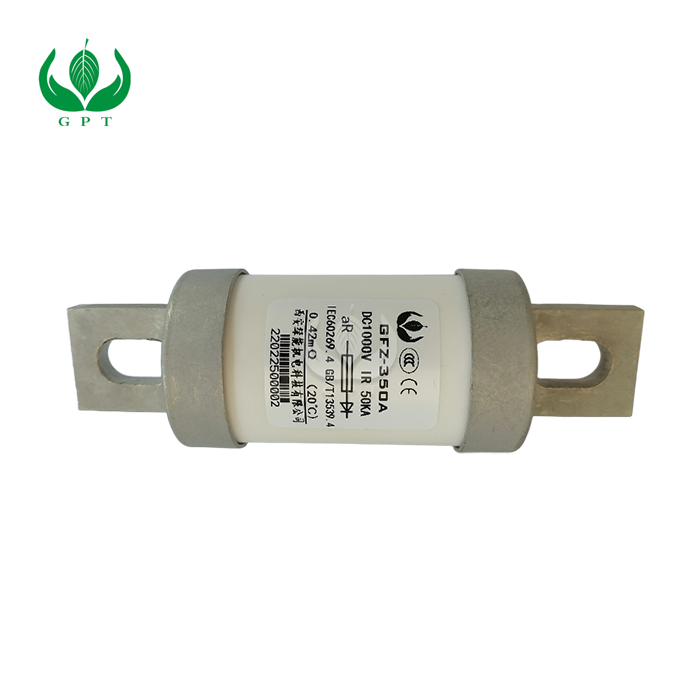
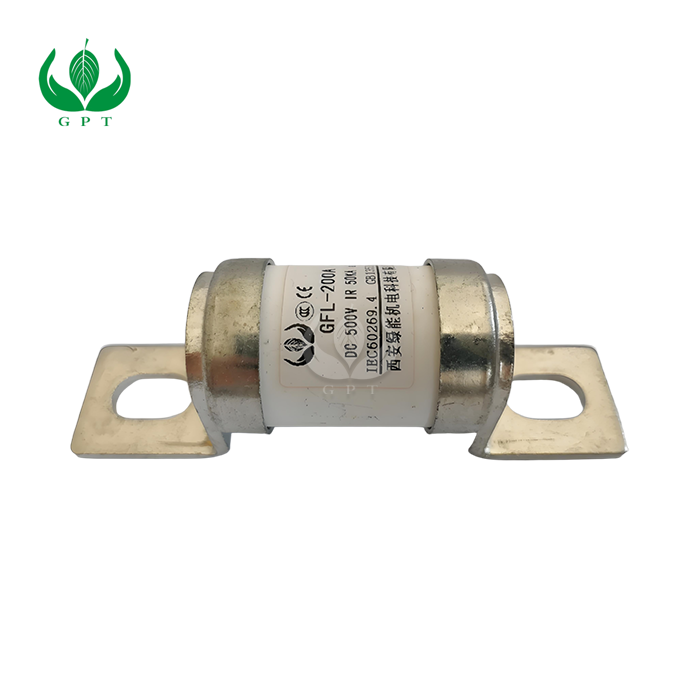
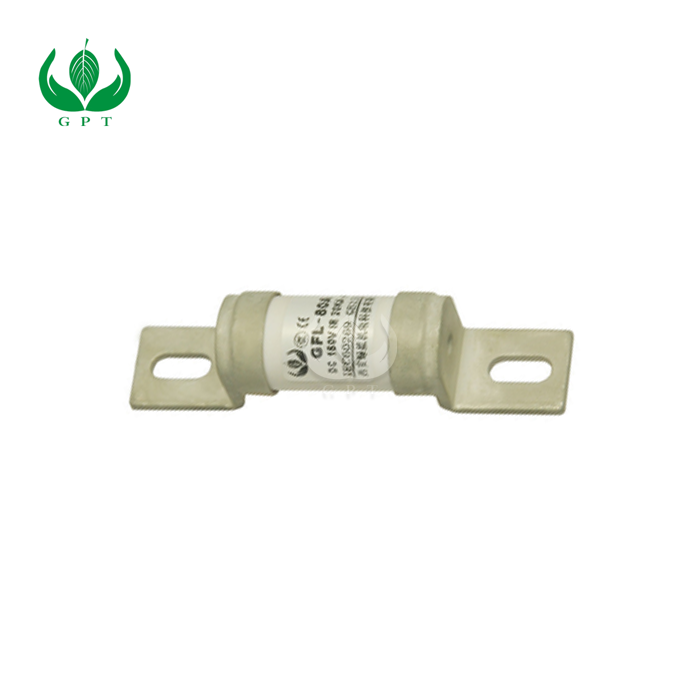
Class J fast acting fuses represent the pinnacle of rapid overcurrent protection technology, engineered specifically for applications where every millisecond matters. These current-limiting devices operate within the 600-volt AC range with amperage ratings spanning from 1 to 1200 amps, though our enhanced variants extend to DC1000V/AC1250V ratings for demanding applications.
Technical Specifications and Performance Characteristics
The defining characteristic of fast-acting fuses lies in their exceptional interrupting capacity and lightning-quick response times. Our Class J fast acting fuse delivers remarkable performance specifications that set new industry benchmarks:
• Breaking Capacity: AC100kA and DC50kA ensures reliable protection even in high-fault current scenarios
• Response Time: ≤20ms interruption prevents thermal runaway in lithium-ion battery systems
• Operating Range: Functions reliably from -50°C to +125°C across diverse environmental conditions
• Current Limitation: Reduces let-through energy by up to 85% compared to standard breakers
These specifications translate into real-world reliability for mission-critical applications. The ceramic body construction provides superior arc extinction capabilities, while silver-plated terminals ensure consistent conductivity under extreme temperature fluctuations.
Applications in Modern Electrical Systems
Fast-acting protection finds its most valuable applications in scenarios where equipment sensitivity demands immediate fault isolation. EV battery management systems rely on this rapid response to prevent thermal cascade failures that could result in fire hazards. Solar inverter protection benefits from the precise current limitation that preserves expensive power electronics during grid disturbances.
Industrial semiconductor manufacturing represents another critical application area where precision timing matters. Fabrication equipment worth millions of dollars depends on ultra-fast fault clearing to maintain production continuity and protect delicate processing chambers.
Comparing Class J Fast Acting Fuse and Time Delay (Slow Blow) Fuse
The fundamental distinction between fast-acting and time delay fuses centers on their response philosophy and intended applications. While both provide overcurrent protection, their operational characteristics serve distinctly different protection strategies.
Response Time and Current Handling
Fast-acting fuses prioritize immediate fault isolation, melting within milliseconds when current exceeds rated values. This rapid response proves essential for protecting sensitive electronic components that cannot withstand even brief overcurrent conditions. Time delay fuses incorporate specialized elements designed to withstand temporary current surges, making them suitable for motor protection where starting currents can reach 600-800% of normal operating levels.
The time-current characteristics reveal this difference clearly. A Class J fast acting fuse will clear a 200% overload within seconds, while a time delay variant might allow the same condition to persist for several minutes, accommodating normal motor startup sequences.
Design Philosophy and Construction
Manufacturing approaches differ significantly between these fuse types. Fast-acting variants, such as the Class J fast acting fuse, utilize fine wire elements with minimal thermal mass, ensuring rapid heating and melting when overcurrent occurs. Time delay fuses incorporate dual-element designs featuring both a fusible link for short-circuit protection and a spring-loaded mechanism for overload protection.
This dual-element construction allows time delay fuses to distinguish between harmless temporary surges and dangerous sustained overloads. The spring mechanism provides the timing function, while the fusible element handles catastrophic short circuits.
Application-Specific Advantages
Procurement teams must consider the specific electrical characteristics of their protected equipment when choosing between these options. Fast-acting protection excels in applications involving power electronics, variable frequency drives, and battery systems where component sensitivity demands immediate isolation. Time delay protection serves motor-driven equipment, transformers, and systems with high inrush currents where nuisance tripping would disrupt operations.
How to Choose the Right Fuse for Your Application
Selecting appropriate fuse protection requires systematic analysis of electrical parameters, environmental conditions, and operational requirements. Successful procurement decisions balance protection effectiveness with operational continuity, ensuring equipment safety without unnecessary interruptions.
Critical Selection Parameters
Voltage and current ratings form the foundation of proper fuse selection. The fuse voltage rating must exceed the system's maximum operating voltage, while current ratings should align with normal operating loads. Our DC1000V/AC1250V ratings accommodate modern high-voltage applications in renewable energy and electric vehicle systems.
Breaking capacity represents another crucial specification, particularly in industrial environments with high available fault currents. The AC100kA/DC50kA breaking capacity of our Class J fuses ensures reliable operation even in robust electrical systems with substantial short-circuit current potential.
Environmental and Compliance Considerations
Operating environment significantly impacts Class J fast acting fuse performance and longevity. Temperature extremes, vibration, moisture, and chemical exposure all influence protection reliability. Our ceramic construction and silver-plated terminals provide superior environmental resistance compared to standard glass-tube alternatives.
Certification requirements vary by application and geographic region. Our comprehensive certification portfolio includes CE, TUV, CCC, and RoHS compliance, ensuring global market acceptance. IATF 16949 certification specifically addresses automotive applications where quality and reliability standards exceed typical industrial requirements.
Integration with Existing Systems
Compatibility with existing electrical infrastructure influences procurement decisions significantly. Class J dimensions follow standardized specifications, ensuring drop-in replacement capability with existing fuse holders and distribution equipment. However, the unique rejection feature prevents installation of lower-rated fuses, maintaining system protection integrity.
Procurement Strategies for Class J Fast Acting Fuses
Effective procurement of specialized electrical components requires strategic supplier relationships and thorough market understanding. Class J fast acting fuses, being critical safety components, demand particularly careful sourcing approaches that balance cost, quality, and delivery reliability.
Supplier Evaluation and Partnership Development
Identifying qualified suppliers involves assessing technical capabilities, quality systems, and market presence. Manufacturers with comprehensive certification portfolios demonstrate commitment to quality and regulatory compliance. Our ISO9001 and IATF16949 certifications reflect systematic quality management approaches that ensure consistent product performance.
Technical support capabilities differentiate premium suppliers from commodity providers. The ability to provide application engineering assistance, custom specifications, and rapid prototyping services adds significant value beyond basic product supply. Our 20+ years of R&D experience, backed by expertise from China XD Group and Xi'an Jiaotong University, enables sophisticated problem-solving for challenging applications.
Volume Purchasing and Inventory Management
Bulk purchasing strategies for Class J fast acting fuses can significantly reduce unit costs while ensuring adequate inventory levels. Our minimum order quantity of 5 pieces accommodates both prototype evaluation and production requirements. Volume discounts become meaningful for procurement quantities exceeding 100 pieces, with additional savings available for annual purchase agreements.
Lead time management requires coordination between production schedules and delivery requirements. Our 98% on-time delivery rate reflects optimized manufacturing and logistics processes designed to support just-in-time procurement strategies. Regional warehouses further reduce delivery times for urgent requirements.
Cost Optimization Techniques
Total cost of ownership extends beyond initial purchase price to include installation, maintenance, and replacement costs. High-quality fuses with superior reliability reduce long-term costs through extended service life and reduced maintenance requirements. The automotive-grade reliability of our Class J fuses, validated through 1,000+ charge cycle simulations, ensures dependable performance in demanding applications.
Company Introduction and Our Fuse Solutions
Xi'an Green Power Technology Co., Ltd. stands at the forefront of electrical protection innovation, combining heritage expertise with cutting-edge technology to deliver world-class fuse solutions. Founded in 2016 in Xi'an High-tech Zone, our company specializes in high and low voltage fuses for electric vehicles, charging infrastructure, photovoltaic systems, wind power, energy storage, and semiconductor protection applications.
Technical Heritage and Innovation
Our technical foundation draws from over 20 years of R&D experience, supported by experts from China XD Group and Xi'an Jiaotong University. This combination of state-owned enterprise rigor with academic excellence has produced breakthrough innovations like our 2018 development of Class J fast acting fuse technology with 500V/20kA water-cooled capabilities.
The depth of our expertise shows in our comprehensive product portfolio, which includes not only standard Class J configurations but also customized solutions tailored to specific application requirements. Whether customers need 800V DC ratings for next-generation EV systems or compact designs for space-constrained installations, our engineering team can adapt specifications without compromising breaking capacity or reliability.
Quality Systems and Certifications
Our commitment to quality extends throughout the organization, supported by ISO9001, IATF16949, CE, TUV, CCC, and RoHS certifications, such as for the Class J fast acting fuse. These certifications represent more than compliance checkmarks—they reflect systematic approaches to quality management that ensure consistent product performance across all production batches.
The IATF16949 automotive certification deserves particular attention, as it demonstrates our capability to meet the stringent requirements of automotive applications where failure is not an option. Our fuses undergo rigorous testing including 1,000+ charge cycle simulations to validate EV-ready durability under real-world operating conditions.
Customer-Centric Service Approach
We understand that technical excellence must be matched with responsive service to create lasting customer relationships. Our global certification portfolio ensures products meet local regulatory requirements whether deployed in European renewable energy installations, North American industrial facilities, or Asian manufacturing operations.
Customization capabilities set us apart in an increasingly commoditized market. Our OEM services enable customers to specify exact voltage and current combinations, form factors, and performance characteristics needed for their unique applications. This flexibility proves particularly valuable for equipment manufacturers developing next-generation products that push traditional specification boundaries.
Conclusion
The choice between Class J fast acting fuses and time delay fuses fundamentally depends on your application's protection requirements and operational characteristics. Fast-acting protection excels in sensitive electronic applications where immediate fault isolation prevents catastrophic damage, while time delay options accommodate motor starting currents and other temporary surge conditions. Modern electrical systems increasingly demand the precision protection that Class J fast acting fuses provide, particularly in renewable energy, electric vehicle, and semiconductor applications where component sensitivity requires millisecond-level response times. Successful procurement strategies must balance technical specifications with supplier capabilities, ensuring both product performance and supply chain reliability for long-term operational success.
FAQs
1. What makes Class J fast acting fuses different from other fuse classes?
Class J fuses feature unique dimensional characteristics that prevent installation of lower-rated alternatives, ensuring proper protection levels. Their current-limiting design reduces let-through energy by up to 85% compared to standard breakers, while the fast-acting response provides fault clearing within 20 milliseconds for sensitive equipment protection.
2. Can time delay fuses be substituted for fast-acting types in motor protection?
Time delay fuses are actually preferred for motor protection applications because they accommodate normal starting currents without nuisance tripping. Fast-acting fuses would likely clear during motor startup, causing unnecessary shutdowns. However, downstream electronics within motor control systems may require fast-acting protection for optimal safety.
3. How does voltage rating influence fuse selection for DC applications?
DC applications require fuses specifically rated for direct current, as DC arc extinction presents unique challenges compared to AC systems. Our DC1000V rating accommodates modern high-voltage applications in electric vehicles and renewable energy systems where standard AC-rated fuses would prove inadequate for reliable arc suppression.
Partner with Green Power for Superior Class J Fast Acting Fuse Solutions
Xi'an Green Power Technology delivers automotive-grade reliability and precision engineering for your most demanding electrical protection requirements. Our Class J fast acting fuse manufacturer capabilities combine 20+ years of R&D expertise with comprehensive global certifications including IATF16949, ensuring your procurement investment meets the highest quality standards. Contact our technical team at fusemaker@163.com to discuss custom specifications, volume pricing, and rapid delivery options that support your operational timeline.
References
1. Institute of Electrical and Electronics Engineers. "IEEE Standard for Low-Voltage AC and DC Power Circuit Breakers Used in Enclosures." IEEE C37.13-2015, 2015.
2. National Electrical Manufacturers Association. "Low Voltage Cartridge Fuses - Application Guide." NEMA FU 1-2012, Washington DC, 2012.
3. Underwriters Laboratories. "Standard for Safety - Low Voltage Fuses - Part 1: General Requirements." UL 248-1, 4th Edition, Northbrook, Illinois, 2018.
4. International Electrotechnical Commission. "Low-voltage fuses - Part 1: General requirements." IEC 60269-1:2006+AMD1:2009+AMD2:2014, Geneva, Switzerland, 2014.
5. Society of Automotive Engineers. "Electric Vehicle Supply Equipment - Safety Requirements." SAE J1772-2017, Warrendale, Pennsylvania, 2017.
6. Cooper Bussmann Division. "Electrical Protection Handbook - Selection and Application of Fuses and Circuit Breakers." Technical Publication 5671, St. Louis, Missouri, 2019.